 YardMate


Primrose
Primula vulgaris
Easy · Beginner friendlyAbout Primrose
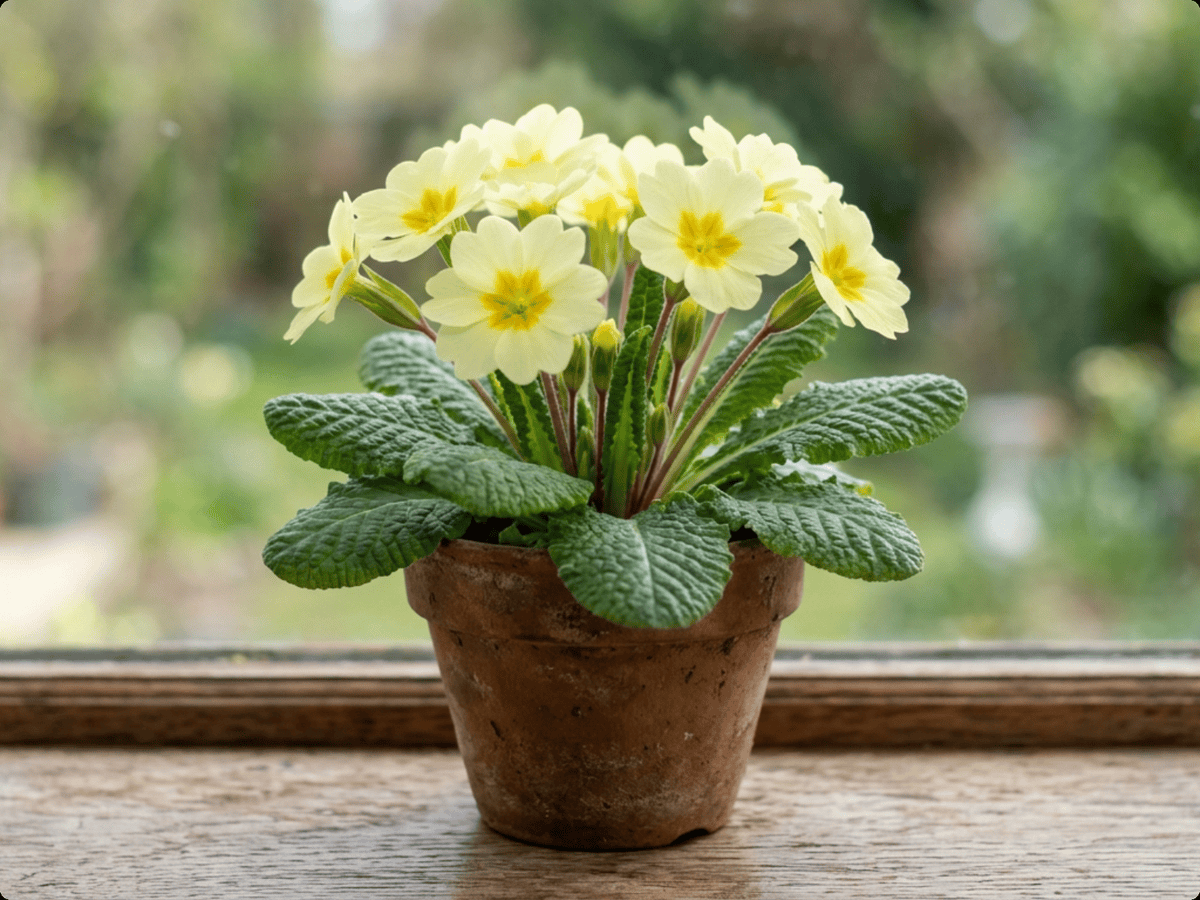
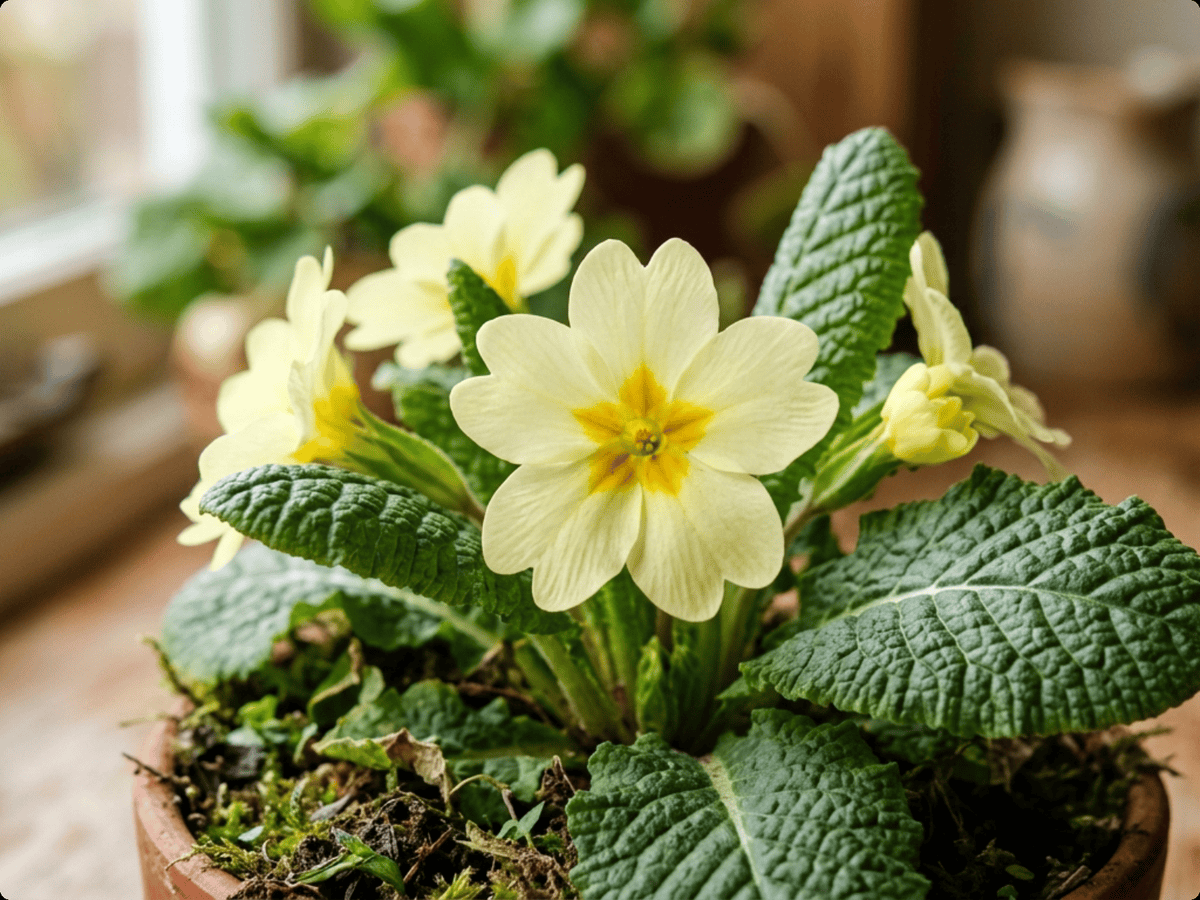
Primula vulgaris, the common primrose, is one of the earliest and most cheerful spring wildflowers, producing clusters of soft yellow flowers nestled among crinkled, tongue-shaped leaves. Native to European woodlands and hedgerows, it signals the end of winter throughout the British Isles. The name means 'first rose' (prima rosa) — not because it's a rose, but because it's among the first flowers of the year. It thrives in cool, moist, partially shaded conditions. Modern polyanthus hybrids offer an expanded color palette but the pale yellow wildflower form remains the most beloved.
- Shade-tolerant
- Native
How to care for Primrose
Watering
- Springevery 5 days
- Summerevery 3 days
- Fallevery 7 days
- Winterevery 14 days
Soil · Rich & well-draining
- Top dressingCompost10%
- Main mixPotting soil + compost 3:180%
- DrainageGravel10%
Top up the compost layer each season.
FERTILIZER
Balanced Feed 14-14-14
An even feed covers all three needs at once, keeping leaves, roots and blooms moving together with nothing pushed out of balance.
- Nitrogen · Leaves
- Phosphorus · Roots + Blooms
- Potassium · Strength
- Springevery 21 days
- Summerevery 21 days
At a Glance
- NativeEurope, Africa, Western Asia
- Height0.5–1 ft (0.2–0.3 m)
- Spread0.5–1 ft (0.2–0.3 m)
- Flower colorYellow, Pink, Red, White
- Foliage colorGreen
- SoilRich, Moisture-retentive, Loamy
- LocationsYard · Balcony
Bloom time
BLOOM CYCLE
Peak bloom
Mar–May
Pale yellow spring flowers; prefers cool, moist shade; divide after flowering
Fragrance
LIGHT FRAGRANCE
The flowers have a delicate sweet scent.
Toxicity
Humans Slight · Pets Slight
primin (benzoquinone derivative, in hairs) and saponins
Slight
- Leaf
- Stem
- Contact
EXPOSURE Touching leaves and stems.
EFFECT Contact dermatitis ("primula dermatitis") from primin compound in glandular hairs.
NOTE Common cause of occupational dermatitis in florists; Scandinavian countries track it as notifiable occupational allergy.
Slight
- All
- Ingestion
EXPOSURE Eating any part of the plant.
EFFECT Mild GI upset.
NOTE Common cause of occupational dermatitis in florists; Scandinavian countries track it as notifiable occupational allergy.
Slight
- All
- Ingestion
EXPOSURE Eating any part of the plant.
EFFECT Mild GI upset.
NOTE Common cause of occupational dermatitis in florists; Scandinavian countries track it as notifiable occupational allergy.
Educational information, not medical or veterinary advice. If exposure is suspected, contact a doctor or veterinarian.
DISTRIBUTION


- Native
- Europe
- Africa
- Western Asia
History

Primula vulgaris is native to deciduous woodlands and hedge banks across Europe, from Britain and Norway to North Africa and the Caucasus. The Latin vulgaris means "common," and prim-rose derives from Old French primerose, "first rose of spring." Chaucer, Shakespeare, and Milton reference it; in Hamlet it walks the "primrose path of dalliance."
Benjamin Disraeli, Queen Victoria's favorite prime minister, loved it so deeply that after his death in 1881 she sent primroses to his funeral; April 19 became Primrose Day in Britain, marked by the Primrose League, a Conservative political organization founded in 1883. The plant has flowers that are "pin" or "thrum" (two style/anther arrangements promoting outcrossing) — Darwin's study of Primula heterostyly in 1862 was foundational to pollination biology. Modern bedding primroses derive from crosses with P. juliae and the polyanthus group.
Primroses are woven into British culture — Shakespeare mentioned them frequently, 'the primrose path' became an English idiom for easy living, and Disraeli's favorite flower inspired the Primrose League, a Victorian political organization with over 2 million members. Children traditionally gathered primroses on 'Primrose Day' (April 19). In folk medicine, primrose tea was used for insomnia and anxiety. The genus Primula contains over 500 species, from Himalayan candelabra types to tiny alpine cushion plants. Darwin studied primrose flower morphology — the two flower forms ('pin' and 'thrum') helped him understand plant pollination strategies.
Symbolism & meaning
What It Symbolizes
The Primrose is youth in flower form — among the very first blooms of spring, lighting the woodland floor with pale yellow before most trees have leafed. Its name itself means first rose, and its meaning carries the freshness of new beginnings and the energy of young years. To find one in a March hedgerow is to feel the year quietly setting out, full of unspent possibility.
- Youth — The first flower of spring, representing new beginnings and the energy of youth
Where the Name Comes From
The name Primrose describes its rose-like blooms. Primula from Latin 'primus' (first), as it is among the first spring flowers. Vulgaris means 'common.'
Uses & Fun Facts
- Sweet flowers traditionally candied or used in salads
- Pale yellow rosettes herald spring in cottage gardens
- Compact rosettes brighten shaded pots and window boxes
- Beloved English wildflower of folklore and spring tradition
Related plants
More Primula plants

Plants with similar care
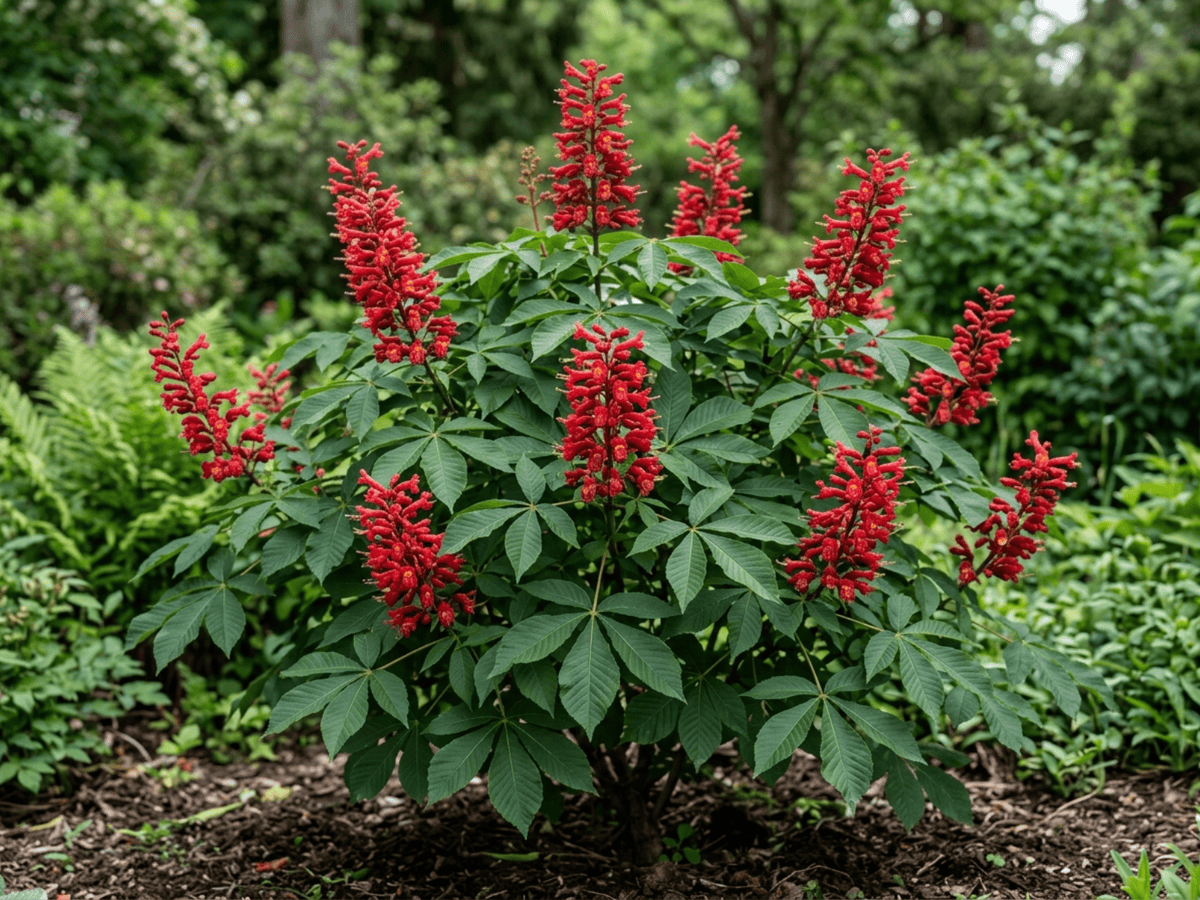 Red BuckeyeAesculus pavia
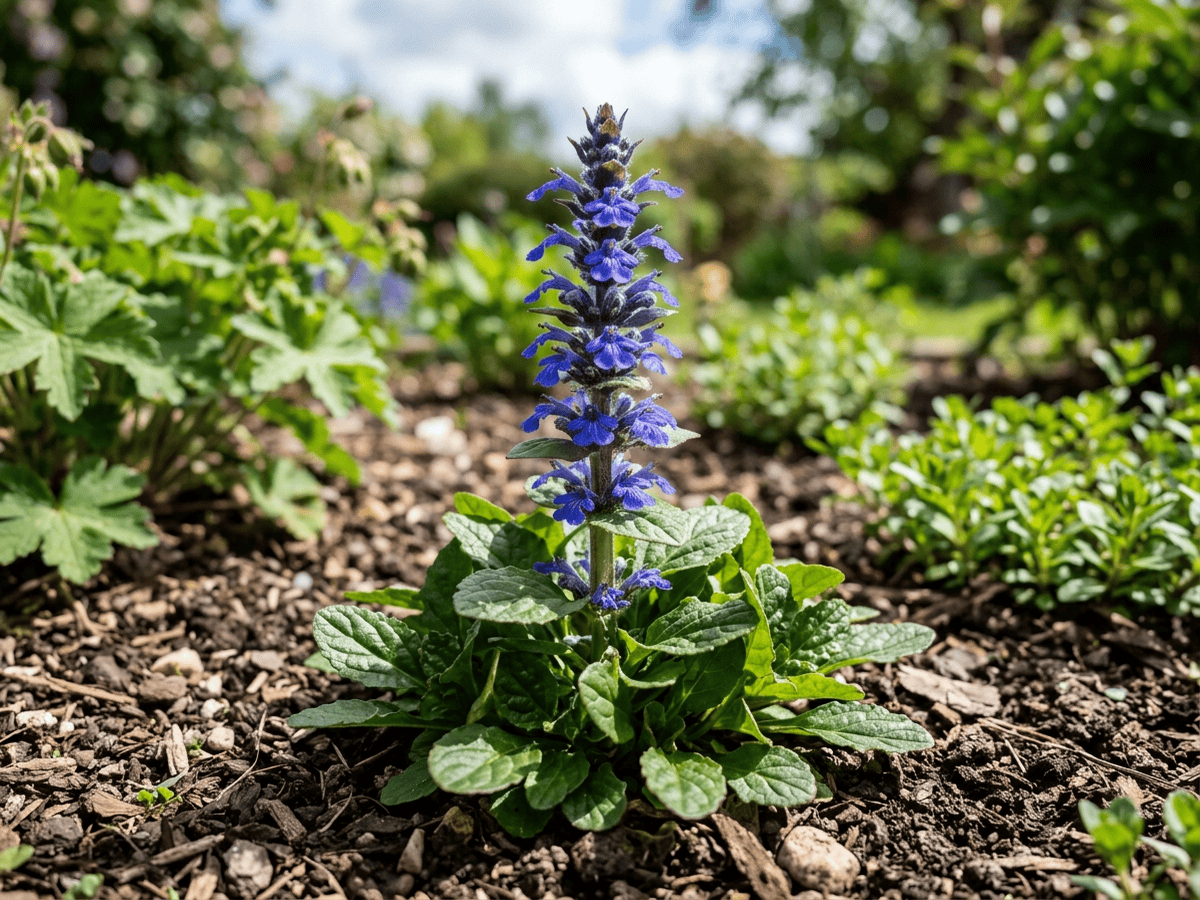 Blue BugleAjuga genevensis
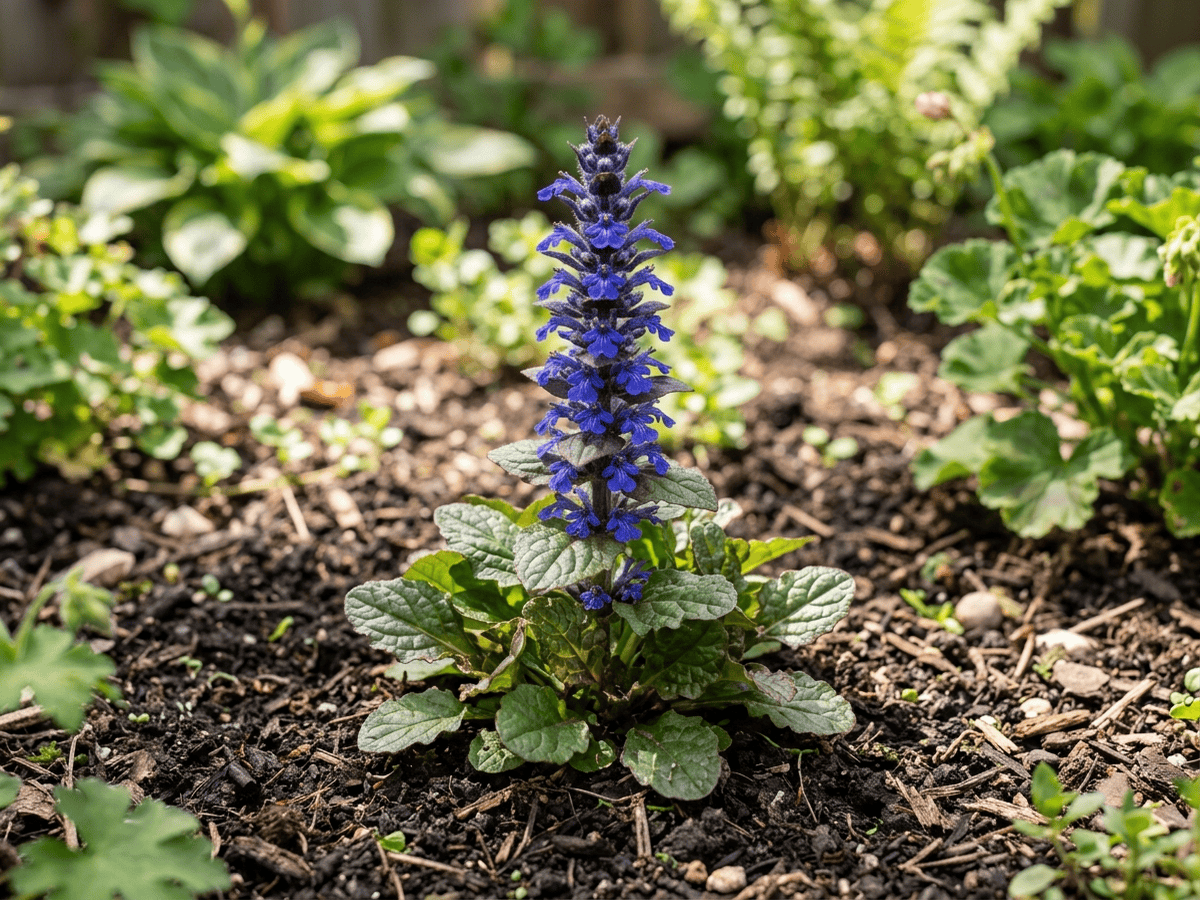 Pyramidal BugleAjuga pyramidalis
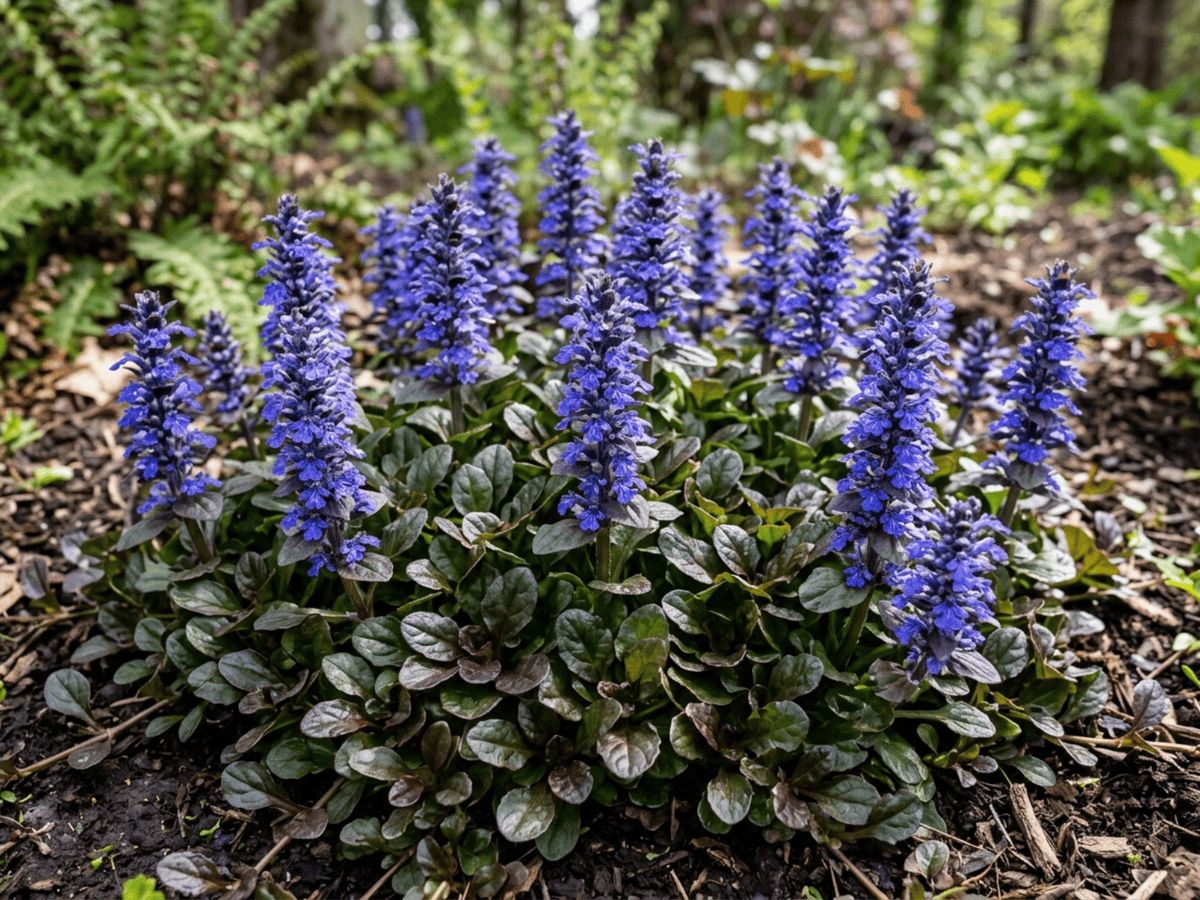 Carpet BugleAjuga reptans
Frequently asked questions
How often should I water Primrose?
In summer, water about every 3 days; in winter, about every 14 days. Adjust for heat, pot size and drainage.
How much light does Primrose need?
Part shade: 2–4 hrs direct. Watch the leaves — scorching or stretching means the light needs adjusting.
Is Primrose toxic to cats or dogs?
Pets Slight (Dogs Slight · Cats Slight) Educational information, not medical or veterinary advice. If exposure is suspected, contact a doctor or veterinarian.
Is Primrose easy to grow?
Yes — it is considered an easy, beginner-friendly plant.
When does Primrose bloom?
It typically blooms Mar–May in the Northern Hemisphere.
YardMate
Identify any plant in seconds
Snap a photo — YardMate names the plant, diagnoses problems, and reminds you when to water.
Download on the App Store