 YardMate

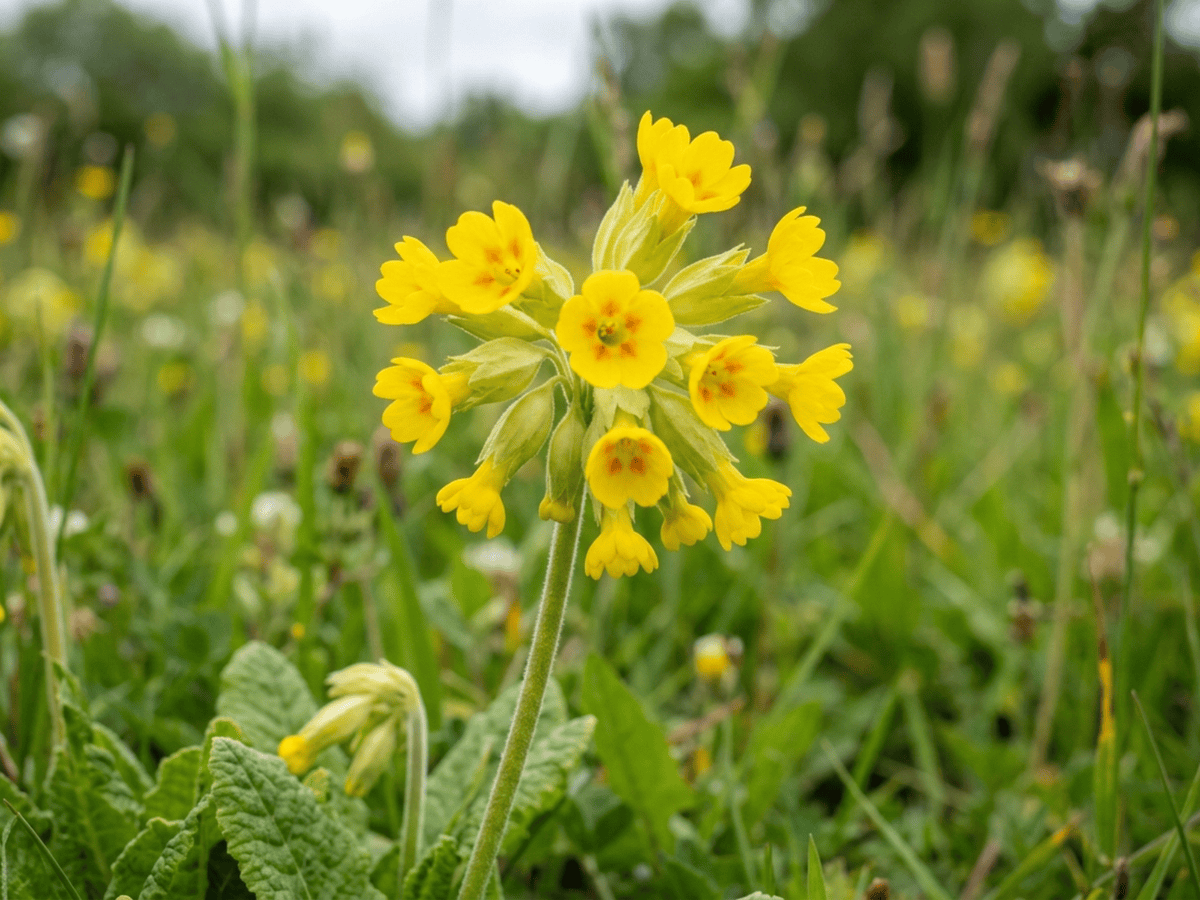


Cowslip
Primula veris
Easy · Beginner friendlyAbout Cowslip
Primula veris, the cowslip, produces charming one-sided clusters of nodding, fragrant, deep yellow bell-flowers on 15–25 cm stems in mid-spring. Native to European meadows and grasslands, it prefers alkaline, well-drained soil in sun or light shade. Unlike the shade-loving primrose, cowslips thrive in open meadows. The flowers have been used for centuries to make cowslip wine — a traditional English country beverage. Once threatened by habitat loss, wildflower conservation programs have helped restore populations across Europe. It is the county flower of several English counties.
- Fragrant
- Native
How to care for Cowslip
Watering
- Springevery 5 days
- Summerevery 3 days
- Fallevery 7 days
- Winterevery 14 days
Soil · Rich & well-draining
- Top dressingCompost10%
- Main mixPotting soil + compost 3:180%
- DrainageGravel10%
Top up the compost layer each season.
FERTILIZER
Balanced Feed 14-14-14
An even feed covers all three needs at once, keeping leaves, roots and blooms moving together with nothing pushed out of balance.
- Nitrogen · Leaves
- Phosphorus · Roots + Blooms
- Potassium · Strength
- Springevery 21 days
- Summerevery 21 days
At a Glance
- NativeEurope, Western Asia
- Height0.5–1 ft (0.2–0.3 m)
- Spread0.5–1 ft (0.2–0.3 m)
- Flower colorYellow, Orange
- Foliage colorGreen
- SoilLoamy, Moisture-retentive, Alkaline
- LocationsYard
Bloom time
BLOOM CYCLE
Peak bloom
Apr
Nodding yellow clusters mid-spring; prefers alkaline meadow soil; self-seeds
Fragrance
MODERATE FRAGRANCE
Sweet honey-apricot scent; historically used to flavor wines.
Toxicity
Humans Safe · Pets Safe
saponins
Safe
EXPOSURE No exposure route is reported.
EFFECT Flowers and young leaves edible and historically consumed in wines and salads.
NOTE Listed as non-toxic for humans; avoid eating ornamental plants unless confirmed edible.
Safe
EXPOSURE No exposure route is reported.
EFFECT Not listed as toxic.
NOTE Listed as non-toxic for dogs; avoid eating ornamental plants unless confirmed edible.
Safe
EXPOSURE No exposure route is reported.
EFFECT Not listed as toxic.
NOTE Listed as non-toxic for cats; avoid eating ornamental plants unless confirmed edible.
Educational information, not medical or veterinary advice. If exposure is suspected, contact a doctor or veterinarian.
DISTRIBUTION


- Native
- Introduced
- Europe
- Western Asia
History
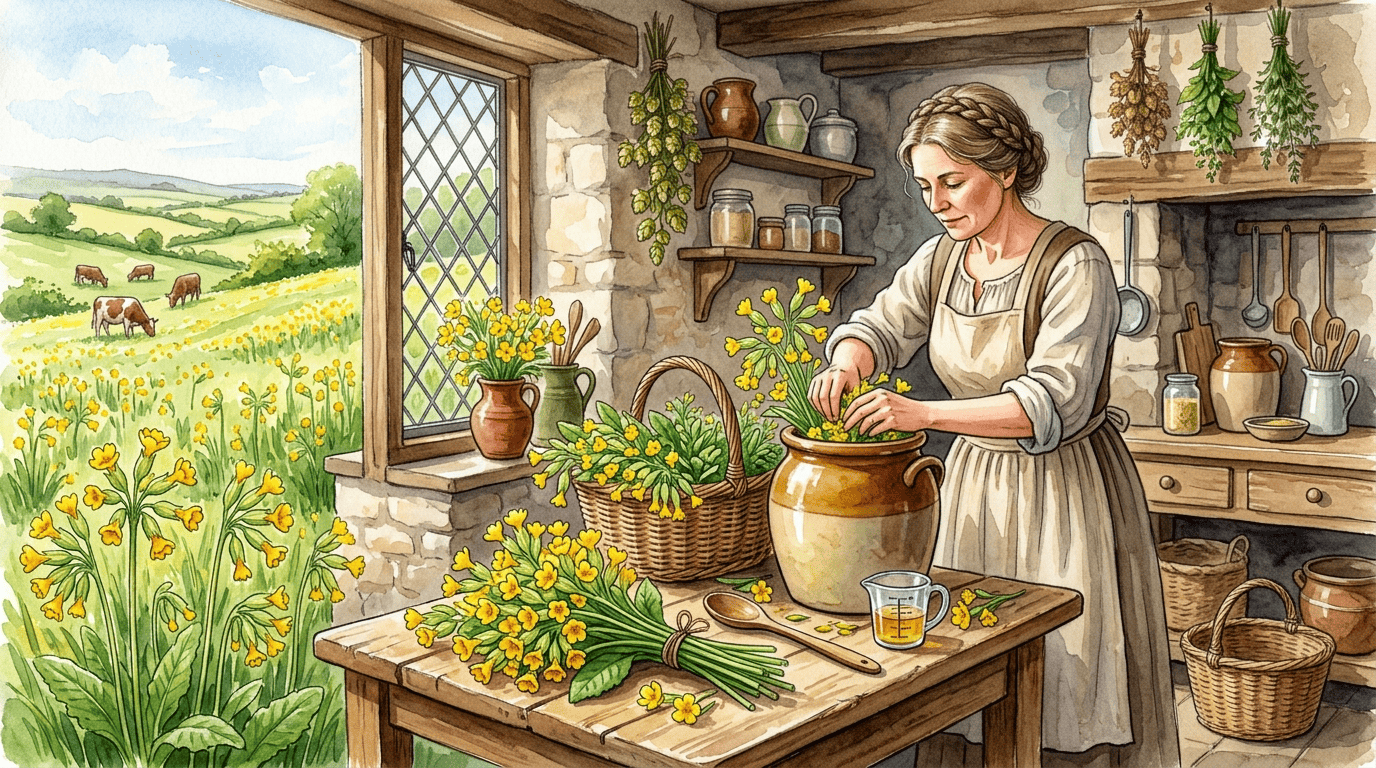
Primula veris is native to unimproved chalk and limestone meadows from Britain to western Siberia. The name "cowslip" derives from Old English cu-slyppe ("cow dung"), reflecting its habit of flowering in cow-grazed pastures. Medieval and early modern Europeans fermented the flowers into cowslip wine, made sweet cordials, and added young leaves to salads.
Shakespeare's A Midsummer Night's Dream and The Tempest reference it, and Geoffrey Grigson's The Englishman's Flora (1955) catalogues dozens of regional folk names. Intensification of agriculture through the 20th century — especially meadow plowing and herbicides — caused dramatic decline; the UK Biodiversity Action Plan lists it for recovery, and conservation seed mixes and Plantlife's "Great British Wildflower Hunt" have driven a partial resurgence. It is the parent of many polyanthus hybrids.
Cowslip wine was a beloved English country tradition for centuries — Shakespeare, John Gerard, and Mrs. Beeton all included references or recipes. The name 'cowslip' likely derives from Old English 'cu-slyppe' (cow dung), as the plant thrives in meadows fertilized by cattle. In folk medicine, cowslip was used as a sedative and for bronchial complaints — modern research has confirmed expectorant properties. The plant declined dramatically in the 20th century due to meadow conversion to arable farming, but wildflower seed mixes and conservation grazing have aided recovery. It is now a flagship species for meadow restoration projects across Europe.
Symbolism & meaning
What It Symbolizes
Cowslip expresses pensiveness — its gently nodding clusters of yellow bells represent quiet contemplation and wistful thought, the flower of someone half-lost in their own thinking. It has bloomed in English meadows and folklore for centuries, attached to gentler emotions than the bolder primulas. A wildflower for thoughtful walks rather than triumphant bouquets.
- Pensiveness — Its gently nodding bells represent quiet contemplation and wistful thought
Where the Name Comes From
Primula from Latin 'primus' (first). Veris means 'of spring.'
Uses & Fun Facts
- Yellow flowers used in country wines, syrups, and salads
- Nodding flower clusters carry sweet apricot-honey scent
- Traditional European herb for coughs and respiratory complaints
- Heritage cottage-garden flower of English May Day traditions
Related plants
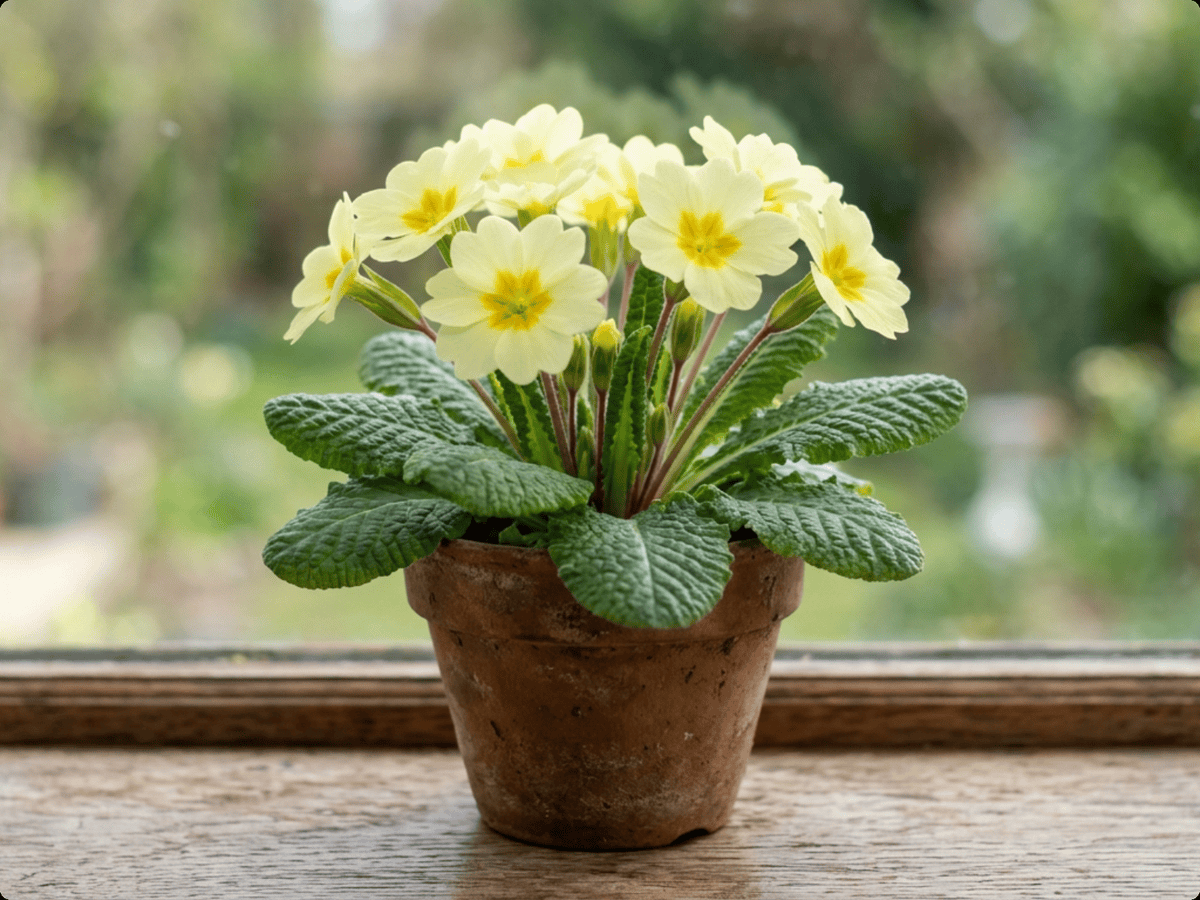
More Primula plants
Plants with similar care
 Chinese AbeliaAbelia chinensis
 Fragrant AbeliaAbelia mosanensis
 Large-Flowered AbeliaAbelia uniflora
 Glossy AbeliaAbelia x grandiflora
Frequently asked questions
How often should I water Cowslip?
In summer, water about every 3 days; in winter, about every 14 days. Adjust for heat, pot size and drainage.
How much light does Cowslip need?
Full sun: 6+ hrs direct. Watch the leaves — scorching or stretching means the light needs adjusting.
Is Cowslip toxic to cats or dogs?
Pets Safe (Dogs Safe · Cats Safe) Educational information, not medical or veterinary advice. If exposure is suspected, contact a doctor or veterinarian.
Is Cowslip easy to grow?
Yes — it is considered an easy, beginner-friendly plant.
When does Cowslip bloom?
It typically blooms Apr in the Northern Hemisphere.
YardMate
Identify any plant in seconds
Snap a photo — YardMate names the plant, diagnoses problems, and reminds you when to water.
Download on the App Store