 YardMate


Bethlehem-Sage
Pulmonaria saccharata
Easy · Beginner friendlyAbout Bethlehem-Sage
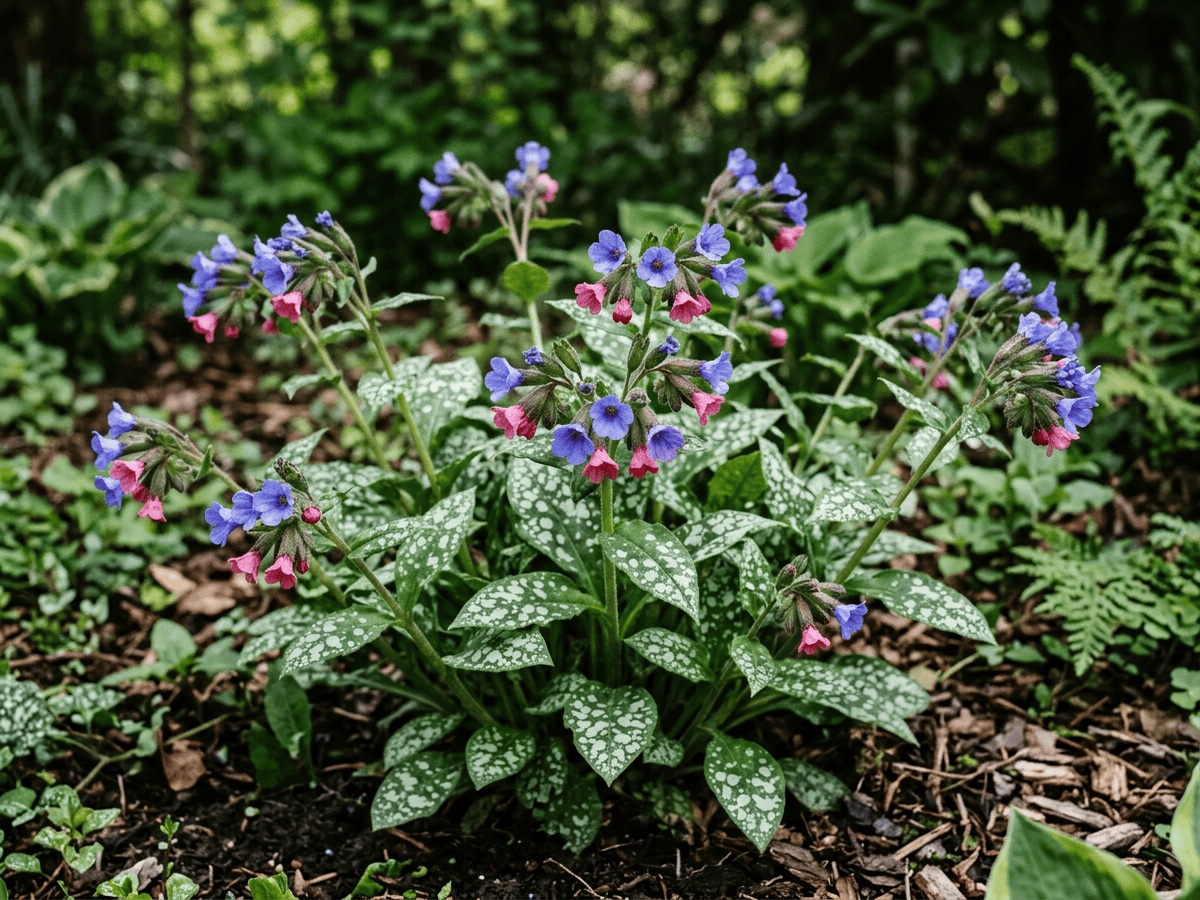
Bethlehem Sage is a European shade perennial producing clusters of small funnel-shaped flowers that open pink and age to blue, often both colors on the same cluster. Growing 9 to 12 inches tall with silver-spotted or silver-frosted elongated leaves, it blooms in early spring. A classic shade garden heritage plant offering both early color and season-long foliage interest in American gardens.
- Cold-hardy
- Shade-tolerant
- Deer-resistant
How to care for Bethlehem-Sage
Watering
- Springevery 3 days
- Summerevery 2 days
- Fallevery 5 days
- Winterevery 10 days
Soil · Well-draining
- Top dressingPine bark mulch10%
- Main mixPotting soil + perlite 2:170%
- DrainageLECA / gravel20%
Never skip the drainage layer — standing water is the top cause of root rot.
FERTILIZER
Balanced Feed 14-14-14
An even feed covers all three needs at once, keeping leaves, roots and blooms moving together with nothing pushed out of balance.
- Nitrogen · Leaves
- Phosphorus · Roots + Blooms
- Potassium · Strength
- Springevery 30 days
- Summerevery 45 days
At a Glance
- NativeEurope, Mediterranean
- Height0.5–1.5 ft (0.2–0.5 m)
- Spread1–2 ft (0.3–0.6 m)
- Flower colorPink, Blue, Purple
- Foliage colorGreen, Silver, Variegated
- SoilLoamy, Moisture-retentive, Rich
- LocationsYard
Bloom time
BLOOM CYCLE
Peak bloom
Mar–May
Pink-and-blue flower clusters in early spring
Toxicity
Humans Slight · Pets Slight
pyrrolizidine alkaloids (trace)
Slight
- Leaf
- Contact
- Ingestion
EXPOSURE Touching leaves. Eating leaves.
EFFECT Skin irritation from bristly hairs and mild GI upset in quantity.
NOTE Contains trace pyrrolizidine alkaloids; not recommended for internal medicinal use. Bristly leaves may irritate skin.
Slight
- Leaf
- Ingestion
EXPOSURE Eating leaves.
EFFECT Vomiting and drooling.
NOTE Contains trace pyrrolizidine alkaloids; not recommended for internal medicinal use. Bristly leaves may irritate skin.
Slight
- Leaf
- Ingestion
EXPOSURE Eating leaves.
EFFECT Vomiting and drooling.
NOTE Contains trace pyrrolizidine alkaloids; not recommended for internal medicinal use. Bristly leaves may irritate skin.
Educational information, not medical or veterinary advice. If exposure is suspected, contact a doctor or veterinarian.
DISTRIBUTION


- Native
- Introduced
- Europe
- Mediterranean
History
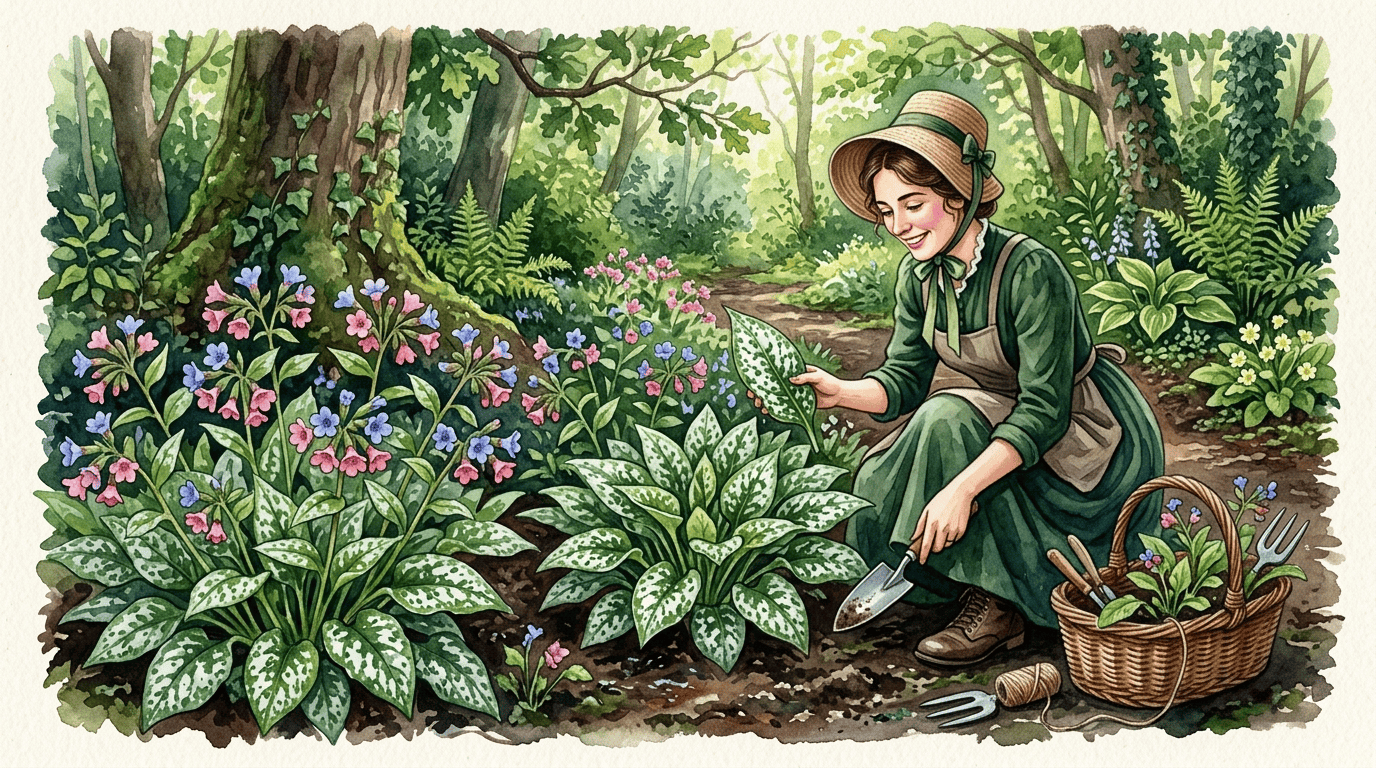
Pulmonaria saccharata grows wild in damp limestone woodlands of the Italian Apennines and southeastern France. Miller described the species in 1768. The genus name Pulmonaria (from pulmo, lung) reflects the medieval doctrine of signatures, which held that the silver-spotted leaves marked the plant as a remedy for lung disease; European herbalists from the Middle Ages onward used infusions for coughs and tuberculosis.
Modern studies found moderate anti-inflammatory activity but no true pulmonary efficacy. As a garden plant, it became popular in English shade borders during the Victorian era and is now grown primarily for ornamental foliage. Cultivars such as 'Mrs. Moon' (1930s), 'Sissinghurst White', and the heavily silvered 'Majesté' and 'Silver Bouquet' are widely available.
Native to southern Europe through the Caucasus. Named for its traditional medicinal use for lung ailments under the doctrine of signatures, where silver-spotted leaves supposedly resembled diseased lungs. Classic European and American heritage shade garden plant for centuries.
Symbolism & meaning
What It Symbolizes
Bethlehem-Sage carries the same old signature as lungwort, silver-flecked leaves that once invited human imagination to see patterns and purpose. In the garden it is gentler than the story: an early shade perennial with blue-pink flowers and foliage that keeps a little starlight on the ground.
- Thou art my life — Victorian flower language of devotion
- Healing sign — leaves once believed to heal lungs
Where the Name Comes From
The name Bethlehem-Sage describes its sage-like aromatic foliage or flowers. 'Pulmonaria' comes from Latin 'pulmo' meaning lung, an old signature-based reference; 'saccharata' means sugared, for the white-flecked leaves.
Uses & Fun Facts
- Silver-spotted leaves carpet shade beneath hostas
- Pink-to-blue spring flowers above silvered foliage
- Early bumblebee favorite when little else blooms
Related plants
More Pulmonaria plants

Plants with similar care
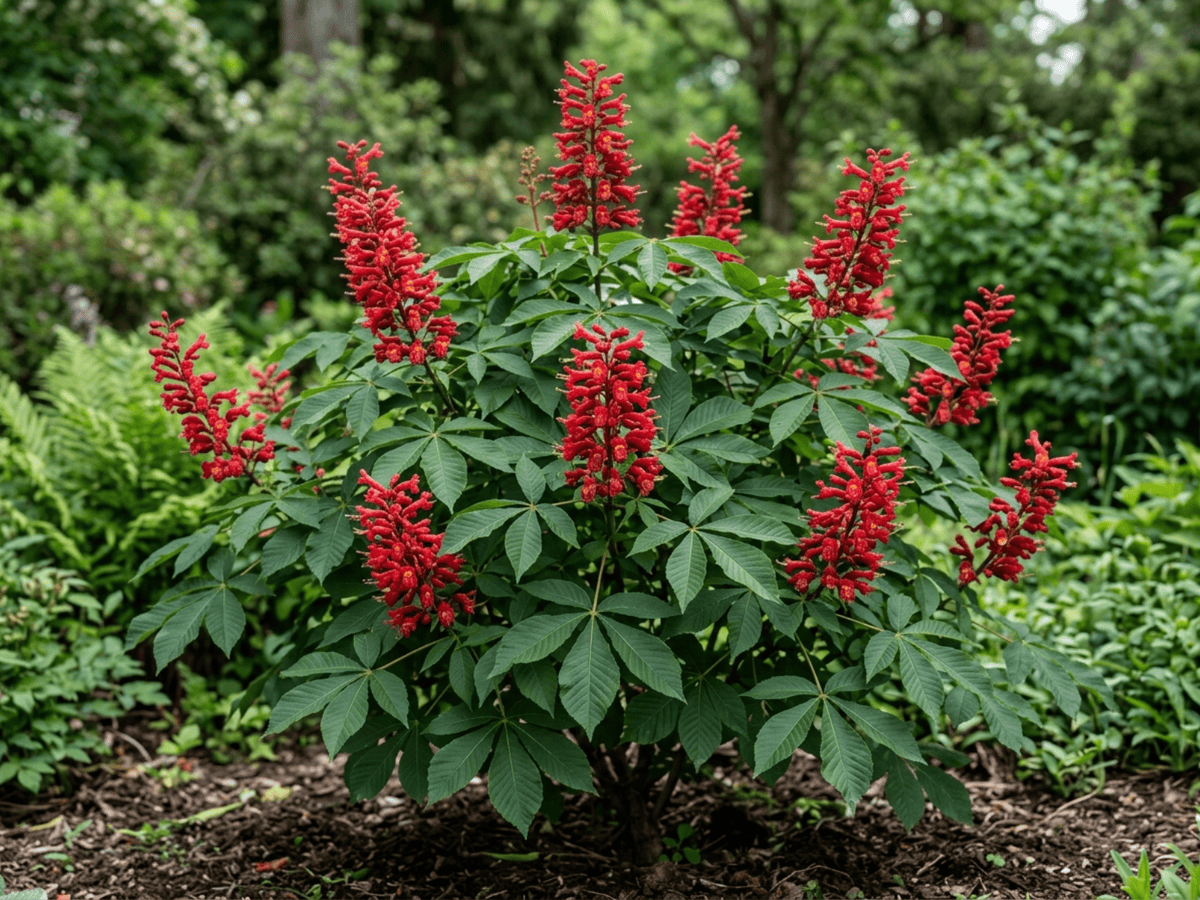 Red BuckeyeAesculus pavia
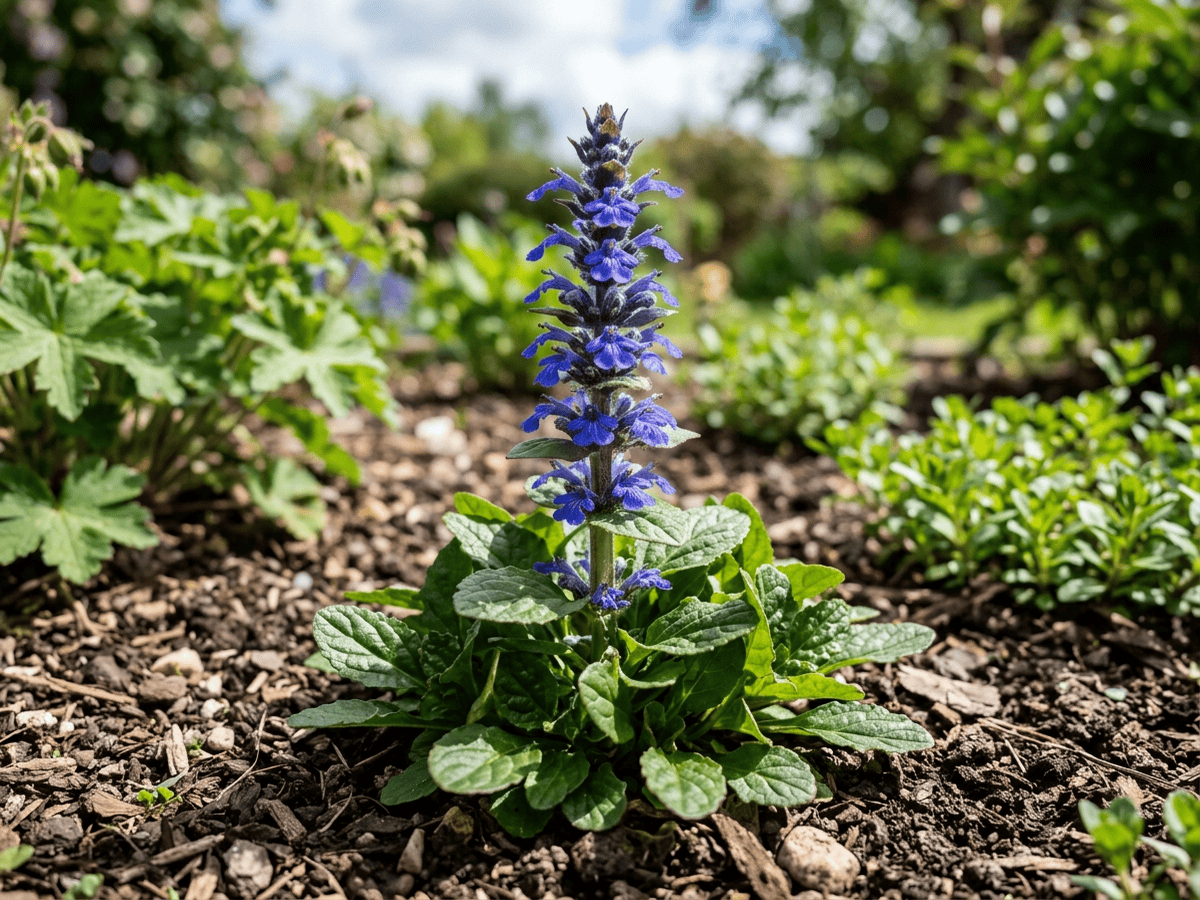 Blue BugleAjuga genevensis
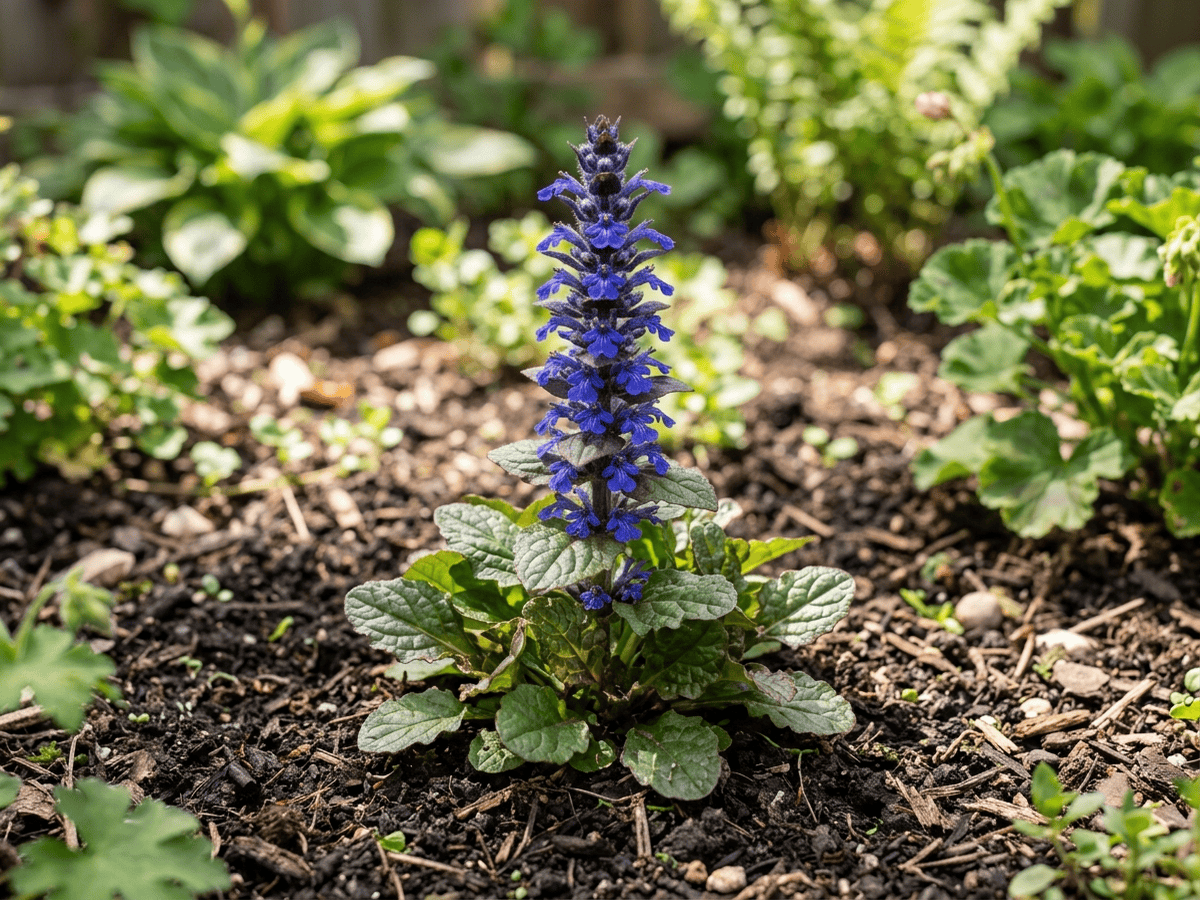 Pyramidal BugleAjuga pyramidalis
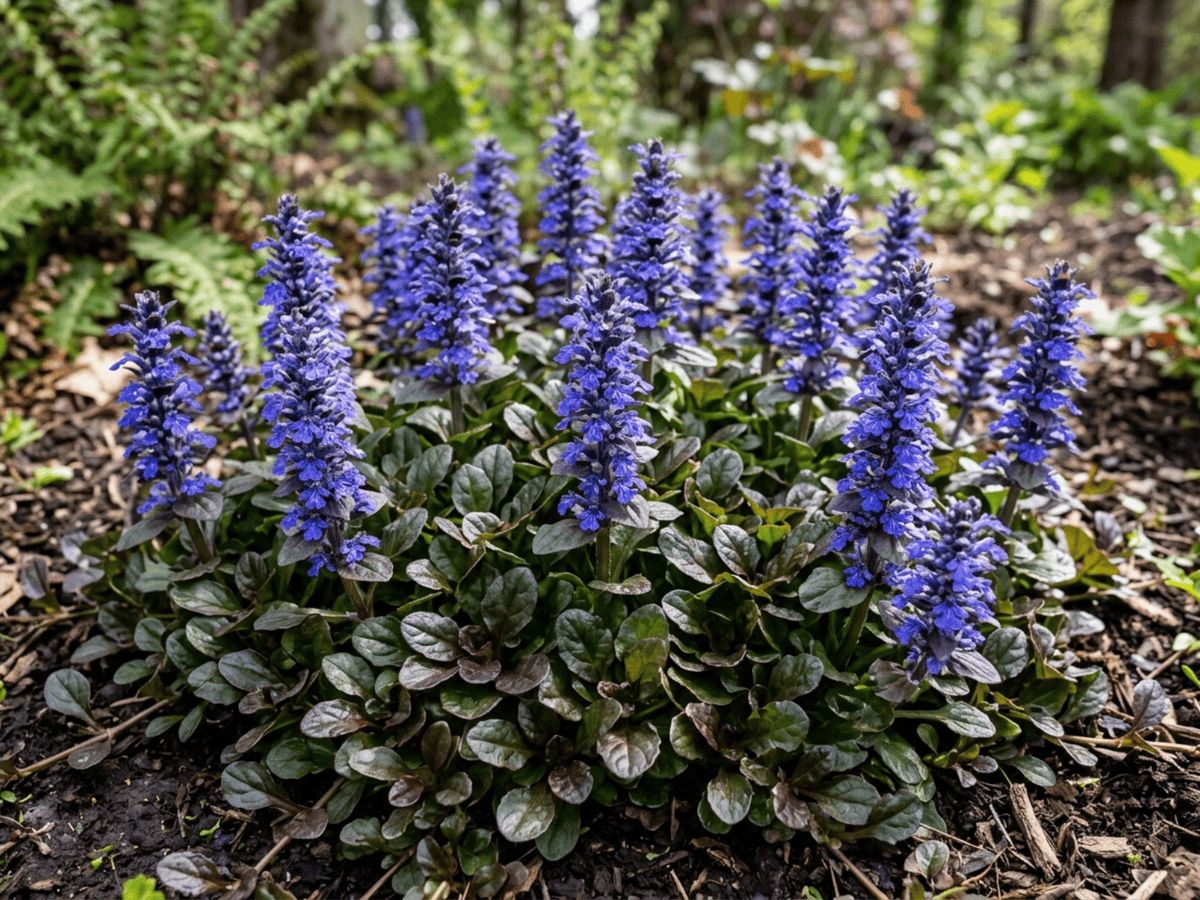 Carpet BugleAjuga reptans
Frequently asked questions
How often should I water Bethlehem-Sage?
In summer, water about every 2 days; in winter, about every 10 days. Adjust for heat, pot size and drainage.
How much light does Bethlehem-Sage need?
Part shade: 2–4 hrs direct. Watch the leaves — scorching or stretching means the light needs adjusting.
Is Bethlehem-Sage toxic to cats or dogs?
Pets Slight (Dogs Slight · Cats Slight) Educational information, not medical or veterinary advice. If exposure is suspected, contact a doctor or veterinarian.
Is Bethlehem-Sage easy to grow?
Yes — it is considered an easy, beginner-friendly plant.
When does Bethlehem-Sage bloom?
It typically blooms Mar–May in the Northern Hemisphere.
YardMate
Identify any plant in seconds
Snap a photo — YardMate names the plant, diagnoses problems, and reminds you when to water.
Download on the App Store