 YardMate



Upright Prairie Coneflower
Ratibida columnifera
Easy · Beginner friendlyAbout Upright Prairie Coneflower
Ratibida columnifera, the Mexican hat or prairie coneflower, is a distinctive perennial wildflower native to the Great Plains of North America. Its flowers feature drooping yellow or red-and-yellow petals that hang from a tall, columnar central cone, creating the appearance of a tiny sombrero. Growing 30 to 120 cm tall on wiry stems, it sways gracefully in prairie winds. This tough plant tolerates extreme heat, drought, and poor alkaline soils, making it essential for prairie restoration and low-water gardens. It blooms from early summer through fall, attracting butterflies and beneficial insects. Mexican hat self-sows freely, sometimes aggressively, in loose sandy or gravelly soils. The plant has a deep taproot that makes it drought-resistant but difficult to transplant once established. It pairs beautifully with native grasses and other prairie wildflowers for a naturalistic planting scheme. Easy to grow from seed, it often blooms in its first year when started early indoors.
- Drought-tolerant
- Native
- Pollinator-friendly
How to care for Upright Prairie Coneflower
Watering
- Springevery 7 days
- Summerevery 5 days
- Fallevery 14 days
- Winterevery 30 days
Soil · Well-draining
- Top dressingPine bark mulch10%
- Main mixPotting soil + perlite 2:170%
- DrainageLECA / gravel20%
Never skip the drainage layer — standing water is the top cause of root rot.
FERTILIZER
- Springevery 60 days
At a Glance
- NativeNorth America
- Height1.5–3 ft (0.5–0.9 m)
- Spread1–1.5 ft (0.3–0.5 m)
- Flower colorYellow, Red
- Foliage colorGreen
- SoilSandy, Well-drained
- LocationsYard
Bloom time
BLOOM CYCLE
Peak bloom
Jun–Sep
Allow some seed heads to remain for self-sowing and winter bird food; blooms first year from seed
Fragrance
LIGHT FRAGRANCE
The flowers have an anise-like scent when crushed scent.
Toxicity
No toxicity has been reported for this plant. Still, it is wise to keep pets from chewing on any houseplant.
Educational information, not medical or veterinary advice. If exposure is suspected, contact a doctor or veterinarian.
DISTRIBUTION

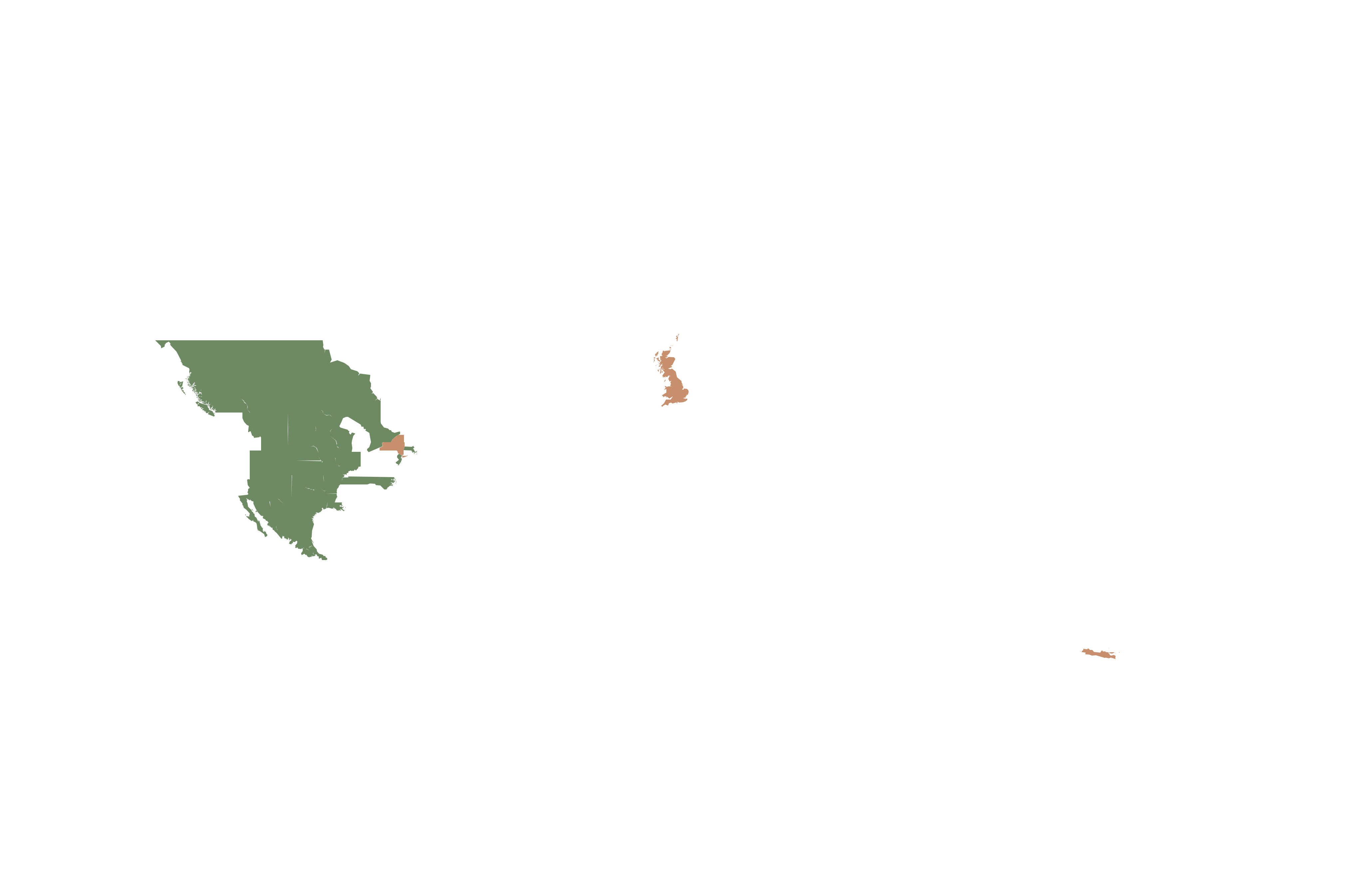
- Native
- Introduced
- North America
History
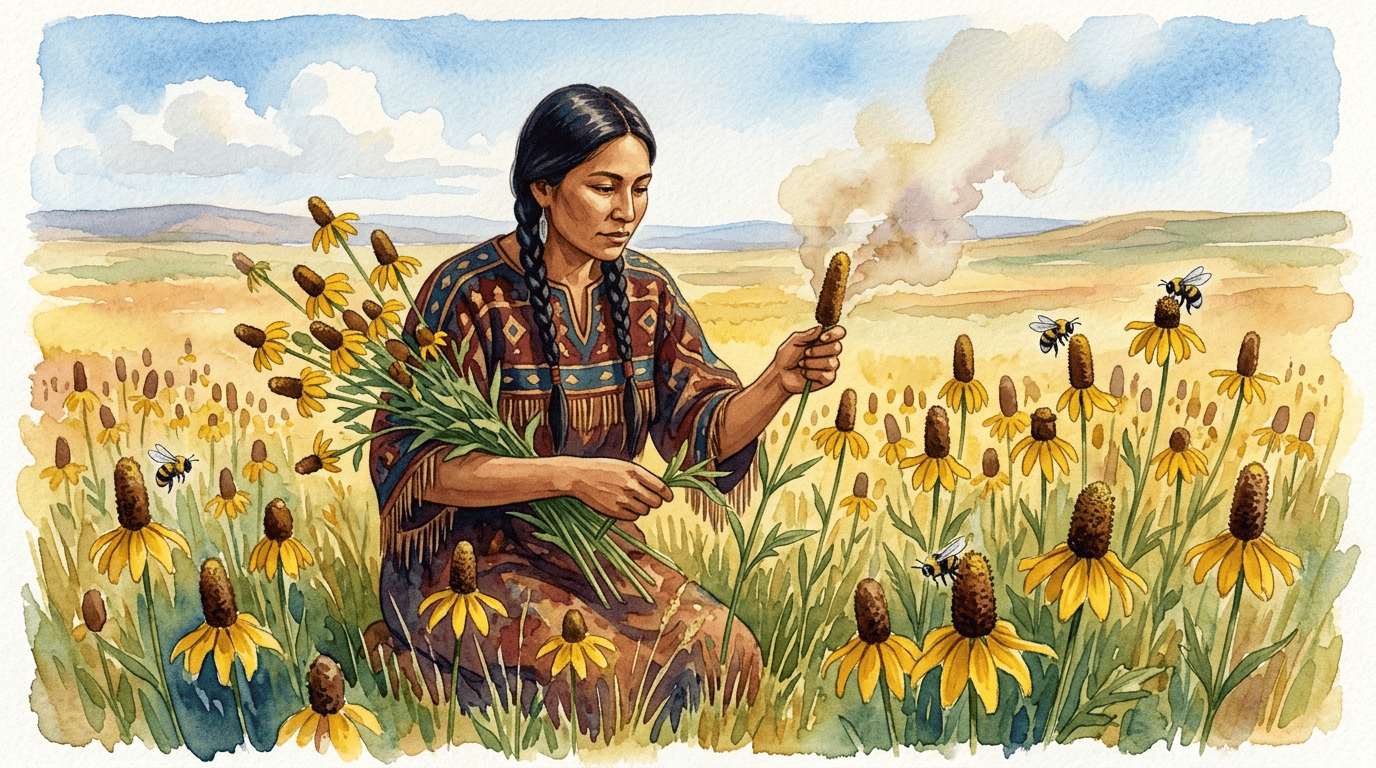
Ratibida columnifera is native to dry prairie, open grassland, and roadside habitats across the Great Plains of the United States and Canada, south into northern Mexico. It is one of the most immediately recognizable wildflowers of the North American prairie, with its distinctive elongated conical central disk 2-4 cm tall surrounded by drooping yellow (or in some populations red-brown or bicolor) ray petals that resemble the downturned brim of a Mexican sombrero — an image that gives the species its most common popular name. The species is drought-tolerant and tolerant of poor, rocky, calcareous soils, and is a staple of dryland prairie restoration and native wildflower seed mixes for the Great Plains and western US states. Plains Indigenous peoples — including Cheyenne, Lakota, and Dakota — used R. columnifera decoctions for snakebite, poison ivy rash, headache, and stomach pain.
When the crushed flower heads or seed heads are sniffed, they release a distinctive anise-like aroma — an unusual feature among native prairie daisies. The species is a valuable nectar source for native solitary bees and small butterflies. In landscape use it is an excellent short-lived perennial for xeric and prairie-style gardens, typically regenerating reliably from self-sown seed.
The Cheyenne people brewed a tea from the leaves and stems to treat headaches and body pain. The distinctive columnar cone inspired both its scientific name and common name — settlers on the Great Plains thought the flowers looked like tiny Mexican sombreros bobbing in the wind. It became a symbol of the vanishing tallgrass prairie and is now widely used in ecological restoration projects across the Midwest. The plant's ability to colonize disturbed ground makes it valuable for reclaiming overgrazed rangeland.
Symbolism & meaning
What It Symbolizes
Upright Prairie Coneflower stands alone on the open prairie, its tall central cone rising above drooping yellow rays in an emblem of independence and self-reliance. Endurance shapes its life — it survives extreme heat, drought, and grazing across the Great Plains where softer flowers fail. Its meaning is the freedom of a wildflower at home in vast, hard country: a small pillar of color holding its ground in any wind.
- Independence — Stands alone on the open prairie, embodying self-reliance and freedom
- Endurance — Survives extreme heat and drought on the Great Plains
Where the Name Comes From
The name Upright Prairie Coneflower describes its raised cone-shaped centers. Ratibida is of uncertain origin, possibly from a Native American word. Columnifera means 'column-bearing' in Latin, describing the tall central cone of the flower.
Uses & Fun Facts
- Drooping yellow petals feed prairie bees and butterflies
- Distinctive cone-shaped flowers for native prairie meadows
Related plants
Plants with similar care
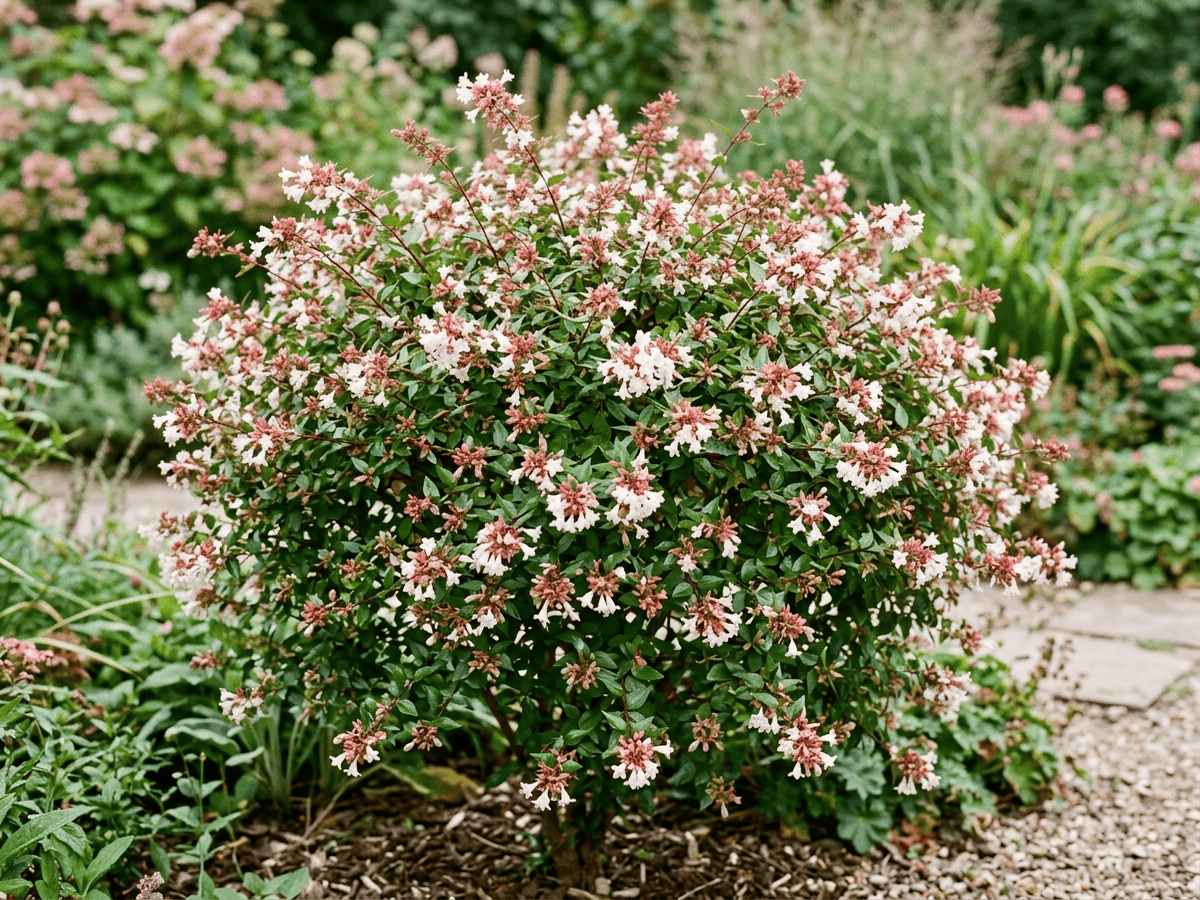 Chinese AbeliaAbelia chinensis
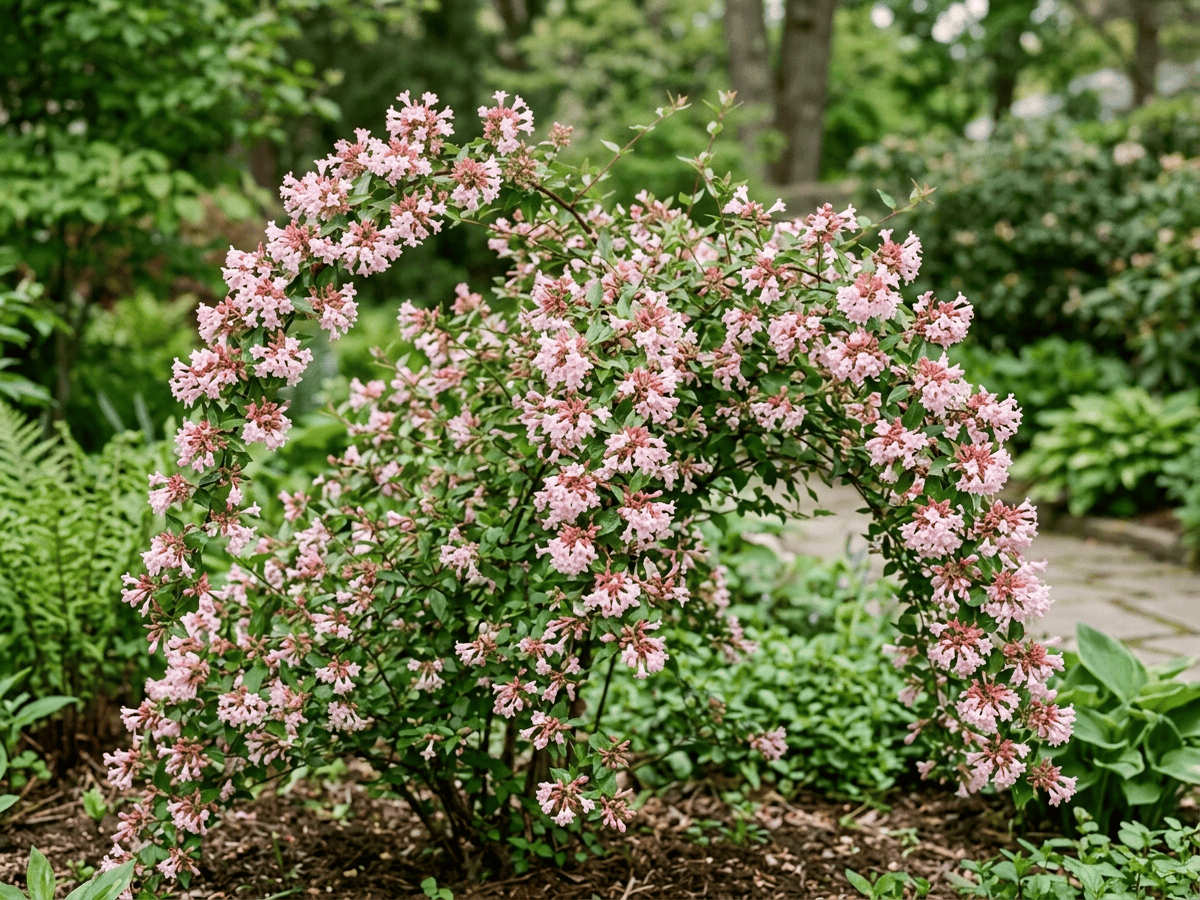 Fragrant AbeliaAbelia mosanensis
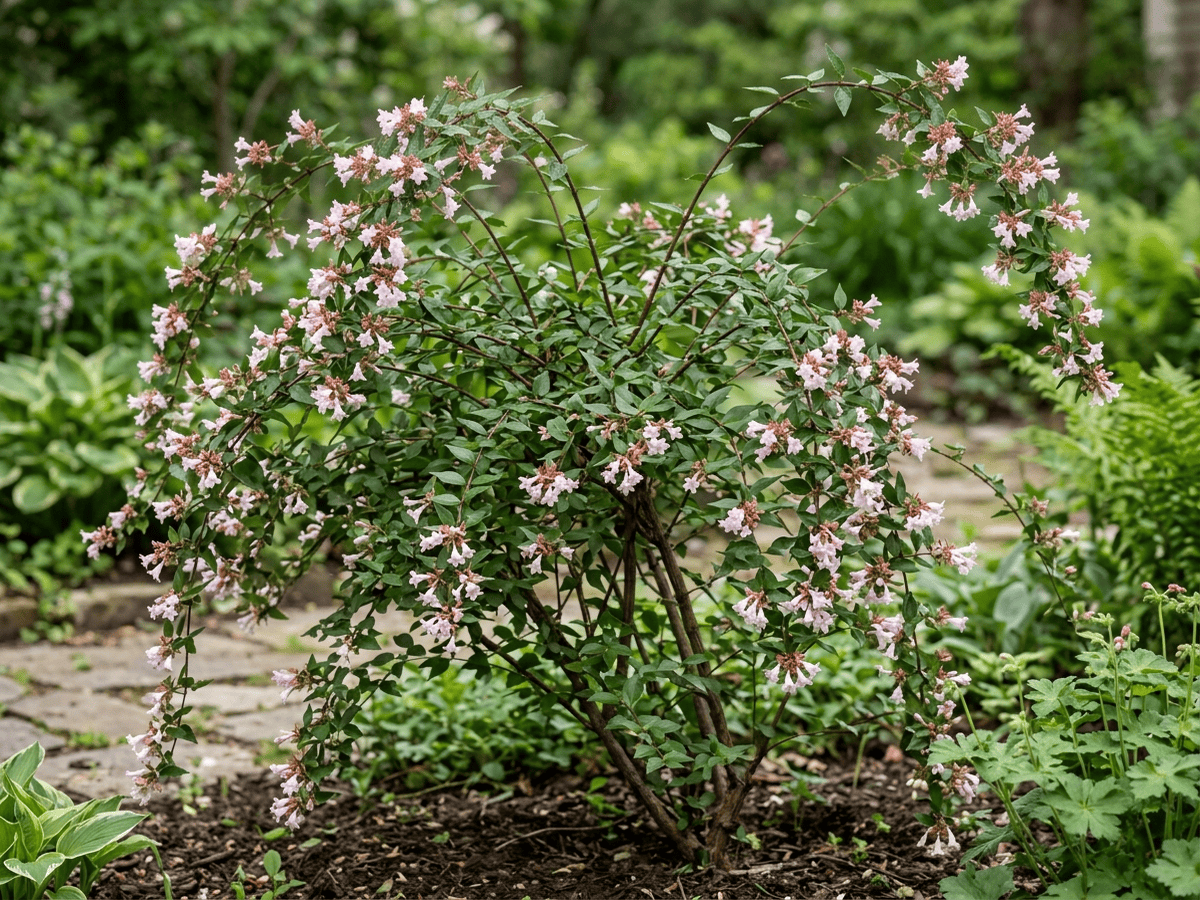 Large-Flowered AbeliaAbelia uniflora
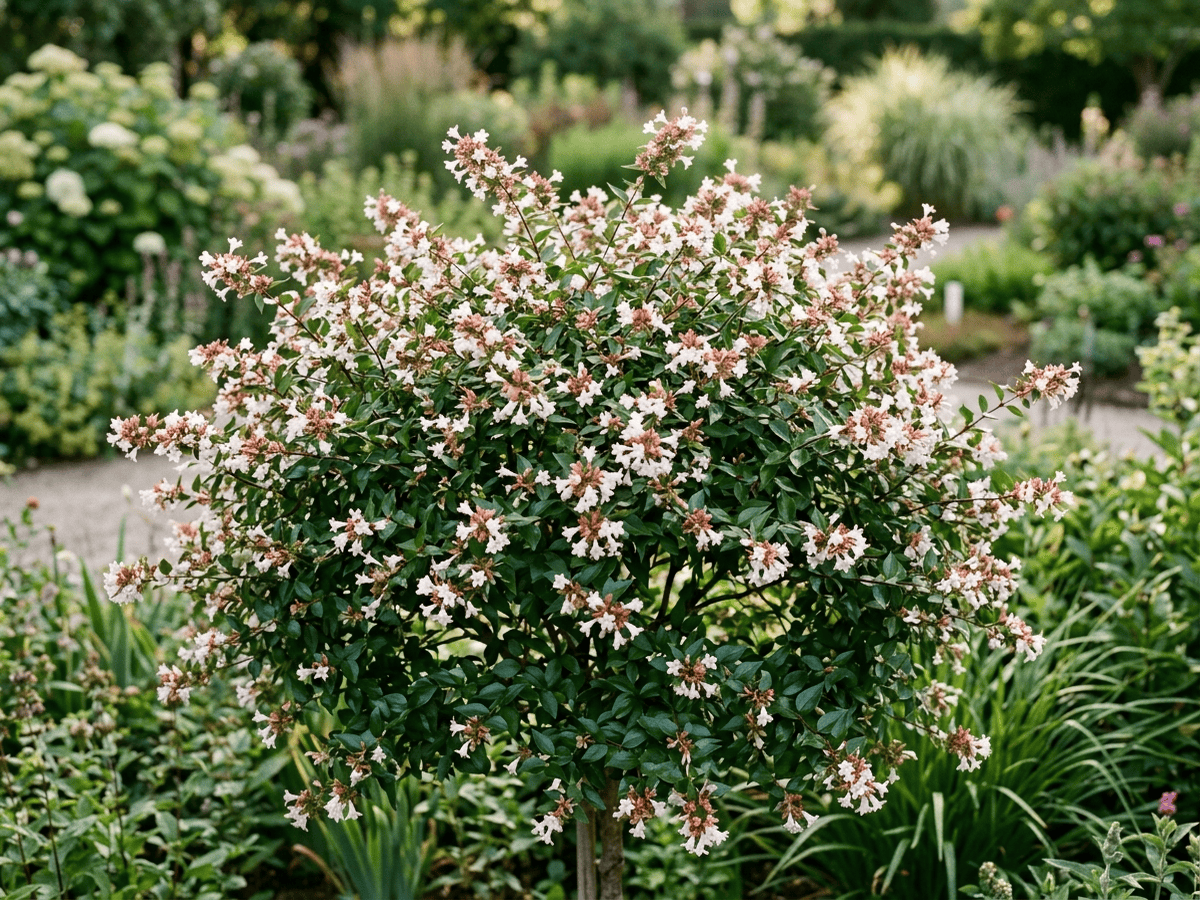 Glossy AbeliaAbelia x grandiflora
Frequently asked questions
How often should I water Upright Prairie Coneflower?
In summer, water about every 5 days; in winter, about every 30 days. Adjust for heat, pot size and drainage.
How much light does Upright Prairie Coneflower need?
Full sun: 6+ hrs direct. Watch the leaves — scorching or stretching means the light needs adjusting.
Is Upright Prairie Coneflower toxic to cats or dogs?
No toxicity has been reported for this plant. Still, it is wise to keep pets from chewing on any houseplant. Educational information, not medical or veterinary advice. If exposure is suspected, contact a doctor or veterinarian.
Is Upright Prairie Coneflower easy to grow?
Yes — it is considered an easy, beginner-friendly plant.
When does Upright Prairie Coneflower bloom?
It typically blooms Jun–Sep in the Northern Hemisphere.
YardMate
Identify any plant in seconds
Snap a photo — YardMate names the plant, diagnoses problems, and reminds you when to water.
Download on the App Store