 YardMate


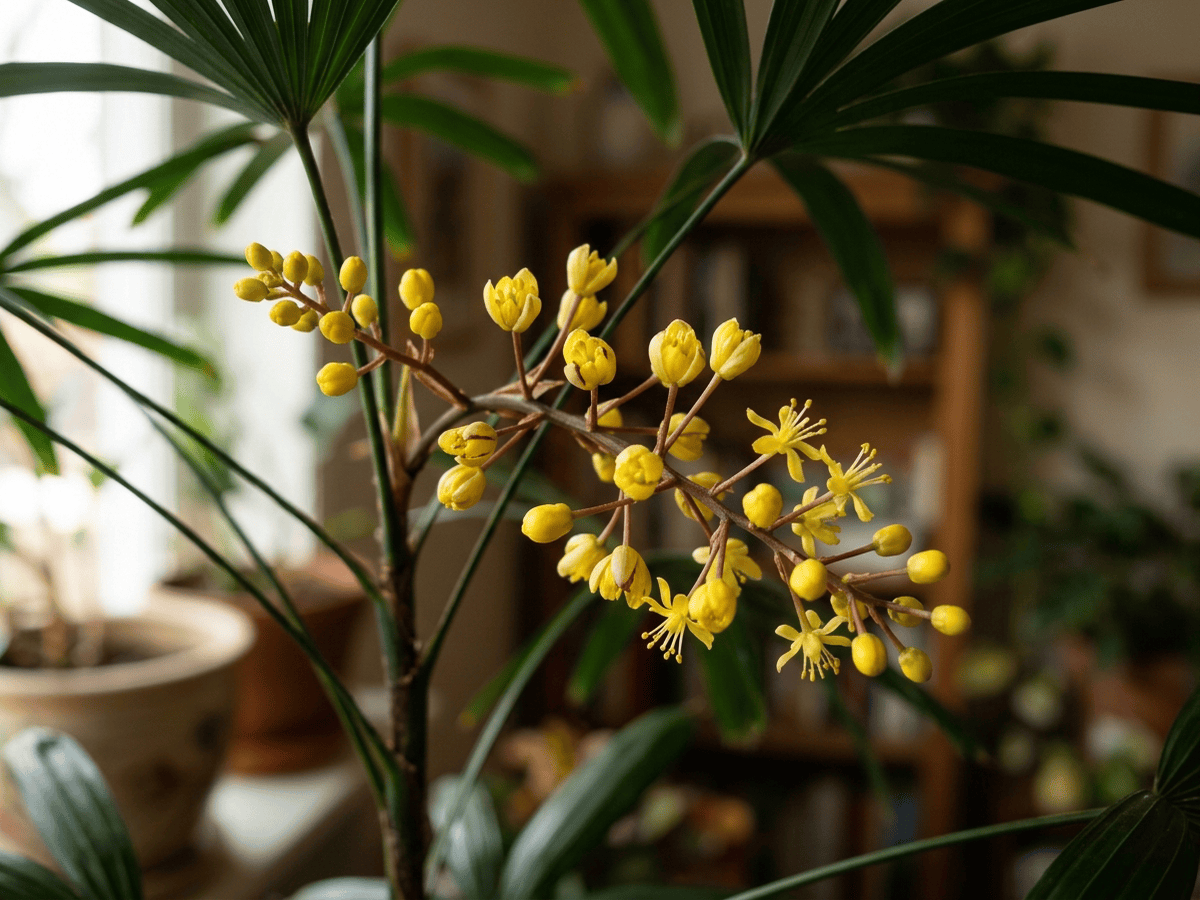

Little Lady Palm
Rhapis excelsa
Easy · Beginner friendlyAbout Little Lady Palm
Rhapis excelsa, the lady palm, is a multi-stemmed fan palm with dark green, deeply divided palmate leaves on slender bamboo-like canes covered in brown fiber. Native to southern China and Taiwan, it grows slowly to 2–3 meters indoors, forming an elegant clump. It is exceptionally shade-tolerant and resistant to pests, making it one of the most reliable indoor palms. Japanese horticulturists have cultivated miniature and variegated forms for centuries, with rare specimens selling for extraordinary prices. The refined, formal appearance suits traditional and modern interiors equally.
- Air-purifying
- Disease-resistant
How to care for Little Lady Palm
Watering
- Springevery 7 days
- Summerevery 5 days
- Fallevery 10 days
- Winterevery 14 days
Soil · Well-draining
- Main mixLoam + bark + perlite 2:1:175%
- DrainageLECA25%
Bark keeps the mix from compacting under a heavy root ball.
FERTILIZER
Balanced Feed 14-14-14
An even feed covers all three needs at once, keeping leaves, roots and blooms moving together with nothing pushed out of balance.
- Nitrogen · Leaves
- Phosphorus · Roots + Blooms
- Potassium · Strength
- Springevery 30 days
- Summerevery 30 days
- Fallevery 60 days
At a Glance
- Height6–10 ft (1.8–3 m)
- Spread4–6 ft (1.2–1.8 m)
- Flower colorYellow, Cream
- Foliage colorGreen, Variegated
- SoilLoamy, Well-drained
- LocationsIndoor
Bloom time
BLOOM CYCLE
Peak bloom
Jun–Aug
Small cream flowers; rare indoors
Fragrance
NO FRAGRANCE
Not fragrant.
Toxicity
No toxicity has been reported for this plant. Still, it is wise to keep pets from chewing on any houseplant.
Educational information, not medical or veterinary advice. If exposure is suspected, contact a doctor or veterinarian.
DISTRIBUTION


- Native
- Introduced
History

Rhapis excelsa has one of the longest cultivation histories of any palm used as a houseplant: it was cultivated in Japanese imperial and samurai gardens from at least the 1600s, where masters bred hundreds of named variegated cultivars (kannonchiku) that remain prized today — individual old specimens can sell for tens of thousands of dollars. The plant reached European horticulture only in 1774, when Swedish-born Dutch surgeon Carl Peter Thunberg carried plants back from his stay in Japan. Its presumed wild origin is southern China, but the species is known only from long cultivation and has never been reliably documented as a wild population — a situation so extreme that some taxonomists suggest it may be a cultivated hybrid rather than a true wild species. NASA's 1989 Clean Air Study ranked it among the most effective air-purifiers tested.
Non-toxic to pets. Lady palms have been cultivated in Japan since at least the 1600s, where they became associated with samurai culture and refined taste. Japanese growers developed an elaborate classification system for leaf variations — striped, twisted, and miniature forms became objects of intense collector competition, with single specimens of rare variegated cultivars selling for over $10,000.
The tradition continues today through the Japanese Rhapis Society. In the West, Rhapis became popular after Dr. B.C. Wolverton's 1989 NASA study identified it as one of the top air-purifying plants, especially effective at removing ammonia and formaldehyde.
Symbolism & meaning
What It Symbolizes
The little lady palm is refinement crystallized in fan leaves — a plant that Japanese growers have cultivated for some four hundred years, with named cultivars passed between connoisseurs the way old porcelain is passed between collectors. Its association with cultural sophistication is no exaggeration; it is a palm with pedigree. Few houseplants carry so much quiet horticultural history in such an unassuming green form.
- Refinement — Centuries of Japanese cultivation elevate it as a symbol of taste and cultural sophistication
Where the Name Comes From
The name Little Lady Palm describes its palm-like silhouette. Rhapis from Greek 'rhapis' (needle or rod), for the slender stems. Excelsa means 'tall' or 'lofty.'
Uses & Fun Facts
- Multi-stemmed lady palm grown as long-lived indoor pot plant
- Clumping fan palm for shaded courtyards and tropical accents
Related plants
Plants with similar care
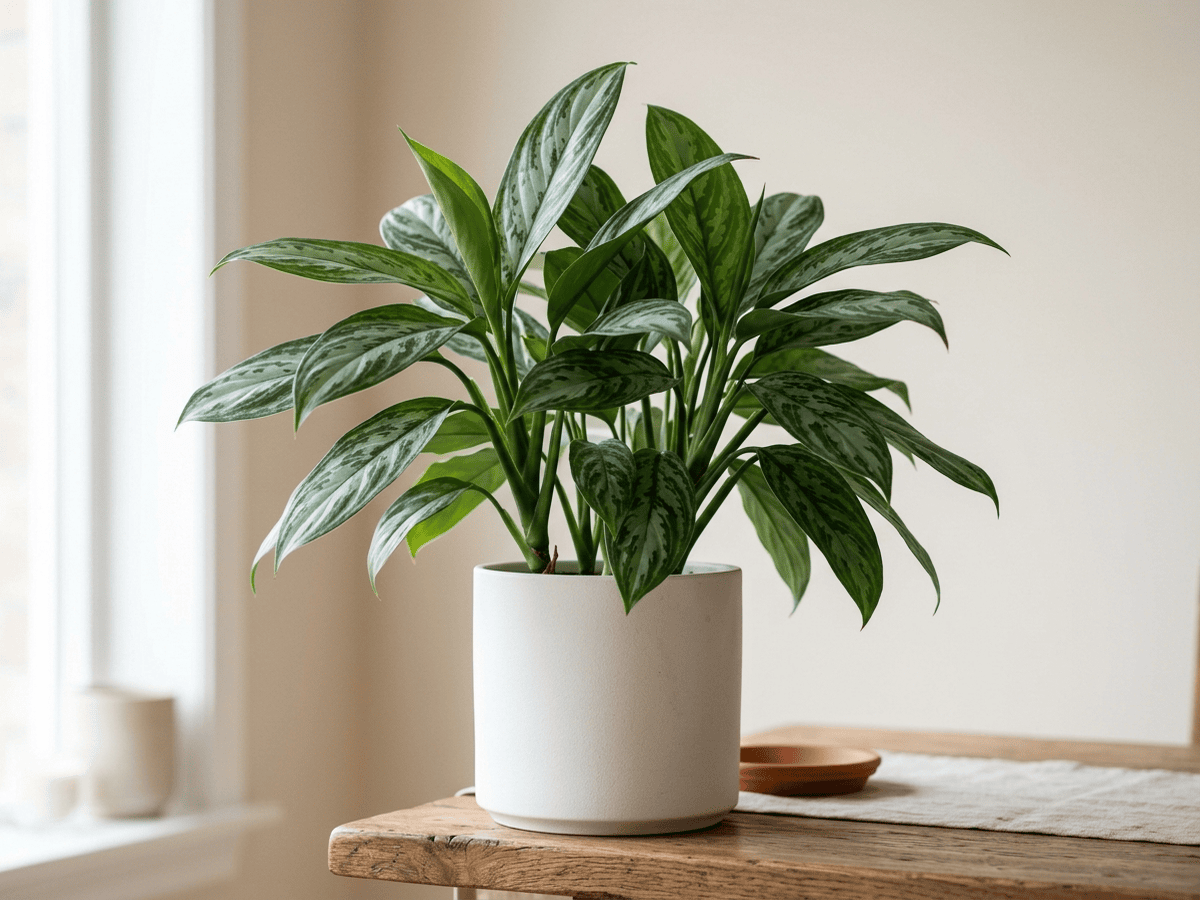 Philippine EvergreenAglaonema commutatum
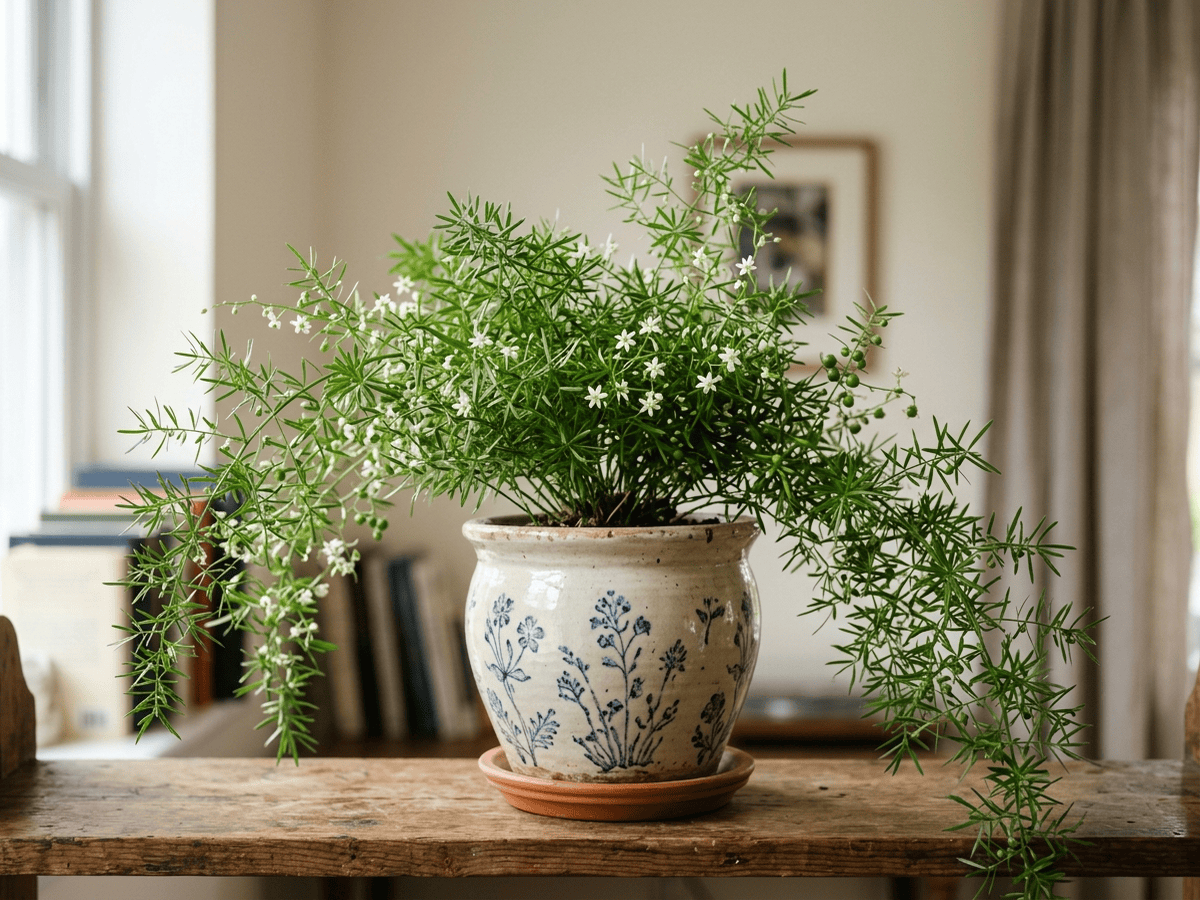 Sprenger's AsparagusAsparagus densiflorus
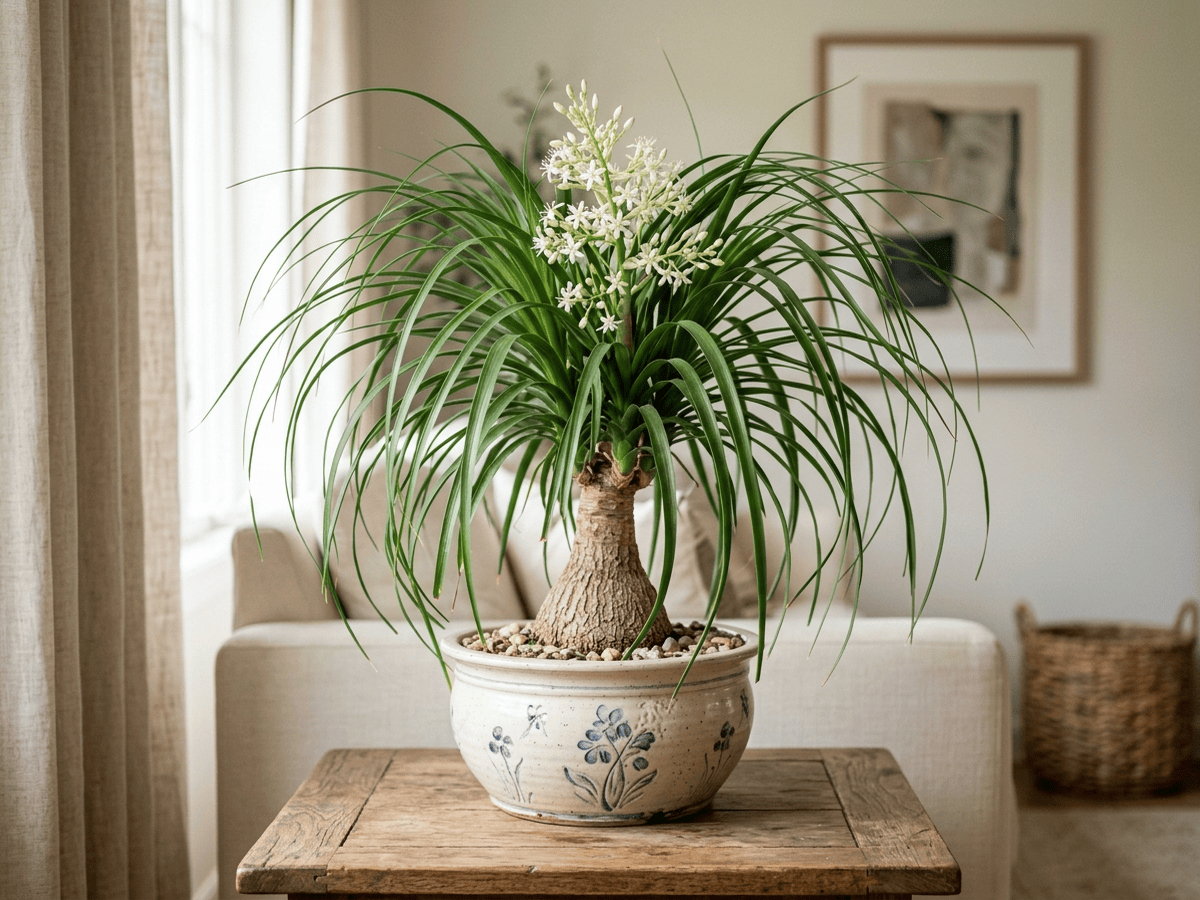 Ponytail PalmBeaucarnea recurvata
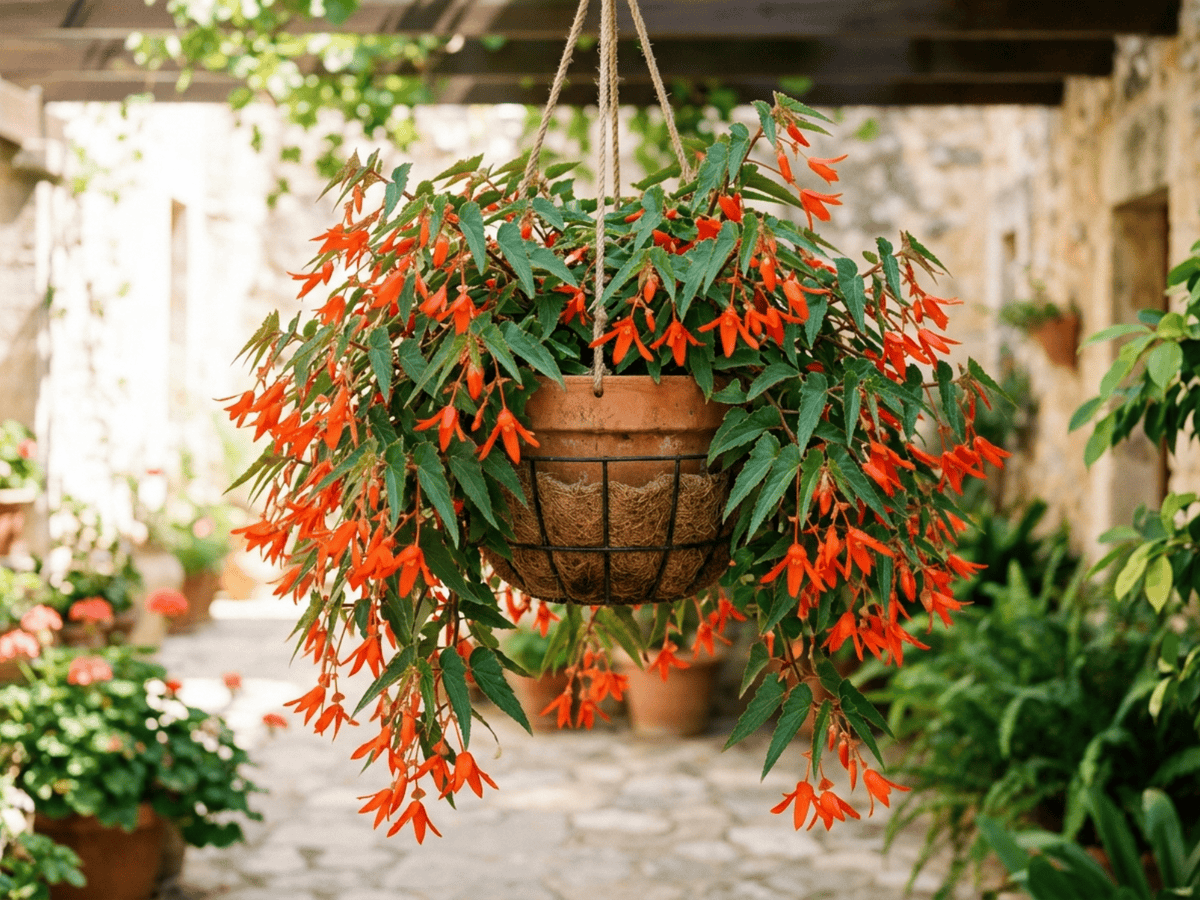 Tuberous BegoniaBegonia boliviensis
Frequently asked questions
How often should I water Little Lady Palm?
In summer, water about every 5 days; in winter, about every 14 days. Adjust for heat, pot size and drainage.
How much light does Little Lady Palm need?
Part shade: 2–4 hrs direct. Watch the leaves — scorching or stretching means the light needs adjusting.
Is Little Lady Palm toxic to cats or dogs?
No toxicity has been reported for this plant. Still, it is wise to keep pets from chewing on any houseplant. Educational information, not medical or veterinary advice. If exposure is suspected, contact a doctor or veterinarian.
Is Little Lady Palm easy to grow?
Yes — it is considered an easy, beginner-friendly plant.
Can Little Lady Palm be grown indoors?
Yes, it adapts well to indoor growing given the right light.
When does Little Lady Palm bloom?
It typically blooms Jun–Aug in the Northern Hemisphere.
YardMate
Identify any plant in seconds
Snap a photo — YardMate names the plant, diagnoses problems, and reminds you when to water.
Download on the App Store