 YardMate


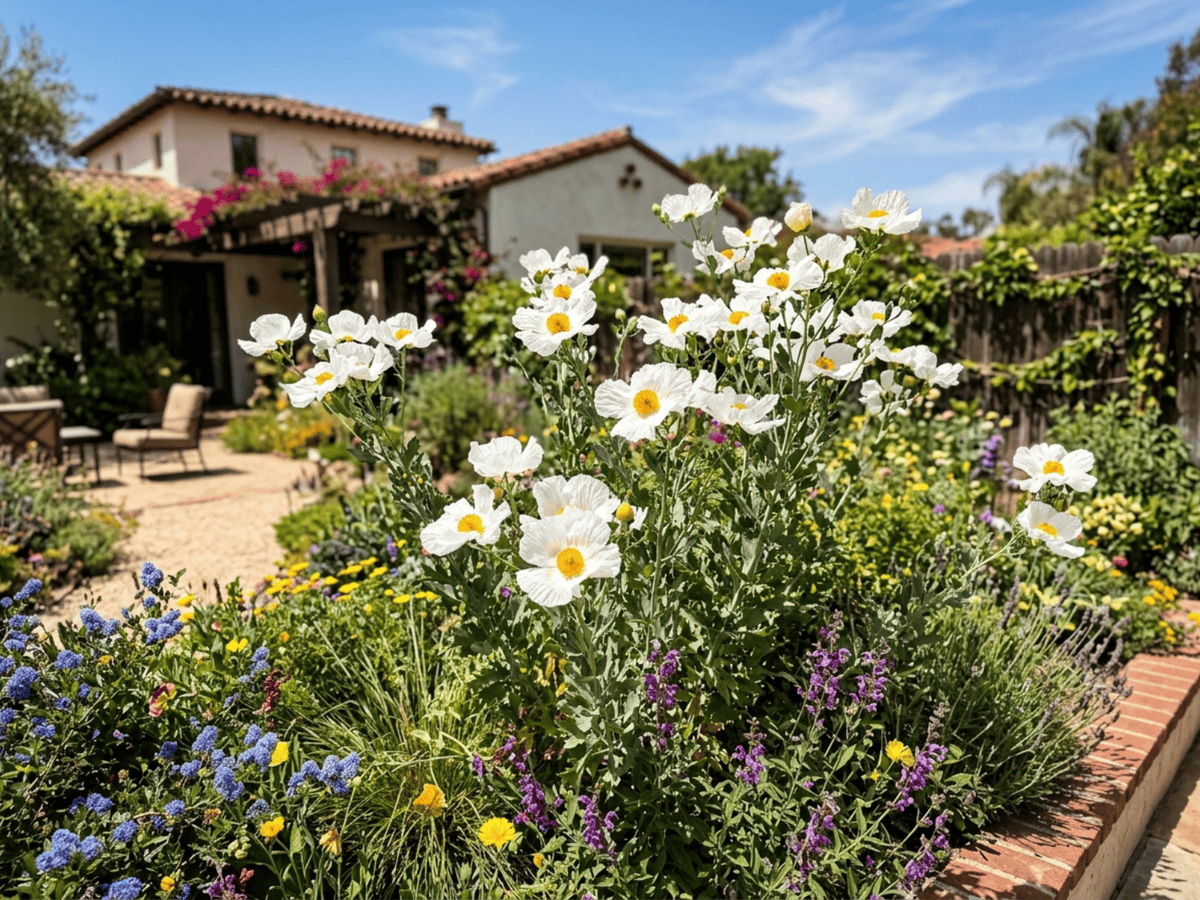
Coulter's Matilija Poppy
Romneya coulteri
Hard · Experienced growersAbout Coulter's Matilija Poppy
Matilija Poppy, often called the 'fried egg plant', is a stunning California native perennial producing enormous white crepe-paper flowers up to 9 inches across with a bright yellow center. Native to the dry canyons of Southern California, it grows 6-8 feet tall and spreads aggressively by rhizomes. Its gray-green deeply lobed foliage adds architectural interest. The largest native North American wildflower, it is both dramatic and notoriously difficult to establish, but once settled, virtually unstoppable.
- Drought-tolerant
- Deer-resistant
- Native
How to care for Coulter's Matilija Poppy
Watering
- Springevery 14 days
- Summerevery 21 days
- Fallevery 30 days
- Winterpause watering
Soil · Well-draining
- Top dressingPine bark mulch10%
- Main mixPotting soil + perlite 2:170%
- DrainageLECA / gravel20%
Never skip the drainage layer — standing water is the top cause of root rot.
FERTILIZER
This plant needs little to no feeding.
At a Glance
- NativeNorth America
- Height6–8 ft (1.8–2.4 m)
- Spread4–6 ft (1.2–1.8 m)
- Flower colorWhite
- Foliage colorGreen, Blue-green
- SoilSandy, Well-drained
- LocationsYard
Bloom time
BLOOM CYCLE
Peak bloom
May–Jul
White crepe flowers with yellow centers May to July
Fragrance
LIGHT FRAGRANCE
The flowers have a delicate sweet scent.
Toxicity
Humans Slight · Pets Slight
papaveraceae alkaloids
Slight
- All
- Ingestion
EXPOSURE Eating any part of the plant.
EFFECT Sap contains isoquinoline alkaloids typical of Papaveraceae and no significant toxicity from normal garden contact.
NOTE Documented concern for humans: Sap contains isoquinoline alkaloids typical of Papaveraceae and no significant toxicity from normal garden contact.
Slight
- All
- Ingestion
EXPOSURE Eating any part of the plant.
EFFECT Mild GI upset possible.
NOTE Not listed by ASPCA; low-concern for normal garden contact.
Slight
- All
- Ingestion
EXPOSURE Eating any part of the plant.
EFFECT Mild GI upset possible.
NOTE Not listed by ASPCA; low-concern for normal garden contact.
Educational information, not medical or veterinary advice. If exposure is suspected, contact a doctor or veterinarian.
DISTRIBUTION


- Native
- Introduced
- North America
History
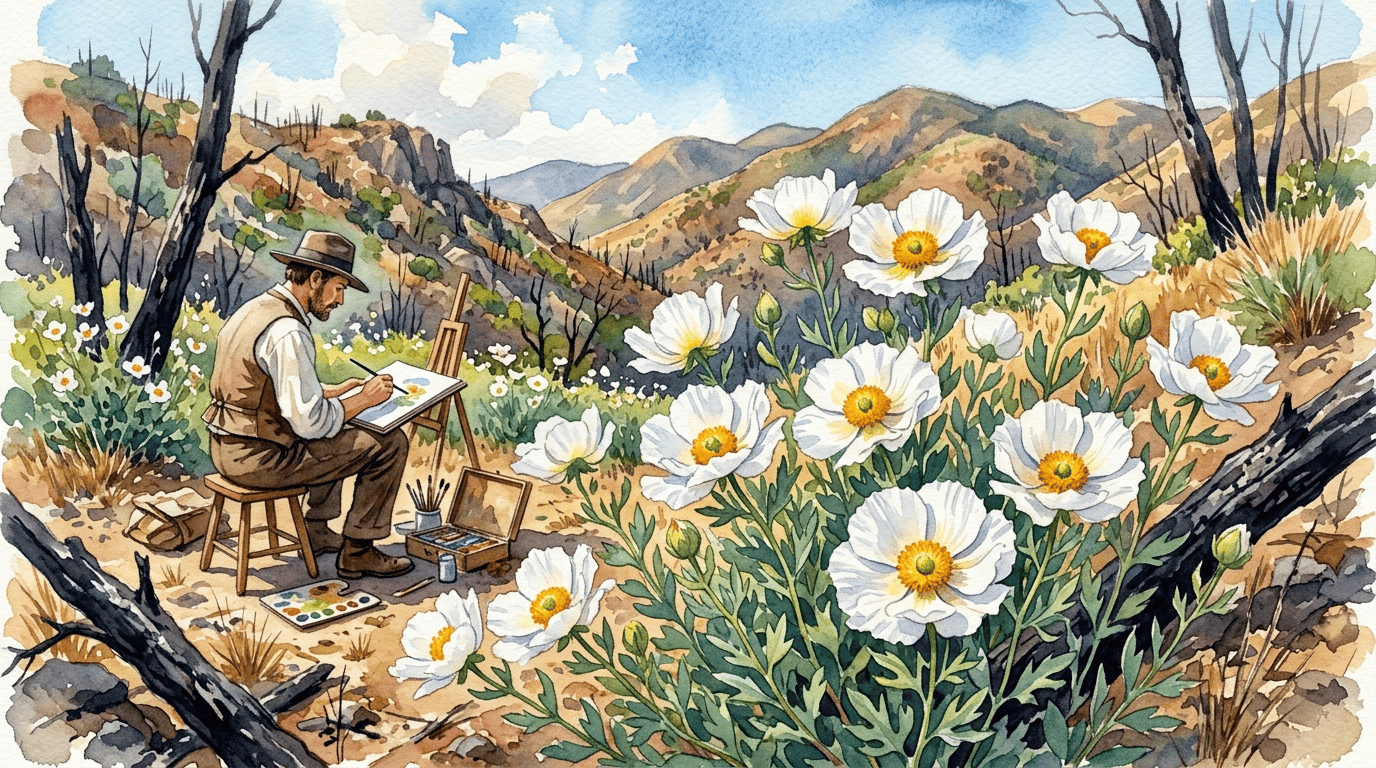
Romneya coulteri is native to Southern California — particularly Ventura and Santa Barbara Counties, with populations extending south through the Transverse Ranges into northern Baja California, Mexico — growing in recently-disturbed chaparral, fire-scarred hillsides, and dry washes. The genus was named in 1845 for Thomas Romney Robinson (1792-1882), Irish astronomer of Armagh Observatory; the species epithet honors Thomas Coulter (1793-1843), Irish physician and botanist who collected extensively in early-19th-century Mexico and Southern California. The plant is a large spreading semi-woody perennial 1.5-2.5 meters tall and forming large colonies by running rhizomes. In late spring and early summer it produces spectacular flowers up to 15-20 cm (6-8 inches) across — white silk-crepe petals enclosing an enormous golden yellow central disk of stamens, producing a "fried egg" appearance that is the source of the plant's nickname "fried-egg poppy."
These are the largest flowers of any California-native plant and arguably the most dramatic flowers of any North American perennial. The species is ecologically adapted to periodic chaparral fire and requires scarified or heat-treated seed for reliable germination; vegetative propagation by root cuttings is more reliable for horticultural purposes. The plant tolerates intense heat, drought, and neglect once established, but resents transplanting and fertilization.
One of the iconic California-native signature plants. Once proposed as the California state flower but lost to the California poppy. Its large white flowers were famously depicted in California Arts and Crafts designs in the early 20th century.
Symbolism & meaning
What It Symbolizes
Coulter's Matilija Poppy makes visible majesty, the largest and most dramatic of native California wildflowers — huge crepe-paper white blooms with golden hearts often called fried-egg flowers. It also evokes freedom, spreading vigorously by underground rhizomes once established and refusing to be neatly confined. A wildflower whose grandeur and stubborn independence are inseparable from each other.
- Majesty — largest and most dramatic native wildflower
- Freedom — spreads vigorously once established
Where the Name Comes From
Genus honors Thomas Romney Robinson (1792–1882); 'coulteri' honors Thomas Coulter, Irish botanist.
Uses & Fun Facts
- Giant white poppy with golden center as spectacular border focal plant
- Drought-tolerant Matilija poppy for dry California native gardens
- Saucer-sized blooms attract honeybees and native pollen bees
Related plants
Plants with similar care
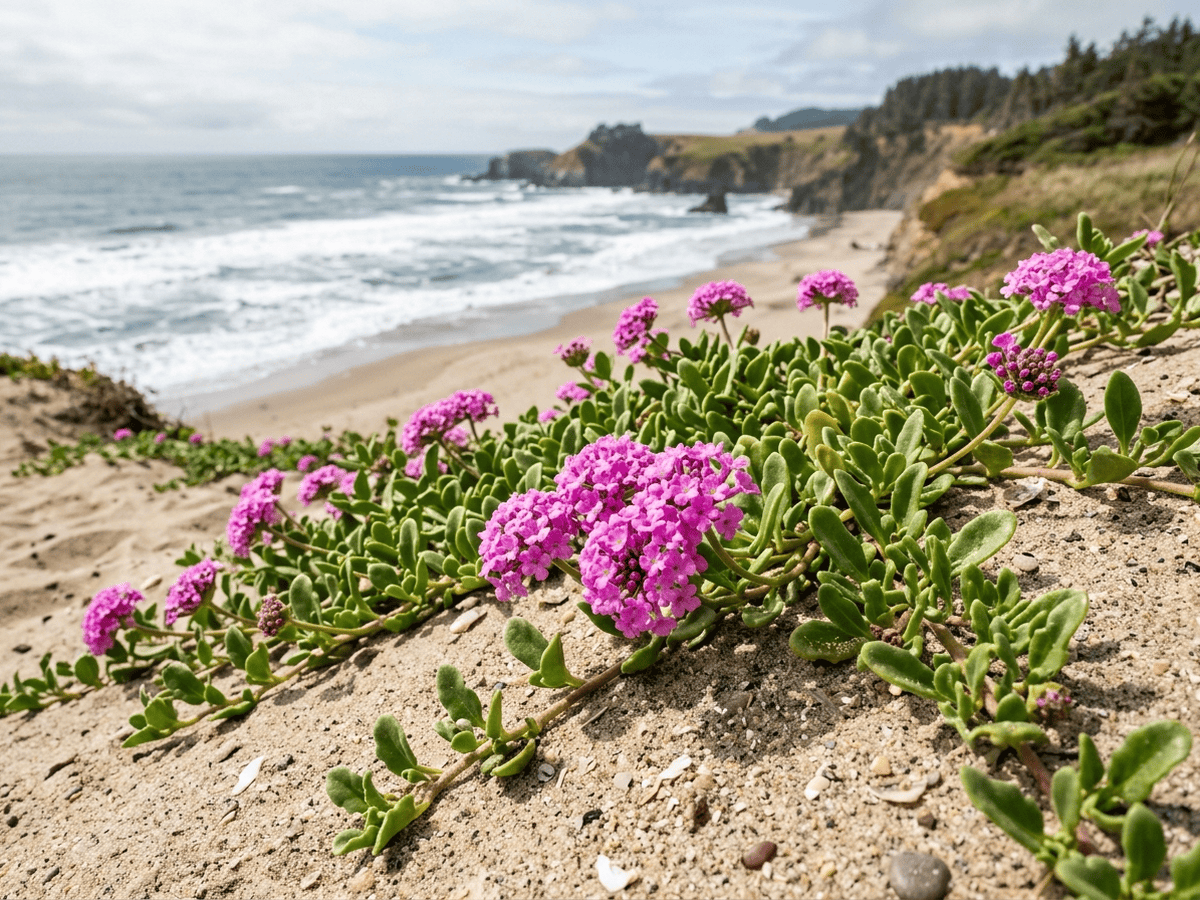 Pink Sand VerbenaAbronia umbellata
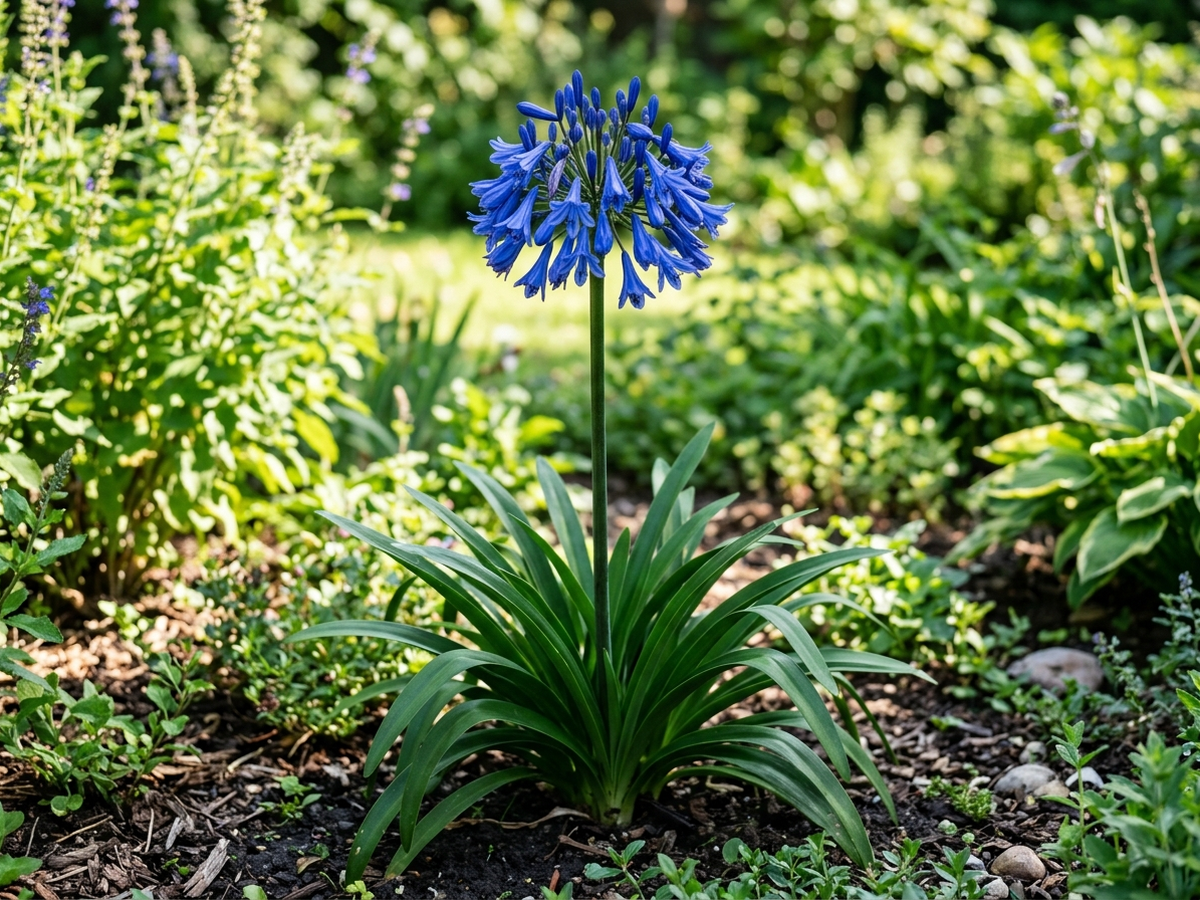 Drooping AgapanthusAgapanthus inapertus
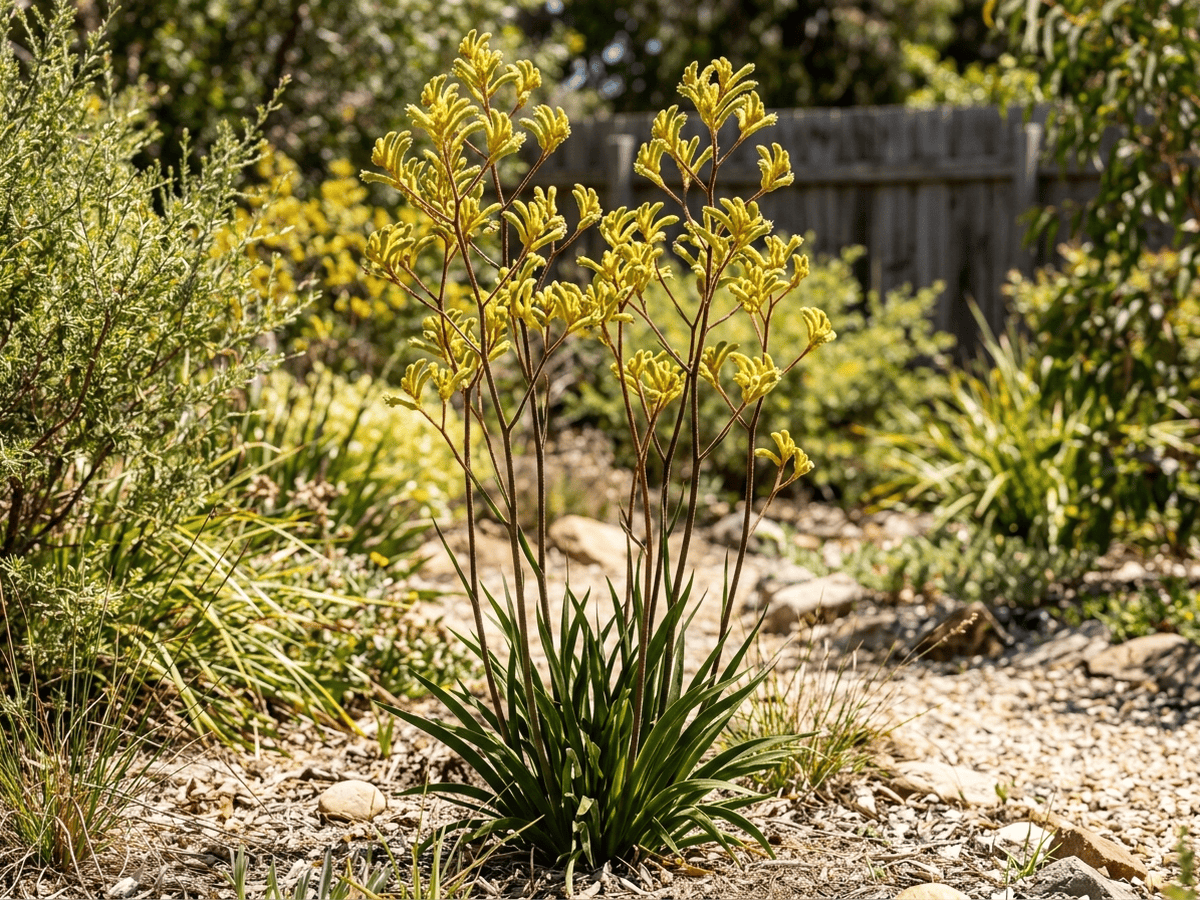 Tall Kangaroo PawAnigozanthos flavidus
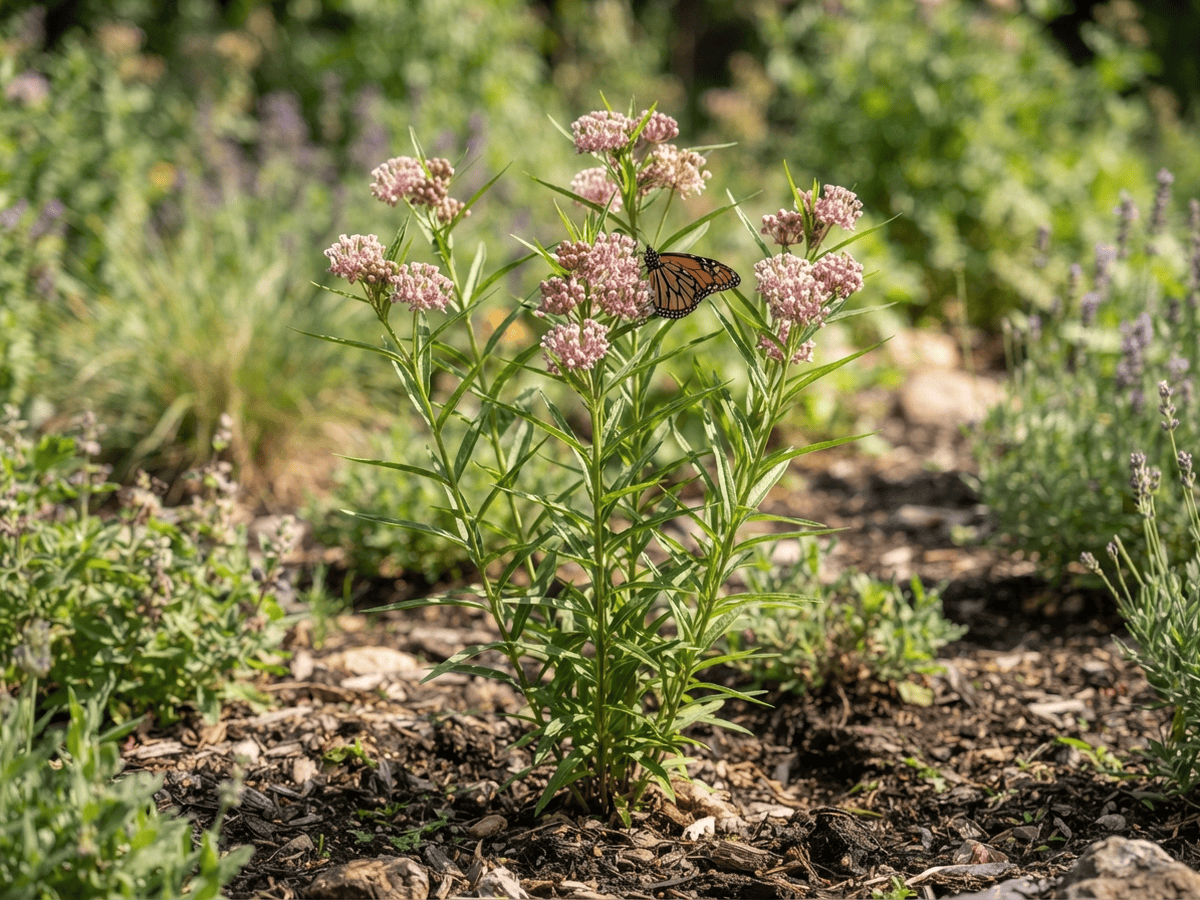 Narrowleaf MilkweedAsclepias fascicularis
Frequently asked questions
How often should I water Coulter's Matilija Poppy?
Water about every 14 days during the growing season, and always let excess water drain away.
How much light does Coulter's Matilija Poppy need?
Full sun: 6+ hrs direct. Watch the leaves — scorching or stretching means the light needs adjusting.
Is Coulter's Matilija Poppy toxic to cats or dogs?
Pets Slight (Dogs Slight · Cats Slight) Educational information, not medical or veterinary advice. If exposure is suspected, contact a doctor or veterinarian.
Is Coulter's Matilija Poppy easy to grow?
It is considered challenging and rewards experienced growers.
When does Coulter's Matilija Poppy bloom?
It typically blooms May–Jul in the Northern Hemisphere.
YardMate
Identify any plant in seconds
Snap a photo — YardMate names the plant, diagnoses problems, and reminds you when to water.
Download on the App Store