 YardMate


At Last
Rosa 'At Last'
Easy · Beginner friendlyAbout At Last
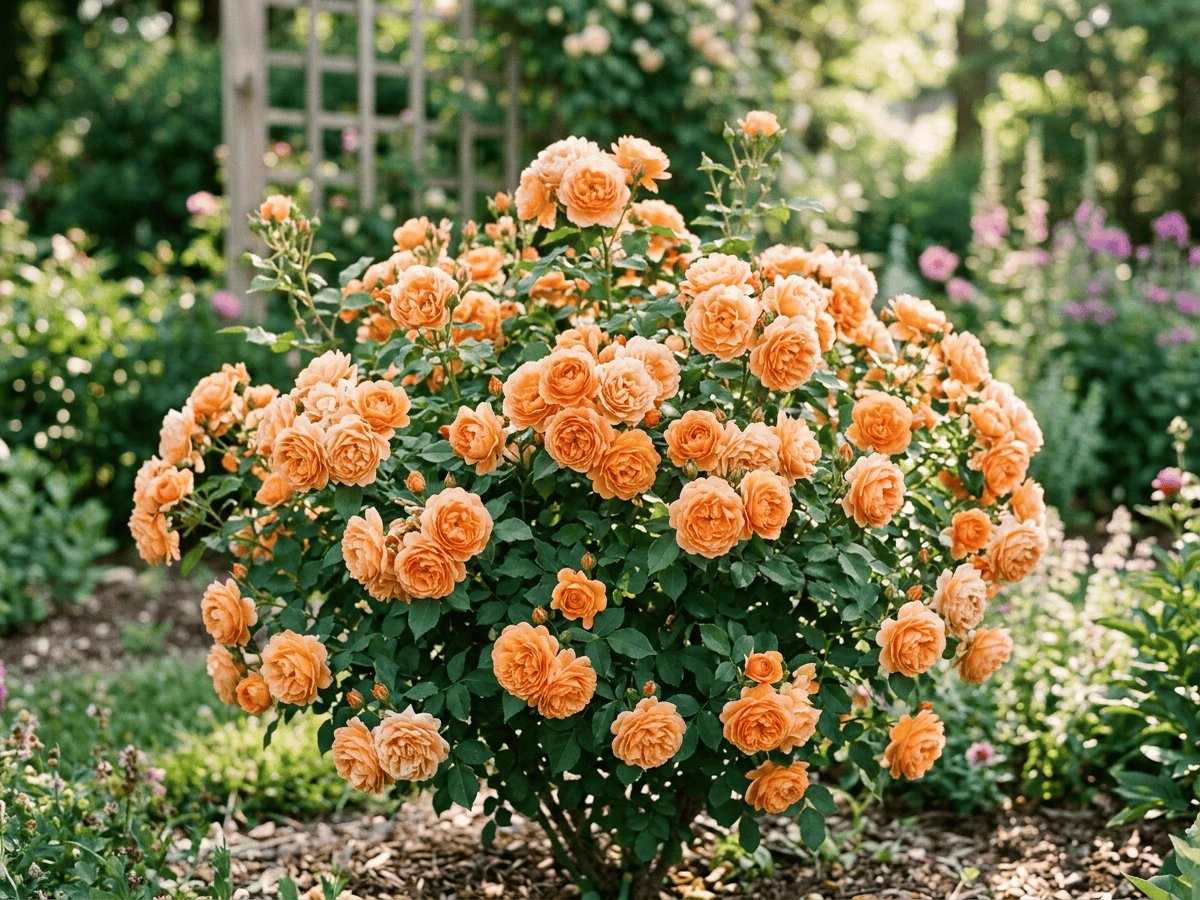
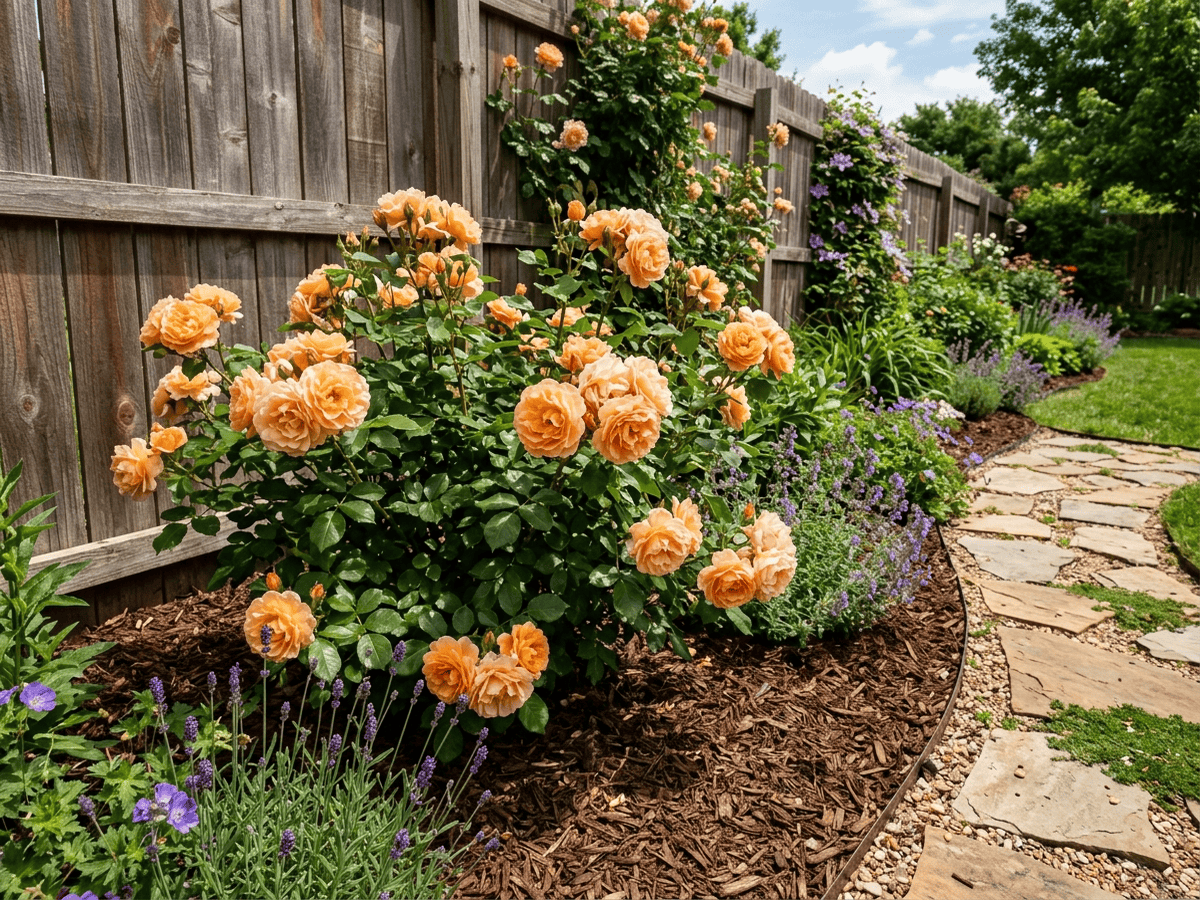
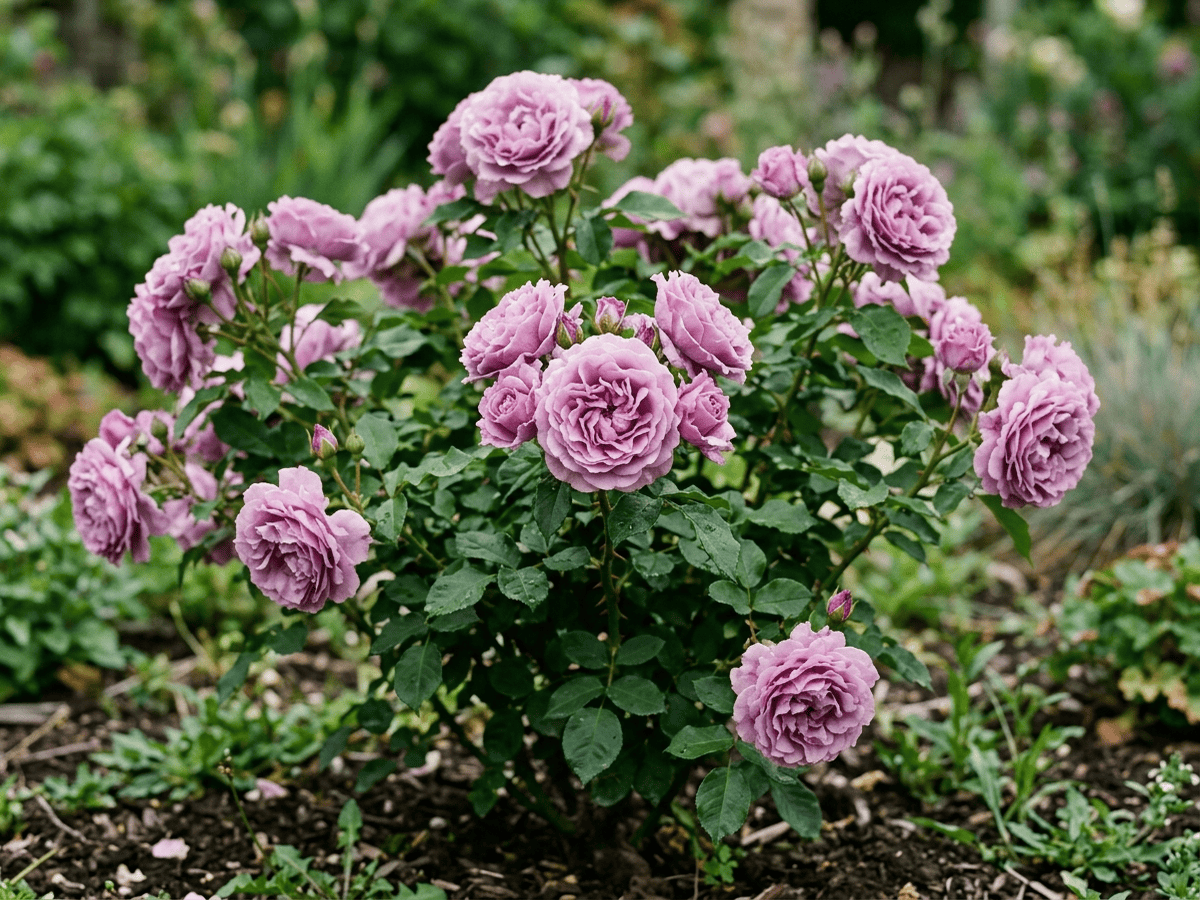
Rosa 'At Last' is a modern shrub rose bred for the combination gardeners keep asking roses to deliver: fragrance, repeat bloom, and strong disease resistance in a compact plant. The fully double flowers open warm apricot-orange, softening as they age, and carry a classic rose scent unusual in many low-maintenance landscape roses. Plants form rounded shrubs about 90-120 cm tall and bloom in flushes from late spring through frost. It works well in sunny mixed borders, foundation plantings, and containers large enough for a woody rose. Regular watering, mulch, and light pruning keep it productive, but it does not demand the ritual care of old exhibition roses.
- Fragrant
- Low-maintenance
- Disease-resistant
- Long-blooming
How to care for At Last
Watering
- Springevery 7 days
- Summerevery 5 days
- Fallevery 10 days
- Winterevery 21 days
Soil · Rich & loamy
- Top dressingBark mulch15%
- Main mixRich loam + compost 3:170%
- DrainageGravel15%
Use fully finished compost — fresh compost burns roots.
FERTILIZER
Balanced Feed 14-14-14
An even feed covers all three needs at once, keeping leaves, roots and blooms moving together with nothing pushed out of balance.
- Nitrogen · Leaves
- Phosphorus · Roots + Blooms
- Potassium · Strength
- Springevery 45 days
- Summerevery 45 days
At a Glance
- NativeNorth America
- Height3–4 ft (0.9–1.2 m)
- Spread3–4 ft (0.9–1.2 m)
- Flower colorOrange
- Foliage colorGreen
- SoilLoamy, Well-drained, Rich
- LocationsYard
Bloom time
BLOOM CYCLE
Peak bloom
May–Sep
Self-cleaning; prune lightly late winter for shape
Fragrance
STRONG FRAGRANCE
The flowers have a classic rich tea-rose fragrance.
Toxicity
Humans Slight
Unknown toxic principle
Slight
- Stem
- Contact
EXPOSURE Touching stems.
EFFECT Pricks from thorns.
NOTE Not toxic; thorns cause mechanical injury.
Safe
EXPOSURE No exposure route is reported.
EFFECT No toxic effect is reported.
NOTE Listed as non-toxic for dogs; avoid eating ornamental plants unless confirmed edible.
Safe
EXPOSURE No exposure route is reported.
EFFECT No toxic effect is reported.
NOTE Listed as non-toxic for cats; avoid eating ornamental plants unless confirmed edible.
Educational information, not medical or veterinary advice. If exposure is suspected, contact a doctor or veterinarian.
DISTRIBUTION


- Native
- North America
History
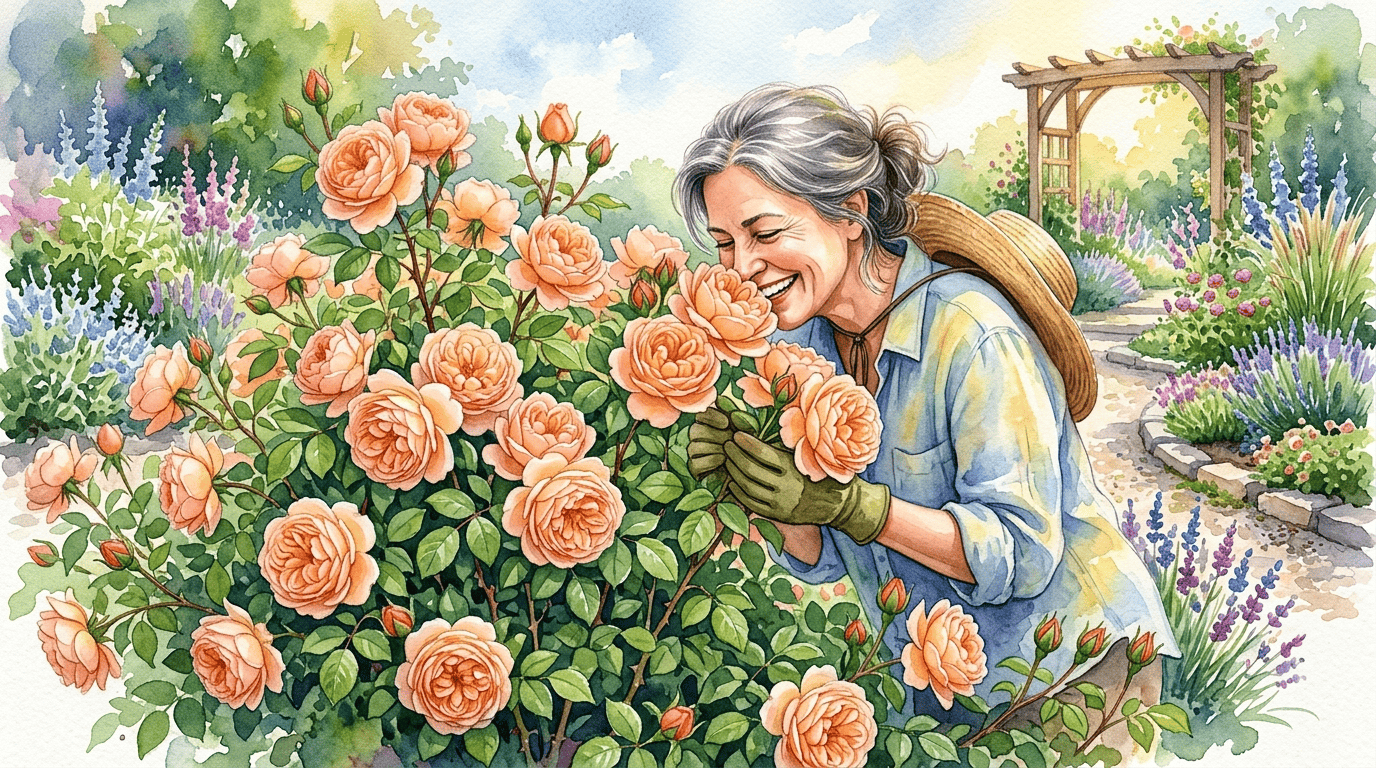
Rosa 'At Last' is a warm apricot-orange shrub rose released by Proven Winners ColorChoice in 2017 from proprietary breeding specifically aimed at solving the fragrant-versus-disease-resistant trade-off that has frustrated rosarians for decades. Most extremely disease-resistant landscape roses lack meaningful scent, while the most fragrant hybrid teas need constant spraying. 'At Last' was selected to produce fully double cupped old-rose-style blooms in rich shades of peach-apricot with a strong classic tea-rose fragrance, on a compact mounded plant with high resistance to black spot and powdery mildew.
The cultivar requires no spraying, blooms continuously from late spring to heavy frost without deadheading, and is cold hardy into USDA zone 5. Widely marketed as a fragrance-forward alternative to scentless Knock Out and Drift roses.
Introduced by Proven Winners in 2016 as the answer to gardeners' long-standing wish for a rose that combined powerful old-rose fragrance with modern landscape-level disease resistance.
Symbolism & meaning
What It Symbolizes
The At Last Rose can symbolize long-awaited joy, its very name a relieved exhalation from breeders who finally combined classic rose fragrance with modern disease resistance. It is a quiet breeding milestone, the scented disease-resistant shrub rose that gardeners had been promised for decades. To plant 'At Last' is to acknowledge the long history of trade-offs in rose breeding, and to keep one of the first roses that no longer asked the keeper to choose between beauty, perfume and good health.
- Long-awaited joy — marked a long-awaited fragrance breakthrough
- Breeding milestone — scented disease-resistant rose
Where the Name Comes From
Named 'At Last' because gardeners at last got a rose with both strong fragrance and excellent disease resistance.
Uses & Fun Facts
- Apricot-orange blooms carry strong tea-rose perfume
- Disease-resistant landscape rose flowers nonstop all summer
Related plants
More Rosa plants
 About FaceRosa 'About Face'
 Abraham DarbyRosa 'Abraham Darby'
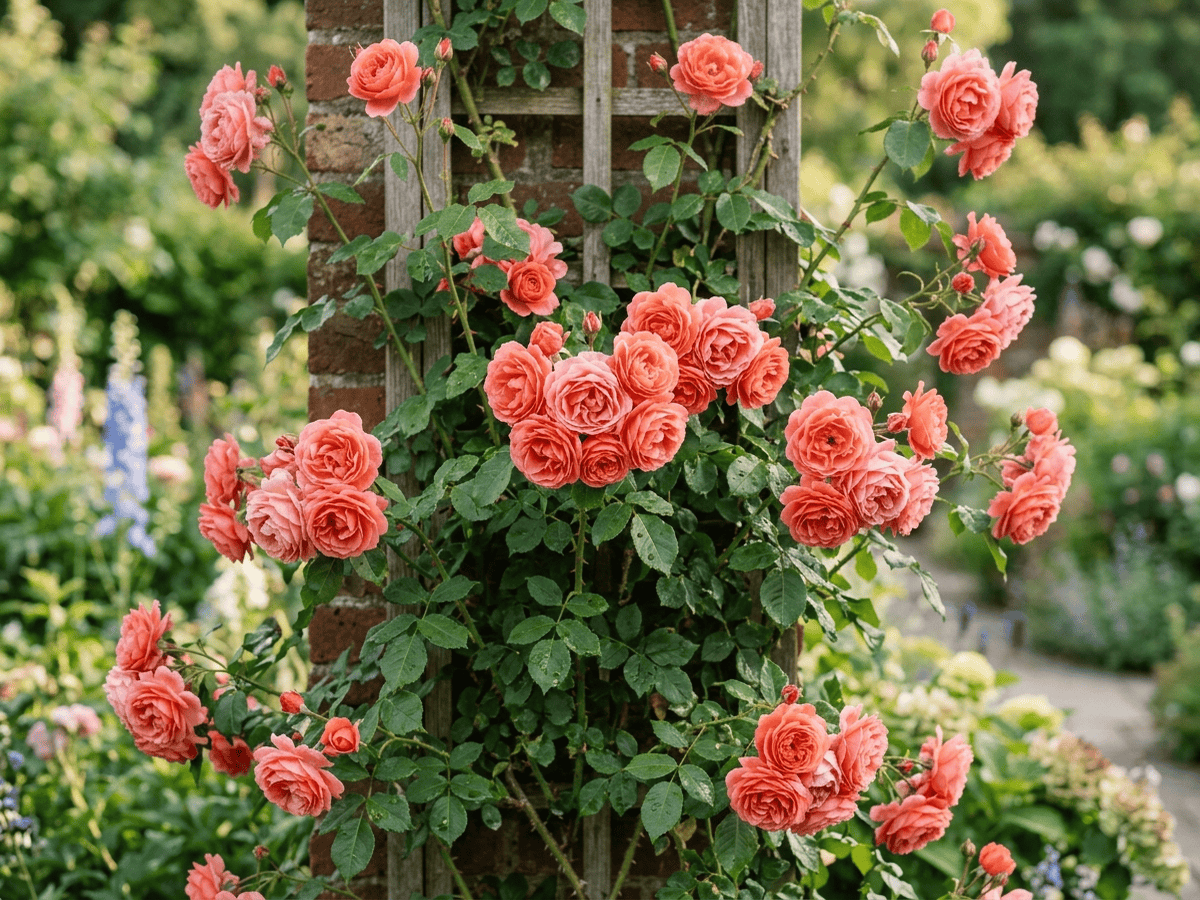 AmericaRosa 'America'
 Angel FaceRosa 'Angel Face'
Plants with similar care
 Chinese AbeliaAbelia chinensis
 Fragrant AbeliaAbelia mosanensis
 Large-Flowered AbeliaAbelia uniflora
 Glossy AbeliaAbelia x grandiflora
Frequently asked questions
How often should I water At Last?
In summer, water about every 5 days; in winter, about every 21 days. Adjust for heat, pot size and drainage.
How much light does At Last need?
Full sun: 6+ hrs direct. Watch the leaves — scorching or stretching means the light needs adjusting.
Is At Last toxic to cats or dogs?
Pets Safe (Dogs Safe · Cats Safe) Educational information, not medical or veterinary advice. If exposure is suspected, contact a doctor or veterinarian.
Is At Last easy to grow?
Yes — it is considered an easy, beginner-friendly plant.
When does At Last bloom?
It typically blooms May–Sep in the Northern Hemisphere.
YardMate
Identify any plant in seconds
Snap a photo — YardMate names the plant, diagnoses problems, and reminds you when to water.
Download on the App Store