 YardMate

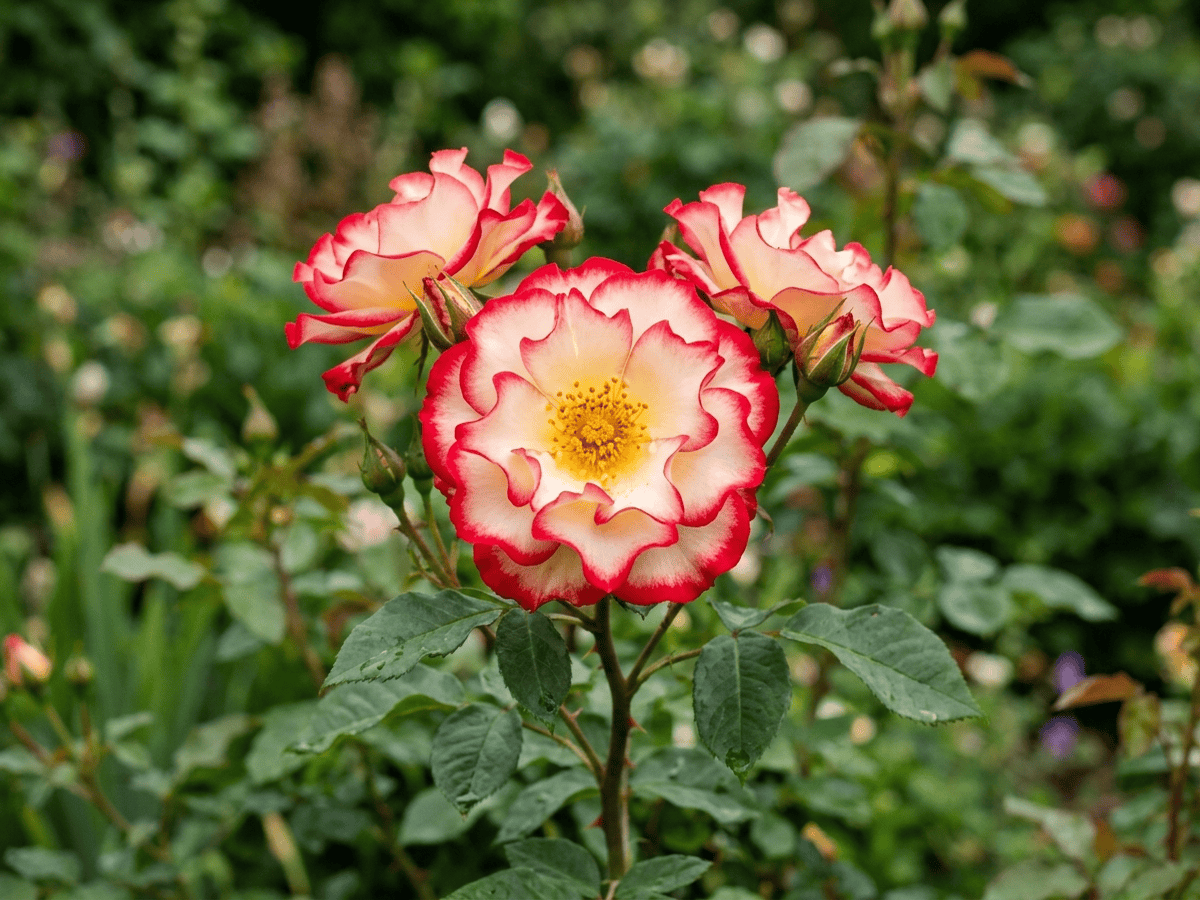

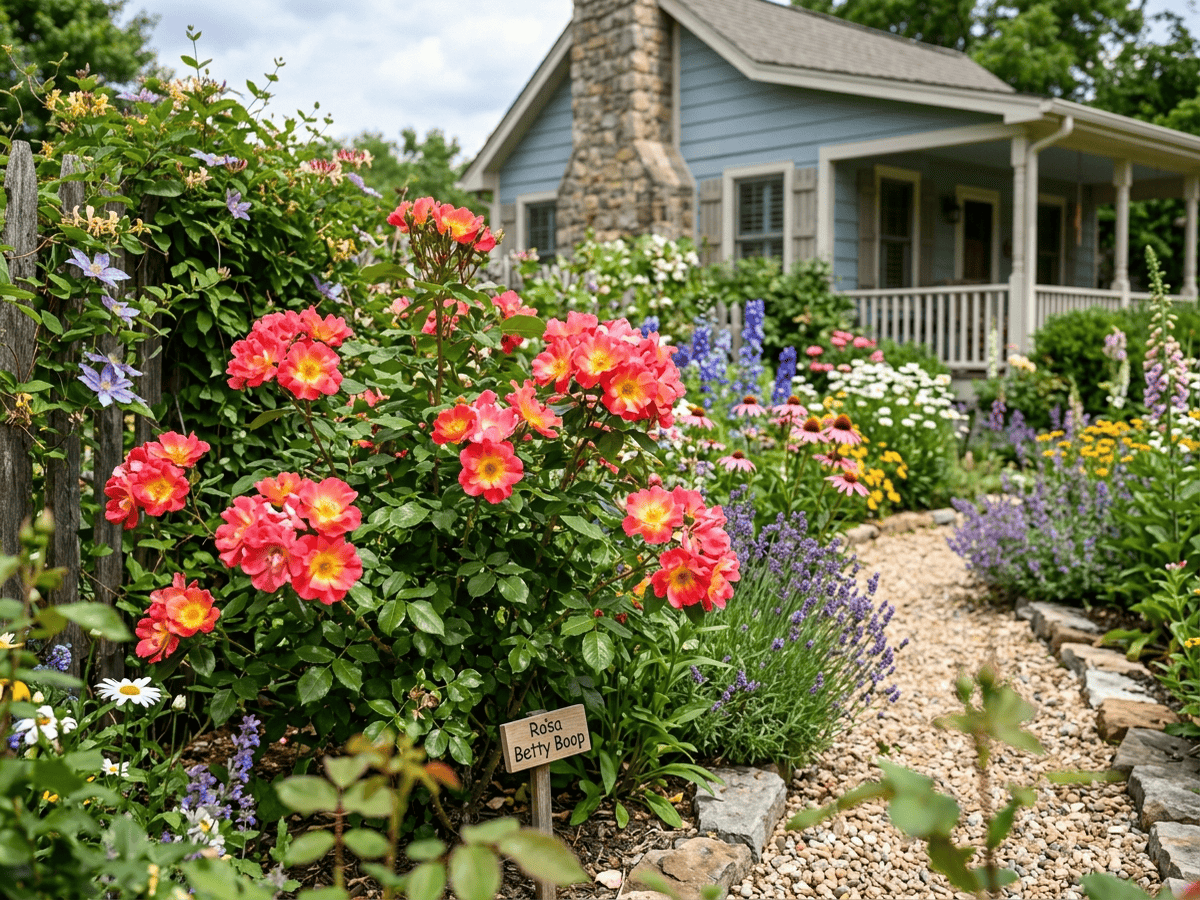
Betty Boop
Rosa 'Betty Boop'
Medium · Some experienceAbout Betty Boop
Betty Boop is a playful yellow-and-red bicolor floribunda rose producing clusters of 4-inch semi-double blooms with creamy-yellow centers and cherry-red edges. Growing 3 to 4 feet tall with strong disease resistance, this 1999 AARS winner by Tom Carruth features open flowers that attract pollinators and remains one of the most cheerful bicolor roses in American gardens.
- Disease-resistant
- Long-blooming
How to care for Betty Boop
Watering
- Springevery 5 days
- Summerevery 3 days
- Fallevery 7 days
- Winterevery 14 days
Soil · Rich & loamy
- Top dressingBark mulch15%
- Main mixRich loam + compost 3:170%
- DrainageGravel15%
Use fully finished compost — fresh compost burns roots.
FERTILIZER
Balanced Feed 14-14-14
An even feed covers all three needs at once, keeping leaves, roots and blooms moving together with nothing pushed out of balance.
- Nitrogen · Leaves
- Phosphorus · Roots + Blooms
- Potassium · Strength
- Springevery 30 days
- Summerevery 30 days
- Fallevery 45 days
At a Glance
- NativeNorth America
- Height3–4 ft (0.9–1.2 m)
- Spread3–4 ft (0.9–1.2 m)
- Flower colorYellow, Red, Pink
- Foliage colorGreen
- SoilLoamy, Well-drained
- LocationsYard
Bloom time
BLOOM CYCLE
Peak bloom
May–Sep
Deadhead clusters for repeat bloom; prune late winter; open blooms feed pollinators
Fragrance
LIGHT FRAGRANCE
The flowers have a light sweet apple scent.
Toxicity
Humans Slight
Unknown toxic principle
Slight
- Stem
- Contact
EXPOSURE Touching stems.
EFFECT Pricks from thorns.
NOTE Not toxic; thorns cause mechanical injury.
Safe
EXPOSURE No exposure route is reported.
EFFECT No toxic effect is reported.
NOTE Listed as non-toxic for dogs; avoid eating ornamental plants unless confirmed edible.
Safe
EXPOSURE No exposure route is reported.
EFFECT No toxic effect is reported.
NOTE Listed as non-toxic for cats; avoid eating ornamental plants unless confirmed edible.
Educational information, not medical or veterinary advice. If exposure is suspected, contact a doctor or veterinarian.
DISTRIBUTION


- Native
- North America
History

Rosa 'Betty Boop' is a bicoloured yellow-and-red floribunda rose bred by Tom Carruth at Weeks Roses, released in 1999 from a cross involving 'Playboy' and other colourful parents. King Features Syndicate licensed the name of the 1930s cartoon character Betty Boop for the rose, and Carruth designed the cultivar to match her flirty playful image: wavy semi-double blooms just six to twelve petals across, with lemon-yellow centres that flush into bright cherry-red along the ruffled petal edges, changing their ratio as the flower opens so no two blooms look alike. 'Betty Boop' won the All-America Rose Selections award in 1999 and the World Federation of Rose Societies Rose of the Year in 2000.
Mild sweet apple fragrance; vigorous, disease-resistant, heavily floriferous.
Symbolism & meaning
What It Symbolizes
The Betty Boop Rose expresses playful charm, its cheerful bicolor flowers — ivory hearts ringed in red — winking like the cartoon icon for whom it was named. As an American classic of the floribunda class, it carries a touch of mid-century pop sweetness in petal form. To grow it is to plant a small joke and a generous bloomer at once, both fully committed to delight.
- Playful charm — cheerful bicolor flowers
- American classic — named for cartoon icon
Where the Name Comes From
Named for the iconic American cartoon character Betty Boop, created in 1930 by Max Fleischer.
Uses & Fun Facts
- Cream-and-cherry single blooms charm informal mixed bouquets
- Open single flowers give bees easy access to pollen
- Striking ivory blooms edged cherry red for sunny borders
Related plants
More Rosa plants
 About FaceRosa 'About Face'
 Abraham DarbyRosa 'Abraham Darby'
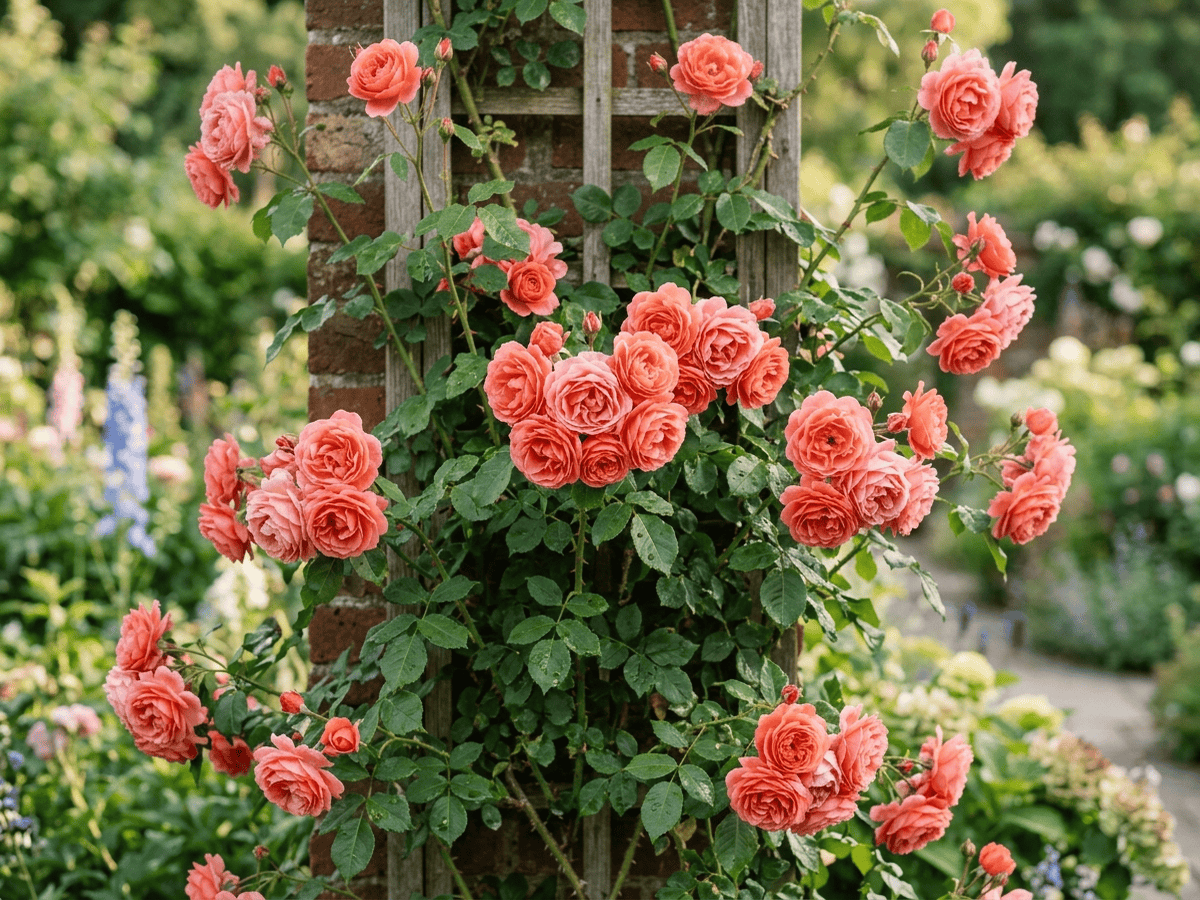 AmericaRosa 'America'
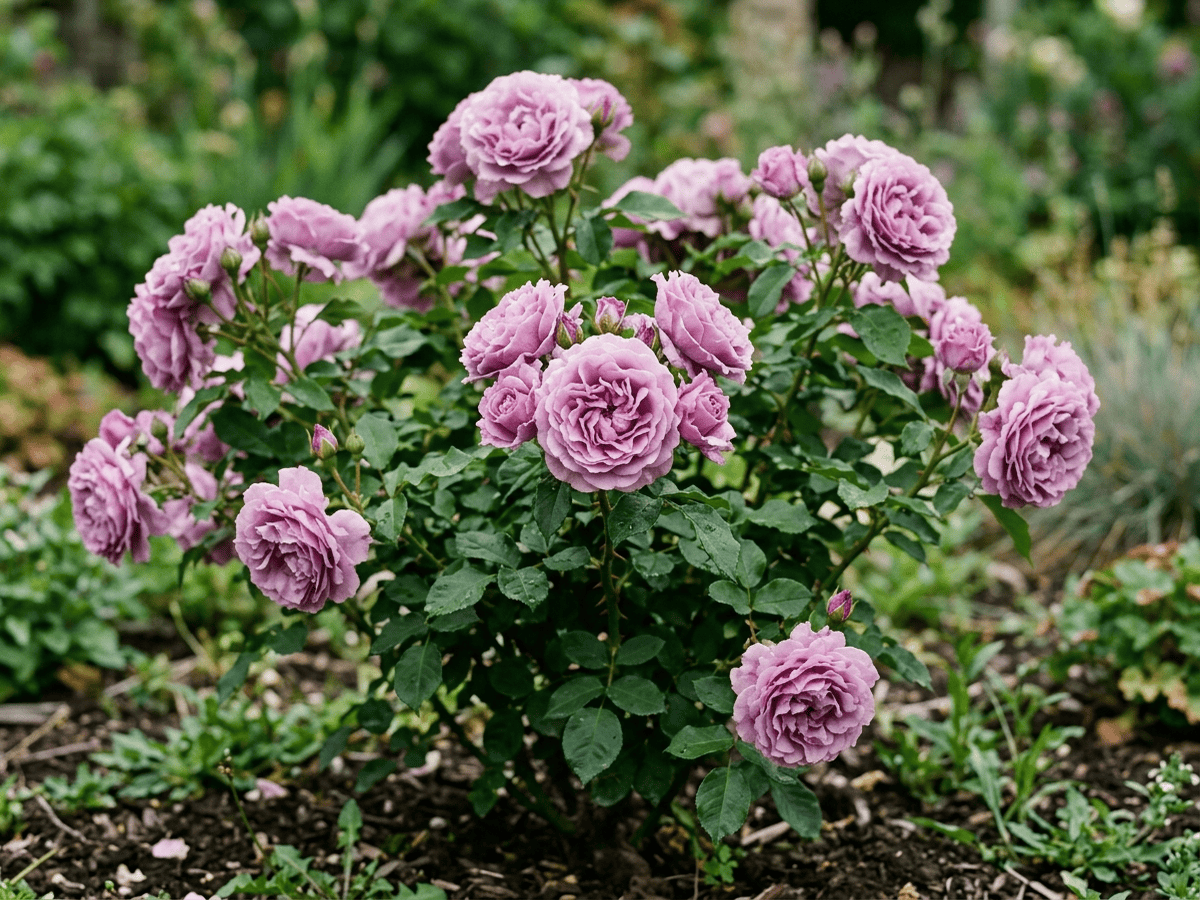 Angel FaceRosa 'Angel Face'
Plants with similar care
 Mexican AbeliaAbelia floribunda
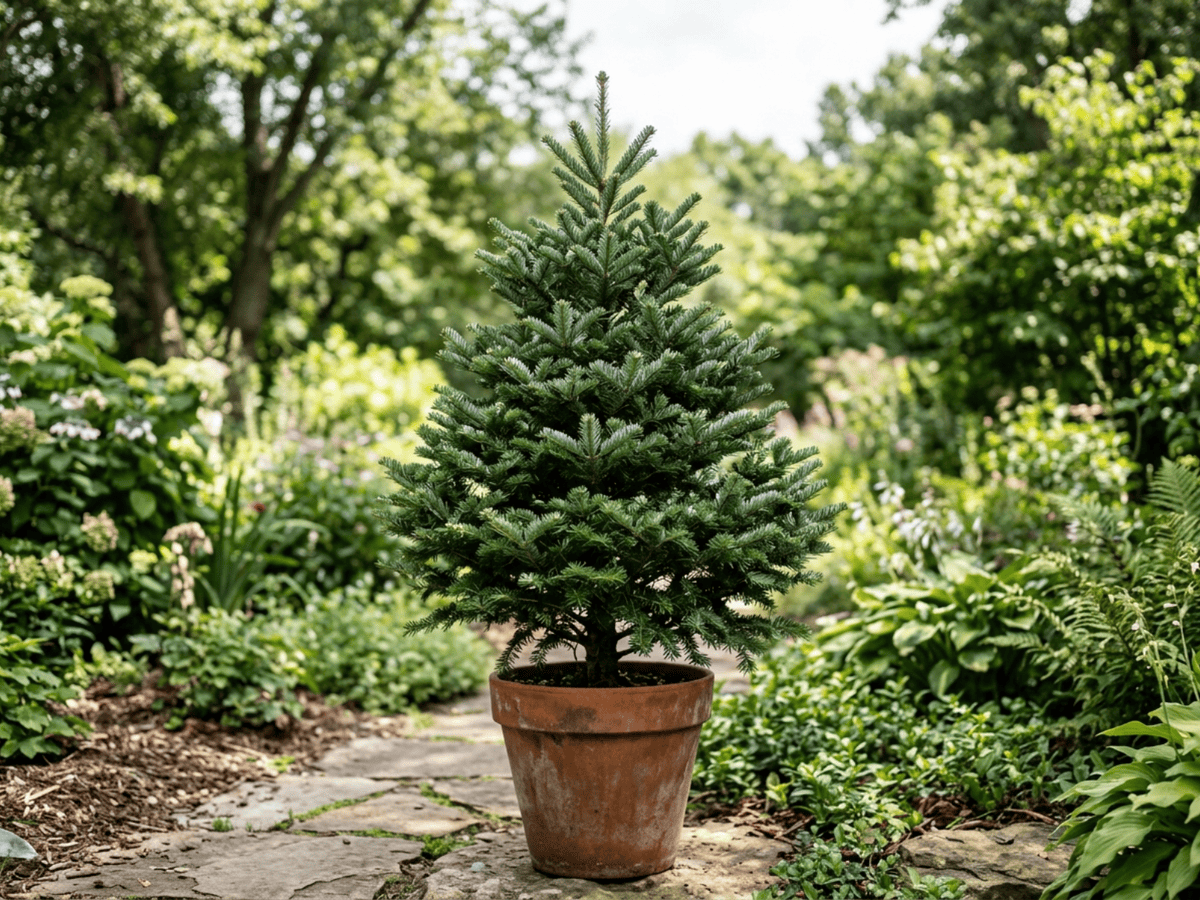 Fraser FirAbies fraseri
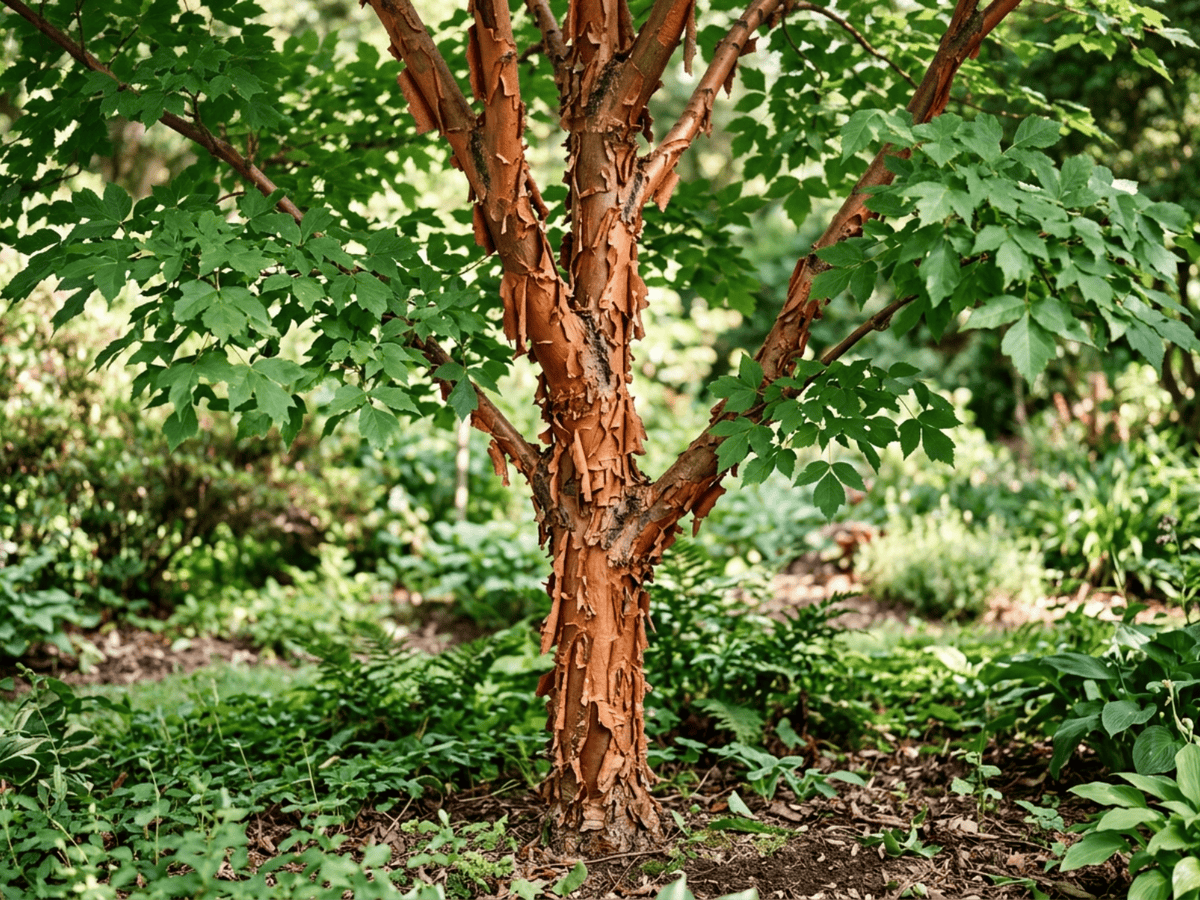 Paperbark MapleAcer griseum
 Sugar MapleAcer saccharum
Frequently asked questions
How often should I water Betty Boop?
In summer, water about every 3 days; in winter, about every 14 days. Adjust for heat, pot size and drainage.
How much light does Betty Boop need?
Full sun: 6+ hrs direct. Watch the leaves — scorching or stretching means the light needs adjusting.
Is Betty Boop toxic to cats or dogs?
Pets Safe (Dogs Safe · Cats Safe) Educational information, not medical or veterinary advice. If exposure is suspected, contact a doctor or veterinarian.
Is Betty Boop easy to grow?
It is moderately demanding: a good choice once you have a little experience.
When does Betty Boop bloom?
It typically blooms May–Sep in the Northern Hemisphere.
YardMate
Identify any plant in seconds
Snap a photo — YardMate names the plant, diagnoses problems, and reminds you when to water.
Download on the App Store