 YardMate


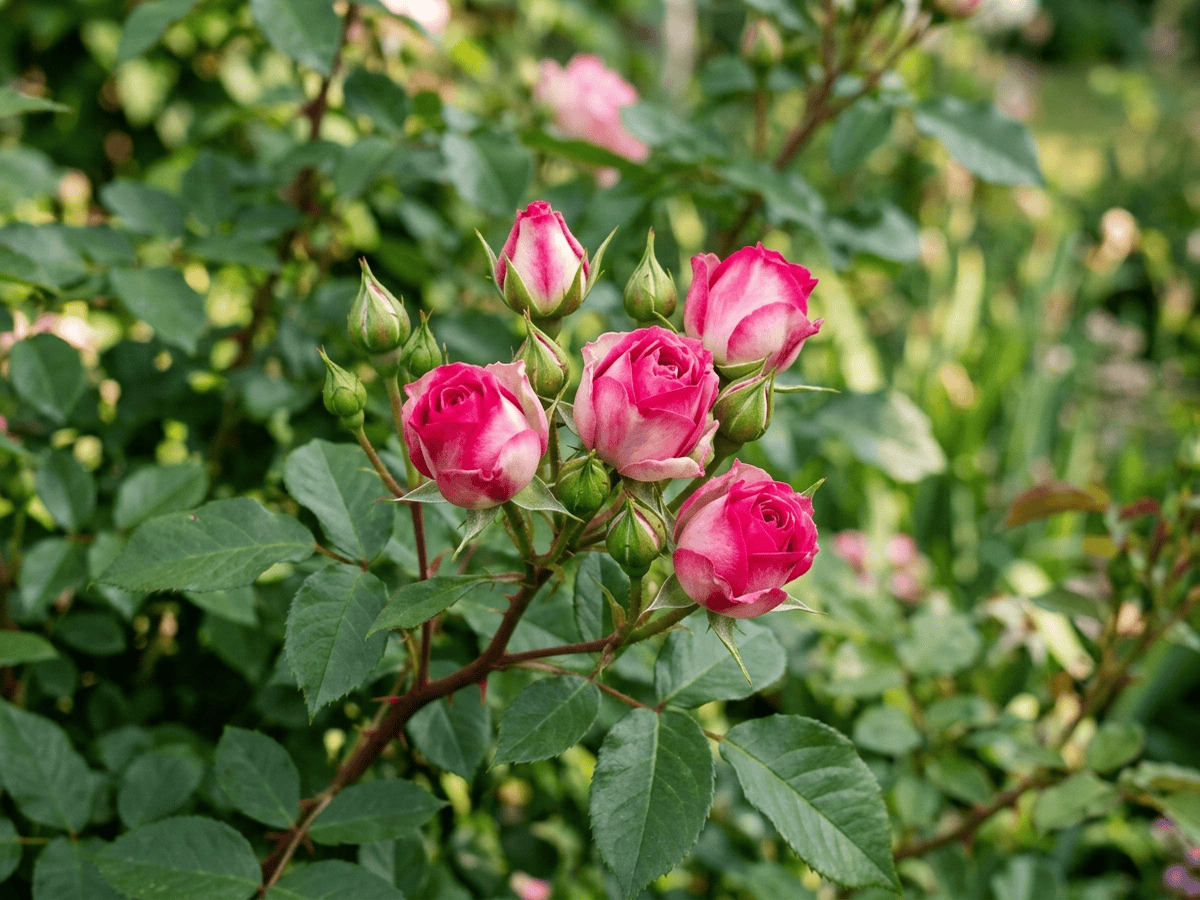

Carefree Wonder
Rosa 'Carefree Wonder'
Easy · Beginner friendlyAbout Carefree Wonder
Carefree Wonder is a pink-and-white bicolor shrub rose producing clusters of 3 to 4 inch fully double blooms with pink fronts and creamy reverse on a rounded 3 to 4 foot bush. A 1991 AARS winner bred by Meilland, it combines disease resistance and continuous bloom with a distinctive bicolor appearance, a favorite in American landscape plantings.
- Low-maintenance
- Disease-resistant
- Long-blooming
How to care for Carefree Wonder
Watering
- Springevery 7 days
- Summerevery 5 days
- Fallevery 10 days
- Winterevery 21 days
Soil · Rich & loamy
- Top dressingBark mulch15%
- Main mixRich loam + compost 3:170%
- DrainageGravel15%
Use fully finished compost — fresh compost burns roots.
FERTILIZER
Balanced Feed 14-14-14
An even feed covers all three needs at once, keeping leaves, roots and blooms moving together with nothing pushed out of balance.
- Nitrogen · Leaves
- Phosphorus · Roots + Blooms
- Potassium · Strength
- Springevery 45 days
- Summerevery 45 days
At a Glance
- NativeEurope
- Height3–4 ft (0.9–1.2 m)
- Spread3–4 ft (0.9–1.2 m)
- Flower colorPink, White
- Foliage colorGreen
- SoilLoamy, Well-drained, Rich
- LocationsYard
Bloom time
BLOOM CYCLE
Peak bloom
May–Sep
Self-cleaning; prune lightly late winter
Fragrance
LIGHT FRAGRANCE
The flowers have a light scent.
Toxicity
Humans Slight
Unknown toxic principle
Slight
- Stem
- Contact
EXPOSURE Touching stems.
EFFECT Pricks from thorns.
NOTE Not toxic; thorns cause mechanical injury.
Safe
EXPOSURE No exposure route is reported.
EFFECT No toxic effect is reported.
NOTE Listed as non-toxic for dogs; avoid eating ornamental plants unless confirmed edible.
Safe
EXPOSURE No exposure route is reported.
EFFECT No toxic effect is reported.
NOTE Listed as non-toxic for cats; avoid eating ornamental plants unless confirmed edible.
Educational information, not medical or veterinary advice. If exposure is suspected, contact a doctor or veterinarian.
DISTRIBUTION


- Native
- Europe
History

Rosa 'Carefree Wonder' is a medium-pink shrub rose bred by French hybridizer Alain Meilland at the Meilland nursery, released in 1990 from proprietary parentage and marketed in North America by Conard-Pyle as part of the Carefree series that continued the low-maintenance landscape-rose tradition begun by Dr. Griffith Buck. The semi-double blooms open a cheerful medium pink with creamy-white reverses and a yellow centre, appearing continuously in clusters from late spring through heavy frost on rounded, dense, disease-resistant plants ideal for informal hedging and mass landscape plantings. 'Carefree Wonder' won the All-America Rose Selections award in 1991.
Light scent; red-orange autumn hips add winter interest; cold hardy into zone 4 without protection, and reliable in containers and as a specimen. Bred by Meilland in France and introduced in 1991 by Conard-Pyle, winning AARS the same year.
Part of the Carefree series of low-maintenance landscape roses that helped pave the way for Knock Out's later dominance.
Symbolism & meaning
What It Symbolizes
Carefree Wonder Rose is effortless beauty engineered into a landscape shrub, blooming reliably with little more attention than a hardy spirea. Its bicolor charm — pink face, cream reverse — turns even casual plantings into something unexpectedly graceful. In its low-care lineage, the romance of the rose was quietly democratized for everyone with a fence to fill.
- Effortless beauty — low-care shrub rose bred for repeat garden color
- Bicolor charm — pink with cream reverse
Where the Name Comes From
Named 'Carefree Wonder' to highlight its disease-resistant low-care habit and wonderful bicolor blooms.
Uses & Fun Facts
- Disease-resistant shrub rose forms informal flowering hedges
- Pink-and-cream bicolor blooms cover landscape mass plantings
- Continuous blooming makes reliable foundation accent
Related plants
More Rosa plants
 About FaceRosa 'About Face'
 Abraham DarbyRosa 'Abraham Darby'
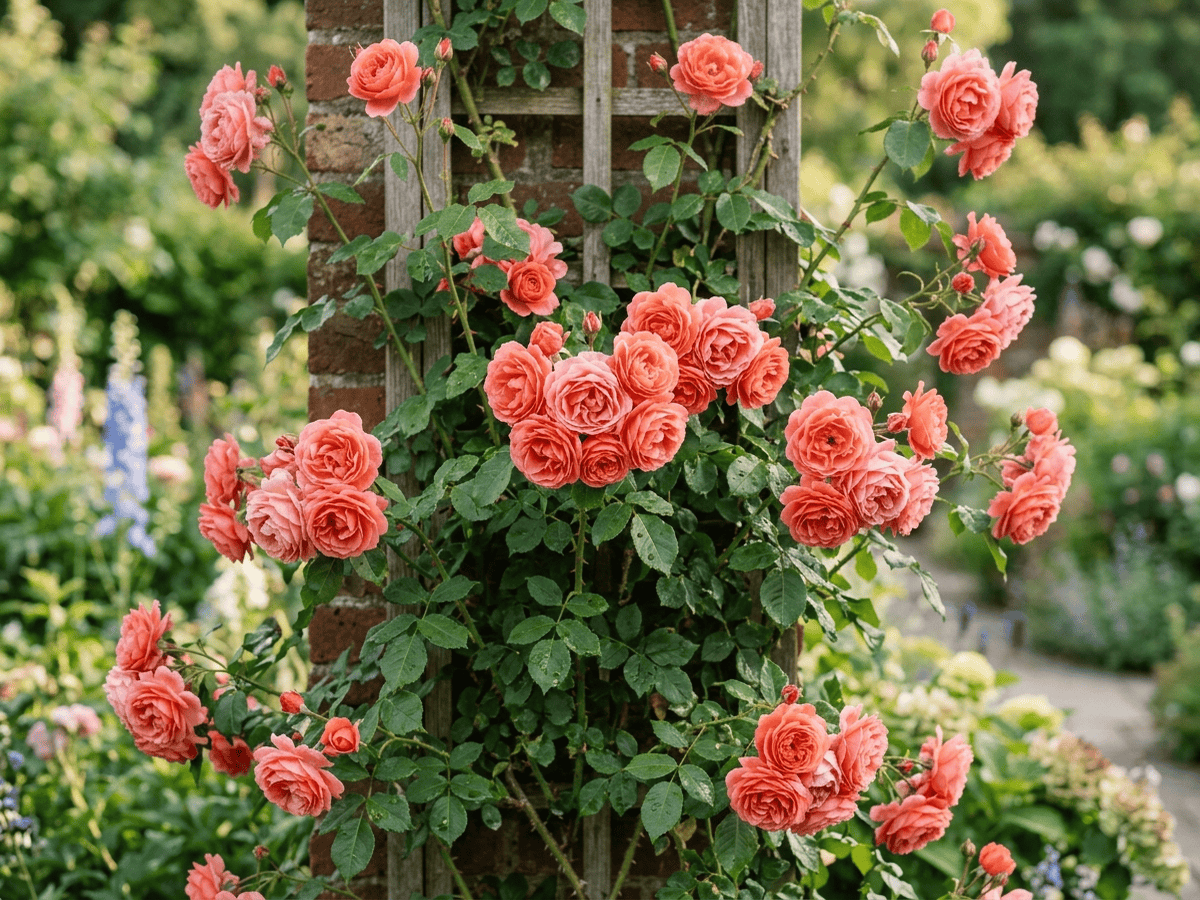 AmericaRosa 'America'
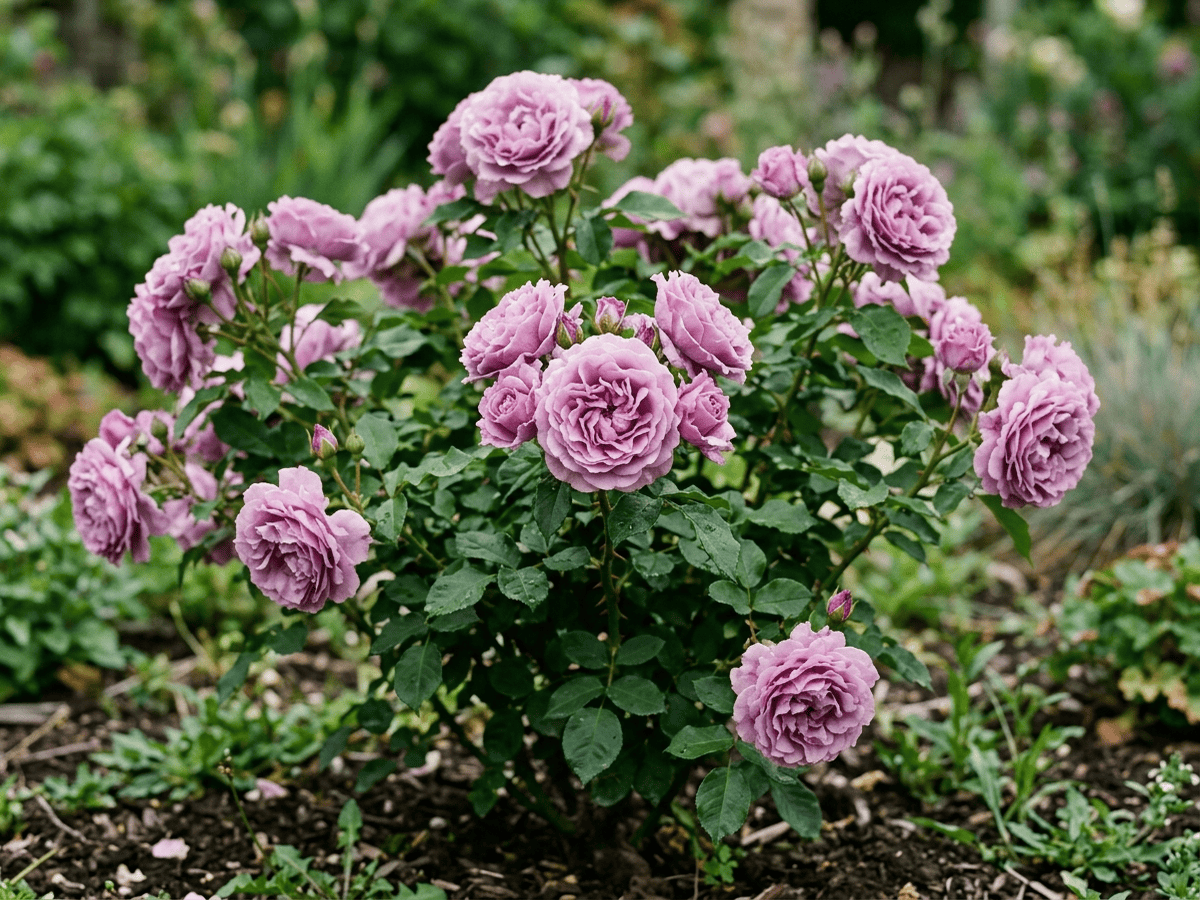 Angel FaceRosa 'Angel Face'
Plants with similar care
 Chinese AbeliaAbelia chinensis
 Fragrant AbeliaAbelia mosanensis
 Large-Flowered AbeliaAbelia uniflora
 Glossy AbeliaAbelia x grandiflora
Frequently asked questions
How often should I water Carefree Wonder?
In summer, water about every 5 days; in winter, about every 21 days. Adjust for heat, pot size and drainage.
How much light does Carefree Wonder need?
Full sun: 6+ hrs direct. Watch the leaves — scorching or stretching means the light needs adjusting.
Is Carefree Wonder toxic to cats or dogs?
Pets Safe (Dogs Safe · Cats Safe) Educational information, not medical or veterinary advice. If exposure is suspected, contact a doctor or veterinarian.
Is Carefree Wonder easy to grow?
Yes — it is considered an easy, beginner-friendly plant.
When does Carefree Wonder bloom?
It typically blooms May–Sep in the Northern Hemisphere.
YardMate
Identify any plant in seconds
Snap a photo — YardMate names the plant, diagnoses problems, and reminds you when to water.
Download on the App Store