 YardMate


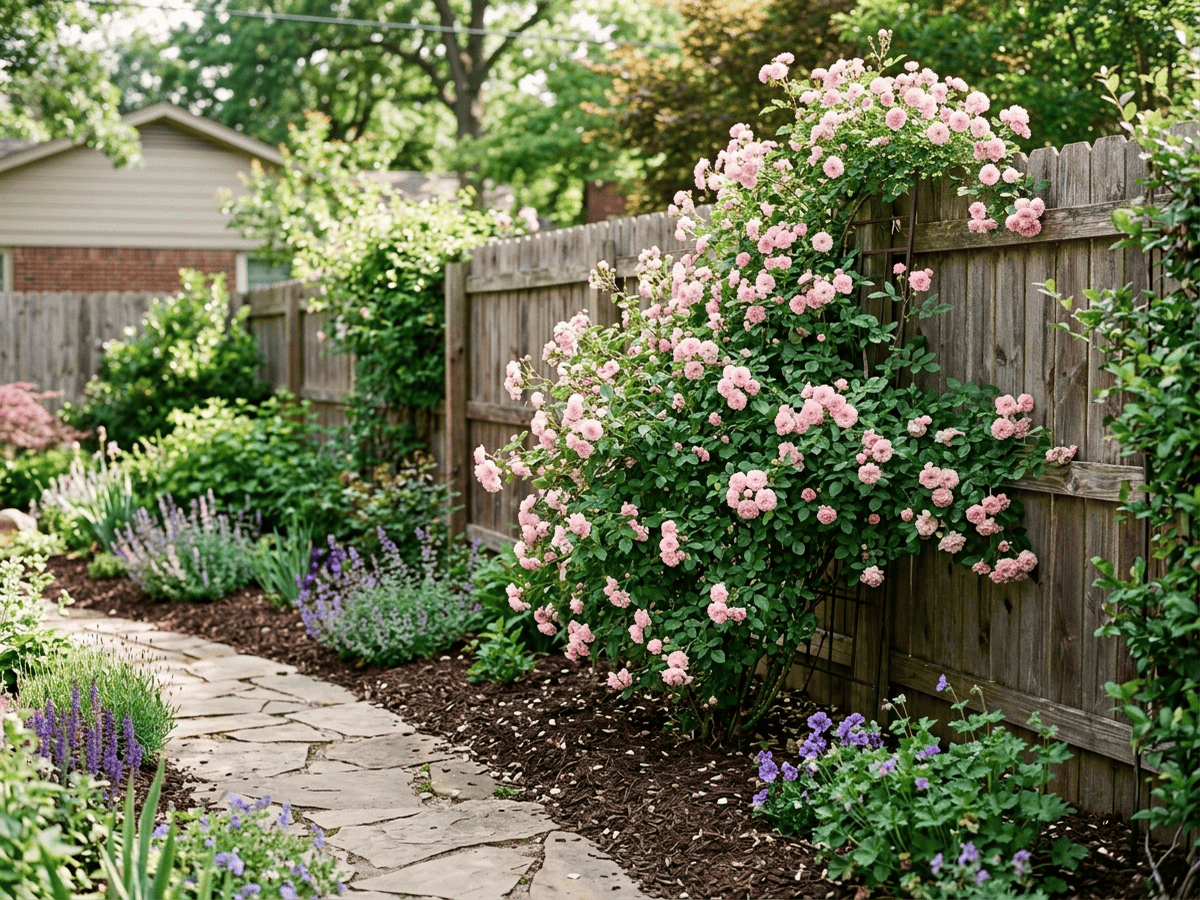
Cecile Brunner
Rosa 'Cecile Brunner'
Easy · Beginner friendlyAbout Cecile Brunner
Climbing Cecile Brunner, also called the Sweetheart Rose, is a vigorous heirloom climbing rose producing thousands of perfectly formed thimble-sized pale pink double blooms with a soft sweet fragrance. The climbing sport can reach 20 feet or more, covering arbors, walls, and old trees in cascades of tiny roses each spring with lighter repeat bloom. An iconic cottage and heritage rose in American and English gardens.
- Fragrant
- Climbing
- Long-blooming
How to care for Cecile Brunner
Watering
- Springevery 7 days
- Summerevery 5 days
- Fallevery 10 days
- Winterevery 21 days
Soil · Rich & loamy
- Top dressingBark mulch15%
- Main mixRich loam + compost 3:170%
- DrainageGravel15%
Use fully finished compost — fresh compost burns roots.
FERTILIZER
Balanced Feed 14-14-14
An even feed covers all three needs at once, keeping leaves, roots and blooms moving together with nothing pushed out of balance.
- Nitrogen · Leaves
- Phosphorus · Roots + Blooms
- Potassium · Strength
- Springevery 45 days
- Summerevery 45 days
At a Glance
- NativeEurope
- Height3–5 ft (0.9–1.5 m)
- Spread2–4 ft (0.6–1.2 m)
- Flower colorPink
- Foliage colorGreen
- Fruit colorOrange
- SoilLoamy, Well-drained, Rich
- LocationsYard
Bloom time
BLOOM CYCLE
Peak bloom
May–Sep
Masses of tiny pink 'sweetheart' blooms, huge spring flush then scattered repeat
Fragrance
MODERATE FRAGRANCE
The flowers have a sweet tea-rose fragrance.
Toxicity
Humans Slight
Unknown toxic principle
Slight
- Stem
- Contact
EXPOSURE Touching stems.
EFFECT Pricks from thorns.
NOTE Not toxic; thorns cause mechanical injury.
Safe
EXPOSURE No exposure route is reported.
EFFECT No toxic effect is reported.
NOTE Listed as non-toxic for dogs; avoid eating ornamental plants unless confirmed edible.
Safe
EXPOSURE No exposure route is reported.
EFFECT No toxic effect is reported.
NOTE Listed as non-toxic for cats; avoid eating ornamental plants unless confirmed edible.
Educational information, not medical or veterinary advice. If exposure is suspected, contact a doctor or veterinarian.
DISTRIBUTION


- Native
- Europe
History
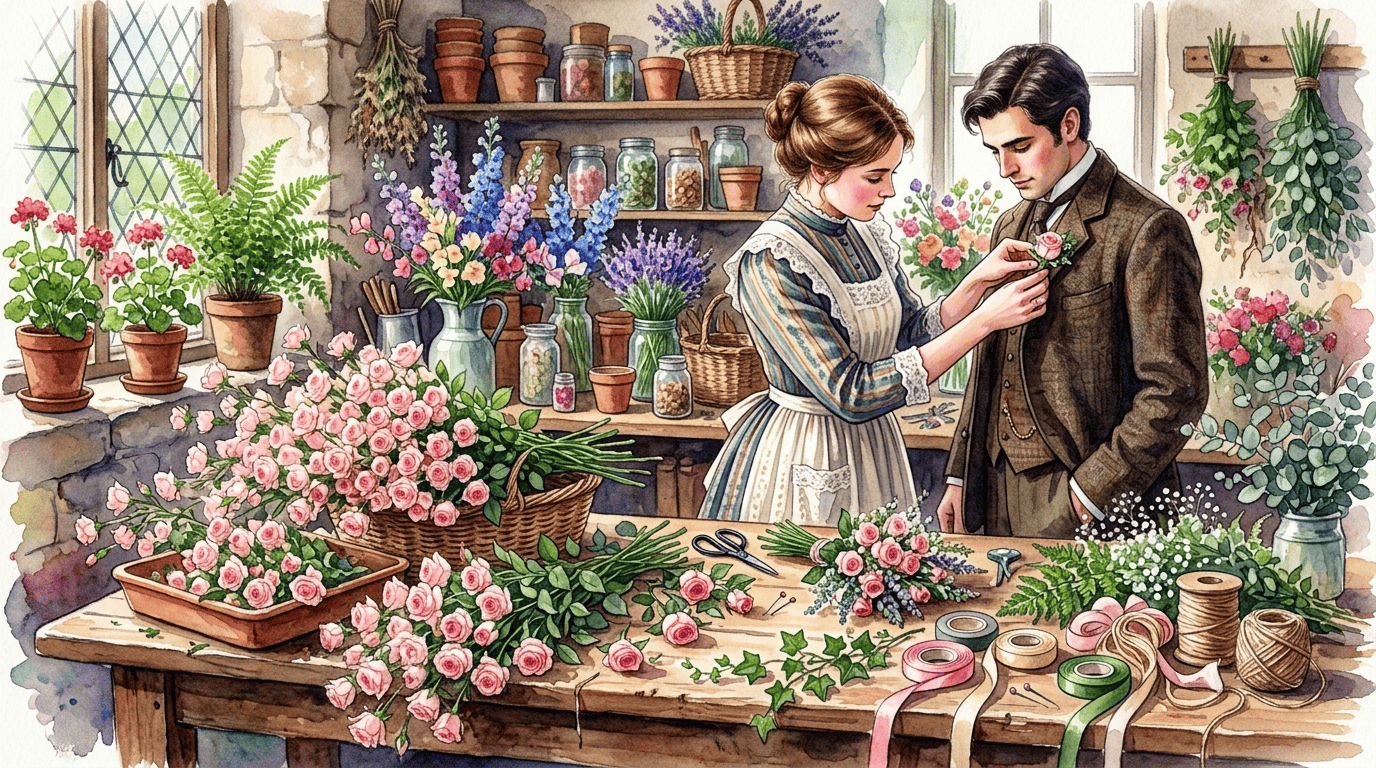
Rosa 'Cecile Brunner', the sweetheart rose, is a polyantha rose bred by French hybridizer Joseph Pernet-Ducher at his Lyon nursery in 1881 from an unrecorded seedling of Rosa multiflora crossed with the tea rose 'Madame de Tartas'. Pernet-Ducher named the cultivar for the daughter of a friend in Switzerland. The plant produces enormous panicles of delicate small flowers, each a tightly rolled miniature hybrid-tea-shaped bud opening to a shell pink rosette two to four centimeters across with a sweet tea-rose fragrance.
Victorian and Edwardian florists used the tiny buds for boutonnières, corsages, and sweetheart bouquets. A climbing sport discovered in 1894 became one of the most vigorous climbers ever bred.
'Cecile Brunner' remains a cottage-garden favorite 145 years after introduction, treasured for its refinement and old-world charm. The shrub form was bred by Mme Marie Ducher in France in 1881 and named for Cecile Brunner, daughter of the Swiss family Brunner, famous rosarians of the era. The climbing sport appeared in 1894 and became the favorite 'Sweetheart Rose' for American Victorian brides' boutonnieres and countless cottage garden arbors.
Symbolism & meaning
What It Symbolizes
The Cecile Brunner Rose can symbolize sweet love, its small blush-pink blooms long worn as the chosen Victorian boutonniere flower at weddings and afternoon parties. Another layer is heirloom grace, for the climbing form has been threading itself through cottage-garden trellises since 1894. In the modern garden, Cecile Brunner is the gentle, almost old-fashioned voice in the rose chorus, a sweet small flower whose meaning was decided more than a century ago and has not really changed.
- Sweet love — Victorian boutonniere flower
- Heirloom grace — classic cottage-garden climber since 1894
Where the Name Comes From
Named for Cecile Brunner, daughter of the Swiss Brunner family who ran a prominent Zurich nursery; historically called the 'Sweetheart Rose' for its small boutonniere-perfect form.
Uses & Fun Facts
- Tiny pink sweetheart roses with classic tea fragrance
- Vigorous climbing form covers arches and pergolas
Related plants
More Rosa plants
 About FaceRosa 'About Face'
 Abraham DarbyRosa 'Abraham Darby'
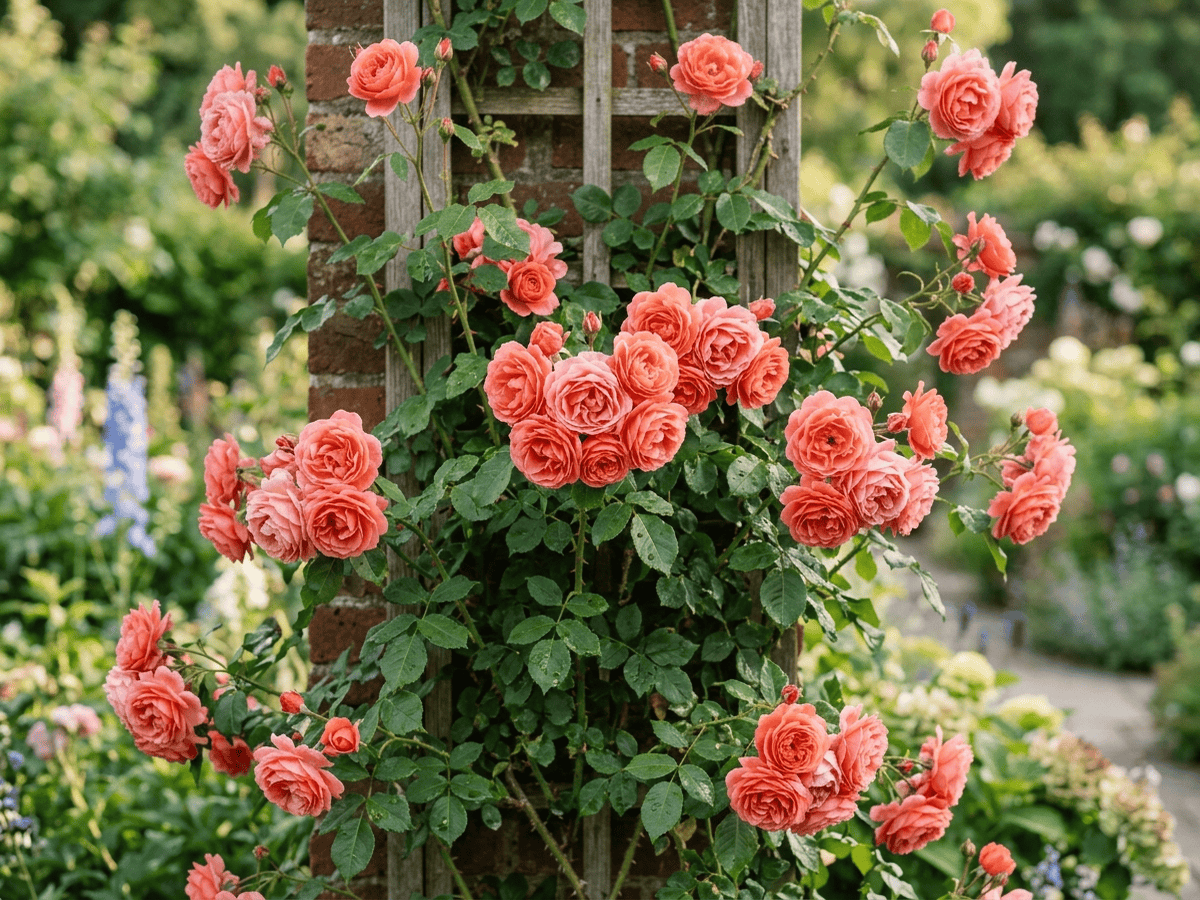 AmericaRosa 'America'
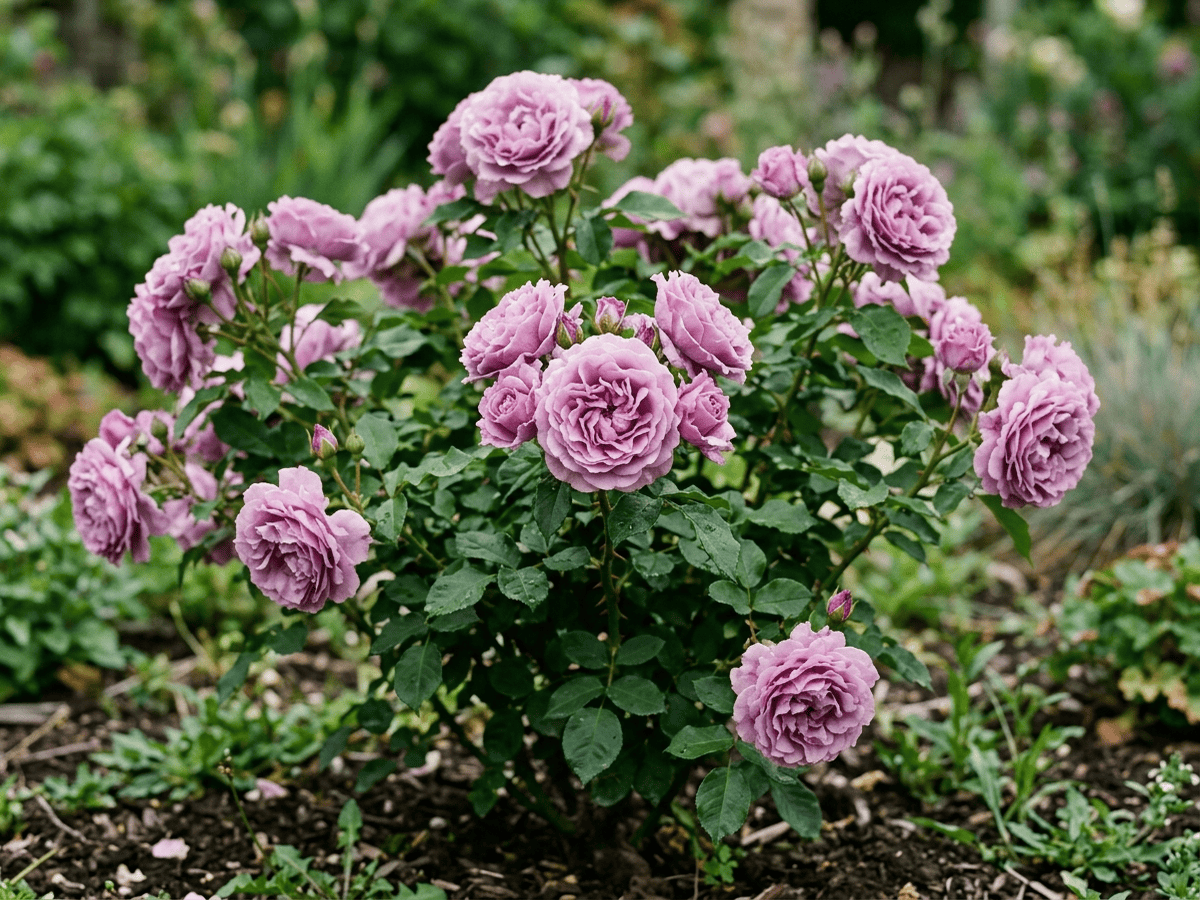 Angel FaceRosa 'Angel Face'
Plants with similar care
 Chinese AbeliaAbelia chinensis
 Fragrant AbeliaAbelia mosanensis
 Large-Flowered AbeliaAbelia uniflora
 Glossy AbeliaAbelia x grandiflora
Frequently asked questions
How often should I water Cecile Brunner?
In summer, water about every 5 days; in winter, about every 21 days. Adjust for heat, pot size and drainage.
How much light does Cecile Brunner need?
Full sun: 6+ hrs direct. Watch the leaves — scorching or stretching means the light needs adjusting.
Is Cecile Brunner toxic to cats or dogs?
Pets Safe (Dogs Safe · Cats Safe) Educational information, not medical or veterinary advice. If exposure is suspected, contact a doctor or veterinarian.
Is Cecile Brunner easy to grow?
Yes — it is considered an easy, beginner-friendly plant.
When does Cecile Brunner bloom?
It typically blooms May–Sep in the Northern Hemisphere.
YardMate
Identify any plant in seconds
Snap a photo — YardMate names the plant, diagnoses problems, and reminds you when to water.
Download on the App Store