 YardMate


China Rose
Rosa chinensis
Medium · Some experienceAbout China Rose
The China Rose is one of the most important species in rose breeding history, native to southwestern China. Unlike European roses that bloom once per season, China Roses flower repeatedly from spring through frost — a trait that revolutionized modern rose cultivation when introduced to Europe in the 18th century. Its compact growth, continuous bloom, and sweet fragrance make it a foundation of modern garden roses.
- Fragrant
- Pollinator-friendly
How to care for China Rose
Watering
- Springevery 5 days
- Summerevery 3 days
- Fallevery 7 days
- Winterevery 14 days
Soil · Rich & well-draining
- Top dressingCompost10%
- Main mixPotting soil + compost 3:180%
- DrainageGravel10%
Top up the compost layer each season.
FERTILIZER
Bloom Booster 10-52-10
A phosphorus-forward feed fuels abundant blooms, with just enough nitrogen and potassium to keep foliage and roots steady.
- Nitrogen · Leaves
- Phosphorus · Roots + Blooms
- Potassium · Strength
- Springevery 30 days
- Summerevery 30 days
- Fallevery 45 days
At a Glance
- NativeEast Asia
- Height3–6 ft (0.9–1.8 m)
- Spread3–5 ft (0.9–1.5 m)
- Flower colorRed, Pink, White, Yellow
- Foliage colorGreen
- Fruit colorRed
- SoilLoamy, Well-drained, Rich
- LocationsYard
Bloom time
BLOOM CYCLE
Peak bloom
May–Sep
Reblooms all season
Fragrance
STRONG FRAGRANCE
Classic rose fragrance; intensity varies by cultivar.
Toxicity
Pets Slight
Unknown toxic principle
Not reported
EXPOSURE No exposure route is reported.
EFFECT Hips and petals are edible and thorns cause mechanical injury.
NOTE No human toxicity is reported in this catalog; avoid eating ornamental plants unless confirmed edible.
Slight
- Stem
- Contact
EXPOSURE Touching stems.
EFFECT Thorn punctures and no chemical toxicity (non-toxic per ASPCA).
NOTE Roses are non-toxic per ASPCA; the only hazard is mechanical from thorns.
Slight
- Stem
- Contact
EXPOSURE Touching stems.
EFFECT Thorn punctures and no chemical toxicity (non-toxic per ASPCA).
NOTE Roses are non-toxic per ASPCA; the only hazard is mechanical from thorns.
Educational information, not medical or veterinary advice. If exposure is suspected, contact a doctor or veterinarian.
DISTRIBUTION


- Native
- Introduced
- East Asia
History

Rosa chinensis is native to southwest China, particularly Guizhou, Hubei, and Sichuan provinces, where it was cultivated in Chinese gardens for over a thousand years. Its arrival in Europe between 1780 and 1824 — through the 'Four Stud Chinas' (Slater's Crimson China, Parsons' Pink China, Hume's Blush China, Parks' Yellow China) — permanently transformed Western rose breeding: European garden roses had bloomed once in early summer, but the China Rose bloomed continuously from spring to frost, a trait previously unknown in the West. Victorian breeders crossed them with damask and gallica roses to produce Bourbons, Noisettes, and eventually the Hybrid Teas that dominate modern cut-flower commerce.
Rosa chinensis is therefore the genetic backbone of the global cut rose industry. Mildly toxic to pets through thorns and oxalates.
When China Roses reached Europe in the 1790s, their repeat-blooming genes transformed Western rose breeding forever — nearly all modern roses carry Chinese DNA. In 1804, Empress Joséphine of France obsessively collected roses at Malmaison, sending agents into war zones to acquire Chinese varieties. Her garden became the birthplace of modern rose hybridization.
Symbolism & meaning
What It Symbolizes
The China Rose is love itself, the universal flower of romance whose blossoms have stood for the human heart on every inhabited continent. It stands for beauty in its most graceful and admired form, and in red its petals carry passion, the deep desire and devotion of every sonnet ever written. It is not just a rose — it is the prototype, the flower behind every Valentine, the original of love's bouquet.
- Love — the universal symbol of romantic love
- Beauty — represents grace and admiration
- Passion — red roses convey deep desire and devotion
Where the Name Comes From
'Rosa' is the ancient Latin word for rose, unchanged for over 2,000 years. 'Chinensis' simply means 'from China.'
Uses & Fun Facts
- Source species for centuries of perfumery rose breeding
- Hips and petals used in traditional Chinese teas and preserves
- Repeat-blooming ancestor of nearly every modern garden rose
Related plants
More Rosa plants
 About FaceRosa 'About Face'
 Abraham DarbyRosa 'Abraham Darby'
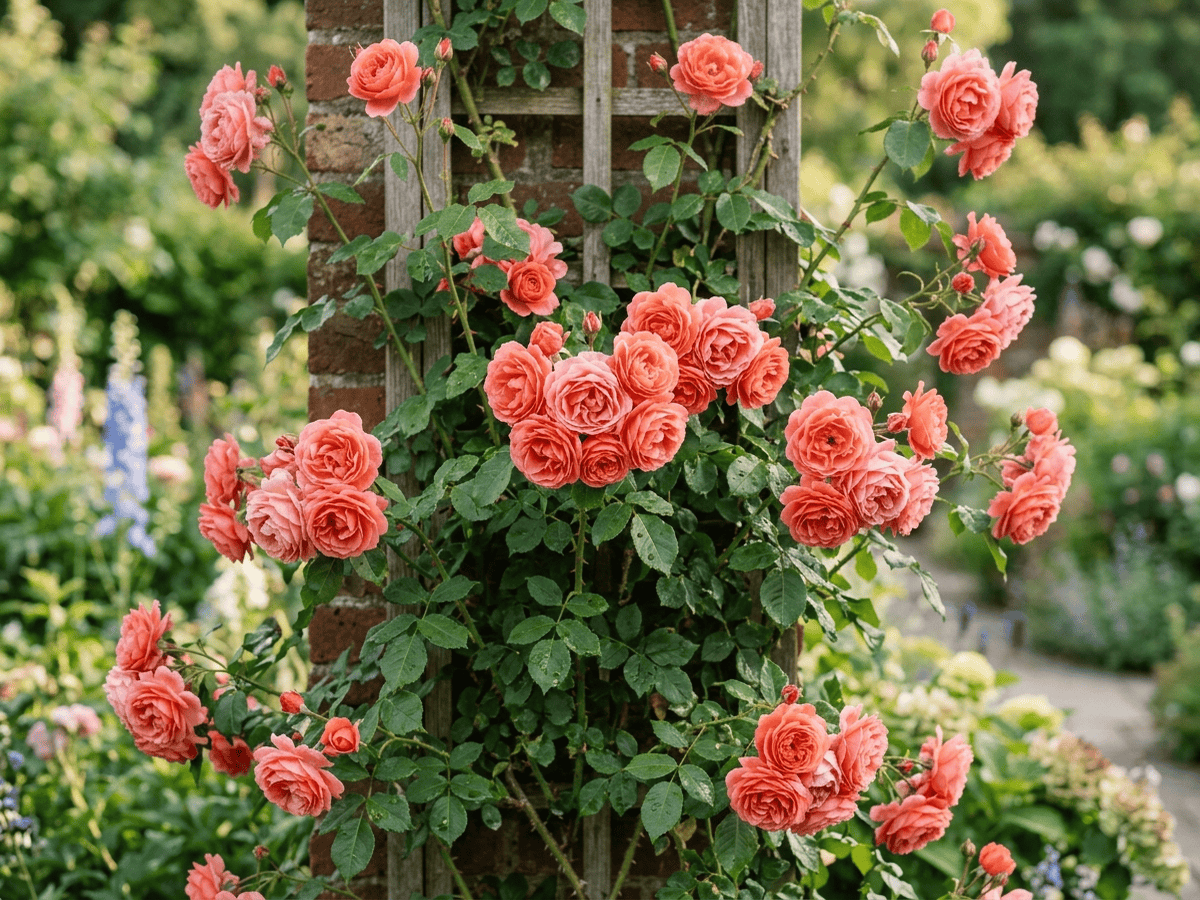 AmericaRosa 'America'
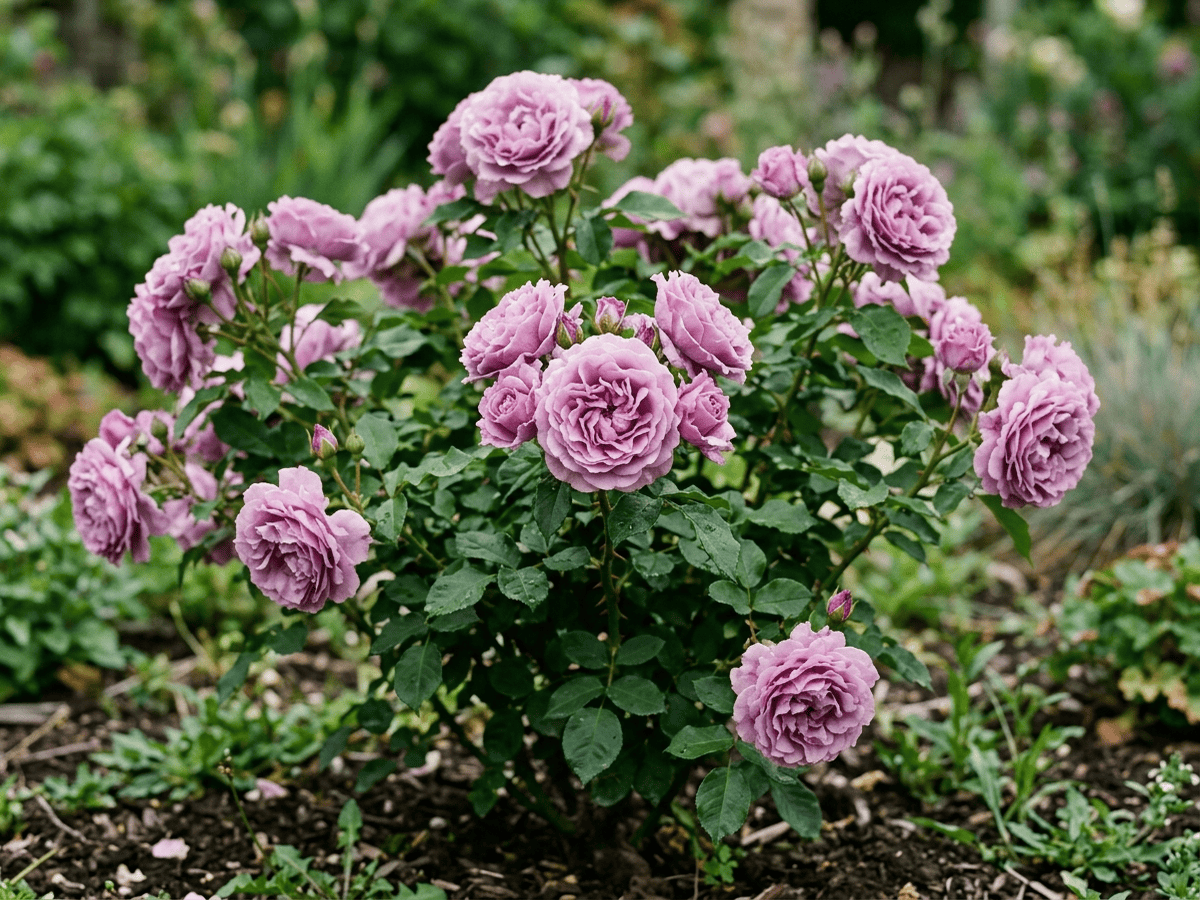 Angel FaceRosa 'Angel Face'
Plants with similar care
 Mexican AbeliaAbelia floribunda
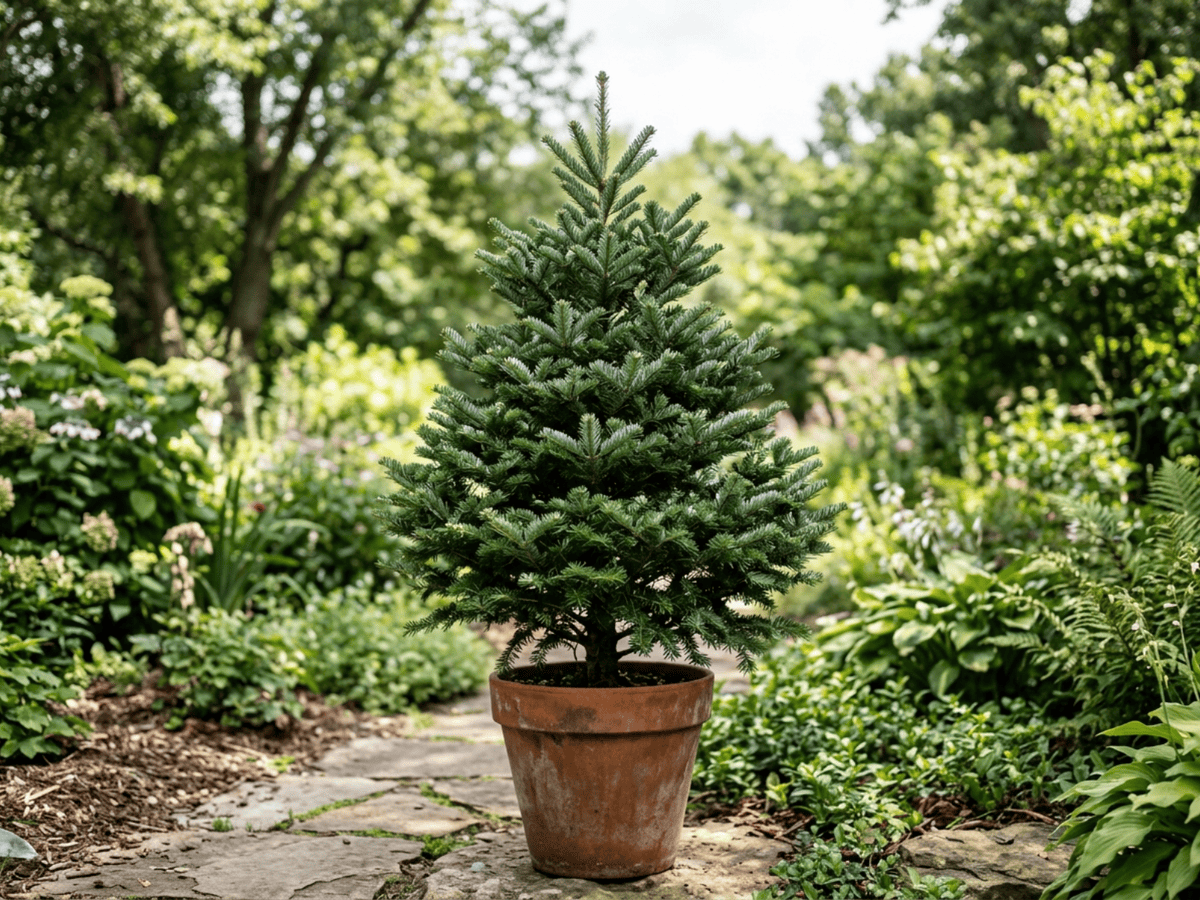 Fraser FirAbies fraseri
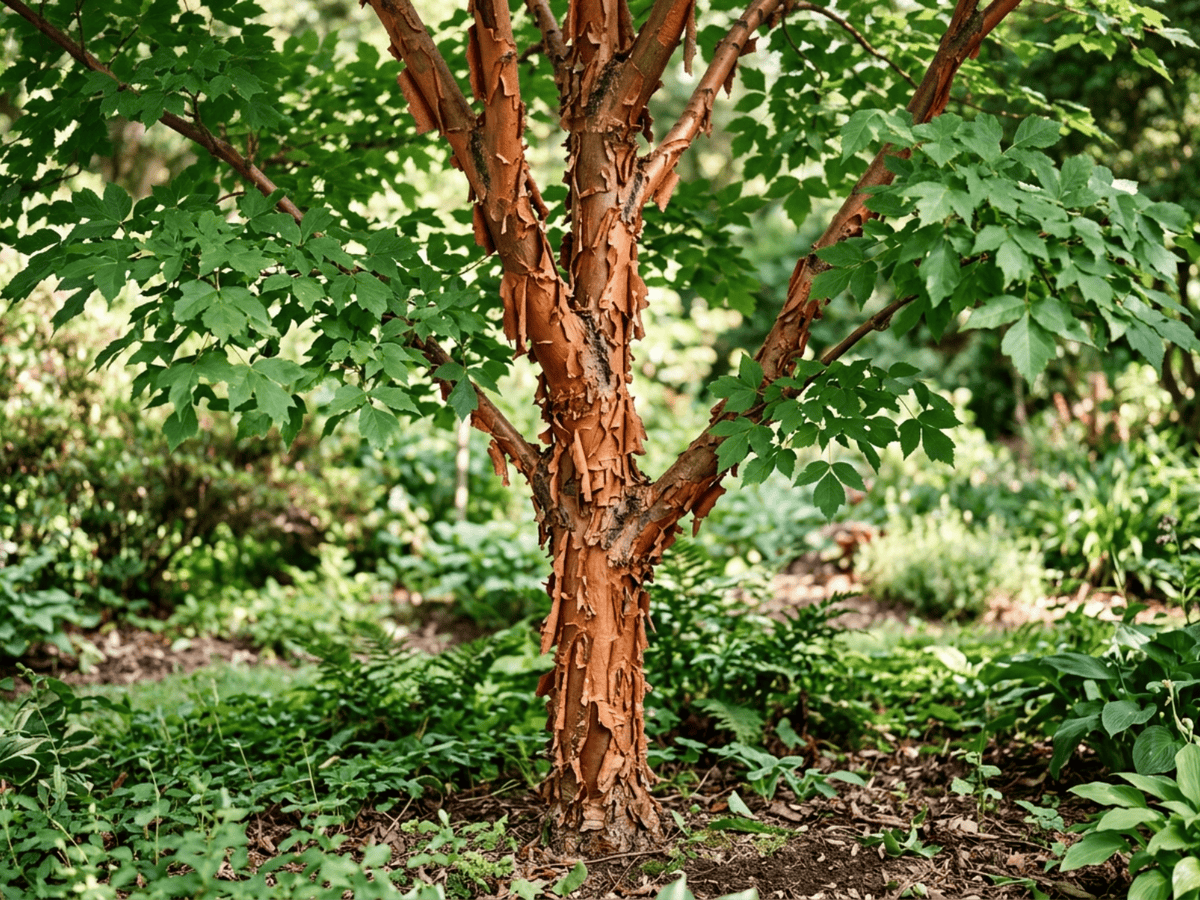 Paperbark MapleAcer griseum
 Sugar MapleAcer saccharum
Frequently asked questions
How often should I water China Rose?
In summer, water about every 3 days; in winter, about every 14 days. Adjust for heat, pot size and drainage.
How much light does China Rose need?
Full sun: 6+ hrs direct. Watch the leaves — scorching or stretching means the light needs adjusting.
Is China Rose toxic to cats or dogs?
Pets Slight (Dogs Slight · Cats Slight) Educational information, not medical or veterinary advice. If exposure is suspected, contact a doctor or veterinarian.
Is China Rose easy to grow?
It is moderately demanding: a good choice once you have a little experience.
When does China Rose bloom?
It typically blooms May–Sep in the Northern Hemisphere.
YardMate
Identify any plant in seconds
Snap a photo — YardMate names the plant, diagnoses problems, and reminds you when to water.
Download on the App Store