 YardMate

Fourth of July
Rosa 'Fourth of July'
Easy · Beginner friendlyAbout Fourth of July
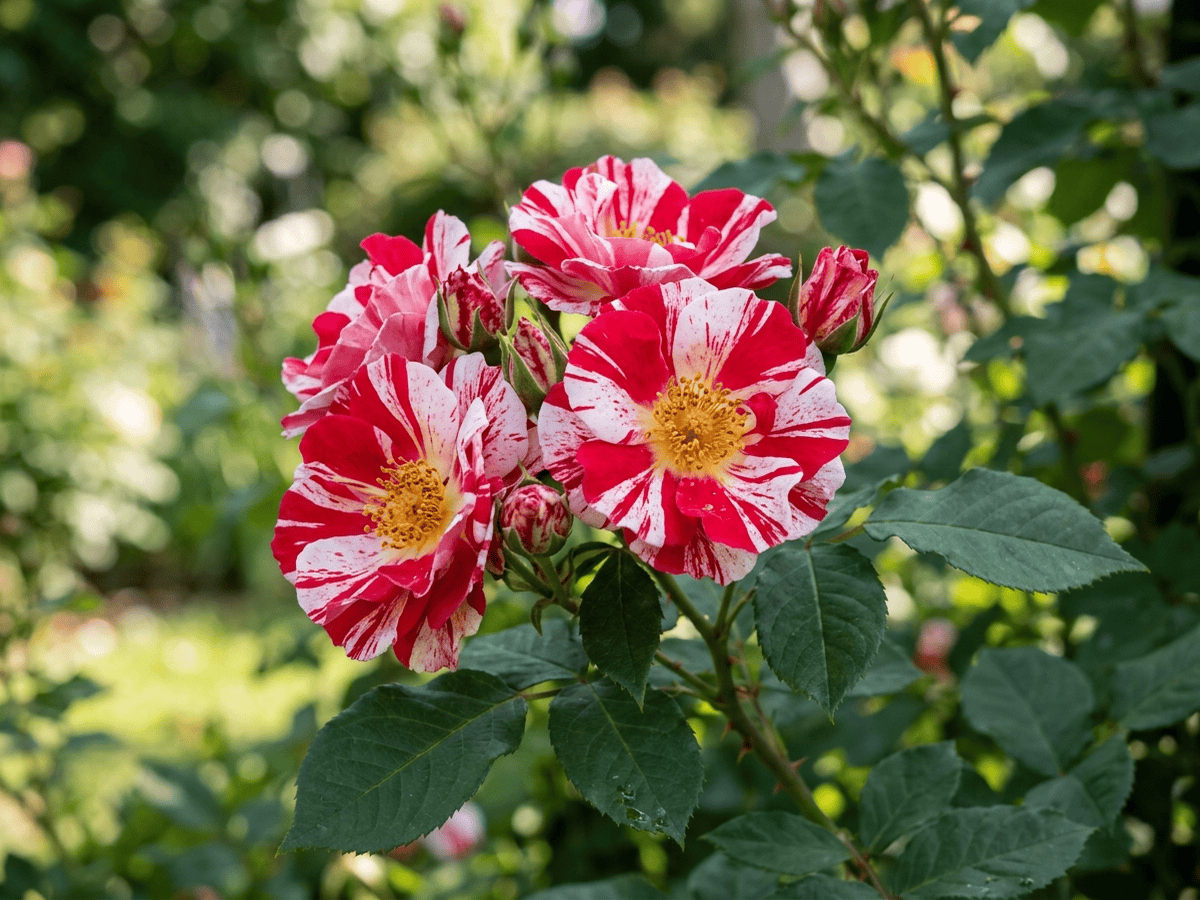
Fourth of July is the only climbing rose besides America to win the All-America Rose Selections award, introduced in 1999 by Weeks Roses and bred by Tom Carruth. Producing clusters of striking red-and-white striped semi-double flowers with a spicy apple fragrance, it grows 10 to 14 feet and blooms heavily from late spring through fall. A patriotic American climbing rose for Independence Day celebrations.
- Fragrant
- Climbing
- Long-blooming
How to care for Fourth of July
Watering
- Springevery 7 days
- Summerevery 5 days
- Fallevery 10 days
- Winterevery 21 days
Soil · Rich & loamy
- Top dressingBark mulch15%
- Main mixRich loam + compost 3:170%
- DrainageGravel15%
Use fully finished compost — fresh compost burns roots.
FERTILIZER
Balanced Feed 14-14-14
An even feed covers all three needs at once, keeping leaves, roots and blooms moving together with nothing pushed out of balance.
- Nitrogen · Leaves
- Phosphorus · Roots + Blooms
- Potassium · Strength
- Springevery 45 days
- Summerevery 45 days
At a Glance
- NativeNorth America
- Height10–14 ft (3–4.3 m)
- Spread3–6 ft (0.9–1.8 m)
- Flower colorRed, White
- Foliage colorGreen
- SoilLoamy, Well-drained, Rich
- LocationsYard
Bloom time
BLOOM CYCLE
Peak bloom
May–Sep
Red-and-white striped clusters with spicy apple scent, deadhead for repeat
Fragrance
STRONG FRAGRANCE
Strong sweet apple and rose scent.
Toxicity
Humans Slight
Unknown toxic principle
Slight
- Stem
- Contact
EXPOSURE Touching stems.
EFFECT Pricks from thorns.
NOTE Not toxic; thorns cause mechanical injury.
Safe
EXPOSURE No exposure route is reported.
EFFECT No toxic effect is reported.
NOTE Listed as non-toxic for dogs; avoid eating ornamental plants unless confirmed edible.
Safe
EXPOSURE No exposure route is reported.
EFFECT No toxic effect is reported.
NOTE Listed as non-toxic for cats; avoid eating ornamental plants unless confirmed edible.
Educational information, not medical or veterinary advice. If exposure is suspected, contact a doctor or veterinarian.
DISTRIBUTION


- Native
- North America
History

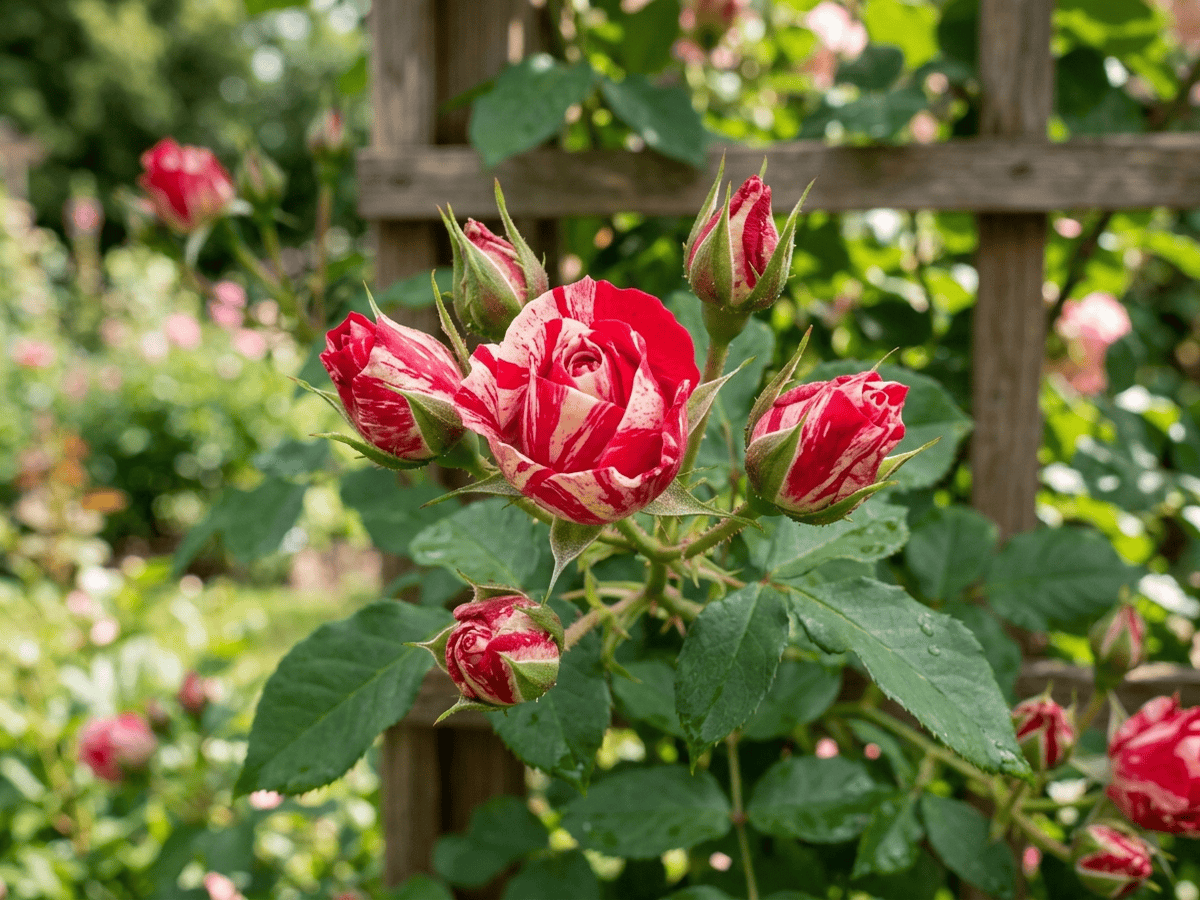
Rosa 'Fourth of July' is a striped red-and-white climbing rose bred by American hybridizer Tom Carruth at Weeks Roses in Upland, California, released in 1999 from a cross involving 'Roller Coaster' and 'Altissimo'. The cultivar was named to mark the United States Independence Day and released to time with summer-season sales. The semi-double blooms, just ten to sixteen wavy petals around a central tuft of golden stamens, open in irregular flashing stripes of cherry red and creamy white, so large clusters resemble bursts of red-and-white fireworks.
A strong sweet apple-and-rose fragrance adds to the appeal. 'Fourth of July' won the All-America Rose Selections award in 1999 and became the second climber in AARS history to receive the honor after 'America' (1976).
Vigorous to three meters; continuous bloom; good disease resistance. Its red-and-white stripes made it an instant American favorite for Independence Day plantings and patriotic garden displays.
Symbolism & meaning
What It Symbolizes
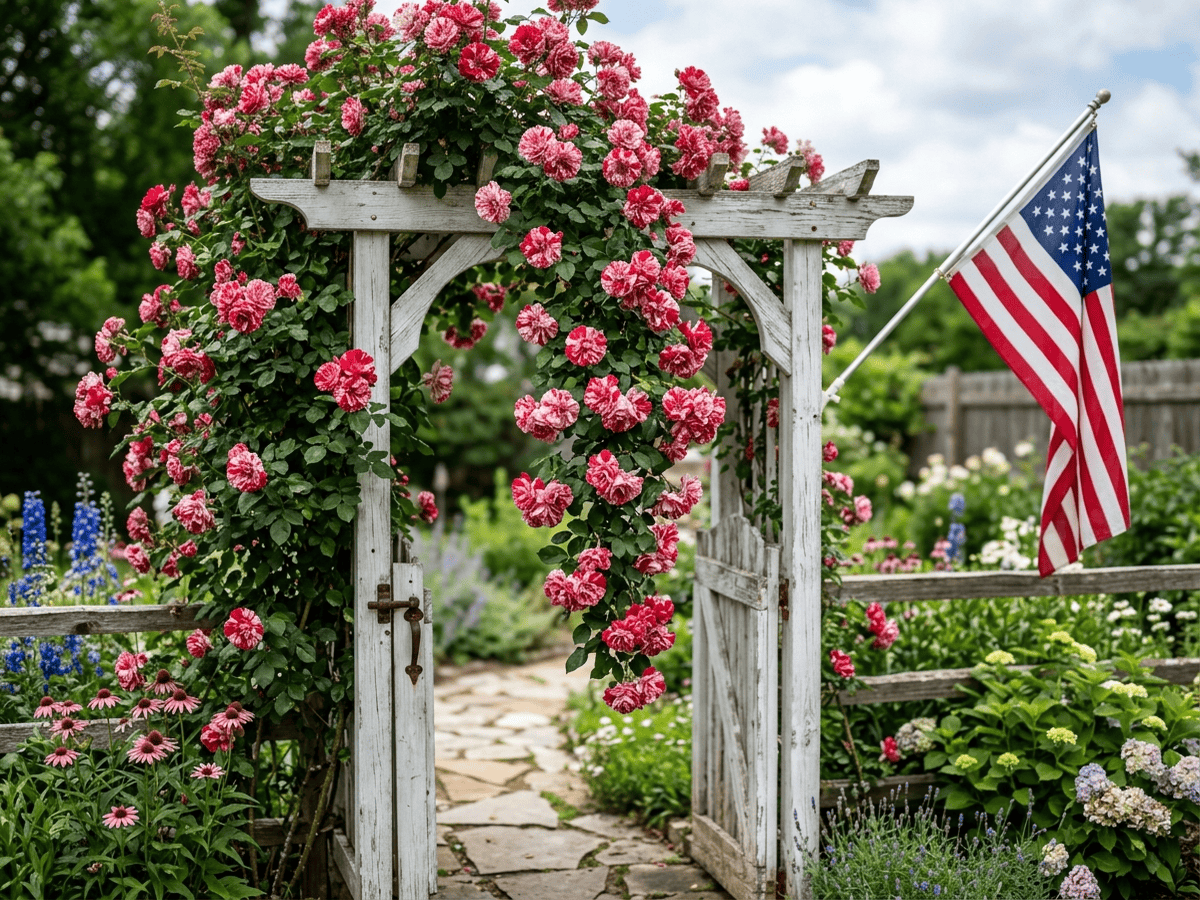
Fourth of July Rose is patriotic celebration in petal stripes — vivid red splashed across white in irregular flame patterns, the climbing rose that genuinely evokes the American flag on a windy summer day. Named for July 4th, the United States' national holiday, it belongs on porches and pergolas where backyard fireworks once lit the sky. It is the rose for people who love a parade.
- Patriotic celebration — red-white-stripes evoke the American flag
- Independence Day — named for July 4 US national holiday
Where the Name Comes From
Cultivar name honors US Independence Day (July 4); red-and-white stripes evoke the American flag.
Uses & Fun Facts
- Red-and-white striped climber covers arbors and pergolas
- Semi-double clusters carry spicy apple fragrance in summer
Related plants
More Rosa plants
 About FaceRosa 'About Face'
 Abraham DarbyRosa 'Abraham Darby'
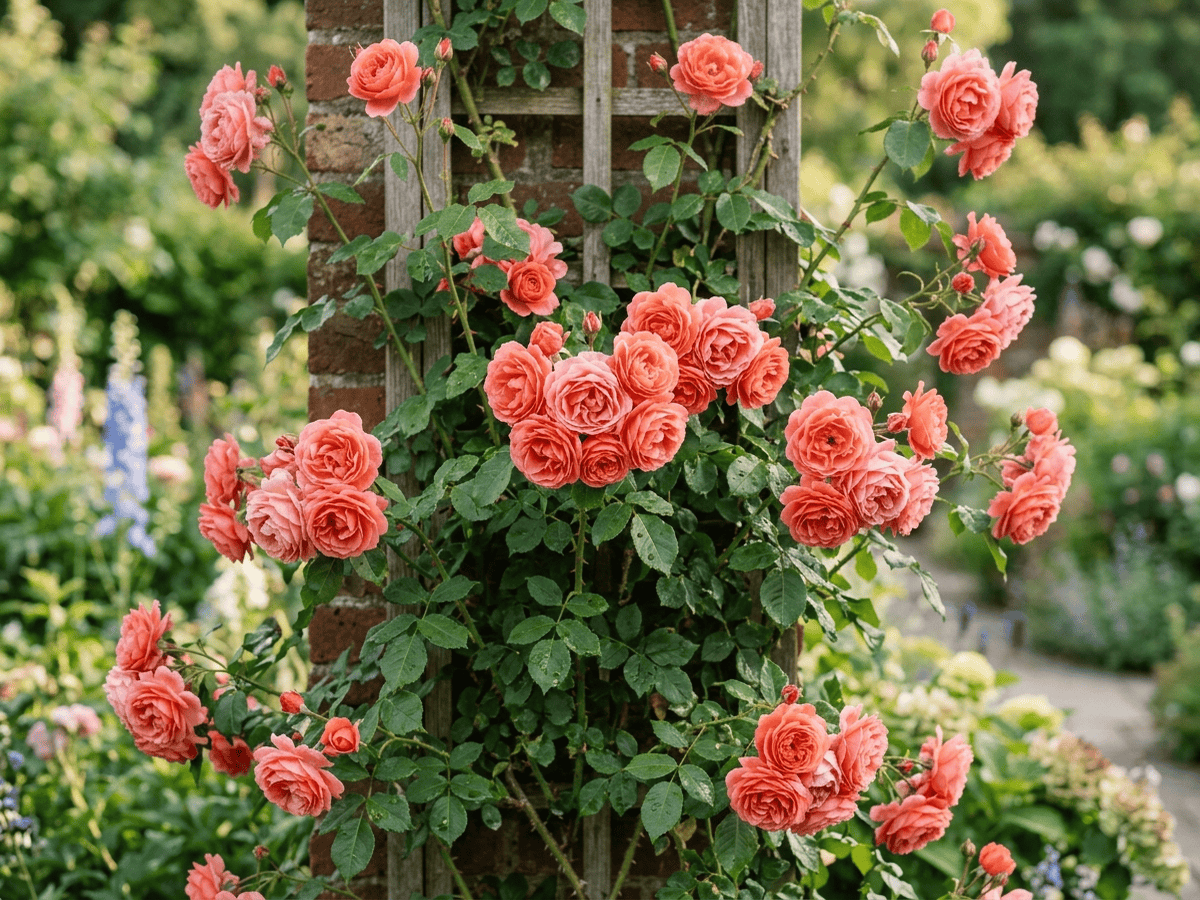 AmericaRosa 'America'
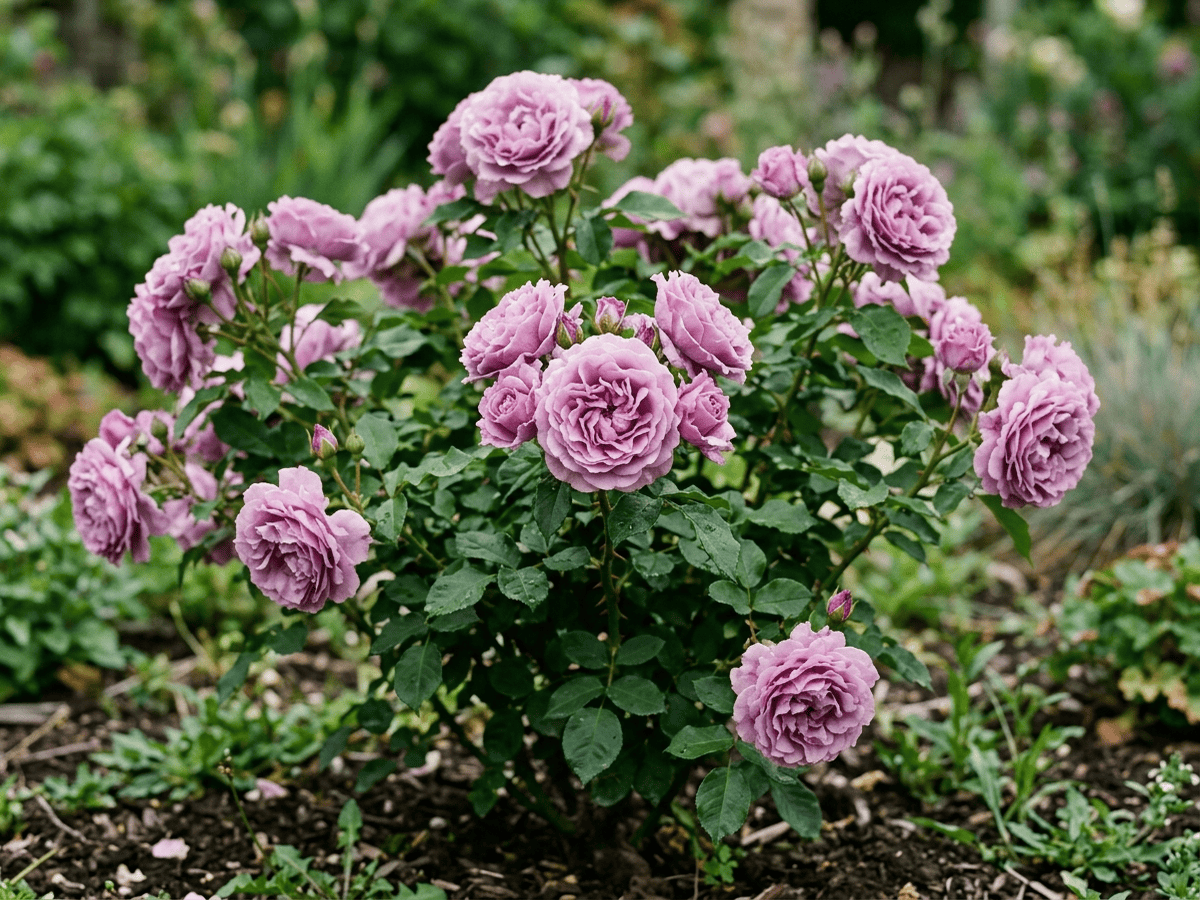 Angel FaceRosa 'Angel Face'
Plants with similar care
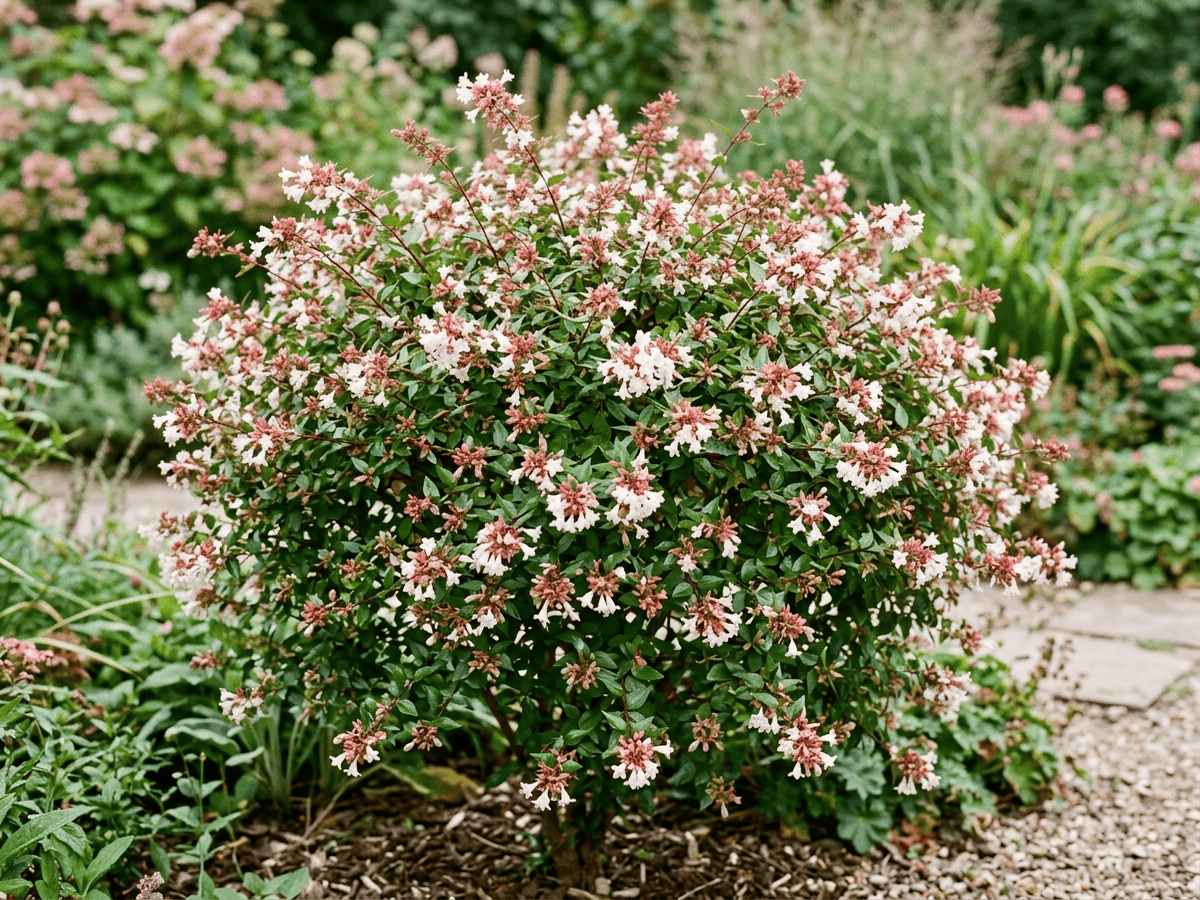 Chinese AbeliaAbelia chinensis
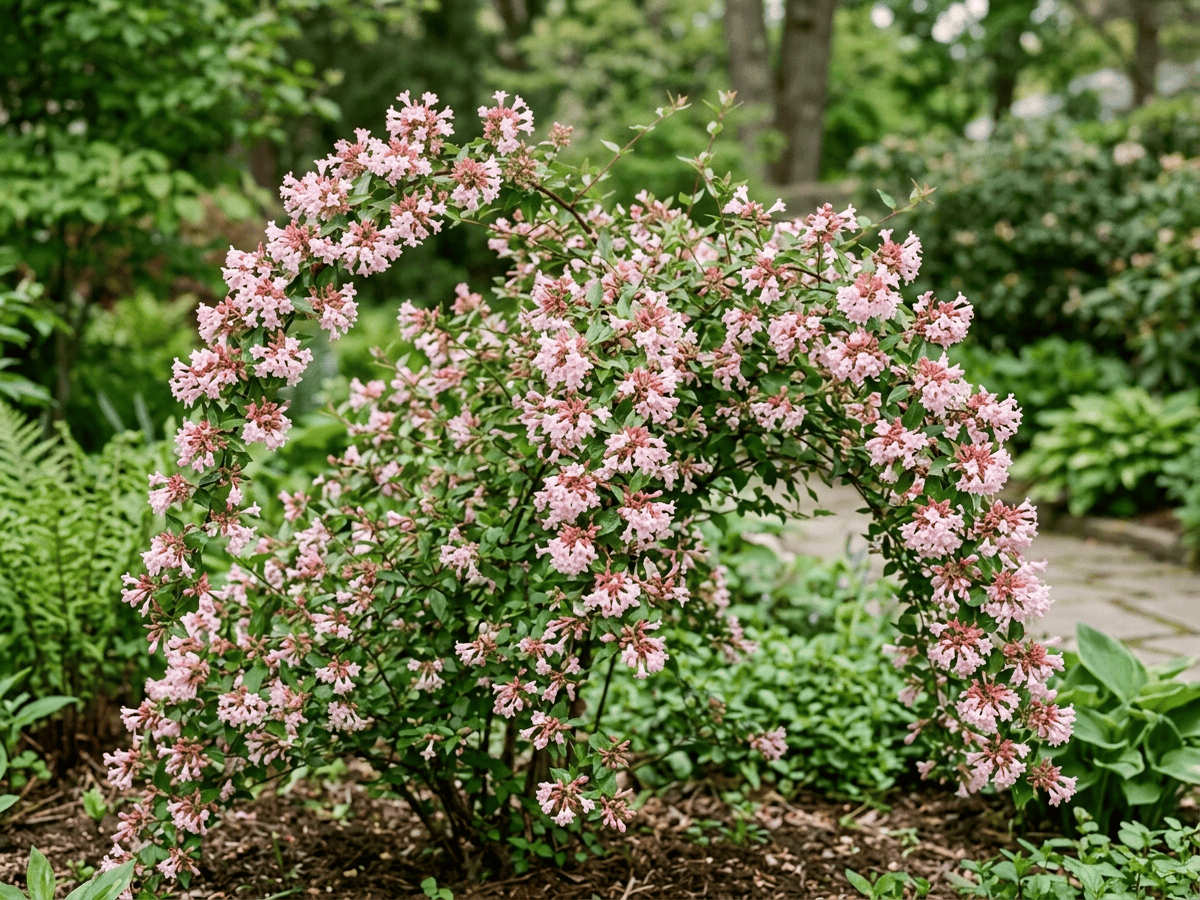 Fragrant AbeliaAbelia mosanensis
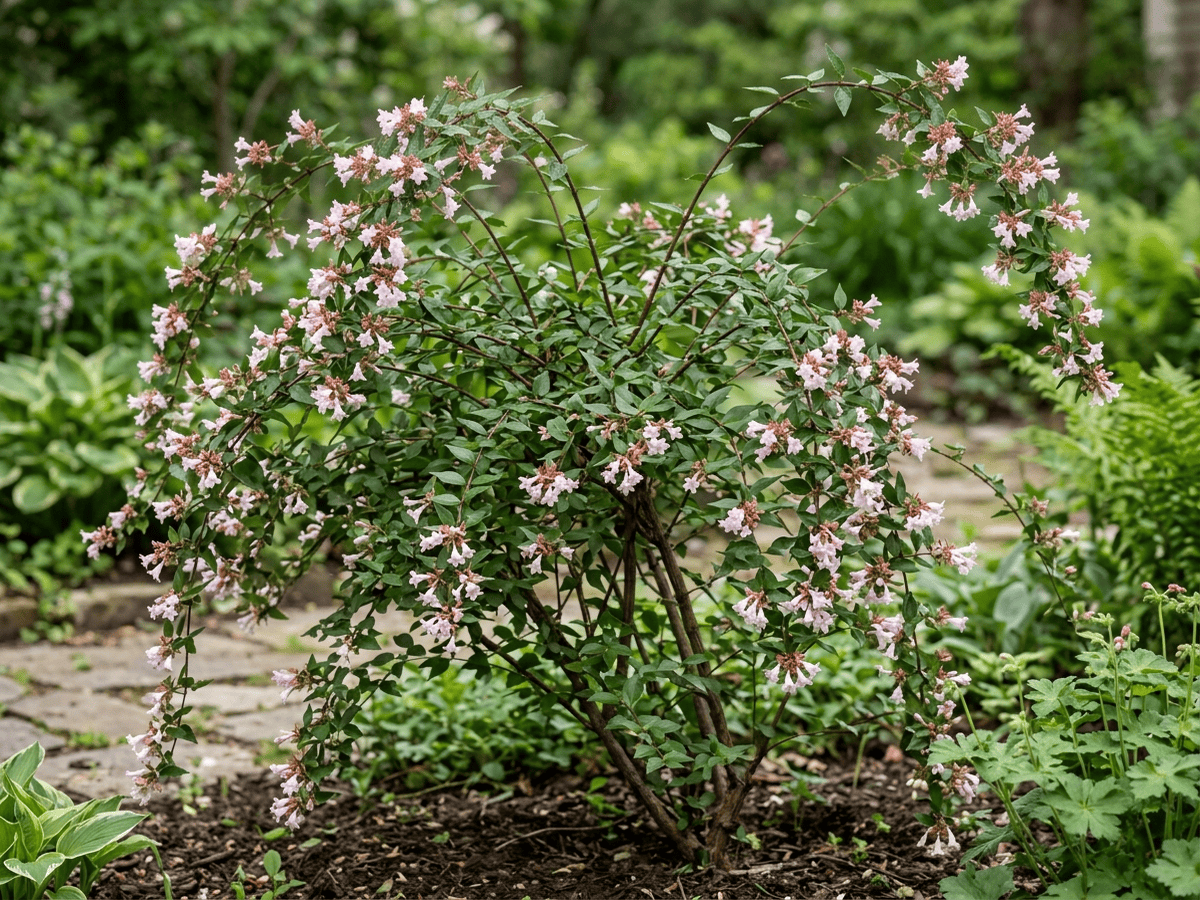 Large-Flowered AbeliaAbelia uniflora
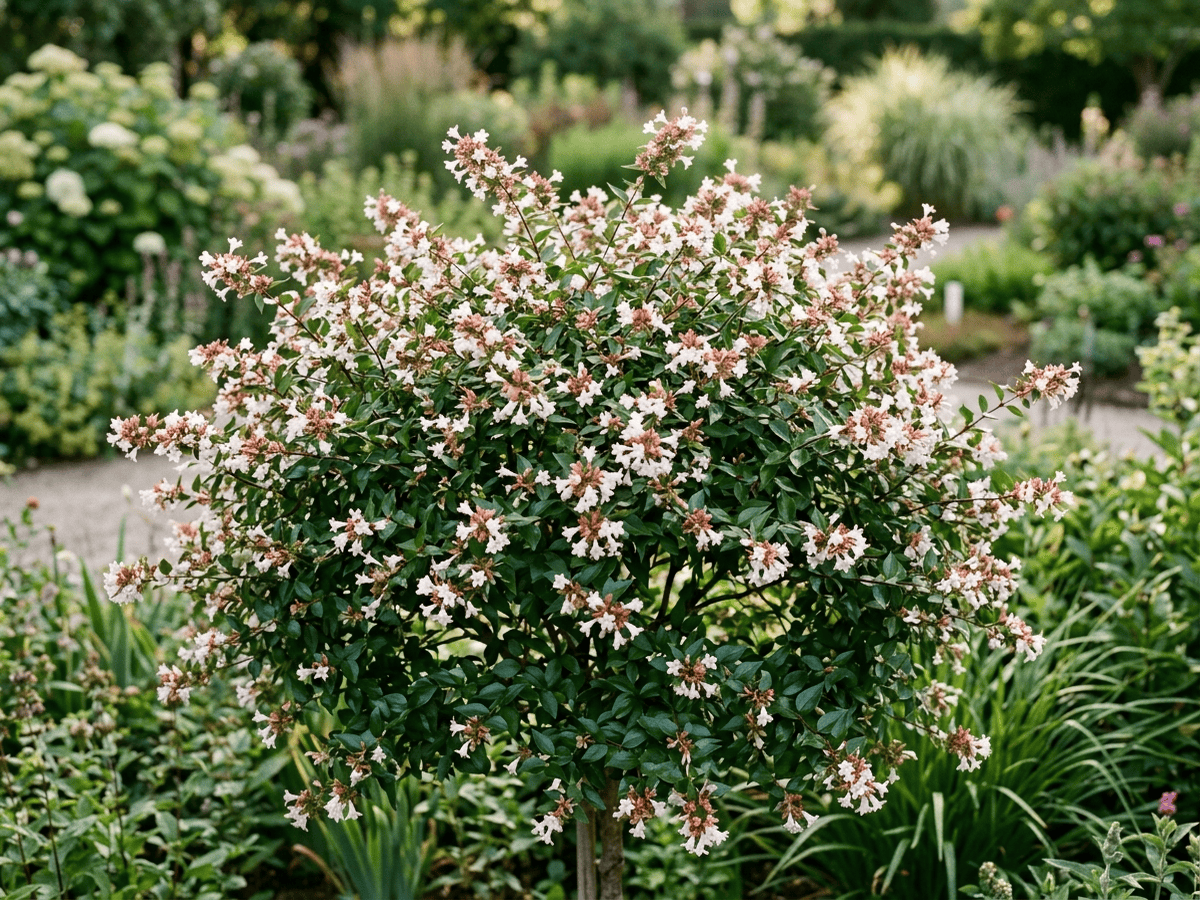 Glossy AbeliaAbelia x grandiflora
Frequently asked questions
How often should I water Fourth of July?
In summer, water about every 5 days; in winter, about every 21 days. Adjust for heat, pot size and drainage.
How much light does Fourth of July need?
Full sun: 6+ hrs direct. Watch the leaves — scorching or stretching means the light needs adjusting.
Is Fourth of July toxic to cats or dogs?
Pets Safe (Dogs Safe · Cats Safe) Educational information, not medical or veterinary advice. If exposure is suspected, contact a doctor or veterinarian.
Is Fourth of July easy to grow?
Yes — it is considered an easy, beginner-friendly plant.
When does Fourth of July bloom?
It typically blooms May–Sep in the Northern Hemisphere.
YardMate
Identify any plant in seconds
Snap a photo — YardMate names the plant, diagnoses problems, and reminds you when to water.
Download on the App Store