 YardMate


Red-Leaved Rose
Rosa glauca
Easy · Beginner friendlyAbout Red-Leaved Rose
Redleaf Rose is a European species rose valued primarily for its striking purple-gray foliage rather than its flowers. Growing 5-8 feet tall with arching canes, the leaves are suffused with a blue-purple hue unique among roses. Small single pink flowers appear briefly in early summer, followed by abundant clusters of glossy red hips that persist into winter. An outstanding foliage plant that adds cool-toned contrast to mixed borders and shrub plantings.
- Cold-hardy
- Disease-resistant
- Wildlife-friendly
How to care for Red-Leaved Rose
Watering
- Springevery 7 days
- Summerevery 5 days
- Fallevery 10 days
- Winterevery 21 days
Soil · Rich & well-draining
- Top dressingCompost10%
- Main mixPotting soil + compost 3:180%
- DrainageGravel10%
Top up the compost layer each season.
FERTILIZER
Balanced Feed 14-14-14
An even feed covers all three needs at once, keeping leaves, roots and blooms moving together with nothing pushed out of balance.
- Nitrogen · Leaves
- Phosphorus · Roots + Blooms
- Potassium · Strength
- Springevery 30 days
At a Glance
- NativeEurope
- Height5–8 ft (1.5–2.4 m)
- Spread4–6 ft (1.2–1.8 m)
- Flower colorPink
- Foliage colorBlue-green, Purple, Green
- Fruit colorRed, Orange
- SoilLoamy, Well-drained
- LocationsYard
Bloom time
BLOOM CYCLE
Peak bloom
Jun
Small single pink flowers June; grown primarily for foliage
Fragrance
LIGHT FRAGRANCE
The flowers have a mild sweet fragrance.
Toxicity
Pets Safe
None reported
Not reported
EXPOSURE No exposure route is reported.
EFFECT No toxic effect is reported.
NOTE No human toxicity is reported in this catalog; avoid eating ornamental plants unless confirmed edible.
Safe
EXPOSURE No exposure route is reported.
EFFECT No toxic effect is reported.
NOTE Listed as non-toxic for dogs; avoid eating ornamental plants unless confirmed edible.
Safe
EXPOSURE No exposure route is reported.
EFFECT No toxic effect is reported.
NOTE Listed as non-toxic for cats; avoid eating ornamental plants unless confirmed edible.
Educational information, not medical or veterinary advice. If exposure is suspected, contact a doctor or veterinarian.
DISTRIBUTION

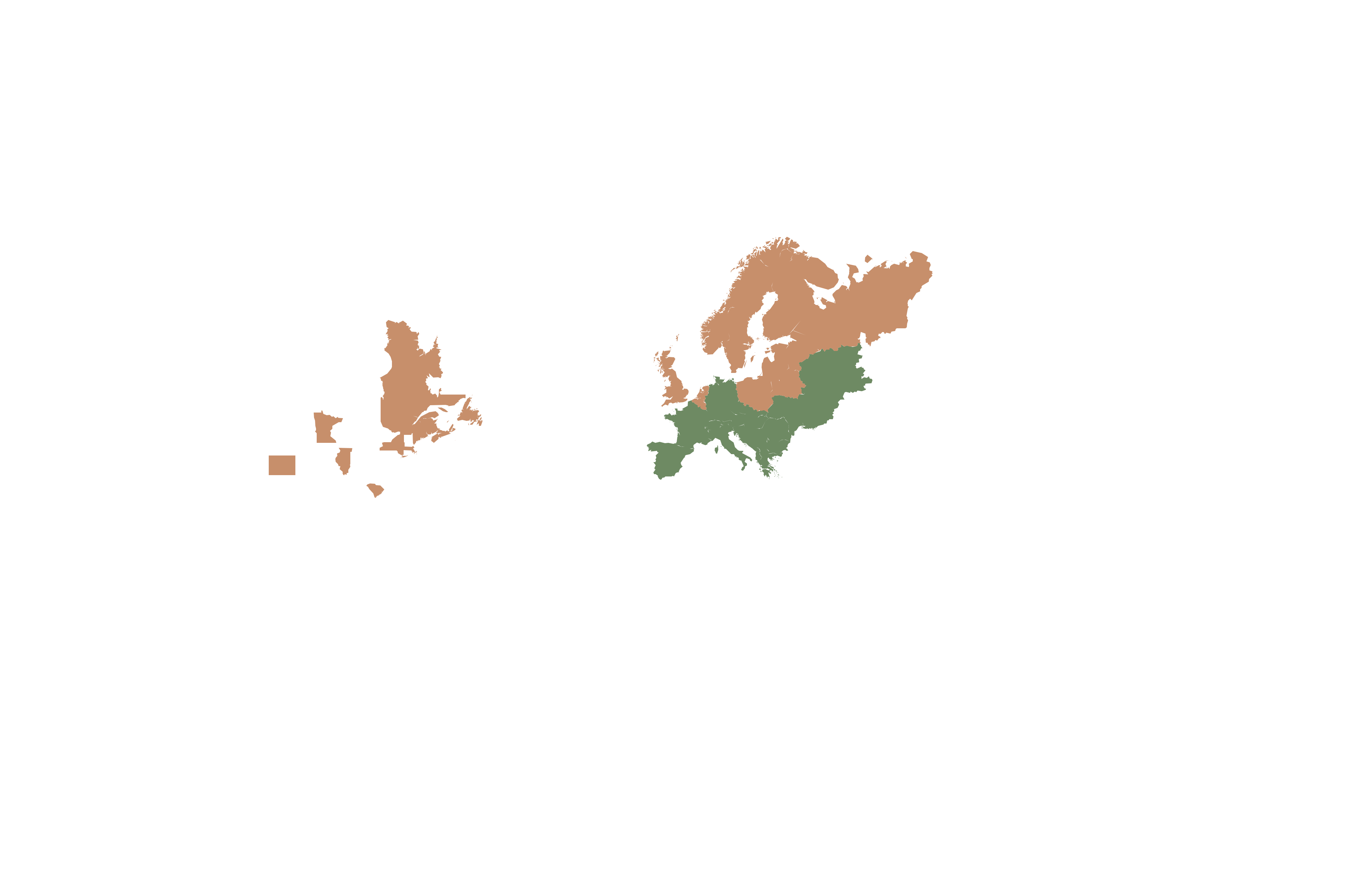
- Native
- Introduced
- Europe
History

Rosa glauca (long known by the earlier name Rosa rubrifolia published by Villars in 1779 but superseded by Pourret's 1788 name under ICBN priority) is native to mountain regions of central and southern Europe—the Alps, Pyrenees, Carpathians, and Balkans—typically on rocky sunny slopes between 1000 and 2000 meters. The species is botanically distinctive in the genus: its foliage is strongly glaucous blue-green often suffused with grape-purple tones (especially in sun and cool weather), and its small pink single flowers (not especially showy) are followed by brilliant crimson-orange hips that persist into winter. The species was used sparingly in 19th-century breeding but has become increasingly popular in modern mixed borders and cottage gardens for its year-round foliage color, with renowned placement in the gardens of Sissinghurst, Great Dixter, and Hidcote.
Cut branches with hips and foliage are prized in autumn floristry. Very cold-hardy and once-blooming. Native to the mountains of central and southern Europe from the Pyrenees to the Caucasus.
Previously classified as Rosa rubrifolia, it was reclassified by taxonomists but both names persist in the trade. The unusual blue-purple foliage color intensifies in full sun and fades to gray-green in shade. Widely used by flower arrangers for its distinctive purple stems and leaves.
Symbolism & meaning
What It Symbolizes
The red-leaved rose carries mystery in its foliage — purple-gray, almost smoky, unlike any leaves the rose family elsewhere produces. Its small pink single flowers are pretty but secondary; the whole shrub is grown for its strange, brooding color. To garden designers it is elegance in restraint: a rose chosen for its leaves rather than its bloom, casting an entirely different mood across the border.
- Mystery — unusual purple-gray foliage unlike any other rose
- Elegance — subtle beauty valued by garden designers
Where the Name Comes From
The name Red-Leaved Rose describes its rose-like blooms. 'Glauca' means 'blue-gray' in Latin, referring to the distinctive leaf color.
Uses & Fun Facts
- Smoky blue-purple foliage and small pink single flowers in cottage gardens
- Bright orange-red autumn hips feed thrushes and small mammals
- Vitamin-C-rich rose hips used for syrups, teas, and jellies
Related plants
More Rosa plants
 About FaceRosa 'About Face'
 Abraham DarbyRosa 'Abraham Darby'
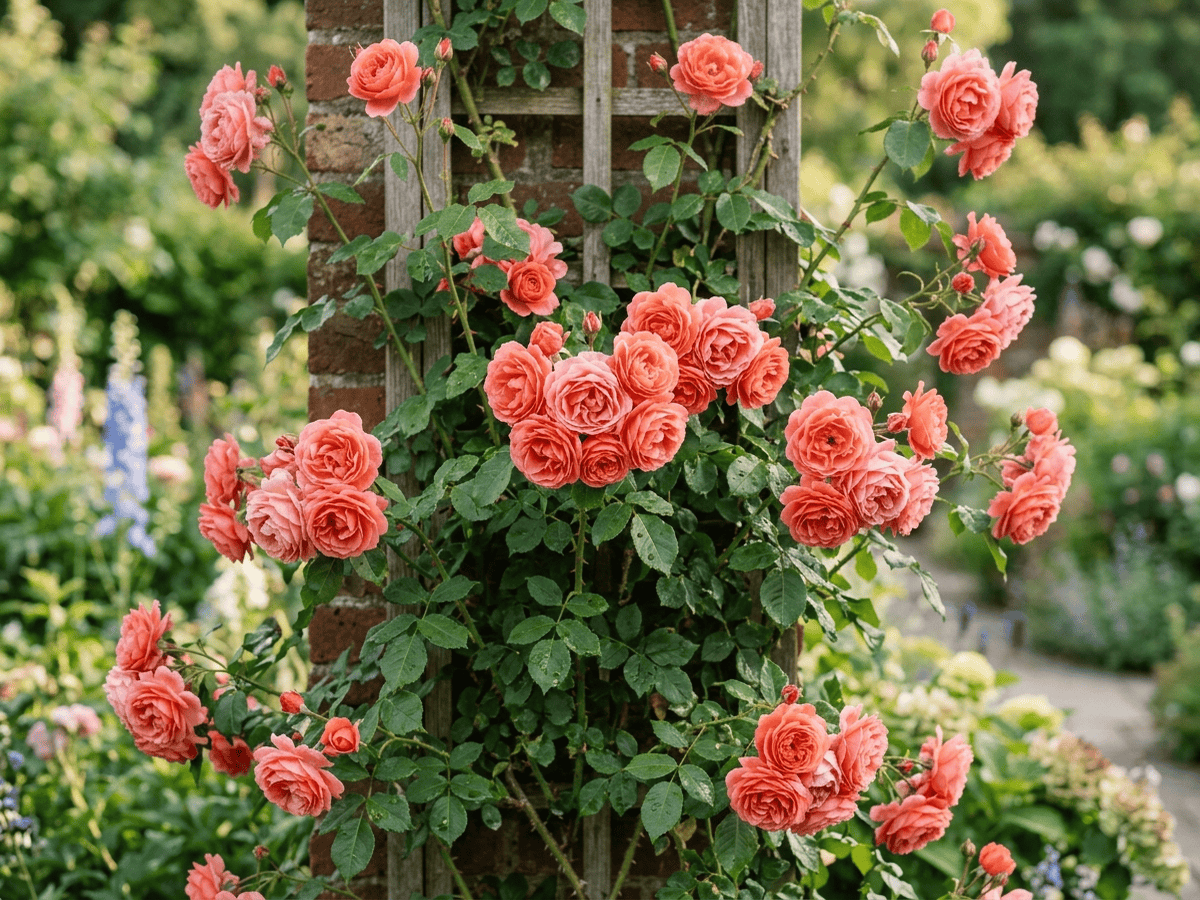 AmericaRosa 'America'
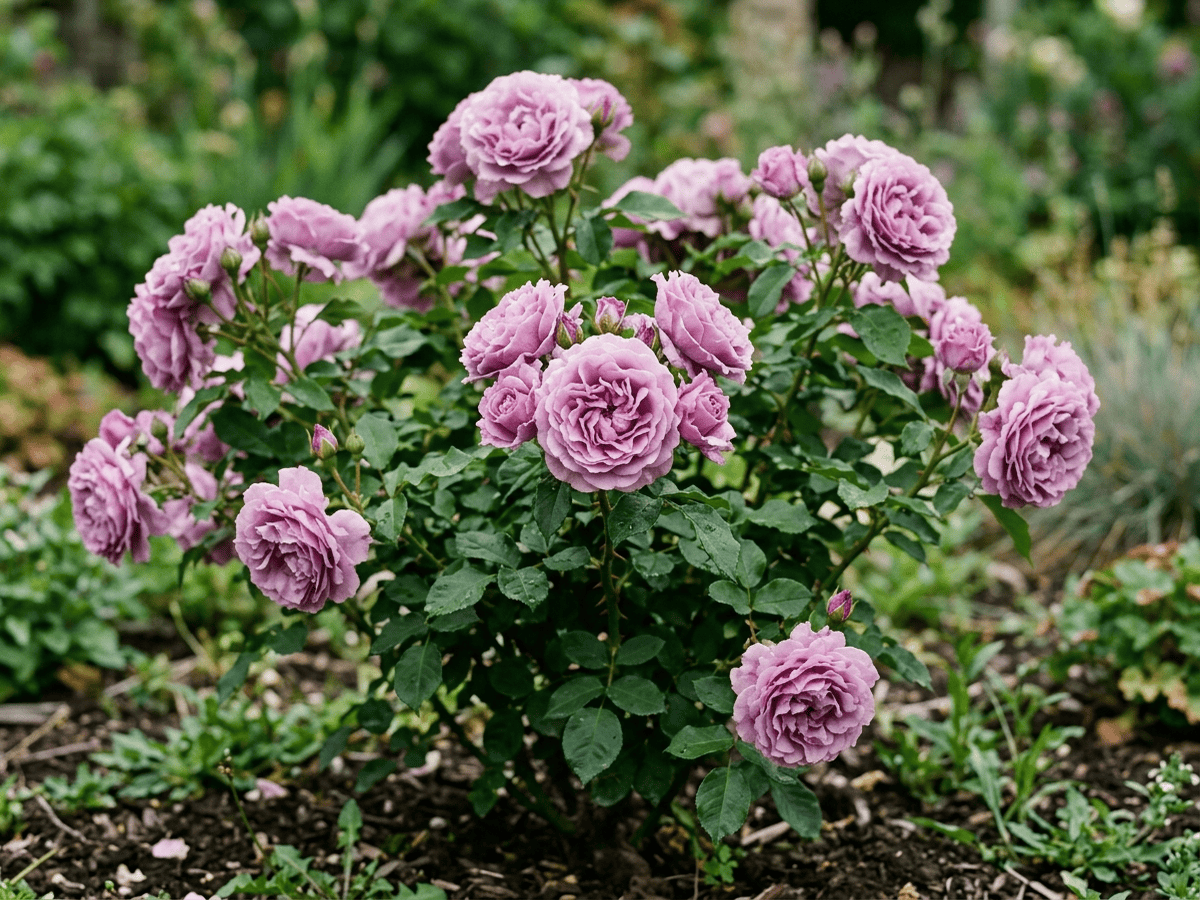 Angel FaceRosa 'Angel Face'
Plants with similar care
 Chinese AbeliaAbelia chinensis
 Fragrant AbeliaAbelia mosanensis
 Large-Flowered AbeliaAbelia uniflora
 Glossy AbeliaAbelia x grandiflora
Frequently asked questions
How often should I water Red-Leaved Rose?
In summer, water about every 5 days; in winter, about every 21 days. Adjust for heat, pot size and drainage.
How much light does Red-Leaved Rose need?
Full sun: 6+ hrs direct. Watch the leaves — scorching or stretching means the light needs adjusting.
Is Red-Leaved Rose toxic to cats or dogs?
Pets Safe (Dogs Safe · Cats Safe) Educational information, not medical or veterinary advice. If exposure is suspected, contact a doctor or veterinarian.
Is Red-Leaved Rose easy to grow?
Yes — it is considered an easy, beginner-friendly plant.
When does Red-Leaved Rose bloom?
It typically blooms Jun in the Northern Hemisphere.
YardMate
Identify any plant in seconds
Snap a photo — YardMate names the plant, diagnoses problems, and reminds you when to water.
Download on the App Store