 YardMate


Mary Rose
Rosa 'Mary Rose'
Easy · Beginner friendlyAbout Mary Rose
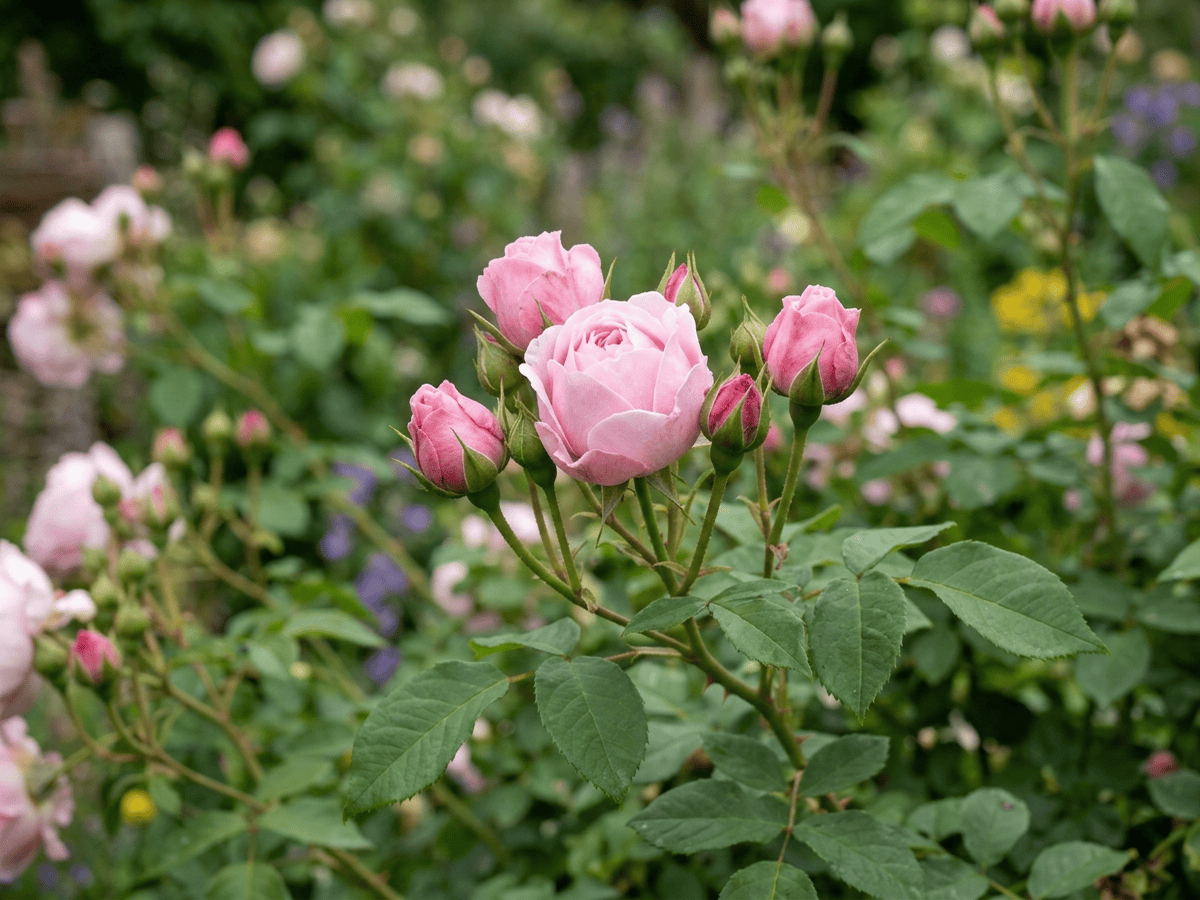
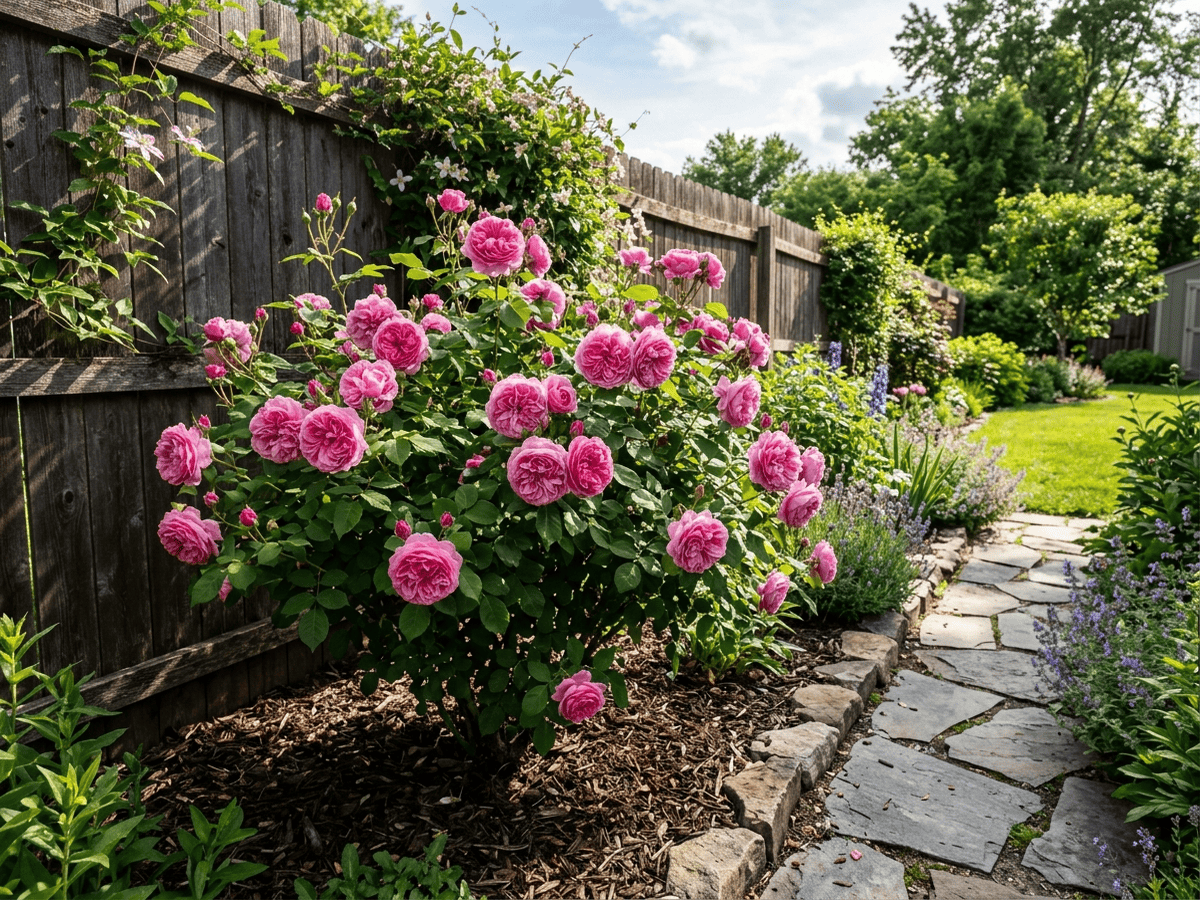
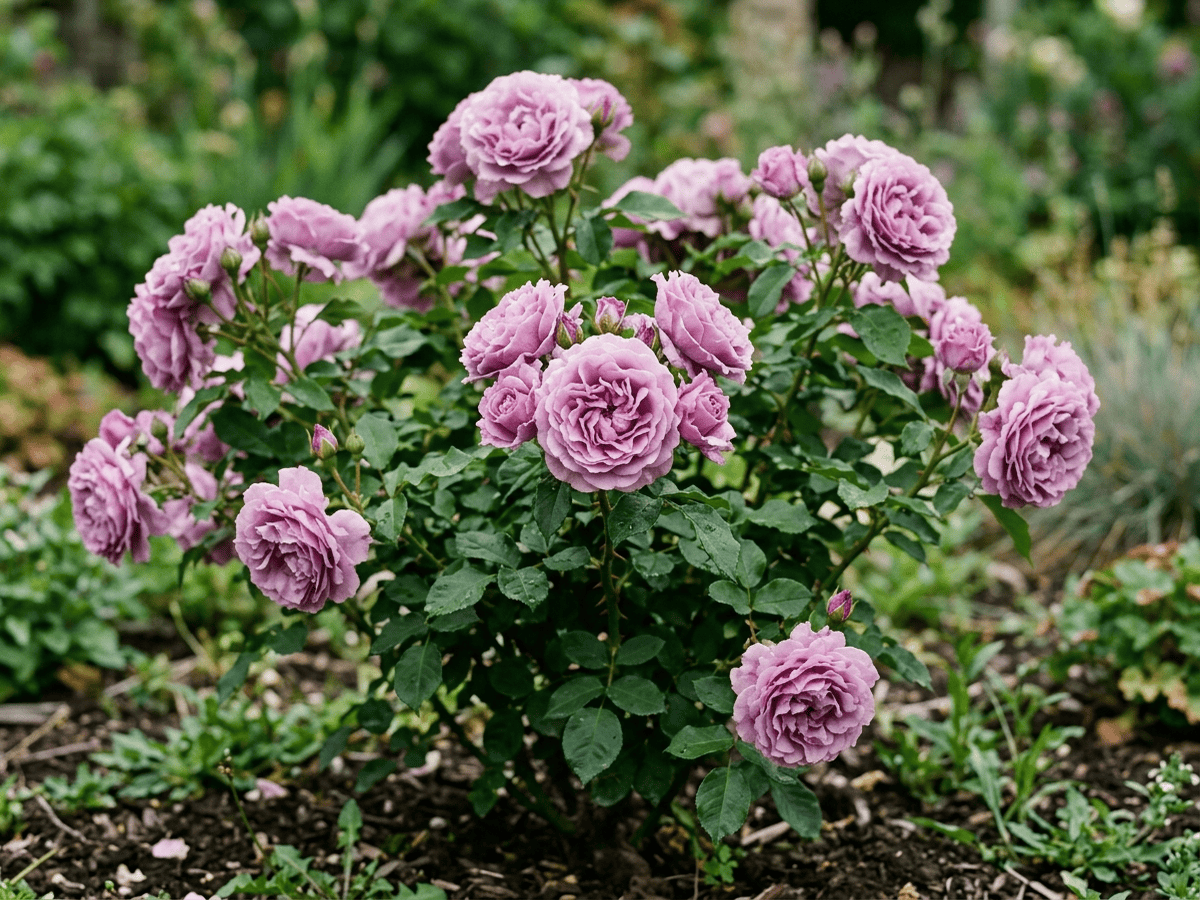
Mary Rose is one of David Austin's earliest and most reliable English roses, introduced in 1983, a workhorse of the modern old-rose revival. Producing loose rich pink cupped blooms with a pleasant honey-almond fragrance on a vigorous 4 foot shrub, it blooms continuously from late spring through fall and is exceptionally disease-resistant. A foundational Austin rose widely planted in American cottage gardens for decades.
- Fragrant
- Disease-resistant
- Long-blooming
How to care for Mary Rose
Watering
- Springevery 5 days
- Summerevery 3 days
- Fallevery 7 days
- Winterevery 14 days
Soil · Rich & loamy
- Top dressingBark mulch15%
- Main mixRich loam + compost 3:170%
- DrainageGravel15%
Use fully finished compost — fresh compost burns roots.
FERTILIZER
Balanced Feed 14-14-14
An even feed covers all three needs at once, keeping leaves, roots and blooms moving together with nothing pushed out of balance.
- Nitrogen · Leaves
- Phosphorus · Roots + Blooms
- Potassium · Strength
- Springevery 30 days
- Summerevery 30 days
- Fallevery 45 days
At a Glance
- Height4–5 ft (1.2–1.5 m)
- Spread4–5 ft (1.2–1.5 m)
- Flower colorPink
- Foliage colorGreen
- SoilLoamy, Well-drained, Rich
- LocationsYard
Bloom time
BLOOM CYCLE
Peak bloom
May–Sep
Loose pink cupped blooms with honey-almond scent, deadhead for continuous bloom
Fragrance
MODERATE FRAGRANCE
Honey and almond old-rose scent.
Toxicity
Humans Slight
Unknown toxic principle
Slight
- Stem
- Contact
EXPOSURE Touching stems.
EFFECT Pricks from thorns.
NOTE Not toxic; thorns cause mechanical injury.
Safe
EXPOSURE No exposure route is reported.
EFFECT No toxic effect is reported.
NOTE Listed as non-toxic for dogs; avoid eating ornamental plants unless confirmed edible.
Safe
EXPOSURE No exposure route is reported.
EFFECT No toxic effect is reported.
NOTE Listed as non-toxic for cats; avoid eating ornamental plants unless confirmed edible.
Educational information, not medical or veterinary advice. If exposure is suspected, contact a doctor or veterinarian.
History
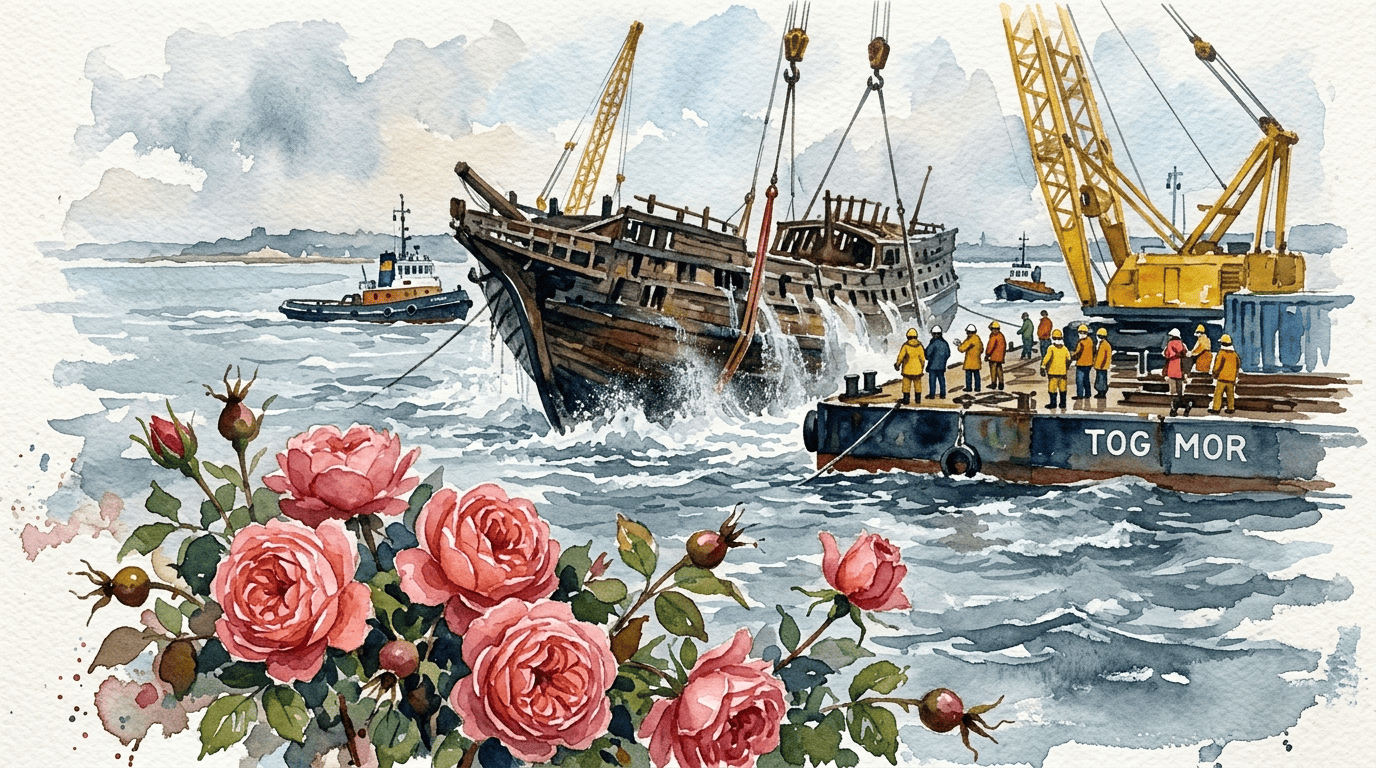
Rosa 'Mary Rose' is a warm medium-pink English shrub rose bred by David Austin at Albrighton, England, released in 1983 from a cross between 'Wife of Bath' and 'The Miller'. Austin named the cultivar to mark the raising of the Tudor warship Mary Rose from the seabed off Portsmouth in October 1982, an event of immense archaeological importance to Britain. The loosely cupped blooms open a warm rose-pink with a lighter reverse and a moderate fragrance blending honey, almond, and old-rose notes.
The dense bushy plant reaches 1.2 meters and flowers continuously from late spring to hard frost, with particularly reliable, heavy bloom and good disease resistance, making it one of the most dependable older English Roses for cottage and mixed borders. Two sports, the white 'Winchester Cathedral' and the soft pink 'Redoute', extend the series.
Bred by David Austin and introduced in 1983 to commemorate the raising of the Tudor warship Mary Rose from the seabed of the Solent in 1982. It was one of the foundational roses of Austin's early English-rose lineage and remains a proven performer in American cottage gardens for its reliability and continuous bloom.
Symbolism & meaning
What It Symbolizes
Mary Rose carries historic devotion in soft pink. David Austin named it for the Tudor warship raised from the Solent in 1982, four centuries after Henry VIII watched it sink. Reliable, fragrant, and foundational in the English Rose line, it lets history and horticulture bloom on the same stem.
- Historic devotion — commemorates Tudor warship raised 1982
- Reliable grace — foundational Austin workhorse rose
Where the Name Comes From
Named for the Mary Rose, Tudor warship of Henry VIII sunk in 1545 and spectacularly raised from the Solent seabed in 1982.
Uses & Fun Facts
- Old rose perfume on rich pink David Austin English-rose blooms
- Cup-shaped fragrant blooms cherished for cottage arrangements
- Repeat-blooming English shrub rose with classic old-rose form
Related plants
More Rosa plants
 About FaceRosa 'About Face'
 Abraham DarbyRosa 'Abraham Darby'
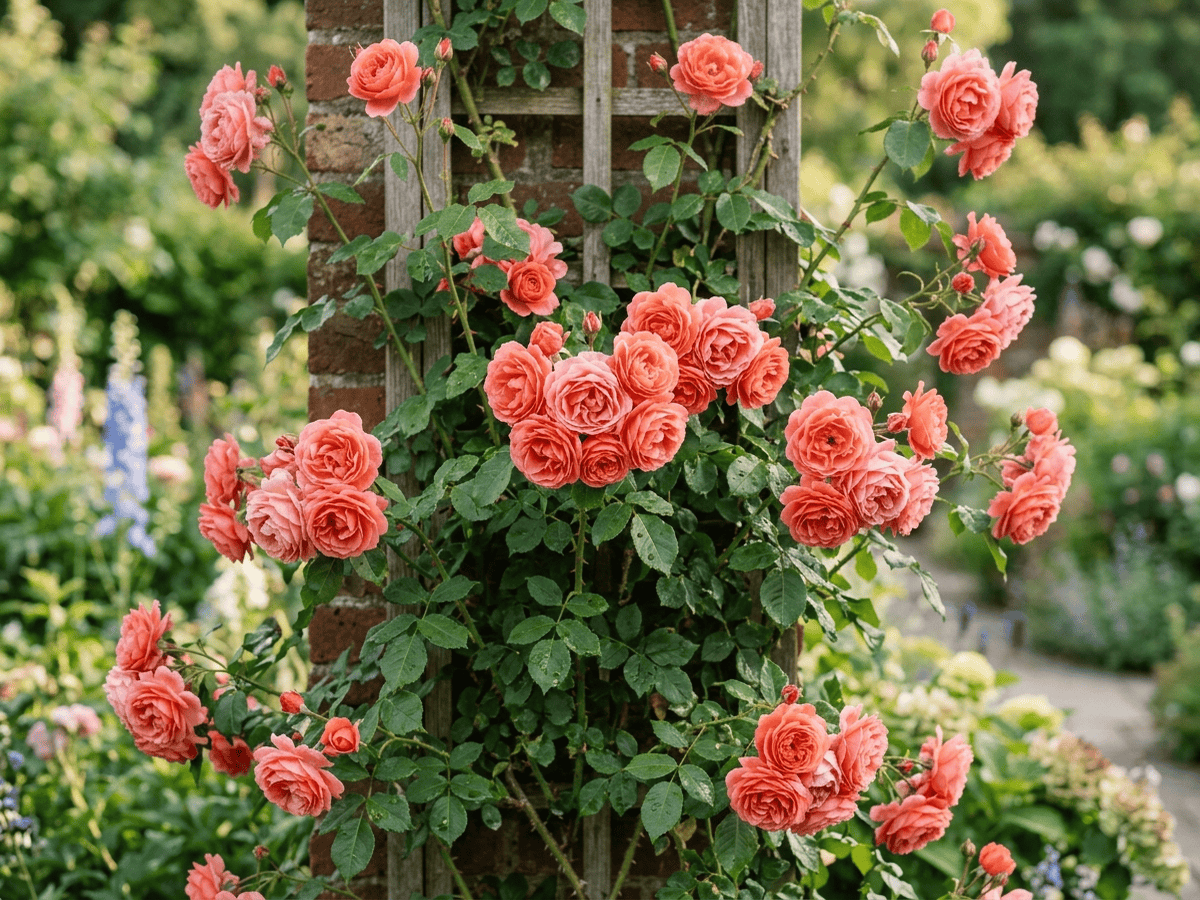 AmericaRosa 'America'
 Angel FaceRosa 'Angel Face'
Plants with similar care
 Chinese AbeliaAbelia chinensis
 Fragrant AbeliaAbelia mosanensis
 Large-Flowered AbeliaAbelia uniflora
 Glossy AbeliaAbelia x grandiflora
Frequently asked questions
How often should I water Mary Rose?
In summer, water about every 3 days; in winter, about every 14 days. Adjust for heat, pot size and drainage.
How much light does Mary Rose need?
Full sun: 6+ hrs direct. Watch the leaves — scorching or stretching means the light needs adjusting.
Is Mary Rose toxic to cats or dogs?
Pets Safe (Dogs Safe · Cats Safe) Educational information, not medical or veterinary advice. If exposure is suspected, contact a doctor or veterinarian.
Is Mary Rose easy to grow?
Yes — it is considered an easy, beginner-friendly plant.
When does Mary Rose bloom?
It typically blooms May–Sep in the Northern Hemisphere.
YardMate
Identify any plant in seconds
Snap a photo — YardMate names the plant, diagnoses problems, and reminds you when to water.
Download on the App Store