 YardMate
Musk Rose
Rosa moschata
Hard · Experienced growersAbout Musk Rose
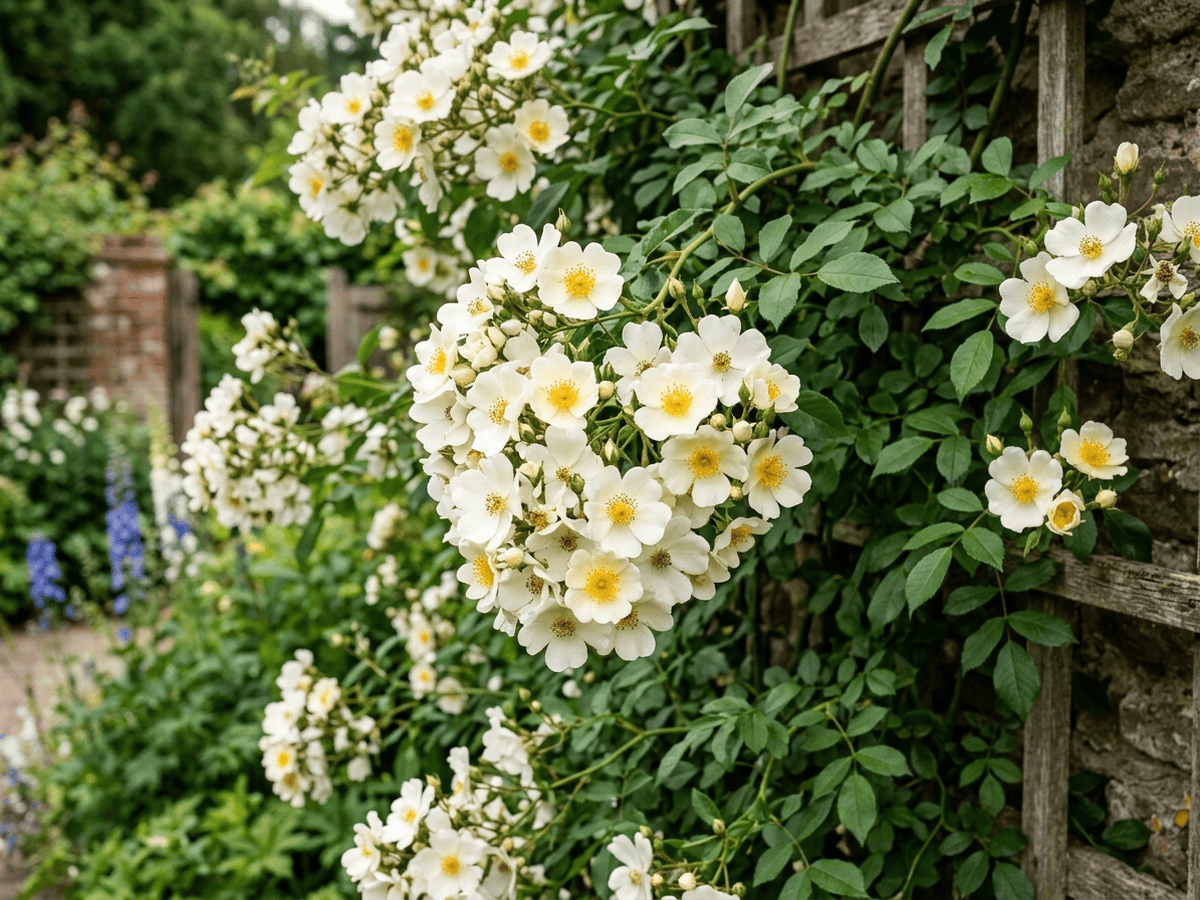
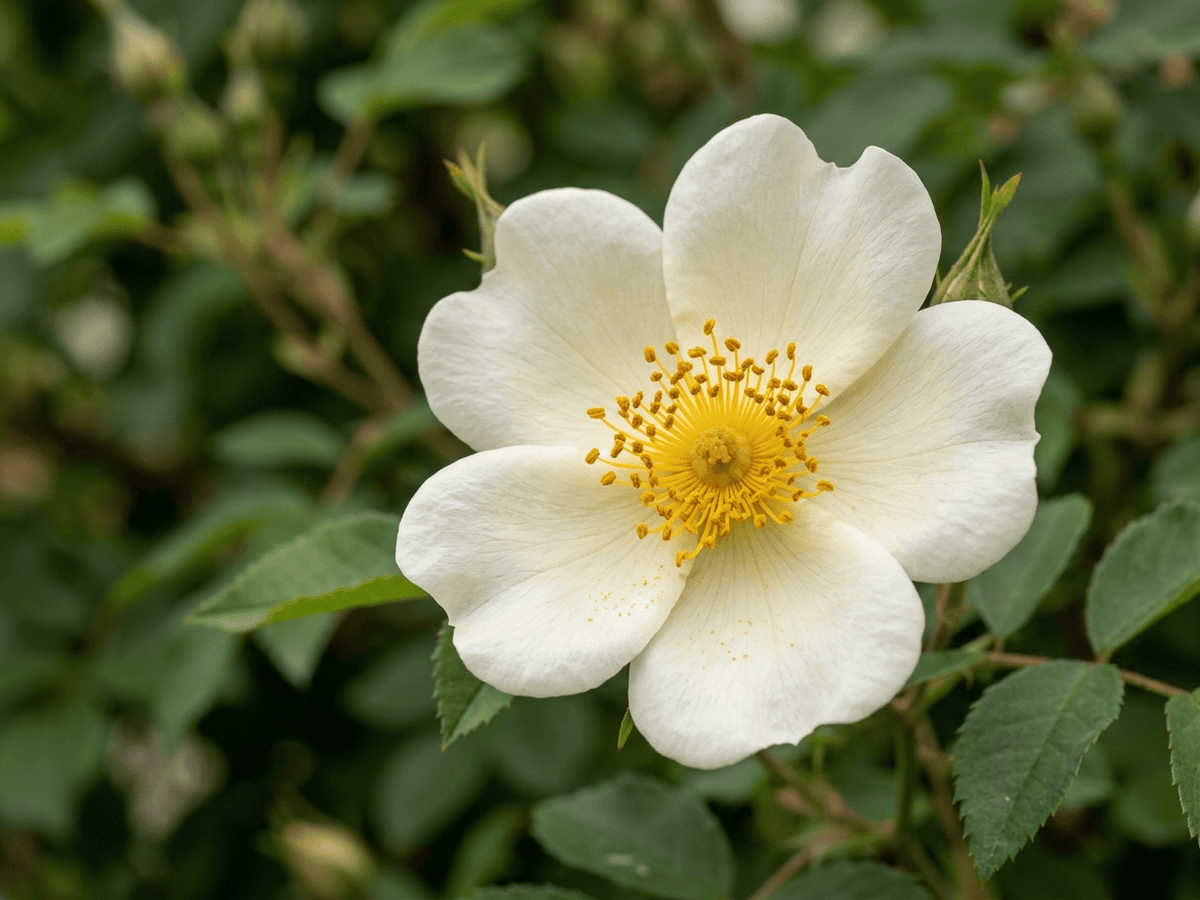
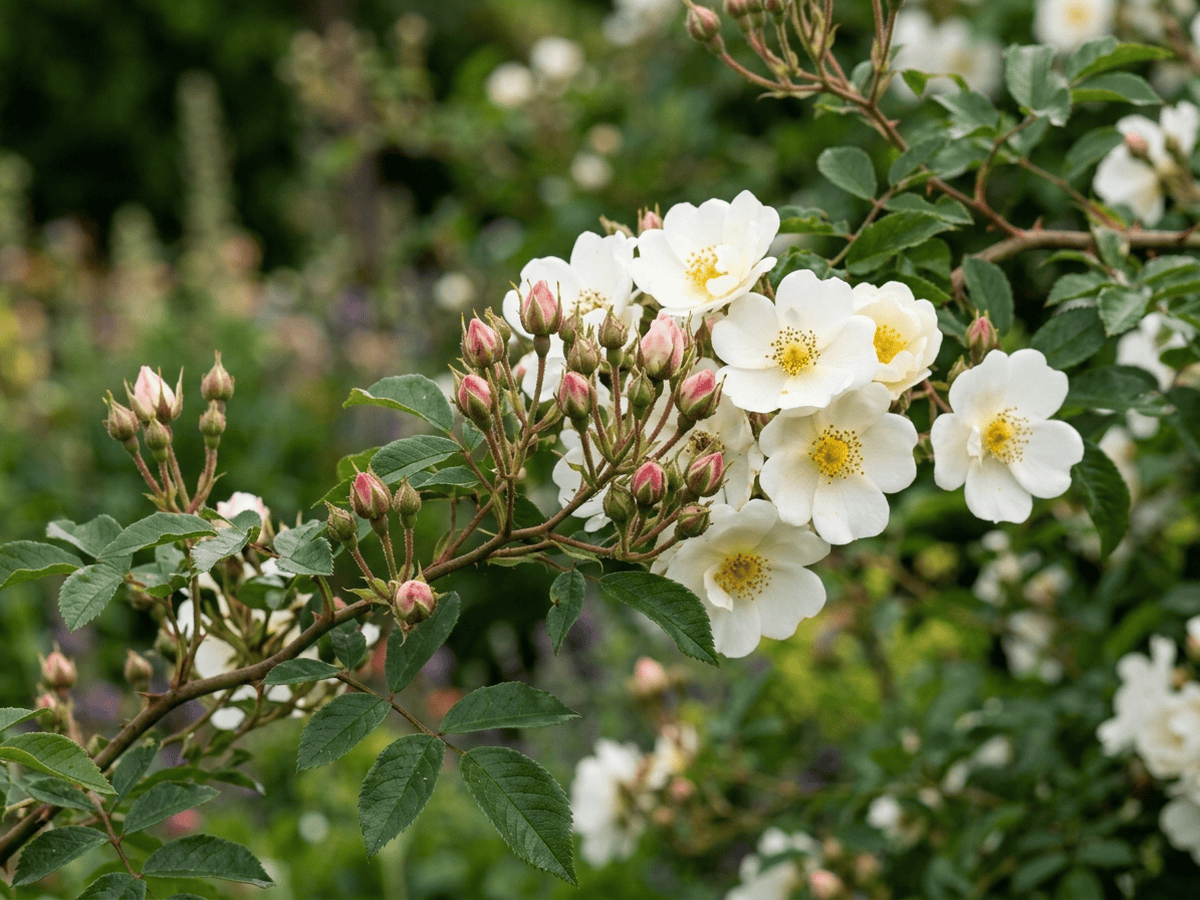
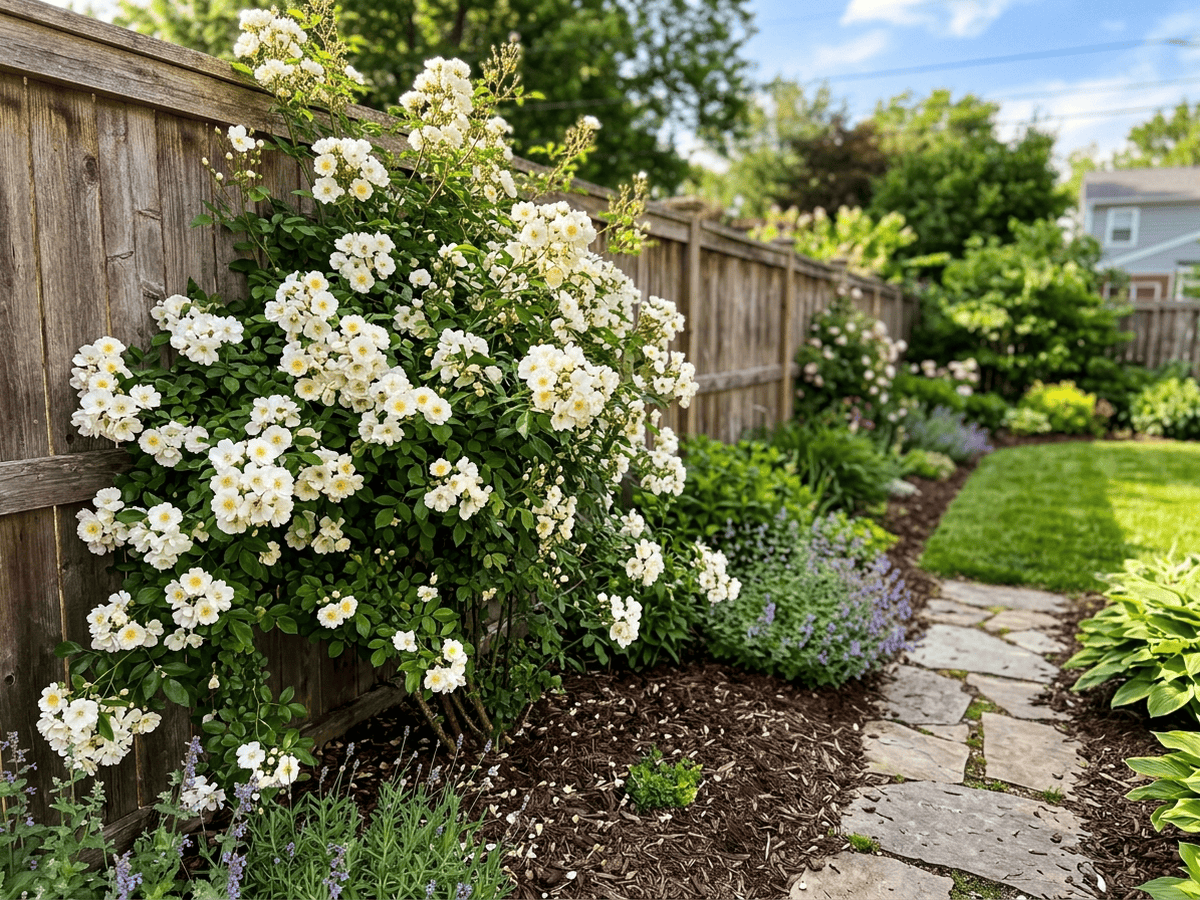
Rosa moschata, the Musk Rose, is an ancient climbing rose native to the Himalayan foothills of Central Asia, grown in gardens for over a thousand years. Growing 6–10 feet, it bears large clusters of single creamy-white flowers with prominent yellow stamens from summer into autumn, releasing a distinctive musky-sweet fragrance strongest at dusk. Unlike most roses, the scent originates primarily from the stamens rather than the petals. Small red hips follow, extending ornamental interest into winter.
- Fragrant
- Deciduous
- Showy-fruit
- Pollinator-friendly
- Climbing
- Long-blooming
How to care for Musk Rose
Watering
- Springevery 10 days
- Summerevery 7 days
- Fallevery 20 days
- Winterpause watering
Soil · Rich & loamy
- Top dressingBark mulch15%
- Main mixRich loam + compost 3:170%
- DrainageGravel15%
Use fully finished compost — fresh compost burns roots.
FERTILIZER
Balanced Feed 14-14-14
An even feed covers all three needs at once, keeping leaves, roots and blooms moving together with nothing pushed out of balance.
- Nitrogen · Leaves
- Phosphorus · Roots + Blooms
- Potassium · Strength
- Springevery 30 days
- Summerevery 30 days
- Fallevery 30 days
At a Glance
- NativeEurope, Asia
- Height6–10 ft (1.8–3 m)
- Spread4–6 ft (1.2–1.8 m)
- Flower colorWhite, Pink
- Foliage colorGreen
- Fruit colorRed
- SoilWell-drained, Moist, Neutral
- LocationsYard · Balcony
Bloom time
BLOOM CYCLE
Peak bloom
Jun–Sep
Musk Rose produces aromatic flowers during summer, attracting various pollinators.
Fragrance
STRONG FRAGRANCE
Strong musky-sweet scent, most intense at dusk and evening; fragrance comes from the stamens.
Toxicity
Pets Safe
None reported
Not reported
EXPOSURE No exposure route is reported.
EFFECT No toxic effect is reported.
NOTE No toxicity is reported for humans in this catalog; this is not evidence that the plant is edible or harmless.
Safe
EXPOSURE No exposure route is reported.
EFFECT No toxic effect is reported.
NOTE Authoritative sources report this plant as non-toxic to dogs; this is not evidence that the plant is edible.
Safe
EXPOSURE No exposure route is reported.
EFFECT No toxic effect is reported.
NOTE Authoritative sources report this plant as non-toxic to cats; this is not evidence that the plant is edible.
Educational information, not medical or veterinary advice. If exposure is suspected, contact a doctor or veterinarian.
DISTRIBUTION


- Native
- Introduced
- Europe
- Asia
History
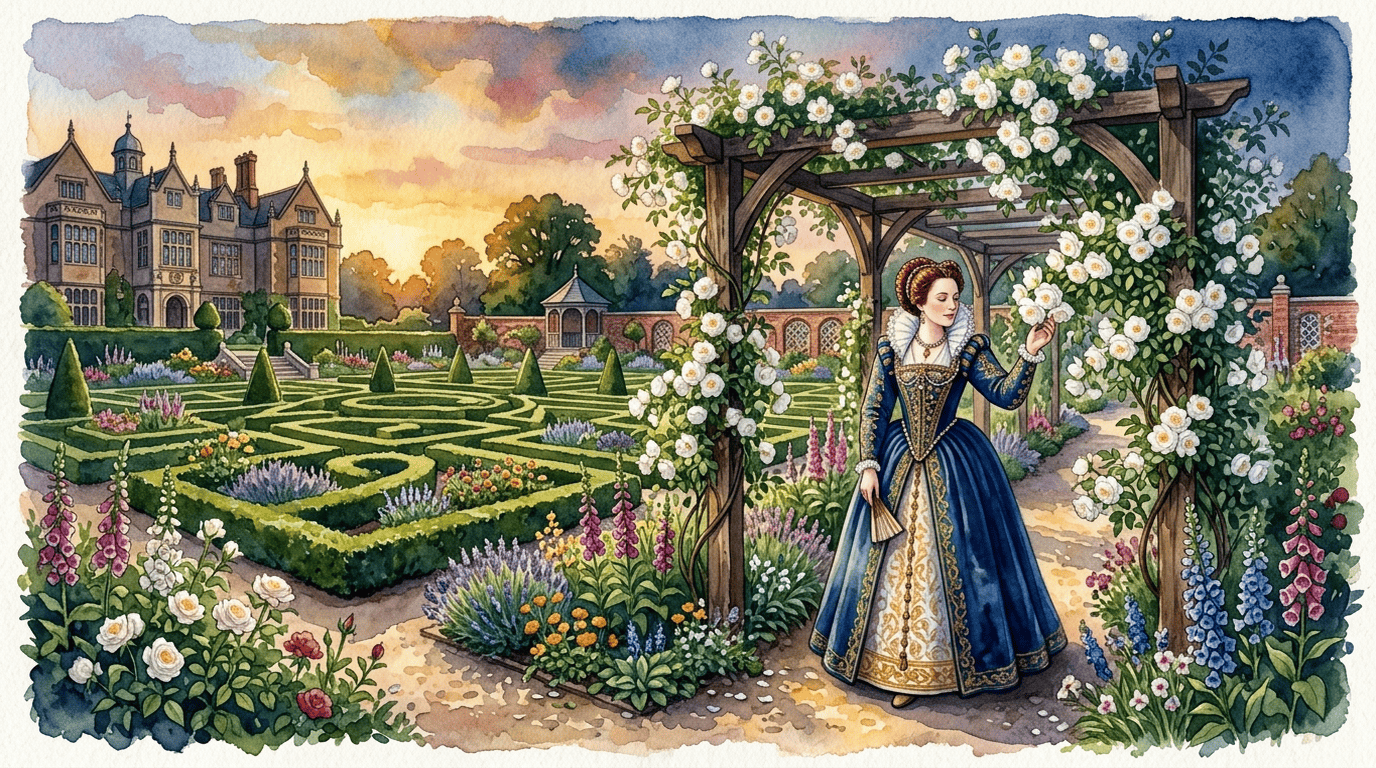
Rosa moschata has one of the longest documented garden histories of any rose species. Its name appears in medieval Arab herbals and poetry as 'Ward al-Misk'—the musk rose—cultivated across Persia, the Arab world, and the Indian subcontinent for its exceptional fragrance. The Mughal emperors maintained elaborate rose gardens in which the musk rose was prized, and the Elizabethan herbalist John Gerard described it as a native of Spain and the East in his 1597 Herball.
The rose reached European gardens through Moorish Spain, and by the 16th century it was a staple of English pleasure gardens. Its most famous literary appearance is in Shakespeare's A Midsummer Night's Dream, written around 1595, where Oberon describes a fairy bower 'quite over-canopied with luscious woodbine, with sweet musk-roses and with eglantine.' This single passage embedded the Musk Rose permanently in the English literary imagination.
The unusual quality of the Musk Rose fragrance—musky, warm, and intensifying toward evening—made it distinct from all other roses. Perfumers valued it, and the plant was grown specifically for its scent in the knot gardens and physic gardens of Tudor and Stuart England.
In the early 20th century, English clergyman Joseph Pemberton crossed Rosa moschata with hybrid roses to create the Hybrid Musk class—including famous varieties like 'Buff Beauty,' 'Cornelia,' and 'Penelope'—which remain among the most beloved modern shrub roses for their fragrance and autumn performance. Rosa moschata's genetic legacy thus extends far beyond the species itself.
Symbolism & meaning
What It Symbolizes
The Musk Rose is most fragrant at dusk—when the light fades and the scent rises. Shakespeare set his fairy bower in the Musk Rose for a reason: it belongs to the threshold between day and night, between the literal and the enchanted. A flower for moments when ordinary senses give way to something more.
- ardor — The rose of Shakespeare's enchanted forest—associated with love, desire, and the deepest pleasures of the evening garden.
- memory — A thousand-year garden tradition, carried from Persian courts to Mughal palaces to English arbors. Fragrance is the form memory takes in flowers.
Where the Name Comes From
The genus Rosa is the classical Latin name for roses. The species epithet moschata comes from the Latin and Arabic mosch (musk), referring to the distinctively musky fragrance of the flowers—specifically emanating from the stamens rather than the petals, which made this rose's scent unique among European garden roses of its era.
Uses & Fun Facts
- Among the most historically celebrated fragrant roses; evening scent valued for perfumery and garden enjoyment since ancient Persian times
- Vigorous climber with large clusters of creamy flowers and red autumn hips; long bloom season from summer into fall
Related plants
More Rosa plants
 About FaceRosa 'About Face'
 Abraham DarbyRosa 'Abraham Darby'
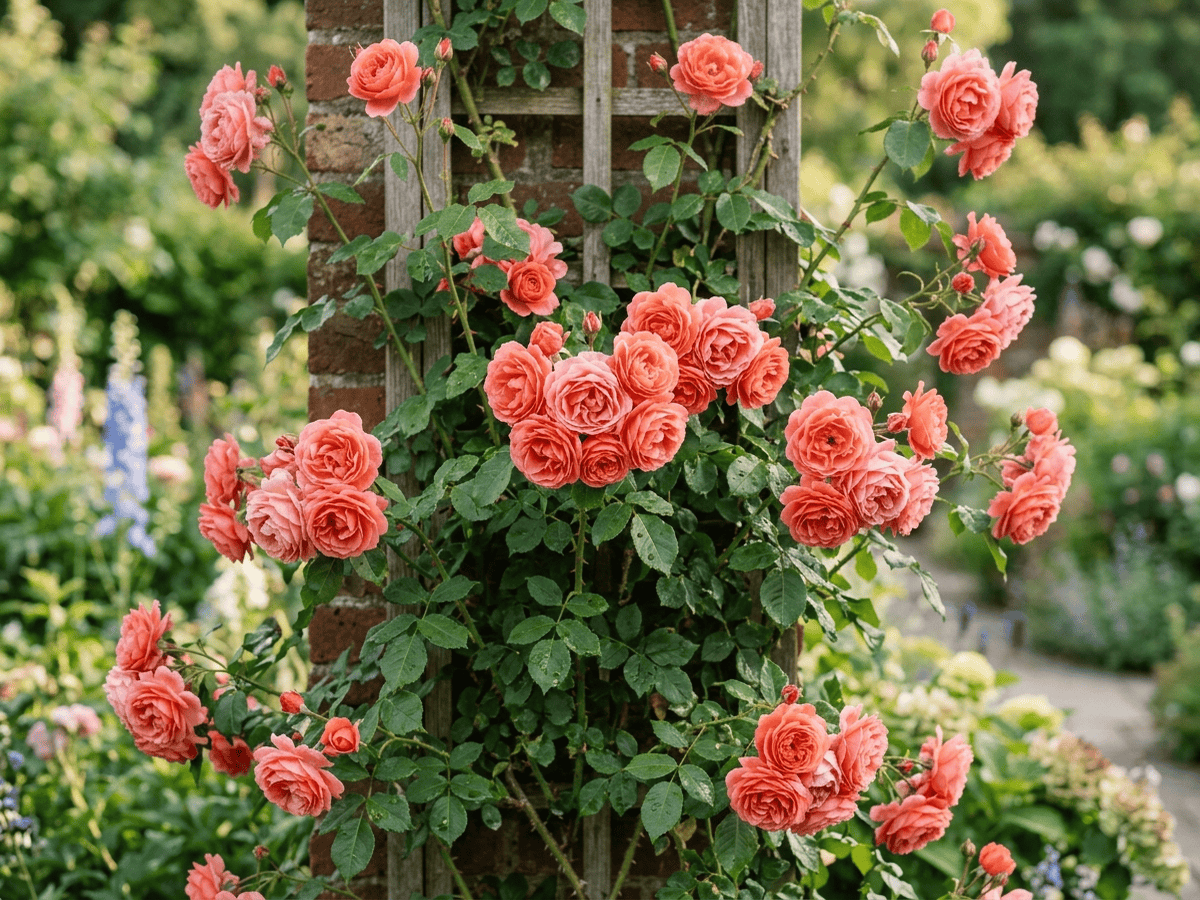 AmericaRosa 'America'
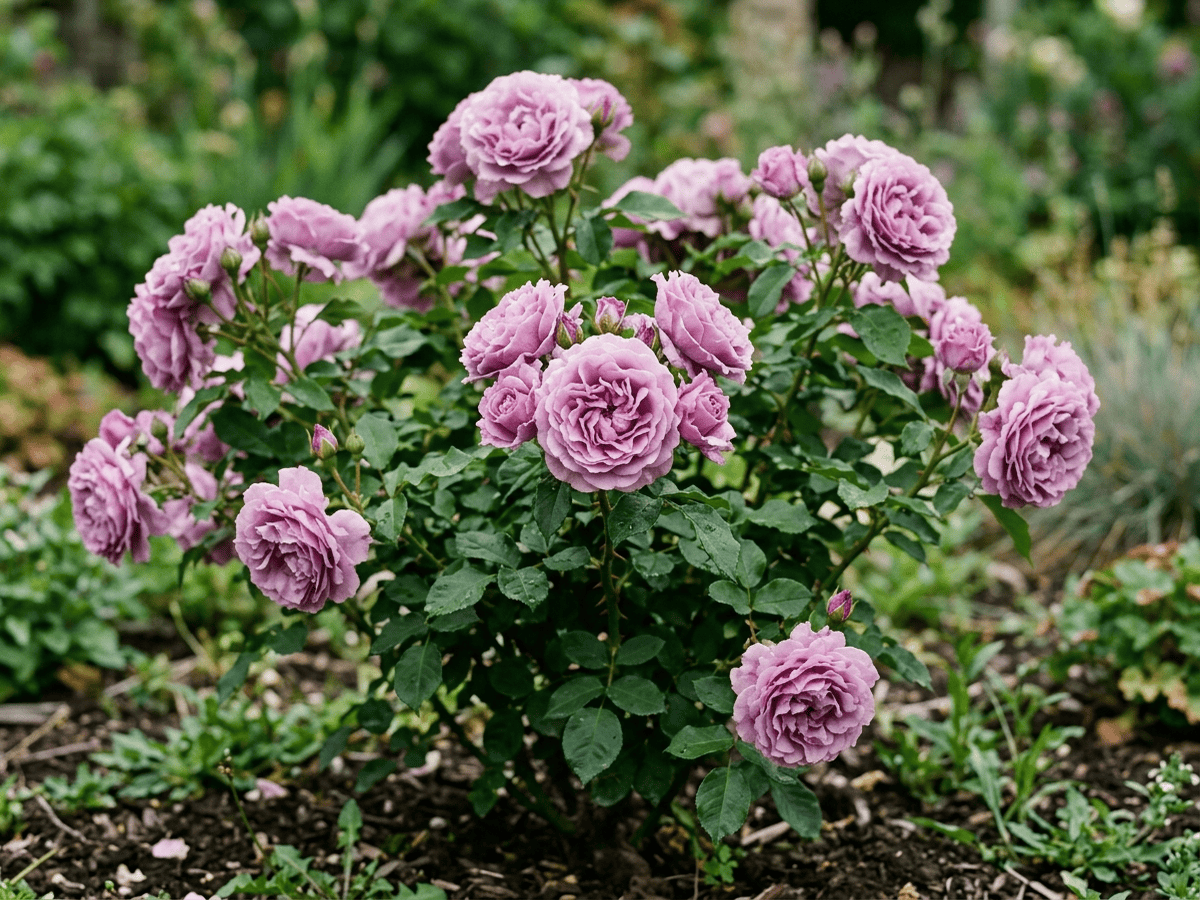 Angel FaceRosa 'Angel Face'
Plants with similar care
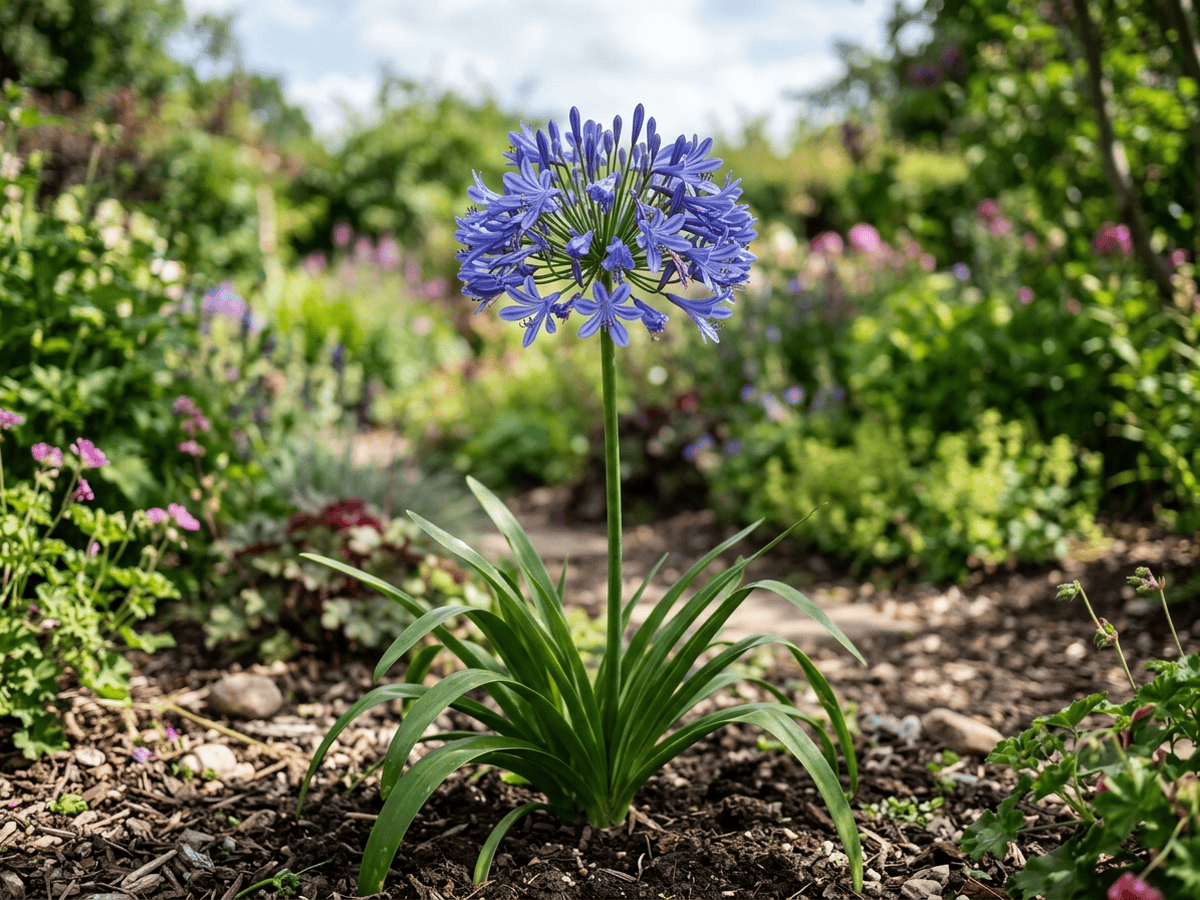 African LilyAgapanthus africanus
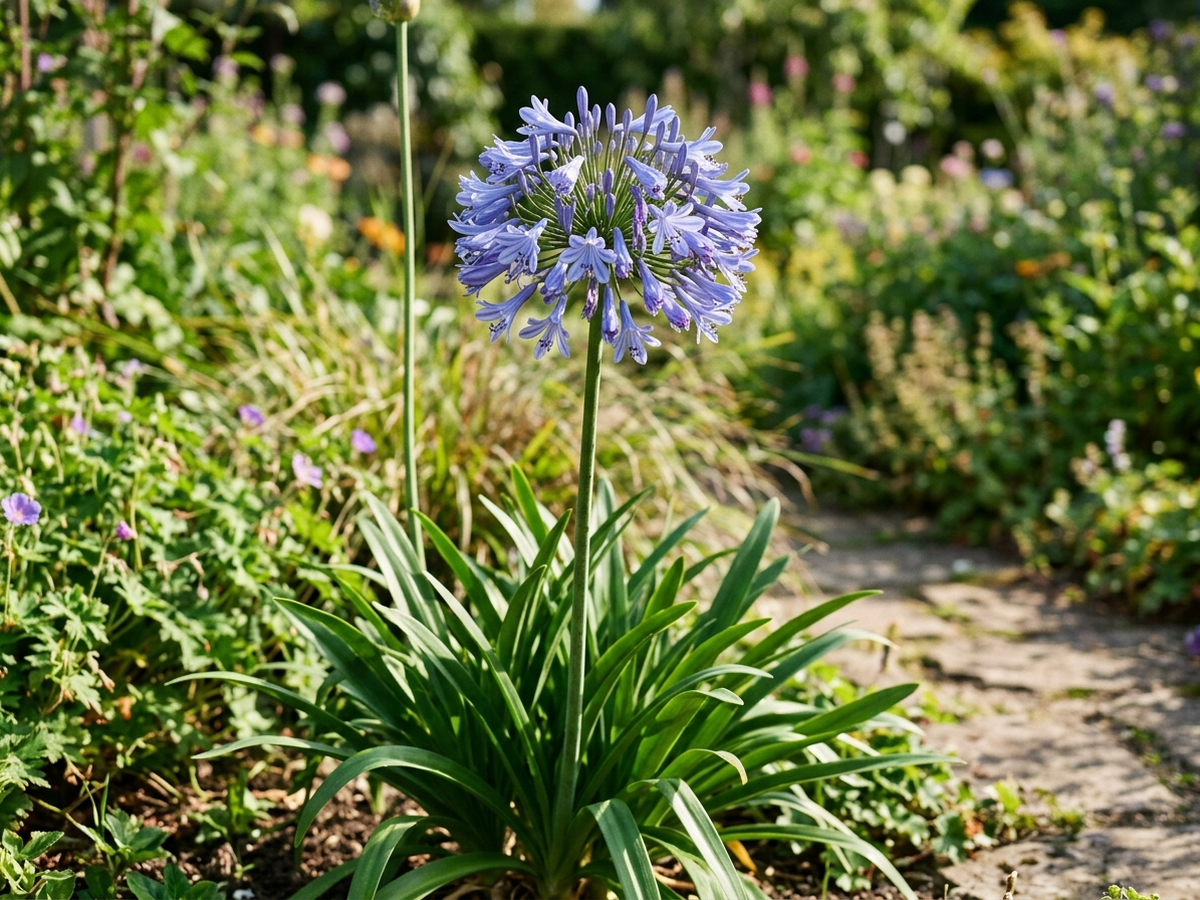 Bell AgapanthusAgapanthus campanulatus
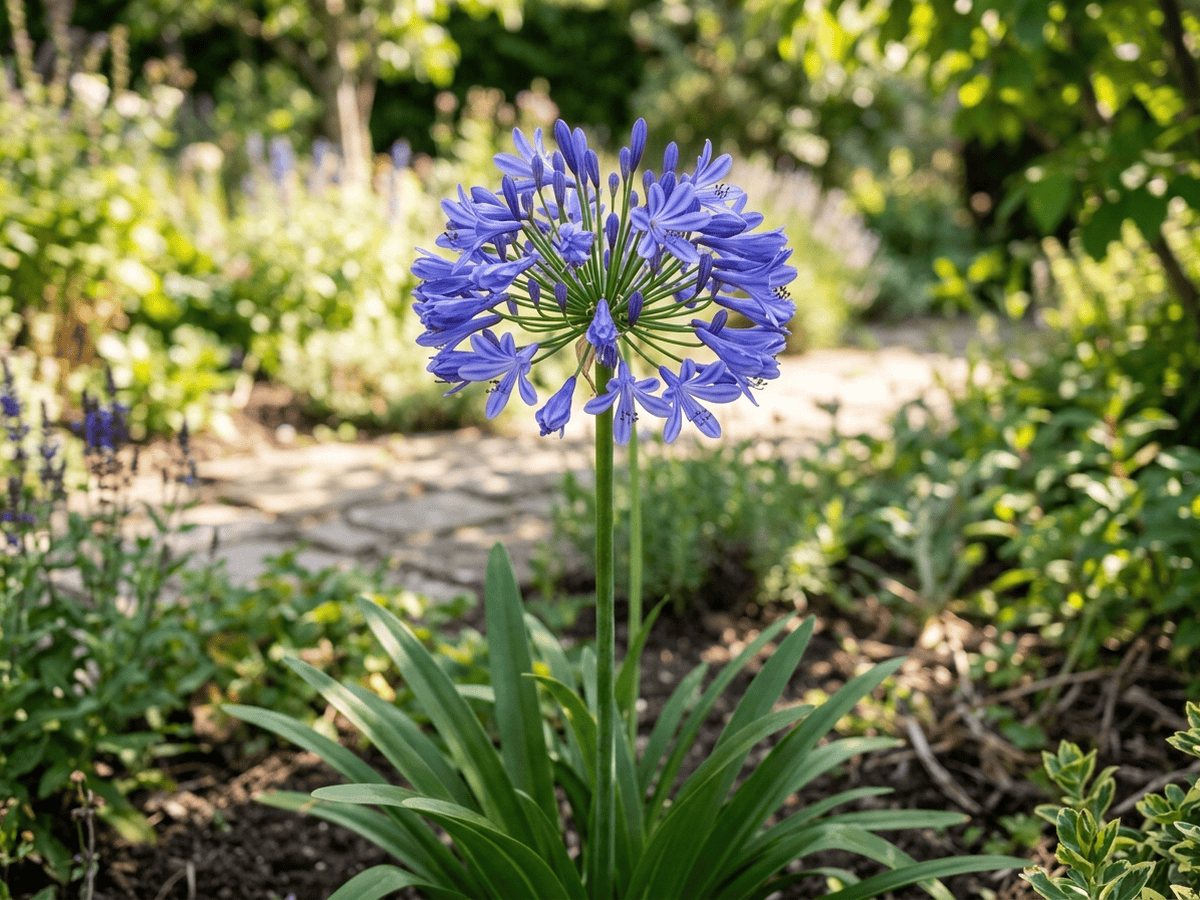 Common AgapanthusAgapanthus praecox
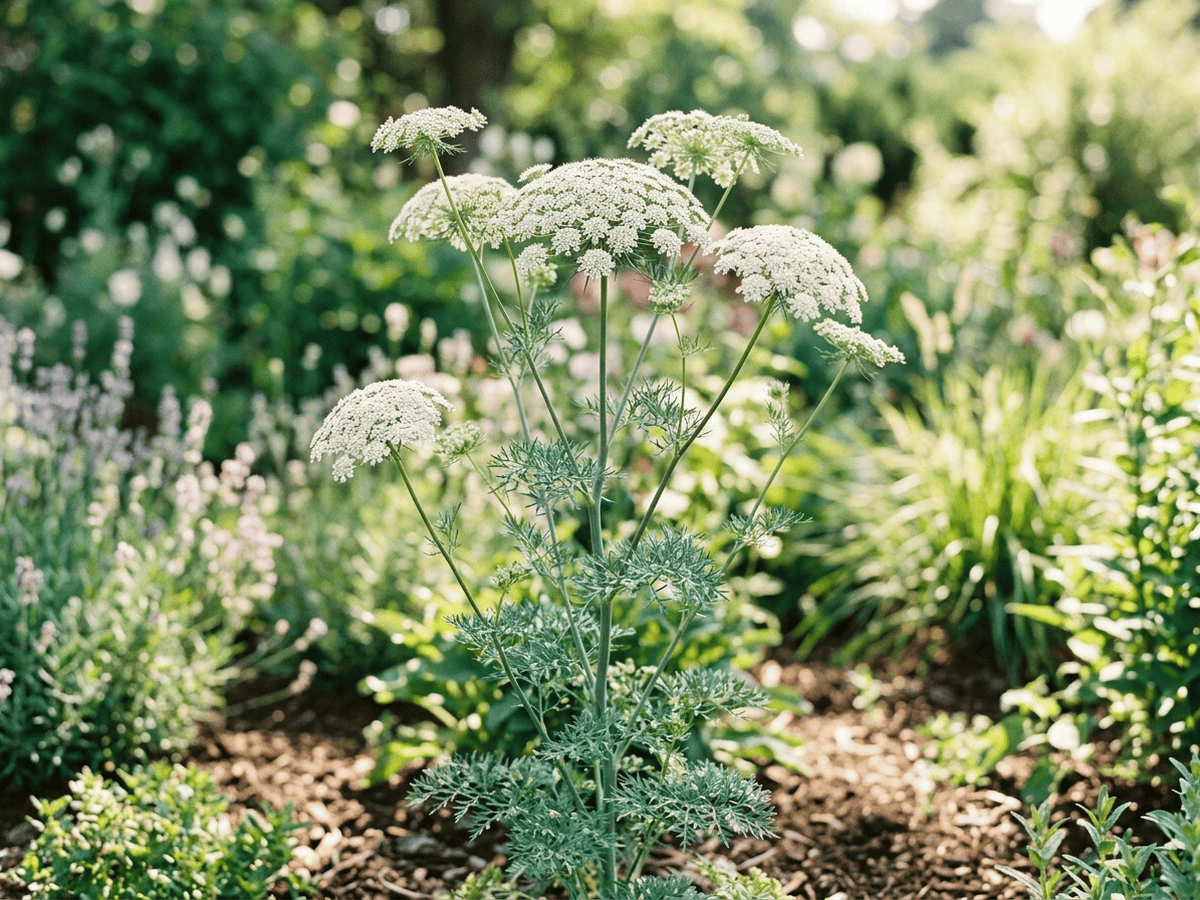 False Queen Anne's LaceAmmi majus glaucifolium
Frequently asked questions
How often should I water Musk Rose?
Water about every 10 days during the growing season, and always let excess water drain away.
How much light does Musk Rose need?
Part sun: 4–6 hrs direct. Watch the leaves — scorching or stretching means the light needs adjusting.
Is Musk Rose toxic to cats or dogs?
Pets Safe (Dogs Safe · Cats Safe) Educational information, not medical or veterinary advice. If exposure is suspected, contact a doctor or veterinarian.
Is Musk Rose easy to grow?
It is considered challenging and rewards experienced growers.
When does Musk Rose bloom?
It typically blooms Jun–Sep in the Northern Hemisphere.
YardMate
Identify any plant in seconds
Snap a photo — YardMate names the plant, diagnoses problems, and reminds you when to water.
Download on the App Store