 YardMate


Multiflora Rose
Rosa multiflora
Easy · Beginner friendlyAbout Multiflora Rose
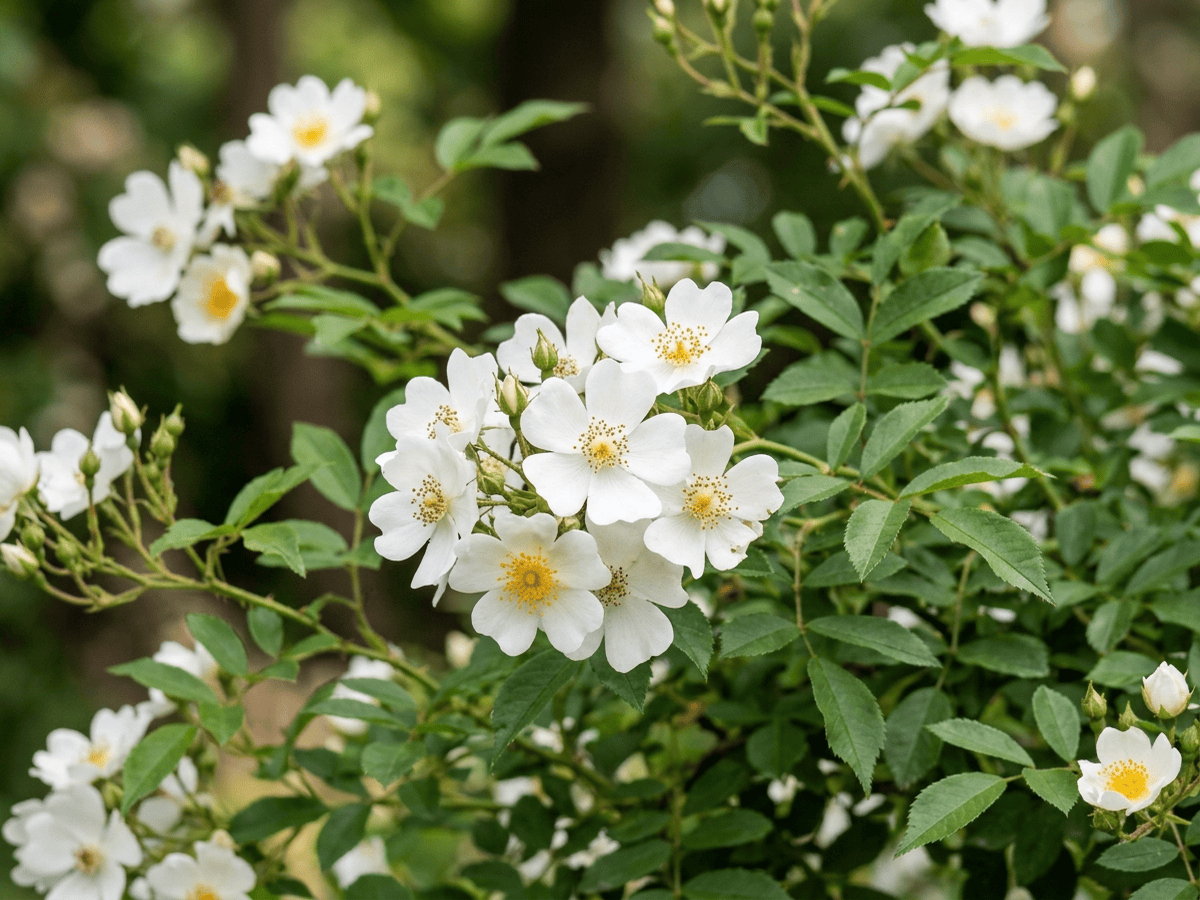
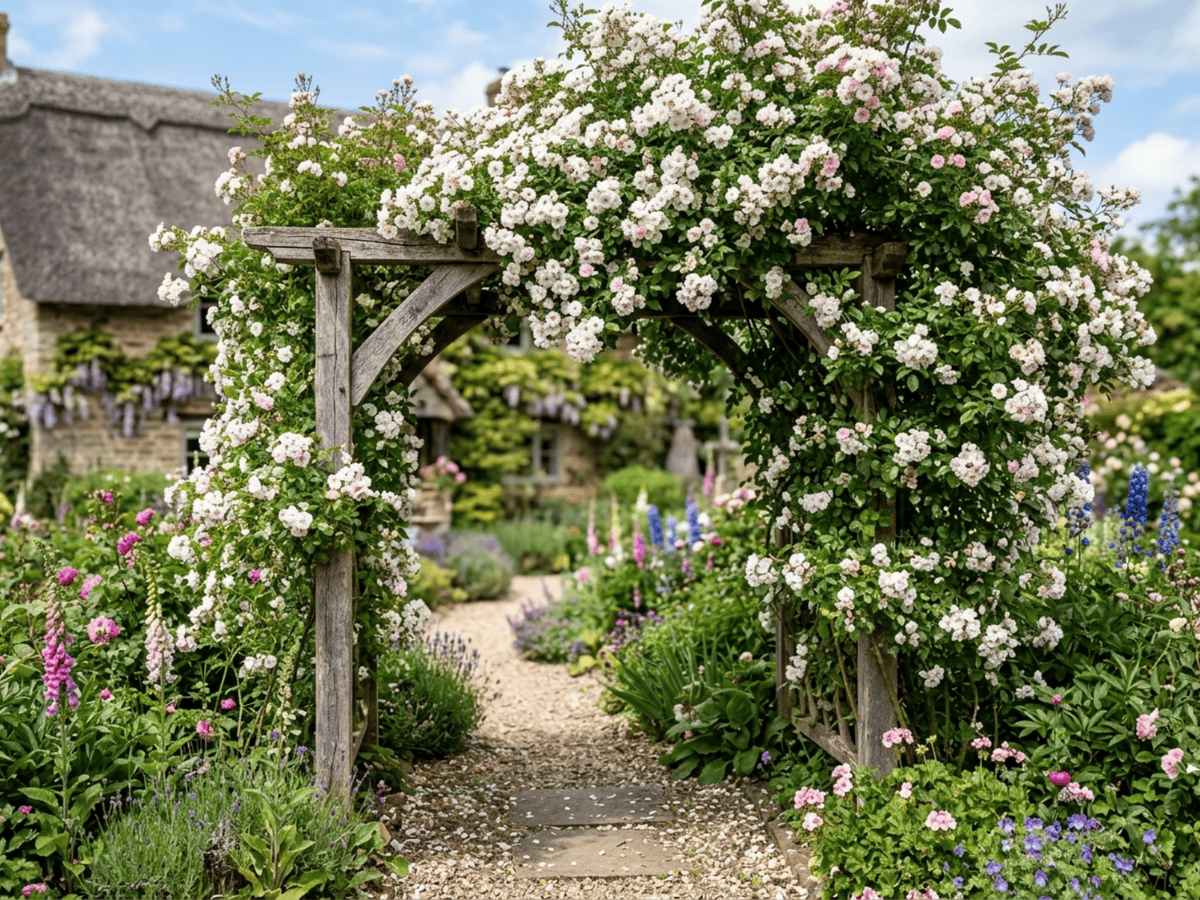
Rosa multiflora is a vigorous climbing or scrambling rose that produces massive sprays of small, single, white or pale pink flowers in late spring, followed by abundant small red hips in autumn. Native to East Asia, it was introduced to the United States in the 1860s as rootstock and living fence material. While beautiful in bloom, it has become one of North America's most invasive plants, colonizing roadsides, fields, and forest edges. Each plant can produce 500,000 seeds per year, spread by birds eating the hips. Control efforts continue across the eastern US.
- Fragrant
- Pollinator-friendly
- Fast-growing
- Climbing
How to care for Multiflora Rose
Watering
- Springevery 5 days
- Summerevery 3 days
- Fallevery 7 days
- Winterevery 14 days
Soil · Rich & loamy
- Top dressingBark mulch15%
- Main mixRich loam + compost 3:170%
- DrainageGravel15%
Use fully finished compost — fresh compost burns roots.
FERTILIZER
- Springevery 30 days
- Summerevery 30 days
- Fallevery 45 days
At a Glance
- NativeEast Asia
- Height8–15 ft (2.4–4.6 m)
- Spread8–15 ft (2.4–4.6 m)
- Flower colorWhite, Pink
- Foliage colorGreen
- Fruit colorRed
- SoilLoamy, Well-drained
- LocationsYard
Bloom time
BLOOM CYCLE
Peak bloom
Mar–May
Massive white flower sprays in late spring; hips attract birds
Fragrance
MODERATE FRAGRANCE
Fresh sweet fragrance in massed bloom.
Toxicity
No toxicity has been reported for this plant. Still, it is wise to keep pets from chewing on any houseplant.
Educational information, not medical or veterinary advice. If exposure is suspected, contact a doctor or veterinarian.
DISTRIBUTION


- Native
- Introduced
- East Asia
History

Rosa multiflora is native to eastern Asia — Japan, Korea, and eastern China — where it grows as a sprawling shrub rose. It was introduced to North America in the 1860s as a rootstock for grafted hybrid tea roses, and became the standard rootstock of the global commercial rose industry for over a century. In the 1930s–1960s the US government and state agricultural agencies actively promoted its mass planting as erosion control, wildlife habitat, and 'living fences' to contain livestock.
The policy proved disastrous: the plant escaped into pastures, roadsides, and woodland across the eastern US, and is now classified as a noxious weed in many states. Modern rose rootstock breeding has largely replaced it with less invasive alternatives. Non-toxic to pets.
Rosa multiflora's story is a cautionary tale of good intentions gone wrong. Millions of plants were distributed free to farmers. Ironically, it remains essential to the commercial rose industry as the most widely used rootstock for grafted garden roses. In Japan, where it is native, it is controlled by natural predators and stays well-behaved.
Symbolism & meaning
What It Symbolizes
Multiflora Rose makes visible abundance carried to excess, its prolific flowering and prodigious seed production representing an overwhelming natural force. Once introduced as a useful living fence and erosion control, it has since become an invasive thug across much of eastern North America. This is the cautionary rose — a flower whose generosity, unbounded by checks, becomes the very engine of ecological harm to the woodlands it now smothers.
- Abundance — Its prolific flowering and seed production represent overwhelming natural force
Where the Name Comes From
Rosa from Latin for rose. Multiflora means 'many-flowered,' for the abundant flower clusters.
Related plants
More Rosa plants
 About FaceRosa 'About Face'
 Abraham DarbyRosa 'Abraham Darby'
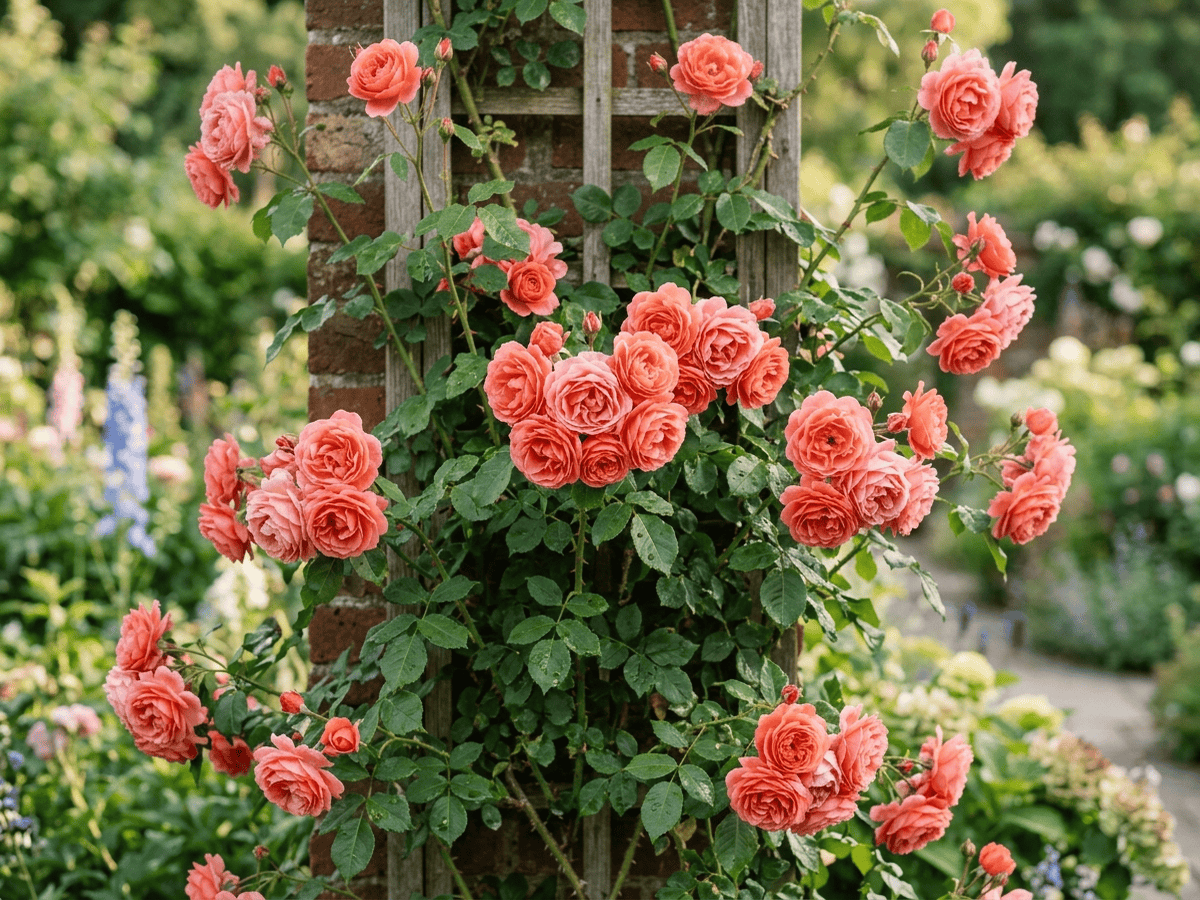 AmericaRosa 'America'
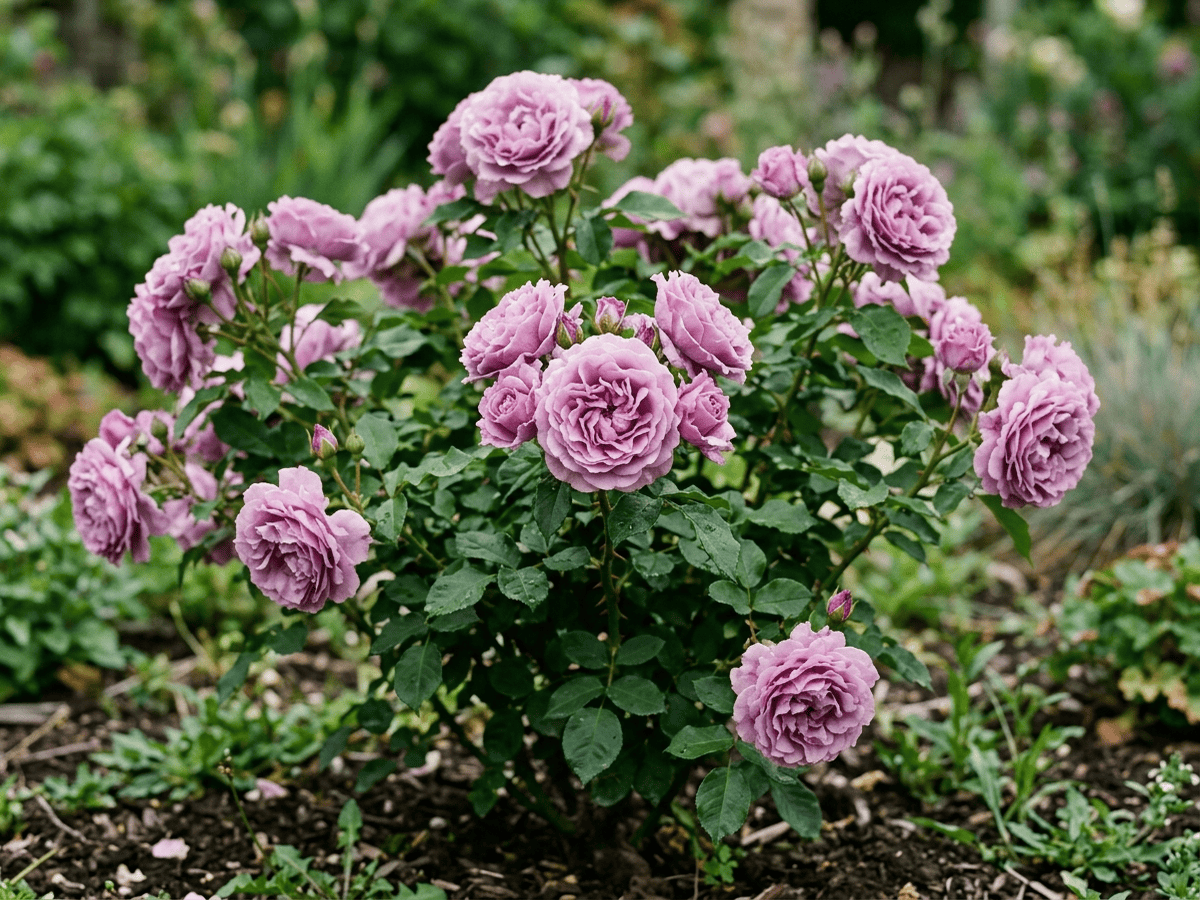 Angel FaceRosa 'Angel Face'
Plants with similar care
 Chinese AbeliaAbelia chinensis
 Fragrant AbeliaAbelia mosanensis
 Large-Flowered AbeliaAbelia uniflora
 Glossy AbeliaAbelia x grandiflora
Frequently asked questions
How often should I water Multiflora Rose?
In summer, water about every 3 days; in winter, about every 14 days. Adjust for heat, pot size and drainage.
How much light does Multiflora Rose need?
Full sun: 6+ hrs direct. Watch the leaves — scorching or stretching means the light needs adjusting.
Is Multiflora Rose toxic to cats or dogs?
No toxicity has been reported for this plant. Still, it is wise to keep pets from chewing on any houseplant. Educational information, not medical or veterinary advice. If exposure is suspected, contact a doctor or veterinarian.
Is Multiflora Rose easy to grow?
Yes — it is considered an easy, beginner-friendly plant.
When does Multiflora Rose bloom?
It typically blooms Mar–May in the Northern Hemisphere.
YardMate
Identify any plant in seconds
Snap a photo — YardMate names the plant, diagnoses problems, and reminds you when to water.
Download on the App Store