 YardMate

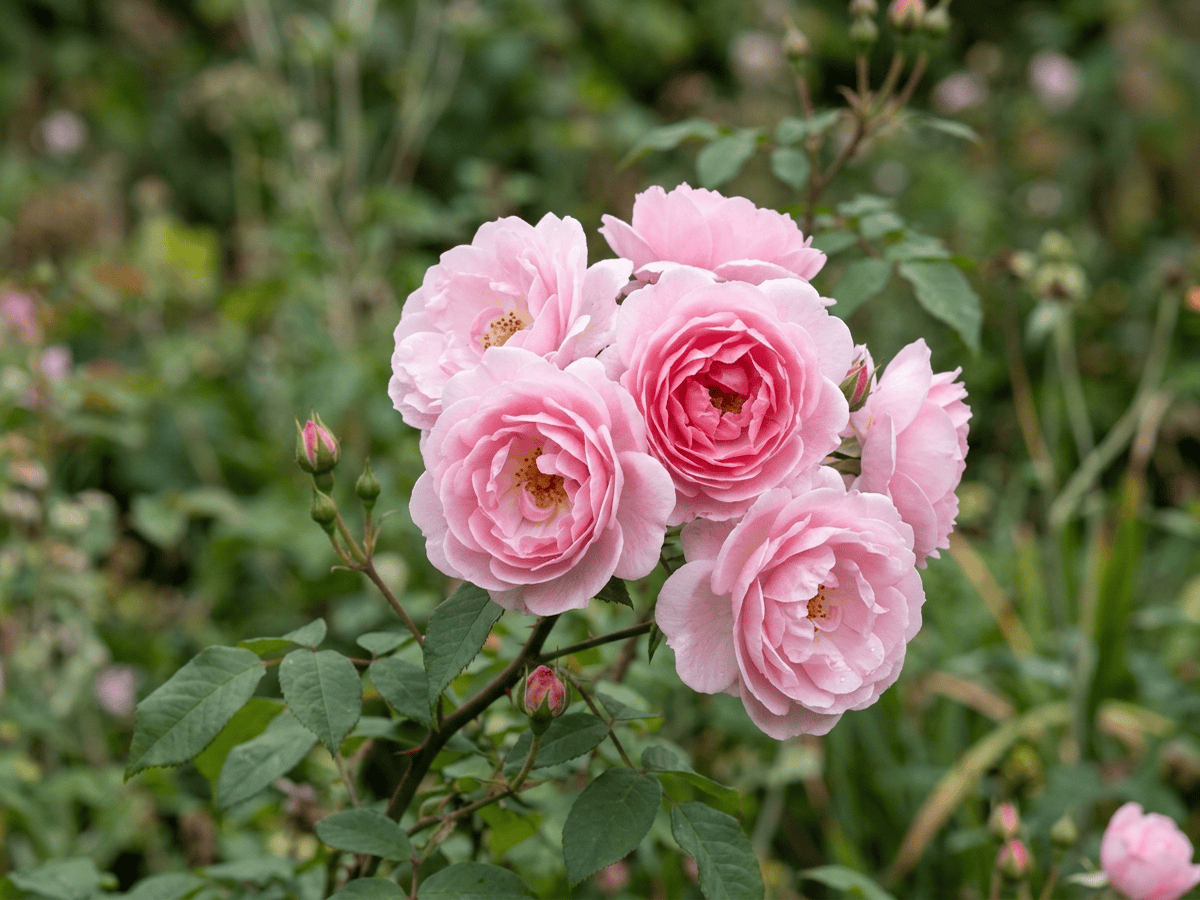


Old Blush
Rosa 'Old Blush'
Easy · Beginner friendlyAbout Old Blush
Old Blush is one of the oldest cultivated China roses in the Western world, introduced to Europe in 1751 and to America shortly after, producing medium pink semi-double blooms with a light sweet-pea fragrance. Growing 4 to 6 feet in an arching shrub, it blooms repeatedly from spring through frost and is a parent of countless modern roses. The famous 'last rose of summer' of Thomas Moore's 1805 poem and a cornerstone heirloom American rose.
- Heat-tolerant
- Long-blooming
How to care for Old Blush
Watering
- Springevery 7 days
- Summerevery 5 days
- Fallevery 10 days
- Winterevery 21 days
Soil · Rich & loamy
- Top dressingBark mulch15%
- Main mixRich loam + compost 3:170%
- DrainageGravel15%
Use fully finished compost — fresh compost burns roots.
FERTILIZER
Balanced Feed 14-14-14
An even feed covers all three needs at once, keeping leaves, roots and blooms moving together with nothing pushed out of balance.
- Nitrogen · Leaves
- Phosphorus · Roots + Blooms
- Potassium · Strength
- Springevery 45 days
- Summerevery 45 days
At a Glance
- NativeEast Asia, Europe
- Height4–6 ft (1.2–1.8 m)
- Spread3–5 ft (0.9–1.5 m)
- Flower colorPink
- Foliage colorGreen
- Fruit colorOrange
- SoilLoamy, Well-drained, Rich
- LocationsYard
Bloom time
BLOOM CYCLE
Peak bloom
May–Sep
Pink semi-double blooms repeat non-stop spring to frost, light fragrance
Fragrance
LIGHT FRAGRANCE
The flowers have a light sweet-pea scent.
Toxicity
Humans Slight
Unknown toxic principle
Slight
- Stem
- Contact
EXPOSURE Touching stems.
EFFECT Pricks from thorns.
NOTE Not toxic; thorns cause mechanical injury.
Safe
EXPOSURE No exposure route is reported.
EFFECT No toxic effect is reported.
NOTE Listed as non-toxic for dogs; avoid eating ornamental plants unless confirmed edible.
Safe
EXPOSURE No exposure route is reported.
EFFECT No toxic effect is reported.
NOTE Listed as non-toxic for cats; avoid eating ornamental plants unless confirmed edible.
Educational information, not medical or veterinary advice. If exposure is suspected, contact a doctor or veterinarian.
DISTRIBUTION


- Native
- East Asia
- Europe
History
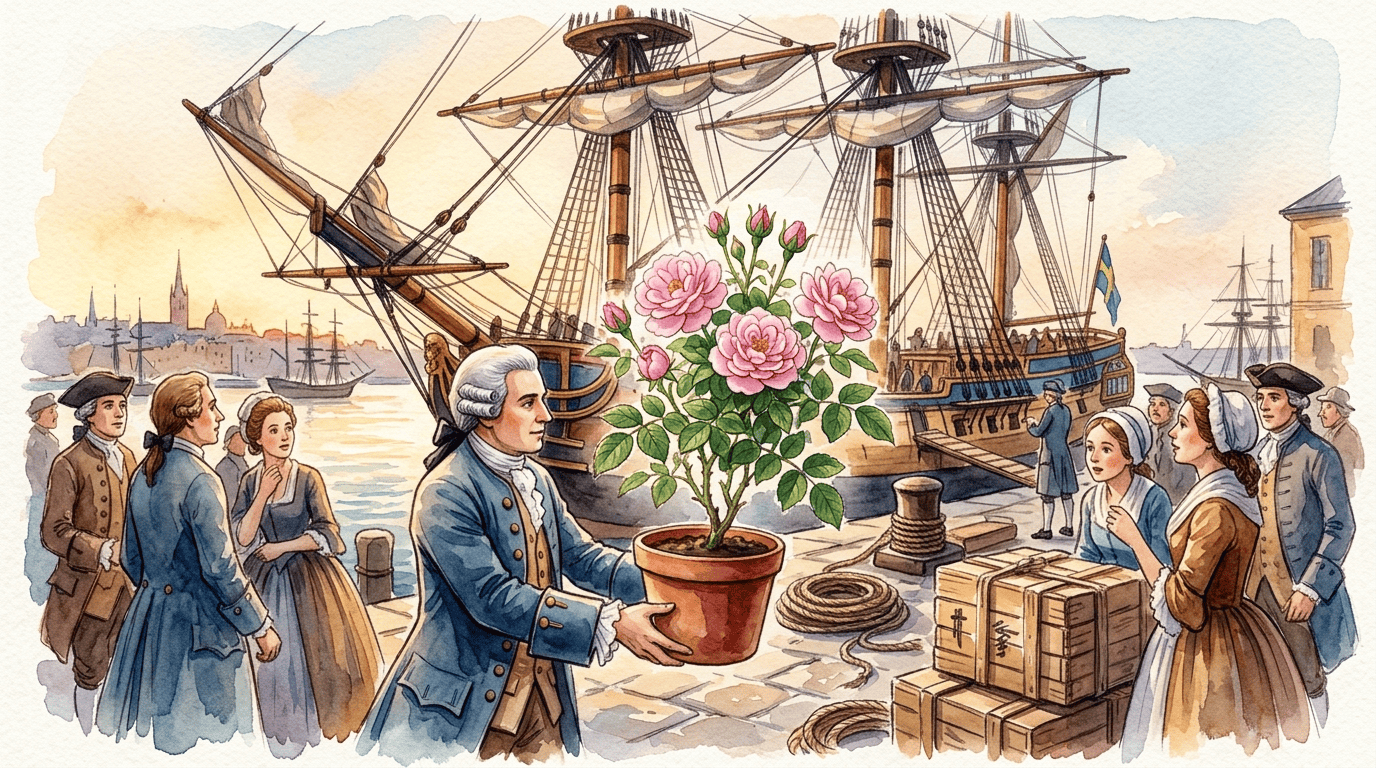
Rosa 'Old Blush' (also called 'Parson's Pink China', 'Common Monthly', and 'Monthly Rose') is a pale pink China rose of uncertain Chinese origin, grown in China for centuries before Swedish East India Company ships carried it to European gardens around 1752. It is one of the legendary Four Stud Chinas, four repeat-flowering China roses imported between 1752 and 1824 that revolutionized Western rose breeding by introducing continuous bloom into the otherwise once-flowering European gene pool. Every modern repeat-flowering rose traces ancestry to these four.
The semi-double blooms, seven centimeters across, open a clear soft pink that deepens in sun, are carried in clusters almost continuously, and carry a light sweet-pea fragrance. 'Old Blush' is among the most vigorous and tolerant old roses, thriving with minimal care across zones 6 to 10 and surviving in neglected plantings for centuries.
Introduced to European gardens in 1751 from China, Old Blush revolutionized Western rose breeding by introducing the repeat-blooming trait to European roses, which until then mostly bloomed only once per year. It is a parent of countless modern roses and immortalized as 'The Last Rose of Summer' in Thomas Moore's 1805 poem.
Symbolism & meaning
What It Symbolizes
Old Blush Rose is timeless constancy — this is the China rose that, on arriving in Europe in the late 1700s, first taught Western roses how to bloom more than once a season. Its quiet pink double flowers were immortalized as the last rose of summer in Thomas Moore's 1805 poem. It is the ancestress of every modern repeat-flowering rose, still in cultivation, still blooming on schedule.
- Timeless constancy — brought repeat blooming to Western roses
- Last rose of summer — immortalized in Thomas Moore's 1805 poem
Where the Name Comes From
Named for the soft pink 'blush' color; also sold as 'Parsons' Pink China' for the English botanist who first grew it.
Uses & Fun Facts
- Pink semi-double blooms carry light sweet-pea perfume
- 1751 heritage China rose for hot-climate cottage borders
Related plants
More Rosa plants
 About FaceRosa 'About Face'
 Abraham DarbyRosa 'Abraham Darby'
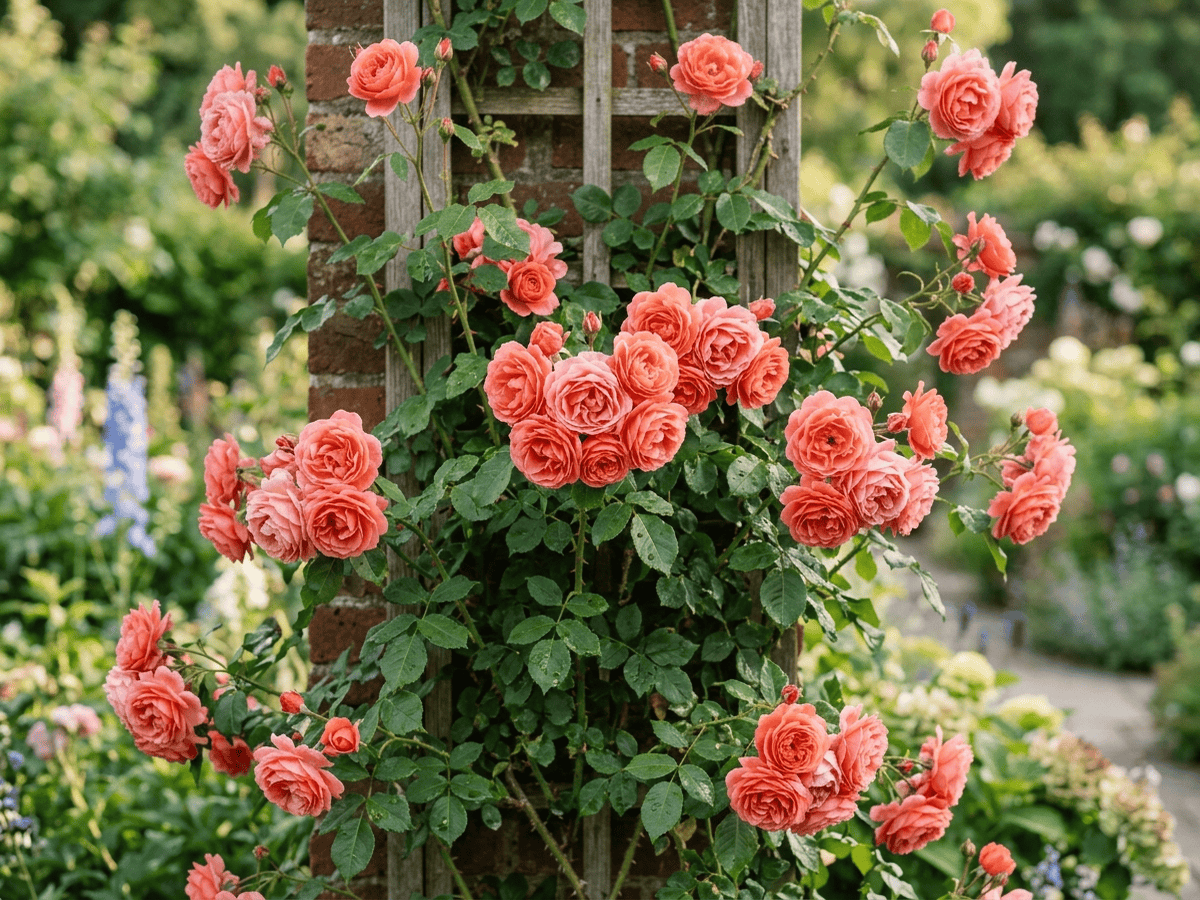 AmericaRosa 'America'
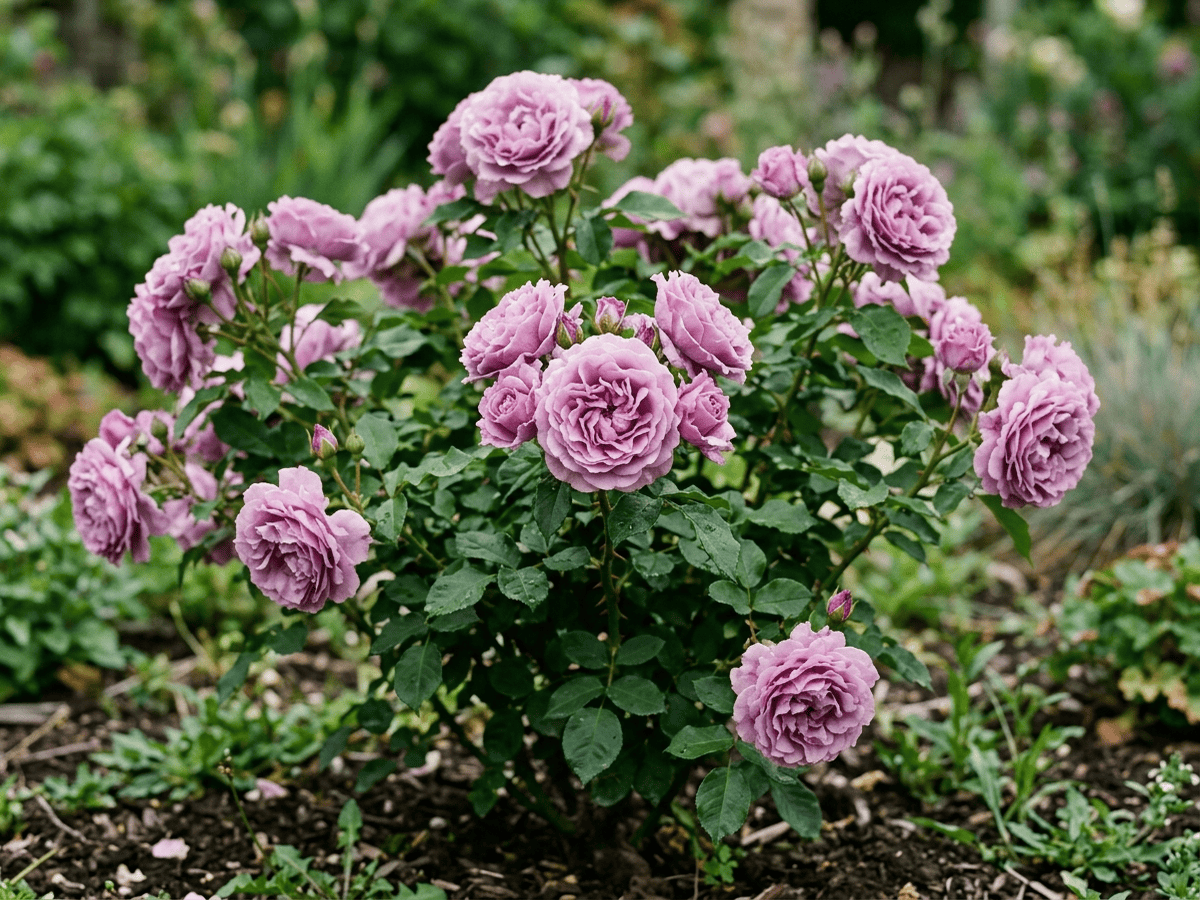 Angel FaceRosa 'Angel Face'
Plants with similar care
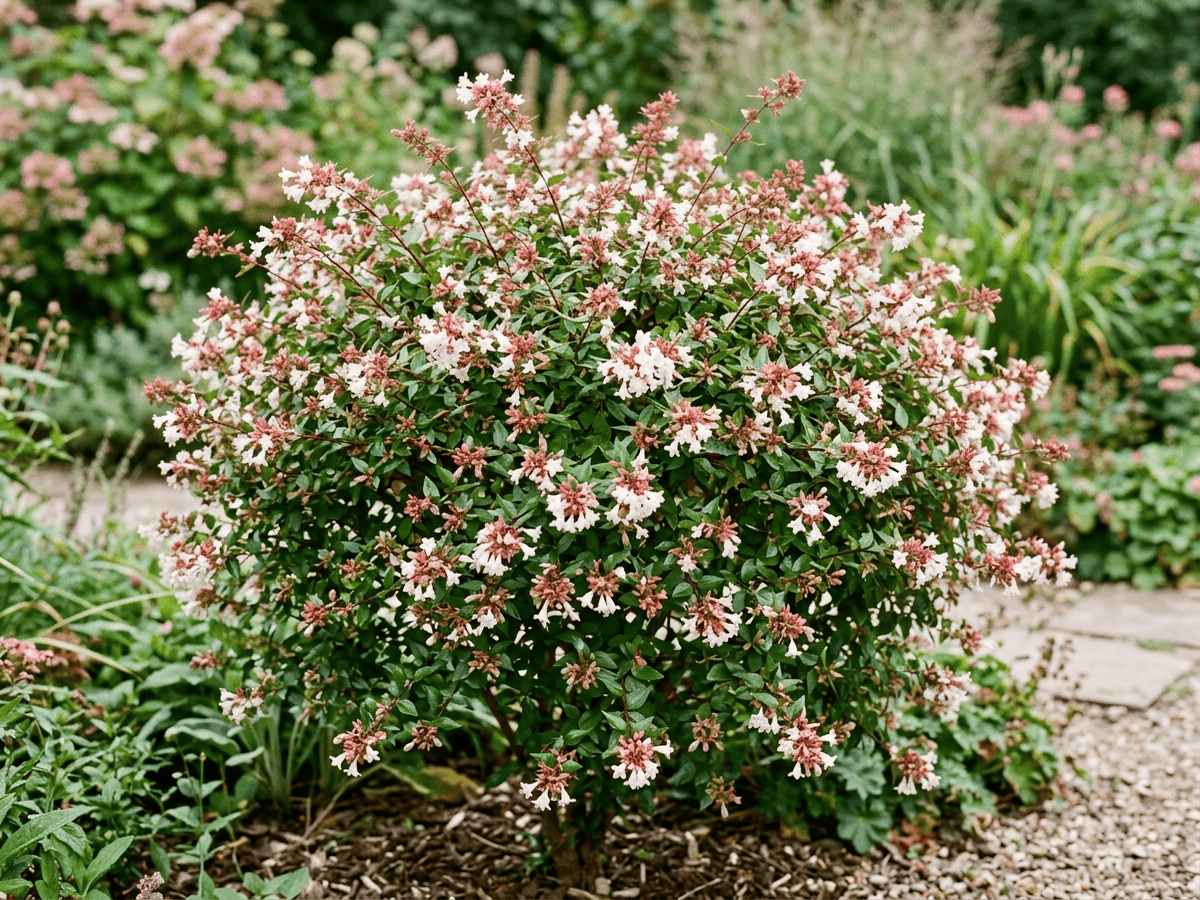 Chinese AbeliaAbelia chinensis
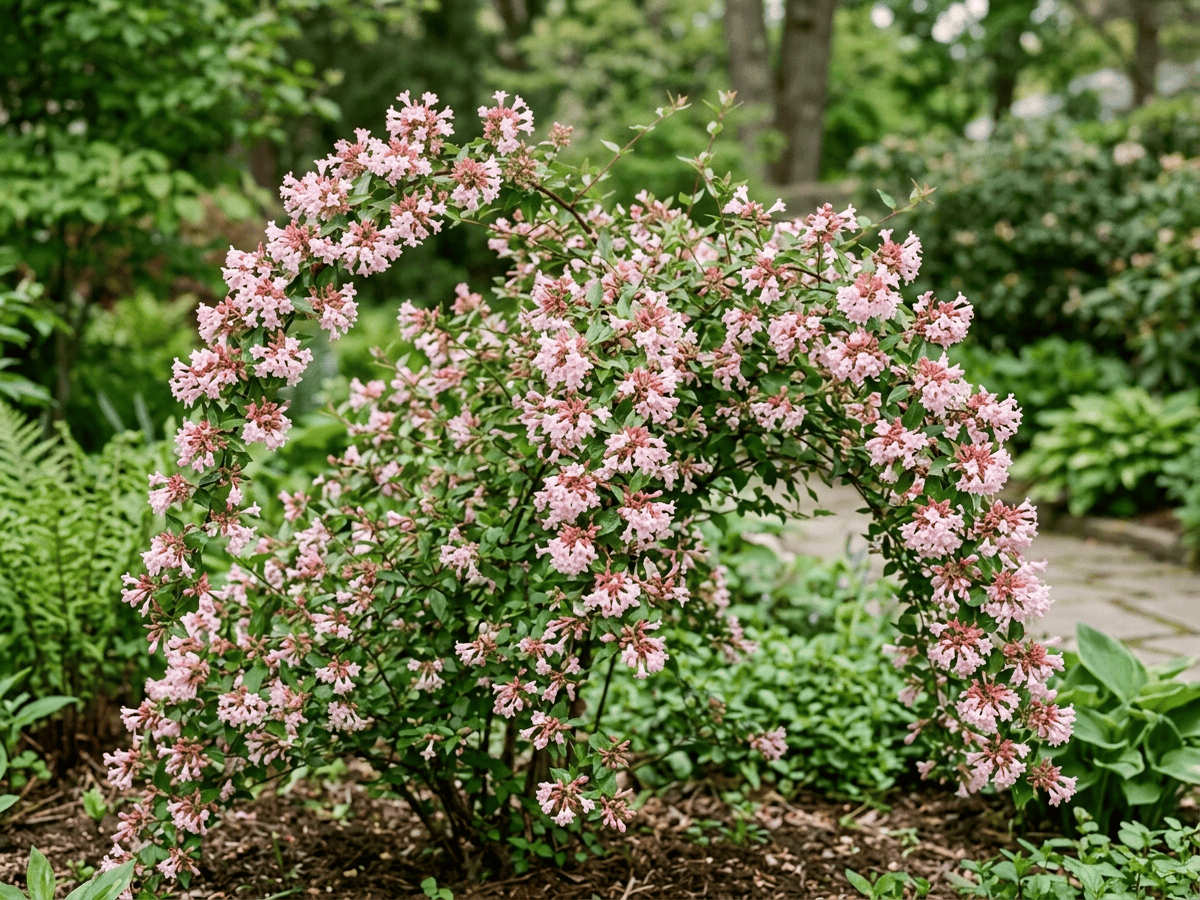 Fragrant AbeliaAbelia mosanensis
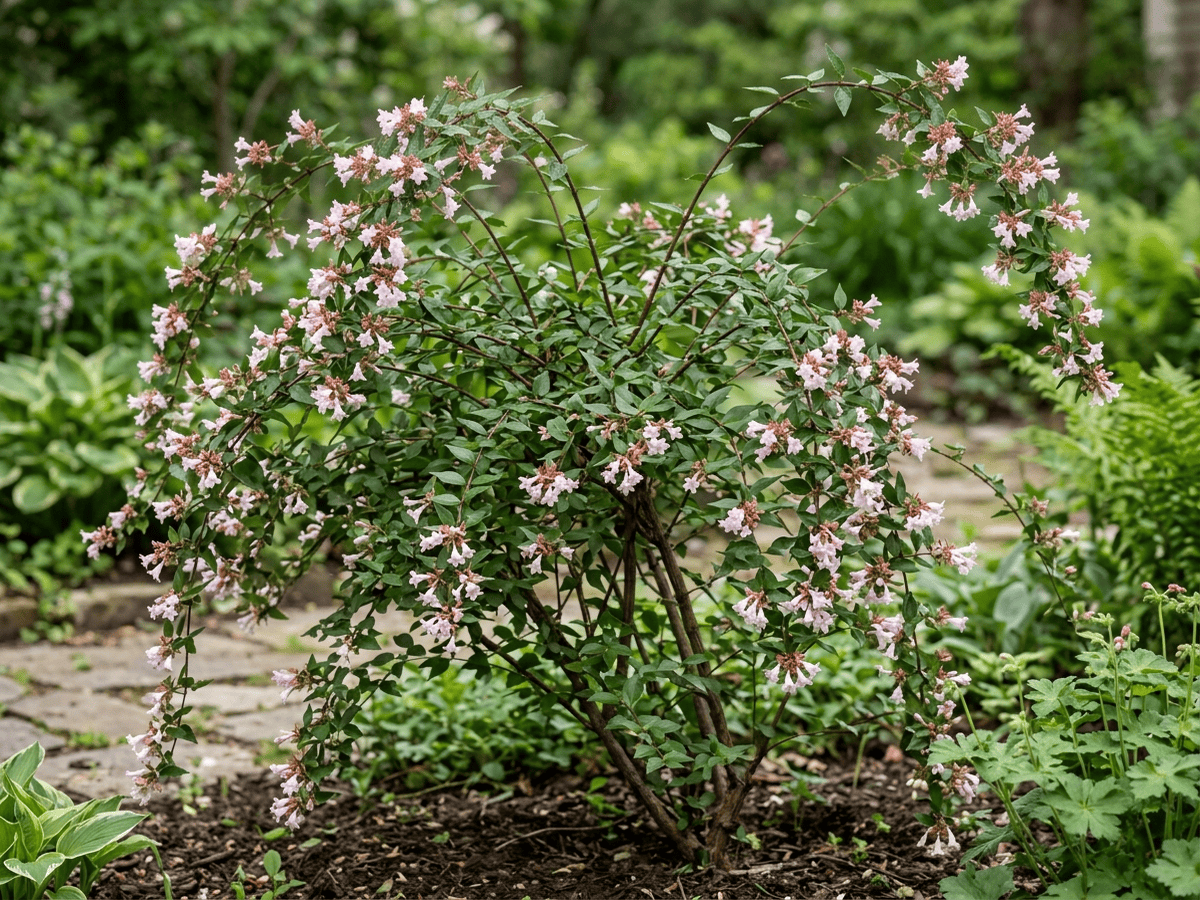 Large-Flowered AbeliaAbelia uniflora
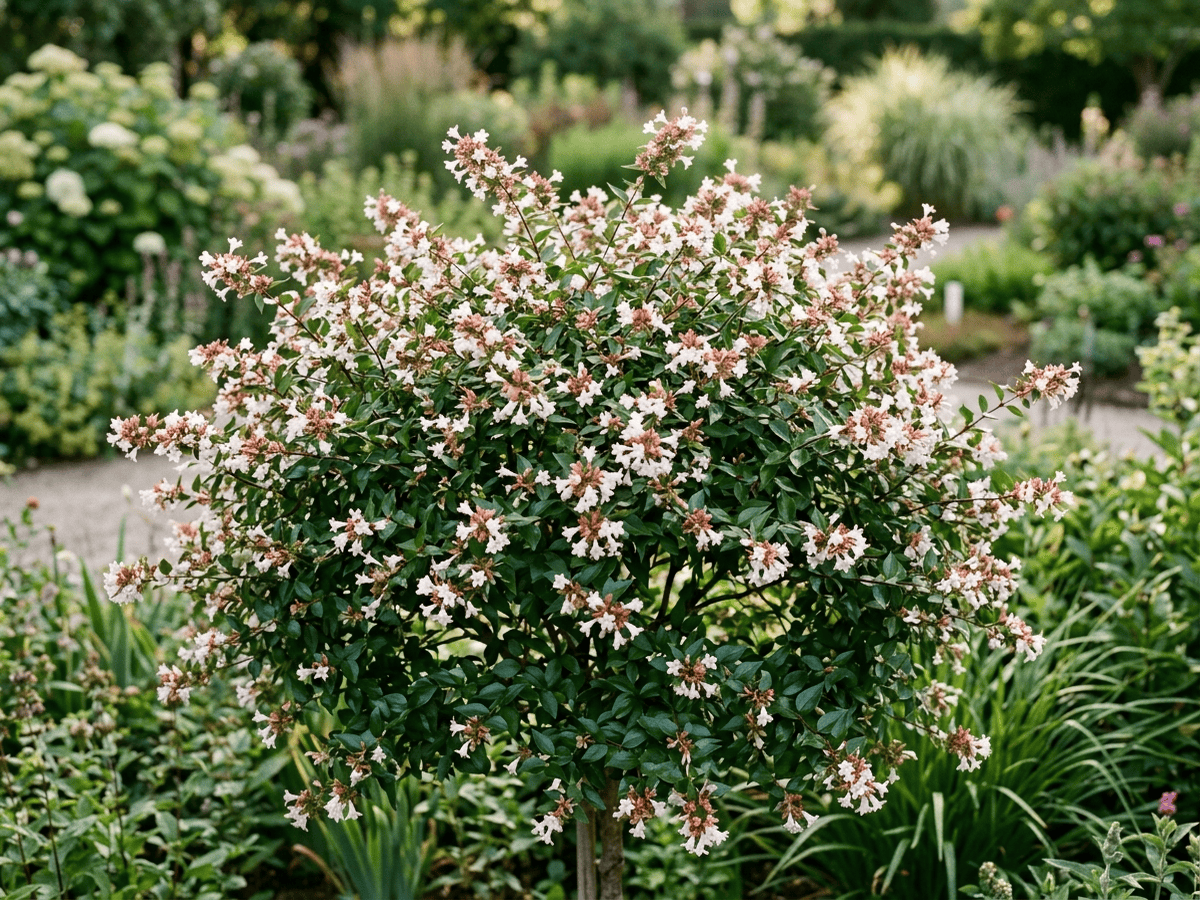 Glossy AbeliaAbelia x grandiflora
Frequently asked questions
How often should I water Old Blush?
In summer, water about every 5 days; in winter, about every 21 days. Adjust for heat, pot size and drainage.
How much light does Old Blush need?
Full sun: 6+ hrs direct. Watch the leaves — scorching or stretching means the light needs adjusting.
Is Old Blush toxic to cats or dogs?
Pets Safe (Dogs Safe · Cats Safe) Educational information, not medical or veterinary advice. If exposure is suspected, contact a doctor or veterinarian.
Is Old Blush easy to grow?
Yes — it is considered an easy, beginner-friendly plant.
When does Old Blush bloom?
It typically blooms May–Sep in the Northern Hemisphere.
YardMate
Identify any plant in seconds
Snap a photo — YardMate names the plant, diagnoses problems, and reminds you when to water.
Download on the App Store