 YardMate

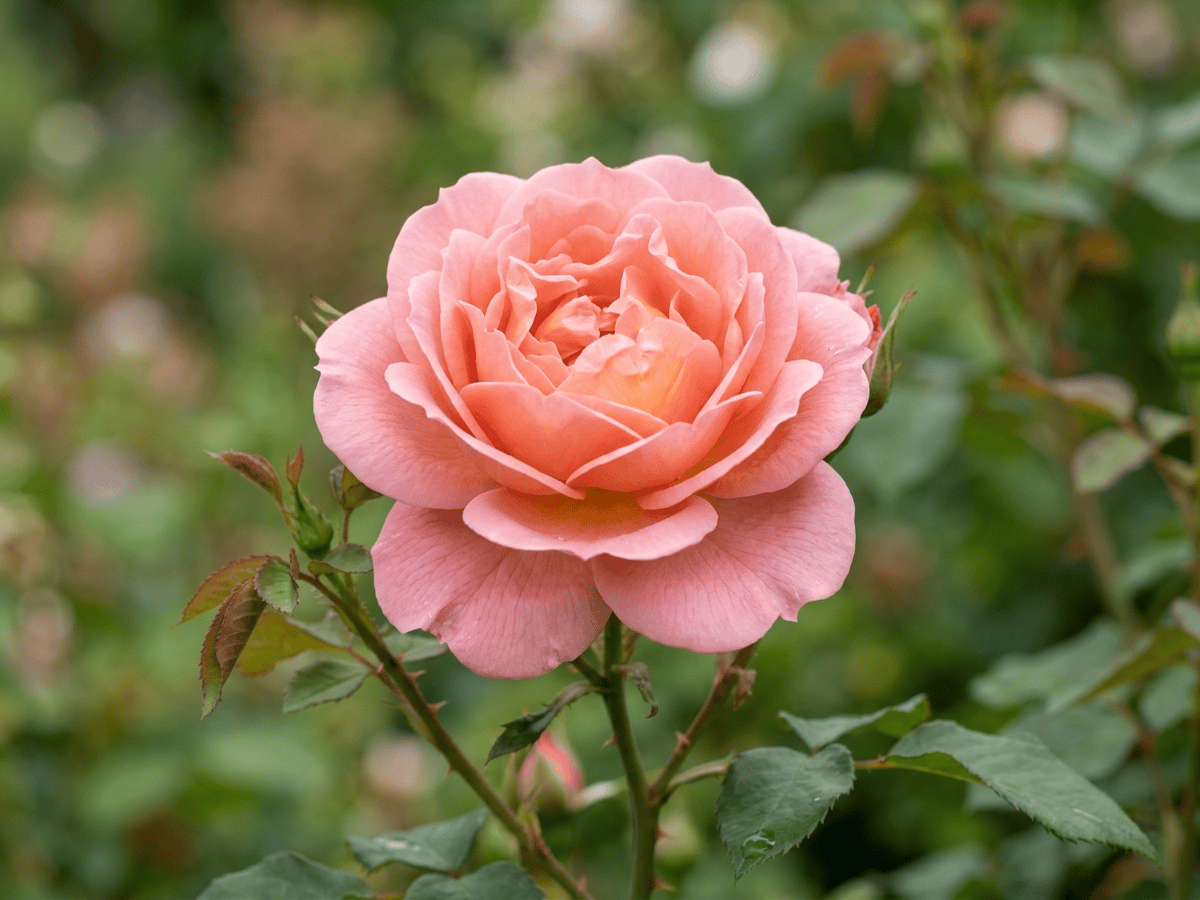


Paul Shirville
Rosa 'Paul Shirville'
Medium · Some experienceAbout Paul Shirville
Paul Shirville is a soft salmon-pink hybrid tea rose with rich sweet fragrance, producing 4-inch blooms with a slightly peachy flush on a spreading 3 to 4 foot bush. Bred by Harkness Roses in England, it has won multiple fragrance awards and is cherished in American gardens for its romantic coloring and intensely perfumed flowers.
- Fragrant
- Cut-flower
How to care for Paul Shirville
Watering
- Springevery 5 days
- Summerevery 3 days
- Fallevery 7 days
- Winterevery 14 days
Soil · Rich & loamy
- Top dressingBark mulch15%
- Main mixRich loam + compost 3:170%
- DrainageGravel15%
Use fully finished compost — fresh compost burns roots.
FERTILIZER
Balanced Feed 14-14-14
An even feed covers all three needs at once, keeping leaves, roots and blooms moving together with nothing pushed out of balance.
- Nitrogen · Leaves
- Phosphorus · Roots + Blooms
- Potassium · Strength
- Springevery 30 days
- Summerevery 30 days
- Fallevery 45 days
At a Glance
- NativeEurope
- Height3–4 ft (0.9–1.2 m)
- Spread2–3 ft (0.6–0.9 m)
- Flower colorPink, Coral
- Foliage colorGreen
- SoilLoamy, Well-drained, Rich
- LocationsYard
Bloom time
BLOOM CYCLE
Peak bloom
May–Sep
Deadhead for repeat bloom; prune late winter
Fragrance
STRONG FRAGRANCE
The flowers have a strong sweet honeyed fragrance.
Toxicity
Humans Slight
Unknown toxic principle
Slight
- Stem
- Contact
EXPOSURE Touching stems.
EFFECT Pricks from thorns.
NOTE Not toxic; thorns cause mechanical injury.
Safe
EXPOSURE No exposure route is reported.
EFFECT No toxic effect is reported.
NOTE Listed as non-toxic for dogs; avoid eating ornamental plants unless confirmed edible.
Safe
EXPOSURE No exposure route is reported.
EFFECT No toxic effect is reported.
NOTE Listed as non-toxic for cats; avoid eating ornamental plants unless confirmed edible.
Educational information, not medical or veterinary advice. If exposure is suspected, contact a doctor or veterinarian.
DISTRIBUTION


- Native
- Europe
History
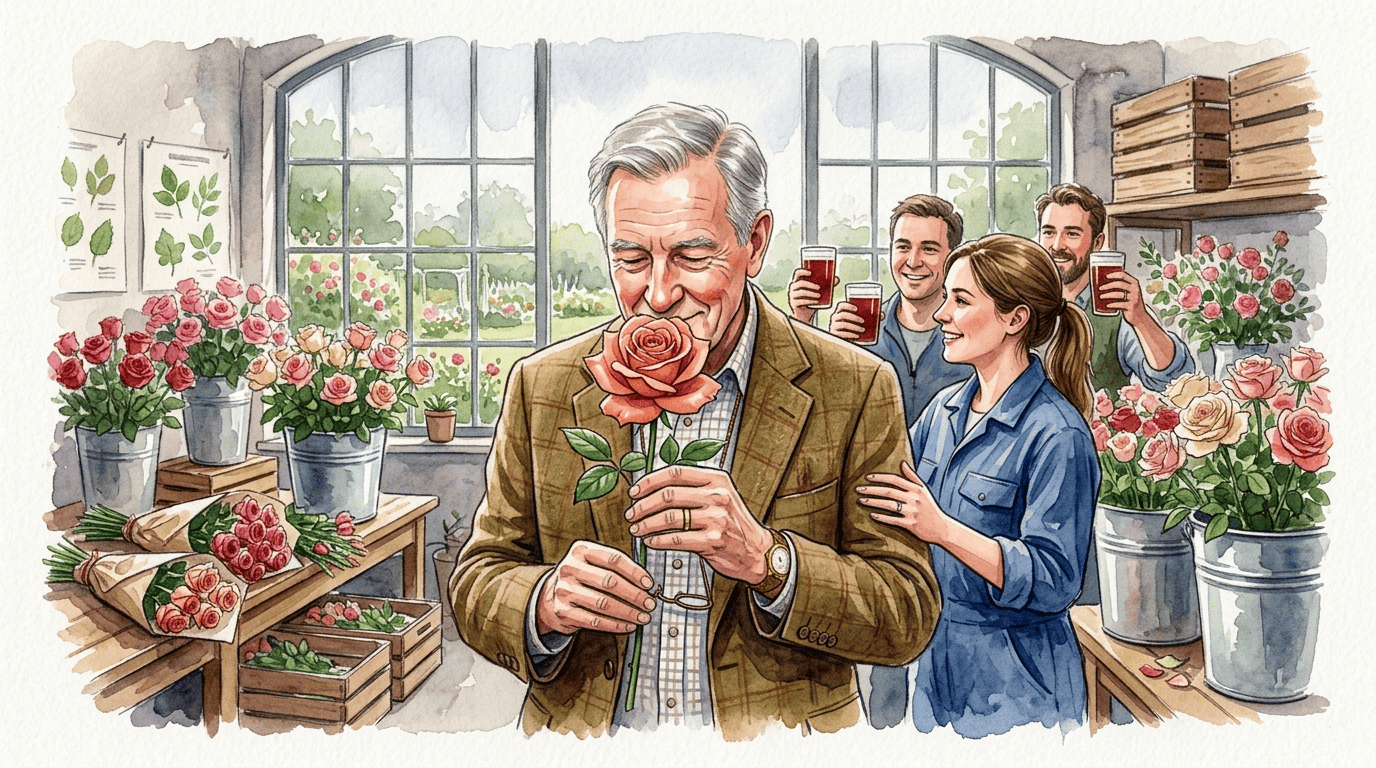
Rosa 'Paul Shirville' is a salmon-pink hybrid tea rose bred by Pat Dickson of Dickson Roses in Northern Ireland and released by Harkness Roses in Hertfordshire, England, in 1983 from a cross involving 'Compassion' and 'Mischief'. The name honored engineer Paul Shirville on his retirement from Harkness's distribution warehouse. The classic high-centered blooms open warm salmon-pink with coppery undertones and a strong, sweet, rich fragrance evoking traditional old-rose and honeyed fruit notes.
'Paul Shirville' won the Edland Fragrance Medal in 1982, the James Mason Gold Medal in 1989 (awarded every five years to a rose that has given great pleasure for at least fifteen years), and remains a popular British garden and cut-flower cultivar. Disease resistance and vigorous upright habit make it an excellent exhibition and landscape rose.
Named for a retired engineer and rose enthusiast, it remains a classic fragrance rose in both English and American gardens.
Symbolism & meaning
What It Symbolizes
Paul Shirville makes visible romantic devotion, its soft salmon-pink blooms paired with one of the sweetest fragrances among modern hybrid teas. Among rose enthusiasts it has become a quietly cherished classic, valued less for awards than for the steady pleasure of its scent in bouquets and bedside vases. This is a rose loved for the way it perfumes a room — romance offered through fragrance rather than declaration.
- Romance — soft salmon-pink with sweet fragrance
- Cherished — beloved fragrance rose
Where the Name Comes From
Named in 1983 for Paul Shirville, a British engineer and rose enthusiast.
Uses & Fun Facts
- Soft pink hybrid-tea flowers add sweet scent to cutting gardens
Related plants
More Rosa plants
 About FaceRosa 'About Face'
 Abraham DarbyRosa 'Abraham Darby'
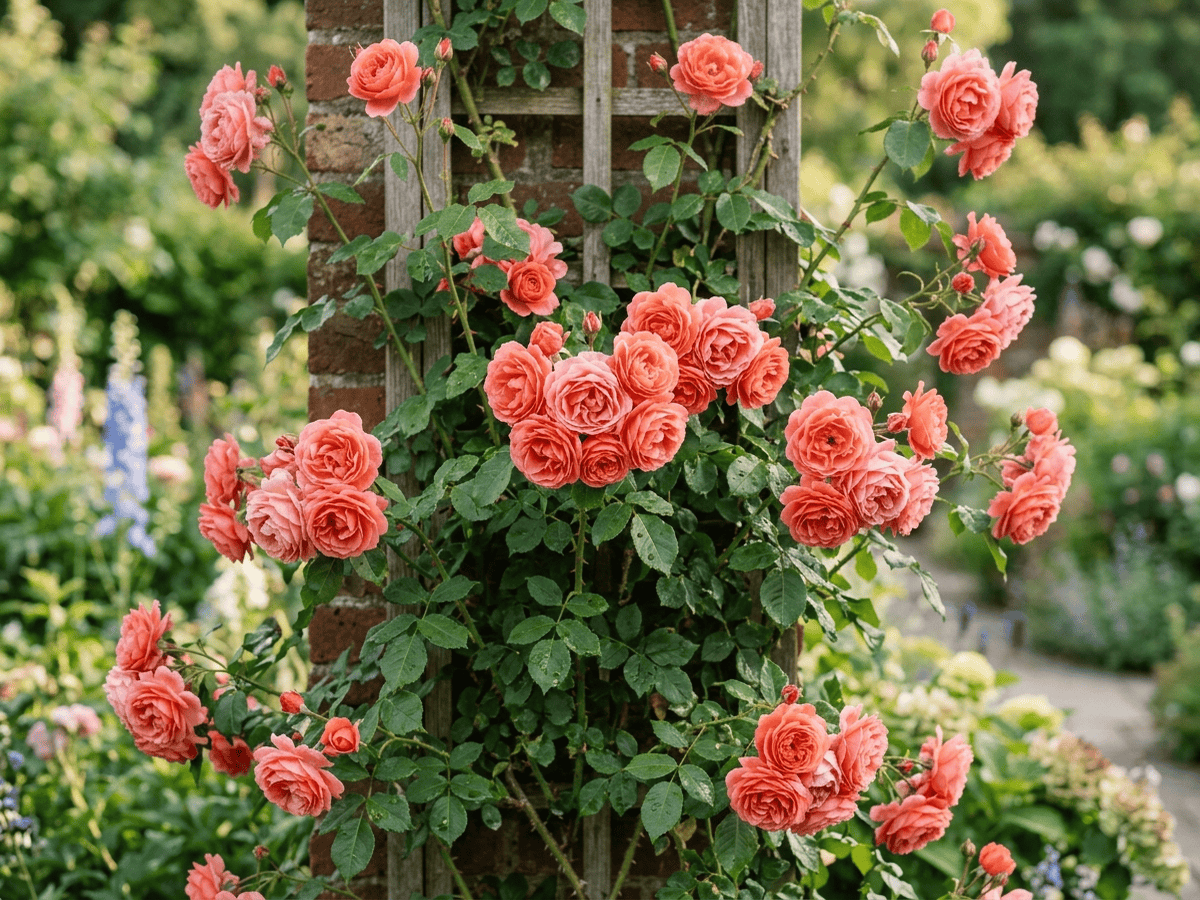 AmericaRosa 'America'
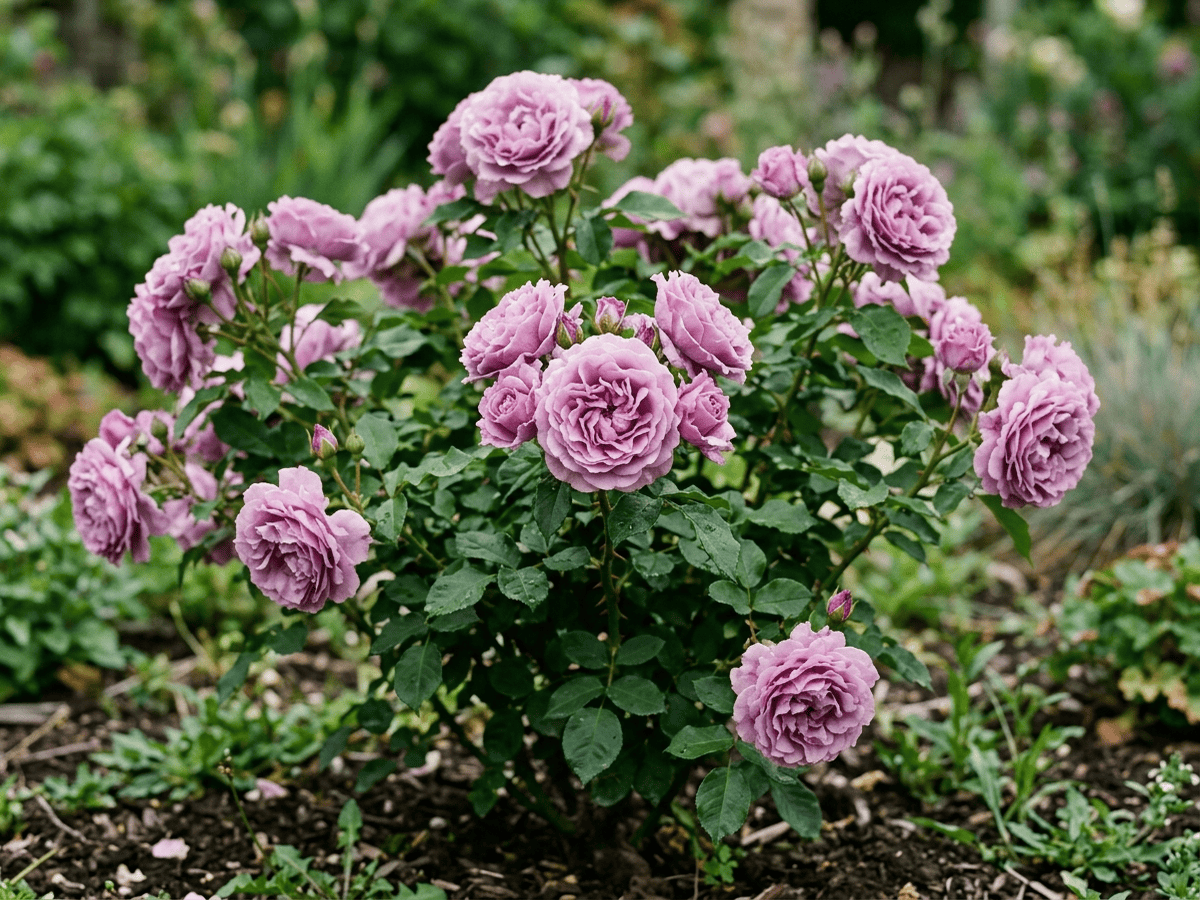 Angel FaceRosa 'Angel Face'
Plants with similar care
 Mexican AbeliaAbelia floribunda
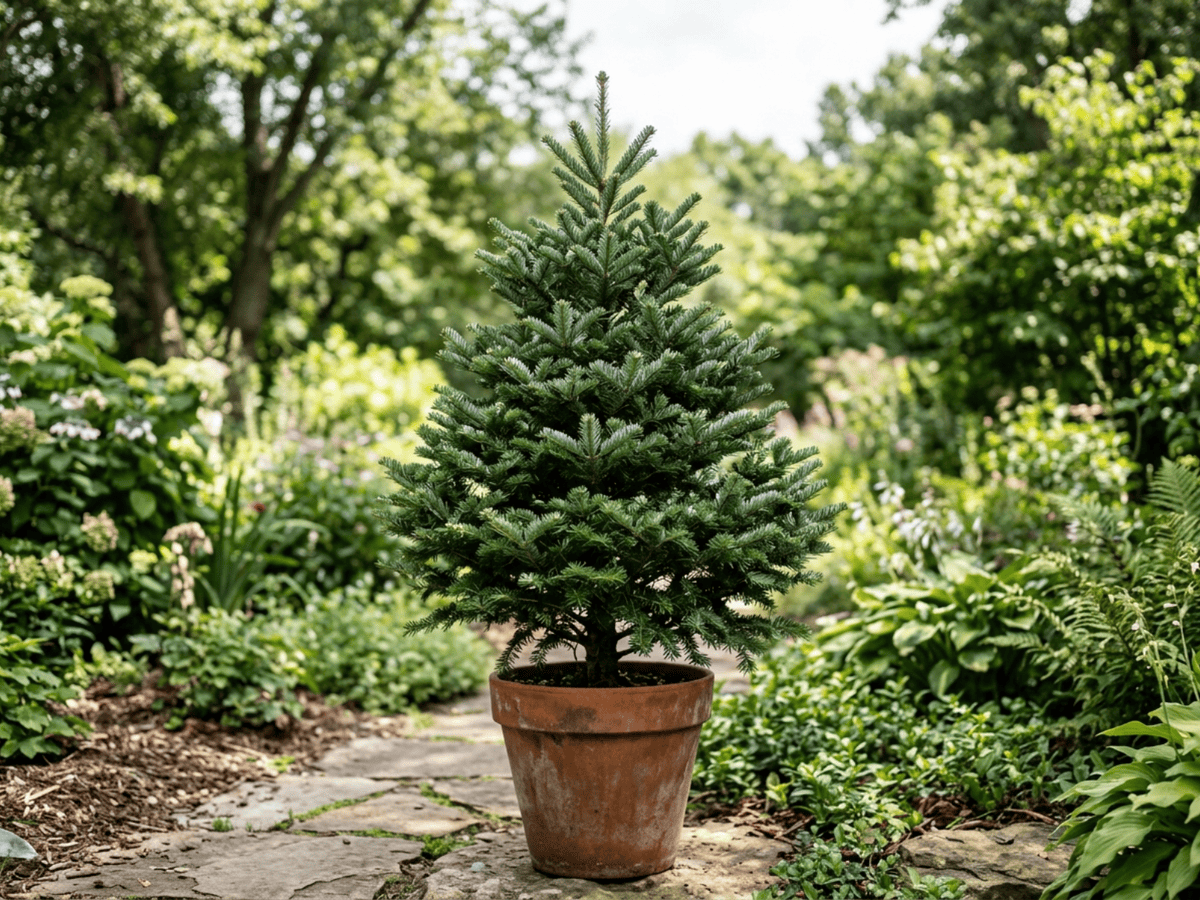 Fraser FirAbies fraseri
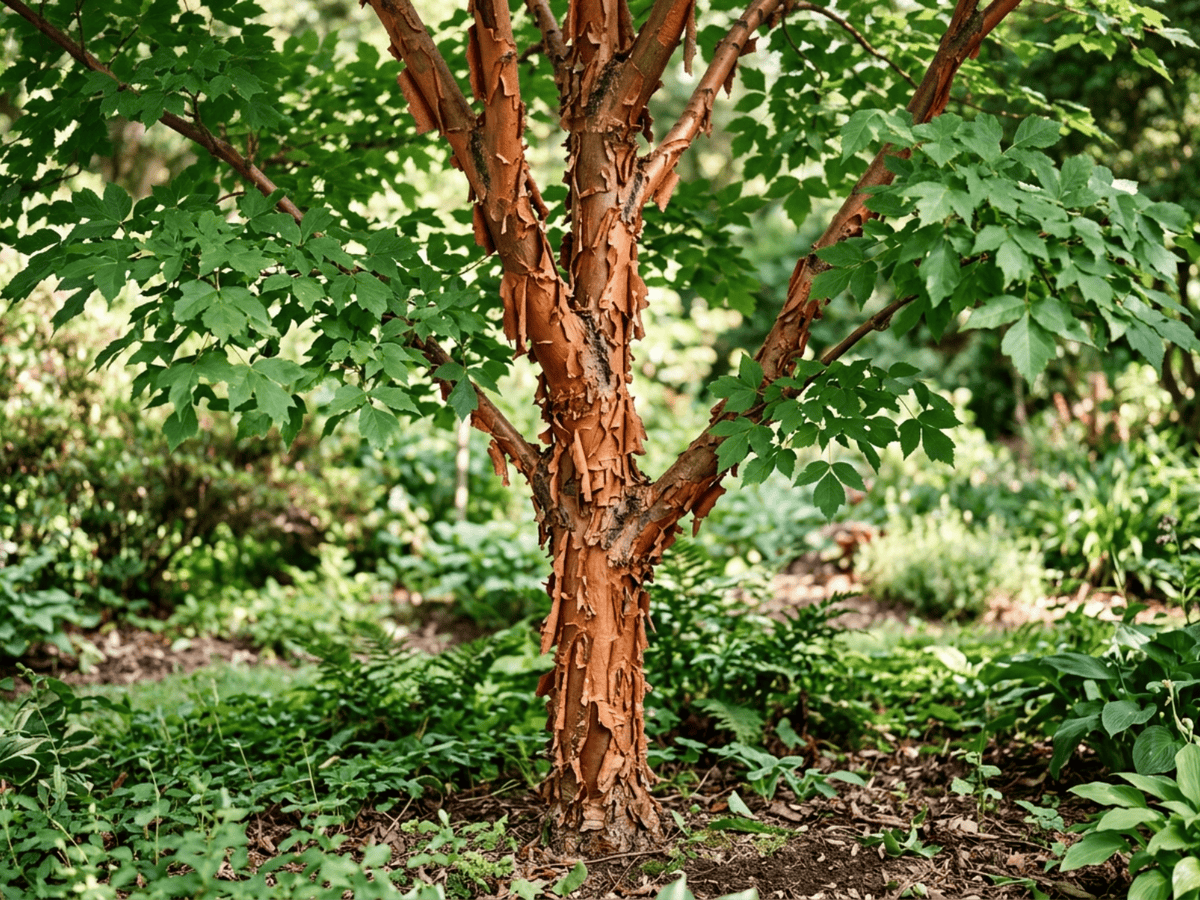 Paperbark MapleAcer griseum
 Sugar MapleAcer saccharum
Frequently asked questions
How often should I water Paul Shirville?
In summer, water about every 3 days; in winter, about every 14 days. Adjust for heat, pot size and drainage.
How much light does Paul Shirville need?
Full sun: 6+ hrs direct. Watch the leaves — scorching or stretching means the light needs adjusting.
Is Paul Shirville toxic to cats or dogs?
Pets Safe (Dogs Safe · Cats Safe) Educational information, not medical or veterinary advice. If exposure is suspected, contact a doctor or veterinarian.
Is Paul Shirville easy to grow?
It is moderately demanding: a good choice once you have a little experience.
When does Paul Shirville bloom?
It typically blooms May–Sep in the Northern Hemisphere.
YardMate
Identify any plant in seconds
Snap a photo — YardMate names the plant, diagnoses problems, and reminds you when to water.
Download on the App Store