 YardMate


Rugosa Rose
Rosa rugosa
Easy · Beginner friendlyAbout Rugosa Rose
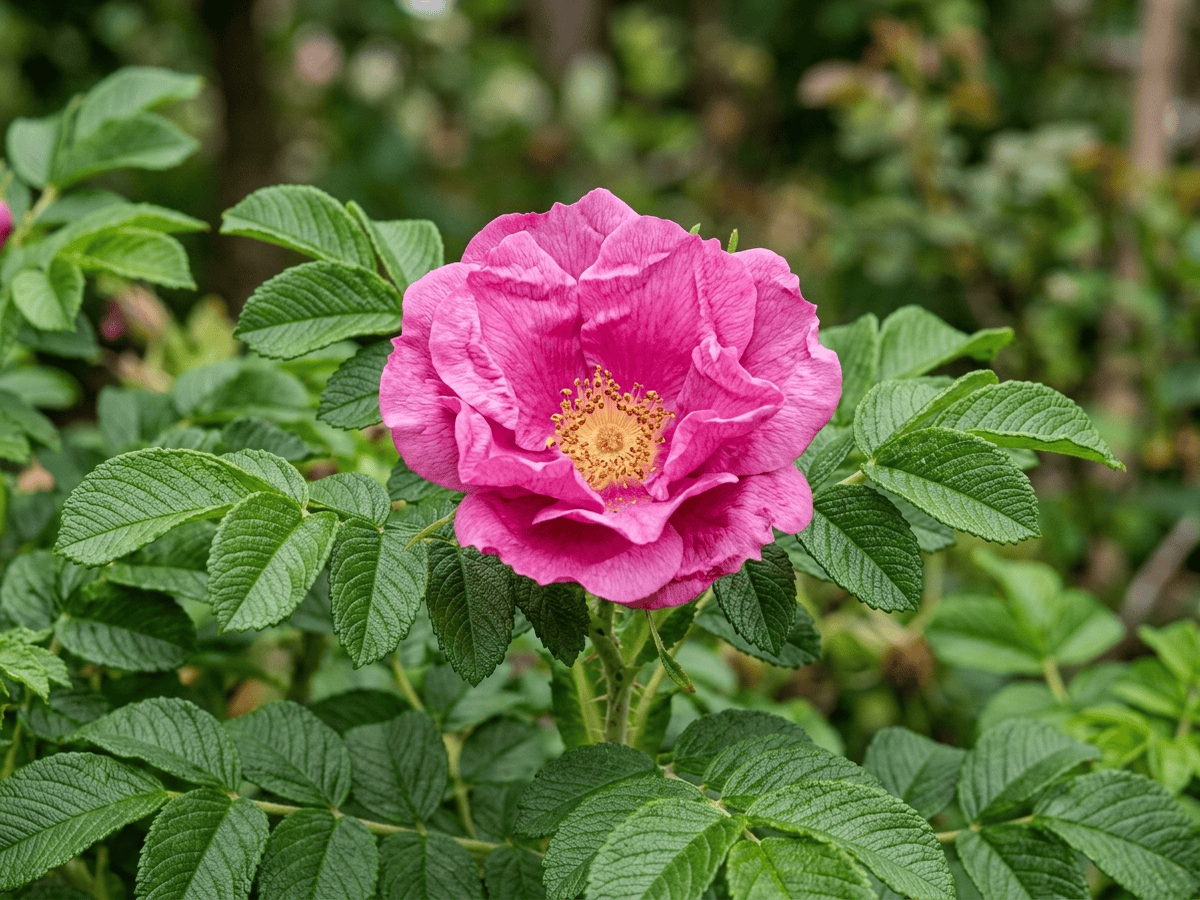
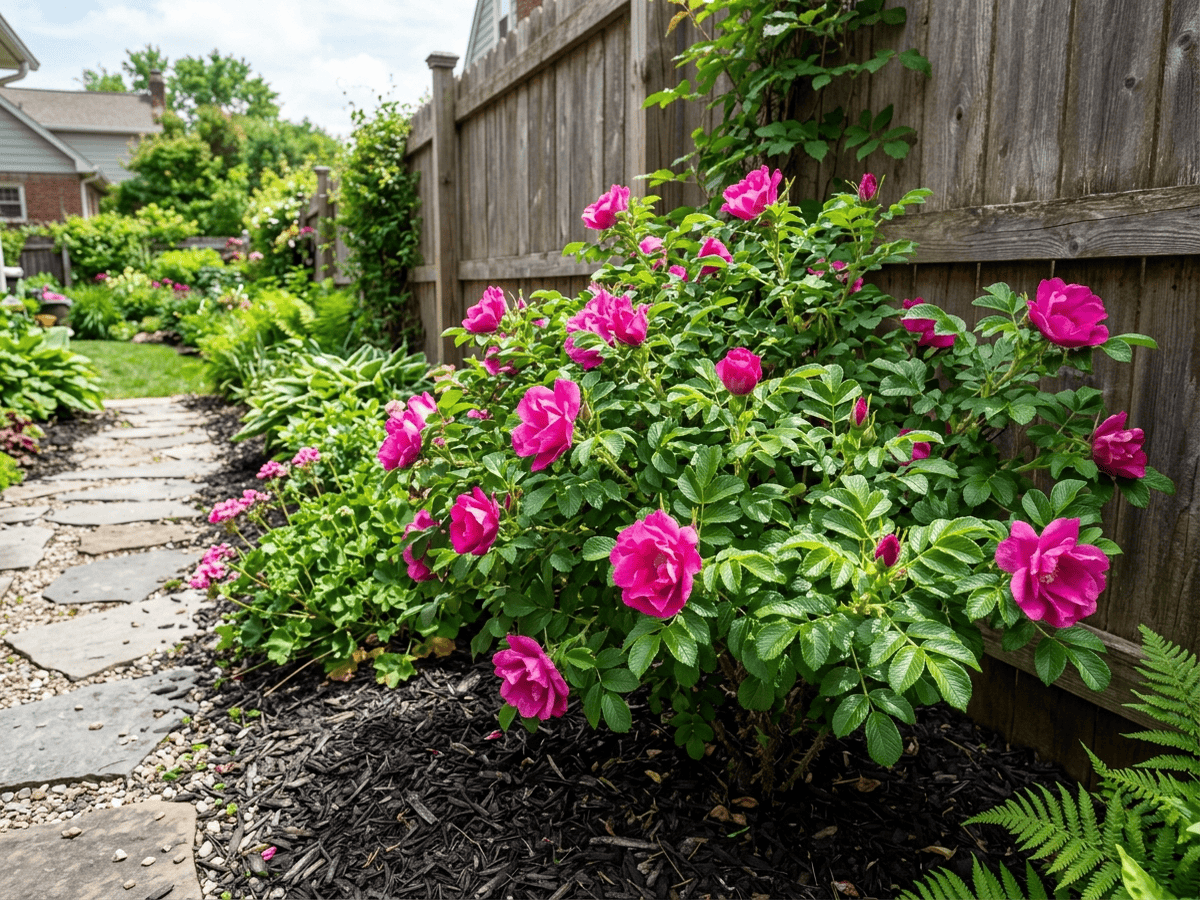
Rosa rugosa, the beach rose or rugosa rose, is an exceptionally tough, disease-resistant shrub rose with wrinkled (rugose) dark green leaves, fragrant single pink or white flowers, and large, tomato-shaped red hips. Native to coastal East Asia, it thrives in sandy soils, salt spray, and harsh winds where most roses would fail. The hips are among the richest natural sources of vitamin C — containing 20 times more than oranges — and are used for jams, teas, and skincare. It blooms repeatedly from spring to frost and requires almost no maintenance.
- Edible
- Fragrant
- Disease-resistant
How to care for Rugosa Rose
Watering
- Springevery 7 days
- Summerevery 5 days
- Fallevery 10 days
- Winterevery 21 days
Soil · Rich & well-draining
- Top dressingCompost10%
- Main mixPotting soil + compost 3:180%
- DrainageGravel10%
Top up the compost layer each season.
FERTILIZER
- Springevery 45 days
- Summerevery 45 days
At a Glance
- NativeEast Asia
- Height4–6 ft (1.2–1.8 m)
- Spread4–6 ft (1.2–1.8 m)
- Flower colorPink, White, Red
- Foliage colorGreen
- Fruit colorRed
- SoilLoamy, Well-drained, Sandy
- LocationsYard
Bloom time
BLOOM CYCLE
Peak bloom
May–Sep
Repeat-blooming; fragrant single flowers from spring to frost
Fragrance
STRONG FRAGRANCE
Exceptionally strong clove-spiced rose fragrance.
Toxicity
No toxicity has been reported for this plant. Still, it is wise to keep pets from chewing on any houseplant.
Educational information, not medical or veterinary advice. If exposure is suspected, contact a doctor or veterinarian.
DISTRIBUTION


- Native
- Introduced
- East Asia
History

Rosa rugosa is native to the coastal beaches and dunes of northeast Asia, from Japan and Korea to the Russian Far East and northeast China, where it has evolved extreme tolerance to salt spray, cold, and sandy soil. Introduced to Western horticulture in 1845, it became an important shrub rose for cold climates because it survives zone 2 winters — the hardiest of common roses. The highly wrinkled ('rugose') leaves give it its species name.
It has naturalized heavily on beaches in northern Europe, particularly Denmark, the Netherlands, and the UK, where it is now considered an invasive threat to native coastal vegetation. Its large red-orange hips are among the most nutritious rose hips, extremely rich in vitamin C, and are used commercially for jams, syrups, and herbal teas across Scandinavia. Scandinavians adopted it enthusiastically for coastal hedging, and 'nyponsoppa' (rose hip soup) is a traditional Swedish dessert.
During World War II, British children were organized to collect wild rose hips as a substitute for citrus fruit vitamin C, which was unavailable due to submarine blockades. The British government produced 'National Rose Hip Syrup,' and the tradition of valuing rose hips for nutrition continues in European herbal medicine. Non-toxic.
Symbolism & meaning
What It Symbolizes
Rugosa Rose suggests simplicity, its wild, unpretentious beauty paired with practical gifts — fragrant single flowers, vitamin-rich hips, and tough constitution against salt spray and sand. It carries the older meaning of honest, uncomplicated virtue, a rose unconcerned with the breeder's elaborate refinements. To grow it is to favor the rose at its most genuine: hardy, useful, and deeply itself.
- Simplicity — Its wild, unpretentious beauty and practical gifts represent honest, uncomplicated virtue
Where the Name Comes From
Rosa from Latin for rose. Rugosa means 'wrinkled,' describing the deeply veined, textured leaf surface.
Uses & Fun Facts
- Vitamin-C-rich rose hips used in jams, syrups, and teas
- Pink or white blooms release strong old-rose clove scent
- Suckering thorny shrub forms tough impenetrable seaside hedges
- Large red hips feed birds and small mammals in winter
Related plants
More Rosa plants
 About FaceRosa 'About Face'
 Abraham DarbyRosa 'Abraham Darby'
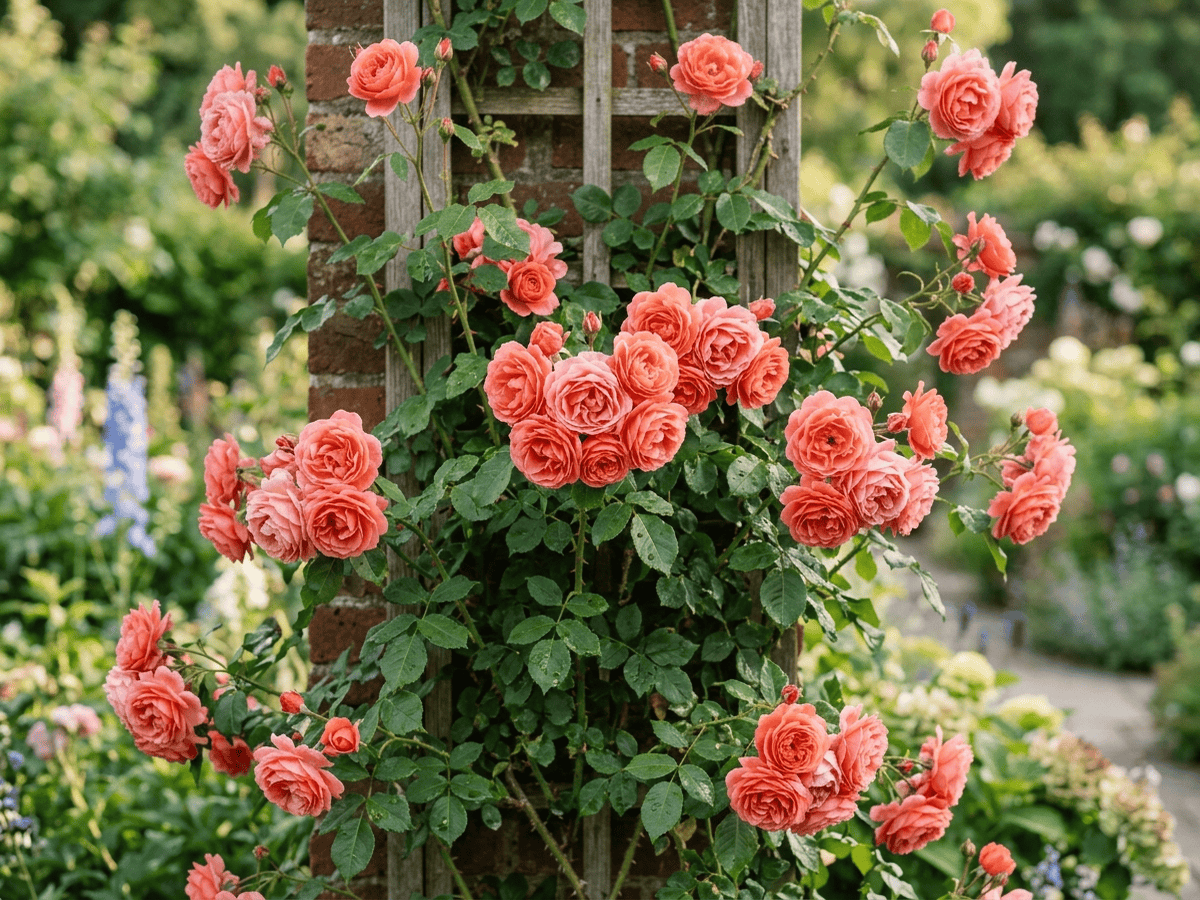 AmericaRosa 'America'
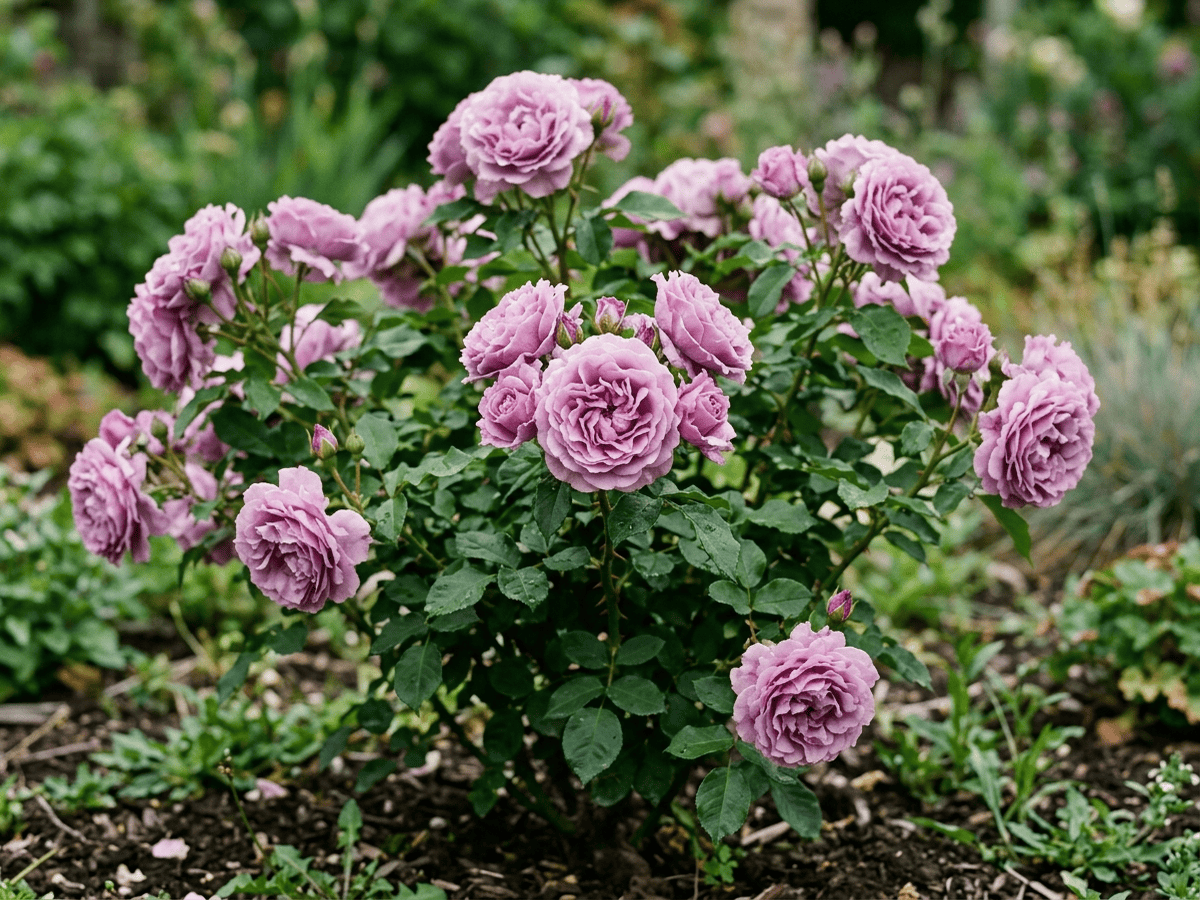 Angel FaceRosa 'Angel Face'
Plants with similar care
 Chinese AbeliaAbelia chinensis
 Fragrant AbeliaAbelia mosanensis
 Large-Flowered AbeliaAbelia uniflora
 Glossy AbeliaAbelia x grandiflora
Frequently asked questions
How often should I water Rugosa Rose?
In summer, water about every 5 days; in winter, about every 21 days. Adjust for heat, pot size and drainage.
How much light does Rugosa Rose need?
Full sun: 6+ hrs direct. Watch the leaves — scorching or stretching means the light needs adjusting.
Is Rugosa Rose toxic to cats or dogs?
No toxicity has been reported for this plant. Still, it is wise to keep pets from chewing on any houseplant. Educational information, not medical or veterinary advice. If exposure is suspected, contact a doctor or veterinarian.
Is Rugosa Rose easy to grow?
Yes — it is considered an easy, beginner-friendly plant.
When does Rugosa Rose bloom?
It typically blooms May–Sep in the Northern Hemisphere.
YardMate
Identify any plant in seconds
Snap a photo — YardMate names the plant, diagnoses problems, and reminds you when to water.
Download on the App Store