 YardMate


Simplicity
Rosa 'Simplicity'
Medium · Some experienceAbout Simplicity
Simplicity is a legendary medium-pink floribunda rose, marketed as 'the living fence,' producing clusters of 3-inch semi-double blooms from spring to frost on a vigorous 3 to 5 foot bush. Famously disease-resistant and nearly maintenance-free, it revolutionized American landscape rose gardening in the 1970s and remains a top hedge rose in home gardens nationwide.
- Long-blooming
How to care for Simplicity
Watering
- Springevery 5 days
- Summerevery 3 days
- Fallevery 7 days
- Winterevery 14 days
Soil · Rich & loamy
- Top dressingBark mulch15%
- Main mixRich loam + compost 3:170%
- DrainageGravel15%
Use fully finished compost — fresh compost burns roots.
FERTILIZER
Balanced Feed 14-14-14
An even feed covers all three needs at once, keeping leaves, roots and blooms moving together with nothing pushed out of balance.
- Nitrogen · Leaves
- Phosphorus · Roots + Blooms
- Potassium · Strength
- Springevery 30 days
- Summerevery 30 days
- Fallevery 45 days
At a Glance
- NativeNorth America
- Height3–5 ft (0.9–1.5 m)
- Spread2–4 ft (0.6–1.2 m)
- Flower colorPink
- Foliage colorGreen
- SoilLoamy, Well-drained, Rich
- LocationsYard
Bloom time
BLOOM CYCLE
Peak bloom
May–Sep
Deadhead clusters for repeat bloom; prune late winter; excellent for hedges
Fragrance
LIGHT FRAGRANCE
The flowers have a light tea scent.
Toxicity
Humans Slight
Unknown toxic principle
Slight
- Stem
- Contact
EXPOSURE Touching stems.
EFFECT Pricks from thorns.
NOTE Not toxic; thorns cause mechanical injury.
Safe
EXPOSURE No exposure route is reported.
EFFECT No toxic effect is reported.
NOTE Listed as non-toxic for dogs; avoid eating ornamental plants unless confirmed edible.
Safe
EXPOSURE No exposure route is reported.
EFFECT No toxic effect is reported.
NOTE Listed as non-toxic for cats; avoid eating ornamental plants unless confirmed edible.
Educational information, not medical or veterinary advice. If exposure is suspected, contact a doctor or veterinarian.
DISTRIBUTION


- Native
- North America
History

Rosa 'Simplicity' is a medium pink floribunda rose bred by American hybridizer William A. Warriner at Jackson & Perkins in Medford, Oregon, released in 1978 from a cross between an unnamed seedling and 'Iceberg'. Jackson & Perkins marketed the cultivar aggressively as the Living Fence rose, encouraging gardeners to plant rows of bare-root bushes as flowering hedges, and the campaign combined with 'Simplicity's' easy-care habit drove it to become one of the best-selling roses in North America through the 1980s and 1990s. The clusters of semi-double clear medium pink blooms appear continuously on upright vigorous plants with good disease resistance.
Light tea fragrance. Later sports including 'Red Simplicity', 'White Simplicity', and 'Yellow Simplicity' extended the series into other colours.
Bred by William Warriner at Jackson & Perkins and introduced in 1978. Marketed as 'the living fence' in the late 1970s, it revolutionized American home landscape design with its hedge-forming habit, disease resistance, and continuous bloom.
Symbolism & meaning
What It Symbolizes
The Simplicity rose was named for honest beauty — uncomplicated medium-pink blooms gathered in clusters along a tidy upright bush. As a living fence it revolutionized landscape rose use in the 1970s and 80s, marketed by Jackson & Perkins as a hedging rose for ordinary American yards. Its quiet democratic project: bring roses out of the rose garden and into the front-yard hedge.
- Honest beauty — simple pink blooms
- Living fence — revolutionized landscape rose use
Where the Name Comes From
Named 'Simplicity' for the simple classic pink flowers and simple care requirements.
Uses & Fun Facts
- Pink floribunda trained as a flowering rose hedge along driveways
- Long-blooming Jackson and Perkins landscape rose for mass plantings
- Soft-pink floribunda sprays add airy color to summer bouquets
Related plants
More Rosa plants
 About FaceRosa 'About Face'
 Abraham DarbyRosa 'Abraham Darby'
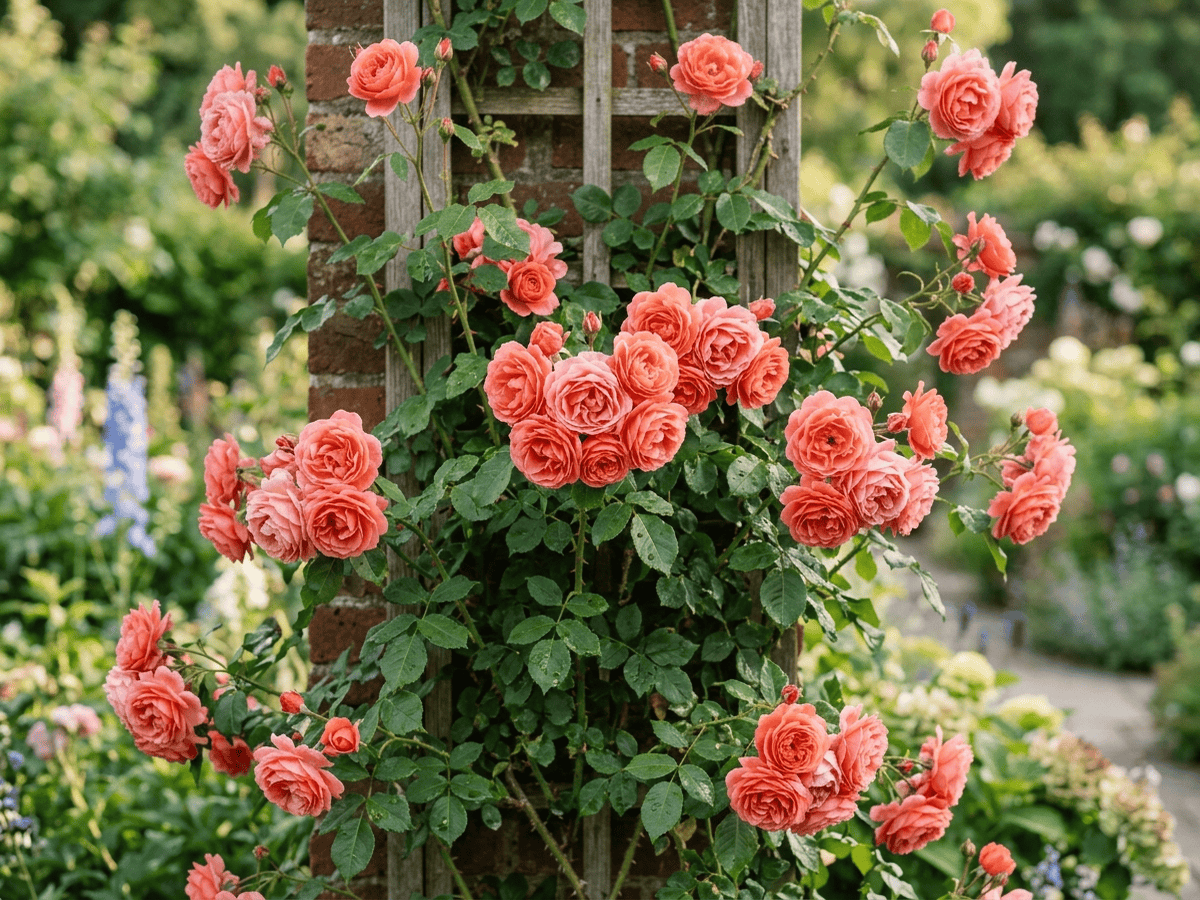 AmericaRosa 'America'
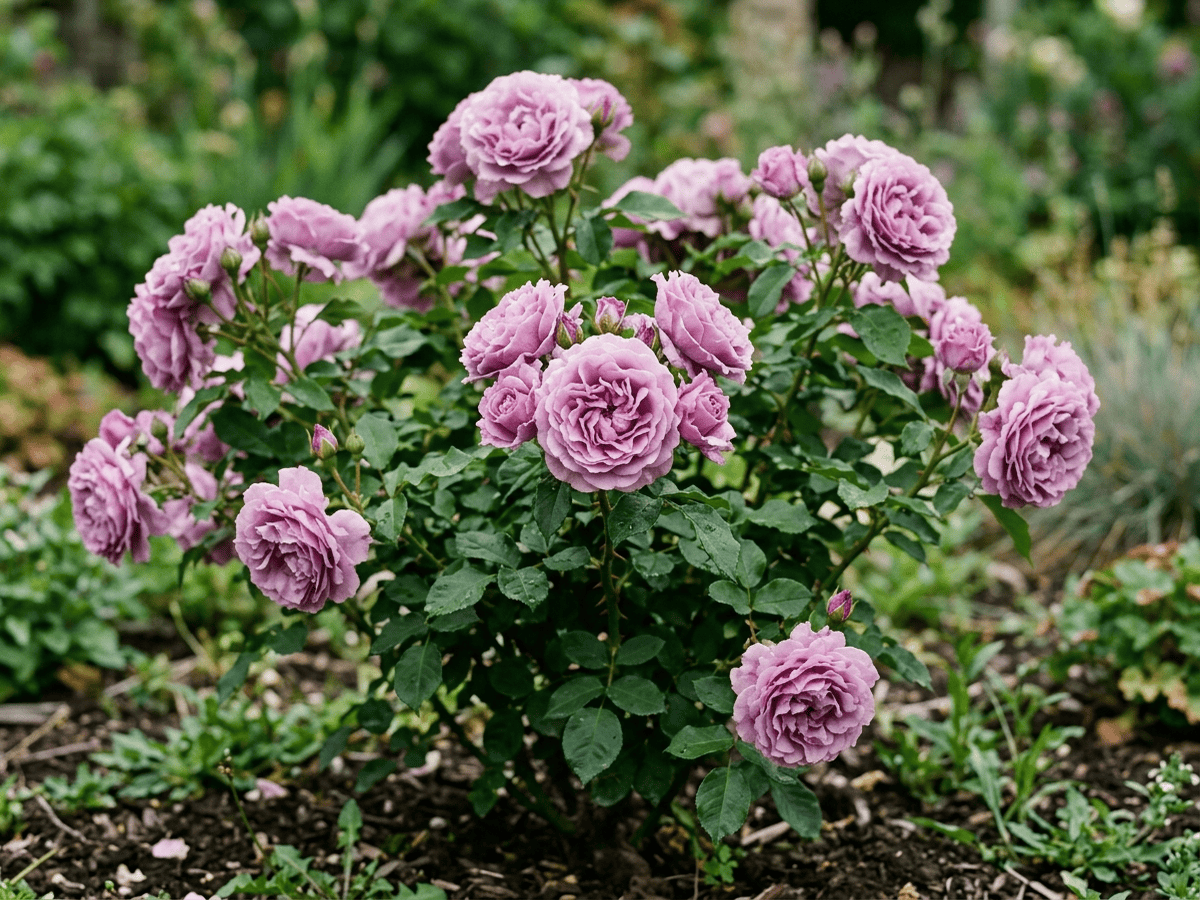 Angel FaceRosa 'Angel Face'
Plants with similar care
 Mexican AbeliaAbelia floribunda
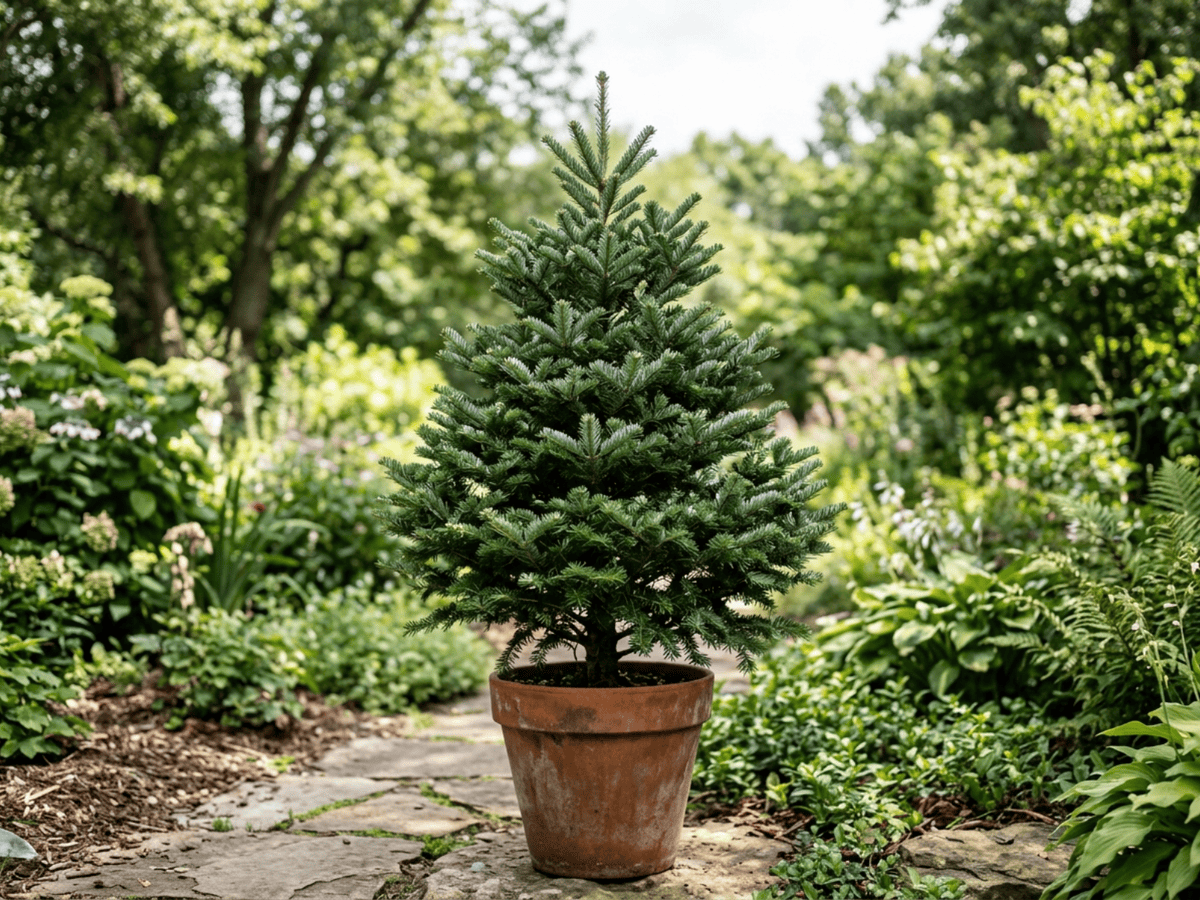 Fraser FirAbies fraseri
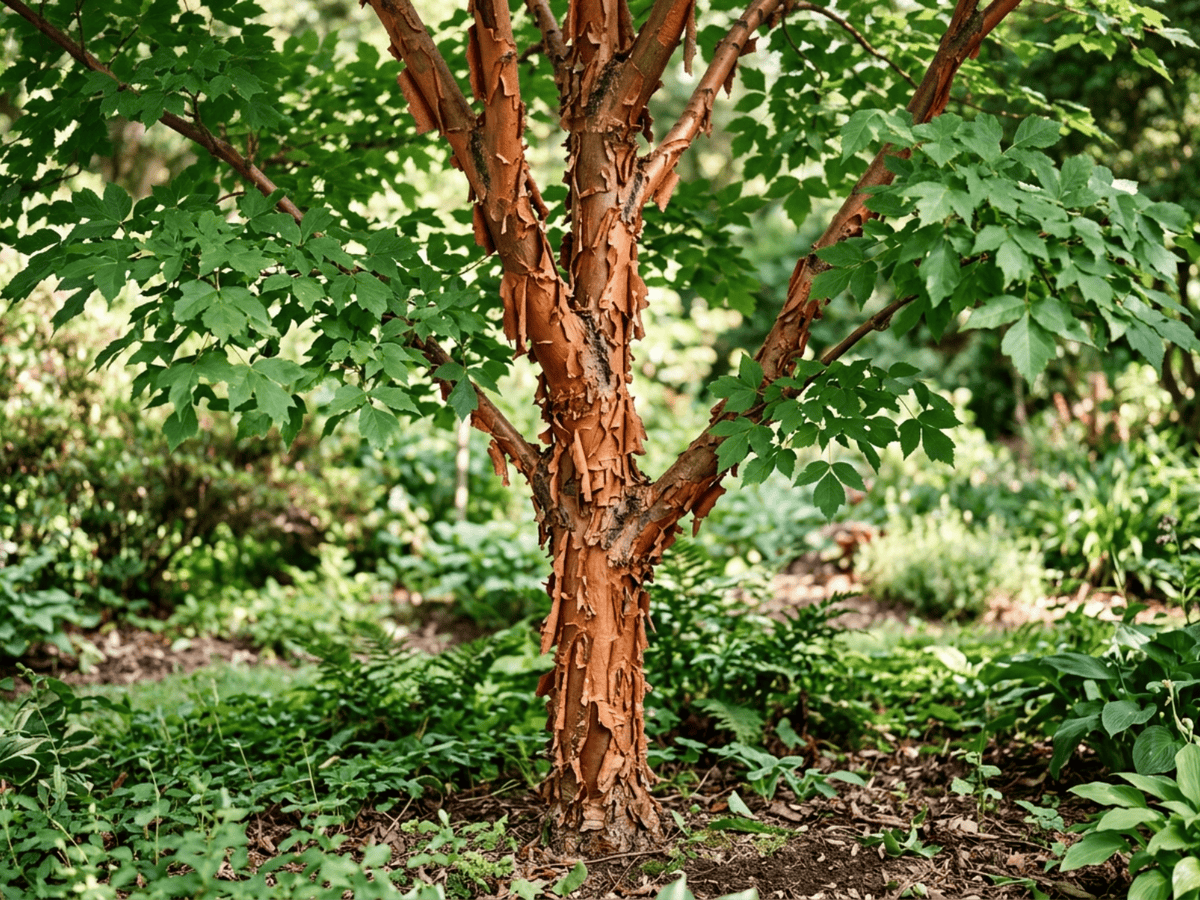 Paperbark MapleAcer griseum
 Sugar MapleAcer saccharum
Frequently asked questions
How often should I water Simplicity?
In summer, water about every 3 days; in winter, about every 14 days. Adjust for heat, pot size and drainage.
How much light does Simplicity need?
Full sun: 6+ hrs direct. Watch the leaves — scorching or stretching means the light needs adjusting.
Is Simplicity toxic to cats or dogs?
Pets Safe (Dogs Safe · Cats Safe) Educational information, not medical or veterinary advice. If exposure is suspected, contact a doctor or veterinarian.
Is Simplicity easy to grow?
It is moderately demanding: a good choice once you have a little experience.
When does Simplicity bloom?
It typically blooms May–Sep in the Northern Hemisphere.
YardMate
Identify any plant in seconds
Snap a photo — YardMate names the plant, diagnoses problems, and reminds you when to water.
Download on the App Store