 YardMate


Tea Clipper
Rosa 'Tea Clipper'
Medium · Some experienceAbout Tea Clipper
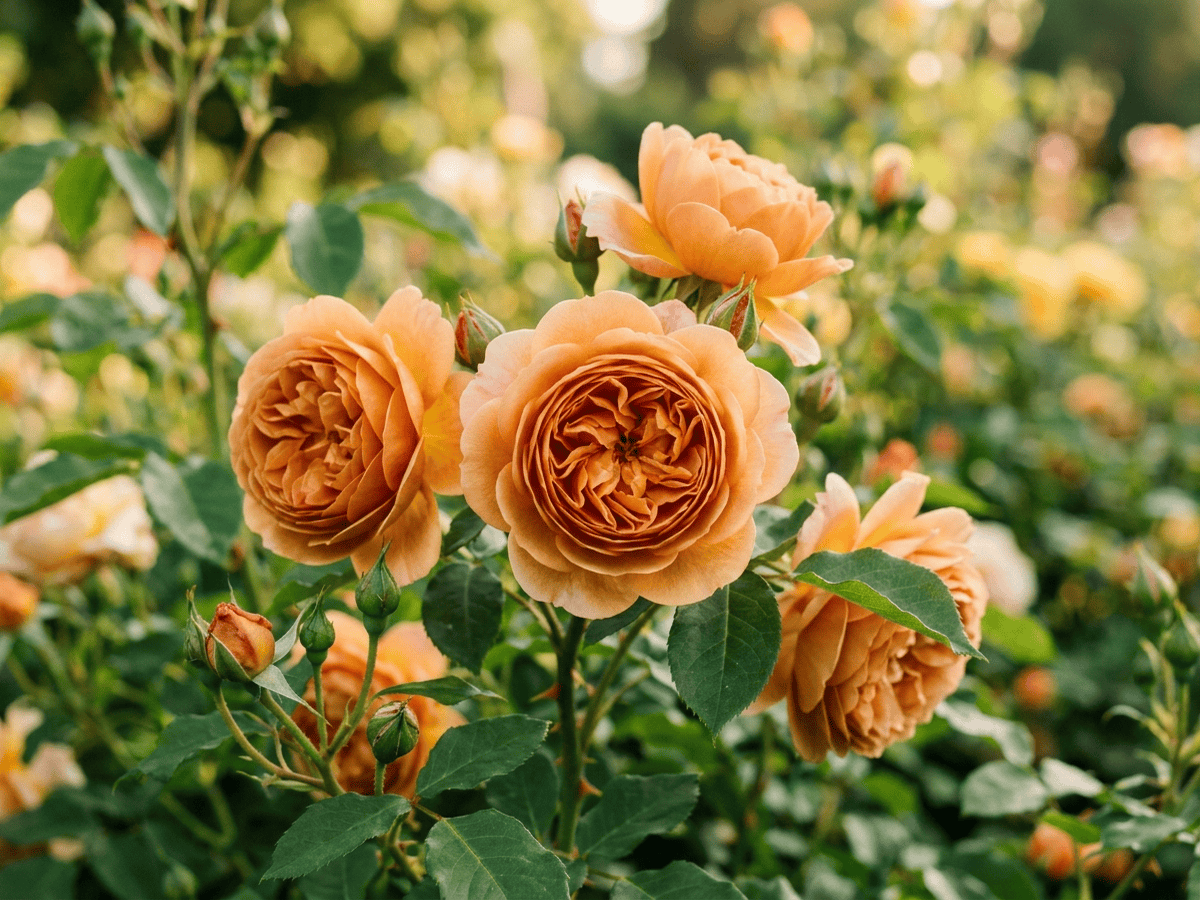
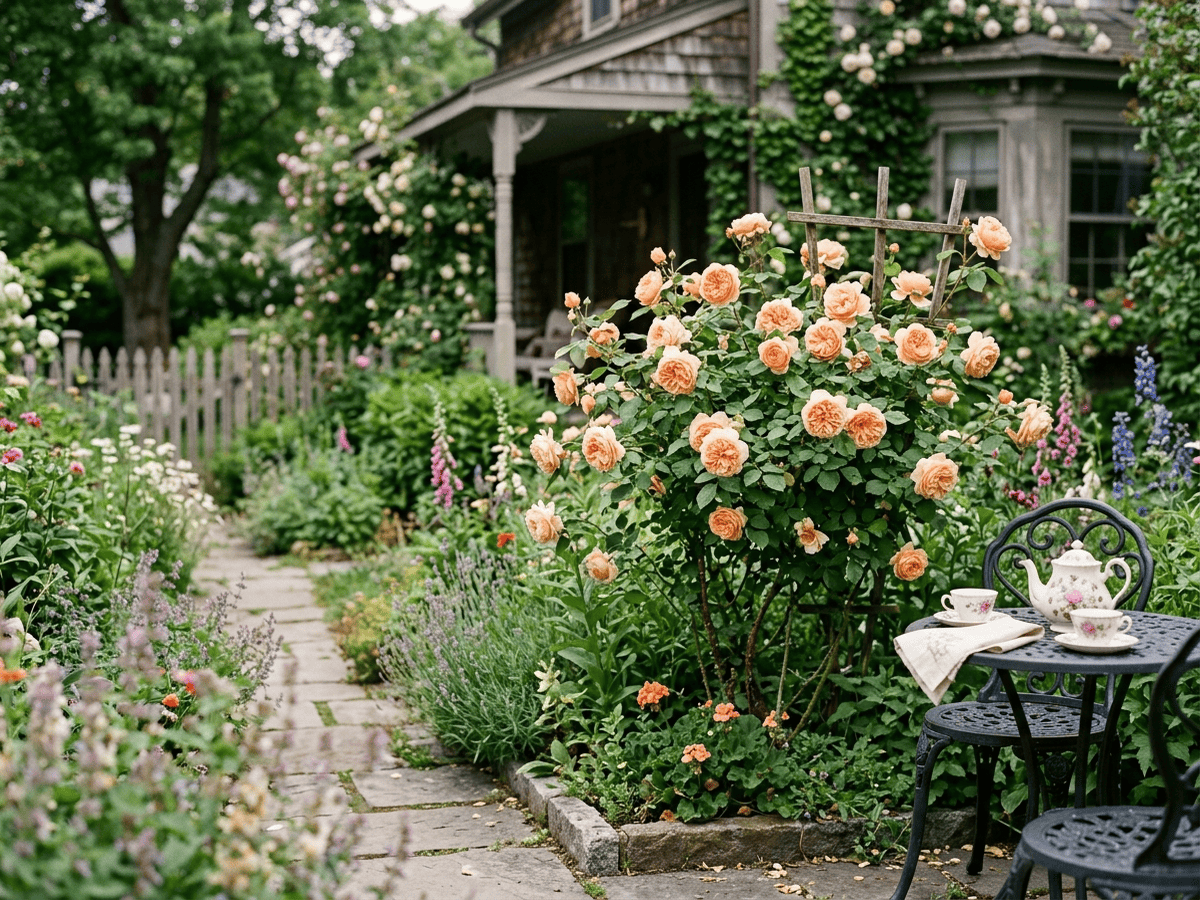
Tea Clipper is a David Austin English rose introduced in 2006, producing large apricot-pink fully-rosette blooms with a rich tea and myrrh fragrance. Growing 4 to 5 feet in a bushy shrub or trainable as a short climber, it blooms heavily from late spring through fall. The warm apricot tones and strong fragrance make it a favorite Austin rose for American cottage and English-style gardens.
- Fragrant
- Long-blooming
How to care for Tea Clipper
Watering
- Springevery 5 days
- Summerevery 3 days
- Fallevery 7 days
- Winterevery 14 days
Soil · Rich & loamy
- Top dressingBark mulch15%
- Main mixRich loam + compost 3:170%
- DrainageGravel15%
Use fully finished compost — fresh compost burns roots.
FERTILIZER
Balanced Feed 14-14-14
An even feed covers all three needs at once, keeping leaves, roots and blooms moving together with nothing pushed out of balance.
- Nitrogen · Leaves
- Phosphorus · Roots + Blooms
- Potassium · Strength
- Springevery 30 days
- Summerevery 30 days
- Fallevery 45 days
At a Glance
- Height4–5 ft (1.2–1.5 m)
- Spread3–4 ft (0.9–1.2 m)
- Flower colorOrange, Yellow
- Foliage colorGreen
- SoilWell-drained, Loamy, Rich
- LocationsYard
Bloom time
BLOOM CYCLE
Peak bloom
May–Sep
Apricot rosette blooms with tea-myrrh scent, deadhead for repeat
Fragrance
STRONG FRAGRANCE
Tea and myrrh with citrus notes.
Toxicity
Humans Slight
Unknown toxic principle
Slight
- Stem
- Contact
EXPOSURE Touching stems.
EFFECT Pricks from thorns.
NOTE Not toxic; thorns cause mechanical injury.
Safe
EXPOSURE No exposure route is reported.
EFFECT No toxic effect is reported.
NOTE Listed as non-toxic for dogs; avoid eating ornamental plants unless confirmed edible.
Safe
EXPOSURE No exposure route is reported.
EFFECT No toxic effect is reported.
NOTE Listed as non-toxic for cats; avoid eating ornamental plants unless confirmed edible.
Educational information, not medical or veterinary advice. If exposure is suspected, contact a doctor or veterinarian.
History

Rosa 'Tea Clipper' is an apricot-yellow English shrub rose bred by David Austin at Albrighton, England, released in 2006 from proprietary parentage. Austin named the cultivar for the legendary nineteenth-century clipper ships, the Cutty Sark, Thermopylae, Taeping, and others, that raced the new China tea crop back to London docks for premium prices, and the rose's warm fragrance recalls both rich tea and the fragrant spices those ships carried. The fully double quartered cupped blooms, ten centimeters across, open in warm shades of apricot and soft yellow, with a strong distinctive tea-and-myrrh fragrance and soft citrus notes.
The tall upright plant reaches 1.5 meters and blooms continuously from late spring to hard frost, with good disease resistance and reliable repeat. A late-mid Austin introduction that suits mixed borders and back-of-border placement where height is welcome.
Bred by David Austin and introduced in 2006, Tea Clipper honors the fast sailing ships that carried tea from China to England in the 19th century. Its warm apricot tones and tea fragrance perfectly evoke its namesake, and it has become a beloved Austin rose in American cottage gardens.
Symbolism & meaning
What It Symbolizes
Tea Clipper Rose carries a Voyage of romance — David Austin named it for the swift nineteenth-century clipper ships that raced tea across oceans to British ports. Its Tea warmth lives in apricot-tinted blooms that release a tea-and-myrrh fragrance, drifting like cargo unloaded on a London quay. A rose that smells, faintly, of a vanished maritime world.
- Voyage of romance — honors 19th-century tea clipper ships
- Tea warmth — apricot tones and tea-myrrh scent
Where the Name Comes From
Named for 19th-century tea clipper sailing ships that raced tea from China to England, referencing the rose's tea fragrance.
Uses & Fun Facts
- Apricot blooms carry strong tea-and-myrrh fragrance
- English rose form ideal for vintage-style arrangements
- Tall David Austin shrub for mixed borders
Related plants
More Rosa plants
 About FaceRosa 'About Face'
 Abraham DarbyRosa 'Abraham Darby'
 AmericaRosa 'America'
 Angel FaceRosa 'Angel Face'
Plants with similar care
 Mexican AbeliaAbelia floribunda
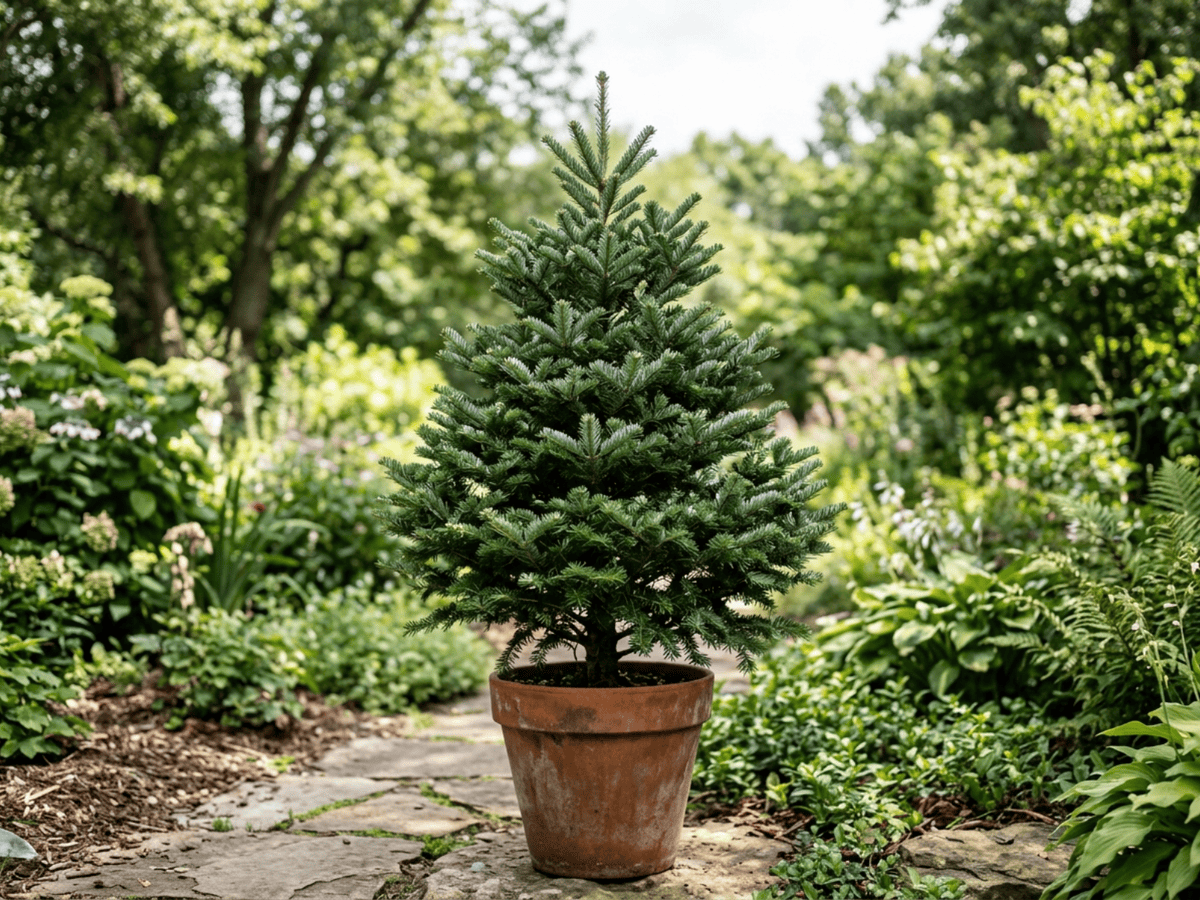 Fraser FirAbies fraseri
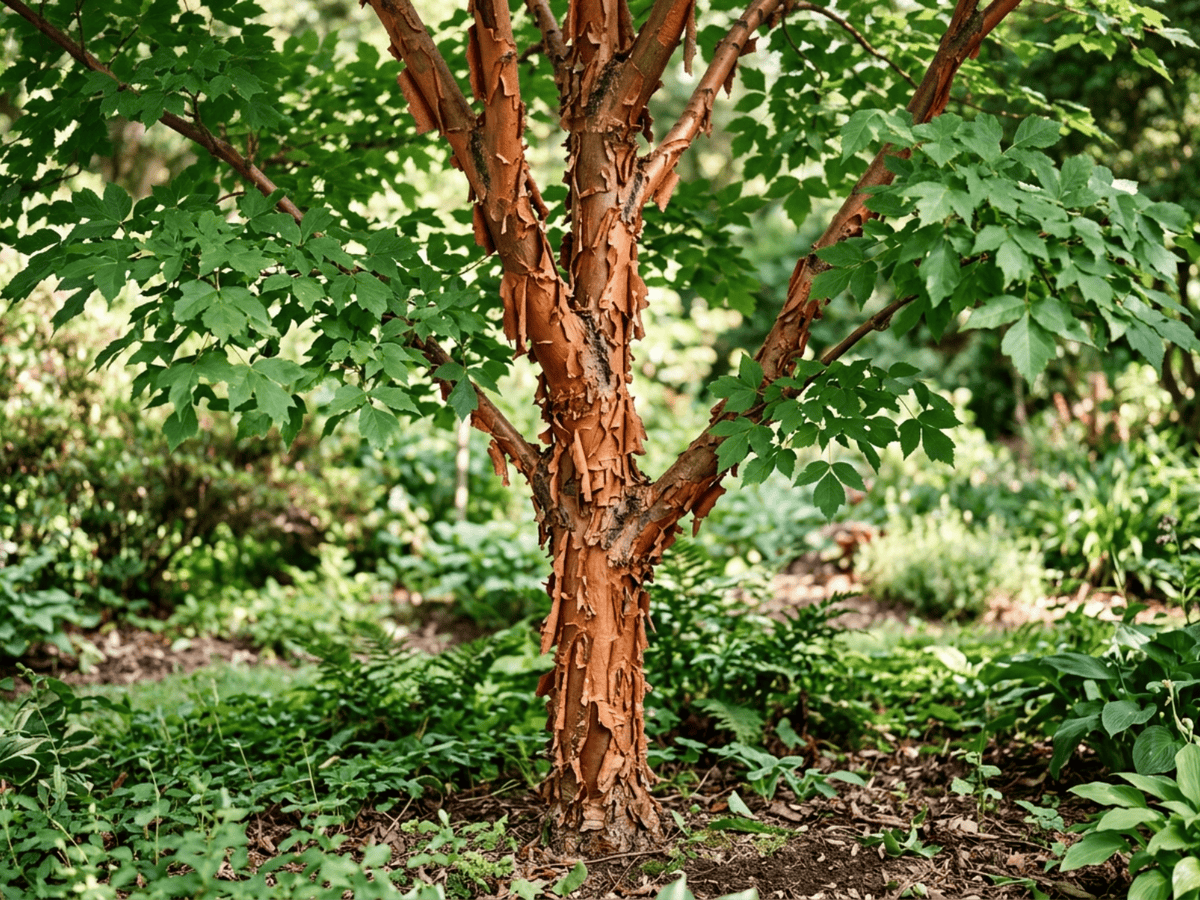 Paperbark MapleAcer griseum
 Sugar MapleAcer saccharum
Frequently asked questions
How often should I water Tea Clipper?
In summer, water about every 3 days; in winter, about every 14 days. Adjust for heat, pot size and drainage.
How much light does Tea Clipper need?
Full sun: 6+ hrs direct. Watch the leaves — scorching or stretching means the light needs adjusting.
Is Tea Clipper toxic to cats or dogs?
Pets Safe (Dogs Safe · Cats Safe) Educational information, not medical or veterinary advice. If exposure is suspected, contact a doctor or veterinarian.
Is Tea Clipper easy to grow?
It is moderately demanding: a good choice once you have a little experience.
When does Tea Clipper bloom?
It typically blooms May–Sep in the Northern Hemisphere.
YardMate
Identify any plant in seconds
Snap a photo — YardMate names the plant, diagnoses problems, and reminds you when to water.
Download on the App Store