 YardMate


Tropicana
Rosa 'Tropicana'
Medium · Some experienceAbout Tropicana
Tropicana is a revolutionary fluorescent orange hybrid tea rose that introduced true orange color to modern roses, producing 5-inch high-centered blooms with a sweet fruity fragrance. Growing 4 to 5 feet tall with glossy dark foliage, this 1963 AARS winner glows intensely in the garden and remains among the most famous orange roses ever bred.
- Fragrant
- Cut-flower
How to care for Tropicana
Watering
- Springevery 5 days
- Summerevery 3 days
- Fallevery 7 days
- Winterevery 14 days
Soil · Rich & loamy
- Top dressingBark mulch15%
- Main mixRich loam + compost 3:170%
- DrainageGravel15%
Use fully finished compost — fresh compost burns roots.
FERTILIZER
Balanced Feed 14-14-14
An even feed covers all three needs at once, keeping leaves, roots and blooms moving together with nothing pushed out of balance.
- Nitrogen · Leaves
- Phosphorus · Roots + Blooms
- Potassium · Strength
- Springevery 30 days
- Summerevery 30 days
- Fallevery 45 days
At a Glance
- NativeEurope
- Height4–5 ft (1.2–1.5 m)
- Spread2–3 ft (0.6–0.9 m)
- Flower colorOrange, Coral, Red
- Foliage colorGreen
- SoilLoamy, Well-drained, Rich
- LocationsYard
Bloom time
BLOOM CYCLE
Peak bloom
May–Sep
Deadhead for repeat bloom; prune late winter
Fragrance
STRONG FRAGRANCE
The flowers have a strong fruity scent.
Toxicity
Humans Slight
Unknown toxic principle
Slight
- Stem
- Contact
EXPOSURE Touching stems.
EFFECT Pricks from thorns.
NOTE Not toxic; thorns cause mechanical injury.
Safe
EXPOSURE No exposure route is reported.
EFFECT No toxic effect is reported.
NOTE Listed as non-toxic for dogs; avoid eating ornamental plants unless confirmed edible.
Safe
EXPOSURE No exposure route is reported.
EFFECT No toxic effect is reported.
NOTE Listed as non-toxic for cats; avoid eating ornamental plants unless confirmed edible.
Educational information, not medical or veterinary advice. If exposure is suspected, contact a doctor or veterinarian.
DISTRIBUTION


- Native
- Europe
History

Rosa 'Tropicana' is a vibrant coral-orange hybrid tea rose bred by German hybridizer Mathias Tantau Jr. at Uetersen, released in Europe in 1960 under the name 'Super Star'. Its fluorescent pinkish-coral color, unlike anything previously seen in roses, created an international sensation: the cultivar won the Royal National Rose Society's President's International Trophy in 1960, the All-America Rose Selections award in 1963 (sold in North America as 'Tropicana'), and was inducted into the World Federation of Rose Societies Hall of Fame in 1988. The high-centered blooms open on long stems making it a premier cut flower, and a strong fruity fragrance earned it the Fragrance Award in 1964.
'Tropicana' reshaped breeding priorities, driving a generation of rose hybridizers to chase ever more vivid color. in Germany in 1960 as 'Super Star,' introduced to the US as 'Tropicana' by Jackson & Perkins in 1962, winning AARS in 1963.
Symbolism & meaning
What It Symbolizes
Tropicana makes visible enthusiasm, its glowing fluorescent orange blooms a true mid-century breakthrough in rose breeding. As the first genuinely orange hybrid tea, it electrified gardens that had previously known only red, pink, yellow, and white. This is the rose of bold new color, a flower whose introduction in 1960 felt like an exclamation point in the staid rose catalog — and which still reads, decades later, as pure botanical excitement.
- Enthusiasm — glowing vibrant orange
- Modern breakthrough — first true orange hybrid tea
Where the Name Comes From
Named 'Tropicana' in America to evoke tropical vibrancy; original German name was 'Super Star' for the flower's glowing color.
Uses & Fun Facts
- High-centered coral blooms serve as classic exhibition and cutting roses
- Coral-orange blooms offer warm spicy fragrance for cutting and display
- Neon coral-orange blooms bring midcentury drama to sunny rose beds
- Warm orange color pairs well with bronze grasses and deep green foliage
Related plants
More Rosa plants
 About FaceRosa 'About Face'
 Abraham DarbyRosa 'Abraham Darby'
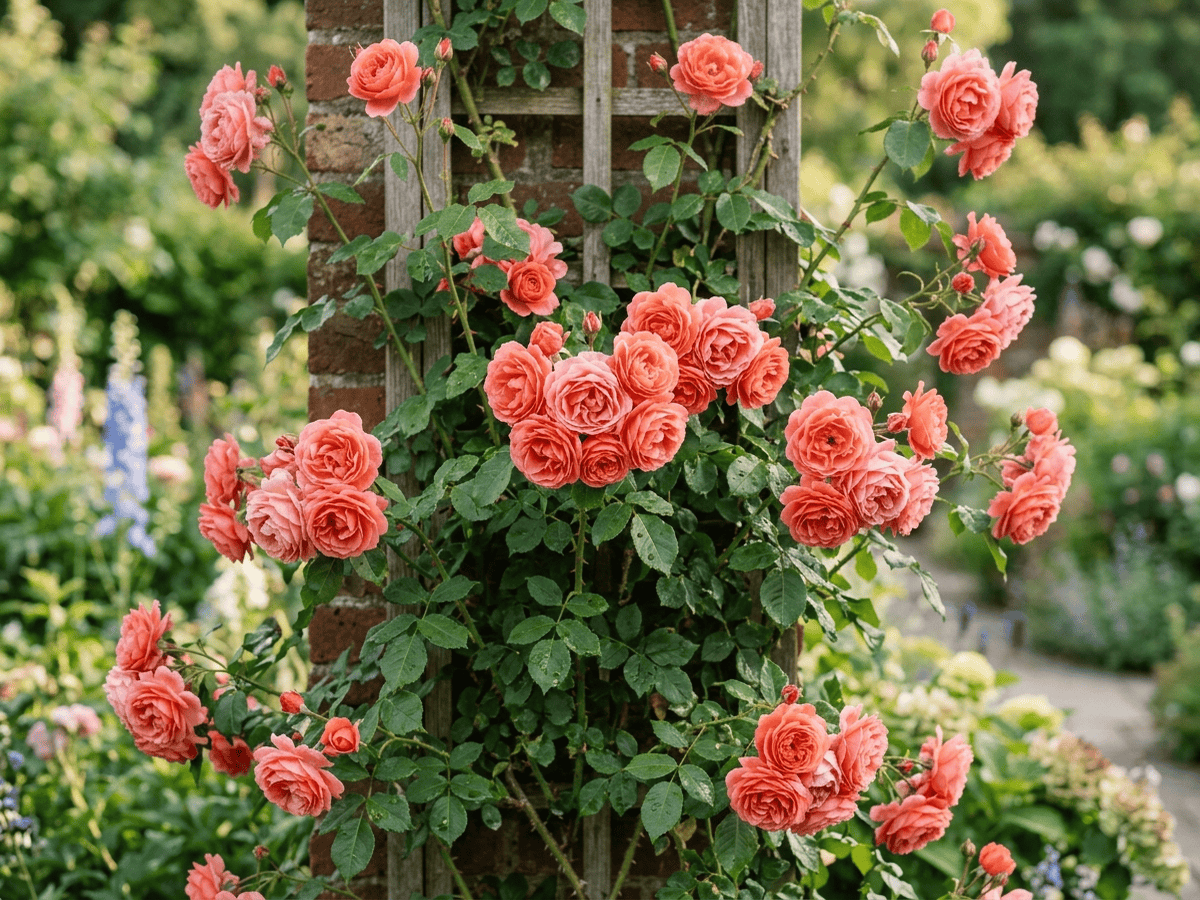 AmericaRosa 'America'
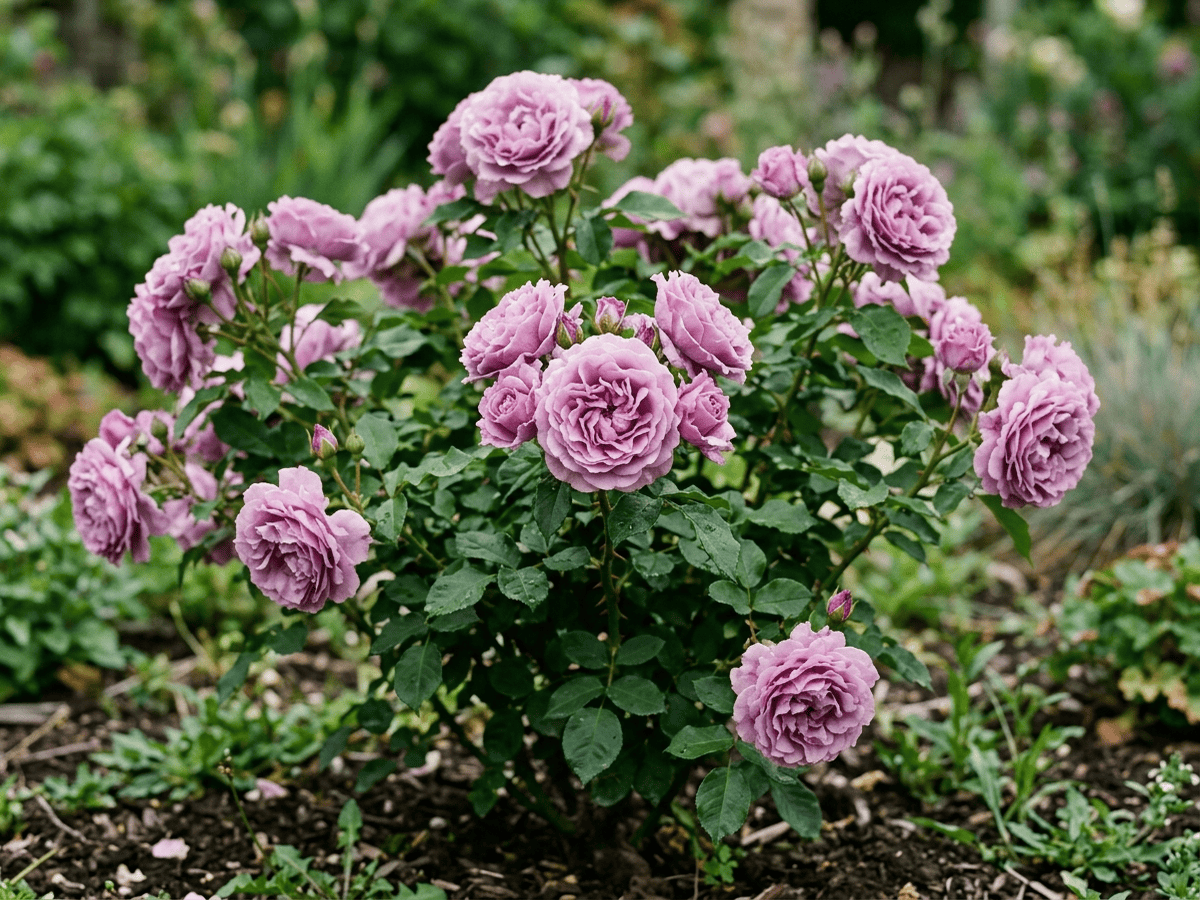 Angel FaceRosa 'Angel Face'
Plants with similar care
 Mexican AbeliaAbelia floribunda
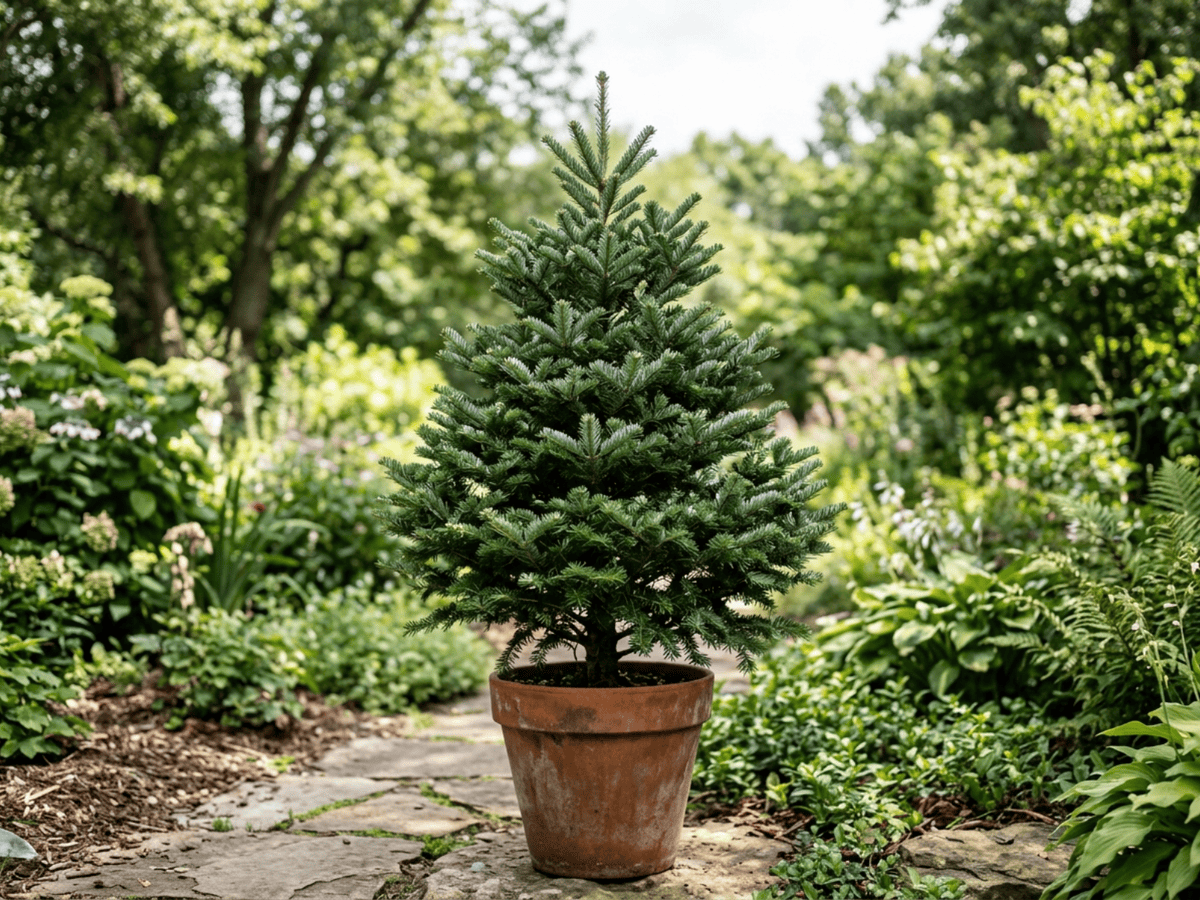 Fraser FirAbies fraseri
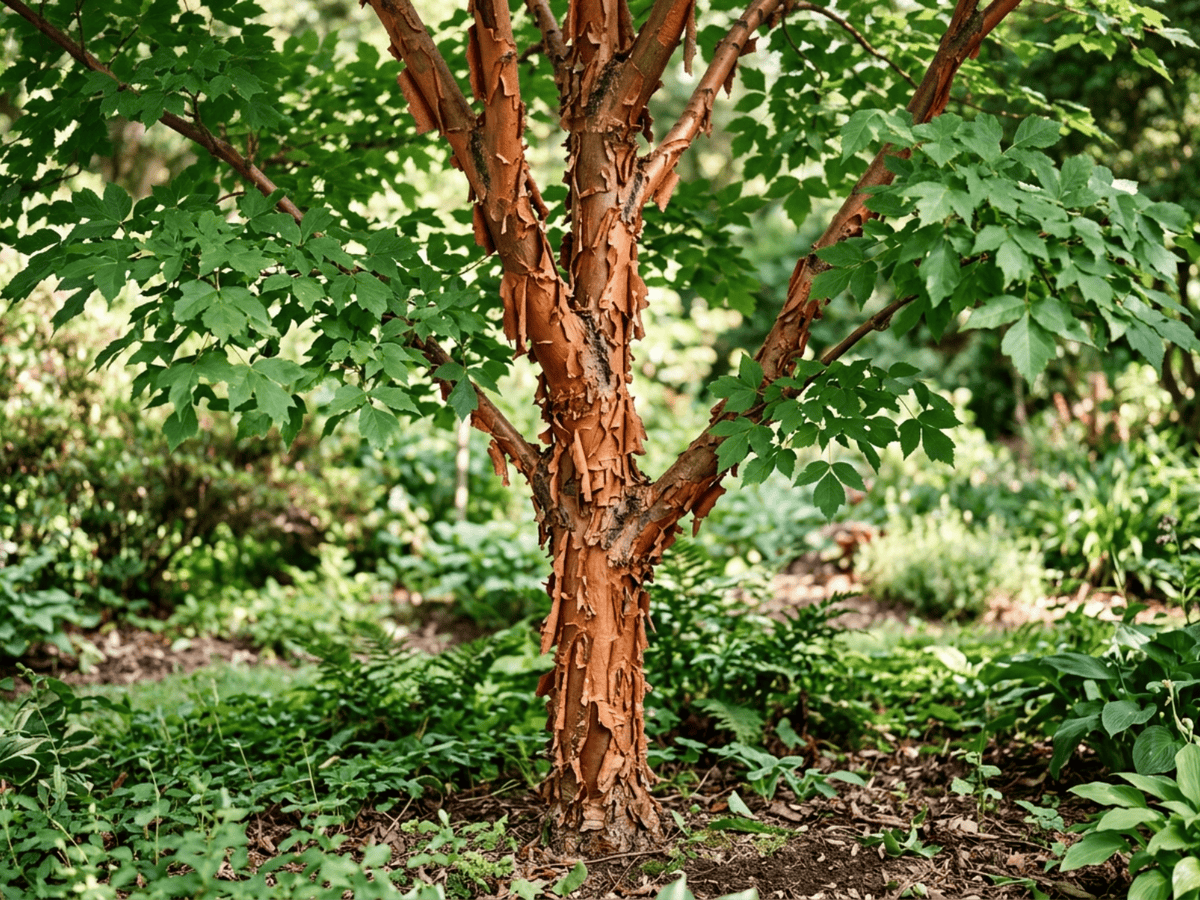 Paperbark MapleAcer griseum
 Sugar MapleAcer saccharum
Frequently asked questions
How often should I water Tropicana?
In summer, water about every 3 days; in winter, about every 14 days. Adjust for heat, pot size and drainage.
How much light does Tropicana need?
Full sun: 6+ hrs direct. Watch the leaves — scorching or stretching means the light needs adjusting.
Is Tropicana toxic to cats or dogs?
Pets Safe (Dogs Safe · Cats Safe) Educational information, not medical or veterinary advice. If exposure is suspected, contact a doctor or veterinarian.
Is Tropicana easy to grow?
It is moderately demanding: a good choice once you have a little experience.
When does Tropicana bloom?
It typically blooms May–Sep in the Northern Hemisphere.
YardMate
Identify any plant in seconds
Snap a photo — YardMate names the plant, diagnoses problems, and reminds you when to water.
Download on the App Store