 YardMate


Virginian Rose
Rosa virginiana
Easy · Beginner friendlyAbout Virginian Rose
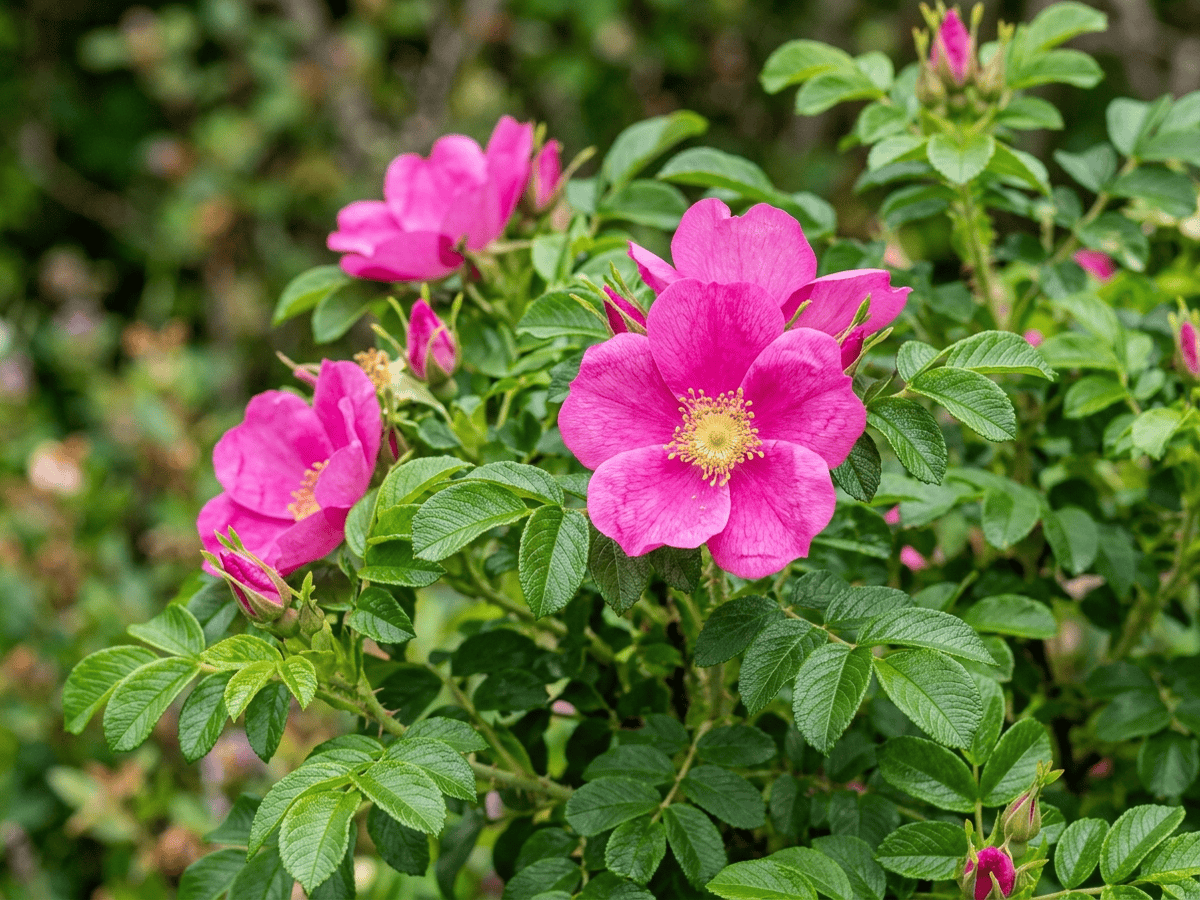
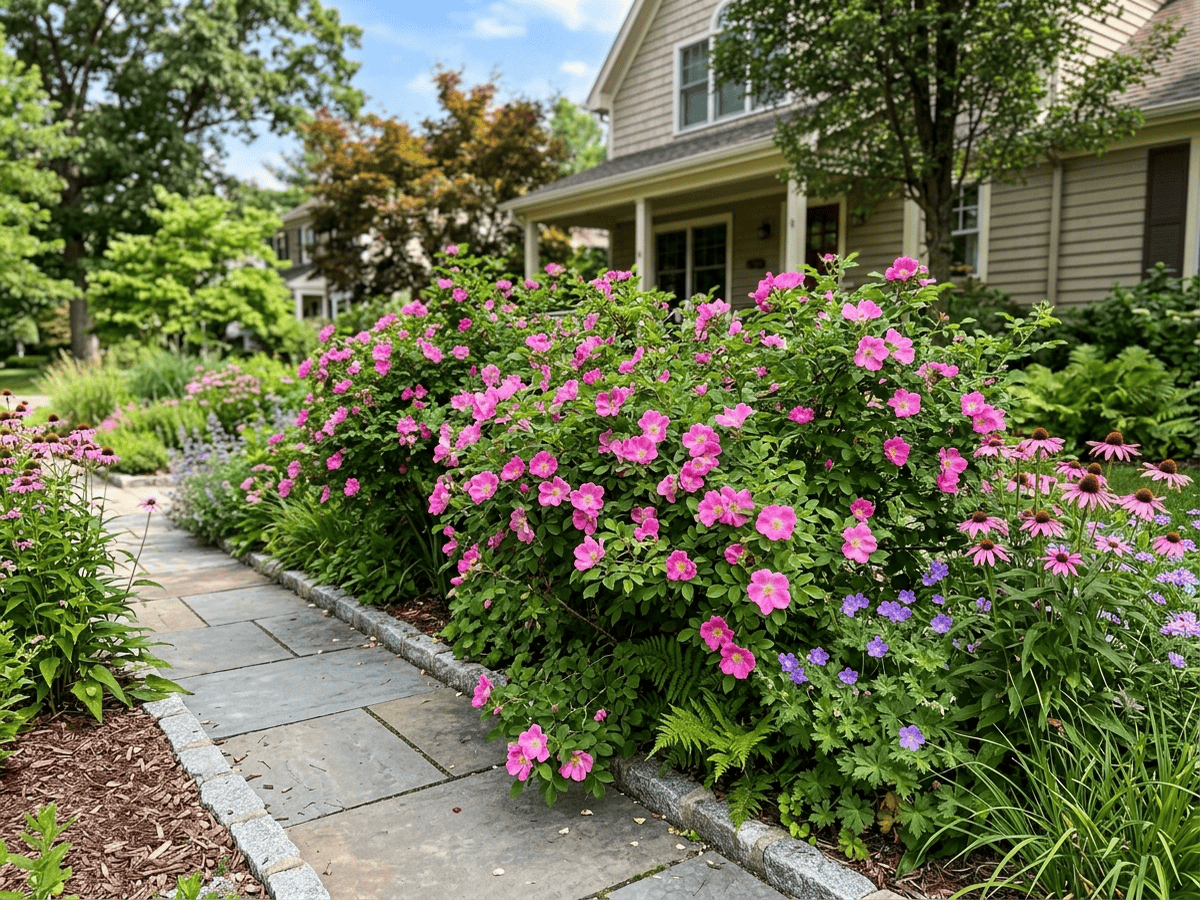
Virginia Rose is a native shrub rose of eastern North America, growing 4-6 feet tall with glossy dark green foliage that turns brilliant scarlet and orange in autumn. Single pink flowers bloom in June, followed by persistent glossy red hips that feed songbirds through winter. One of the toughest and most adaptable native roses, it colonizes by suckers to form dense thickets valuable for wildlife habitat and erosion control along streams and coastal areas.
- Cold-hardy
- Deer-resistant
- Fall-color
- Native
How to care for Virginian Rose
Watering
- Springevery 7 days
- Summerevery 5 days
- Fallevery 10 days
- Winterevery 21 days
Soil · Rich & loamy
- Top dressingBark mulch15%
- Main mixRich loam + compost 3:170%
- DrainageGravel15%
Use fully finished compost — fresh compost burns roots.
FERTILIZER
- Springevery 30 days
At a Glance
- NativeNorth America
- Height4–6 ft (1.2–1.8 m)
- Spread4–6 ft (1.2–1.8 m)
- Flower colorPink
- Foliage colorGreen, Red, Bronze, Yellow
- Fruit colorRed
- SoilLoamy, Well-drained
- LocationsYard
Bloom time
BLOOM CYCLE
Peak bloom
Jun–Jul
Single pink flowers June to July
Fragrance
MODERATE FRAGRANCE
The flowers have a sweet classic rose fragrance.
Toxicity
Pets Safe
None reported
Not reported
EXPOSURE No exposure route is reported.
EFFECT No toxic effect is reported.
NOTE No human toxicity is reported in this catalog; avoid eating ornamental plants unless confirmed edible.
Safe
EXPOSURE No exposure route is reported.
EFFECT No toxic effect is reported.
NOTE Listed as non-toxic for dogs; avoid eating ornamental plants unless confirmed edible.
Safe
EXPOSURE No exposure route is reported.
EFFECT No toxic effect is reported.
NOTE Listed as non-toxic for cats; avoid eating ornamental plants unless confirmed edible.
Educational information, not medical or veterinary advice. If exposure is suspected, contact a doctor or veterinarian.
DISTRIBUTION


- Native
- Introduced
- North America
History
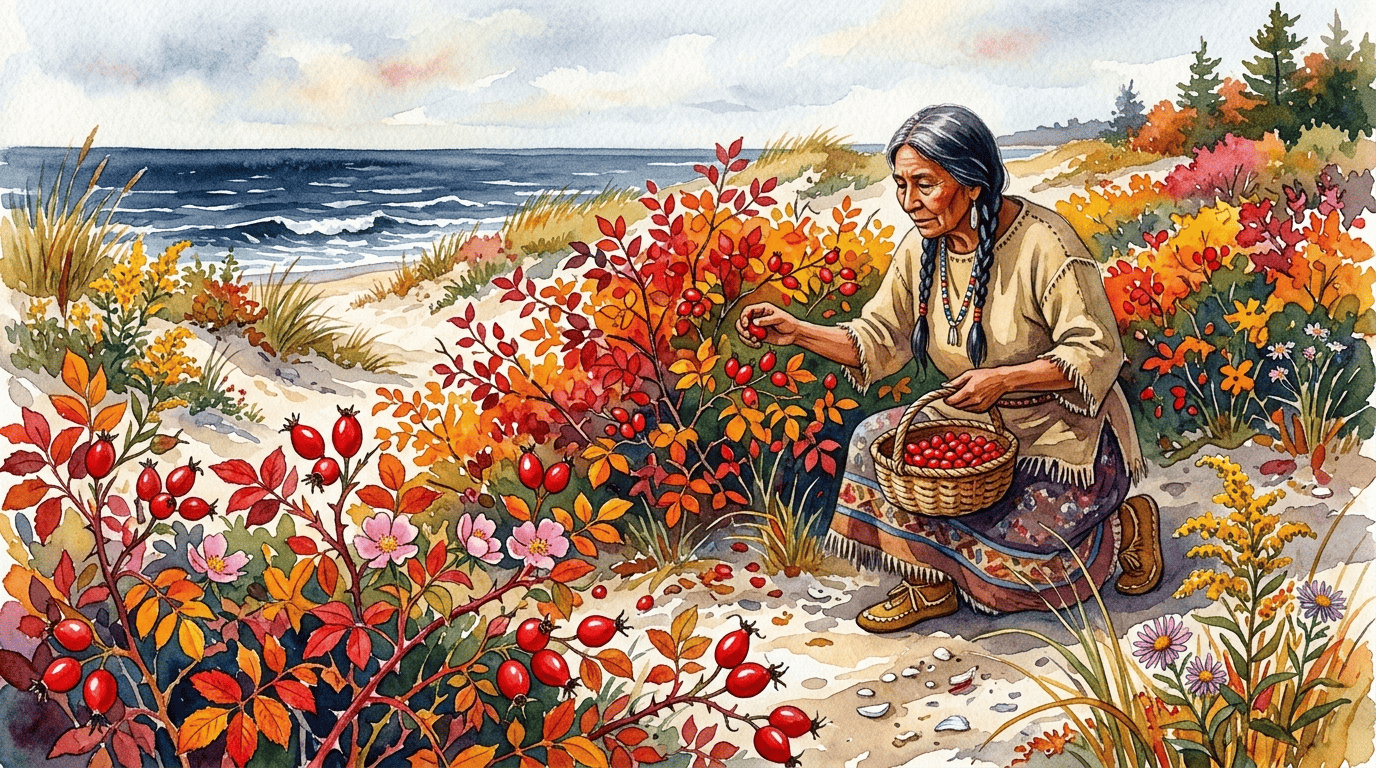
Rosa virginiana occurs naturally along eastern North America from Newfoundland to Alabama and west to Ontario and Missouri, typically on coastal dunes, sandy woodland edges, and open fields. Scottish gardener Philip Miller described it in the 1768 edition of his Gardeners Dictionary, making it the first North American rose species formally named under the Linnaean system. Indigenous peoples used decoctions of roots for stomach ailments and the vitamin-C-rich hips fresh or dried for food.
European colonists recognized the species as an excellent garden shrub, and it was exported to England by 1724. The species is valued in modern landscapes for four-season interest: pink single summer flowers followed by shiny scarlet hips, foliage that turns brilliant red, orange, and gold in autumn, and red-tinted winter canes. It tolerates coastal sand, salt spray, and poor soils, and spreads by rhizomes to form thickets—useful for slope stabilization and wildlife plantings.
One of the first American roses described by European botanists, documented by John Parkinson in 1640. Native Americans across the eastern seaboard used the hips for food and medicine. It naturally colonizes disturbed sites from Newfoundland to Alabama, forming dense thickets that shelter nesting birds and small mammals.
Symbolism & meaning
What It Symbolizes
Virginian Rose expresses simplicity, an understated native beauty with single pink flowers and bright red hips that need no elaboration to be lovely. Its resilience is just as quiet, thriving from coastal dunes to mountain slopes across eastern America with little human help. It is often read as a flower of native modesty, a rose whose meaning is that wild plants do not need the elaboration of breeding to be deeply, sufficiently, beautiful.
- Simplicity — understated native beauty
- Resilience — thrives from coast to mountains across eastern America
Where the Name Comes From
'Virginiana' refers to Virginia, the colonial territory where it was first documented by European botanists.
Uses & Fun Facts
- Hips feed songbirds, thickets shelter nesting birds
- Suckering native rose stabilizes coastal slopes
- Pink spring blooms and scarlet-orange autumn foliage
Related plants
More Rosa plants
 About FaceRosa 'About Face'
 Abraham DarbyRosa 'Abraham Darby'
 AmericaRosa 'America'
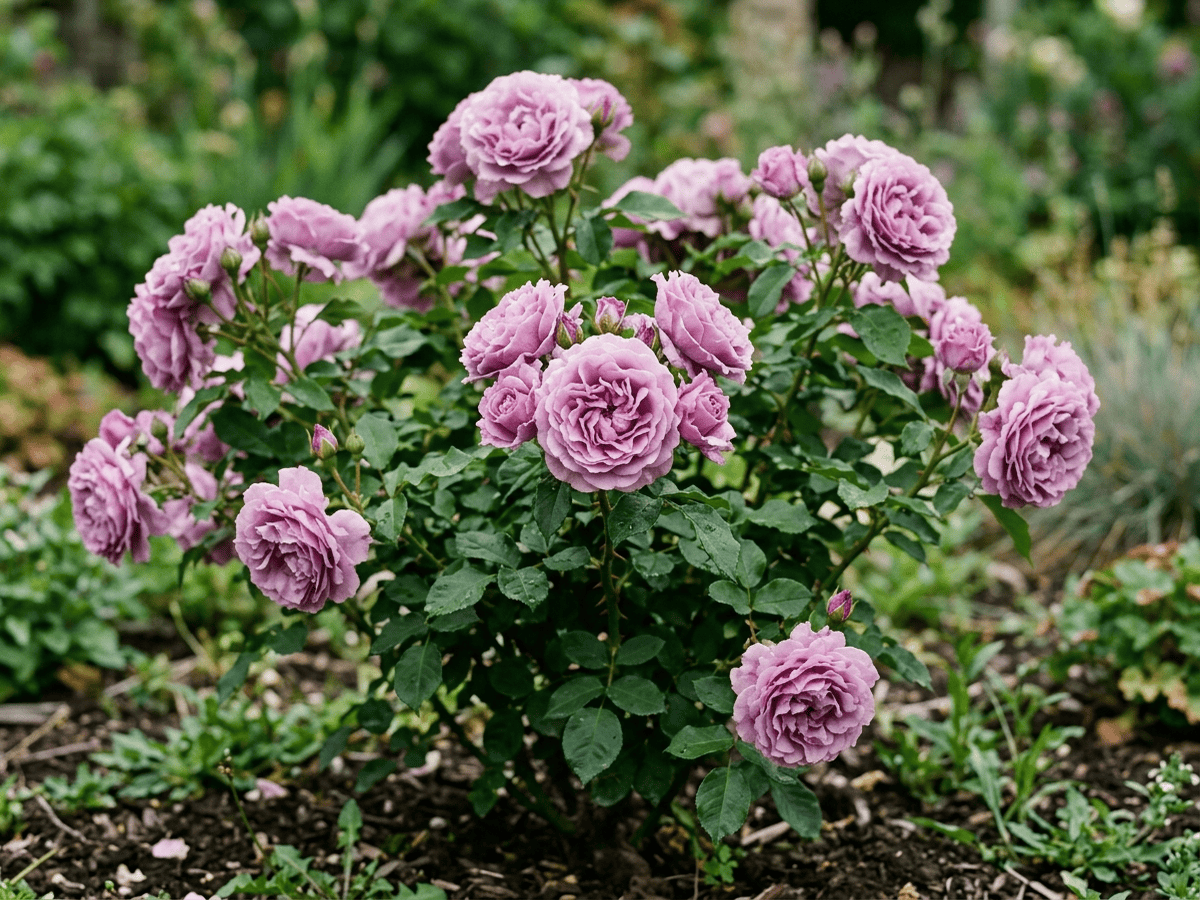 Angel FaceRosa 'Angel Face'
Plants with similar care
 Chinese AbeliaAbelia chinensis
 Fragrant AbeliaAbelia mosanensis
 Large-Flowered AbeliaAbelia uniflora
 Glossy AbeliaAbelia x grandiflora
Frequently asked questions
How often should I water Virginian Rose?
In summer, water about every 5 days; in winter, about every 21 days. Adjust for heat, pot size and drainage.
How much light does Virginian Rose need?
Full sun: 6+ hrs direct. Watch the leaves — scorching or stretching means the light needs adjusting.
Is Virginian Rose toxic to cats or dogs?
Pets Safe (Dogs Safe · Cats Safe) Educational information, not medical or veterinary advice. If exposure is suspected, contact a doctor or veterinarian.
Is Virginian Rose easy to grow?
Yes — it is considered an easy, beginner-friendly plant.
When does Virginian Rose bloom?
It typically blooms Jun–Jul in the Northern Hemisphere.
YardMate
Identify any plant in seconds
Snap a photo — YardMate names the plant, diagnoses problems, and reminds you when to water.
Download on the App Store