 YardMate


Memorial Rose
Rosa wichuraiana
Easy · Beginner friendlyAbout Memorial Rose
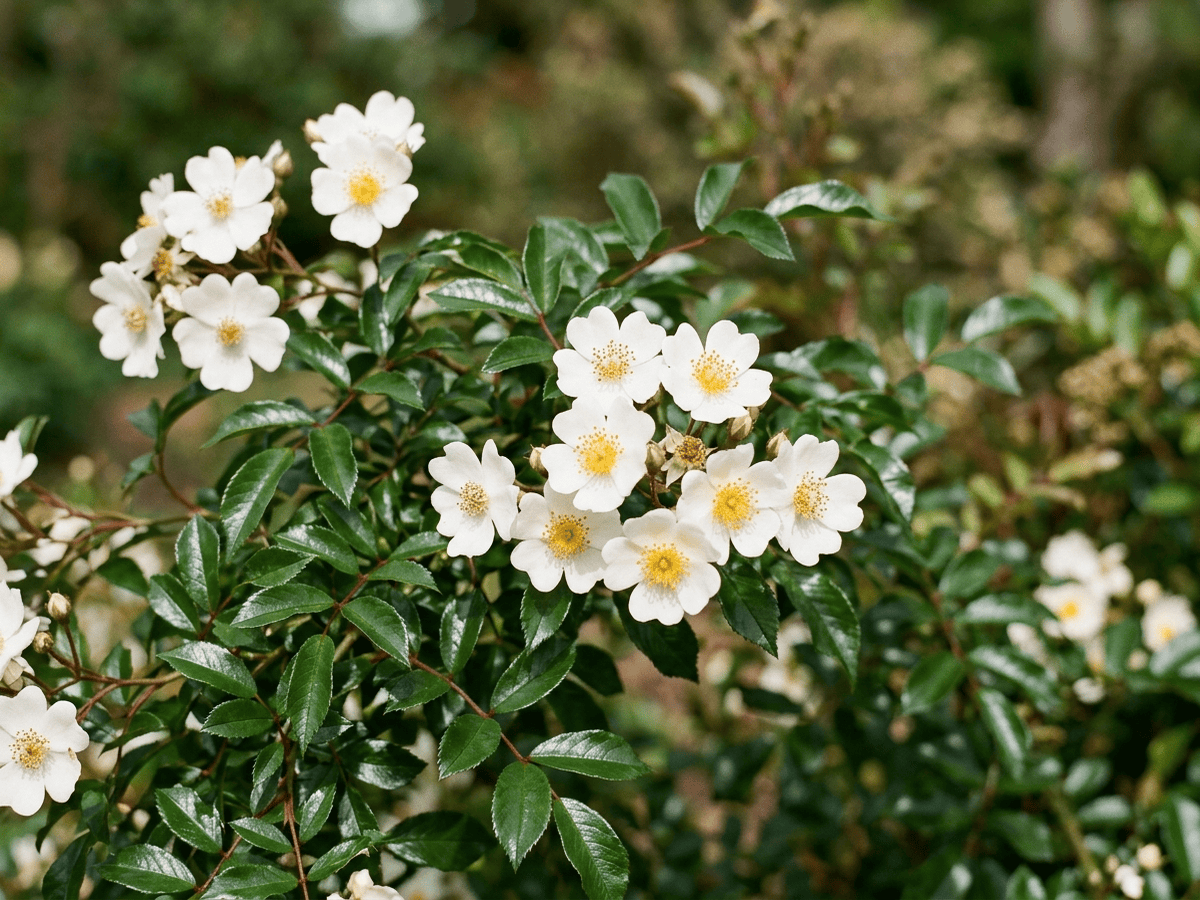
Memorial Rose is a vigorous trailing species rose from East Asia that hugs the ground or scrambles over structures, producing clusters of fragrant single white flowers in midsummer. Its glossy dark green foliage is nearly evergreen in mild climates. One of the most important species in rose breeding history, it is the parent of most modern rambler and groundcover roses. Naturalized across the eastern United States, it is often found blanketing old cemeteries, hence the common name.
- Fragrant
- Disease-resistant
- Groundcover
How to care for Memorial Rose
Watering
- Springevery 5 days
- Summerevery 3 days
- Fallevery 7 days
- Winterevery 14 days
Soil · Rich & loamy
- Top dressingBark mulch15%
- Main mixRich loam + compost 3:170%
- DrainageGravel15%
Use fully finished compost — fresh compost burns roots.
FERTILIZER
Balanced Feed 14-14-14
An even feed covers all three needs at once, keeping leaves, roots and blooms moving together with nothing pushed out of balance.
- Nitrogen · Leaves
- Phosphorus · Roots + Blooms
- Potassium · Strength
- Springevery 30 days
- Summerevery 45 days
At a Glance
- NativeEast Asia
- Height1–2 ft (0.3–0.6 m)
- Spread8–15 ft (2.4–4.6 m)
- Flower colorWhite
- Foliage colorGreen, Dark-green
- Fruit colorRed
- SoilLoamy, Well-drained
- LocationsYard
Bloom time
BLOOM CYCLE
Peak bloom
Jun–Jul
White single flowers in clusters June to July
Fragrance
MODERATE FRAGRANCE
The flowers have a sweet apple-like rose fragrance.
Toxicity
Pets Safe
None reported
Not reported
EXPOSURE No exposure route is reported.
EFFECT No toxic effect is reported.
NOTE No human toxicity is reported in this catalog; avoid eating ornamental plants unless confirmed edible.
Safe
EXPOSURE No exposure route is reported.
EFFECT No toxic effect is reported.
NOTE Listed as non-toxic for dogs; avoid eating ornamental plants unless confirmed edible.
Safe
EXPOSURE No exposure route is reported.
EFFECT No toxic effect is reported.
NOTE Listed as non-toxic for cats; avoid eating ornamental plants unless confirmed edible.
Educational information, not medical or veterinary advice. If exposure is suspected, contact a doctor or veterinarian.
DISTRIBUTION


- Native
- East Asia
History
Rosa wichuraiana (sometimes spelled wichurana) occurs naturally in Japan, Korea, eastern China, and Taiwan, typically on coastal slopes and dry hillsides. Belgian botanist François Crépin formally described the species in 1886, naming it in honor of the Swiss-German botanist and diplomat Max Ernst Wichura, who had collected in Japan in 1861 as part of a Prussian diplomatic mission. The trailing, nearly prostrate habit, glossy disease-resistant foliage, and late summer bloom made it an immensely valuable breeding parent around 1900, when American and European breeders used it to create the rambler class of roses.
Michael Horvath introduced the first hybrids in the US in 1897; his work was followed by Jackson & Perkins ('Dorothy Perkins', 1901), Barbier Frères of France ('Albéric Barbier', 'Albertine', 'François Juranville'), and Walter Van Fleet ('American Pillar', 'Dr. W. Van Fleet'—ancestor of 'New Dawn'). The species itself has naturalized in parts of the eastern US and is often planted as a vigorous groundcover or bank stabilizer. Introduced from Japan to the West in 1891 and named after Max Ernst Wichura, a Prussian botanist.
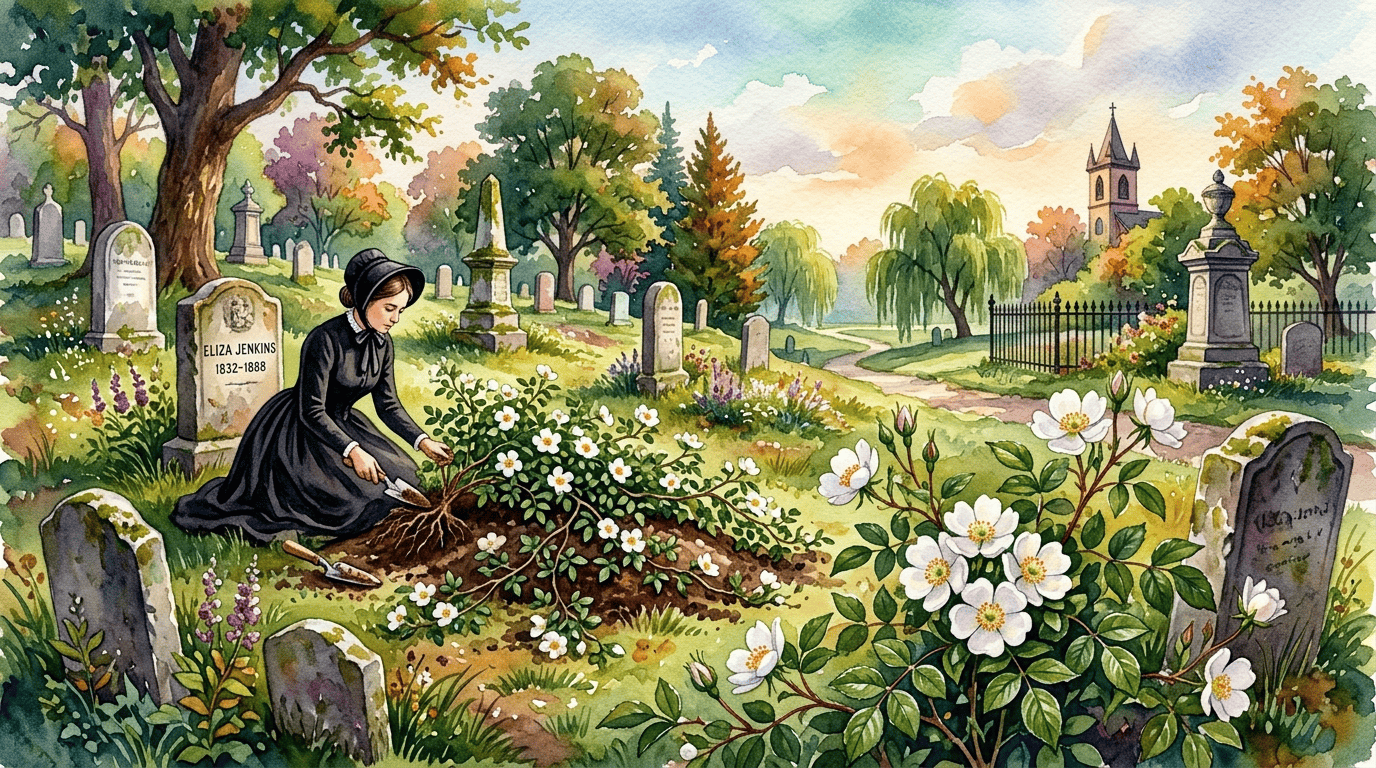
It revolutionized rose breeding—nearly all modern ramblers and groundcover roses trace their lineage to this species. The American tradition of planting it in cemeteries gave it the name Memorial Rose. It became naturalized along the Atlantic coast from Maine to Florida.
Symbolism & meaning
What It Symbolizes
Memorial Rose makes visible remembrance, traditionally planted in cemeteries across the Northeast where it spreads as a living memorial across old graves. It also carries an extraordinary legacy — as a parent of countless modern rambling and climbing rose cultivars, it lives on in gardens far beyond burial grounds. A rose that turns memory into both groundcover and ancestry.
- Remembrance — traditionally planted in cemeteries as a living memorial
- Legacy — parent of countless modern rose cultivars
Where the Name Comes From
The name Memorial Rose describes its rose-like blooms. 'Wichuraiana' honors Max Ernst Wichura (1817–1866), Prussian magistrate and botanist who collected in East Asia.
Uses & Fun Facts
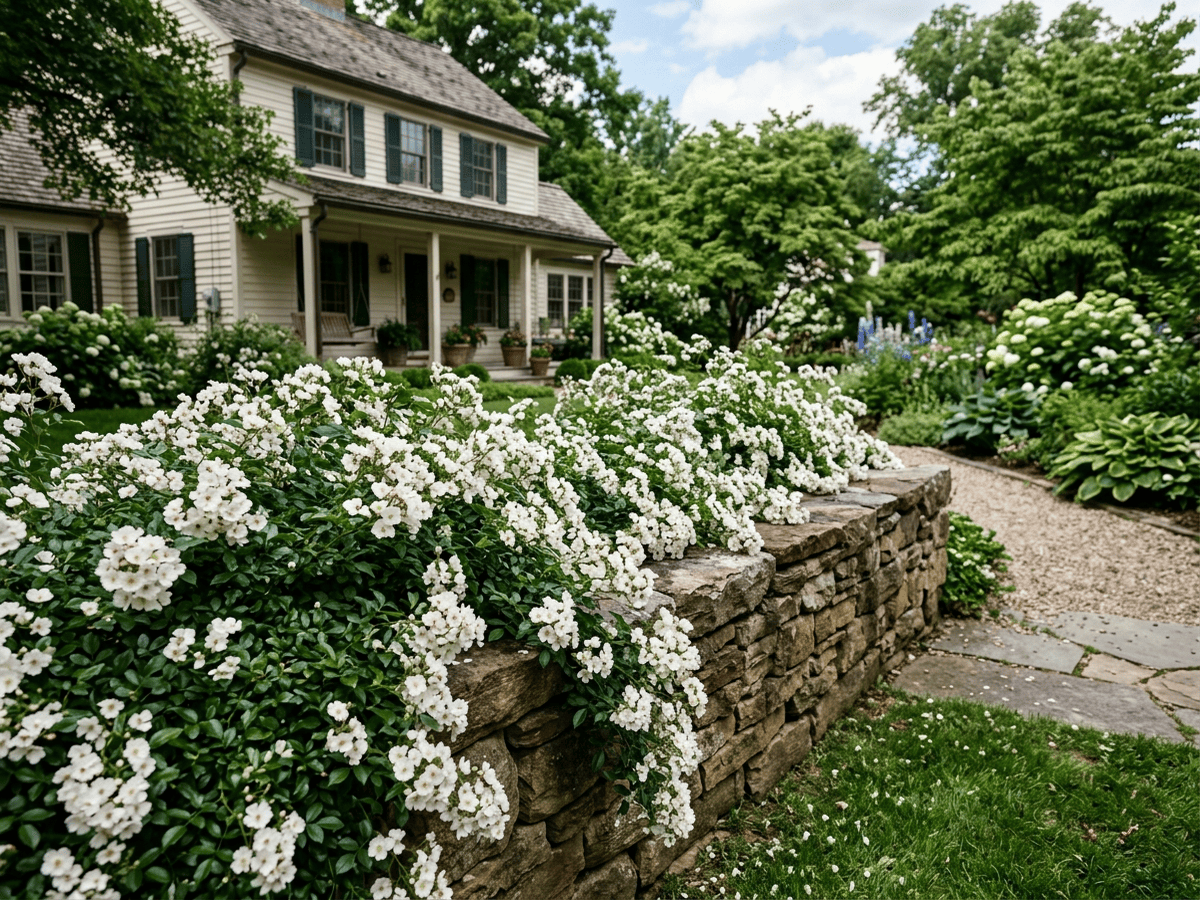
- Trailing canes carpet banks, slopes, and tumbling walls
- Single white flowers release a soft sweet apple scent
- Lax canes trained as a vigorous rambling climber
Related plants
More Rosa plants
 About FaceRosa 'About Face'
 Abraham DarbyRosa 'Abraham Darby'
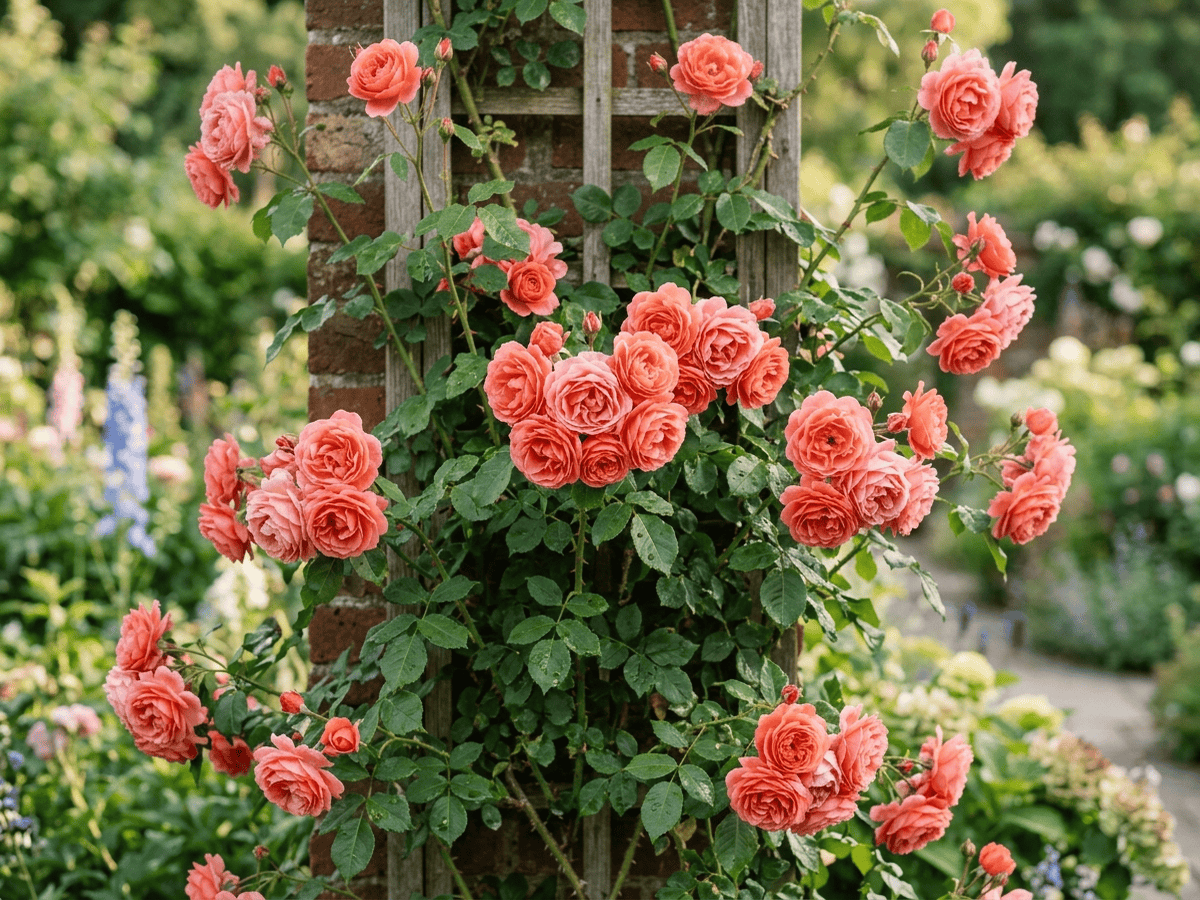 AmericaRosa 'America'
 Angel FaceRosa 'Angel Face'
Plants with similar care
 Chinese AbeliaAbelia chinensis
 Fragrant AbeliaAbelia mosanensis
 Large-Flowered AbeliaAbelia uniflora
 Glossy AbeliaAbelia x grandiflora
Frequently asked questions
How often should I water Memorial Rose?
In summer, water about every 3 days; in winter, about every 14 days. Adjust for heat, pot size and drainage.
How much light does Memorial Rose need?
Full sun: 6+ hrs direct. Watch the leaves — scorching or stretching means the light needs adjusting.
Is Memorial Rose toxic to cats or dogs?
Pets Safe (Dogs Safe · Cats Safe) Educational information, not medical or veterinary advice. If exposure is suspected, contact a doctor or veterinarian.
Is Memorial Rose easy to grow?
Yes — it is considered an easy, beginner-friendly plant.
When does Memorial Rose bloom?
It typically blooms Jun–Jul in the Northern Hemisphere.
YardMate
Identify any plant in seconds
Snap a photo — YardMate names the plant, diagnoses problems, and reminds you when to water.
Download on the App Store