 YardMate


Dwarf Palmetto
Sabal minor
Easy · Beginner friendlyAbout Dwarf Palmetto
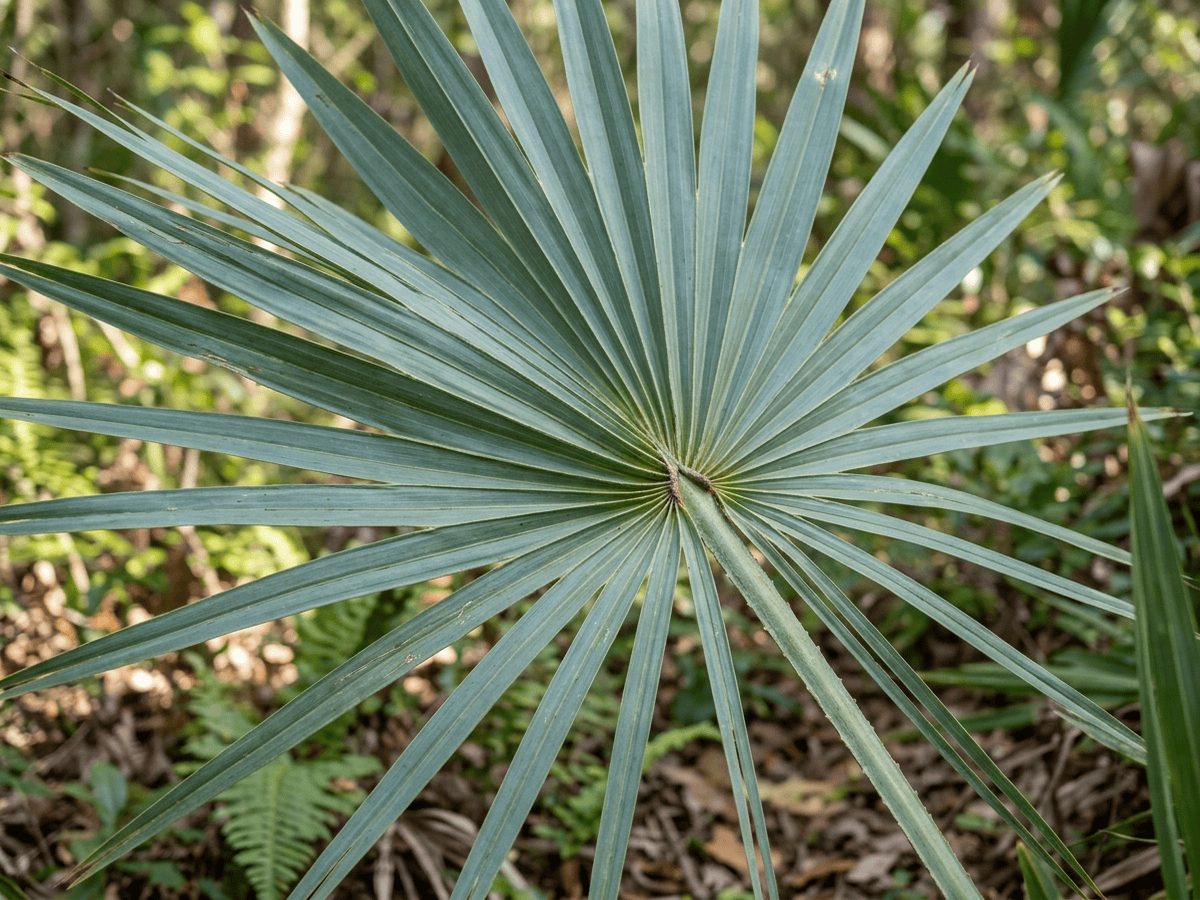
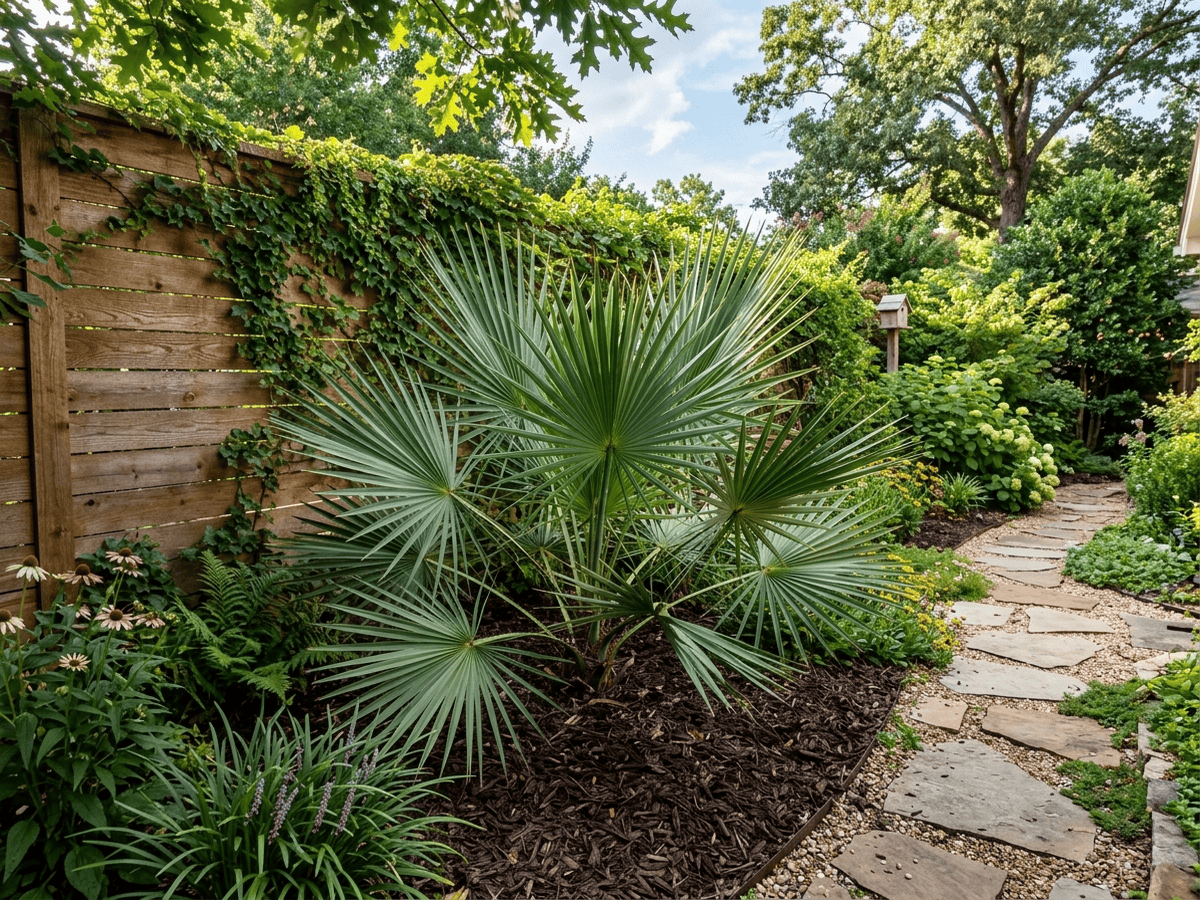
Dwarf Palmetto is the most cold-hardy palm native to the United States, ranging from North Carolina south to Florida and west to Texas and Oklahoma. This trunkless or short-trunked palm forms clusters of fan-shaped blue-green fronds 3 to 6 feet across, growing in low woodlands, swamps, and floodplains. Surviving temperatures down to zero degrees Fahrenheit, it brings a tropical appearance to surprisingly cold climates and is increasingly used in mid-Atlantic gardens seeking exotic texture without tender plants.
- Low-maintenance
- Drought-tolerant
- Cold-hardy
- Evergreen
How to care for Dwarf Palmetto
Watering
- Springevery 10 days
- Summerevery 7 days
- Fallevery 14 days
- Winterevery 21 days
Soil · Well-draining
- Main mixLoam + bark + perlite 2:1:175%
- DrainageLECA25%
Bark keeps the mix from compacting under a heavy root ball.
FERTILIZER
Balanced Feed 14-14-14
An even feed covers all three needs at once, keeping leaves, roots and blooms moving together with nothing pushed out of balance.
- Nitrogen · Leaves
- Phosphorus · Roots + Blooms
- Potassium · Strength
- Springevery 60 days
- Summerevery 60 days
At a Glance
- NativeNorth America
- Height4–6 ft (1.2–1.8 m)
- Spread4–6 ft (1.2–1.8 m)
- Flower colorWhite, Cream
- Foliage colorGreen, Blue-green
- Fruit colorBlack
- SoilLoamy, Moisture-retentive
- LocationsYard
Bloom time
BLOOM CYCLE
Peak bloom
Jun–Aug
White flower spikes summer, often hidden in foliage
Fragrance
LIGHT FRAGRANCE
Flowers have a light, subtle scent.
Toxicity
No toxicity has been reported for this plant. Still, it is wise to keep pets from chewing on any houseplant.
Educational information, not medical or veterinary advice. If exposure is suspected, contact a doctor or veterinarian.
DISTRIBUTION


- Native
- Introduced
- North America
History
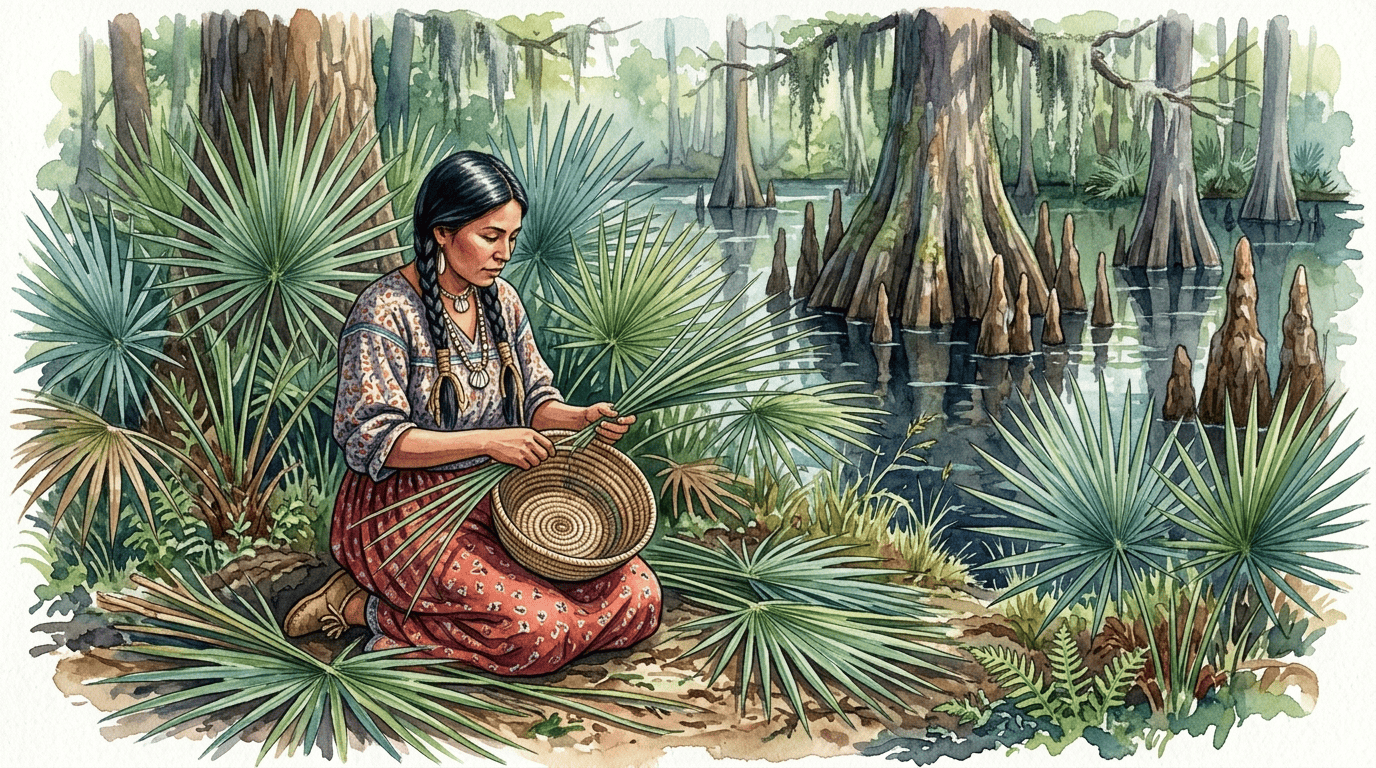
Sabal minor, the dwarf palmetto or bluestem palmetto, is a short-stemmed fan palm native to the southeastern United States and northeastern Mexico, commonly in bottomland hardwood forests, cypress swamps, and river floodplains. It is the most cold-hardy native North American palm, with populations in Arkansas and Oklahoma tolerating subzero winters. Mark Catesby illustrated it in the 1730s, and colonial physicians recorded its use in folk medicine for coughs and fevers.
Indigenous peoples of the Southeast wove its leaves into baskets and ate its heart in famine conditions. Because the trunk stays subterranean or very low, gardeners in USDA zones 7 through 10 rely on it as a tropical-looking accent in climates too cold for trunked palms, and specimens thrive as far north as Washington DC and Long Island.
The species was documented by André Michaux in the late 18th century and became a horticultural curiosity for its remarkable cold tolerance among palms.
Symbolism & meaning
What It Symbolizes
Dwarf palmetto is endurance in surprising form — its tropical fan-leaves give it the appearance of a lower-latitude plant, yet it survives well into the upper South, holding its evergreen presence through occasional snow. As Southern soul it is iconic across the bottomland forests of Louisiana and the Carolinas, the lowland palm beneath cypress and live oak. A taste of the tropics that the Civil War-era South would still recognize.
- Endurance — tropical appearance with surprising cold hardiness
- Southern soul — iconic plant of southeastern bottomlands
Where the Name Comes From
'Sabal' is the Latinized form of an Indigenous American name; 'minor' means smaller, distinguishing it from Sabal palmetto.
Uses & Fun Facts
- Cold-hardy fan palm bringing tropical look to Southeastern yards
- Native trunkless palm for swampy and floodplain landscapes
- Fruit and shelter for songbirds across coastal-plain habitats
Related plants
Plants with similar care
 Chinese AbeliaAbelia chinensis
 Fragrant AbeliaAbelia mosanensis
 Large-Flowered AbeliaAbelia uniflora
 Glossy AbeliaAbelia x grandiflora
Frequently asked questions
How often should I water Dwarf Palmetto?
In summer, water about every 7 days; in winter, about every 21 days. Adjust for heat, pot size and drainage.
How much light does Dwarf Palmetto need?
Full sun: 6+ hrs direct. Watch the leaves — scorching or stretching means the light needs adjusting.
Is Dwarf Palmetto toxic to cats or dogs?
No toxicity has been reported for this plant. Still, it is wise to keep pets from chewing on any houseplant. Educational information, not medical or veterinary advice. If exposure is suspected, contact a doctor or veterinarian.
Is Dwarf Palmetto easy to grow?
Yes — it is considered an easy, beginner-friendly plant.
When does Dwarf Palmetto bloom?
It typically blooms Jun–Aug in the Northern Hemisphere.
YardMate
Identify any plant in seconds
Snap a photo — YardMate names the plant, diagnoses problems, and reminds you when to water.
Download on the App Store