 YardMate


Painted-Tongue
Salpiglossis sinuata
Medium · Some experienceAbout Painted-Tongue
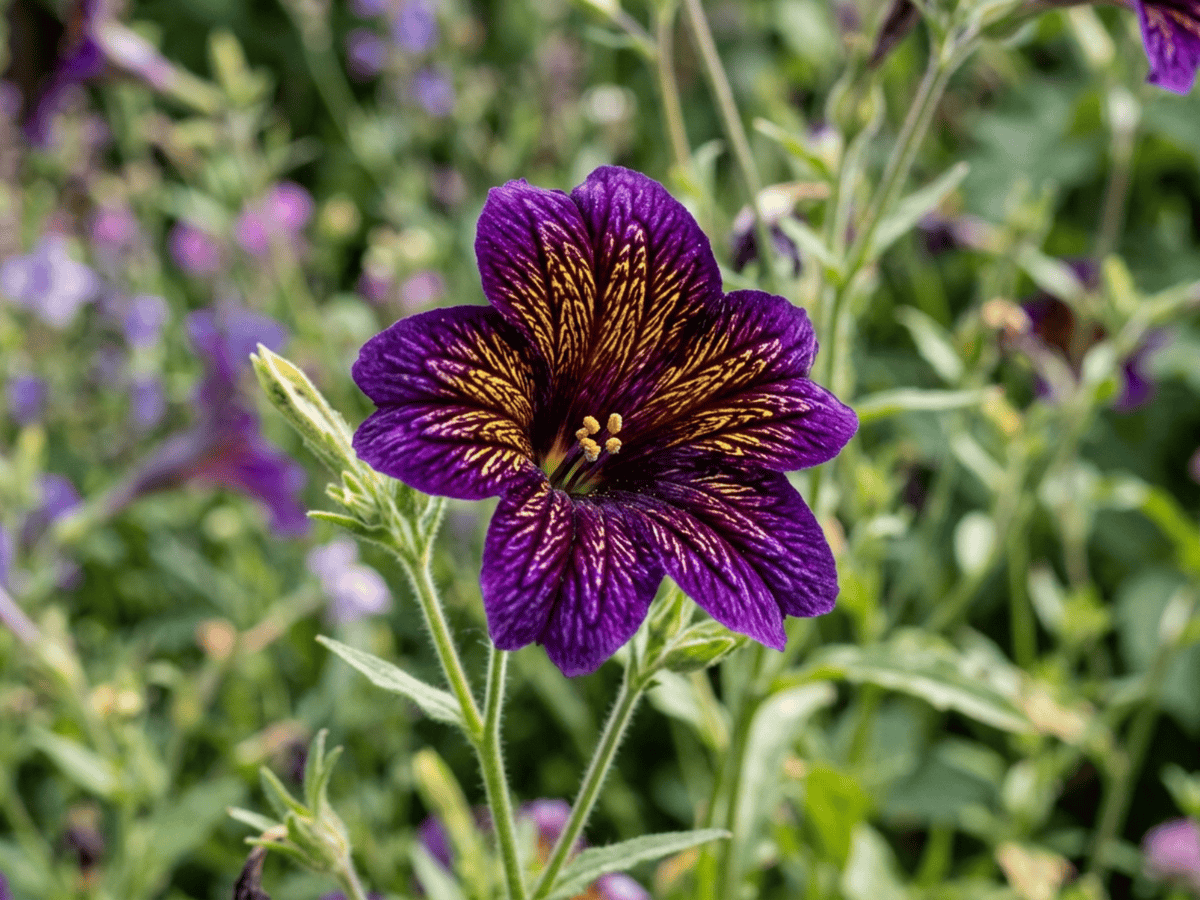
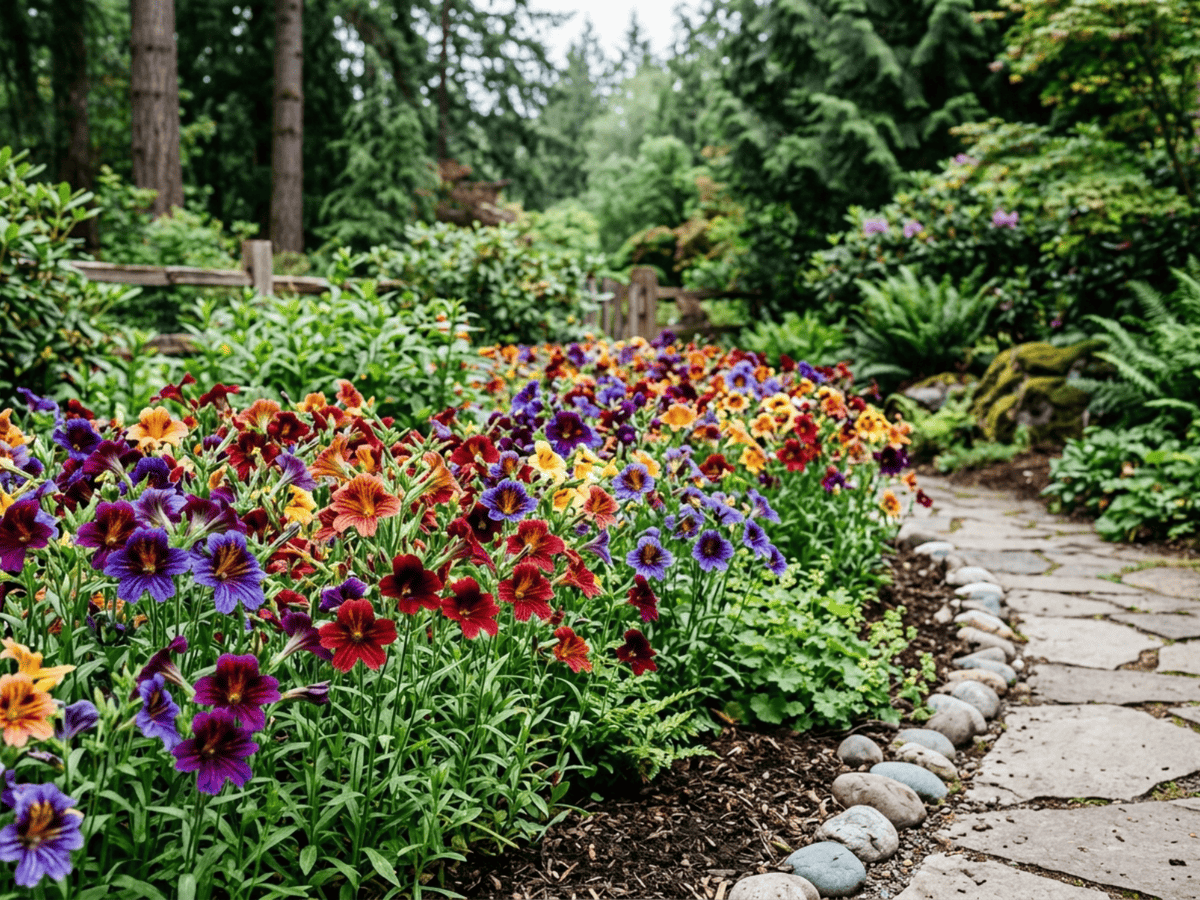
Painted Tongue is a tender annual from Chile bearing trumpet-shaped flowers of breathtaking complexity—royal purple, gold, crimson, and bronze with contrasting gold veins across velvety petals. Plants grow 18–24 inches tall. Thrives in cool-summer climates such as the Pacific Northwest and coastal California; struggles in hot humid summers of the South and Midwest. A favorite in New England and PNW cottage gardens for its exotic, almost orchid-like blooms.
- Cut-flower
- Pollinator-friendly
How to care for Painted-Tongue
Watering
- Springevery 3 days
- Summerevery 2 days
- Fallevery 5 days
- Winterevery 14 days
Soil · Well-draining
- Top dressingPine bark mulch10%
- Main mixPotting soil + perlite 2:170%
- DrainageLECA / gravel20%
Never skip the drainage layer — standing water is the top cause of root rot.
FERTILIZER
Balanced Feed 14-14-14
An even feed covers all three needs at once, keeping leaves, roots and blooms moving together with nothing pushed out of balance.
- Nitrogen · Leaves
- Phosphorus · Roots + Blooms
- Potassium · Strength
- Springevery 14 days
- Summerevery 14 days
- Fallevery 21 days
At a Glance
- NativeSouth America
- Height1.5–3 ft (0.5–0.9 m)
- Spread1–1.5 ft (0.3–0.5 m)
- Flower colorRed, Purple, Yellow, Cream
- Foliage colorGreen
- SoilLoamy, Well-drained, Rich
- LocationsYard · Balcony
Bloom time
BLOOM CYCLE
Peak bloom
Jun–Aug
Veined velvety trumpets summer
Fragrance
NO FRAGRANCE
No notable fragrance.
Toxicity
No toxicity has been reported for this plant. Still, it is wise to keep pets from chewing on any houseplant.
Educational information, not medical or veterinary advice. If exposure is suspected, contact a doctor or veterinarian.
DISTRIBUTION


- Native
- Introduced
- South America
History
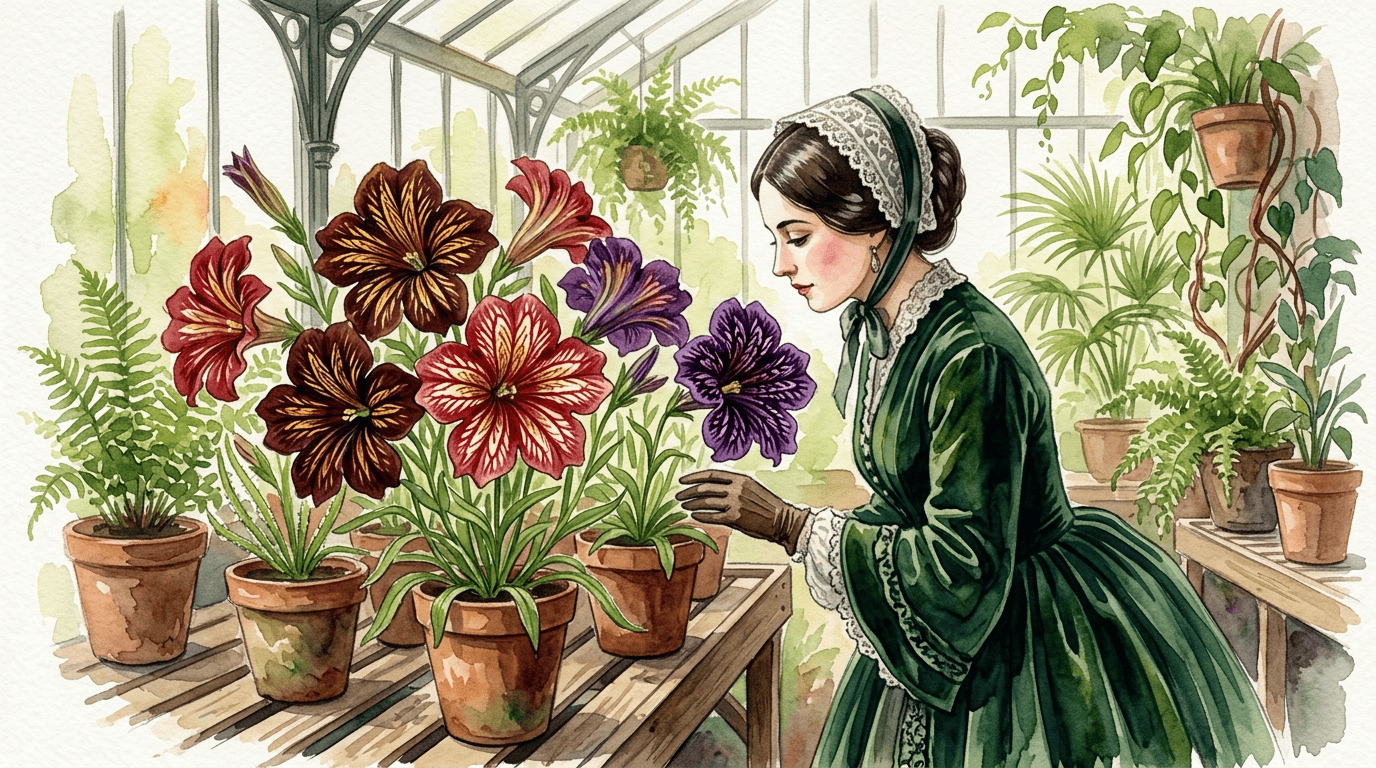
Salpiglossis sinuata is native to southern Chile, particularly the coastal mountain ranges of central and southern Chile where it grows in open slopes and rocky ground. It was introduced to European horticulture in 1820 and became a popular Victorian bedding plant because of its distinctive ornamental signature: large 5-6 cm trumpet-shaped flowers with dramatic contrasting veining painted in rich velvety tones across petals of contrasting color — gold-veined mahogany, yellow-veined deep purple, cream-veined crimson, white-veined burgundy, and many other combinations. No other bedding plant produces quite this "stained glass" or "tapestry" effect of flower coloration, and the common name "painted tongue" reflects both the flower shape and the painterly color patterning. Modern bedding cultivars include the "Royale" series (most widely commercially available, includes chocolate, mahogany, pale-yellow, purple, and red shades with contrasting veining) and "Kew Blue" (blue-and-yellow selection).
The plant grows as a slender upright annual 60-90 cm tall with sticky narrow leaves. Like many cool-climate South American annuals, it performs best in cool to moderately warm conditions and suffers in hot humid summers; it is grown as an autumn-to-spring cool-season annual in Mediterranean climates and as a cool-summer annual in coastal Pacific Northwest and New England. Requires full sun and consistent moderate moisture for best flowering.
Introduced from the Chilean Andes in the early 1800s and a Victorian greenhouse favorite. American heirloom seed companies still offer the classic 'Royale' strain, and PNW gardeners treasure it for its unique orchid-like beauty in cool July weather.
Symbolism & meaning
What It Symbolizes
Painted-Tongue carries exotic allure in velvety petals veined gold and bronze across deep wine, mauve, or sulfur — flowers that look hand-painted with the fine brush of a Renaissance miniaturist. Its artistry is literal: each bloom appears decorated rather than grown. It is the annual for gardeners who love textiles, illuminations, and small luxurious things, brought into the border for a single dazzling season.
- Exotic allure — velvety veined petals evoke luxury
- Artistry — painted-on appearance
Where the Name Comes From
Genus from Greek 'salpinx' (trumpet) and 'glossa' (tongue); 'sinuata' means 'wavy-edged'.
Uses & Fun Facts
- Velvety veined trumpets prized for unique cottage bouquets
- Cool-climate annual for Pacific Northwest borders and beds
Related plants
Plants with similar care
 Mexican AbeliaAbelia floribunda
 Fraser FirAbies fraseri
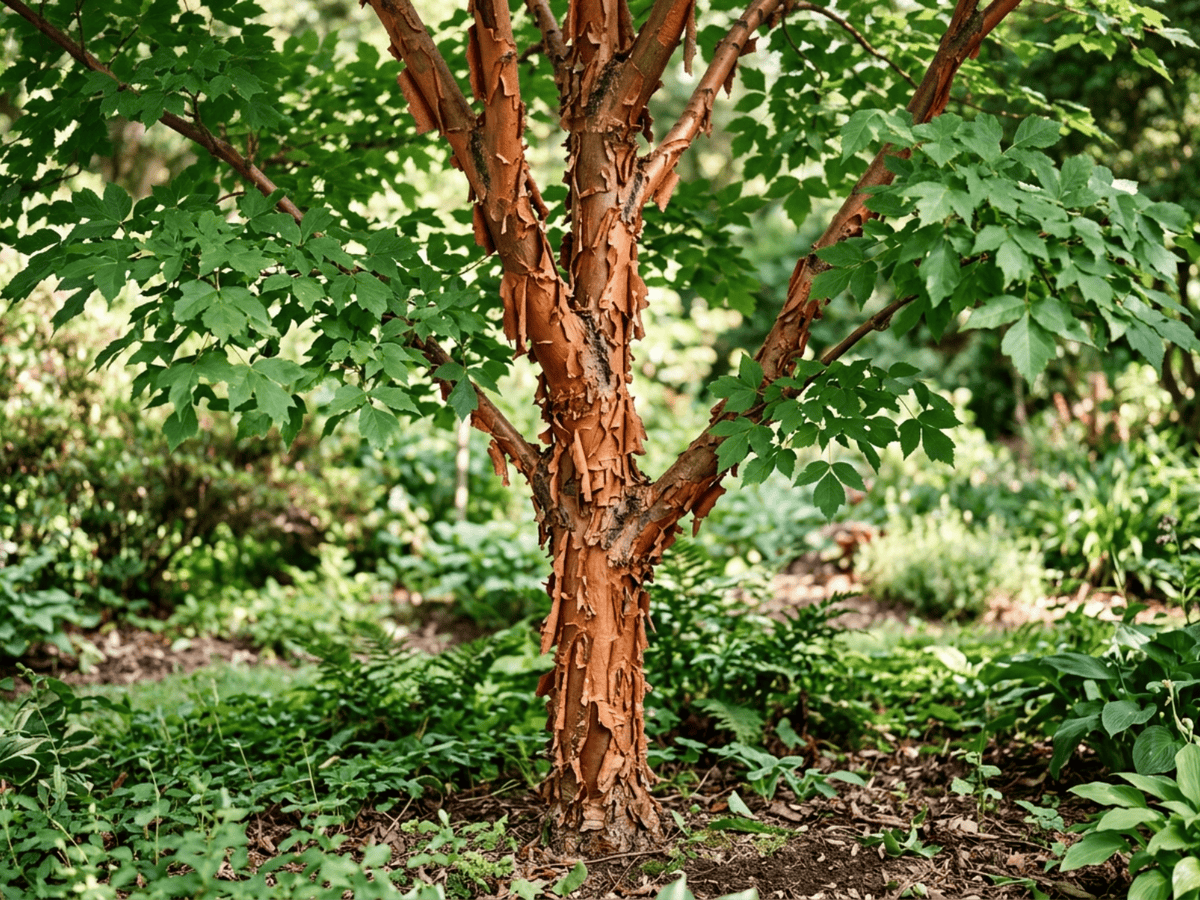 Paperbark MapleAcer griseum
 Sugar MapleAcer saccharum
Frequently asked questions
How often should I water Painted-Tongue?
In summer, water about every 2 days; in winter, about every 14 days. Adjust for heat, pot size and drainage.
How much light does Painted-Tongue need?
Full sun: 6+ hrs direct. Watch the leaves — scorching or stretching means the light needs adjusting.
Is Painted-Tongue toxic to cats or dogs?
No toxicity has been reported for this plant. Still, it is wise to keep pets from chewing on any houseplant. Educational information, not medical or veterinary advice. If exposure is suspected, contact a doctor or veterinarian.
Is Painted-Tongue easy to grow?
It is moderately demanding: a good choice once you have a little experience.
When does Painted-Tongue bloom?
It typically blooms Jun–Aug in the Northern Hemisphere.
YardMate
Identify any plant in seconds
Snap a photo — YardMate names the plant, diagnoses problems, and reminds you when to water.
Download on the App Store