 YardMate



Himalayan Sweet Box
Sarcococca hookeriana
Easy · Beginner friendlyAbout Himalayan Sweet Box
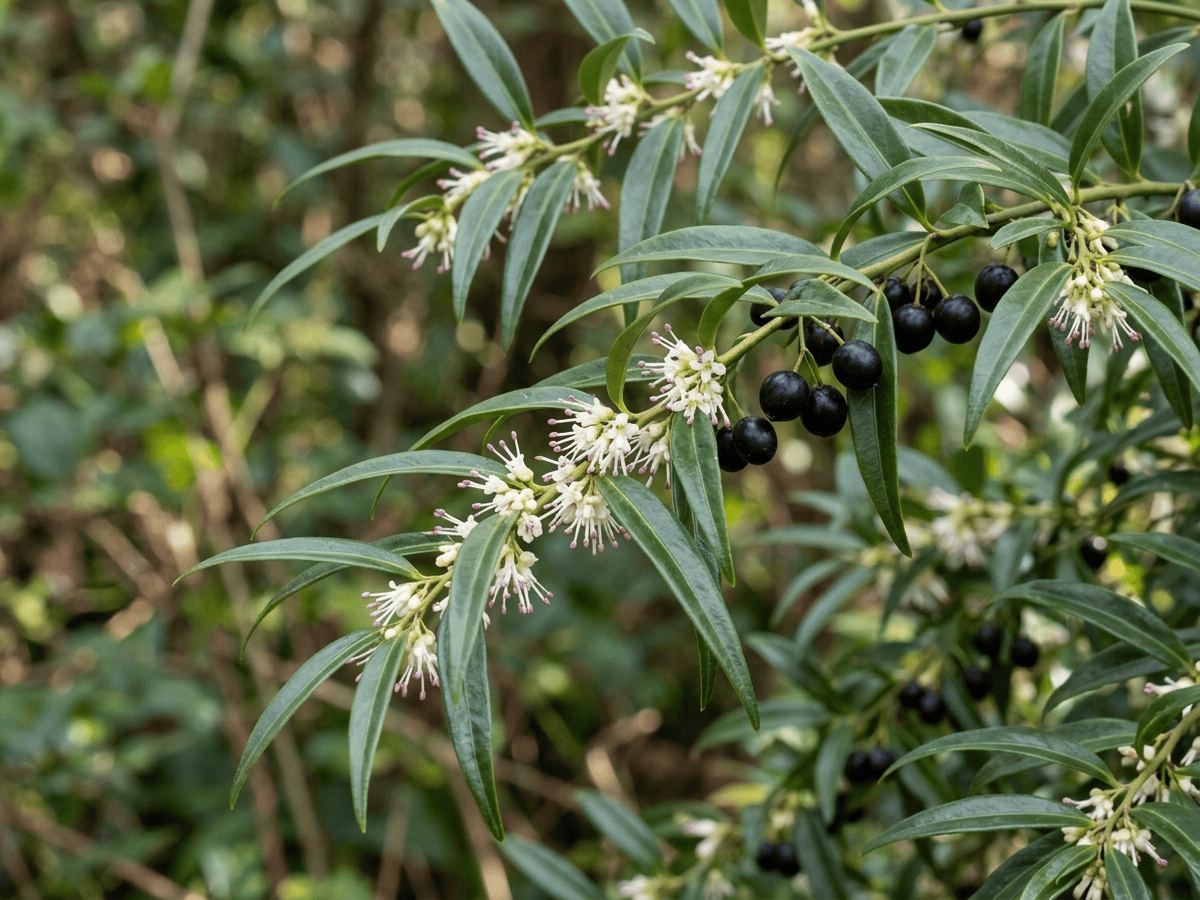
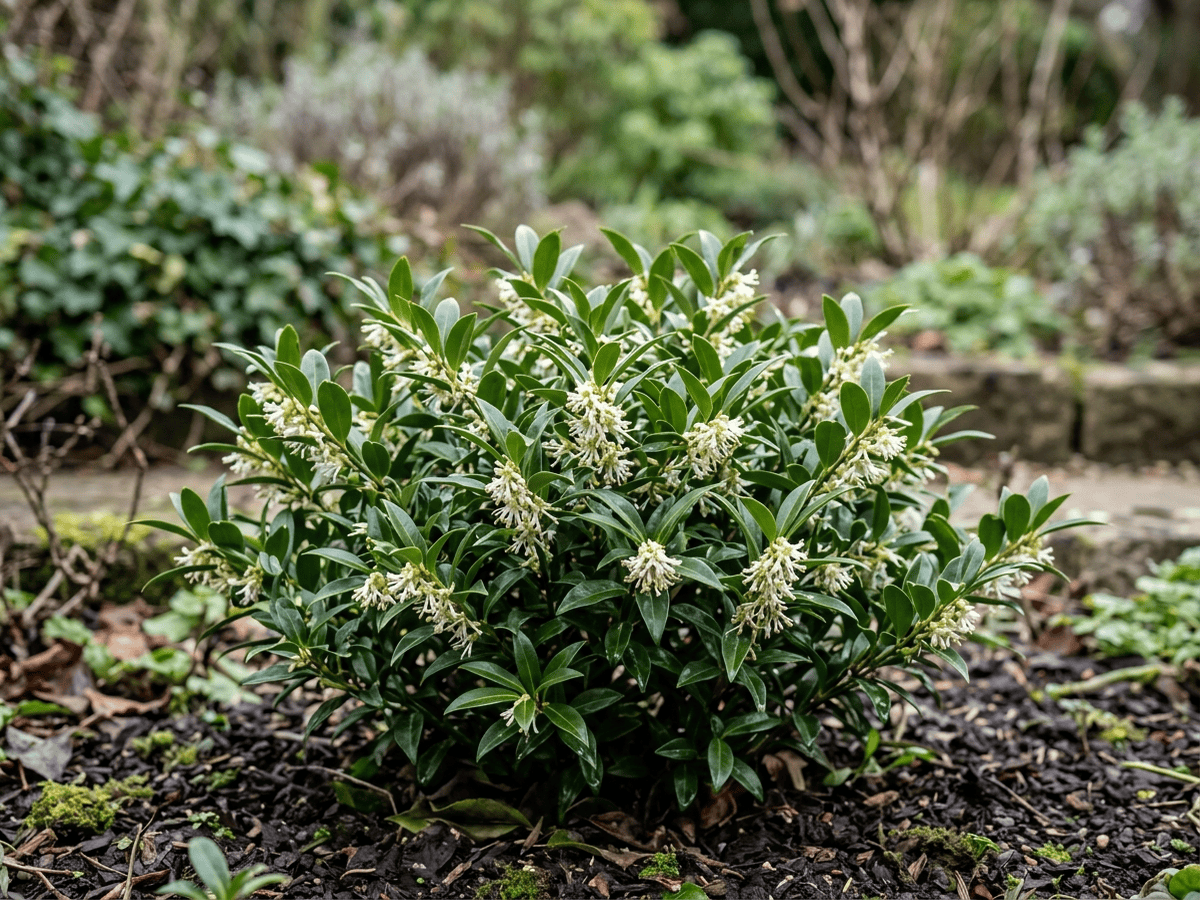
Himalayan Sweet Box is a suckering evergreen groundcover shrub reaching 2-4 feet tall with narrow glossy dark green leaves and intensely fragrant tiny white winter flowers. More vigorous than S. confusa and spreading by underground runners, it creates a dense evergreen mass in shade. The variety humilis stays low at 1-2 feet, ideal as a fragrant evergreen groundcover beneath trees and shrubs in cool shaded US gardens.
- Fragrant
- Shade-tolerant
- Evergreen
How to care for Himalayan Sweet Box
Watering
- Springevery 7 days
- Summerevery 5 days
- Fallevery 10 days
- Winterevery 21 days
Soil · Well-draining
- Top dressingPine bark mulch10%
- Main mixPotting soil + perlite 2:170%
- DrainageLECA / gravel20%
Never skip the drainage layer — standing water is the top cause of root rot.
FERTILIZER
- Springevery 30 days
At a Glance
- NativeSouth Asia, East Asia
- Height2–4 ft (0.6–1.2 m)
- Spread3–6 ft (0.9–1.8 m)
- Flower colorCream, White, Pink
- Foliage colorDark-green, Green
- Fruit colorBlack
- SoilLoamy, Well-drained, Moisture-retentive
- LocationsYard
Bloom time
BLOOM CYCLE
Peak bloom
Jan–Mar
Tiny fragrant white flowers January to March
Fragrance
STRONG FRAGRANCE
Sweet jasmine-honey-vanilla fragrance in late winter bloom.
Toxicity
Humans Moderate · Pets Moderate
sarcococcines and steroidal alkaloids
Moderate
- Fruit
- Leaf
- Ingestion
EXPOSURE Eating fruit and leaves.
EFFECT GI upset from steroidal alkaloids.
NOTE Like Buxus relatives, contains steroidal alkaloids.
Moderate
- Fruit
- Leaf
- Ingestion
EXPOSURE Eating fruit and leaves.
EFFECT Vomiting, diarrhea.
NOTE Like Buxus relatives, contains steroidal alkaloids.
Moderate
- Fruit
- Leaf
- Ingestion
EXPOSURE Eating fruit and leaves.
EFFECT Vomiting, diarrhea.
NOTE Like Buxus relatives, contains steroidal alkaloids.
Educational information, not medical or veterinary advice. If exposure is suspected, contact a doctor or veterinarian.
DISTRIBUTION


- Native
- South Asia
- East Asia
History

Sarcococca hookeriana is native to the eastern Himalayas (Nepal, Bhutan, northeastern India, southern Tibet) and western China. French botanist Henri Ernest Baillon formally described the species in 1871, honoring Sir Joseph Dalton Hooker, the great Victorian botanist and director of Kew who had explored the Sikkim Himalayas extensively in 1848-51. Three varieties are recognized: var. hookeriana (the type, upright to 1.5 m), var. humilis (low-growing, suckering groundcover to 40 cm, often sold separately as S. humilis), and var. digyna (taller with narrower leaves, 'Purple Stem' is a notable cultivar with reddish new stems).
All share the genus hallmark: tiny but intensely fragrant cream-white flower clusters in winter, emitting a sweet jasmine-honey-vanilla scent that perfumes shade gardens in the dark months. Glossy black berries (or red in var. digyna) follow the flowers. Shade, drought, deer resistance, and dry root conditions are all tolerated.
Hardy to zone 6. Native to the Himalayas from Afghanistan through Sichuan, collected and introduced to Western horticulture by Joseph Hooker of Kew Gardens in the 19th century. The dwarf 'Winter Gem' is a signature plant of modern Pacific Northwest shade gardens.
Symbolism & meaning
What It Symbolizes
Himalayan Sweet Box is hidden treasure on the winter air, its almost-invisible white flowers releasing an unmistakable perfume across the coldest months. Its perseverance through frost and snow makes it the rare shrub that blooms when little else dares. To find it in January is to be led by nose, not eye, to a small, fragrant secret tucked under glossy evergreen leaves.
- Hidden treasure — scent betrays what the eye misses
- Perseverance — flowers in the coldest months
Where the Name Comes From
The name Himalayan Sweet Box describes its sweet scent or flavor. 'Hookeriana' honors Sir Joseph Dalton Hooker, director of Kew Gardens and plant explorer.
Uses & Fun Facts
- Tiny winter flowers release powerful sweet honey perfume
- Suckering evergreen forms dense low mass in deep shade
- Glossy foliage screens shaded foundations and woodland walks
Related plants
More Sarcococca plants
Plants with similar care
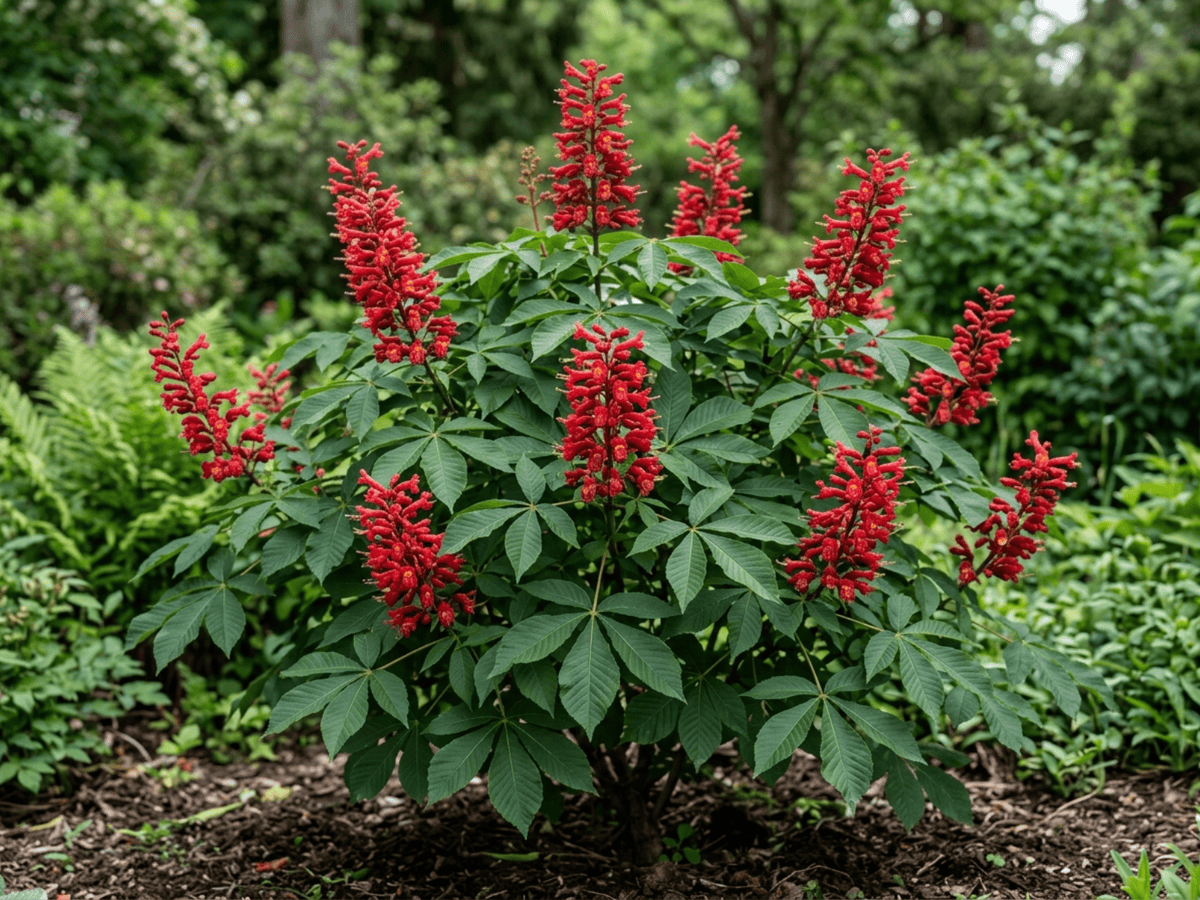 Red BuckeyeAesculus pavia
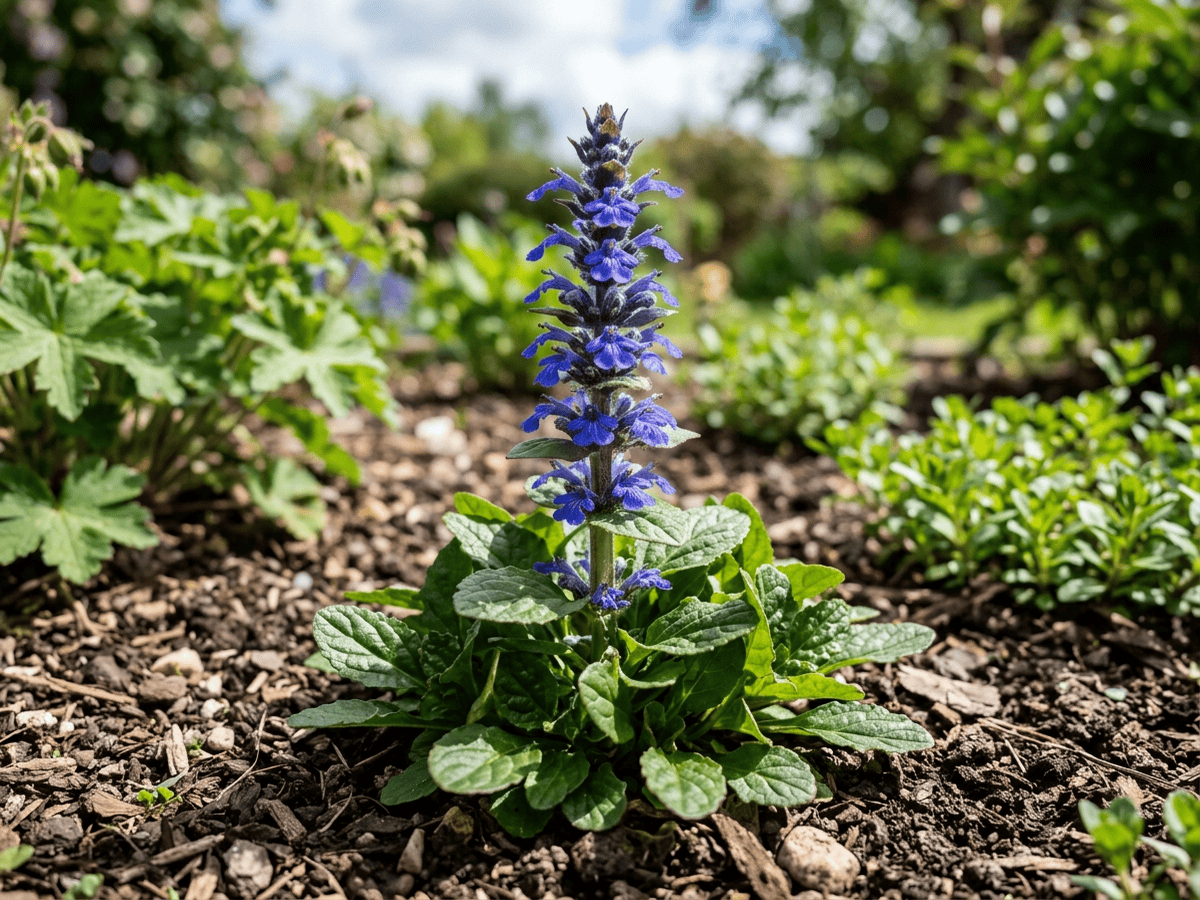 Blue BugleAjuga genevensis
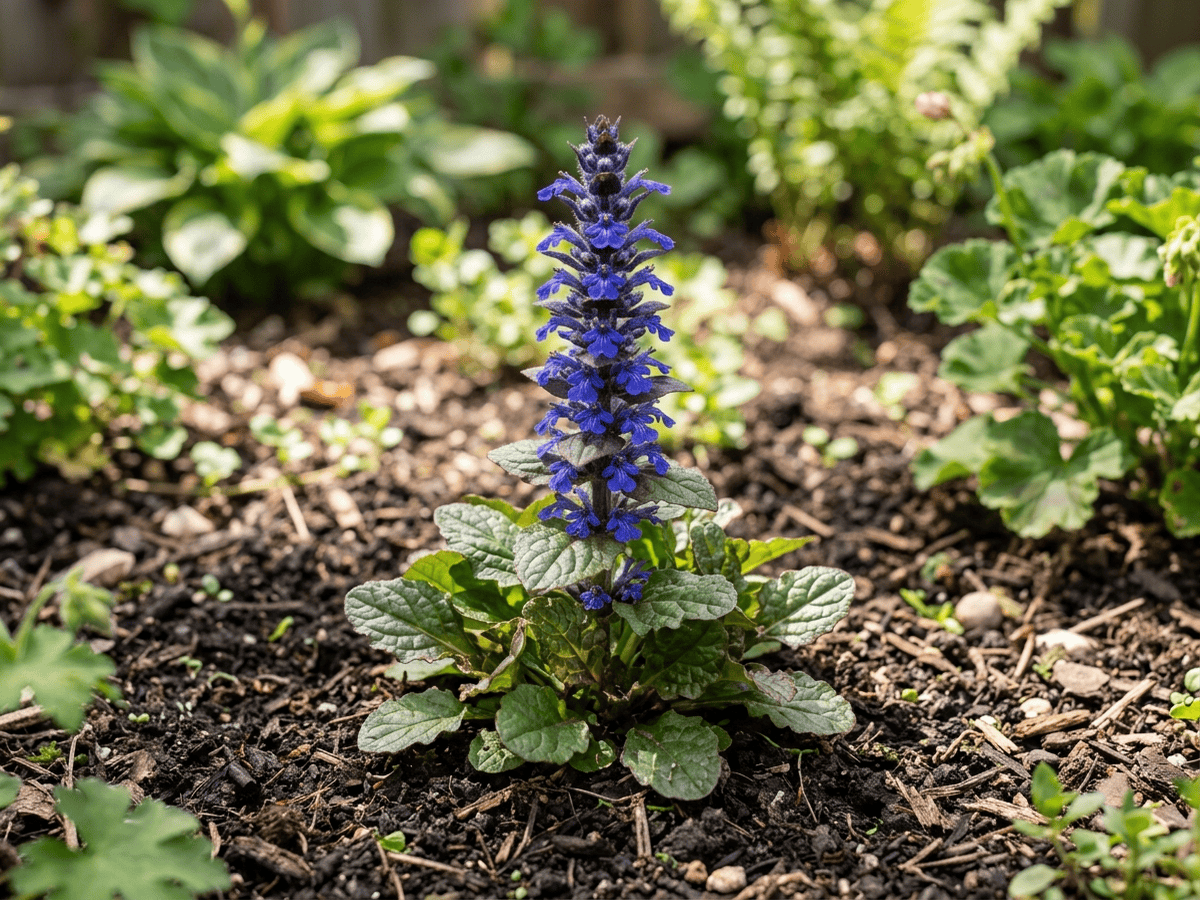 Pyramidal BugleAjuga pyramidalis
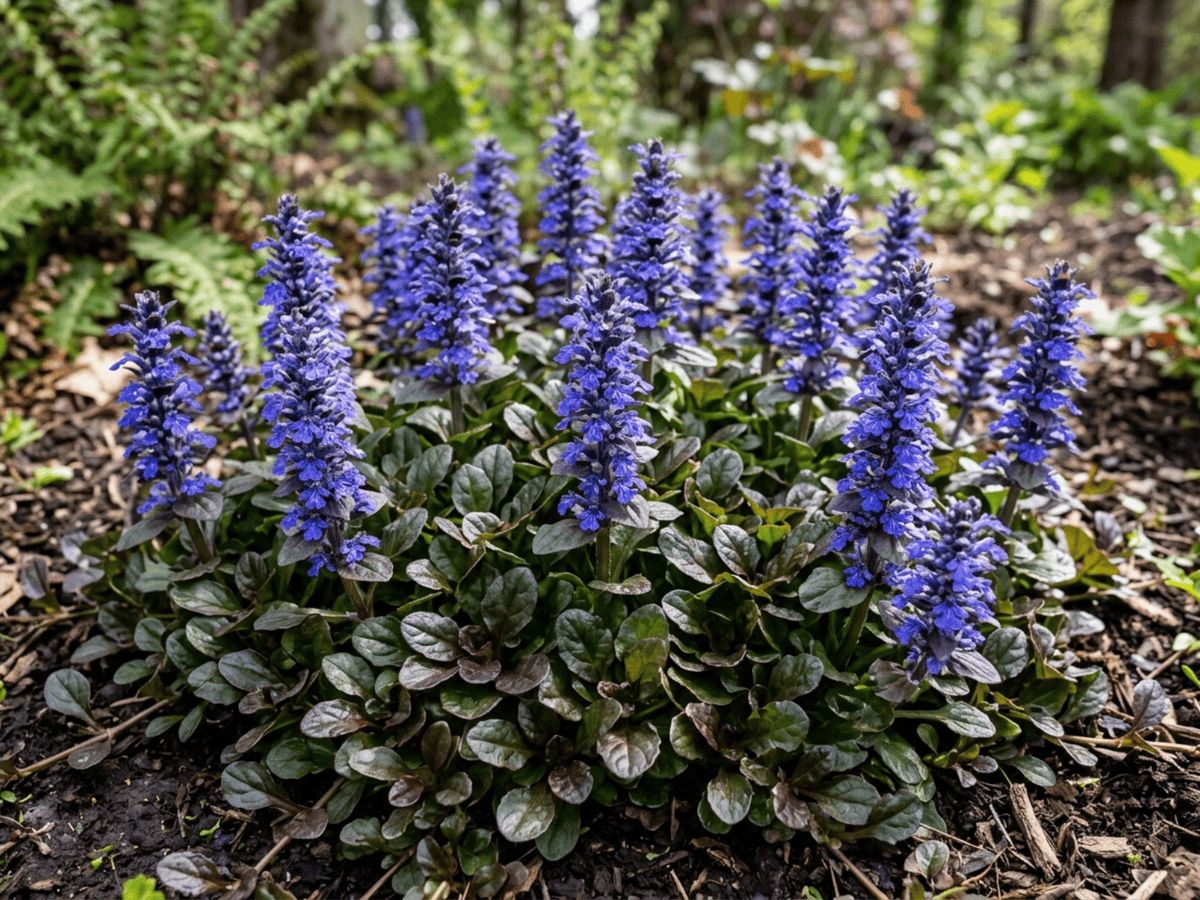 Carpet BugleAjuga reptans
Frequently asked questions
How often should I water Himalayan Sweet Box?
In summer, water about every 5 days; in winter, about every 21 days. Adjust for heat, pot size and drainage.
How much light does Himalayan Sweet Box need?
Part shade: 2–4 hrs direct. Watch the leaves — scorching or stretching means the light needs adjusting.
Is Himalayan Sweet Box toxic to cats or dogs?
Pets Moderate (Dogs Moderate · Cats Moderate) Educational information, not medical or veterinary advice. If exposure is suspected, contact a doctor or veterinarian.
Is Himalayan Sweet Box easy to grow?
Yes — it is considered an easy, beginner-friendly plant.
When does Himalayan Sweet Box bloom?
It typically blooms Jan–Mar in the Northern Hemisphere.
YardMate
Identify any plant in seconds
Snap a photo — YardMate names the plant, diagnoses problems, and reminds you when to water.
Download on the App Store