 YardMate

Coast Redwood
Sequoia sempervirens
Medium · Some experienceAbout Coast Redwood
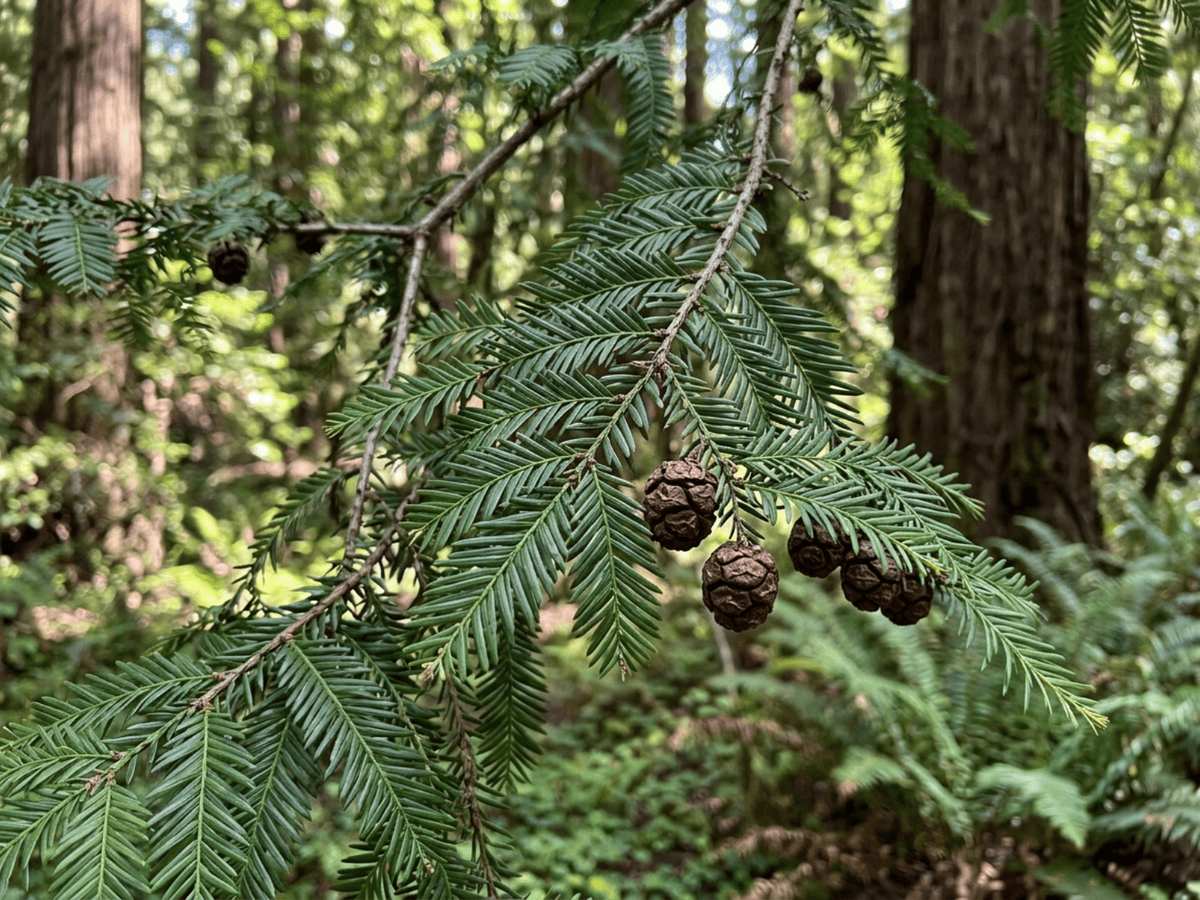
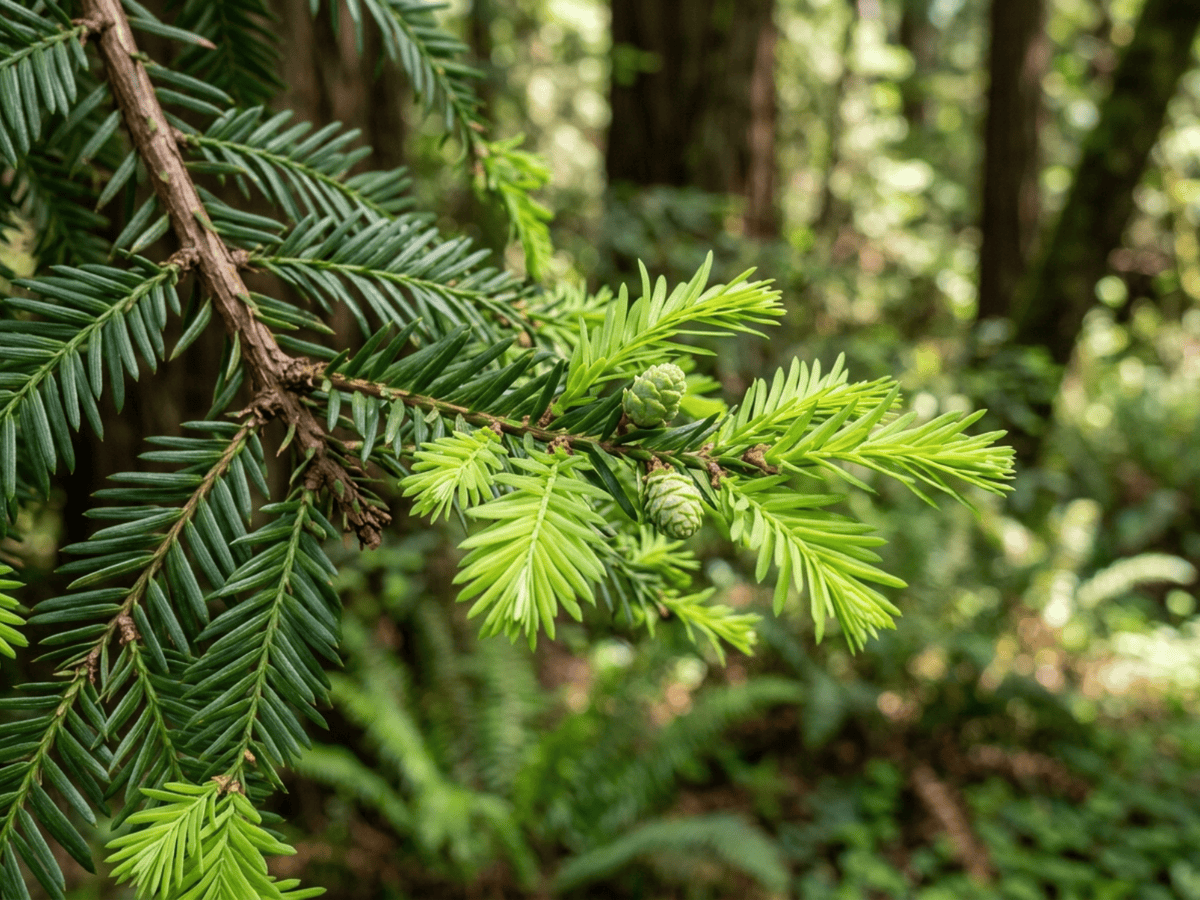
Coast Redwood is the tallest tree species on Earth, reaching over 380 feet, native only to the fog-drenched coastal strip of Northern California and southern Oregon. These ancient giants can live 1,500-2,000 years with some specimens over 3,000. Their reddish-brown fibrous bark can be a foot thick, and their feathery needles capture moisture from coastal fog. Redwood forests are UNESCO World Heritage Sites and represent some of Earth's most magnificent ecosystems.
- Evergreen
- Native
How to care for Coast Redwood
Watering
- Springevery 7 days
- Summerevery 7 days
- Fallevery 14 days
- Winterevery 30 days
Soil · Acidic · pH 4.5–6
- Top dressingPine needle mulch10%
- Main mixAcid-lover mix + peat 3:175%
- DrainageGravel15%
Never add lime or wood ash — it cancels out the acidity.
FERTILIZER
This plant needs little to no feeding.
At a Glance
- NativeNorth America
- Height200–300 ft (61–91.4 m)
- Spread40–80 ft (12.2–24.4 m)
- Foliage colorGreen, Blue-green
- Fruit colorBrown
- SoilLoamy, Moisture-retentive, Acidic
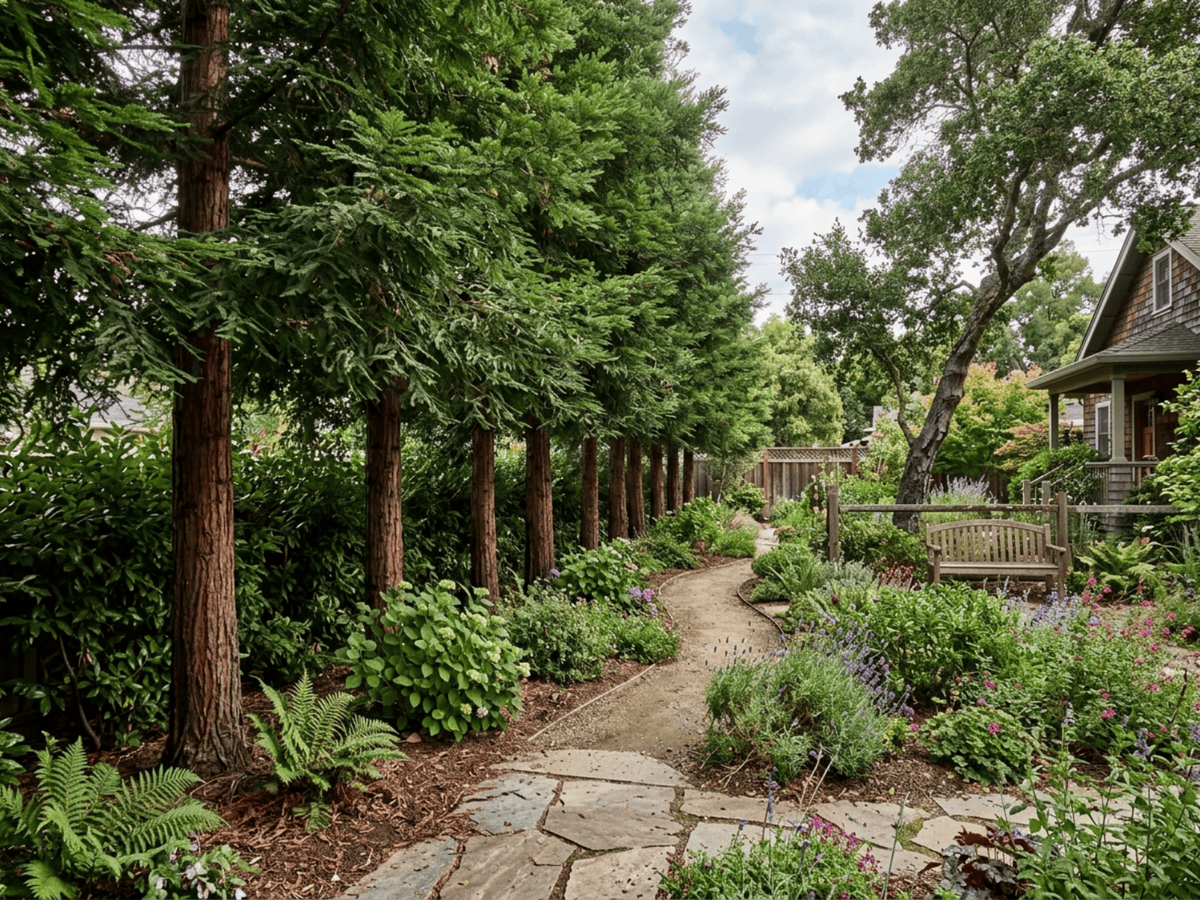
- LocationsYard
Bloom time
BLOOM CYCLE
Small cones produced annually
Fragrance
LIGHT FRAGRANCE
Faint aromatic scent from crushed foliage and cut wood.
Toxicity
No toxicity has been reported for this plant. Still, it is wise to keep pets from chewing on any houseplant.
Educational information, not medical or veterinary advice. If exposure is suspected, contact a doctor or veterinarian.
DISTRIBUTION

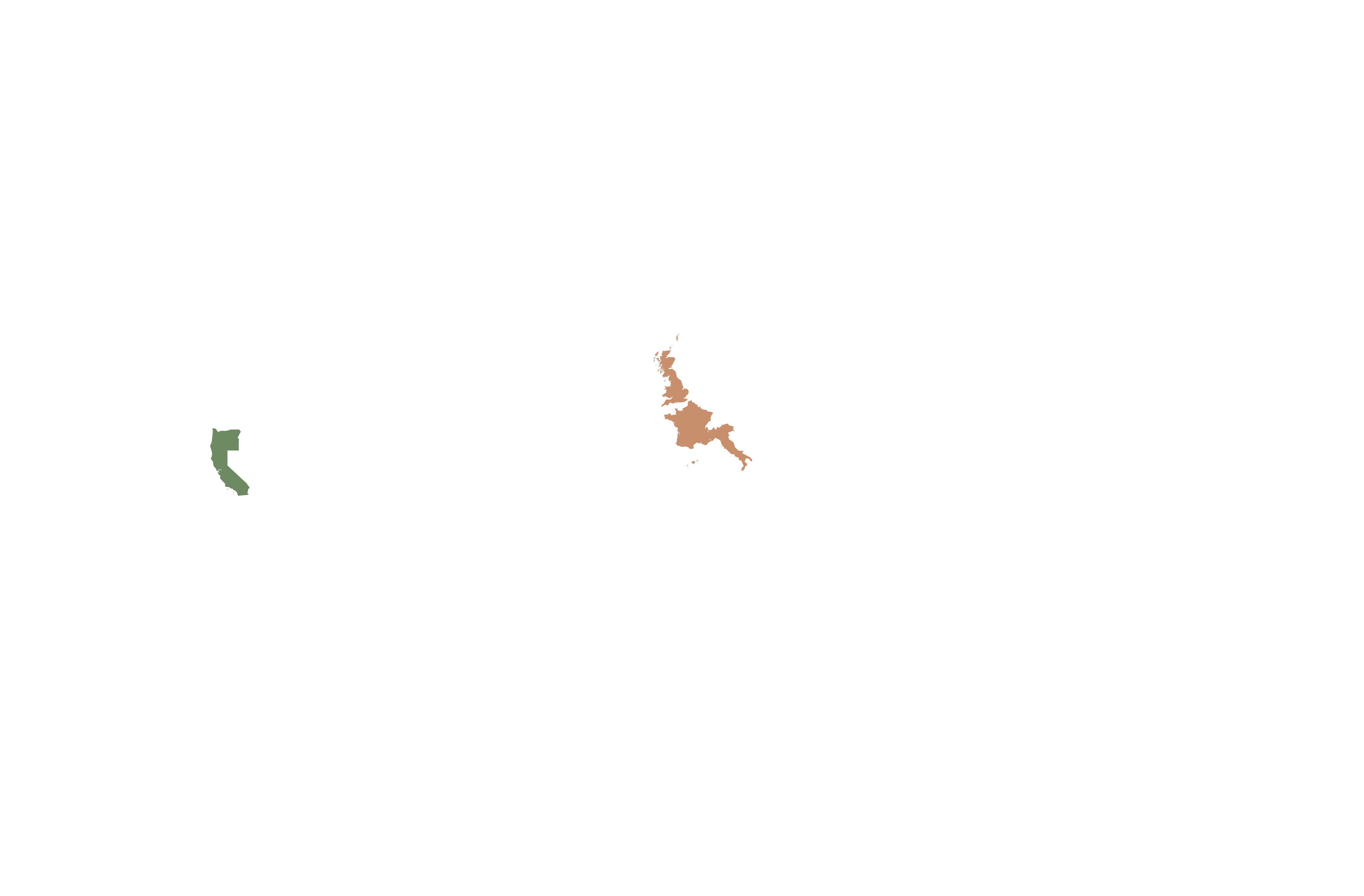
- Native
- Introduced
- North America
History

Sequoia sempervirens is native to a narrow coastal fog-belt strip from southwestern Oregon (just north of Brookings, Curry County) south through the California coast to southern Monterey County — essentially the western-facing slopes that receive regular summer coastal fog, which supplies critical summer moisture to the species. It is the tallest tree species on Earth: the tallest living specimen, "Hyperion," discovered in 2006 in Redwood National Park, measures 115.92 meters (380.3 feet) tall; multiple other specimens exceed 110 meters. Mature trees can live 2,000-2,500 years and reach 6-8 meter trunk diameters. Archaic in evolutionary terms — the Sequoia lineage dates to the Mesozoic and was once widely distributed across the Northern Hemisphere before Ice Age climate reductions restricted its range to the modern California coast.
Before European settlement, coast redwood forest covered approximately 2 million acres from the Oregon border to Monterey; systematic logging beginning in the 1850s reduced old-growth forest to less than 5% of original extent by 1965, when Redwood National Park was founded (with Save the Redwoods League's advocacy playing a major role). Today old-growth redwood forest is protected in Redwood National Park, Humboldt Redwoods State Park (the largest remaining old-growth stand), Big Basin, and a dozen other state and federal protected areas. Indigenous Tolowa, Yurok, Wiyot, Mattole, Sinkyone, and other California Indigenous peoples have maintained cultural relationships with redwood for millennia.
Fire-resistant thick bark and basal sprouting are key ecological adaptations. European explorers in the 1760s were astounded at their size. Over 95% of old-growth redwoods were logged between 1850-1970, but Save the Redwoods League (1918) and state parks preserved the remaining ancient groves.
Symbolism & meaning
What It Symbolizes
Coast Redwood is eternity standing in fog — individuals living over two thousand years, surviving fires and centuries while empires come and go below their crowns. As the tallest trees on Earth it is also majesty, nature's cathedrals along a narrow strip of California and Oregon coast. It is the species that humbles even the sequoia tourist, the tree against which all our timescales fail.
- Eternity — living for thousands of years
- Majesty — tallest trees on Earth, nature's cathedrals
Where the Name Comes From
The name Coast Redwood points to coastal habitats. 'Sequoia' honors Sequoyah, Cherokee linguist who invented the Cherokee syllabary; 'sempervirens' means 'always green'.
Uses & Fun Facts
- Rot-resistant timber harvested historically for decking and structures
- Earth's tallest tree as conservation grove and estate monument
- Massive evergreen canopy creates deep cool understory
Related plants
Plants with similar care
 Mexican AbeliaAbelia floribunda
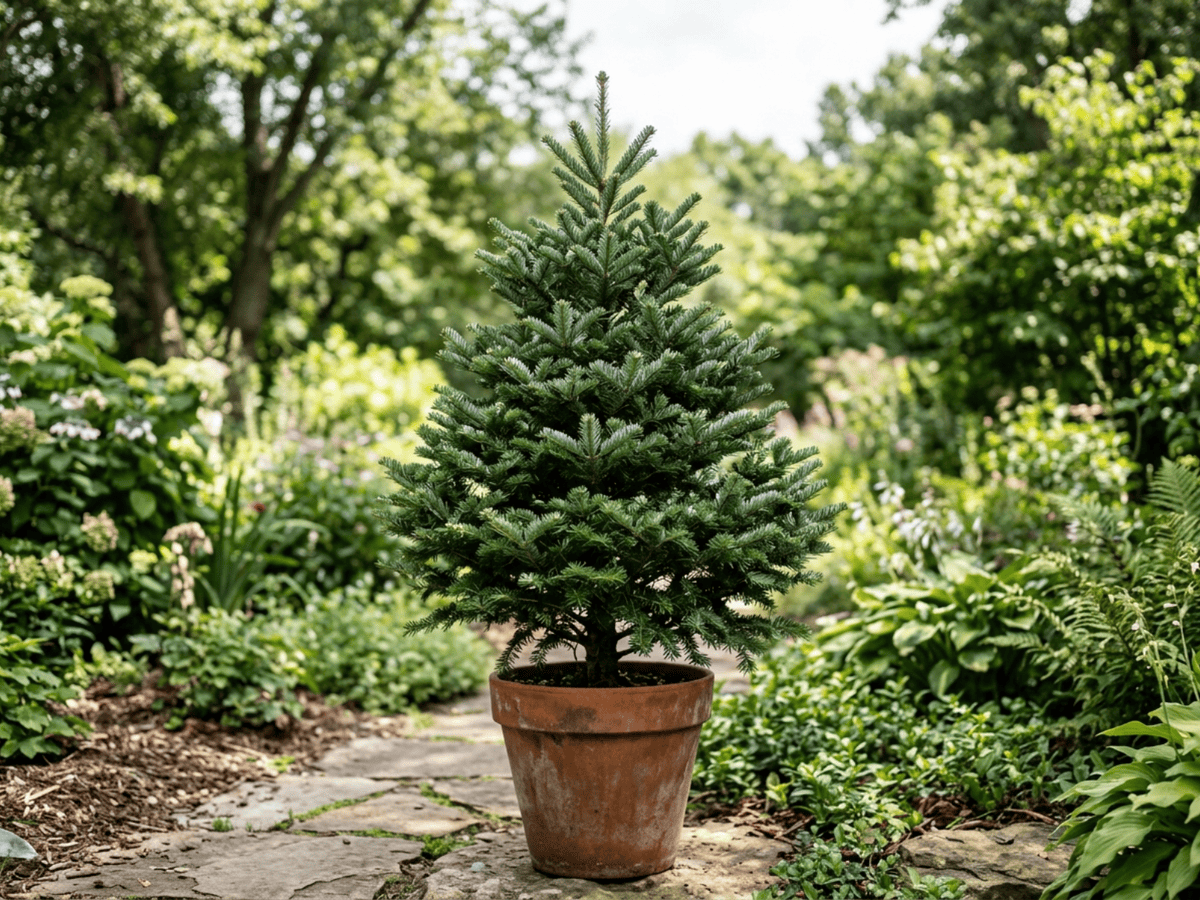 Fraser FirAbies fraseri
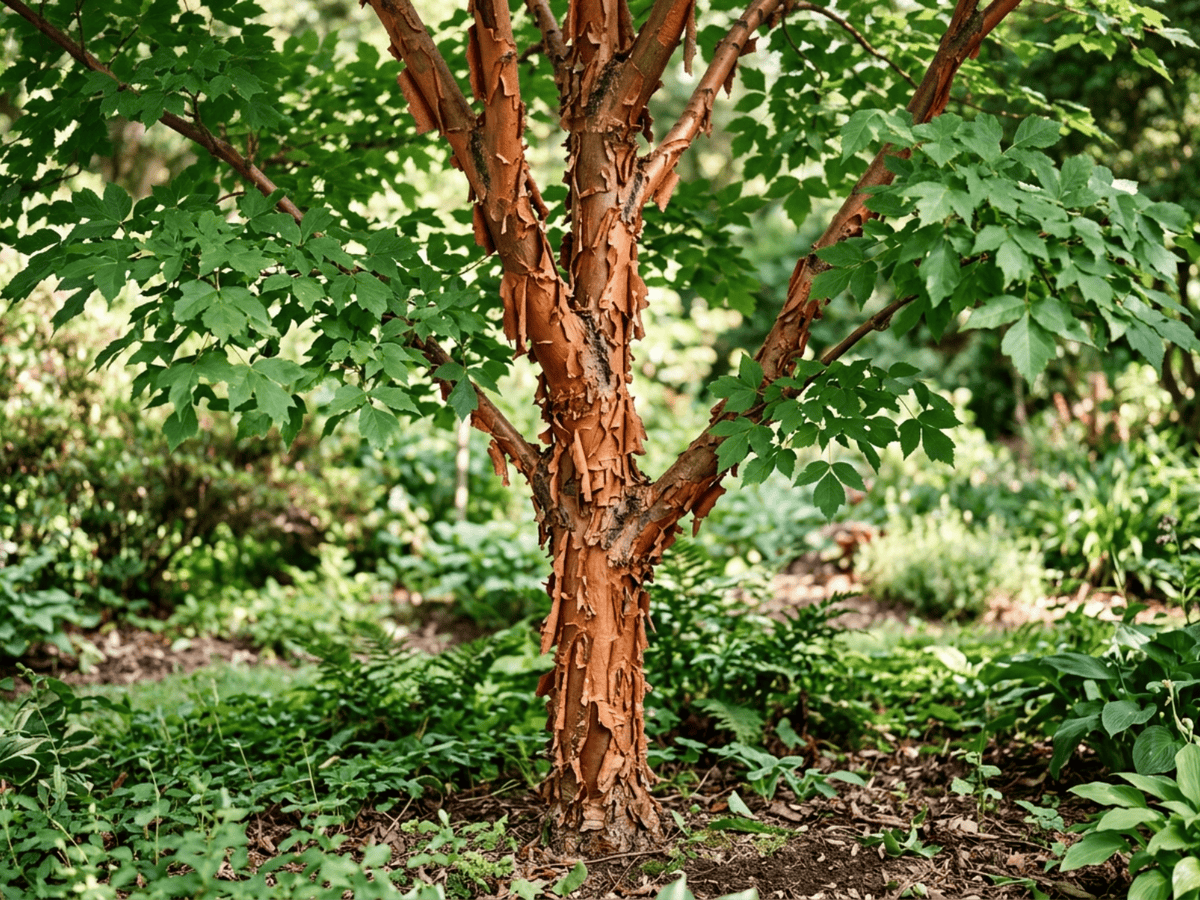 Paperbark MapleAcer griseum
 Sugar MapleAcer saccharum
Frequently asked questions
How often should I water Coast Redwood?
In summer, water about every 7 days; in winter, about every 30 days. Adjust for heat, pot size and drainage.
How much light does Coast Redwood need?
Full sun: 6+ hrs direct. Watch the leaves — scorching or stretching means the light needs adjusting.
Is Coast Redwood toxic to cats or dogs?
No toxicity has been reported for this plant. Still, it is wise to keep pets from chewing on any houseplant. Educational information, not medical or veterinary advice. If exposure is suspected, contact a doctor or veterinarian.
Is Coast Redwood easy to grow?
It is moderately demanding: a good choice once you have a little experience.
YardMate
Identify any plant in seconds
Snap a photo — YardMate names the plant, diagnoses problems, and reminds you when to water.
Download on the App Store