 YardMate


Giant Sequoia
Sequoiadendron giganteum
Hard · Experienced growersAbout Giant Sequoia
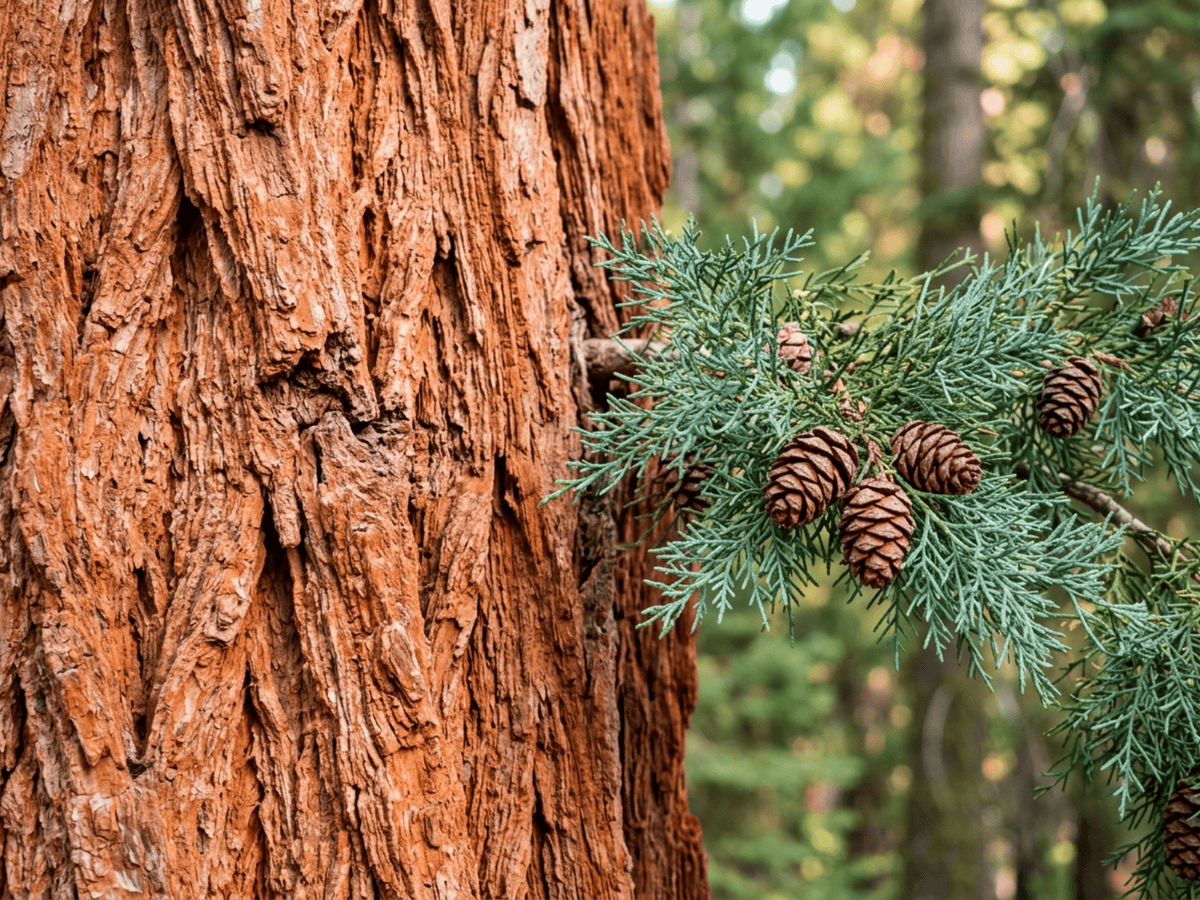
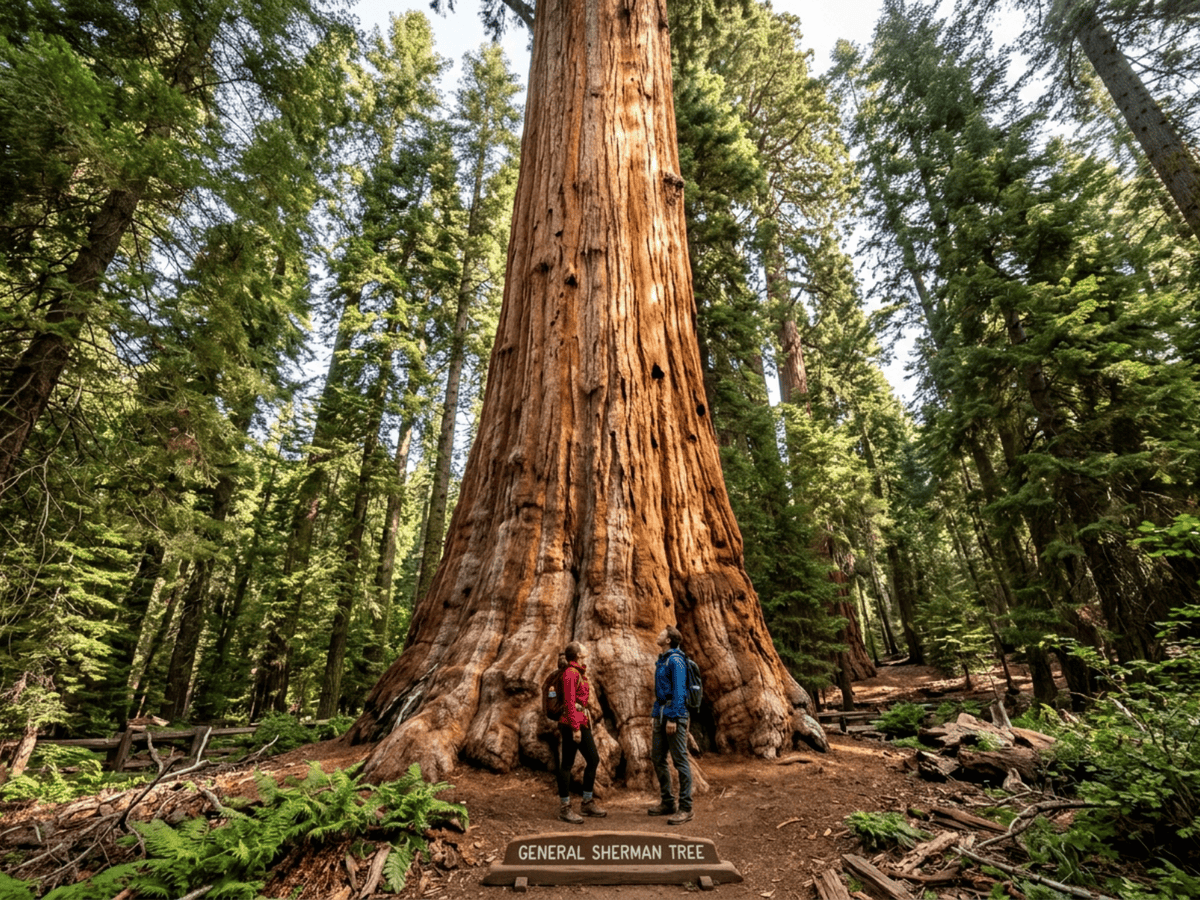
Giant Sequoia is the world's largest tree by volume, native only to 75 isolated groves on the western slope of California's Sierra Nevada at 5,000-7,000 feet elevation. Reaching 250-300 feet tall and 25-30 feet in diameter, these colossal trees can live 3,000+ years. General Sherman, the largest tree on Earth, contains over 52,000 cubic feet of wood. Their reddish-brown spongy bark is fire-resistant and up to 3 feet thick.
- Cold-hardy
- Evergreen
- Native
How to care for Giant Sequoia
Watering
- Springevery 7 days
- Summerevery 7 days
- Fallevery 14 days
- Winterevery 30 days
Soil · Acidic · pH 4.5–6
- Top dressingPine needle mulch10%
- Main mixAcid-lover mix + peat 3:175%
- DrainageGravel15%
Never add lime or wood ash — it cancels out the acidity.
FERTILIZER
This plant needs little to no feeding.
At a Glance
- NativeNorth America
- Height60–200 ft (18.3–61 m)
- Spread25–40 ft (7.6–12.2 m)
- Foliage colorGreen, Blue-green
- Fruit colorBrown
- SoilWell-drained, Loamy, Acidic
- LocationsYard
Bloom time
BLOOM CYCLE
Small egg-shaped cones over 2-3 years
Fragrance
LIGHT FRAGRANCE
Mild aromatic scent from crushed foliage.
Toxicity
No toxicity has been reported for this plant. Still, it is wise to keep pets from chewing on any houseplant.
Educational information, not medical or veterinary advice. If exposure is suspected, contact a doctor or veterinarian.
DISTRIBUTION

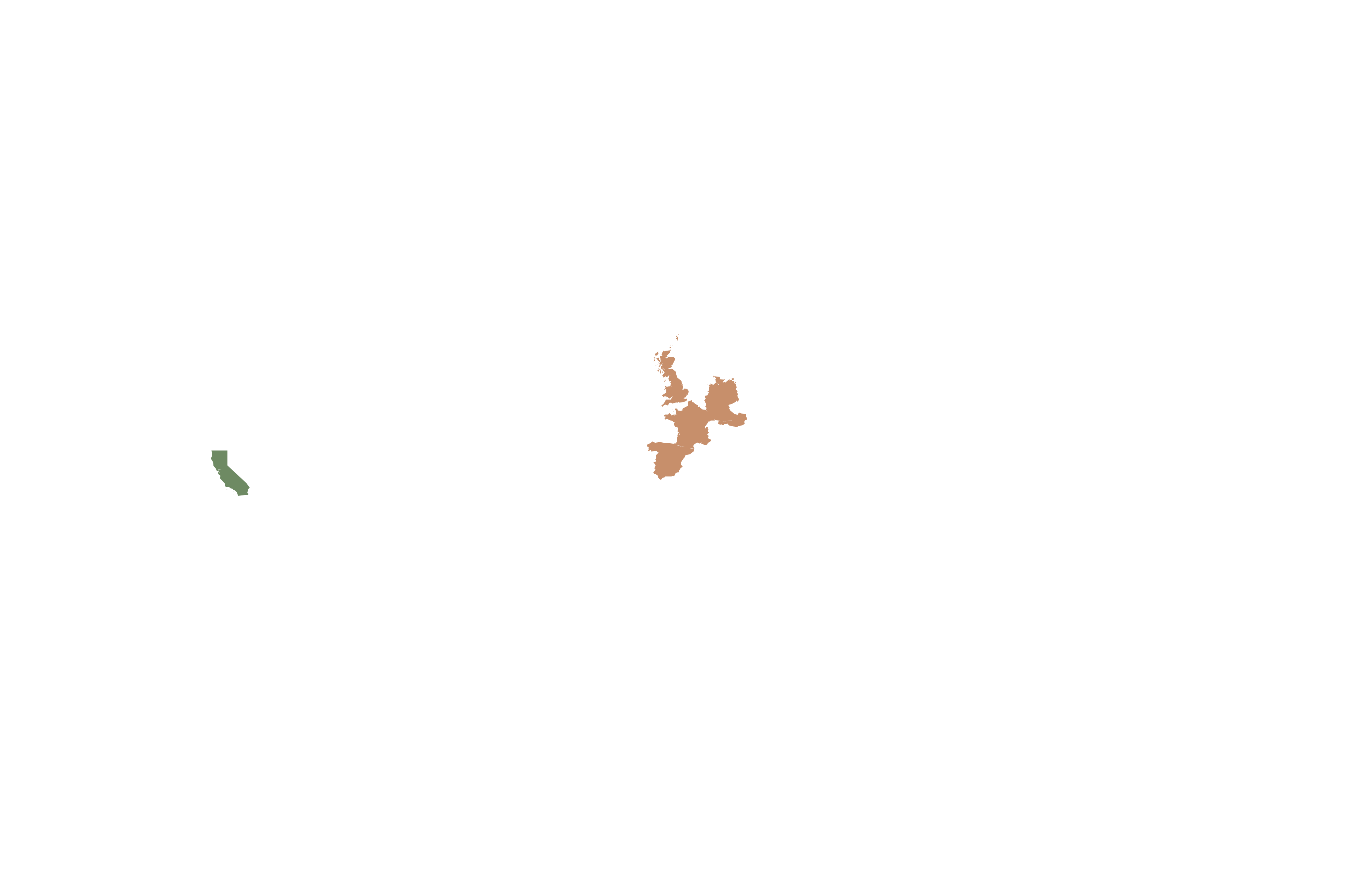
- Native
- Introduced
- North America
History
Sequoiadendron giganteum is native to a narrow elevation band (1400-2200 meters) of the western slopes of the Sierra Nevada mountains in central California — essentially the Kaweah, Tule, Kings, Merced, Tuolumne, and Stanislaus River watersheds. Approximately 75 distinct native giant sequoia groves survive, totaling around 14,600 hectares of grove area, concentrated in Yosemite National Park, Kings Canyon National Park, Sequoia National Park, Giant Sequoia National Monument, and multiple smaller state and federal reserves. The species produces the most massive single-stem trees on Earth by trunk volume: "General Sherman" in Sequoia National Park is estimated at 1,487 cubic meters (52,500 cubic feet) of trunk volume and approximately 2,200 years old; "General Grant" in Kings Canyon is the second-largest at approximately 1,320 cubic meters; dozens of other specimens exceed 1,000 cubic meters. Individual trees have been dated by ring count at 3,200+ years old (the oldest confirmed giant sequoia, "Muir Snag," an ancient dead standing trunk in Converse Basin).
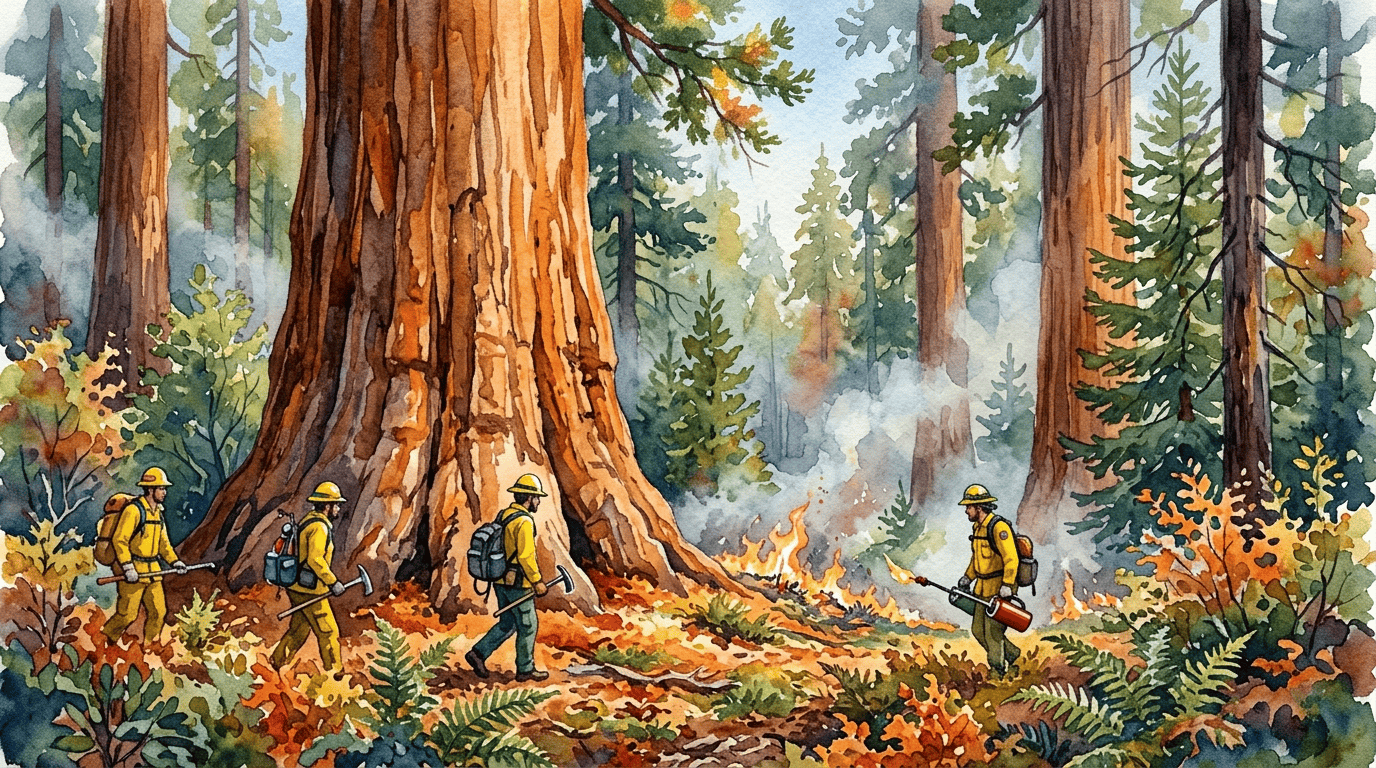
The species evolved adaptations to Sierra fire regime — thick insulating bark (up to 60 cm thick on old trees), high-crown canopy, and fire-dependent cone opening that releases seeds onto freshly-burned forest floor. Wildfire suppression since the late 19th century has impaired natural regeneration, and climate-driven drought and megafire since 2015 (the 2020 Castle Fire killed an estimated 10-14% of the world's mature giant sequoias in a single event; the 2021 KNP Complex and Windy Fires killed additional thousands) represent a serious threat to the species. Restoration fire management is now active in most Sierra groves.
Discovered by European Americans in 1833, though known to Indigenous peoples for millennia. The Monache and Yokuts called them 'woh-woh-nau'. Early logging devastated many groves before federal protection beginning with Sequoia National Park (1890). The species now faces threats from climate change, drought, and unprecedented wildfires that are killing centuries-old giants.
Symbolism & meaning
What It Symbolizes
The Giant Sequoia suggests Eternity — among the longest-lived trees on Earth, with individuals exceeding three thousand years quietly witnessing the rise and fall of civilizations. Its majesty is unmatched, the largest trees on Earth by volume, holding more living wood than any other species. To stand beneath one is to feel time itself standing still.
- Eternity — oldest living trees, witnessing millennia
- Majesty — largest trees on Earth by volume
Where the Name Comes From
'Sequoiadendron' means 'sequoia tree'; 'giganteum' means 'giant'.
Uses & Fun Facts
- Among earth's largest trees, an estate-scale focal point
- Massive conical canopy shades parks and arboreta
- Iconic species symbolizing California wilderness heritage
Related plants
Plants with similar care
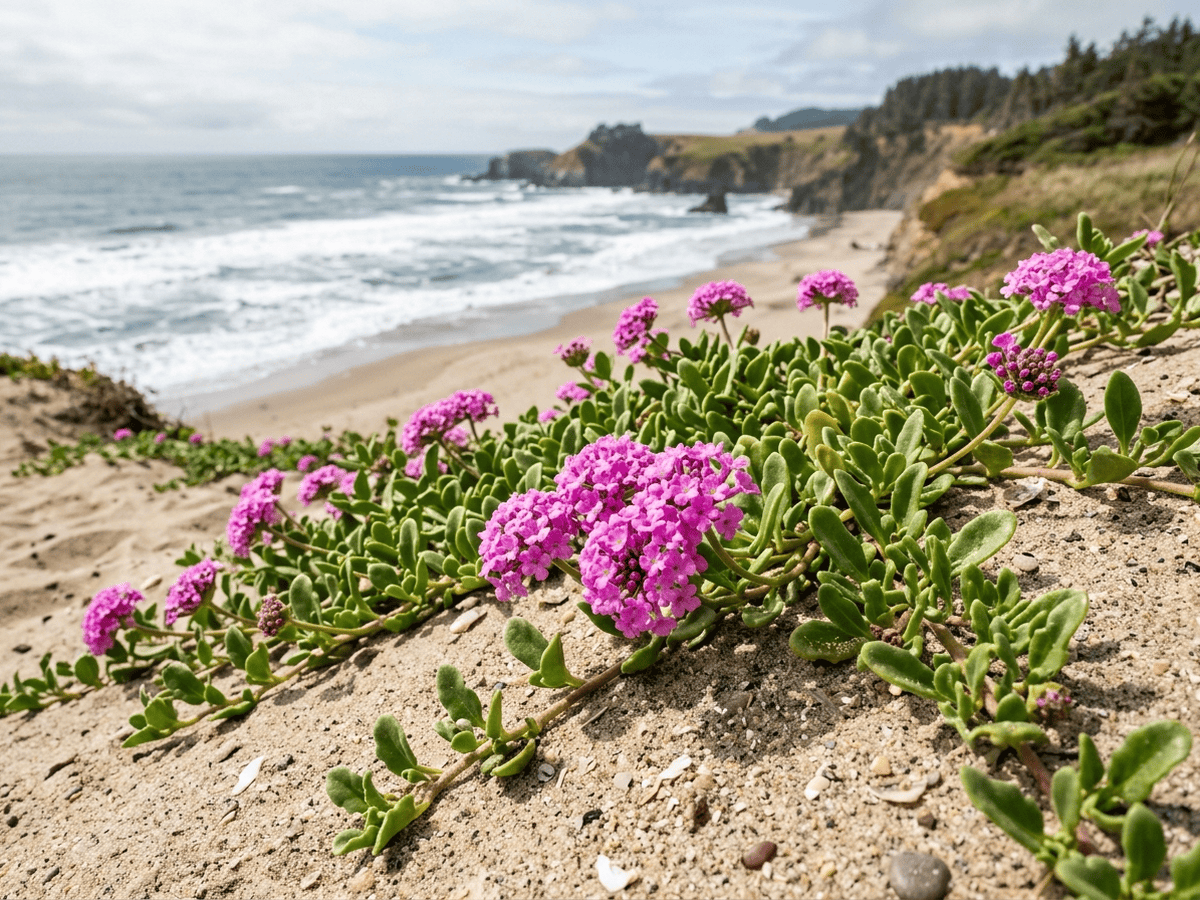 Pink Sand VerbenaAbronia umbellata
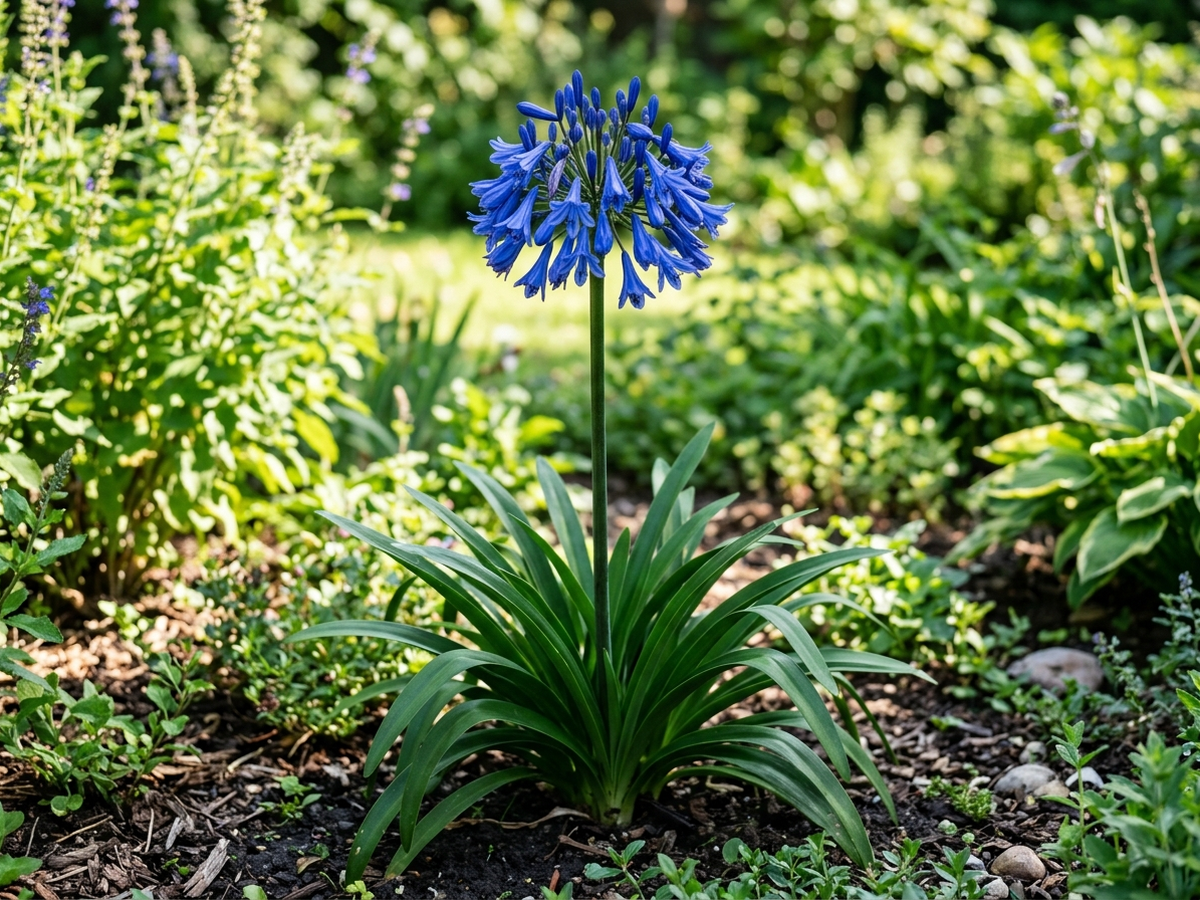 Drooping AgapanthusAgapanthus inapertus
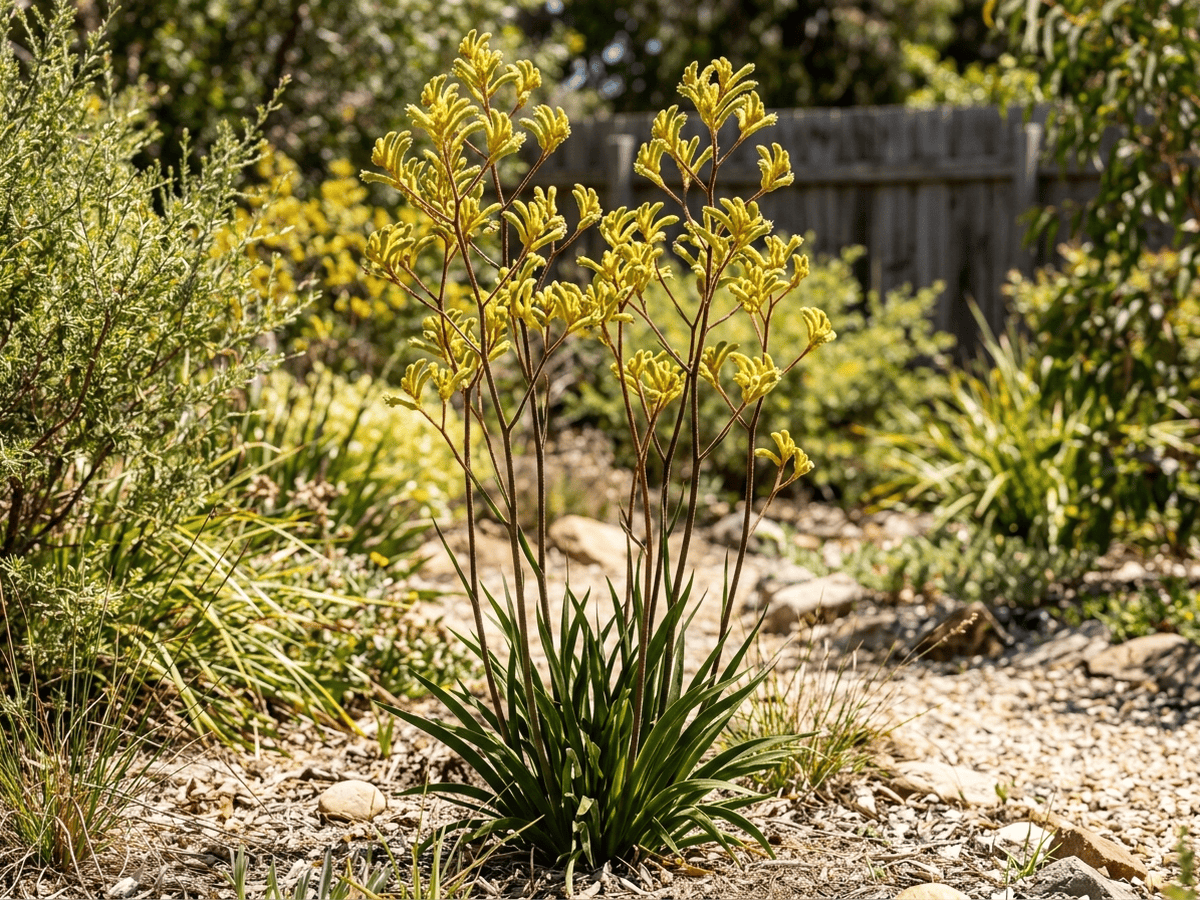 Tall Kangaroo PawAnigozanthos flavidus
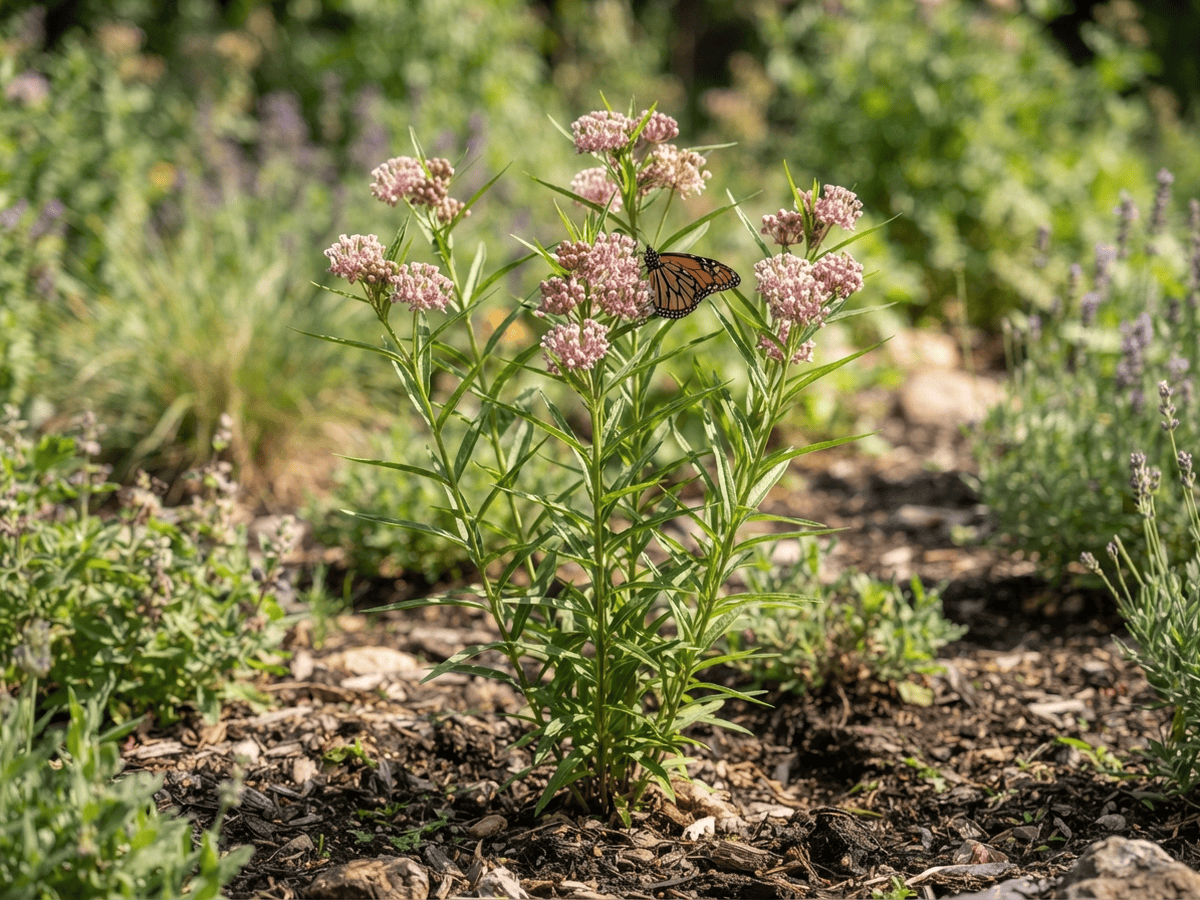 Narrowleaf MilkweedAsclepias fascicularis
Frequently asked questions
How often should I water Giant Sequoia?
In summer, water about every 7 days; in winter, about every 30 days. Adjust for heat, pot size and drainage.
How much light does Giant Sequoia need?
Full sun: 6+ hrs direct. Watch the leaves — scorching or stretching means the light needs adjusting.
Is Giant Sequoia toxic to cats or dogs?
No toxicity has been reported for this plant. Still, it is wise to keep pets from chewing on any houseplant. Educational information, not medical or veterinary advice. If exposure is suspected, contact a doctor or veterinarian.
Is Giant Sequoia easy to grow?
It is considered challenging and rewards experienced growers.
YardMate
Identify any plant in seconds
Snap a photo — YardMate names the plant, diagnoses problems, and reminds you when to water.
Download on the App Store