 YardMate


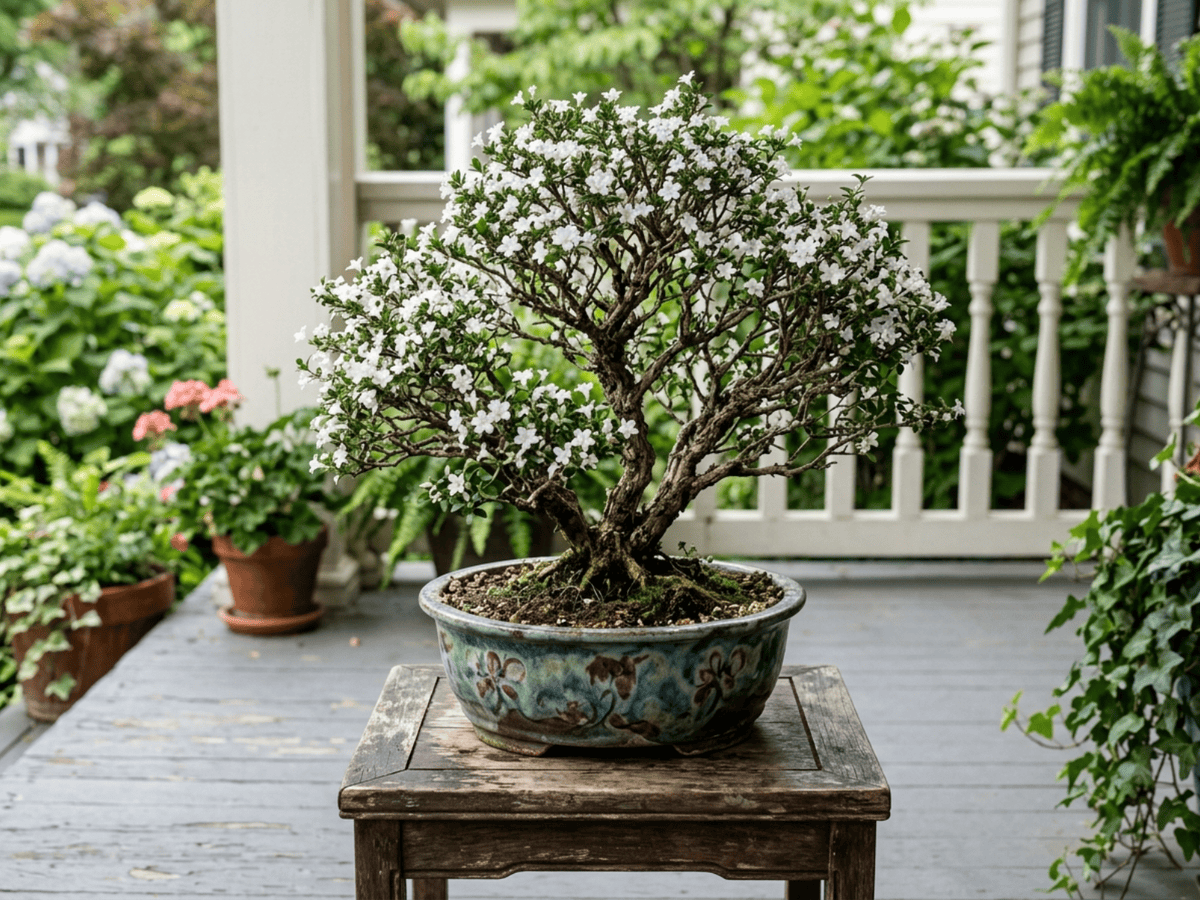
Snowrose
Serissa foetida
Medium · Some experienceAbout Snowrose
Serissa foetida, commonly known as the tree of a thousand stars or snowrose, is a compact evergreen shrub native to the moist woodlands of Southeast Asia, from China to Japan and Indochina. It rarely exceeds one meter in height, forming a dense mound of tiny oval leaves along fine, wiry branches. The plant earns its enchanting common name from the profusion of tiny star-shaped white or pink flowers that can cover the entire shrub nearly year-round in warm conditions. When the leaves or bark are bruised, they emit a mildly unpleasant odor, which gives rise to the 'foetida' in its botanical name. Serissa is one of the most popular subjects for bonsai cultivation, prized for its naturally miniature proportions, delicate branching structure, and ability to develop a gnarled, aged-looking trunk relatively quickly. In bonsai culture, it is considered somewhat temperamental — it dislikes being moved and may drop leaves in response to changes in light or temperature. Despite this sensitivity, a well-cared-for serissa bonsai rewards the grower with an almost constant display of starry blooms. In the garden, it works beautifully as a low border or ground cover in mild climates.
- Compact
- Evergreen
How to care for Snowrose
Watering
- Springevery 3 days
- Summerevery 2 days
- Fallevery 5 days
- Winterevery 7 days
Soil · Well-draining
- Top dressingPine bark mulch10%
- Main mixPotting soil + perlite 2:170%
- DrainageLECA / gravel20%
Never skip the drainage layer — standing water is the top cause of root rot.
FERTILIZER
Balanced Feed 14-14-14
An even feed covers all three needs at once, keeping leaves, roots and blooms moving together with nothing pushed out of balance.
- Nitrogen · Leaves
- Phosphorus · Roots + Blooms
- Potassium · Strength
- Springevery 14 days
- Summerevery 14 days
At a Glance
- NativeEast Asia
- Height1–3 ft (0.3–0.9 m)
- Spread1–2 ft (0.3–0.6 m)
- Flower colorWhite, Pink
- Foliage colorGreen, Variegated
- SoilLoamy, Well-drained
- LocationsIndoor · Yard
Bloom time
BLOOM CYCLE
Peak bloom
Jan–Dec
Tiny star-shaped white flowers nearly year-round in warm conditions; avoid moving the plant during bloom
Fragrance
LIGHT FRAGRANCE
Flowers faintly sweet; crushed leaves have an unpleasant smell.
Toxicity
No toxicity has been reported for this plant. Still, it is wise to keep pets from chewing on any houseplant.
Educational information, not medical or veterinary advice. If exposure is suspected, contact a doctor or veterinarian.
DISTRIBUTION


- Native
- Introduced
- East Asia
History
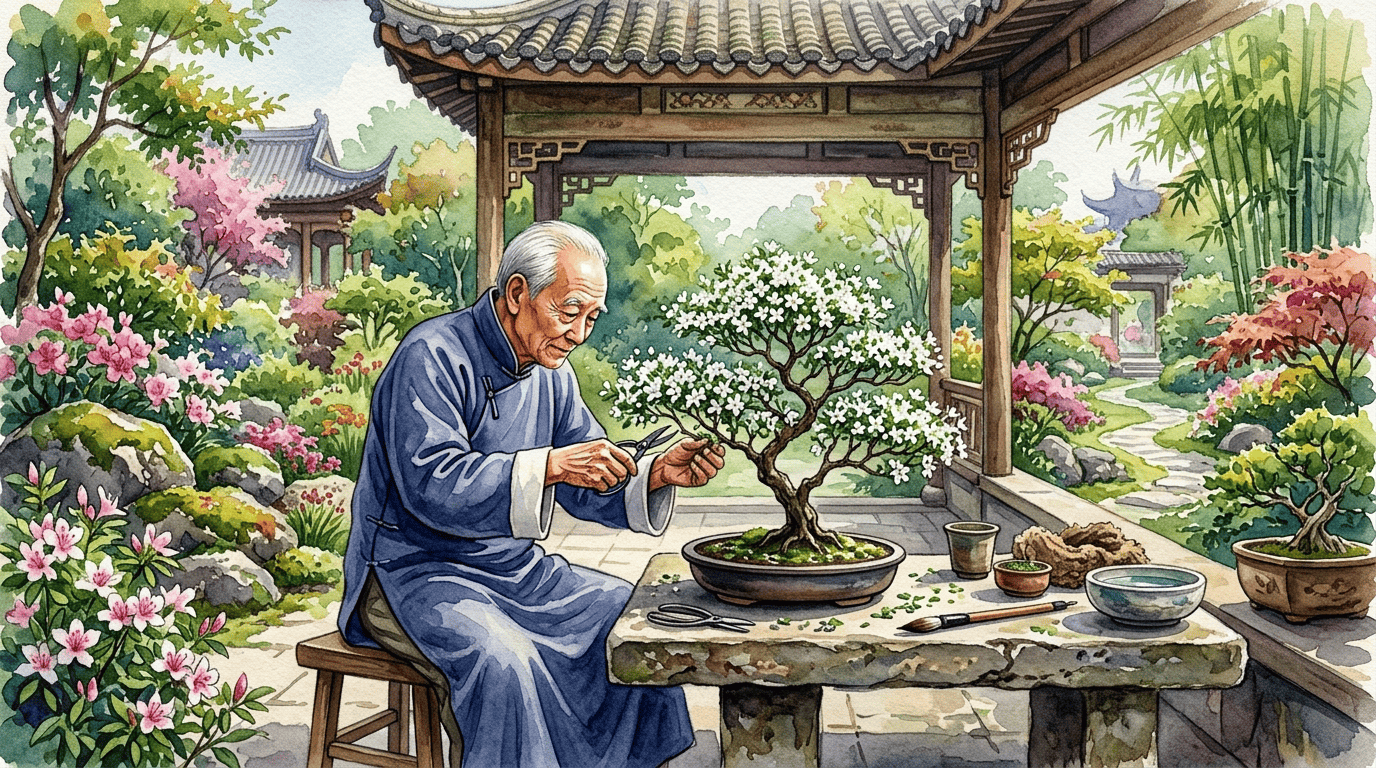
Serissa foetida, also treated by some taxonomists as S. japonica, is native to southeastern China, Taiwan, and southern Japan. It forms a small evergreen shrub with tiny glossy leaves and, in early summer, clouds of small white or pink funnel-shaped flowers. Its Chinese name is often translated as June snow, and the Western nickname tree of a thousand stars captures the same effect.
The species epithet foetida points to the unpleasant odor released when leaves, bark, or roots are bruised, especially during pruning or repotting. For more than a thousand years the plant has been cultivated in Chinese penjing and Japanese bonsai, prized for fine branching, small leaves, and easy miniaturization in mame, grove, and landscape styles.
Mass-market sales later made it a common kitchen-window bonsai in the West, though it is demanding indoors: intolerant of cold, dry heating, root disturbance, and sudden temperature swings.
Symbolism & meaning
What It Symbolizes
The Snowrose can symbolize devotion, its near-constant tiny white blooms representing unwavering dedication and faithfulness across the seasons. Another layer is patience, for the bonsai tradition has long valued serissa as a plant that rewards careful, ritual tending with what looks like a thousand small stars on a miniature tree. In the language of the bonsai bench, this shrub is the long, gentle test of attention, a plant whose meaning is shaped less by single bloom than by the years of care behind it.
- Devotion — Its constant blooming represents unwavering dedication and faithfulness
- Patience — Rewarding careful tending with a thousand tiny stars embodies the virtue of patience
Where the Name Comes From
The name Snowrose describes its rose-like blooms. 'Serissa' may derive from an Indian vernacular name for the plant. 'Foetida' is Latin for bad-smelling, referring to the odor released when leaves or bark are crushed.
Uses & Fun Facts
- Tree of a thousand stars trained as classic indoor bonsai
- Tiny leaves and white star flowers for bonsai work
Related plants
Plants with similar care
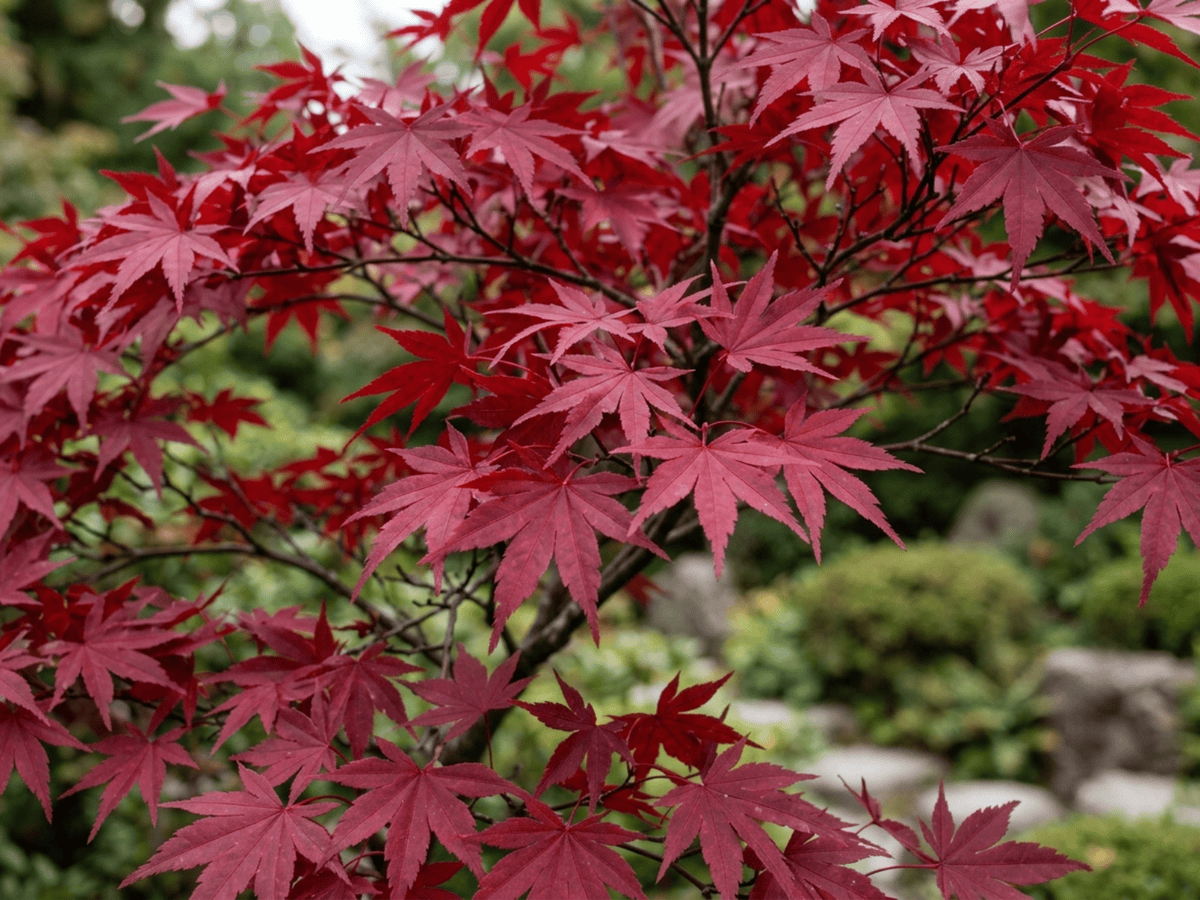 Japanese MapleAcer palmatum
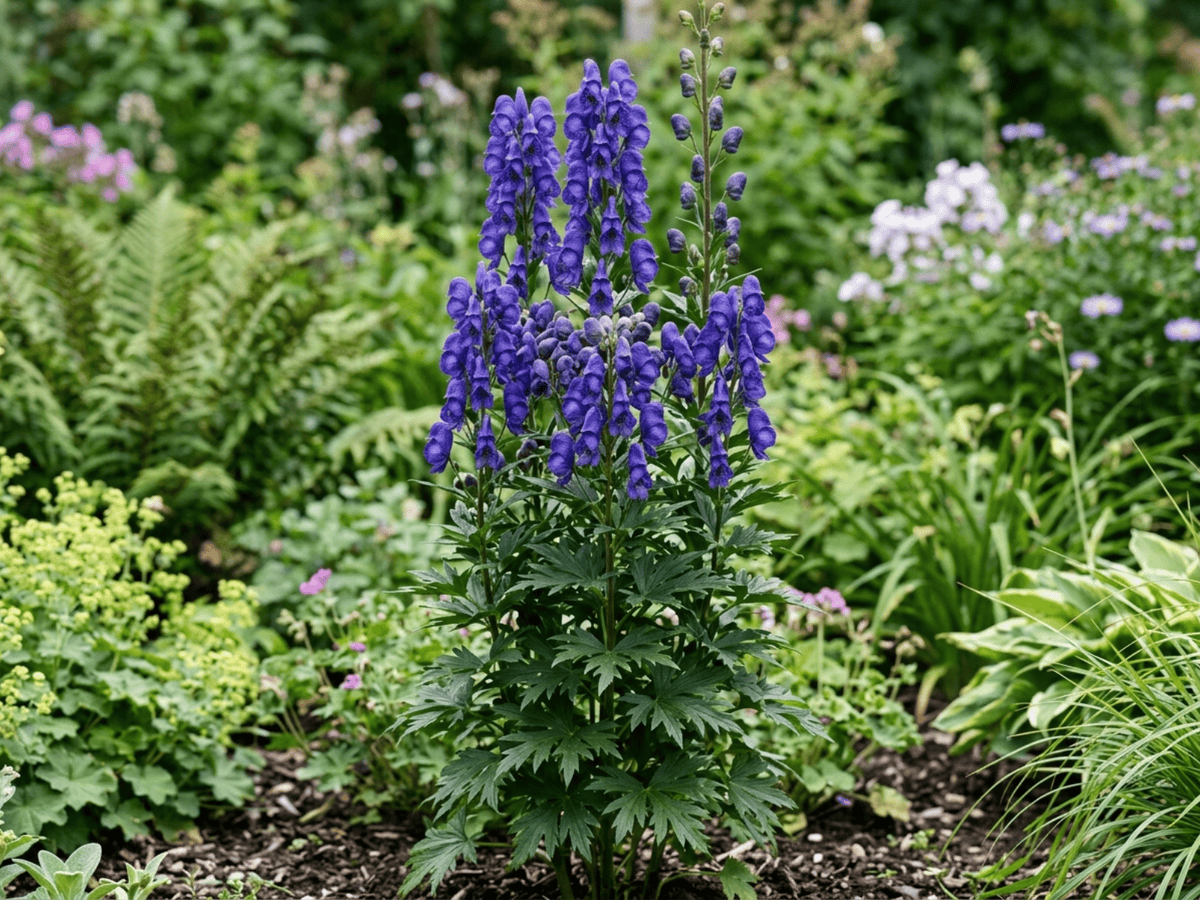 Azure MonkshoodAconitum carmichaelii
 Florida HobblebushAgarista populifolia
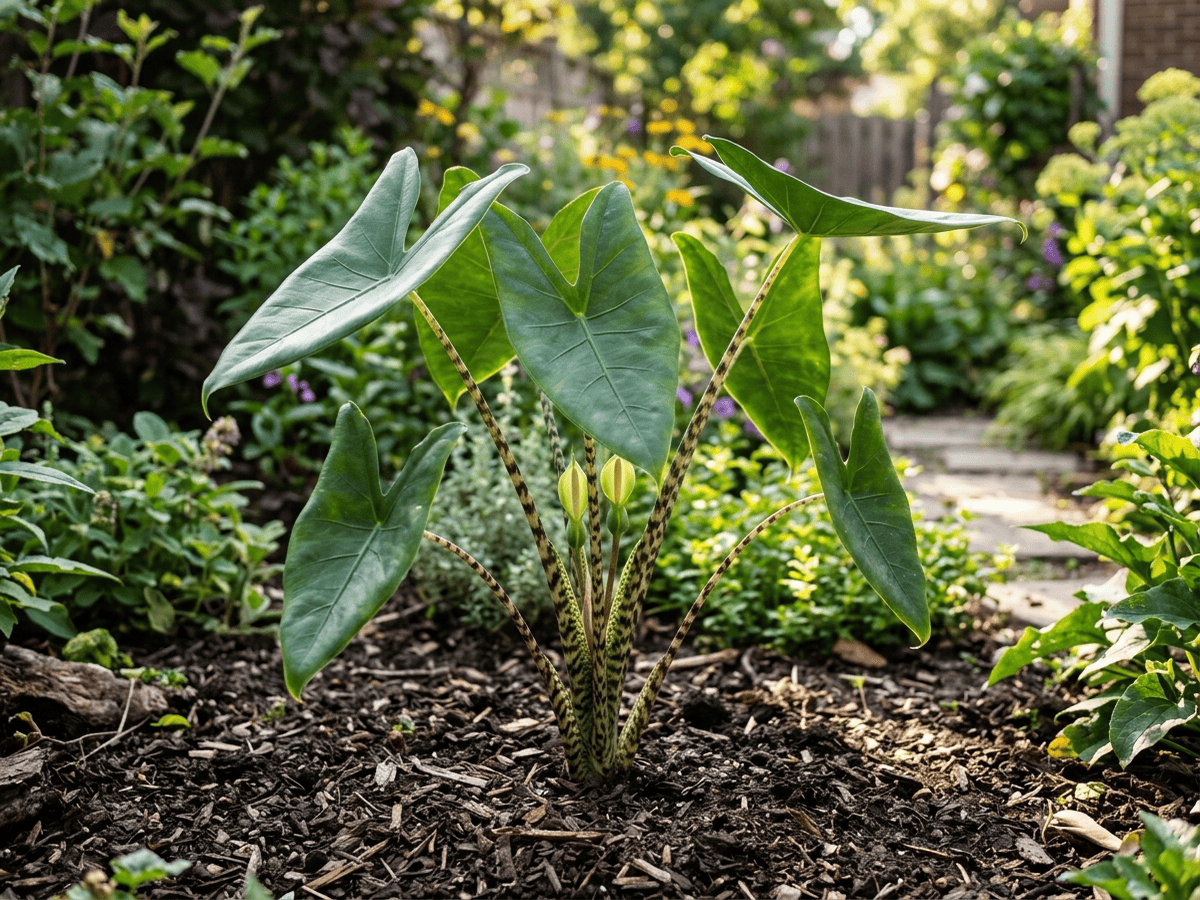 Alocasia zebrinaAlocasia zebrina
Frequently asked questions
How often should I water Snowrose?
In summer, water about every 2 days; in winter, about every 7 days. Adjust for heat, pot size and drainage.
How much light does Snowrose need?
Part shade: 2–4 hrs direct. Watch the leaves — scorching or stretching means the light needs adjusting.
Is Snowrose toxic to cats or dogs?
No toxicity has been reported for this plant. Still, it is wise to keep pets from chewing on any houseplant. Educational information, not medical or veterinary advice. If exposure is suspected, contact a doctor or veterinarian.
Is Snowrose easy to grow?
It is moderately demanding: a good choice once you have a little experience.
Can Snowrose be grown indoors?
Yes, it adapts well to indoor growing given the right light.
When does Snowrose bloom?
It typically blooms Jan–Dec in the Northern Hemisphere.
YardMate
Identify any plant in seconds
Snap a photo — YardMate names the plant, diagnoses problems, and reminds you when to water.
Download on the App Store