 YardMate


Checkerbloom
Sidalcea malviflora
Easy · Beginner friendlyAbout Checkerbloom
Checkerbloom or Prairie Mallow is a graceful California native perennial growing 1-3 feet tall, with erect stems bearing rosy-pink mallow flowers resembling miniature hollyhocks. Native to grassy coastal prairies and meadows throughout California and Oregon, it blooms in mid-spring and adapts well to garden conditions. An underused native perennial, it works beautifully as a cut flower and attracts rare specialist bees including the checkered mallow bee (Diadasia australis).
- Drought-tolerant
- Native
- Pollinator-friendly
How to care for Checkerbloom
Watering
- Springevery 7 days
- Summerevery 10 days
- Fallevery 14 days
- Winterevery 30 days
Soil · Well-draining
- Top dressingPine bark mulch10%
- Main mixPotting soil + perlite 2:170%
- DrainageLECA / gravel20%
Never skip the drainage layer — standing water is the top cause of root rot.
FERTILIZER
Balanced Feed 14-14-14
An even feed covers all three needs at once, keeping leaves, roots and blooms moving together with nothing pushed out of balance.
- Nitrogen · Leaves
- Phosphorus · Roots + Blooms
- Potassium · Strength
This plant needs little to no feeding.
At a Glance
- NativeNorth America
- Height2–4 ft (0.6–1.2 m)
- Spread1.5–2 ft (0.5–0.6 m)
- Flower colorPink, Purple, White
- Foliage colorGreen
- SoilLoamy, Well-drained
- LocationsYard
Bloom time
BLOOM CYCLE
Peak bloom
Apr–Jul
Rosy-pink flowers April to July
Fragrance
NO FRAGRANCE
No notable fragrance.
Toxicity
No toxicity has been reported for this plant. Still, it is wise to keep pets from chewing on any houseplant.
Educational information, not medical or veterinary advice. If exposure is suspected, contact a doctor or veterinarian.
DISTRIBUTION


- Native
- Introduced
- North America
History
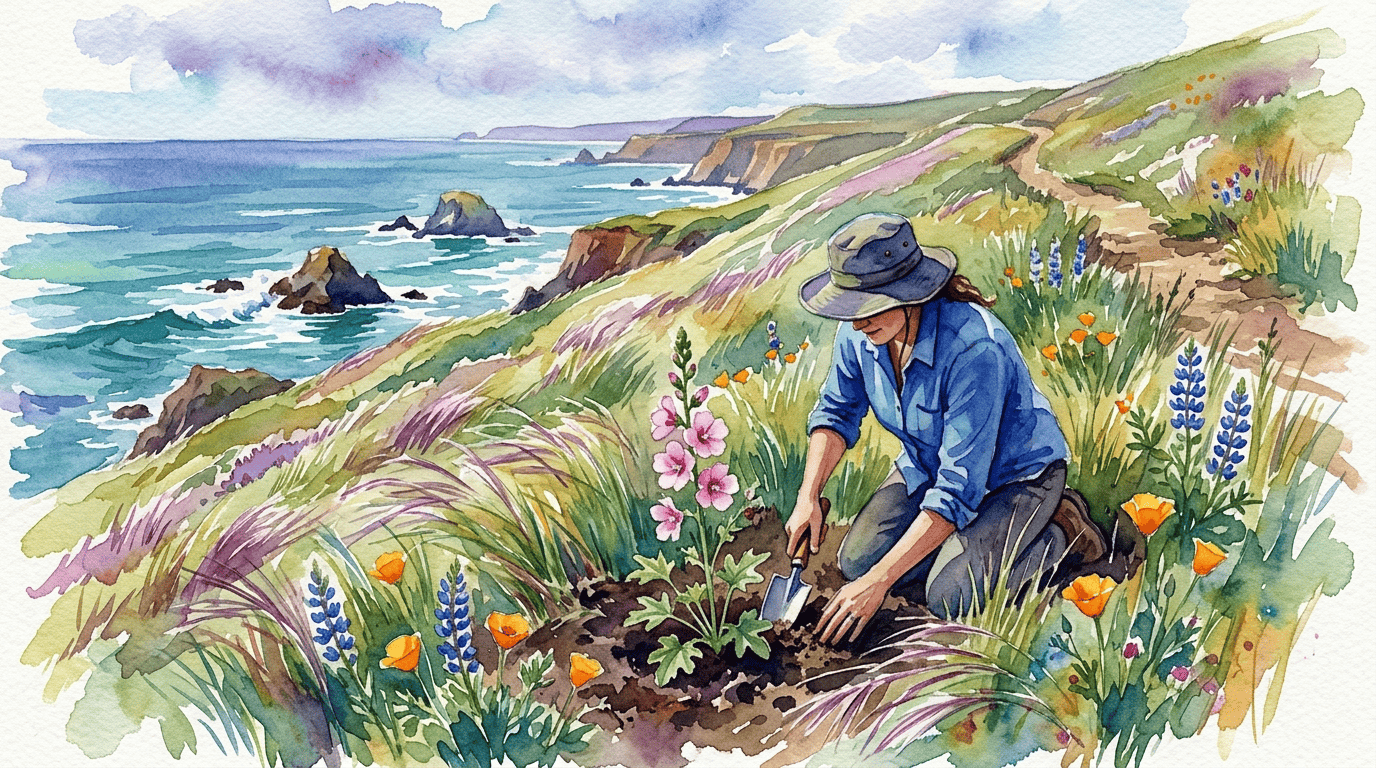
Sidalcea malviflora is native to coastal grasslands, meadows, oak savanna, and open forest edges of California and southwestern Oregon, from the San Francisco Bay Area north through the Mendocino and Humboldt coasts and into southern Oregon. It is a small mallow-family (Malvaceae) perennial 30-60 cm tall, with finely-divided lobed basal leaves arising from creeping rhizomes. In mid to late spring it produces small delicate five-petaled mallow flowers 3-4 cm across in typically pale-to-deep pink, occasionally magenta or white, arranged in loose spike-like clusters resembling miniature hollyhocks (to which it is related).
The common name "checkerbloom" is thought to refer either to the sometimes-subtly-striped pink-and-white pattern on the petals or to the alternating bloom pattern up the flower spike. The species is part of coastal California prairie plant communities — one of the most endangered ecosystems in North America, reduced to less than 1% of original pre-European extent by a combination of agriculture, development, and exotic-annual-grass invasion. Native-grass restoration projects along the California coast routinely include Sidalcea malviflora alongside Danthonia californica, Deschampsia cespitosa, and other native bunchgrasses.
Garden cultivar "Palustre" is a more vigorous horticultural form. First formally described by English botanist Joseph Hooker in 1862. Wild populations are common in coastal prairie remnants. In gardens it performs best in well-drained soil with moderate summer water.
Symbolism & meaning
What It Symbolizes
Checkerbloom carries delicacy, its small elegant flowers like fairy hollyhocks scattered through breezy coastal meadows. Paired with gentleness, the soft pink blooms sway easily on slender stems, never demanding attention. It is a wildflower whose meaning is the modesty of a delicate native — the kind of plant that rewards a slow walk through a sunny grassy slope.
- Delicacy — small elegant flowers resemble fairy hollyhocks
- Gentleness — soft pink blooms in breezy coastal meadows
Where the Name Comes From
'Sidalcea' combines the genus names Sida and Alcea; 'malviflora' means 'mallow-flowered'.
Uses & Fun Facts
- Pink miniature-hollyhock spires charming in cottage bouquets
- Mallow blooms feed native checkered-skipper butterflies and bees
Related plants
Plants with similar care
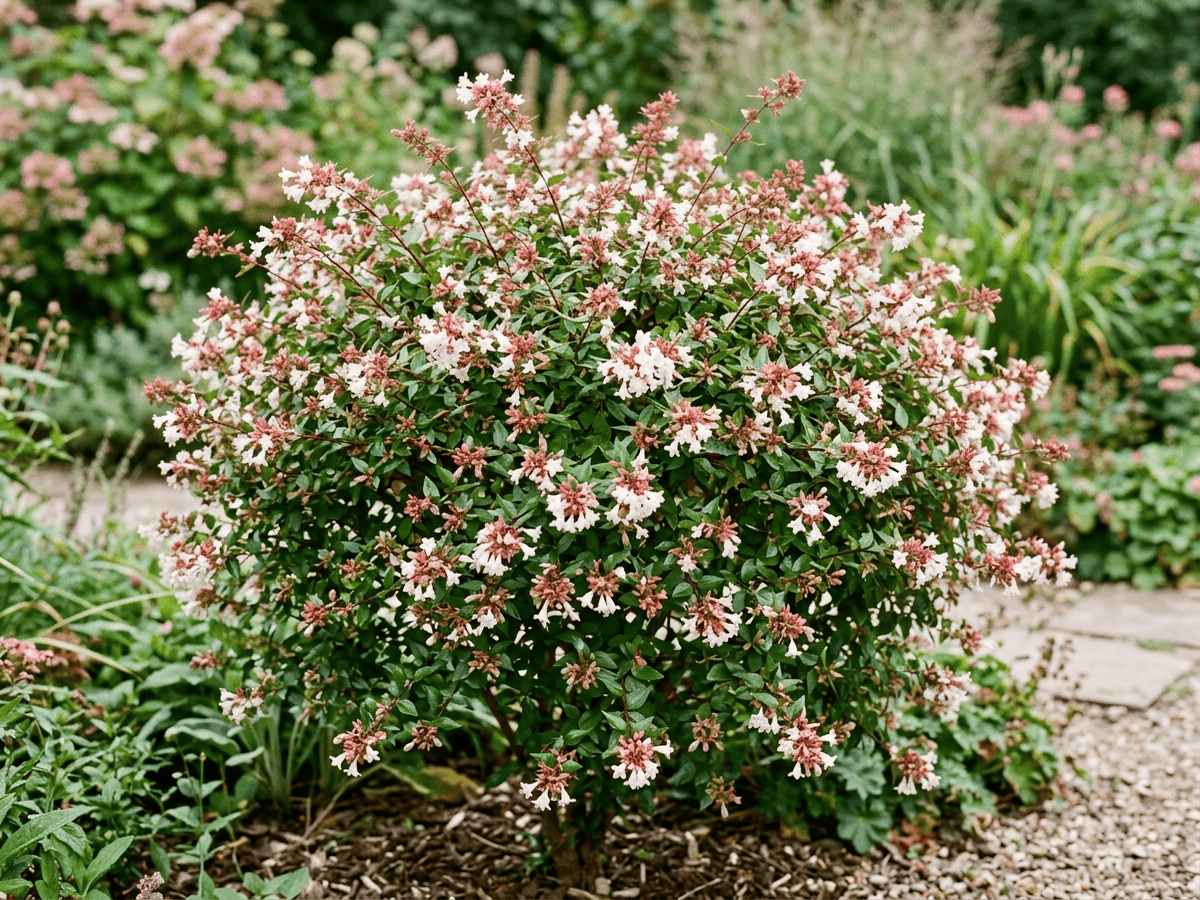 Chinese AbeliaAbelia chinensis
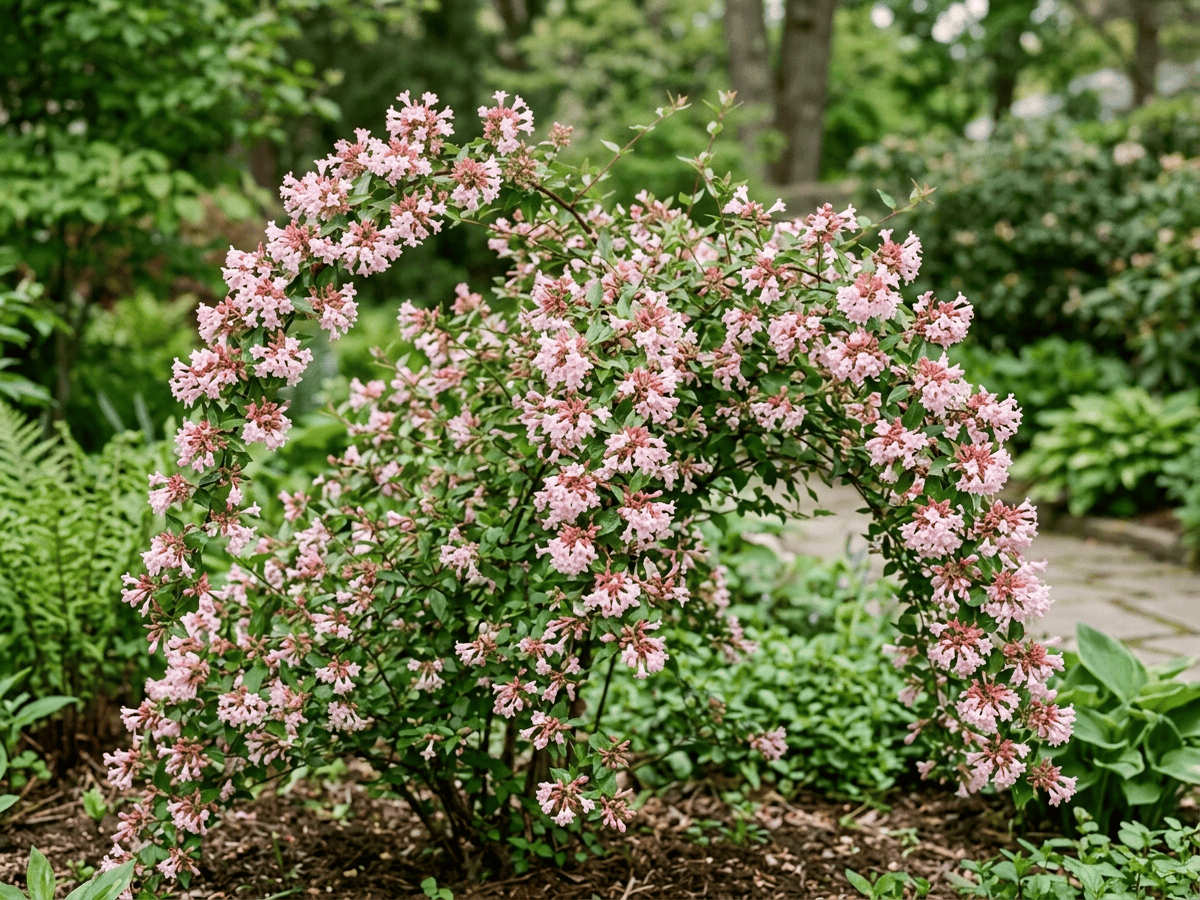 Fragrant AbeliaAbelia mosanensis
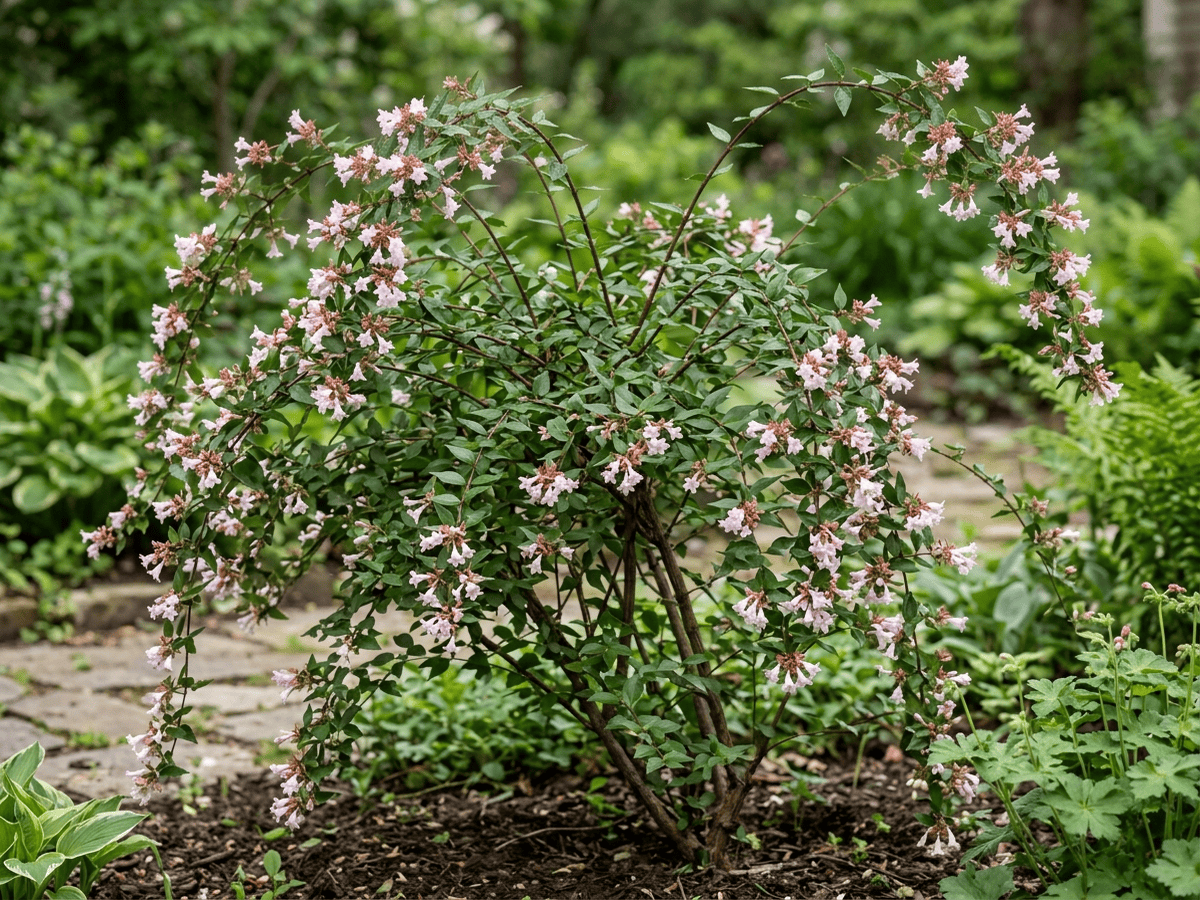 Large-Flowered AbeliaAbelia uniflora
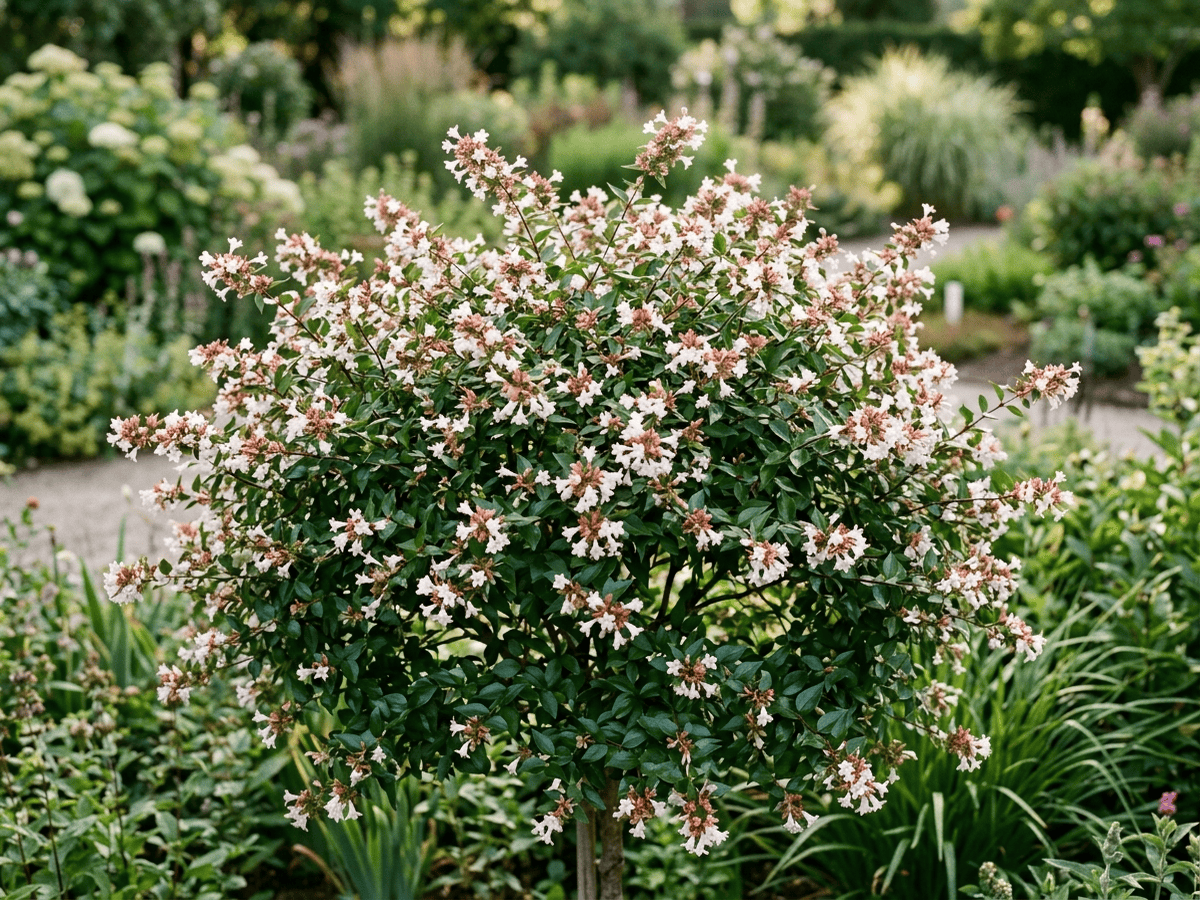 Glossy AbeliaAbelia x grandiflora
Frequently asked questions
How often should I water Checkerbloom?
In summer, water about every 10 days; in winter, about every 30 days. Adjust for heat, pot size and drainage.
How much light does Checkerbloom need?
Full sun: 6+ hrs direct. Watch the leaves — scorching or stretching means the light needs adjusting.
Is Checkerbloom toxic to cats or dogs?
No toxicity has been reported for this plant. Still, it is wise to keep pets from chewing on any houseplant. Educational information, not medical or veterinary advice. If exposure is suspected, contact a doctor or veterinarian.
Is Checkerbloom easy to grow?
Yes — it is considered an easy, beginner-friendly plant.
When does Checkerbloom bloom?
It typically blooms Apr–Jul in the Northern Hemisphere.
YardMate
Identify any plant in seconds
Snap a photo — YardMate names the plant, diagnoses problems, and reminds you when to water.
Download on the App Store