 YardMate


Slender Indiangrass
Sorghastrum elliottii
Easy · Beginner friendlyAbout Slender Indiangrass
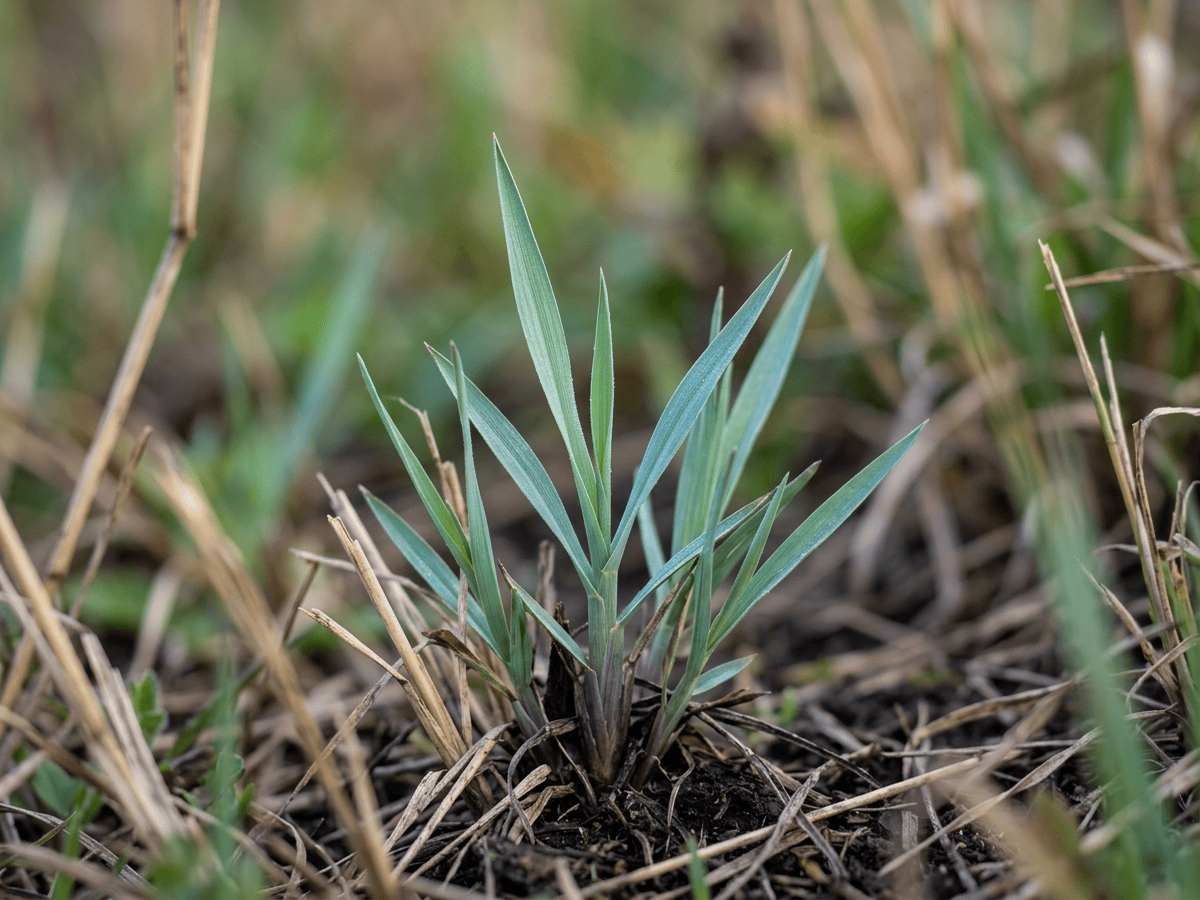
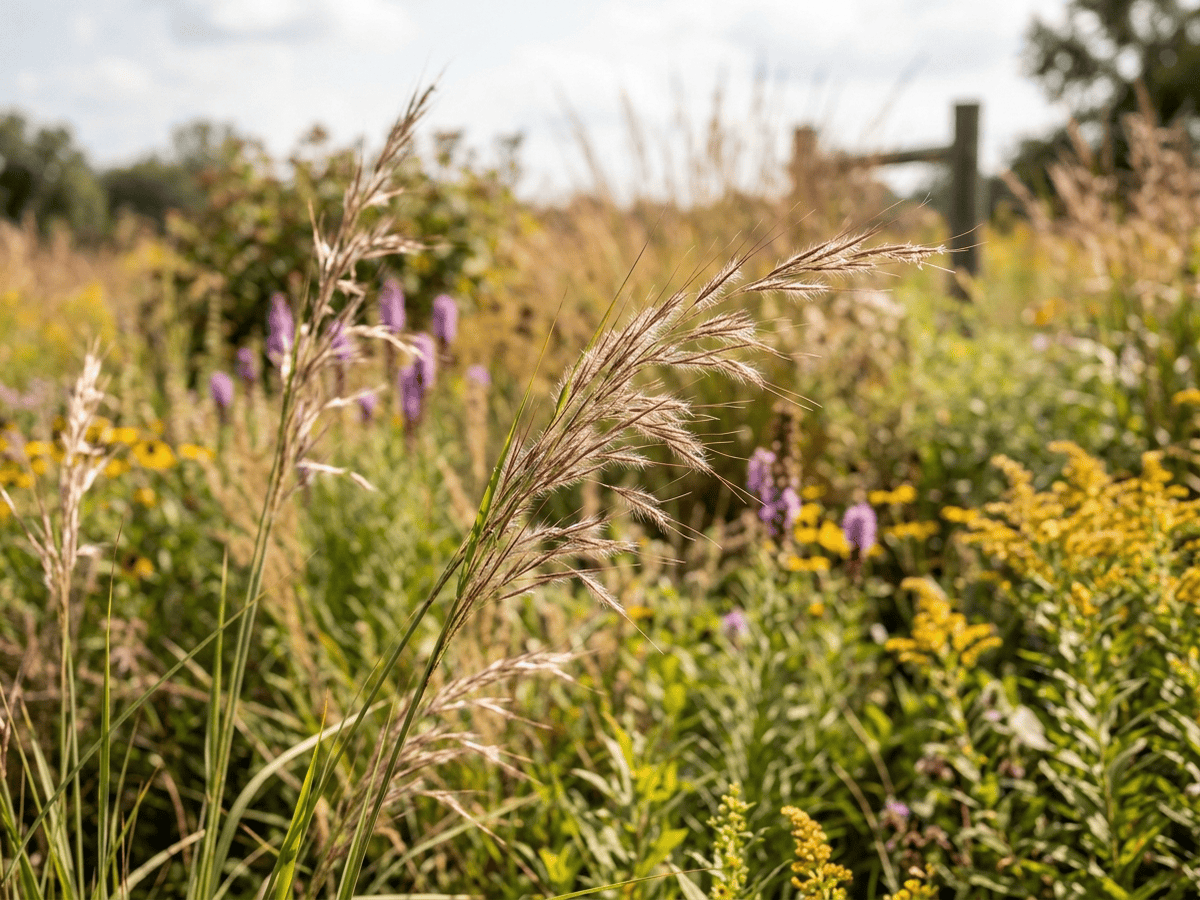
Slender Indiangrass is a graceful Southeastern native warm-season grass reaching 3-5 feet tall, with arching blue-green foliage and elegant nodding bronze-tan flower panicles in late summer and fall. More refined than its larger cousin Sorghastrum nutans, it is found in pine savannas and woodland edges from the Carolinas to Texas. Increasingly used in native landscape plantings and meadow restorations across the American Southeast.
- Drought-tolerant
- Native
How to care for Slender Indiangrass
Watering
- Springevery 14 days
- Summerevery 21 days
- Fallevery 21 days
- Winterevery 45 days
Soil · Well-draining
- Top dressingPine bark mulch10%
- Main mixPotting soil + perlite 2:170%
- DrainageLECA / gravel20%
Never skip the drainage layer — standing water is the top cause of root rot.
FERTILIZER
This plant needs little to no feeding.
At a Glance
- NativeNorth America
- Height3–5 ft (0.9–1.5 m)
- Spread2–3 ft (0.6–0.9 m)
- Flower colorOrange, Cream
- Foliage colorGreen, Bronze
- SoilSandy, Well-drained
- LocationsYard
Bloom time
BLOOM CYCLE
Peak bloom
Aug–Nov
Nodding bronze-tan panicles in late summer to fall
Toxicity
Humans Safe · Pets Safe
None reported
Safe
EXPOSURE No exposure route is reported.
EFFECT No toxic effect is reported.
NOTE Listed as non-toxic for humans; avoid eating ornamental plants unless confirmed edible.
Safe
EXPOSURE No exposure route is reported.
EFFECT No toxic effect is reported.
NOTE Listed as non-toxic for dogs; avoid eating ornamental plants unless confirmed edible.
Safe
EXPOSURE No exposure route is reported.
EFFECT No toxic effect is reported.
NOTE Listed as non-toxic for cats; avoid eating ornamental plants unless confirmed edible.
Educational information, not medical or veterinary advice. If exposure is suspected, contact a doctor or veterinarian.
DISTRIBUTION


- Native
- Introduced
- North America
History

Sorghastrum elliottii, commonly called slender Indian grass or Elliott's Indian grass, is a warm-season clumping perennial grass in the family Poaceae native to the southeastern United States from Virginia and Kentucky south through Florida and west to eastern Texas, where it grows in dry open woodlands, pine savannas, and prairies. German-American botanist Charles Theodore Mohr described the species in 1878, honoring Stephen Elliott (1771-1830), the pioneering American botanist who published a Sketch of the Botany of South Carolina and Georgia. Plants form 90-120 cm tall (flowering to 150 cm) clumps of slender arching medium-green leaves and produce distinctive narrow, slightly drooping panicles in late summer, with spikelets clothed in long golden-bronze awns that catch light dramatically and contribute amber-bronze fall color.
Closely related to but less coarse and more refined than the widespread prairie Indian grass, S. nutans. Increasingly valued in native habitat restoration and meadow-style landscape plantings in the southeastern US for its upright form and seasonal interest.
Once a defining grass of southern longleaf pine savannas, it has declined with habitat loss but is increasingly reintroduced through prairie and savanna restoration efforts across the Southeast.
Symbolism & meaning
What It Symbolizes
Slender Indiangrass makes visible grace through its elegant nodding panicles of bronze and gold, catching the autumn light at the height of Southern fall. Its heritage runs deep as an iconic grass of southeastern pine savannas, those open sunlit longleaf pine ecosystems now vanishingly rare. It is often read as a flower of remembered savannas, a native grass whose meaning is the slow recovery of a fire-shaped landscape, a single nodding panicle still telling that older, more open story.
- Grace — elegant nodding panicles in autumn light
- Heritage — warm-season grass carrying the look of open pine savannas
Where the Name Comes From
The name Slender Indiangrass describes its grasslike foliage. 'Sorghastrum' means resembling Sorghum; 'elliottii' honors botanist Stephen Elliott (1771-1830).
Uses & Fun Facts
- Bronze-tan nodding panicles in Southeastern native gardens
- Native warm-season grass shelters small wildlife
Related plants
Plants with similar care
 Chinese AbeliaAbelia chinensis
 Fragrant AbeliaAbelia mosanensis
 Large-Flowered AbeliaAbelia uniflora
 Glossy AbeliaAbelia x grandiflora
Frequently asked questions
How often should I water Slender Indiangrass?
In summer, water about every 21 days; in winter, about every 45 days. Adjust for heat, pot size and drainage.
How much light does Slender Indiangrass need?
Full sun: 6+ hrs direct. Watch the leaves — scorching or stretching means the light needs adjusting.
Is Slender Indiangrass toxic to cats or dogs?
Pets Safe (Dogs Safe · Cats Safe) Educational information, not medical or veterinary advice. If exposure is suspected, contact a doctor or veterinarian.
Is Slender Indiangrass easy to grow?
Yes — it is considered an easy, beginner-friendly plant.
When does Slender Indiangrass bloom?
It typically blooms Aug–Nov in the Northern Hemisphere.
YardMate
Identify any plant in seconds
Snap a photo — YardMate names the plant, diagnoses problems, and reminds you when to water.
Download on the App Store