 YardMate


Peace Lily
Spathiphyllum wallisii
Easy · Beginner friendlyAbout Peace Lily
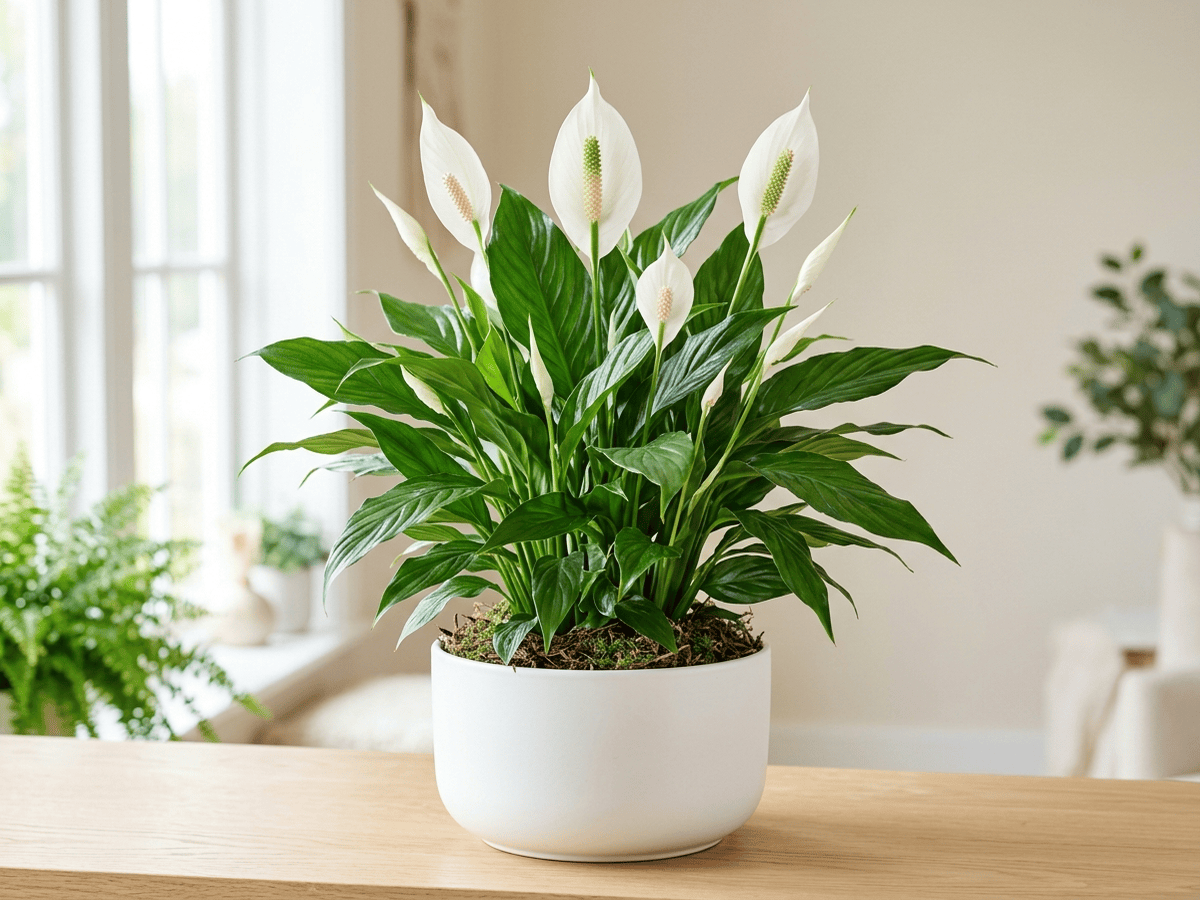
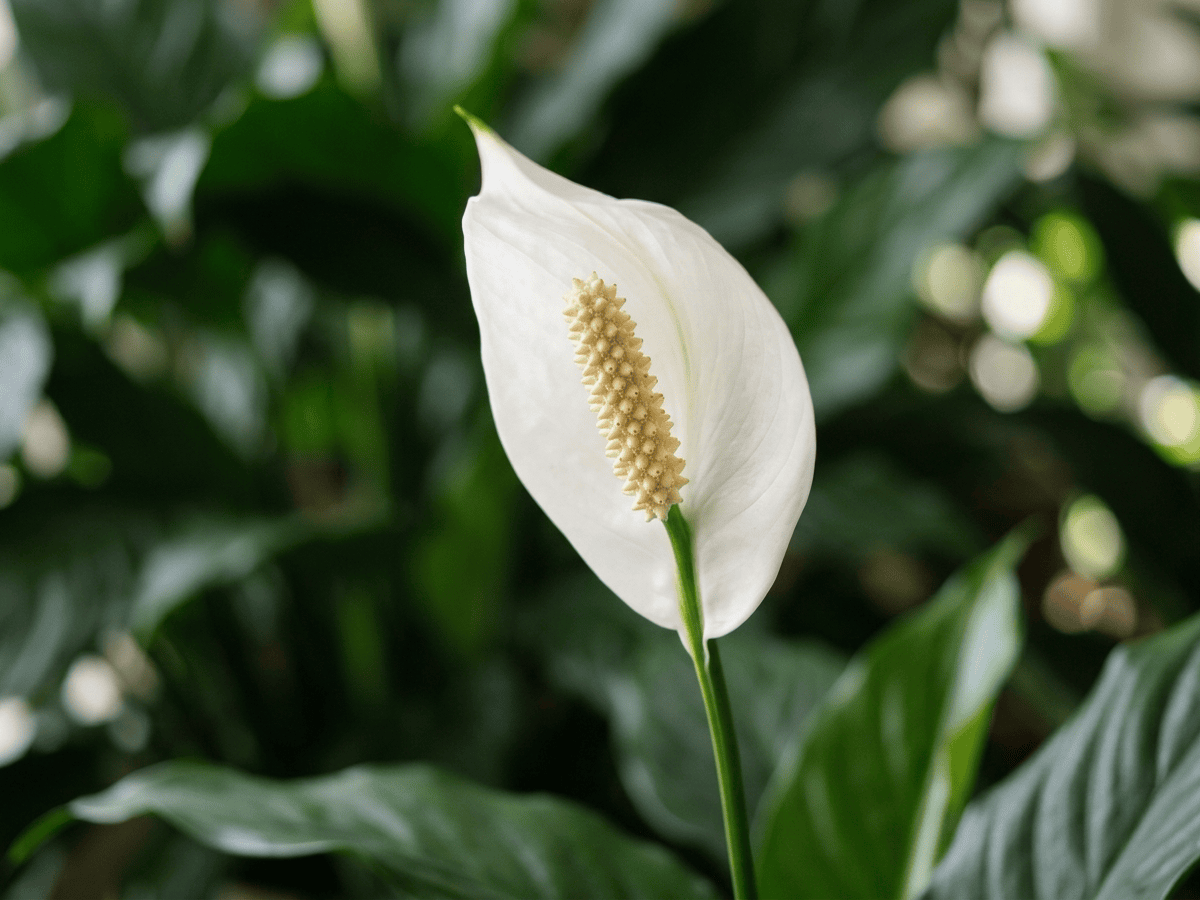
The Peace Lily is a graceful tropical plant from the rainforests of Colombia and Venezuela, prized for its elegant white spathes and glossy dark-green foliage. One of the few houseplants that blooms reliably in low light, it produces sail-shaped white flowers several times a year. It topped NASA's air-purifying study for removing ammonia, formaldehyde, and benzene. The plant communicates clearly — leaves droop dramatically when thirsty and perk up within hours of watering.
- Air-purifying
- Low-maintenance
- Shade-tolerant
How to care for Peace Lily
Watering
- Springevery 5 days
- Summerevery 4 days
- Fallevery 7 days
- Winterevery 10 days
Soil · Chunky & airy
- Top dressingBark chips10%
- Main mixBark + potting soil + perlite 1:1:170%
- DrainageLECA20%
Chunky pieces hold air pockets open so thick roots don't suffocate.
FERTILIZER
Balanced Feed 14-14-14
An even feed covers all three needs at once, keeping leaves, roots and blooms moving together with nothing pushed out of balance.
- Nitrogen · Leaves
- Phosphorus · Roots + Blooms
- Potassium · Strength
- Springevery 30 days
- Summerevery 30 days
- Fallevery 60 days
At a Glance
- NativeSouth America
- Height1–3 ft (0.3–0.9 m)
- Spread1–2 ft (0.3–0.6 m)
- Flower colorWhite
- Foliage colorGreen
- SoilLoamy, Moisture-retentive, Rich
- LocationsIndoor
Bloom time
BLOOM CYCLE
Peak bloom
Jun–Aug
White sail spathes
Fragrance
LIGHT FRAGRANCE
Spathe emits a very faint sweet scent, most noticeable at close range.
Toxicity
Humans Slight · Pets Slight
insoluble calcium oxalate crystals (raphides)
Slight
- Leaf
- Stem
- Flower
- Sap
- Contact
- Ingestion
EXPOSURE Touching leaves, stems, flowers, and sap. Eating leaves, stems, flowers, and sap.
EFFECT Oral burning, swelling of lips and tongue, drooling and skin contact may irritate.
NOTE Often confused with true lilies (Lilium), which are far more dangerous to cats; Peace Lily is only a mild irritant.
Slight
- Leaf
- Stem
- Flower
- Ingestion
EXPOSURE Eating leaves, stems, and flowers.
EFFECT Oral irritation, intense burning of mouth, drooling, vomiting, difficulty swallowing and per ASPCA.
NOTE Often confused with true lilies (Lilium), which are far more dangerous to cats; Peace Lily is only a mild irritant.
Slight
- Leaf
- Stem
- Flower
- Ingestion
EXPOSURE Eating leaves, stems, and flowers.
EFFECT Oral irritation, intense burning and swelling, drooling, vomiting, difficulty swallowing and per ASPCA.
NOTE Often confused with true lilies (Lilium), which are far more dangerous to cats; Peace Lily is only a mild irritant.
Educational information, not medical or veterinary advice. If exposure is suspected, contact a doctor or veterinarian.
DISTRIBUTION


- Native
- Introduced
- South America
History
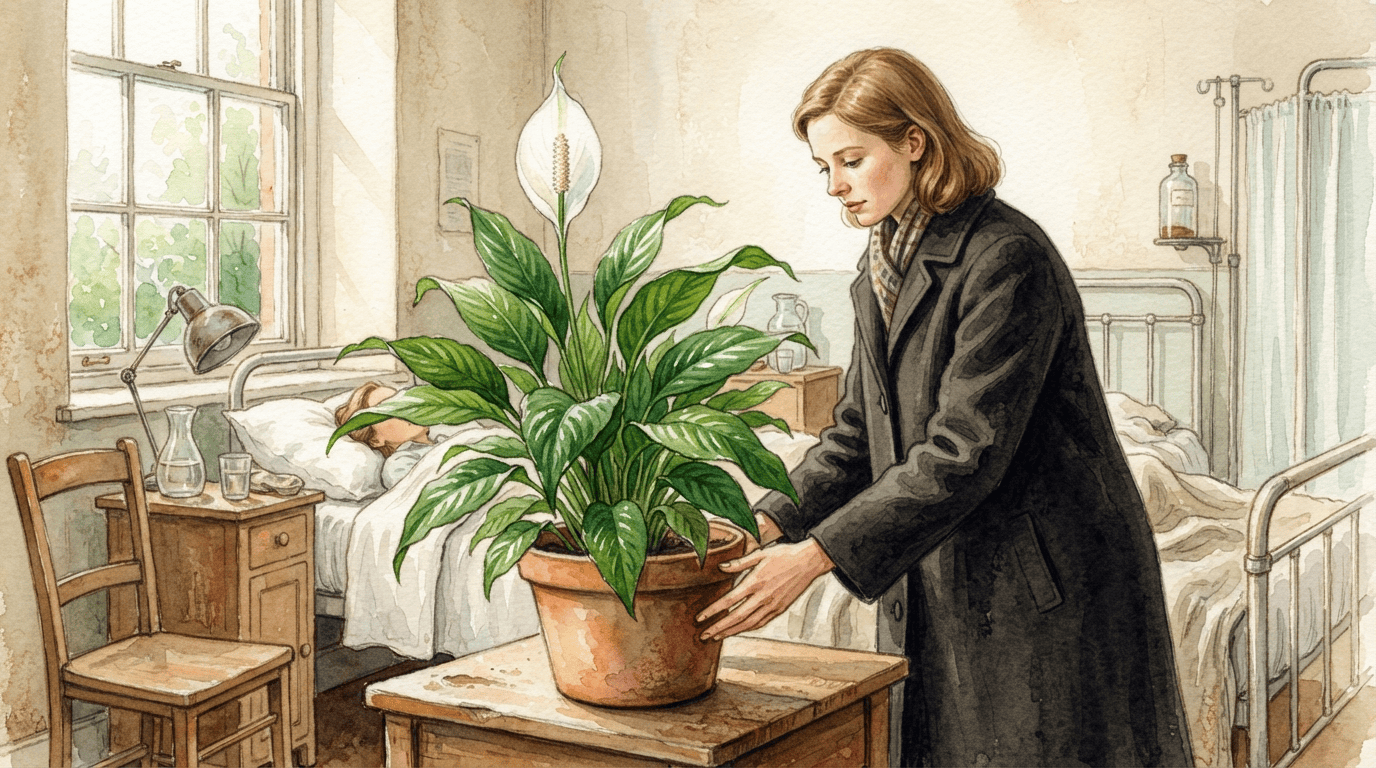
Spathiphyllum wallisii was collected in the Colombian rainforest in the 1870s by the German plant hunter Gustav Wallis, who sent specimens to European nurseries. The species was named in his honor after his death from yellow fever during an expedition. The single white spathe that gives the plant its English name 'Peace Lily' became a standard sympathy gift in 20th-century American and European floristry, appearing at funerals and hospital visits as a gesture of consolation.
NASA included it in the 1989 Clean Air Study, noting its ability to absorb formaldehyde, benzene, and trichloroethylene. It thrives in the low light of forest understory and signals thirst dramatically by wilting, then reviving within hours of watering. Named after Gustav Wallis, a 19th-century German plant collector who discovered it in Colombian jungles.
The white spathe has made it a traditional sympathy flower in Western cultures. In feng shui, it is placed in bedrooms to harmonize energy and promote restful sleep. It gained fame after topping NASA's 1989 Clean Air Study as the most effective air-purifying houseplant.
Symbolism & meaning
What It Symbolizes
Peace Lily is the houseplant of truce. A white spathe rises like a small flag above glossy leaves, bringing calm to offices, bedrooms, and memorial corners. Its symbolism is reconciliation: not dramatic peace, but the daily quiet of green leaves and a white signal held above them.
- Peace — its white bloom resembles a white flag of truce
- Healing — associated with recovery and new beginnings
- Purity — represents innocence and spiritual cleansing
Where the Name Comes From
The name Peace Lily describes its lily-like flowers. 'Spathiphyllum' from Greek 'spathe' (sword) + 'phyllon' (leaf), describing the shape of the white bract. Named for collector Gustav Wallis.
Uses & Fun Facts
- Sail-shaped white spathes bloom reliably in low interior light
- Top NASA air-purifying houseplant removing benzene and formaldehyde
Related plants
Plants with similar care
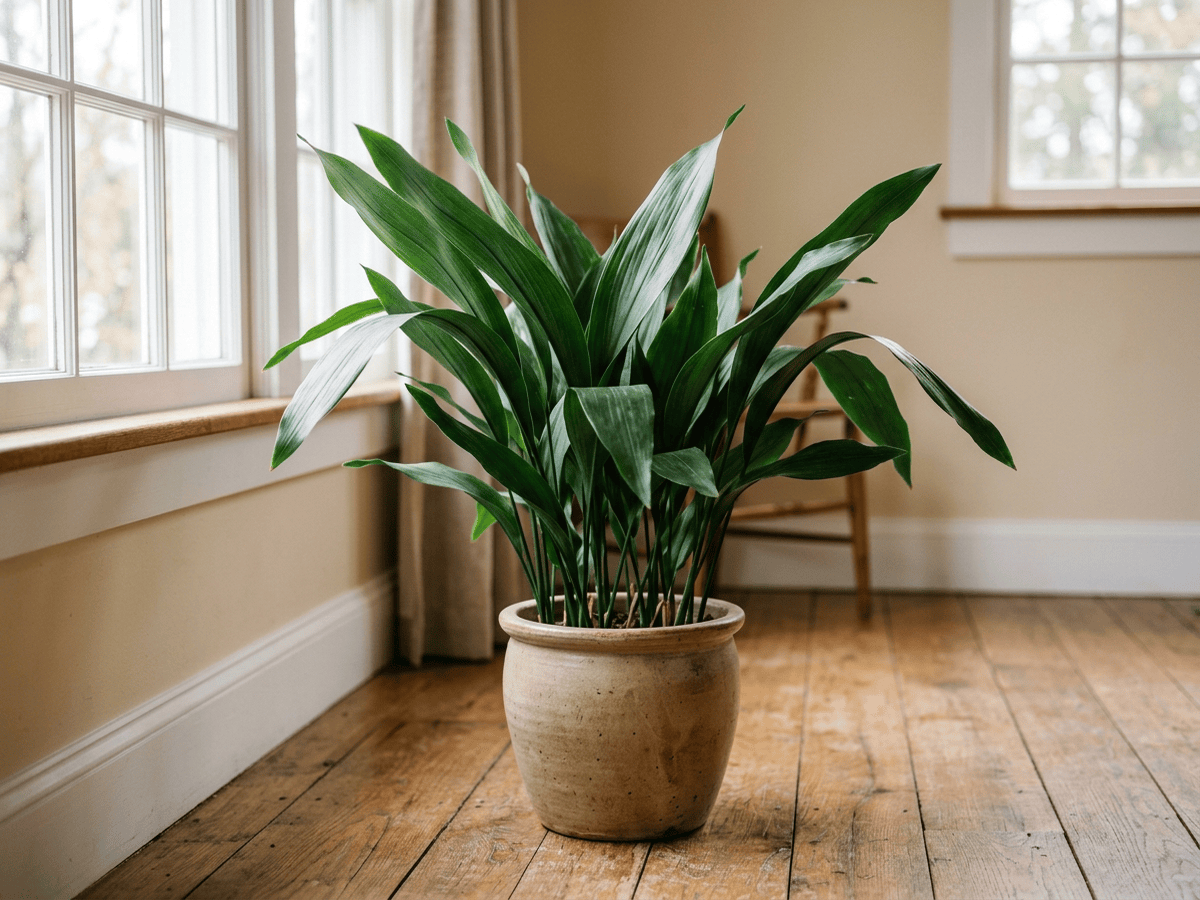 Cast-Iron PlantAspidistra elatior
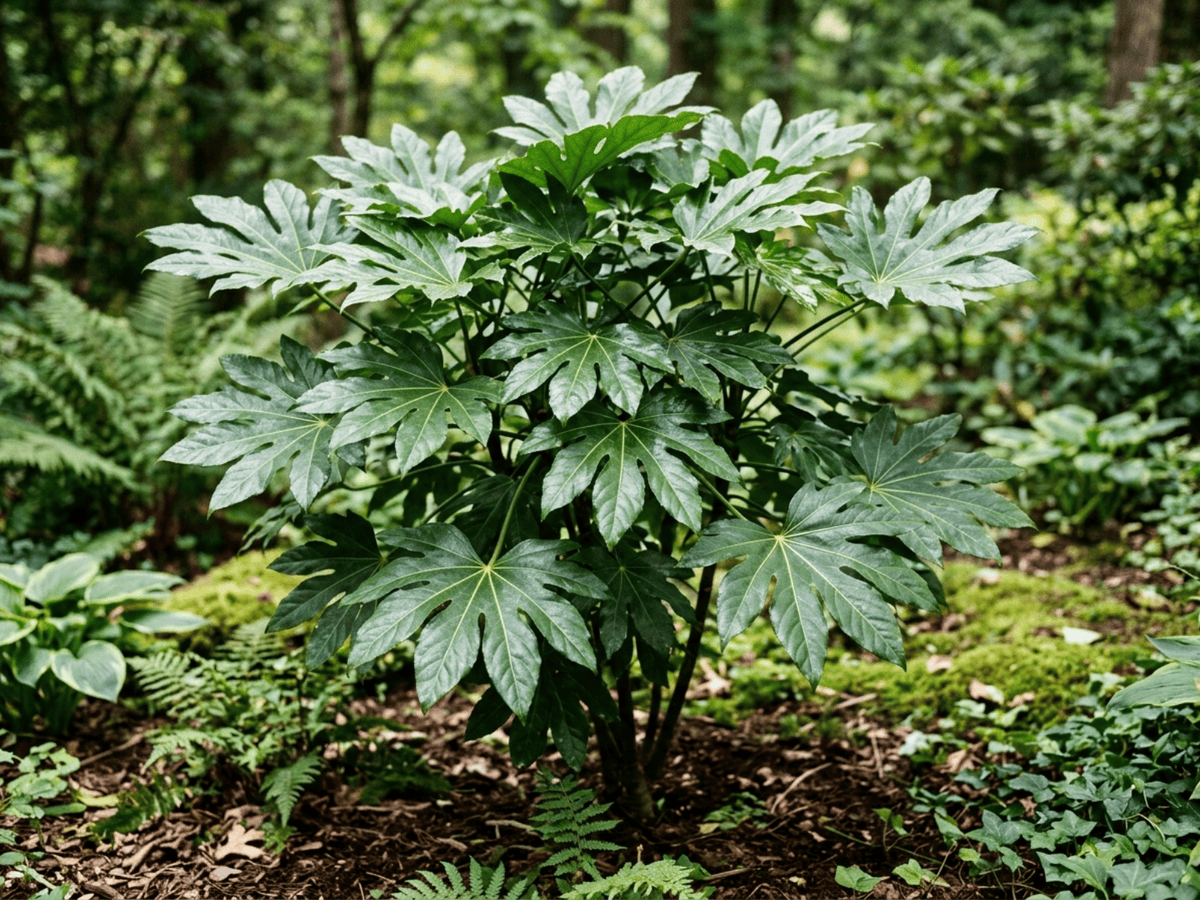 Japanese AraliaFatsia japonica
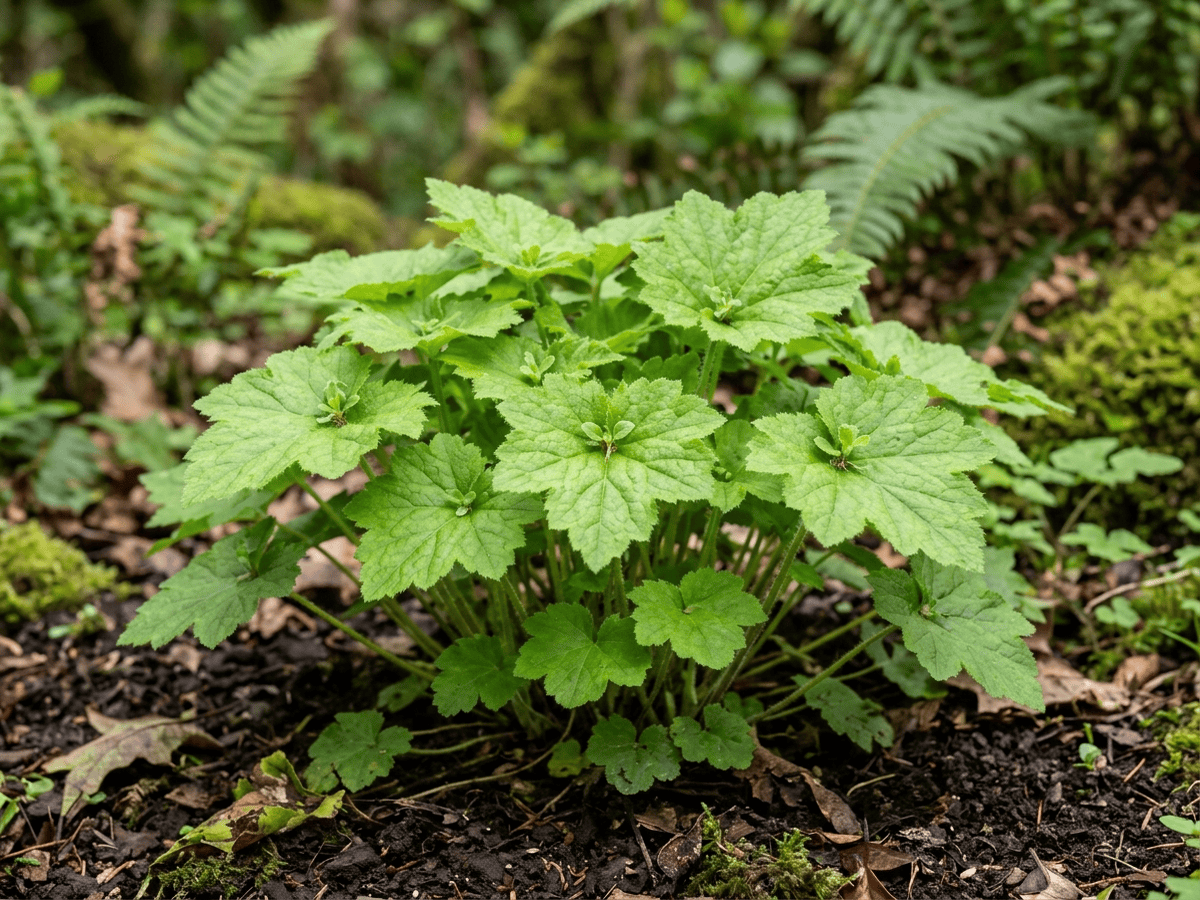 Youth-On-AgeTolmiea menziesii
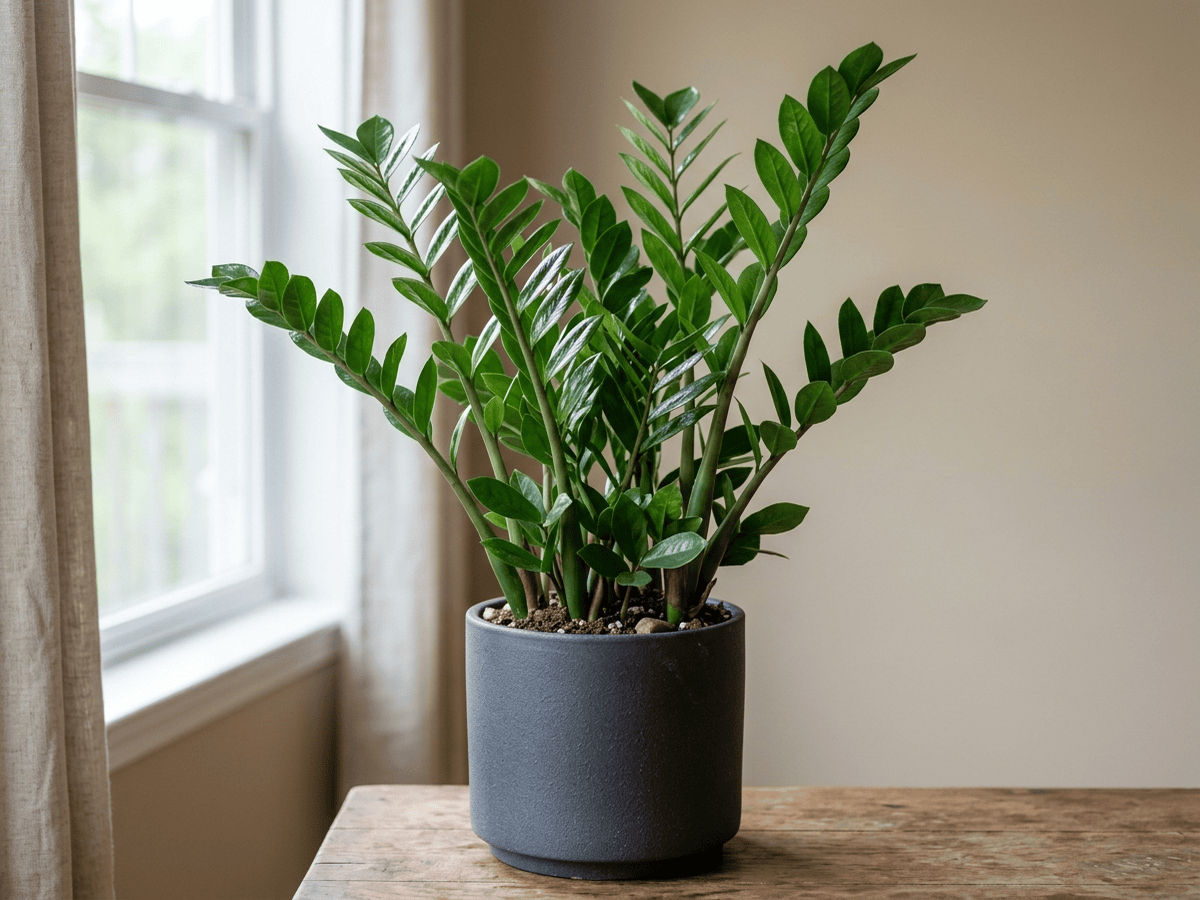 ZZ PlantZamioculcas zamiifolia
Frequently asked questions
How often should I water Peace Lily?
In summer, water about every 4 days; in winter, about every 10 days. Adjust for heat, pot size and drainage.
How much light does Peace Lily need?
Full shade: <2 hrs direct. Watch the leaves — scorching or stretching means the light needs adjusting.
Is Peace Lily toxic to cats or dogs?
Pets Slight (Dogs Slight · Cats Slight) Educational information, not medical or veterinary advice. If exposure is suspected, contact a doctor or veterinarian.
Is Peace Lily easy to grow?
Yes — it is considered an easy, beginner-friendly plant.
Can Peace Lily be grown indoors?
Yes, it adapts well to indoor growing given the right light.
When does Peace Lily bloom?
It typically blooms Jun–Aug in the Northern Hemisphere.
YardMate
Identify any plant in seconds
Snap a photo — YardMate names the plant, diagnoses problems, and reminds you when to water.
Download on the App Store