 YardMate


Youth-On-Age
Tolmiea menziesii
Easy · Beginner friendlyAbout Youth-On-Age
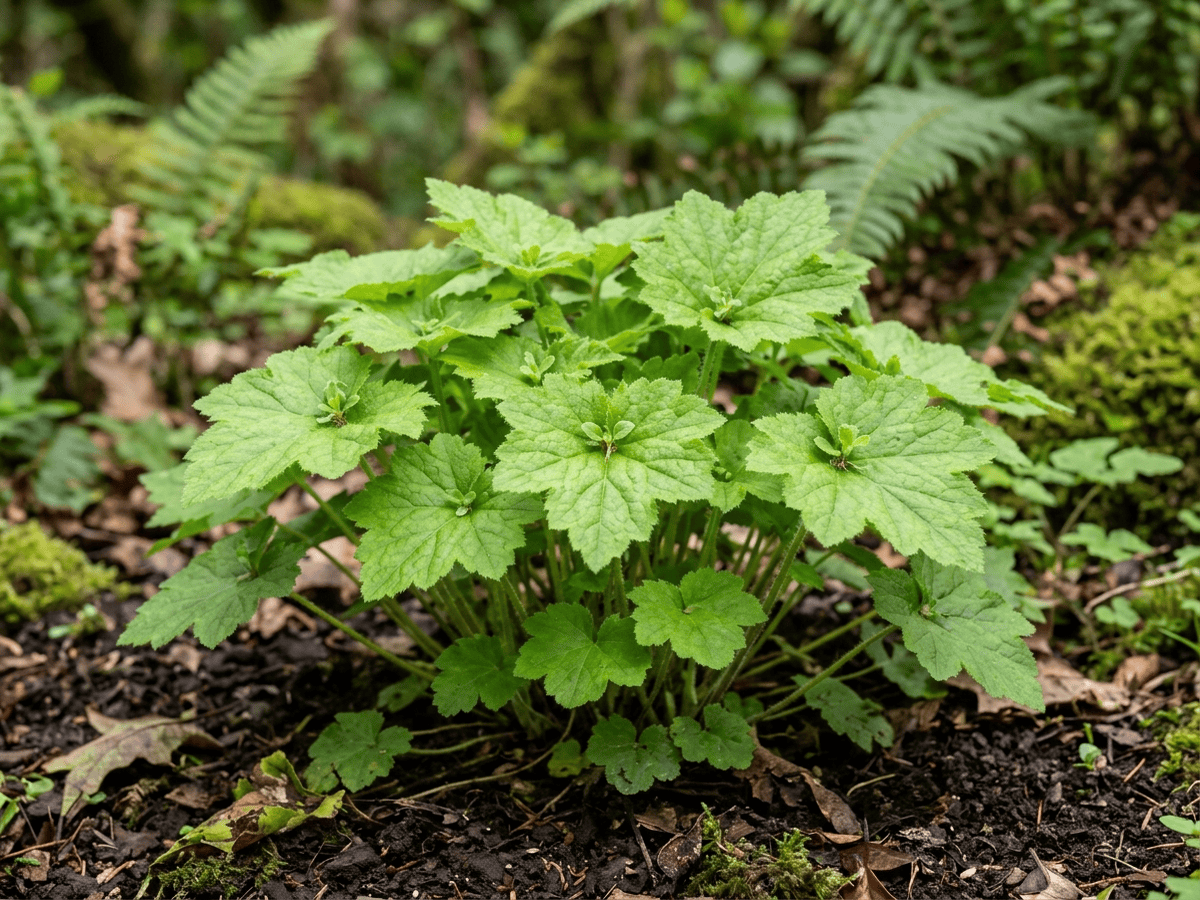
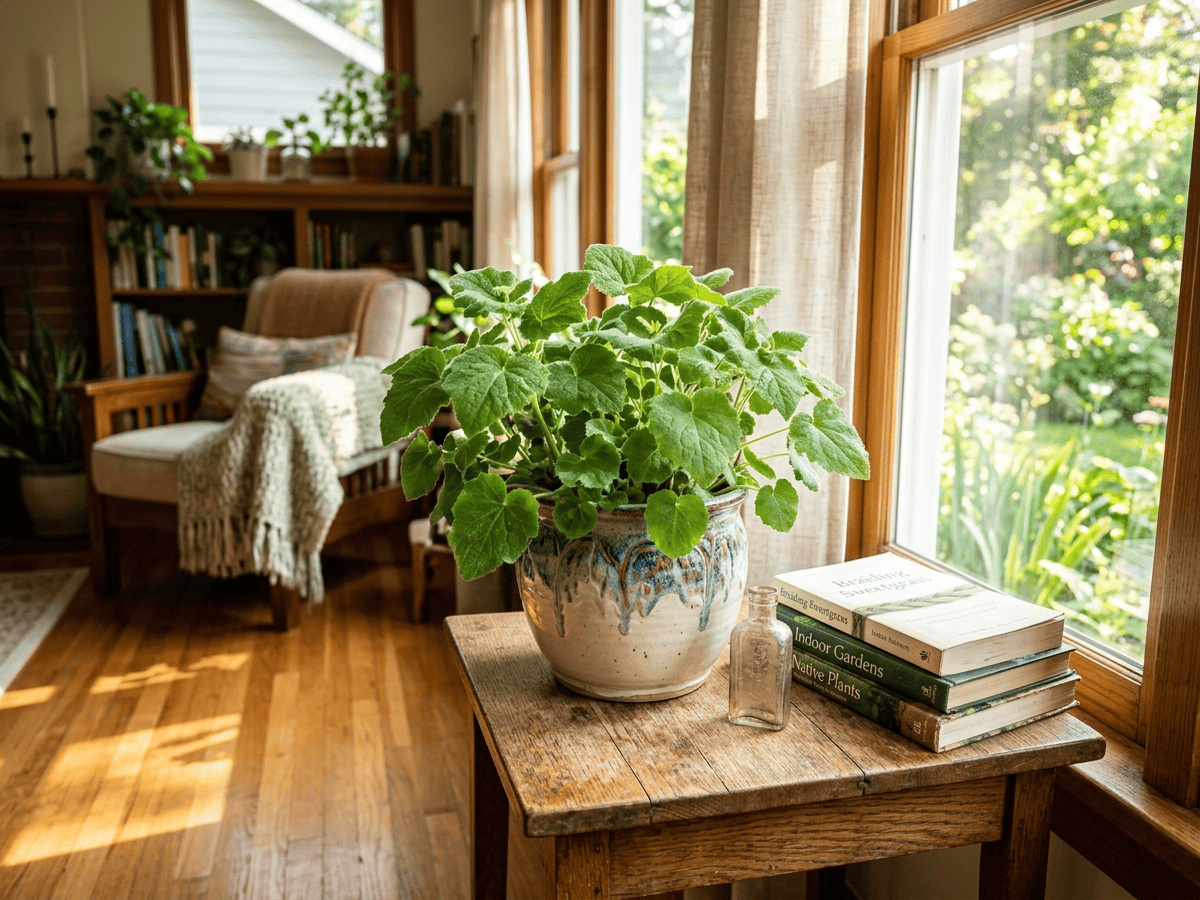
Piggyback Plant, also called Youth-on-Age, is a charming Pacific Northwest native perennial famous for its ability to produce baby plantlets directly on the surface of mature leaves at the point where leaf meets stem. As the parent leaf bends to the ground, the plantlet roots and forms a new clump. Growing 12 to 24 inches tall in moist shaded forests from Alaska south to northern California, it is also widely grown as an easy-care houseplant worldwide.
- Low-maintenance
- Shade-tolerant
- Evergreen
- Native
How to care for Youth-On-Age
Watering
- Springevery 5 days
- Summerevery 4 days
- Fallevery 7 days
- Winterevery 10 days
Soil · Well-draining
- Top dressingPine bark mulch10%
- Main mixPotting soil + perlite 2:170%
- DrainageLECA / gravel20%
Never skip the drainage layer — standing water is the top cause of root rot.
FERTILIZER
Balanced Feed 14-14-14
An even feed covers all three needs at once, keeping leaves, roots and blooms moving together with nothing pushed out of balance.
- Nitrogen · Leaves
- Phosphorus · Roots + Blooms
- Potassium · Strength
- Springevery 30 days
- Summerevery 30 days
- Fallevery 60 days
At a Glance
- NativeNorth America
- Height1–2 ft (0.3–0.6 m)
- Spread1–2 ft (0.3–0.6 m)
- Flower colorGreen, Purple
- Foliage colorGreen
- SoilLoamy, Moisture-retentive, Rich
- LocationsYard · Indoor
Bloom time
BLOOM CYCLE
Peak bloom
Mar–May
Inconspicuous greenish-purple flower spikes in late spring
Toxicity
Pets Safe
None reported
Not reported
EXPOSURE No exposure route is reported.
EFFECT No toxic effect is reported.
NOTE No human toxicity is reported in this catalog; avoid eating ornamental plants unless confirmed edible.
Safe
EXPOSURE No exposure route is reported.
EFFECT No toxic effect is reported.
NOTE Listed as non-toxic for dogs; avoid eating ornamental plants unless confirmed edible.
Safe
EXPOSURE No exposure route is reported.
EFFECT No toxic effect is reported.
NOTE Listed as non-toxic for cats; avoid eating ornamental plants unless confirmed edible.
Educational information, not medical or veterinary advice. If exposure is suspected, contact a doctor or veterinarian.
DISTRIBUTION


- Native
- Introduced
- North America
History
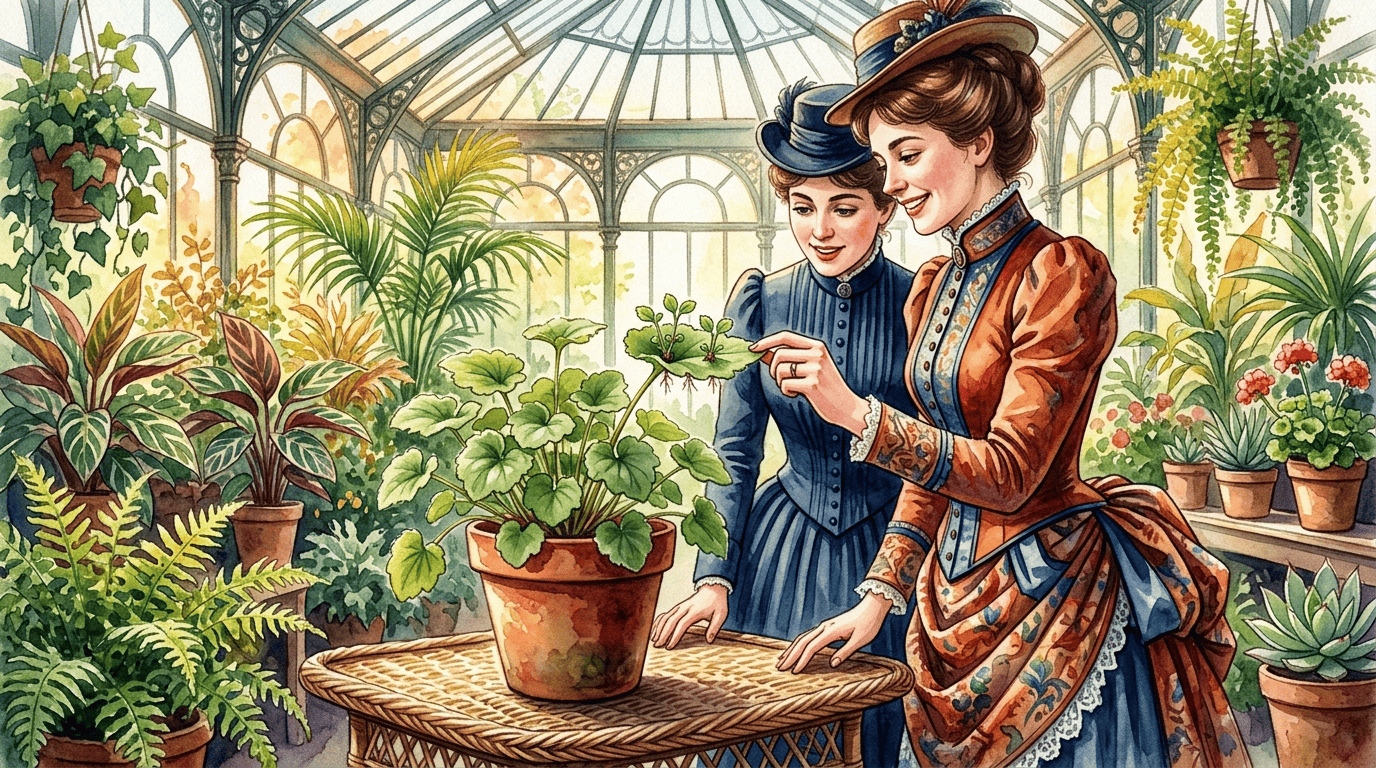
Tolmiea menziesii, known as piggyback plant, youth-on-age, or thousand mothers, is an evergreen herbaceous perennial native to moist coniferous forests and streamsides of the Pacific coast from southeast Alaska to northern California. Scottish surgeon-naturalist Archibald Menzies collected the species during the 1792 Vancouver Expedition, and Scottish botanist William Jackson Hooker named the genus in 1834 to honor William Fraser Tolmie, a Hudson's Bay Company surgeon and botanist stationed at Fort Nisqually. The plant's common names come from its remarkable habit of producing vegetative plantlets at the base of mature leaf blades, a trait exploited by Victorian gardeners who popularized it worldwide as an indoor houseplant.
Indigenous peoples including the Cowlitz used decoctions of the plant for women's health and hair rinses. Long popular as a Victorian houseplant for its fascinating reproductive habit.
Symbolism & meaning
What It Symbolizes
Youth-On-Age makes visible nurturing, its parent leaves quite literally carrying baby plantlets where leaf meets stem, raising the next generation along their own veins. It speaks to generations, the youth-on-age habit symbolizing the continuity of life carried on the back of the one before. It is often read as a flower of mothered continuation, a Pacific Northwest native whose meaning is the visible ongoing care that one generation gives to the one coming up behind it.
- Nurturing — parent leaves carry baby plantlets to maturity
- Generations — youth-on-age symbolizes continuity of life
Where the Name Comes From
'Tolmiea' honors Dr. William Fraser Tolmie (1812–1886); 'menziesii' honors Archibald Menzies (1754–1842).
Uses & Fun Facts
- Plantlets-on-leaves novelty makes a charming hanging houseplant
- Pacific Northwest native carpets damp shade gardens
Related plants
Plants with similar care
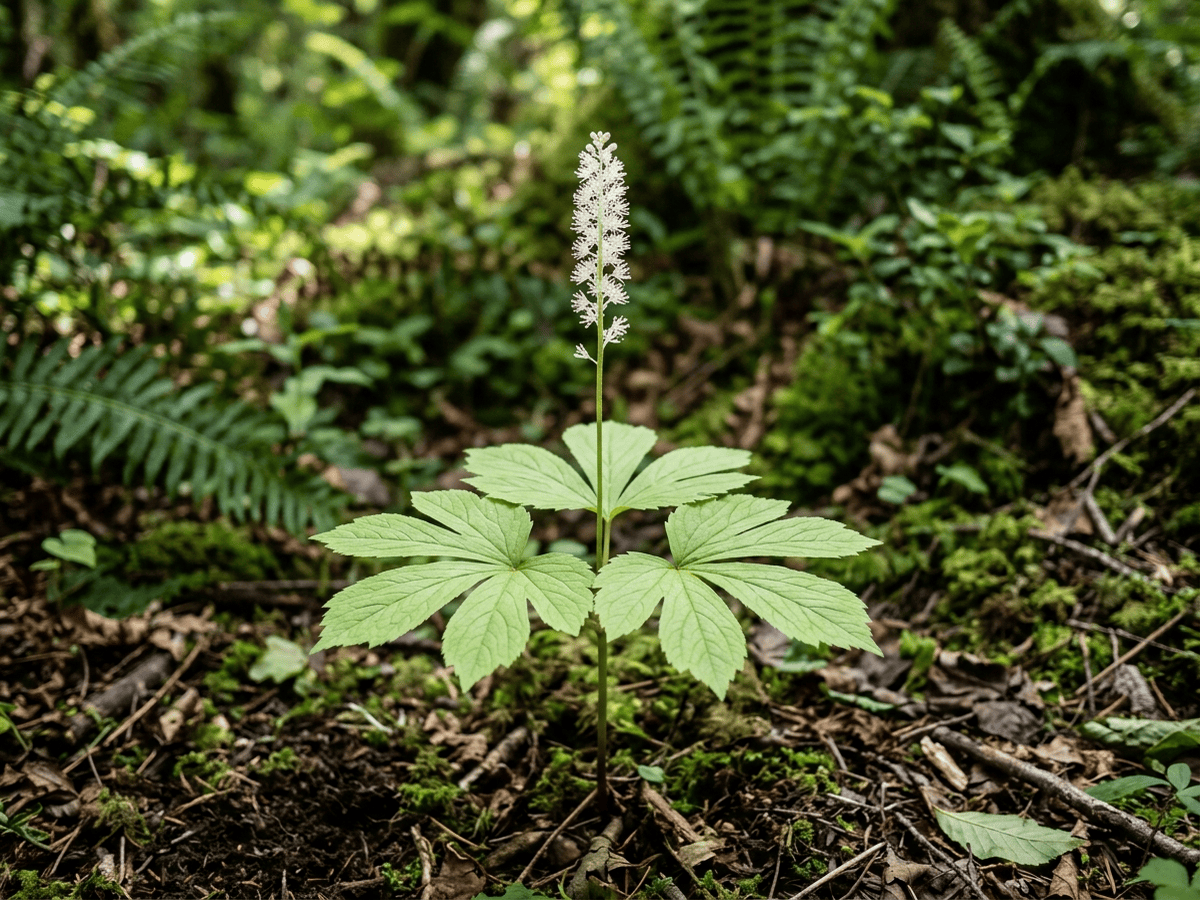 Vanilla LeafAchlys triphylla
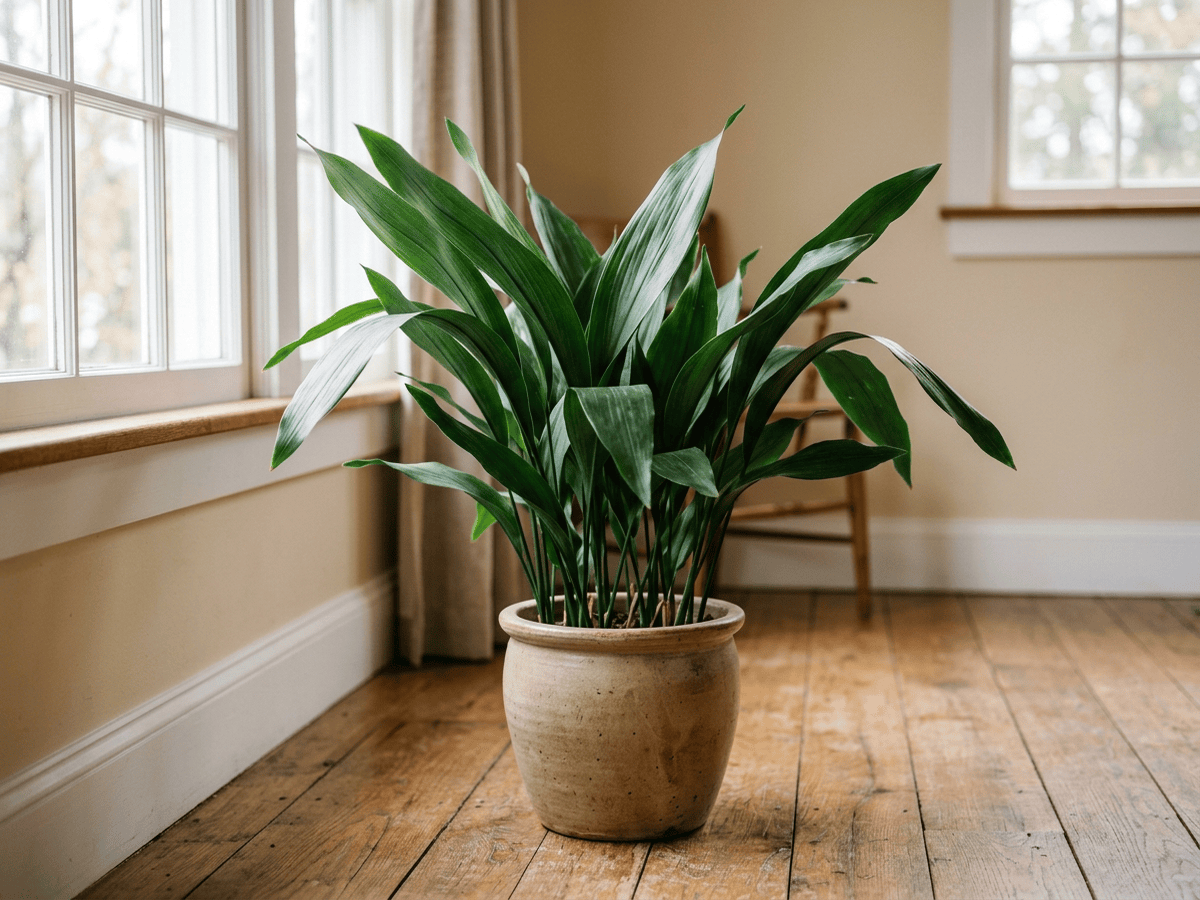 Cast-Iron PlantAspidistra elatior
 Chinese AucubaAucuba chinensis
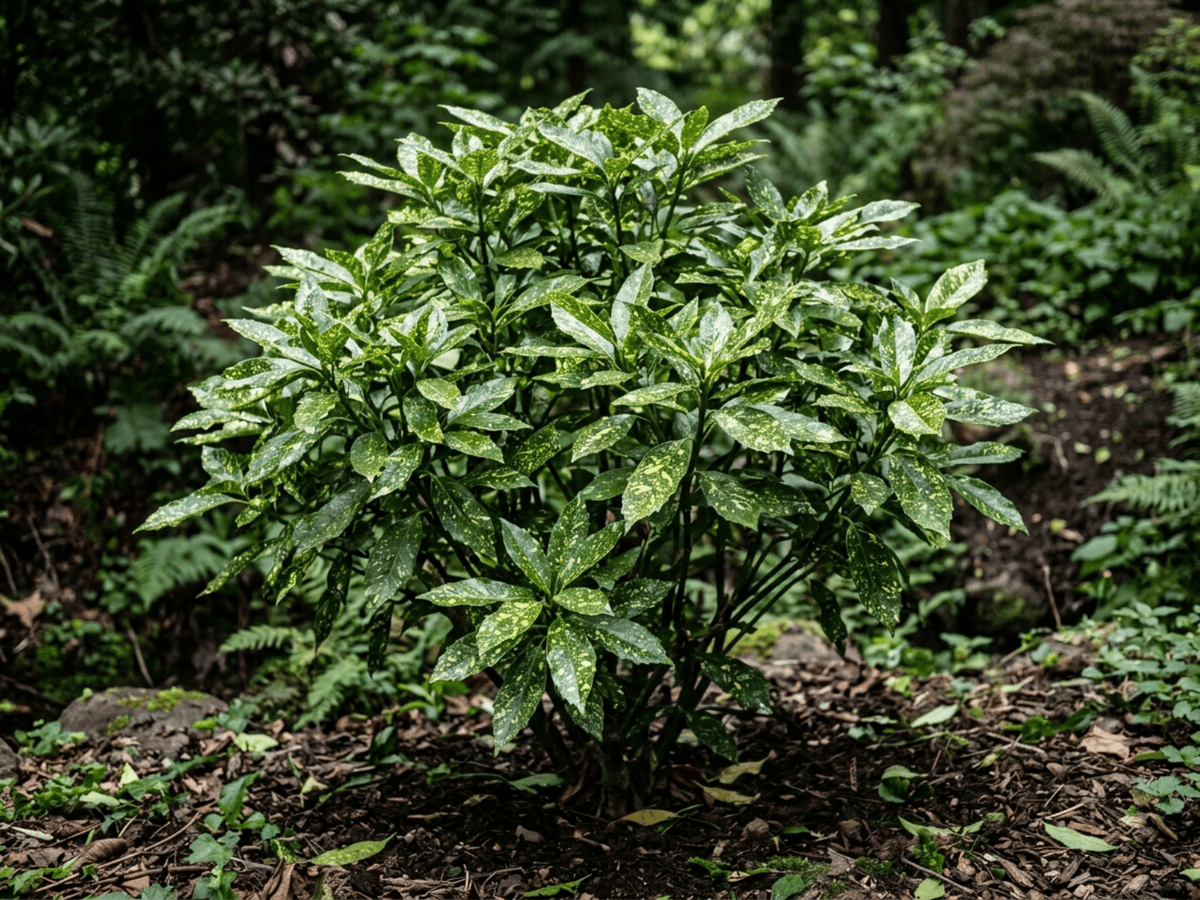 Japanese AucubaAucuba japonica
Frequently asked questions
How often should I water Youth-On-Age?
In summer, water about every 4 days; in winter, about every 10 days. Adjust for heat, pot size and drainage.
How much light does Youth-On-Age need?
Full shade: <2 hrs direct. Watch the leaves — scorching or stretching means the light needs adjusting.
Is Youth-On-Age toxic to cats or dogs?
Pets Safe (Dogs Safe · Cats Safe) Educational information, not medical or veterinary advice. If exposure is suspected, contact a doctor or veterinarian.
Is Youth-On-Age easy to grow?
Yes — it is considered an easy, beginner-friendly plant.
Can Youth-On-Age be grown indoors?
Yes, it adapts well to indoor growing given the right light.
When does Youth-On-Age bloom?
It typically blooms Mar–May in the Northern Hemisphere.
YardMate
Identify any plant in seconds
Snap a photo — YardMate names the plant, diagnoses problems, and reminds you when to water.
Download on the App Store