 YardMate


Madagascar Jasmine
Stephanotis floribunda
Medium · Some experienceAbout Madagascar Jasmine
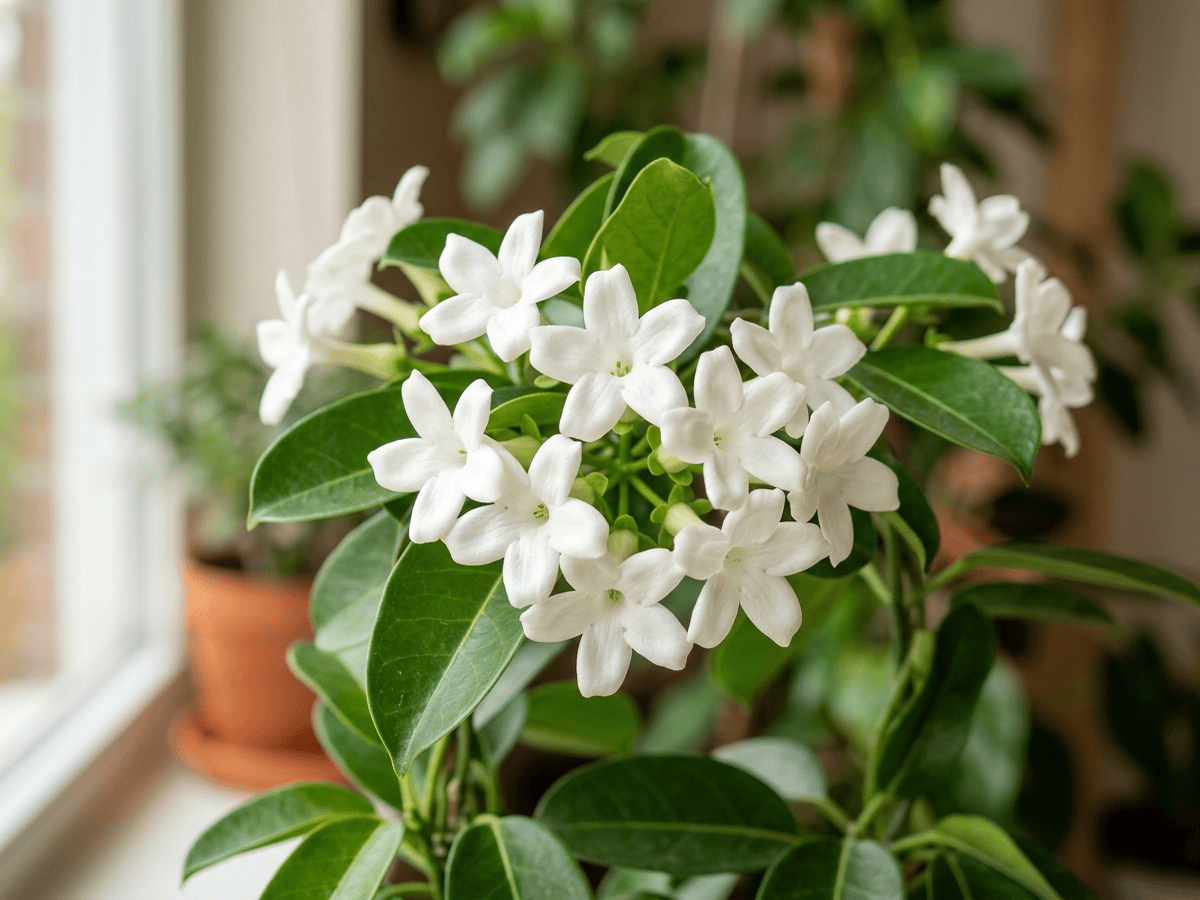
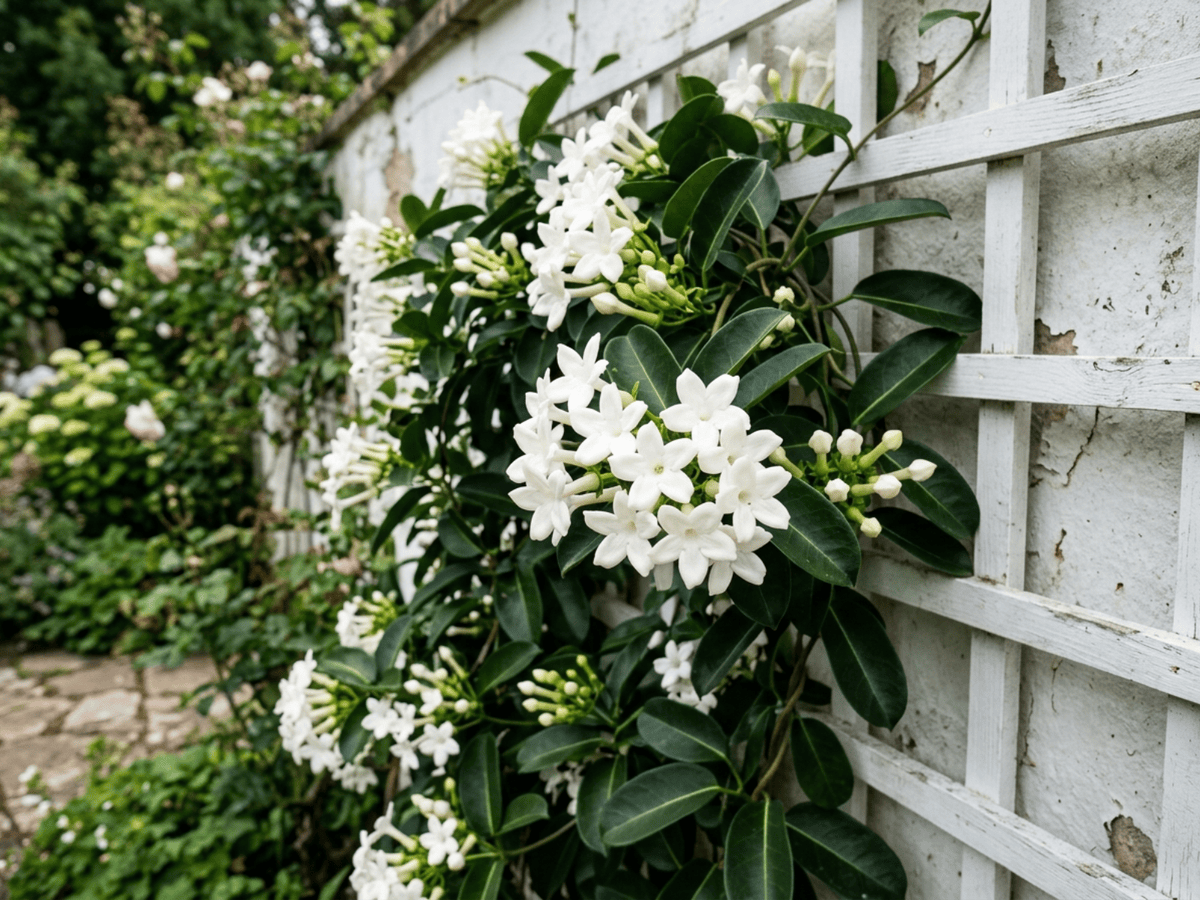
Stephanotis floribunda, the Madagascar jasmine, is a twining vine with glossy, dark green, leathery leaves and clusters of intensely fragrant, waxy, white tubular flowers. Native to Madagascar, the sweet, intoxicating fragrance is one of the most beloved in horticulture. It is a classic bridal flower, frequently woven into wedding bouquets and hair pieces. Indoors, it needs bright light, consistent moisture, and a support to climb. It blooms from late spring through summer when given enough light. The thick, leathery leaves suggest toughness, but the plant is sensitive to cold and drafts.
- Fragrant
- Climbing
How to care for Madagascar Jasmine
Watering
- Springevery 5 days
- Summerevery 4 days
- Fallevery 7 days
- Winterevery 14 days
Soil · Well-draining
- Top dressingPine bark mulch10%
- Main mixPotting soil + perlite 2:170%
- DrainageLECA / gravel20%
Never skip the drainage layer — standing water is the top cause of root rot.
FERTILIZER
Bloom Booster 10-52-10
A phosphorus-forward feed fuels abundant blooms, with just enough nitrogen and potassium to keep foliage and roots steady.
- Nitrogen · Leaves
- Phosphorus · Roots + Blooms
- Potassium · Strength
- Springevery 21 days
- Summerevery 21 days
- Fallevery 45 days
At a Glance
- NativeAfrica
- Height6–15 ft (1.8–4.6 m)
- Spread3–6 ft (0.9–1.8 m)
- Flower colorWhite
- Foliage colorGreen
- Fruit colorGreen
- SoilLoamy, Well-drained, Rich
- LocationsIndoor · Balcony
Bloom time
BLOOM CYCLE
Peak bloom
Mar–Aug
Waxy white fragrant clusters from spring to summer; needs bright light
Fragrance
STRONG FRAGRANCE
One of the most heavily fragrant flowers in cultivation — sweet, jasmine-like, and powerful enough to perfume a whole room.
Toxicity
Humans Slight
milky latex
Slight
- Leaf
- Stem
- Sap
- Seed
- Contact
- Ingestion
EXPOSURE Touching leaves, stems, sap, and seeds. Eating leaves, stems, sap, and seeds.
EFFECT Latex may irritate skin and eyes and gI upset if ingested.
NOTE Documented concern for humans: Latex may irritate skin and eyes and gI upset if ingested.
Safe
EXPOSURE No exposure route is reported.
EFFECT No toxic effect is reported.
NOTE Listed as non-toxic for dogs; avoid eating ornamental plants unless confirmed edible.
Safe
EXPOSURE No exposure route is reported.
EFFECT No toxic effect is reported.
NOTE Listed as non-toxic for cats; avoid eating ornamental plants unless confirmed edible.
Educational information, not medical or veterinary advice. If exposure is suspected, contact a doctor or veterinarian.
DISTRIBUTION


- Native
- Introduced
- Africa
History

Stephanotis floribunda is endemic to the humid forests of Madagascar, where it grows as a woody twining vine. It was introduced to European horticulture in 1839 and quickly became celebrated for its waxy white star-shaped flowers that produce an intensely sweet jasmine-like fragrance rivalling the best of true jasmines (though the plant is not related, belonging instead to the milkweed family, Apocynaceae). From the late 19th century onward it was the signature wedding bouquet flower in Britain and North America — commonly called 'Bridal Wreath' or 'Bride's Flower' — and small sprigs remain a classic inclusion in formal wedding work today.
It is difficult to flower reliably indoors without a cool winter rest, which has limited its wider houseplant popularity. Contains mildly toxic milkweed-family cardiac glycosides. Stephanotis floribunda is one of the most traditional wedding flowers in Western culture, symbolizing marital bliss since the Victorian era.
Queen Victoria included it in her 1840 wedding bouquet to Prince Albert, setting a tradition that continues today. The genus name comes from Greek 'stephanos' (crown) and 'otis' (ear), possibly describing the crown-like arrangement of stamens. In Madagascar, the vine grows wild in the island's dwindling rainforests. The large seed pods take over a year to mature, eventually splitting to release seeds with silk parachutes that float on the wind — a beautiful dispersal mechanism.
Symbolism & meaning
What It Symbolizes
Madagascar Jasmine is marital happiness in classic form — the traditional wedding flower, its thick white waxy stars woven into bouquets and headpieces for over a century, scenting promises of enduring love and wedded bliss. From Royal weddings to backyard ceremonies it has crowned the bride. It is the flower that has kept showing up at the altar, century after century, meaning the same patient and fragrant thing.
- Marital happiness — The classic bridal flower, representing enduring love and wedded bliss
Where the Name Comes From
Stephanotis from Greek 'stephanos' (crown) and 'otis' (ear), for the ear-like stamen appendages. Floribunda means 'abundantly flowering.'
Uses & Fun Facts
- Waxy white tubular flowers carry intoxicating bridal-bouquet perfume
- Classic wedding flower used in bouquets and corsages
- Twining vine trained on trellises in warm conservatories
Related plants
Plants with similar care
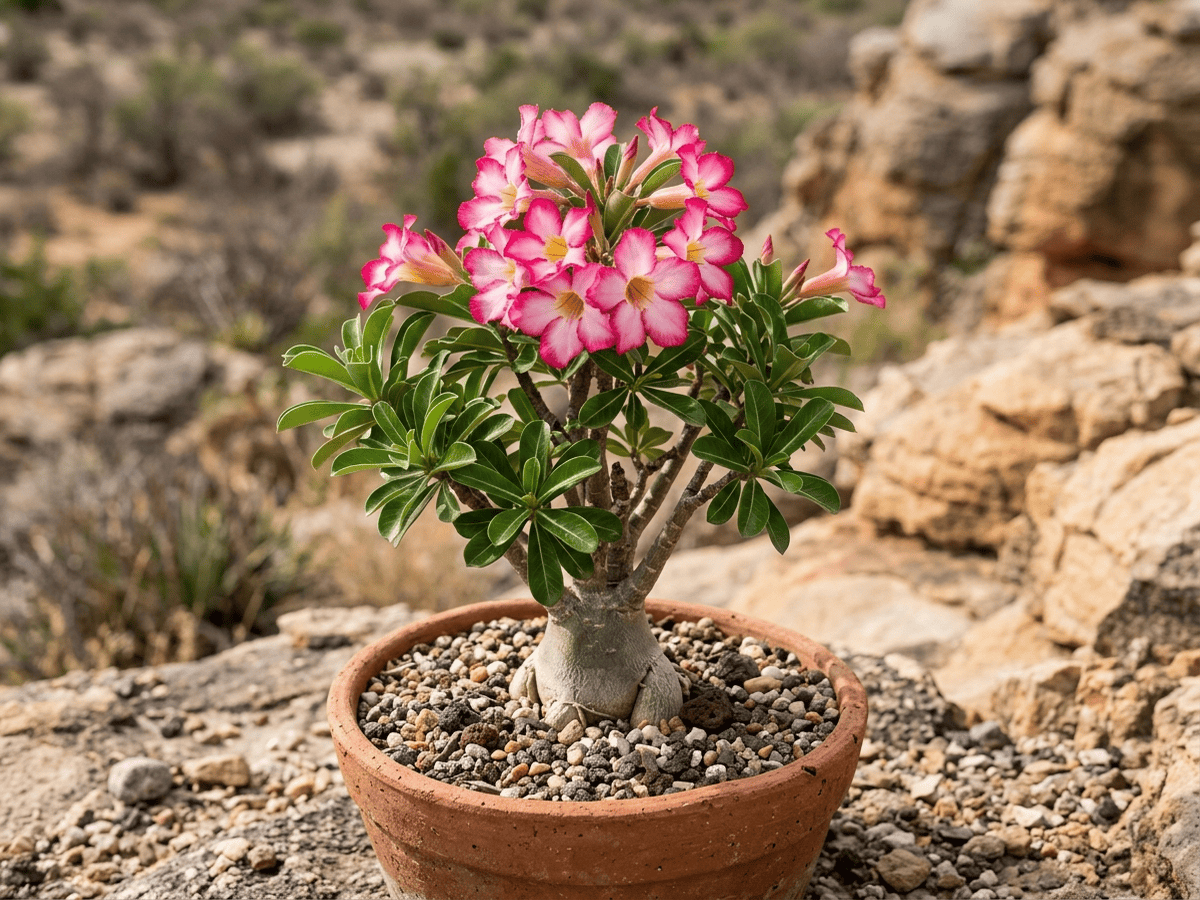 Desert RoseAdenium obesum
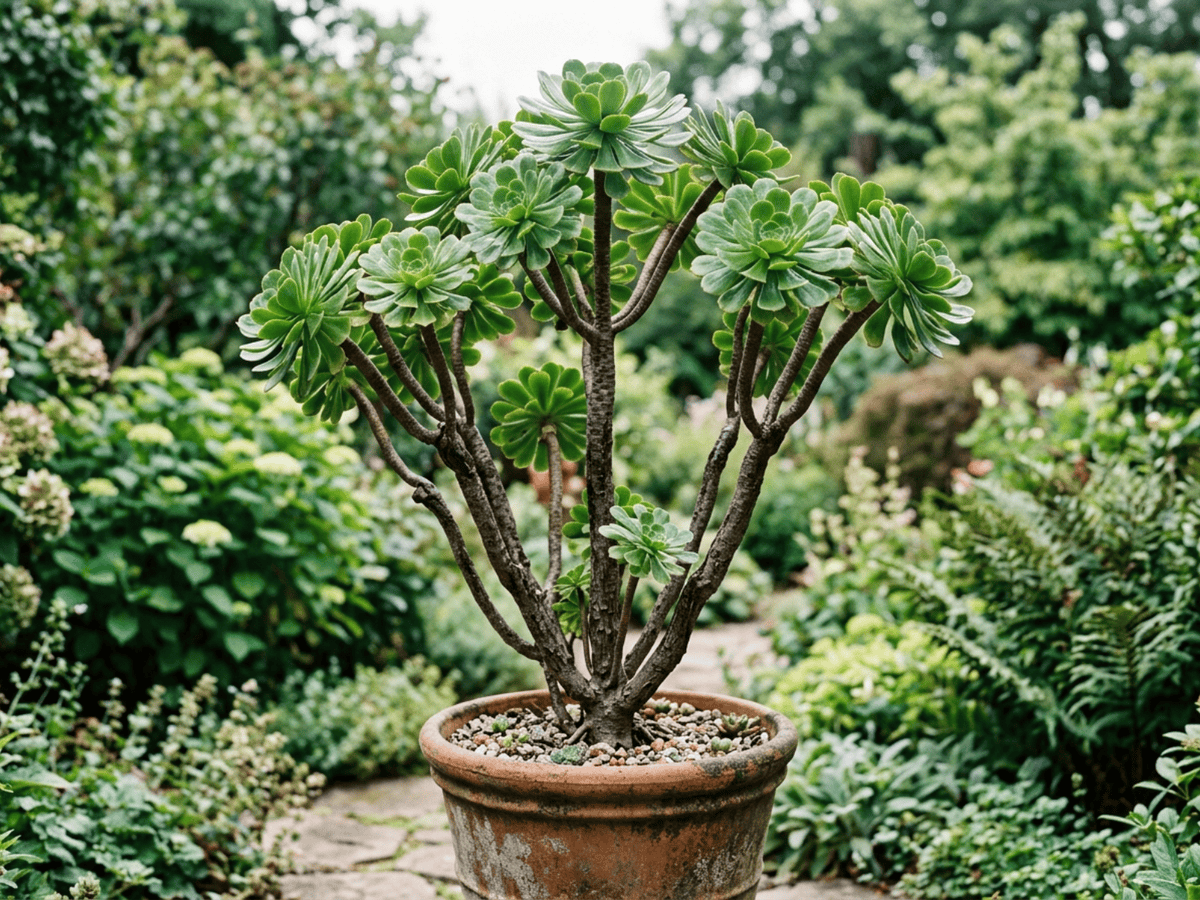 Tree AeoniumAeonium arboreum
 Queen Victoria AgaveAgave victoriae-reginae
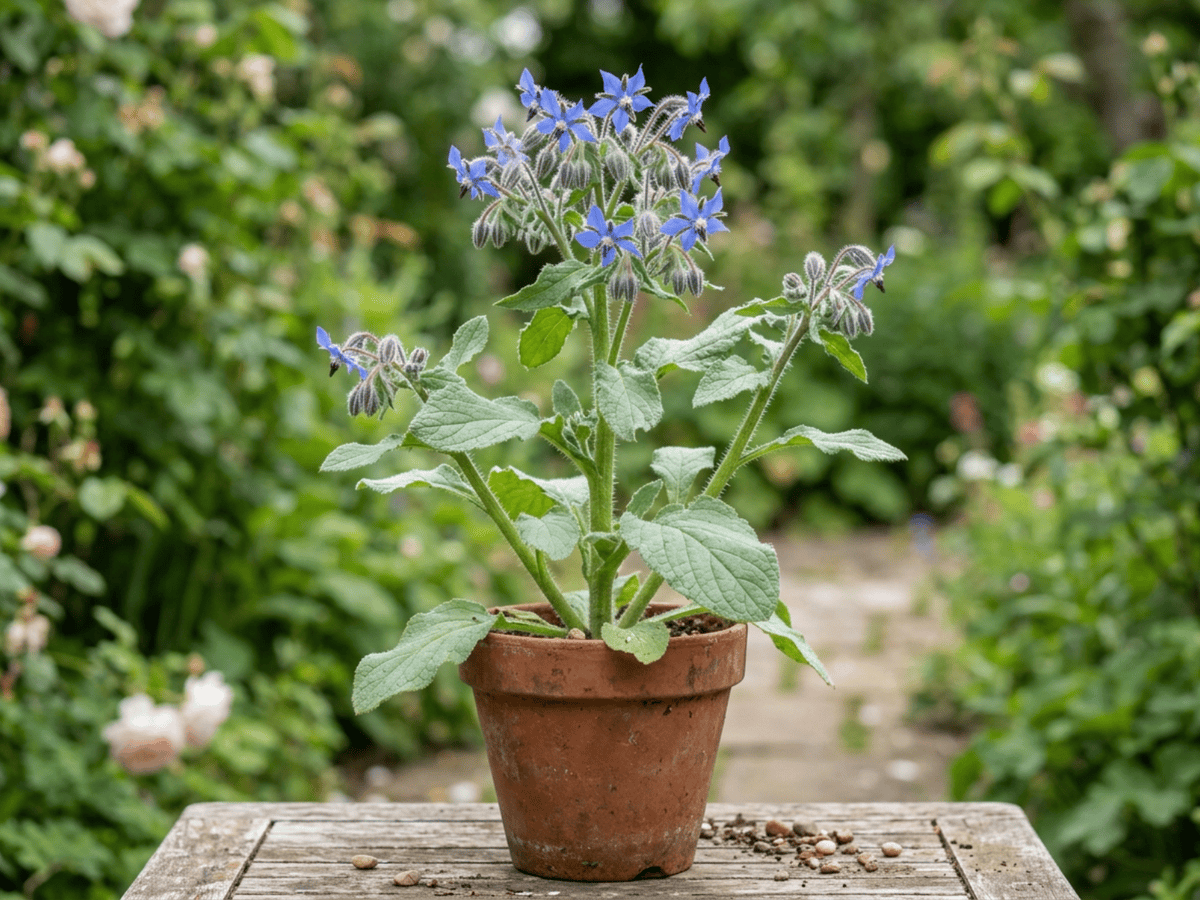 Lemon VerbenaAloysia citriodora
Frequently asked questions
How often should I water Madagascar Jasmine?
In summer, water about every 4 days; in winter, about every 14 days. Adjust for heat, pot size and drainage.
How much light does Madagascar Jasmine need?
Full sun: 6+ hrs direct. Watch the leaves — scorching or stretching means the light needs adjusting.
Is Madagascar Jasmine toxic to cats or dogs?
Pets Safe (Dogs Safe · Cats Safe) Educational information, not medical or veterinary advice. If exposure is suspected, contact a doctor or veterinarian.
Is Madagascar Jasmine easy to grow?
It is moderately demanding: a good choice once you have a little experience.
Can Madagascar Jasmine be grown indoors?
Yes, it adapts well to indoor growing given the right light.
When does Madagascar Jasmine bloom?
It typically blooms Mar–Aug in the Northern Hemisphere.
YardMate
Identify any plant in seconds
Snap a photo — YardMate names the plant, diagnoses problems, and reminds you when to water.
Download on the App Store