 YardMate


Tall Stewartia
Stewartia monadelpha
Hard · Experienced growersAbout Tall Stewartia
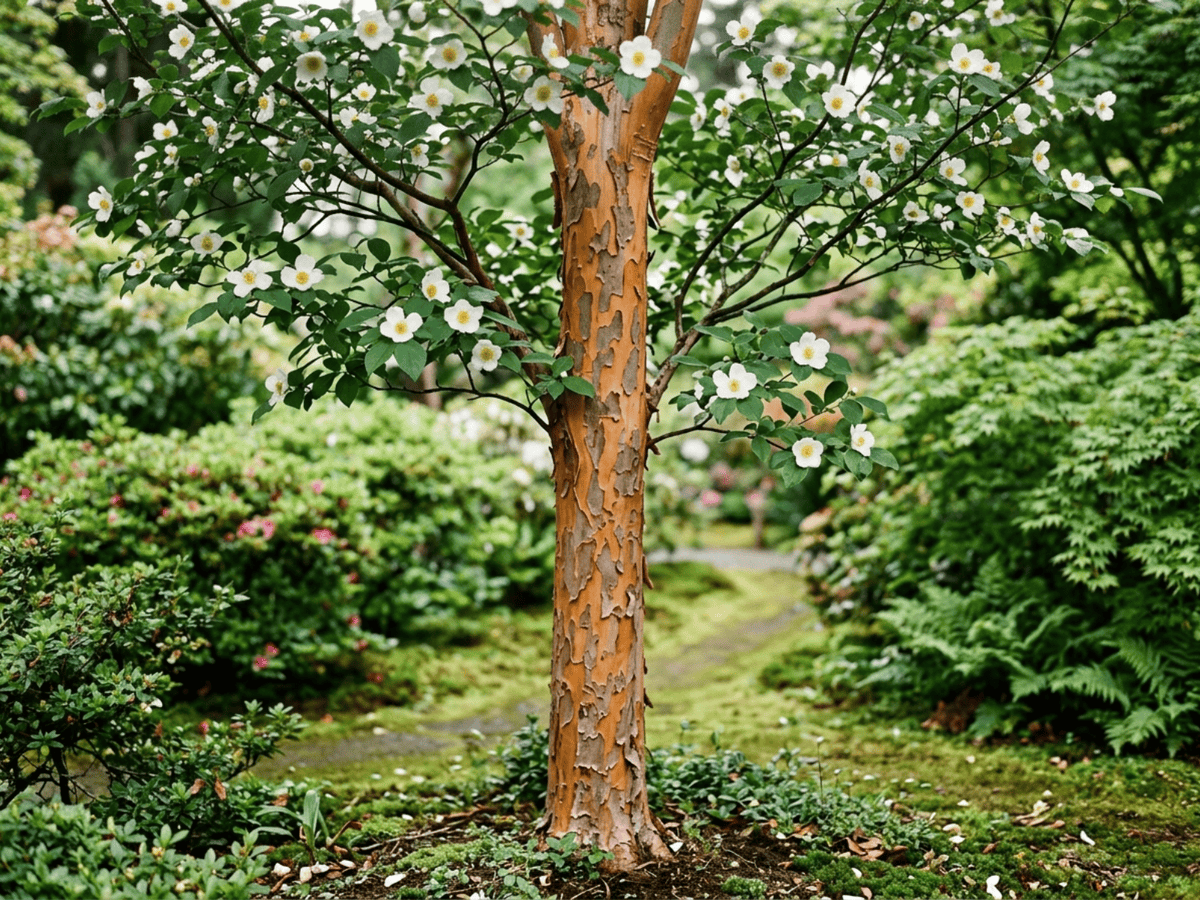
Tall Stewartia is a Japanese species reaching 20-40 feet tall, with smaller white flowers than Korean Stewartia but among the most stunning exfoliating bark in horticulture—peeling in papery sheets to reveal cinnamon-red inner bark that glows in winter sun. Brilliant orange-red fall color completes the year-round display. A connoisseur's tree for American gardens in USDA zones 6-8, often planted where its bark can be showcased year-round.
- Fall-color
How to care for Tall Stewartia
Watering
- Springevery 5 days
- Summerevery 4 days
- Fallevery 7 days
- Winterpause watering
Soil · Acidic · pH 4.5–6
- Top dressingPine needle mulch10%
- Main mixAcid-lover mix + peat 3:175%
- DrainageGravel15%
Never add lime or wood ash — it cancels out the acidity.
FERTILIZER
Acid-Loving Feed 4-3-4
One bag does both jobs. An acid feed carries the usual nitrogen, phosphorus and potassium, plus the sulfur and iron that keep the soil sour enough for the roots to take them up at all.
- Nitrogen · Leaves
- Phosphorus · Roots + Blooms
- Potassium · Strength
- Springevery 60 days
- Summerevery 60 days
At a Glance
- NativeEast Asia
- Height20–30 ft (6.1–9.1 m)
- Spread15–25 ft (4.6–7.6 m)
- Flower colorWhite
- Foliage colorGreen, Bronze
- Fruit colorBrown
- SoilLoamy, Moisture-retentive, Acidic
- LocationsYard
Bloom time
BLOOM CYCLE
Peak bloom
Jun–Jul
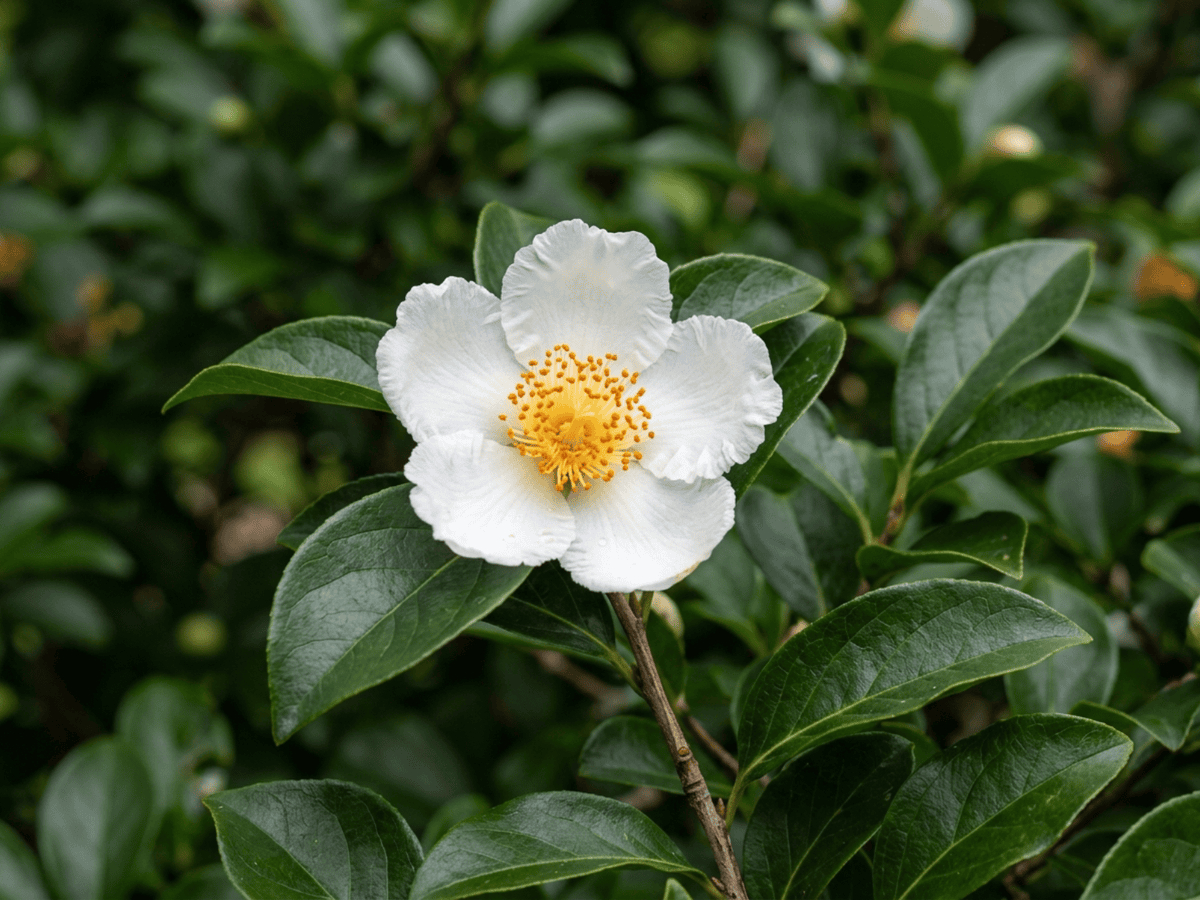
Small white camellia-like flowers June to July
Fragrance
LIGHT FRAGRANCE
The flowers have a mild scent.
Toxicity
No toxicity has been reported for this plant. Still, it is wise to keep pets from chewing on any houseplant.
Educational information, not medical or veterinary advice. If exposure is suspected, contact a doctor or veterinarian.
DISTRIBUTION


- Native
- East Asia
History

Stewartia monadelpha grows naturally in Japanese montane forests of Honshu, Shikoku, and Kyushu. German physician Philipp Franz von Siebold collected material during his Dejima residency, and Siebold and Joseph Zuccarini formally published the name in 1846 as part of their Flora Japonica. The specific epithet monadelpha refers to the stamens being united into a single bundle (monadelphous).
Compared to S. pseudocamellia, this species has smaller but more numerous flowers, smoother exfoliating cinnamon-orange-red bark without the patchwork mottling, and a more narrow upright habit. The graceful columnar form fits smaller gardens better than its wider-spreading Japanese cousin. Americans Michael Dirr and others have promoted it since the 1990s.
Both species remain connoisseur's trees requiring acid well-drained soil and cool root zones. Native to southern Japan. Introduced to Western cultivation in the early 20th century. Popular in American botanical gardens including the US National Arboretum and Arnold Arboretum for its extraordinary bark and flowers.
Symbolism & meaning
What It Symbolizes
Tall Stewartia can symbolize elegance, its refined year-round presence offering camellia-like summer flowers, fine autumn color and beautifully patterned bark in every season. Another layer is revelation, for the trunk's peeling bark gradually exposes layered shades of cinnamon, copper and olive beneath. In the woodland garden, stewartia monadelpha is the slow-revealing tree, a species whose elegance is measured less by any one moment and more by the way it keeps offering new things to look at as the years go by.
- Elegance — refined year-round presence
- Revelation — peeling bark reveals layered beauty
Where the Name Comes From
'Monadelpha' means 'one brotherhood', referring to the united stamens.
Uses & Fun Facts
- Tall stewartia features cinnamon-orange peeling bark
- Brilliant autumn foliage with year-round bark interest
Related plants
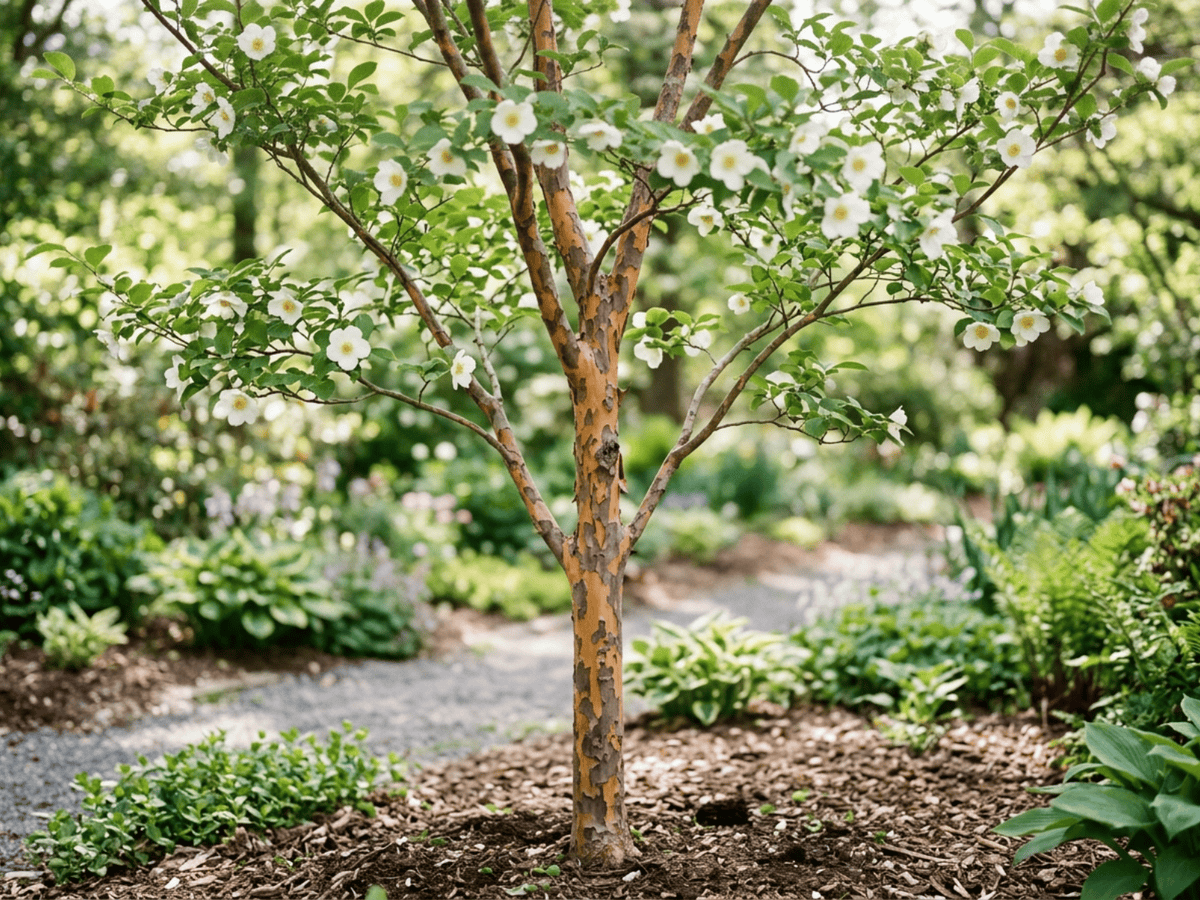
More Stewartia plants
Plants with similar care
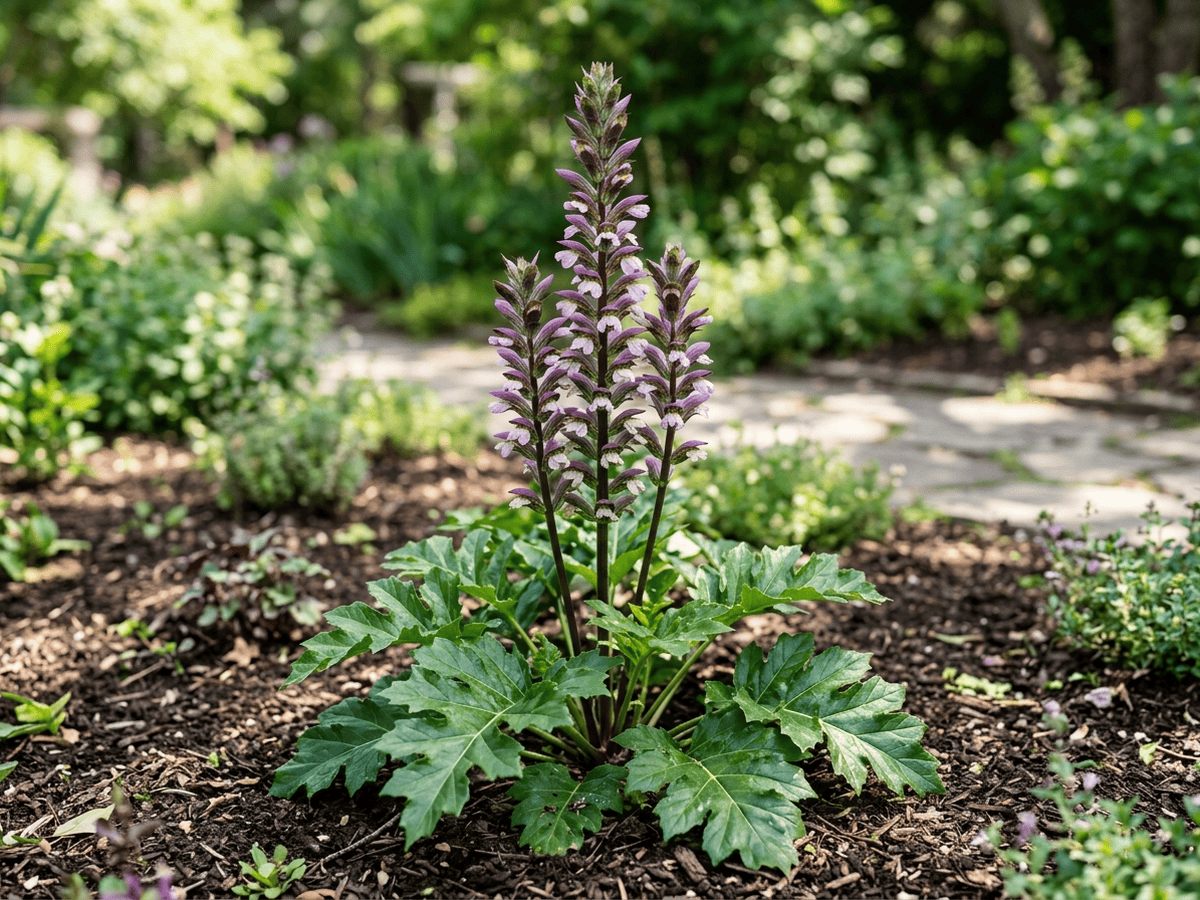 Bear's BreechesAcanthus mollis
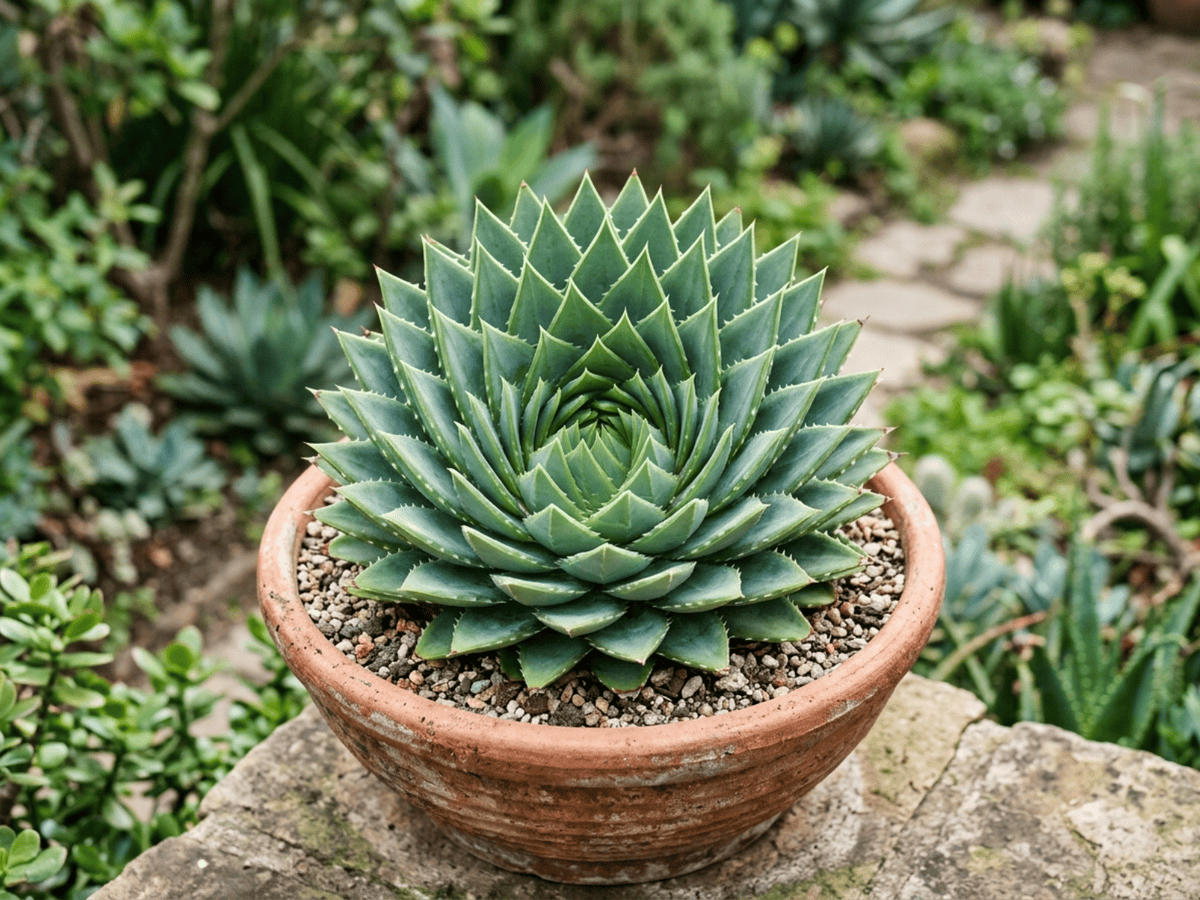 Spiral AloeAloe polyphylla
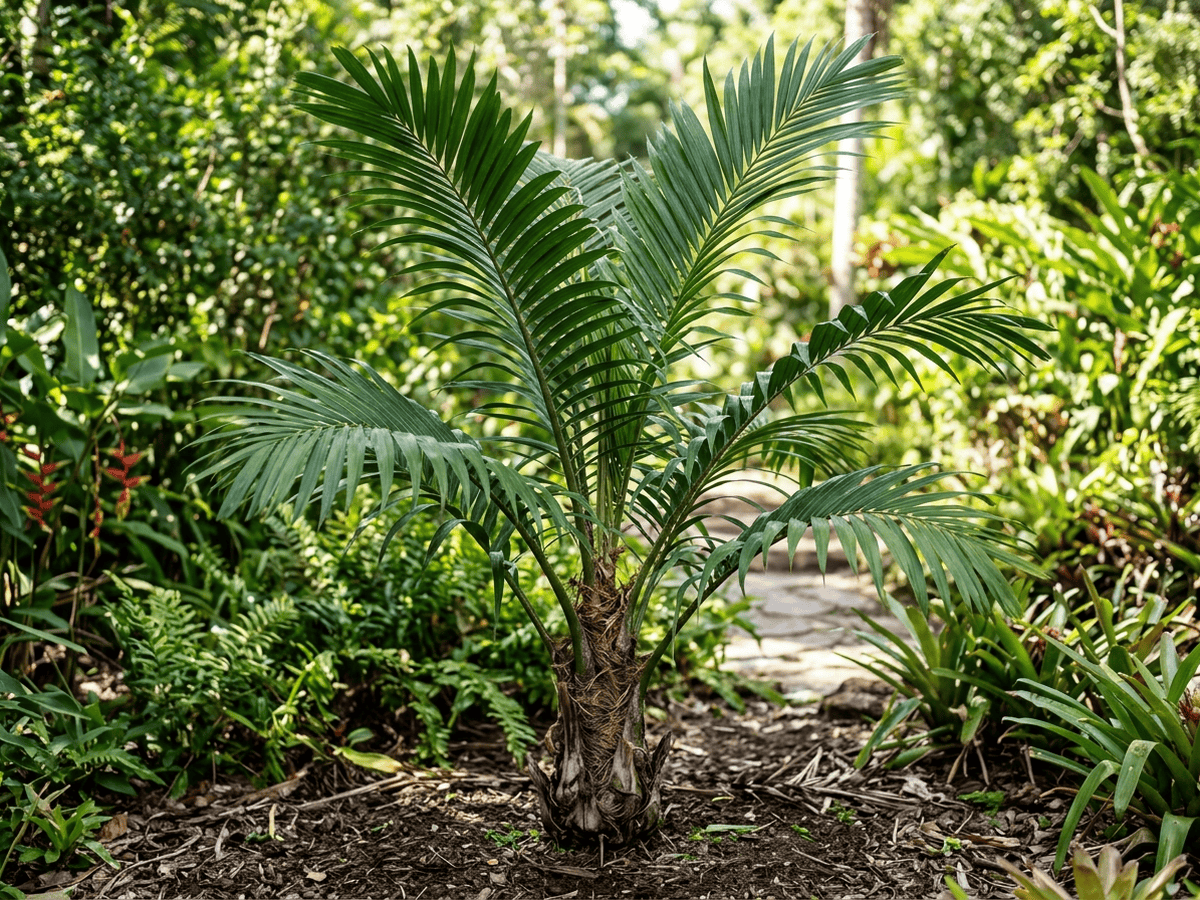 Formosa PalmArenga engleri
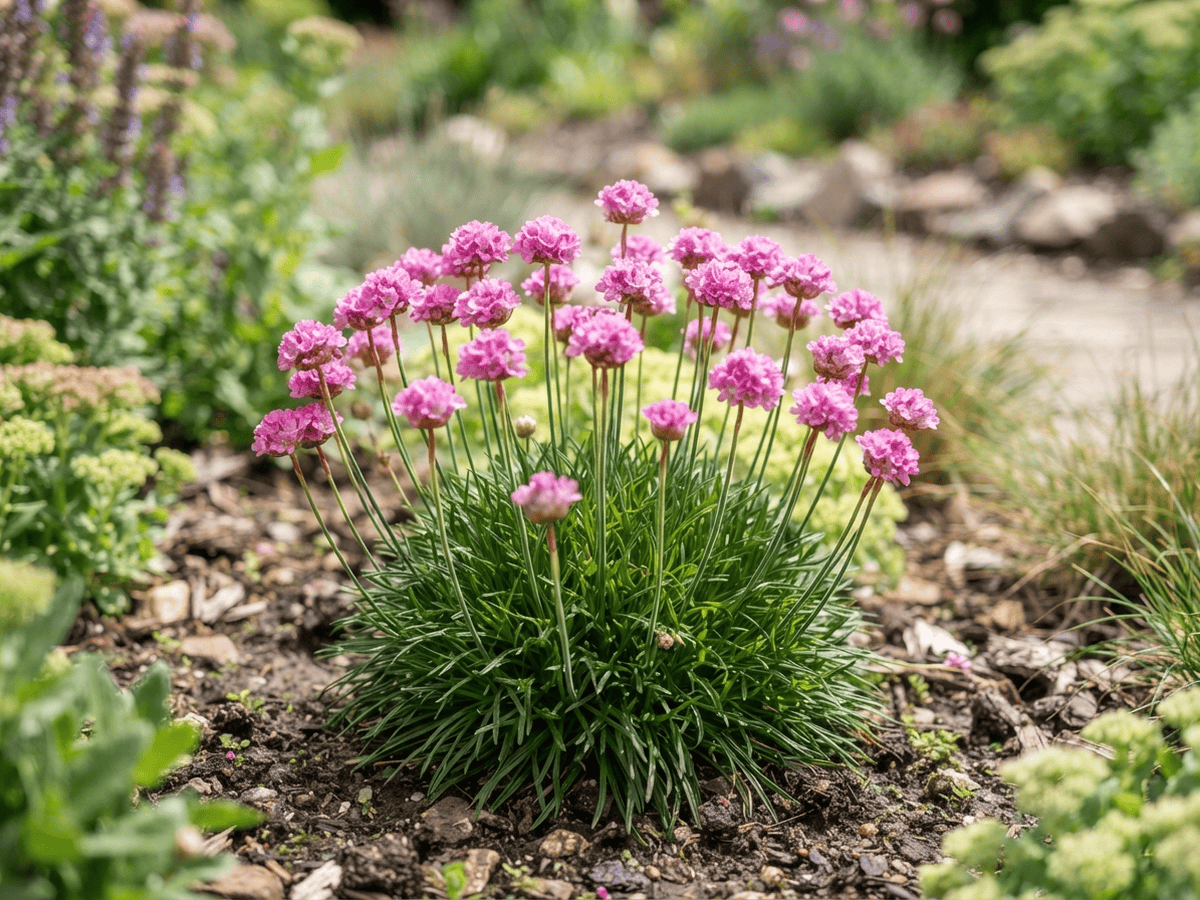 Sea ThriftArmeria maritima
Frequently asked questions
How often should I water Tall Stewartia?
Water about every 5 days during the growing season, and always let excess water drain away.
How much light does Tall Stewartia need?
Part shade: 2–4 hrs direct. Watch the leaves — scorching or stretching means the light needs adjusting.
Is Tall Stewartia toxic to cats or dogs?
No toxicity has been reported for this plant. Still, it is wise to keep pets from chewing on any houseplant. Educational information, not medical or veterinary advice. If exposure is suspected, contact a doctor or veterinarian.
Is Tall Stewartia easy to grow?
It is considered challenging and rewards experienced growers.
When does Tall Stewartia bloom?
It typically blooms Jun–Jul in the Northern Hemisphere.
YardMate
Identify any plant in seconds
Snap a photo — YardMate names the plant, diagnoses problems, and reminds you when to water.
Download on the App Store