 YardMate
Jade Vine
Strongylodon macrobotrys
Hard · Experienced growersAbout Jade Vine
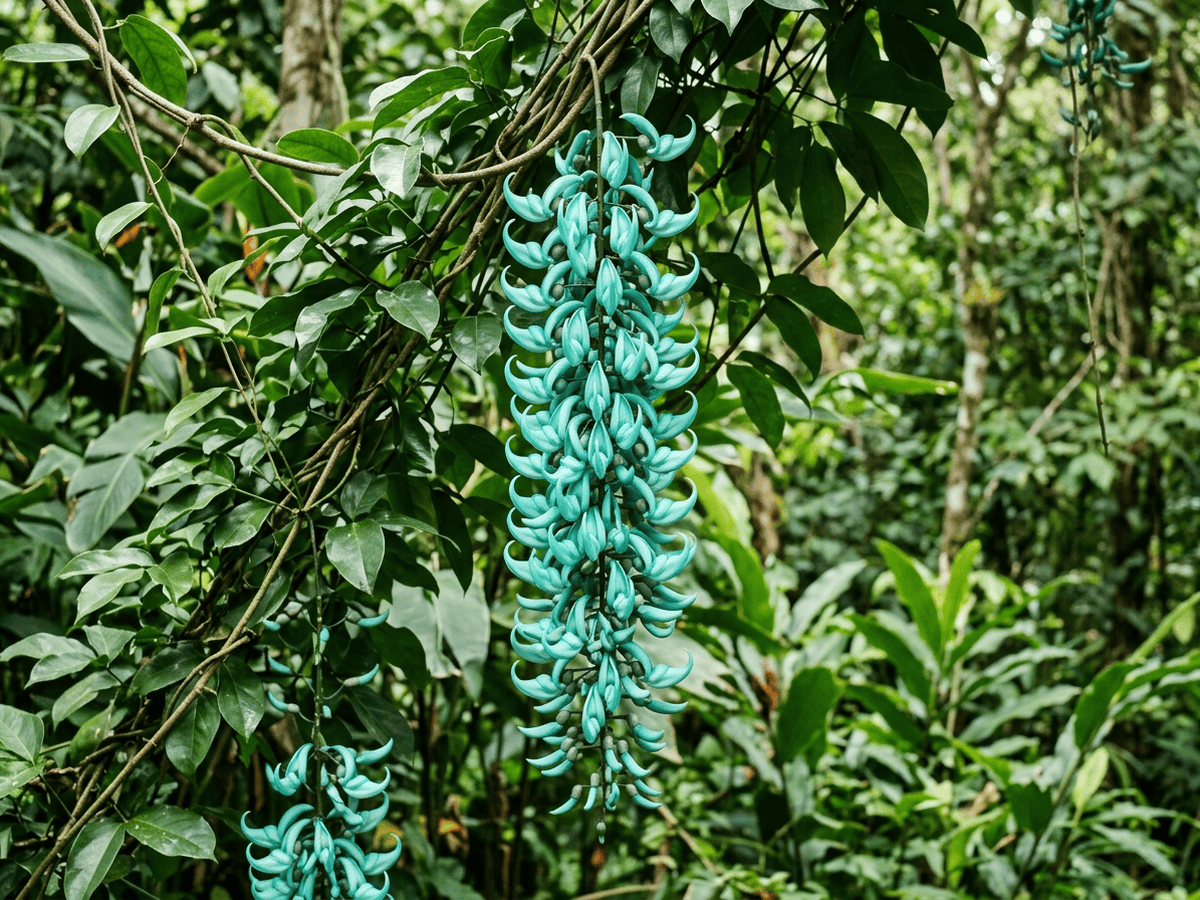
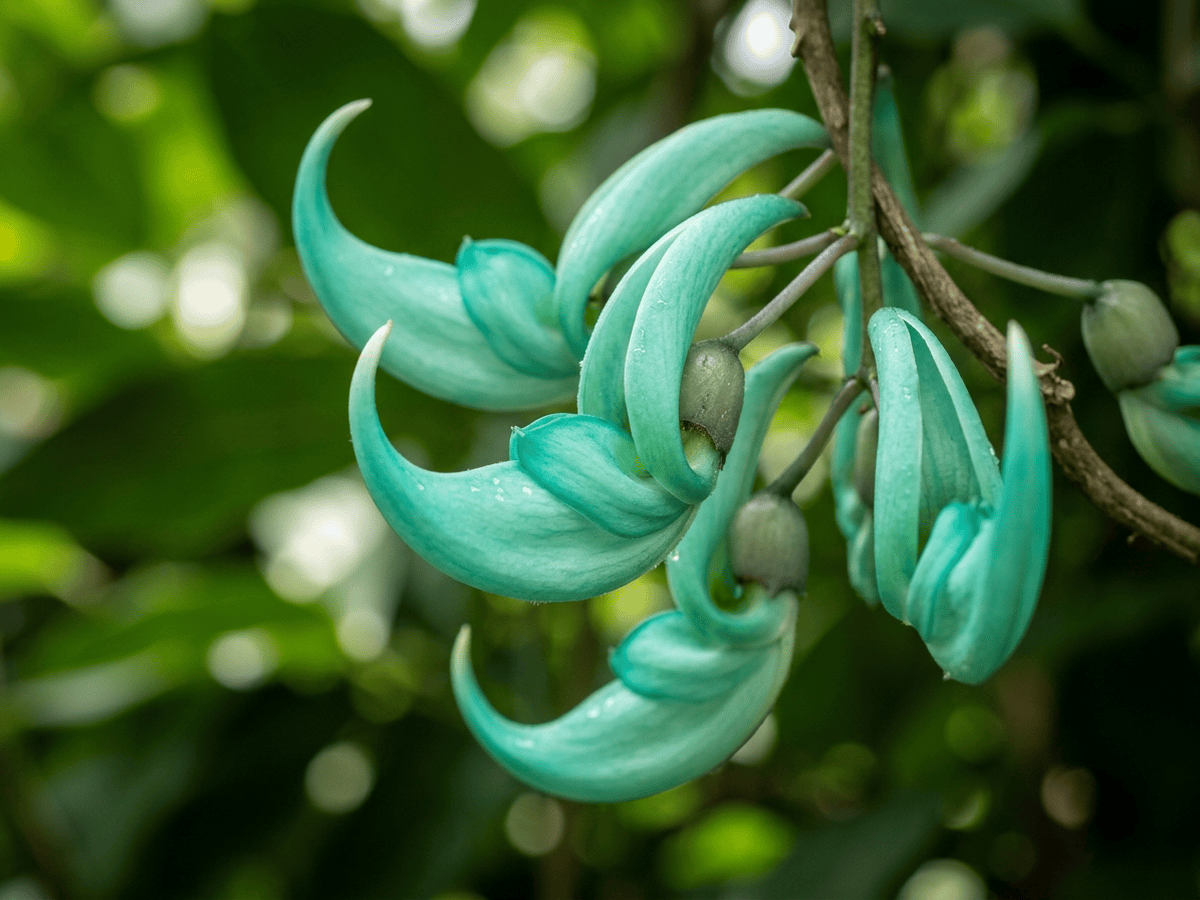
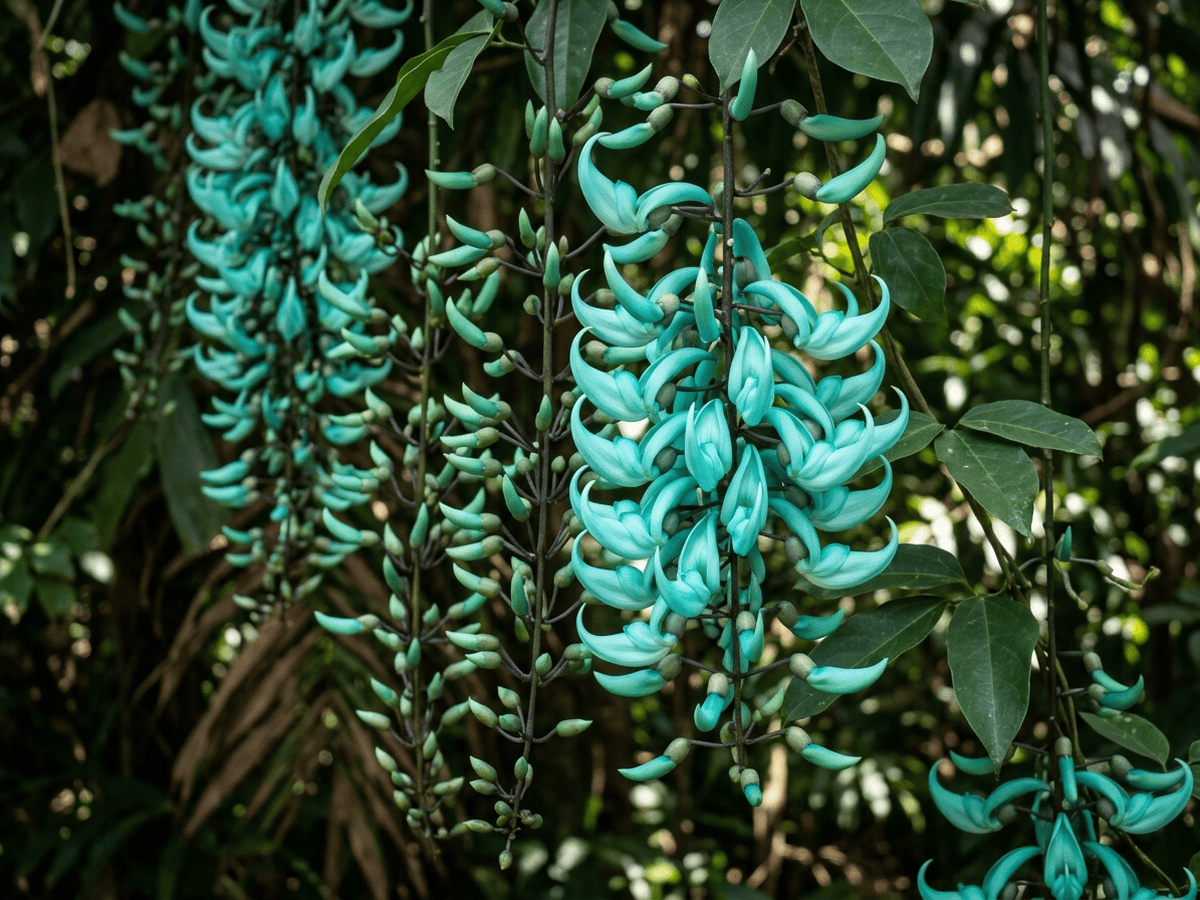
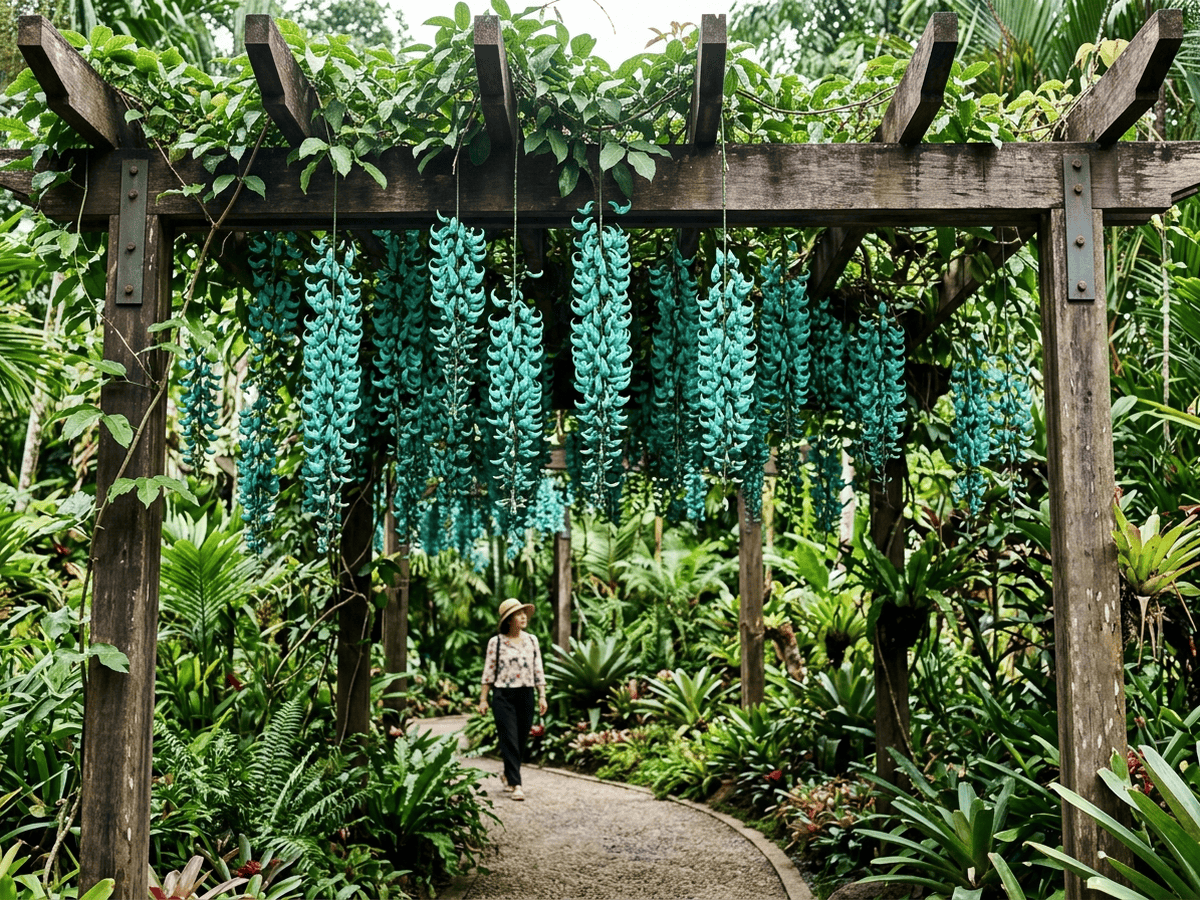
Strongylodon macrobotrys, the Jade Vine, is one of the most spectacular flowering plants on Earth—a woody climbing vine native to the tropical rainforests of Luzon in the Philippines. Its long pendulous racemes, reaching up to 3 feet, bear dozens of claw-shaped flowers in an impossible jade-turquoise color found almost nowhere else in the plant kingdom. It climbs vigorously to 40 feet, blooms April through July, and is pollinated by bats attracted by the flowers' ghostly luminescence in moonlight. Critically endangered in its native habitat, it survives primarily in botanical gardens worldwide.
- Climbing
- Pollinator-friendly
- Fast-growing
- Long-blooming
How to care for Jade Vine
Watering
- Springevery 10 days
- Summerevery 5 days
- Fallevery 20 days
- Winterevery 30 days
Soil · Well-draining
- Top dressingPine bark mulch10%
- Main mixPotting soil + perlite 2:170%
- DrainageLECA / gravel20%
Never skip the drainage layer — standing water is the top cause of root rot.
FERTILIZER
Bloom Booster 10-52-10
A phosphorus-forward feed fuels abundant blooms, with just enough nitrogen and potassium to keep foliage and roots steady.
- Nitrogen · Leaves
- Phosphorus · Roots + Blooms
- Potassium · Strength
- Springevery 30 days
- Summerevery 30 days
At a Glance
- NativeSoutheast Asia
- Height20–40 ft (6.1–12.2 m)
- Spread10–15 ft (3–4.6 m)
- Flower colorBlue, Green
- Foliage colorGreen
- SoilWell-drained, Moist, Loamy
- LocationsYard · Balcony
Bloom time
BLOOM CYCLE
Peak bloom
Apr–Jul
The Jade Vine produces stunning, claw-shaped flowers in vibrant colors during the warmer months.
Fragrance
NO FRAGRANCE
Not fragrant.
Toxicity
No toxicity has been reported for this plant. Still, it is wise to keep pets from chewing on any houseplant.
Educational information, not medical or veterinary advice. If exposure is suspected, contact a doctor or veterinarian.
DISTRIBUTION


- Native
- Introduced
- Southeast Asia
History
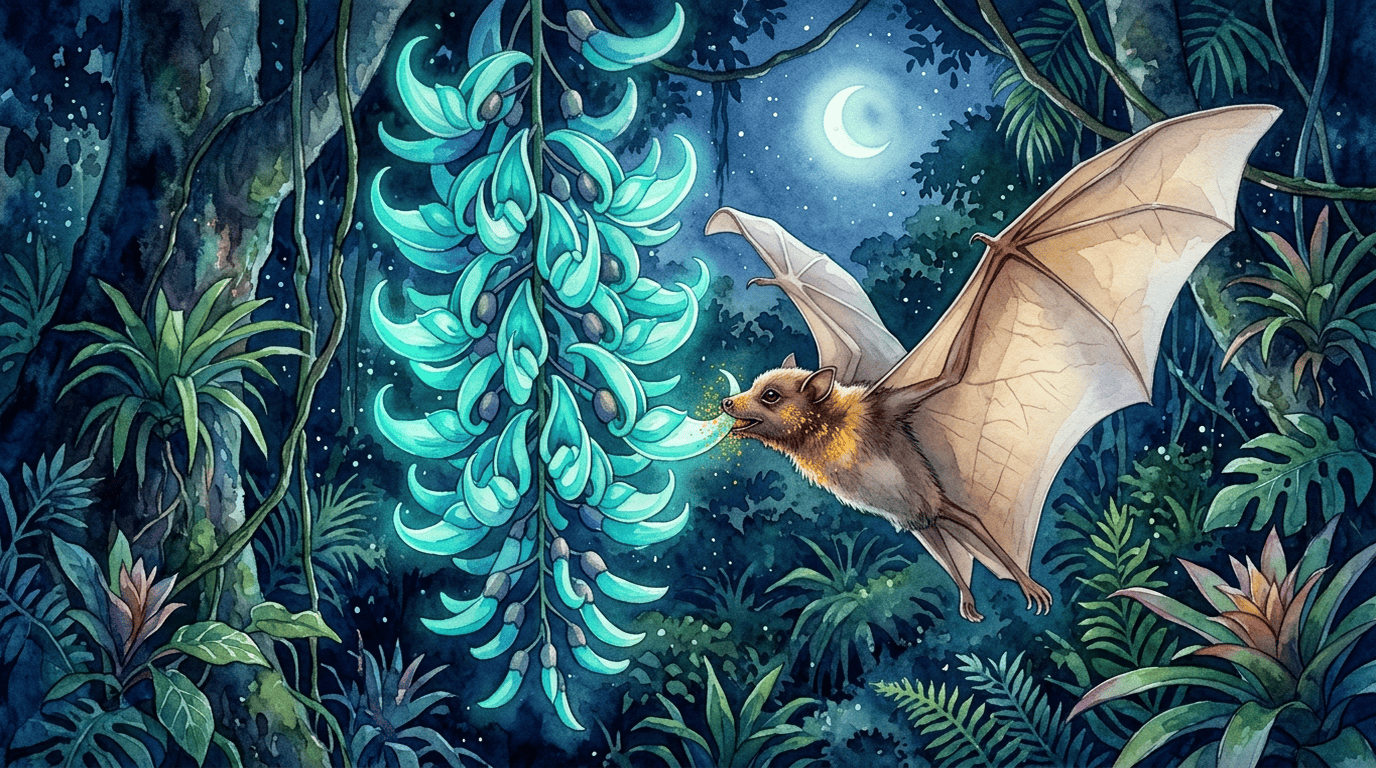
Strongylodon macrobotrys was first collected by Western botanists in the forests of Luzon, Philippines, in the 1850s and described formally by Asa Gray in 1854. For decades it remained a botanical curiosity—pressed specimens in herbaria, a tantalizing description of impossible turquoise flowers. The challenge of growing it outside the tropics kept it from widespread cultivation until botanical gardens with heated glasshouses mastered its requirements.
When the Royal Botanic Gardens at Kew successfully flowered it in the 20th century, the plant caused a sensation. Photographs of the hanging racemes—long chains of jade-green, claw-shaped blooms—circulated widely, and the vine became one of the most sought-after tropical plants for botanical collections worldwide. The color itself is scientifically unusual: the turquoise-jade hue in Strongylodon is caused by high concentrations of malvidin and unusual pigment combinations that produce a color rarely seen in flowering plants.
The vine's natural pollinator in the Philippines is bats—particularly cave-roosting nectar bats that visit the racemes at night, hovering to drink nectar and receiving pollen on their foreheads. The pale blue-green color of the flowers is thought to be adapted to bat vision, which is more sensitive to short wavelengths than mammalian vision. This fascinating bat-plant mutualism was studied in detail by Philippine and international field botanists beginning in the 1980s.
Today Strongylodon macrobotrys is listed as critically endangered by the IUCN. Deforestation of Philippine old-growth rainforest has eliminated most of its wild habitat, and the loss of cave-roosting bat populations has reduced pollination. Conservation programs in the Philippines and international seed banks work to preserve it; botanical gardens from Kew to Singapore to Hawaii maintain living collections. Its survival now depends almost entirely on human stewardship.
Symbolism & meaning
What It Symbolizes
The Jade Vine's turquoise is a color that seems to belong to gemstones, not petals. In the wild Philippine forest, bats found it by night. In botanical gardens, visitors find it breathtaking by day. Both reactions say something true: that there are forms of beauty that are almost impossible to believe until you are standing in front of them.
- otherworldliness — A color that should not exist in flowers—jade-turquoise blooms that glow in moonlight and attracted bats before they attracted humans.
- fragility — The rarest of beauties: a flower that vanishes when its forest disappears. The Jade Vine is a reminder that extraordinary things can be lost entirely.
Where the Name Comes From
The genus name Strongylodon derives from the Greek strongylos (round or cylindrical) and odon (tooth), referring to the rounded tooth-like calyx lobes. The species name macrobotrys comes from the Greek makros (large) and botrys (cluster of grapes or raceme), describing the spectacular long flower clusters.
Uses & Fun Facts
- Among the most prized tropical climbing vines for large glasshouses and outdoor structures in frost-free climates; long racemes of turquoise flowers are breathtaking
- Natural bat-pollinated vine; supports nectar bats in Philippine rainforest ecosystems where wild populations persist
Related plants
Plants with similar care
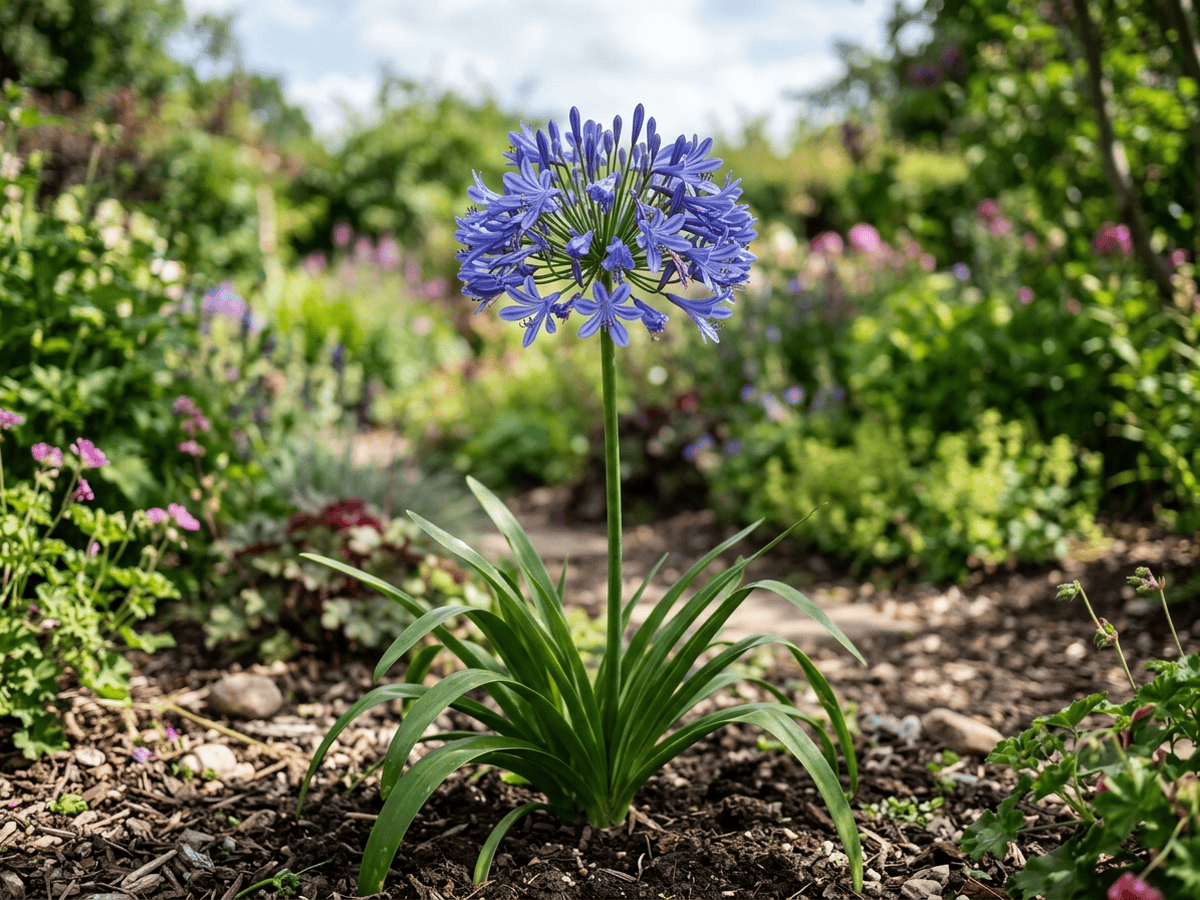 African LilyAgapanthus africanus
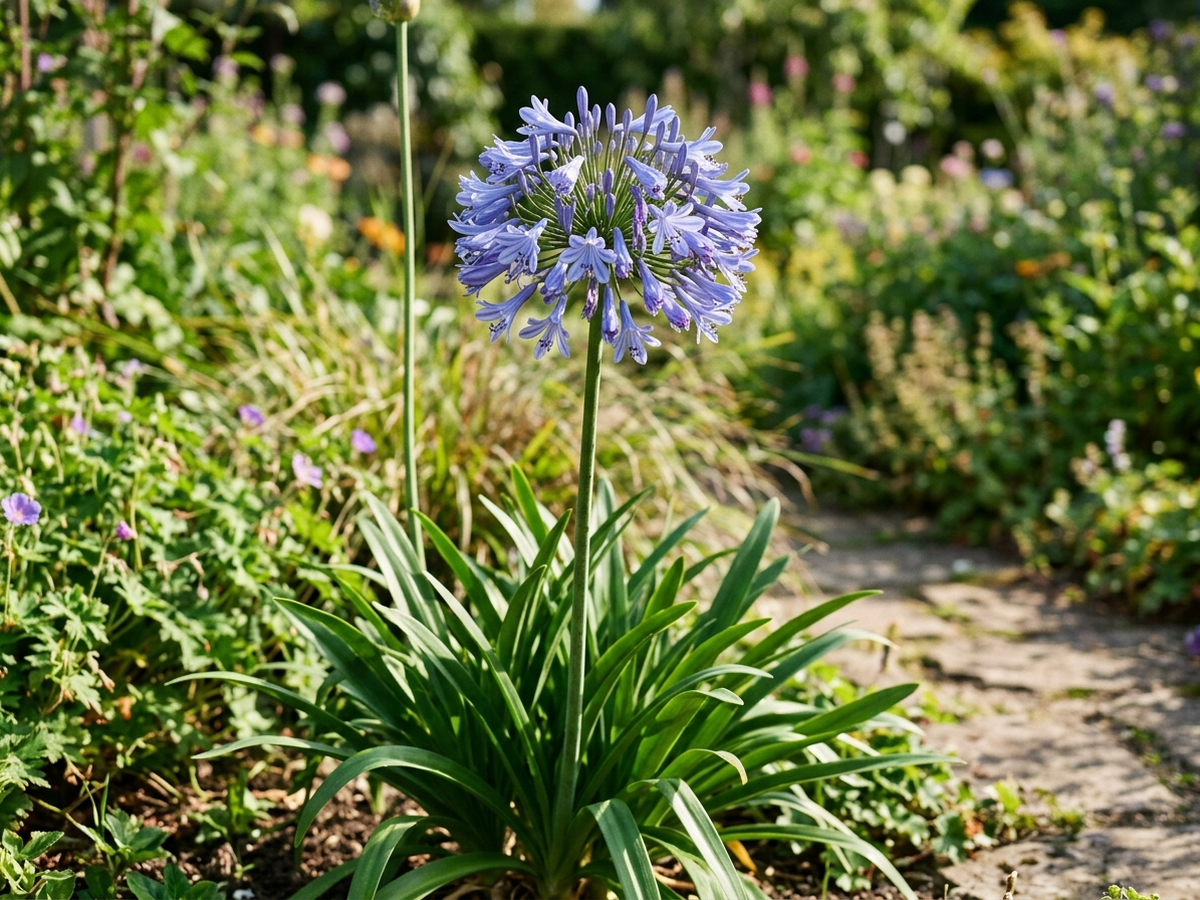 Bell AgapanthusAgapanthus campanulatus
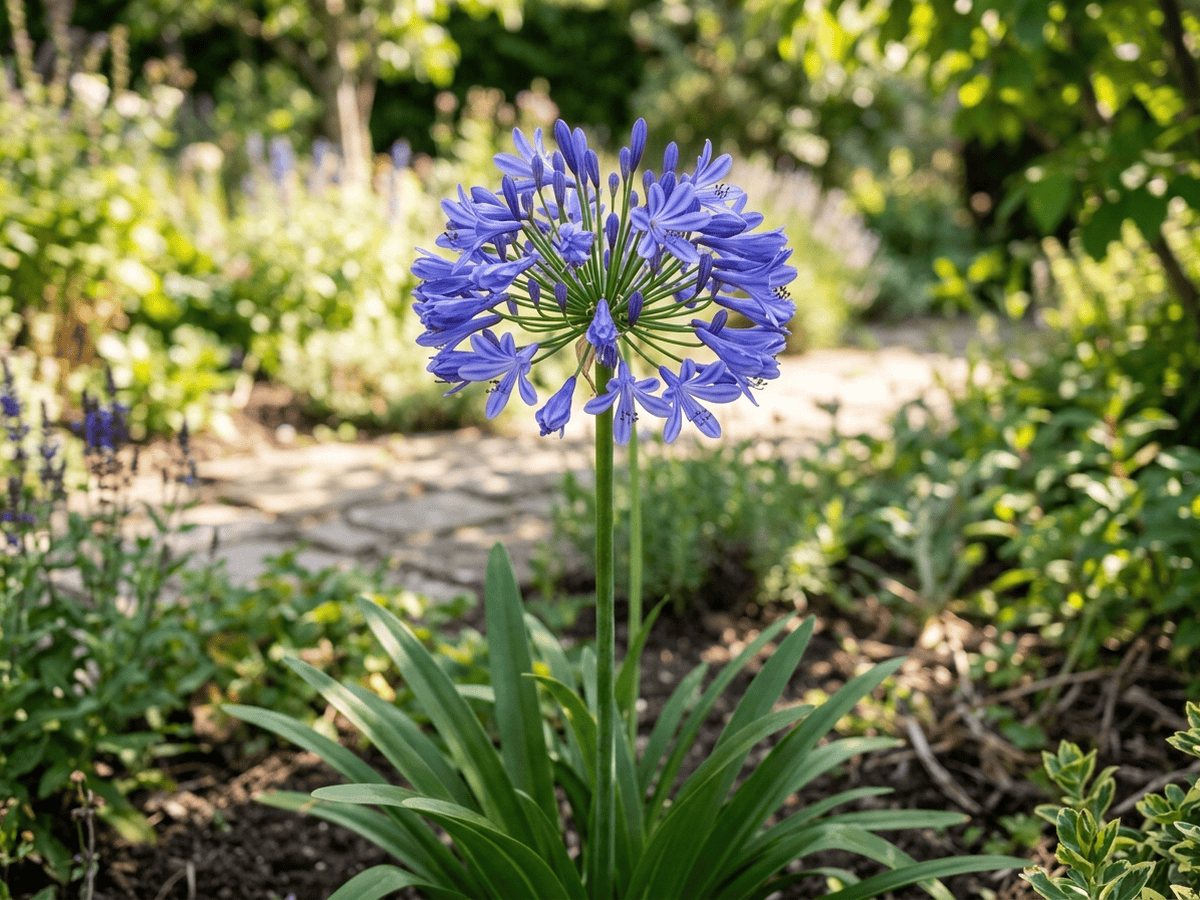 Common AgapanthusAgapanthus praecox
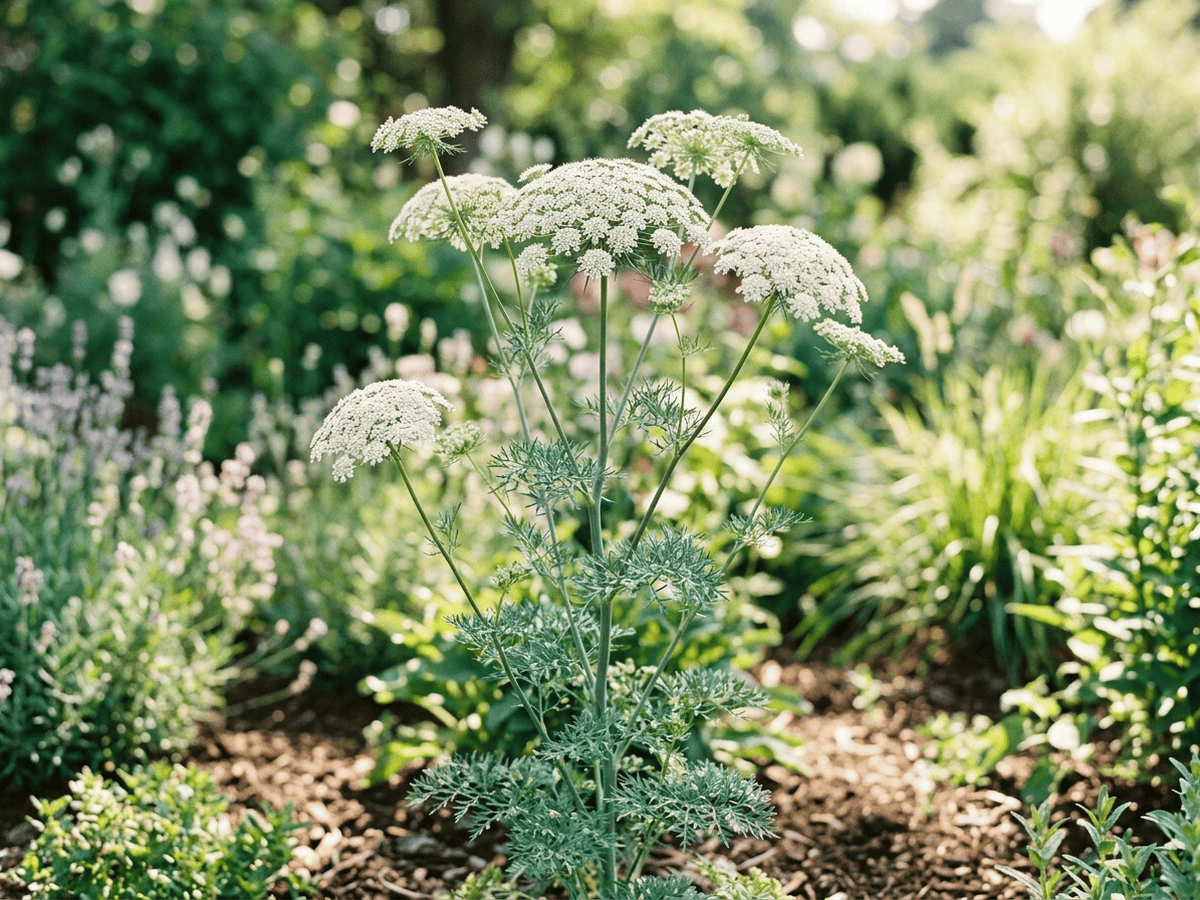 False Queen Anne's LaceAmmi majus glaucifolium
Frequently asked questions
How often should I water Jade Vine?
In summer, water about every 5 days; in winter, about every 30 days. Adjust for heat, pot size and drainage.
How much light does Jade Vine need?
Part sun: 4–6 hrs direct. Watch the leaves — scorching or stretching means the light needs adjusting.
Is Jade Vine toxic to cats or dogs?
No toxicity has been reported for this plant. Still, it is wise to keep pets from chewing on any houseplant. Educational information, not medical or veterinary advice. If exposure is suspected, contact a doctor or veterinarian.
Is Jade Vine easy to grow?
It is considered challenging and rewards experienced growers.
When does Jade Vine bloom?
It typically blooms Apr–Jul in the Northern Hemisphere.
YardMate
Identify any plant in seconds
Snap a photo — YardMate names the plant, diagnoses problems, and reminds you when to water.
Download on the App Store