 YardMate


Saltcedar
Tamarix ramosissima
Easy · Beginner friendlyAbout Saltcedar
Saltcedar or Tamarisk is a Central Asian deciduous shrub or small tree invasive across western US riparian areas, growing 10 to 20 feet tall with wispy pink or white flower spikes and needle-like foliage. Sucks enormous quantities of water from rivers and streams, deposits salt that poisons soil for natives, and has transformed Colorado, Rio Grande, and Pecos river corridors into salty thickets. Listed noxious in most western states.
- Fast-growing
How to care for Saltcedar
Watering
- Springevery 14 days
- Summerevery 14 days
- Fallevery 14 days
- Winterevery 30 days
Soil · Well-draining
- Top dressingPine bark mulch10%
- Main mixPotting soil + perlite 2:170%
- DrainageLECA / gravel20%
Never skip the drainage layer — standing water is the top cause of root rot.
FERTILIZER
This plant needs little to no feeding.
At a Glance
- NativeEurope, Western Asia
- Height10–15 ft (3–4.6 m)
- Spread10–15 ft (3–4.6 m)
- Flower colorPink, White
- Foliage colorGreen
- SoilSandy, Well-drained, Alkaline
- LocationsYard
Bloom time
BLOOM CYCLE
Peak bloom
Mar–Nov
Pink or white feathery flower spikes spring to fall
Fragrance
LIGHT FRAGRANCE
The flowers have a light sweet scent.
Toxicity
Humans Safe · Pets Safe
None reported
Safe
EXPOSURE No exposure route is reported.
EFFECT No toxic effect is reported.
NOTE Listed as non-toxic for humans; avoid eating ornamental plants unless confirmed edible.
Safe
EXPOSURE No exposure route is reported.
EFFECT No toxic effect is reported.
NOTE Listed as non-toxic for dogs; avoid eating ornamental plants unless confirmed edible.
Safe
EXPOSURE No exposure route is reported.
EFFECT No toxic effect is reported.
NOTE Listed as non-toxic for cats; avoid eating ornamental plants unless confirmed edible.
Educational information, not medical or veterinary advice. If exposure is suspected, contact a doctor or veterinarian.
DISTRIBUTION

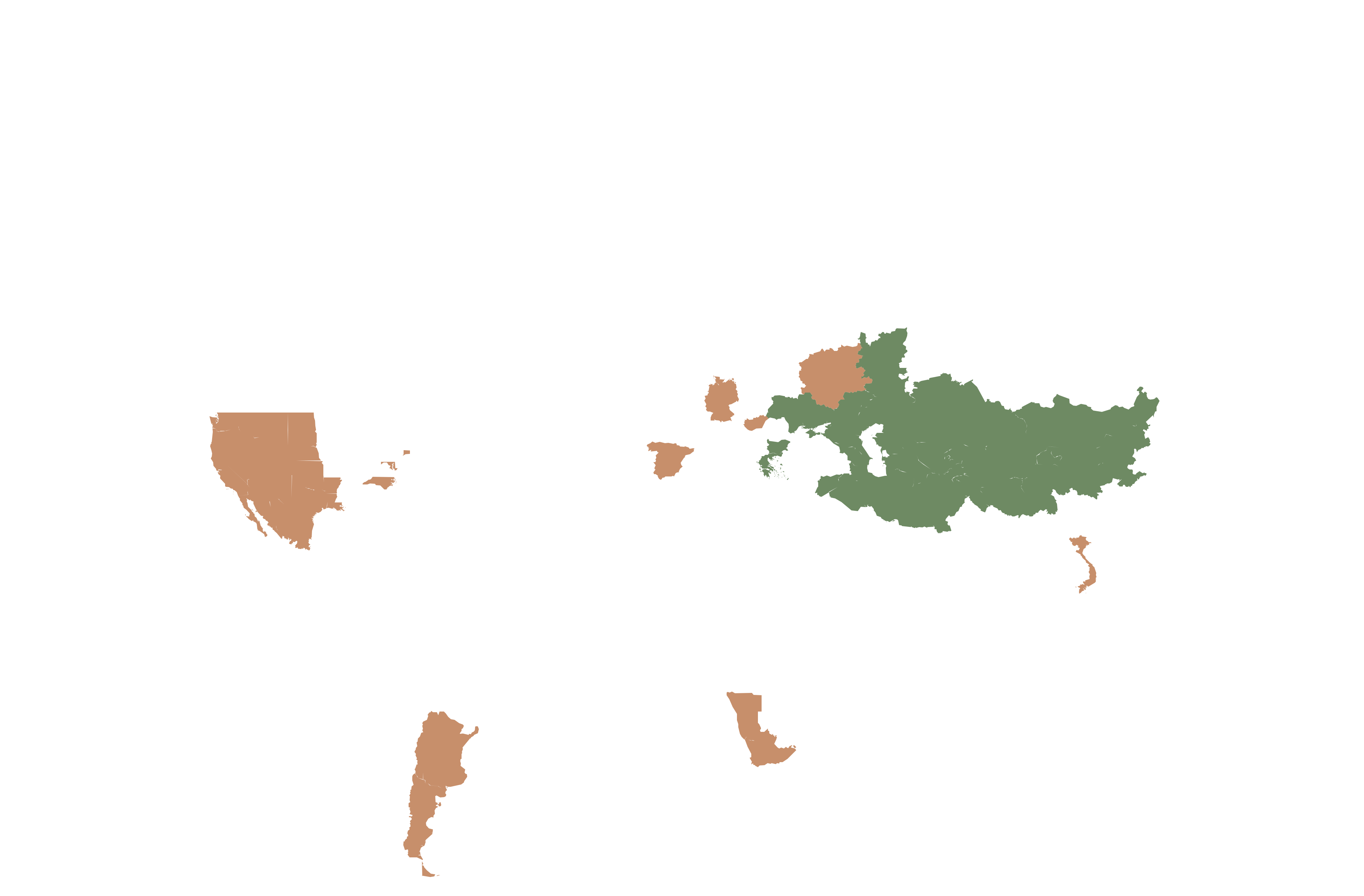
- Native
- Introduced
- Europe
- Western Asia
History
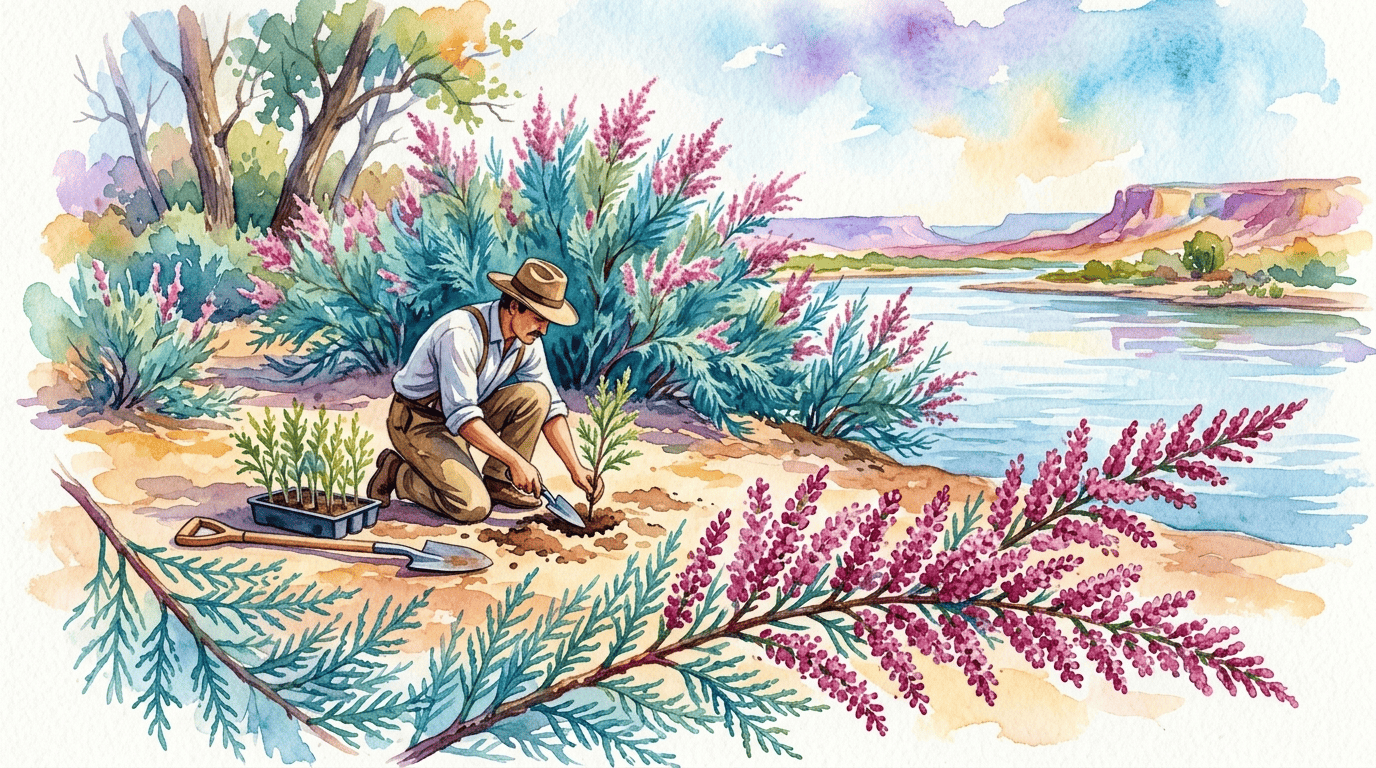
Tamarix ramosissima, saltcedar or tamarisk, is a deciduous shrub or small tree native to eastern Europe, the Middle East, and central Asia. Nineteenth-century American horticulturists imported the species as an ornamental and erosion-control plant, and nurseries promoted it heavily across the arid West. By the mid-twentieth century saltcedar had overwhelmed native cottonwood and willow galleries along thousands of kilometers of western rivers, from the Rio Grande to the Colorado.
Deep taproots draw groundwater, and salt-excreting leaves drop and concentrate sodium chloride on the soil surface, suppressing native seedlings. Biological control with the northern tamarisk beetle Diorhabda carinulata, released starting in 2001, has defoliated large stands but raised controversy because saltcedar now provides nesting habitat for the endangered southwestern willow flycatcher.
Native to Eurasia, Saltcedar was introduced to the American Southwest in the 1800s as an ornamental windbreak and for streambank stabilization.
Symbolism & meaning
What It Symbolizes
Saltcedar can symbolize thirsty salt, drawing prodigious amounts of water from arid rivers and depositing salt in the soil through its leaves. Another layer is river thief, for it dominates more than a million acres of southwestern American river corridors, displacing native cottonwoods and willows. The plant's symbolism is purely ecological observation, a sober reminder that a beautiful pink-flowered shrub can also be a quietly ruinous force in the larger landscape it has joined.
- Thirsty salt — depletes water and salinates soil
- River thief — dominates 1M+ acres of southwestern rivers
Where the Name Comes From
'Tamarix' from Latin possibly referring to the Tamaris River in Spain; 'ramosissima' from Latin means most branched.
Related plants
Plants with similar care
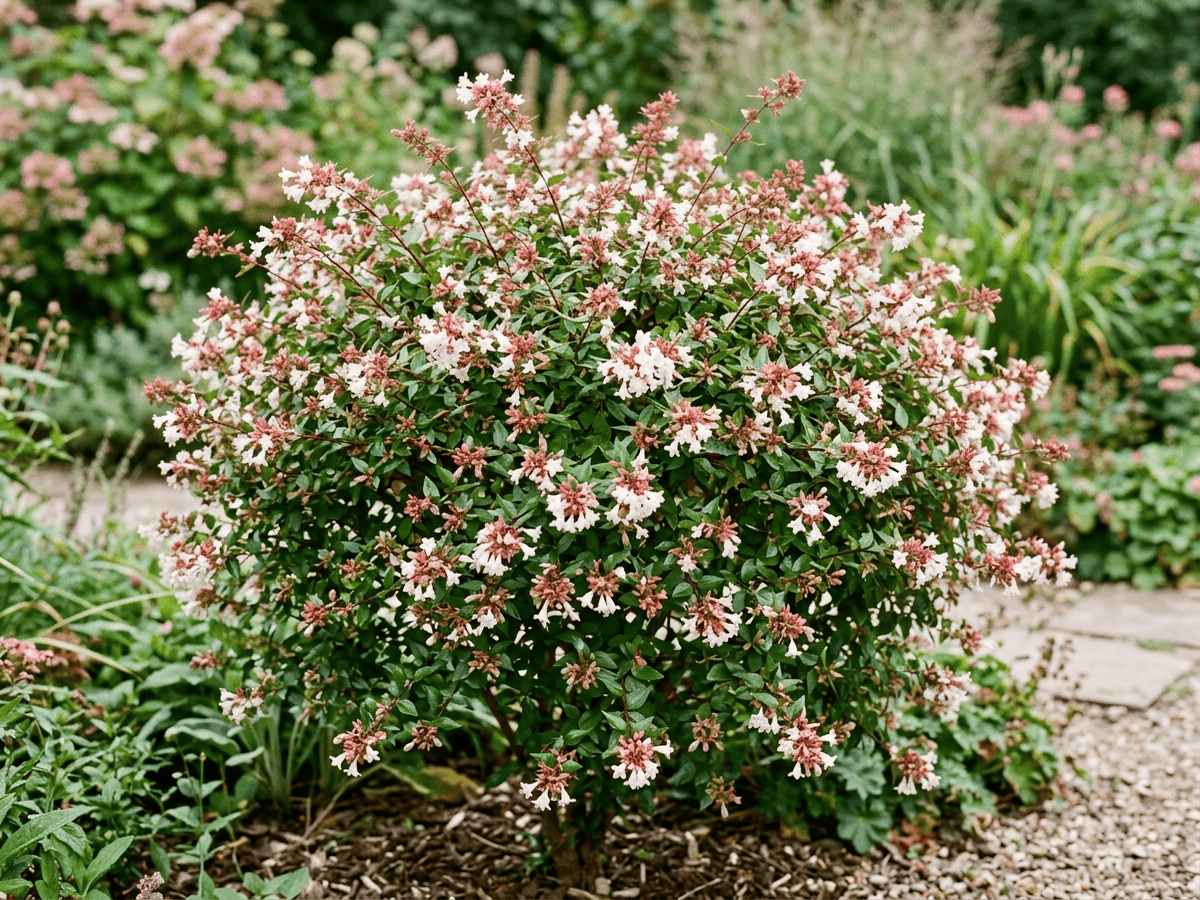 Chinese AbeliaAbelia chinensis
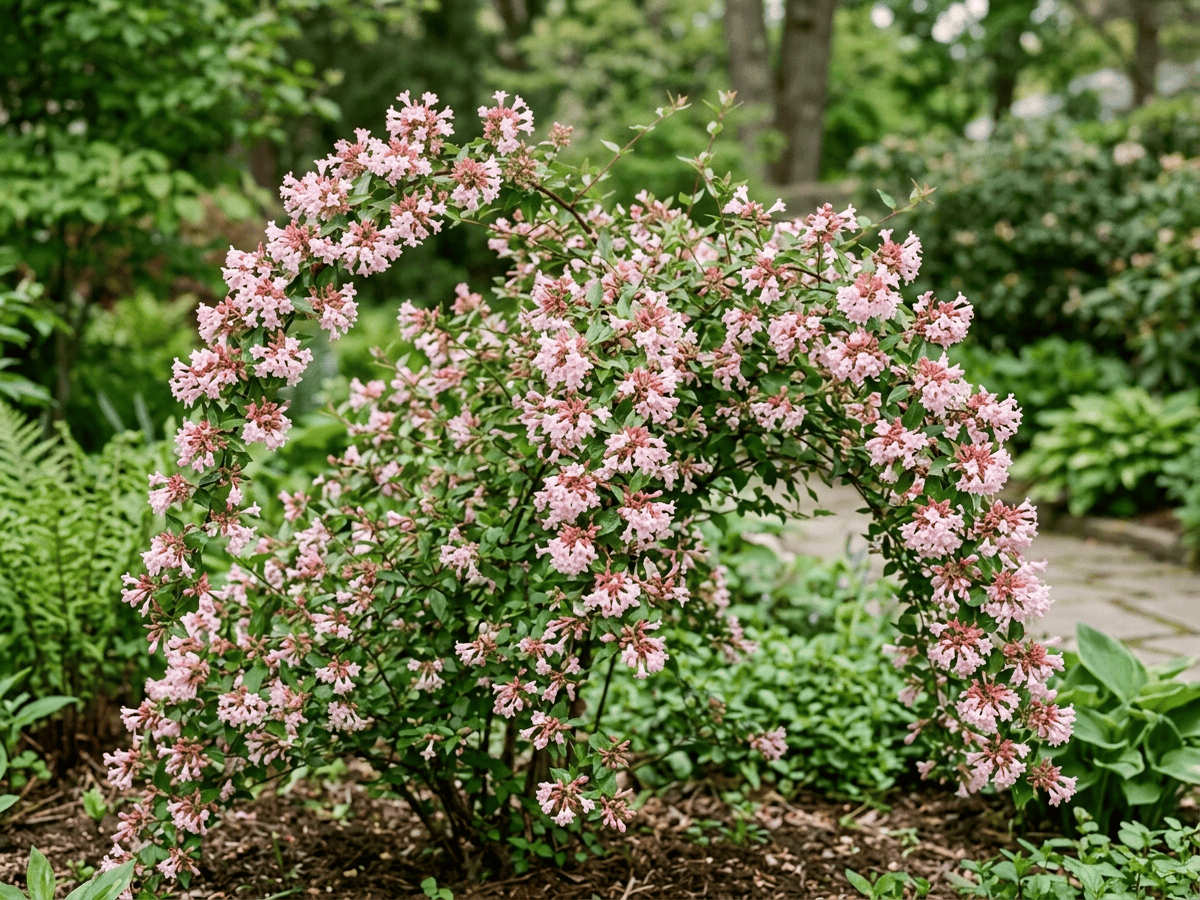 Fragrant AbeliaAbelia mosanensis
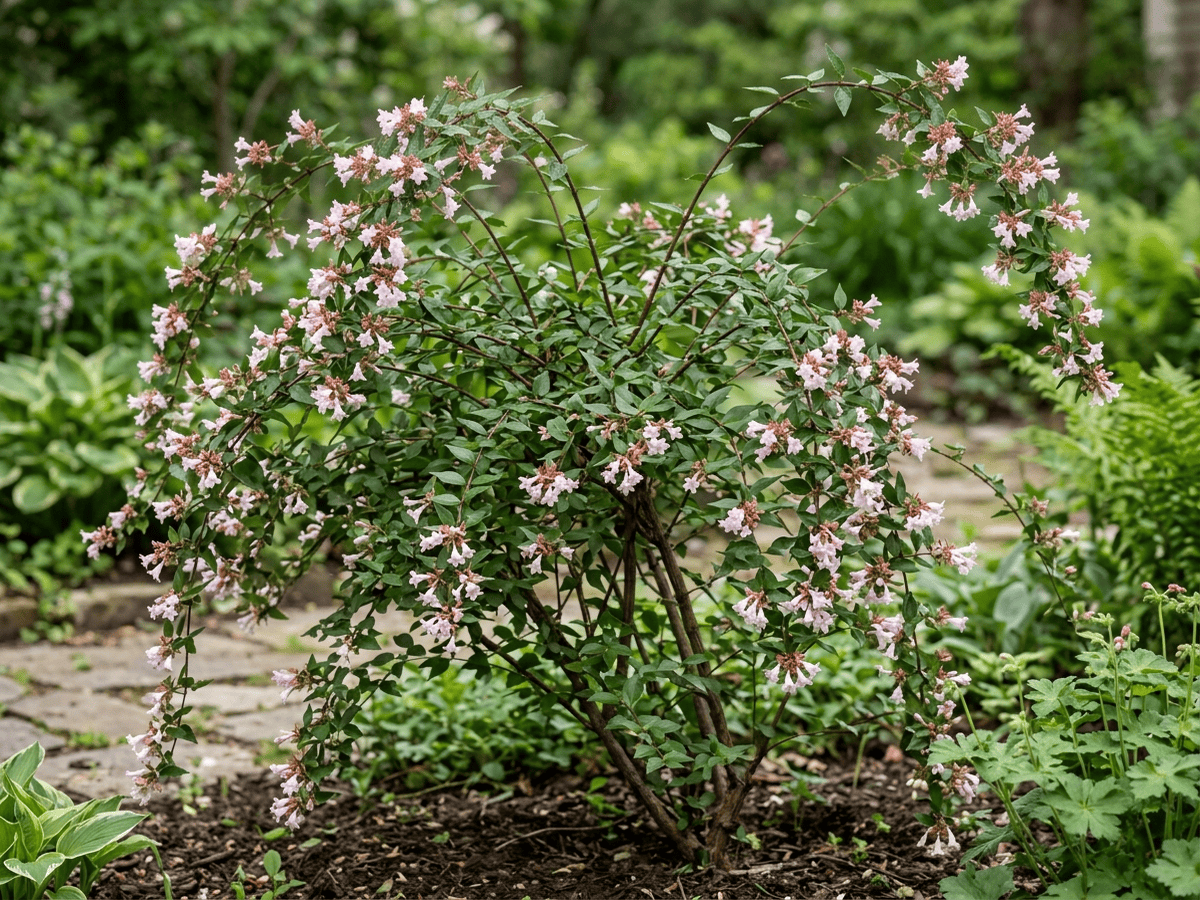 Large-Flowered AbeliaAbelia uniflora
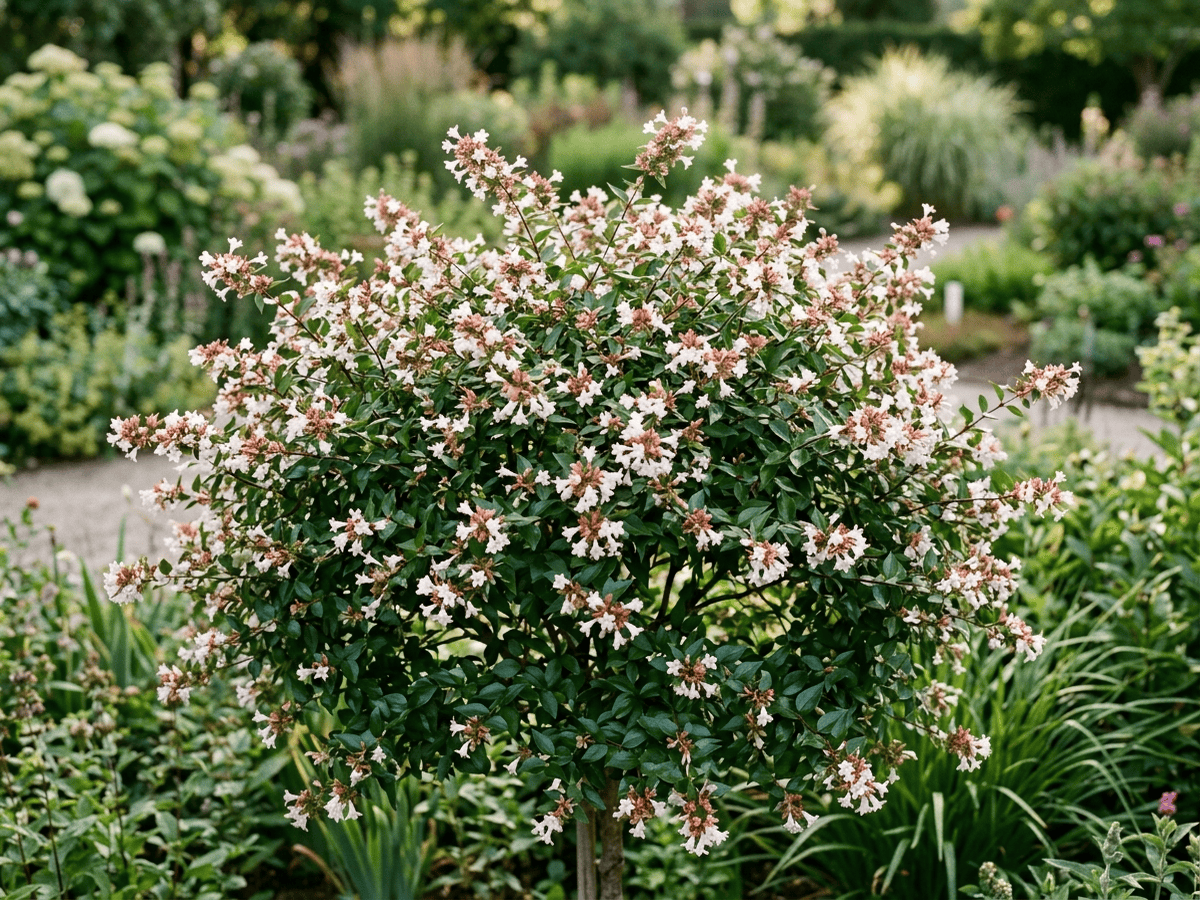 Glossy AbeliaAbelia x grandiflora
Frequently asked questions
How often should I water Saltcedar?
In summer, water about every 14 days; in winter, about every 30 days. Adjust for heat, pot size and drainage.
How much light does Saltcedar need?
Full sun: 6+ hrs direct. Watch the leaves — scorching or stretching means the light needs adjusting.
Is Saltcedar toxic to cats or dogs?
Pets Safe (Dogs Safe · Cats Safe) Educational information, not medical or veterinary advice. If exposure is suspected, contact a doctor or veterinarian.
Is Saltcedar easy to grow?
Yes — it is considered an easy, beginner-friendly plant.
When does Saltcedar bloom?
It typically blooms Mar–Nov in the Northern Hemisphere.
YardMate
Identify any plant in seconds
Snap a photo — YardMate names the plant, diagnoses problems, and reminds you when to water.
Download on the App Store