 YardMate


Powdery Thalia
Thalia dealbata
Medium · Some experienceAbout Powdery Thalia
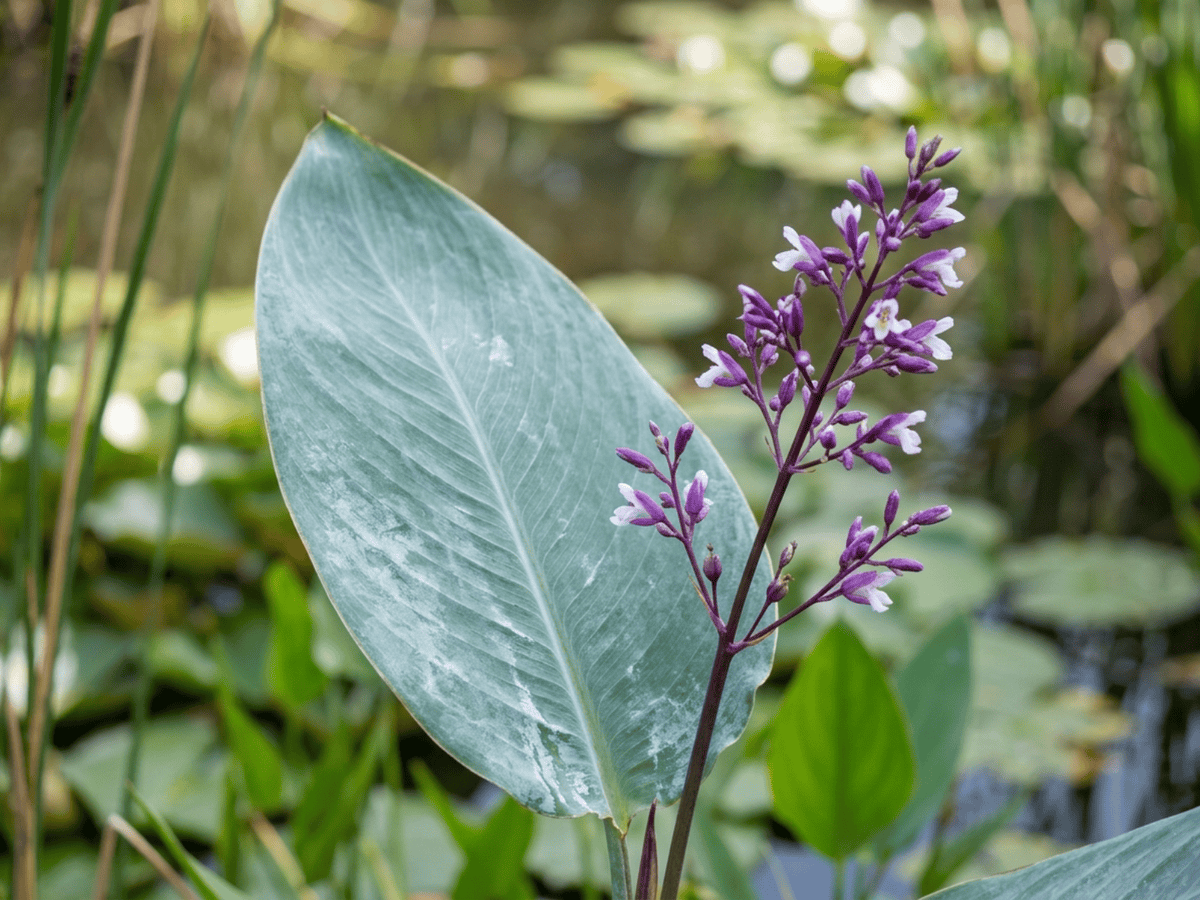
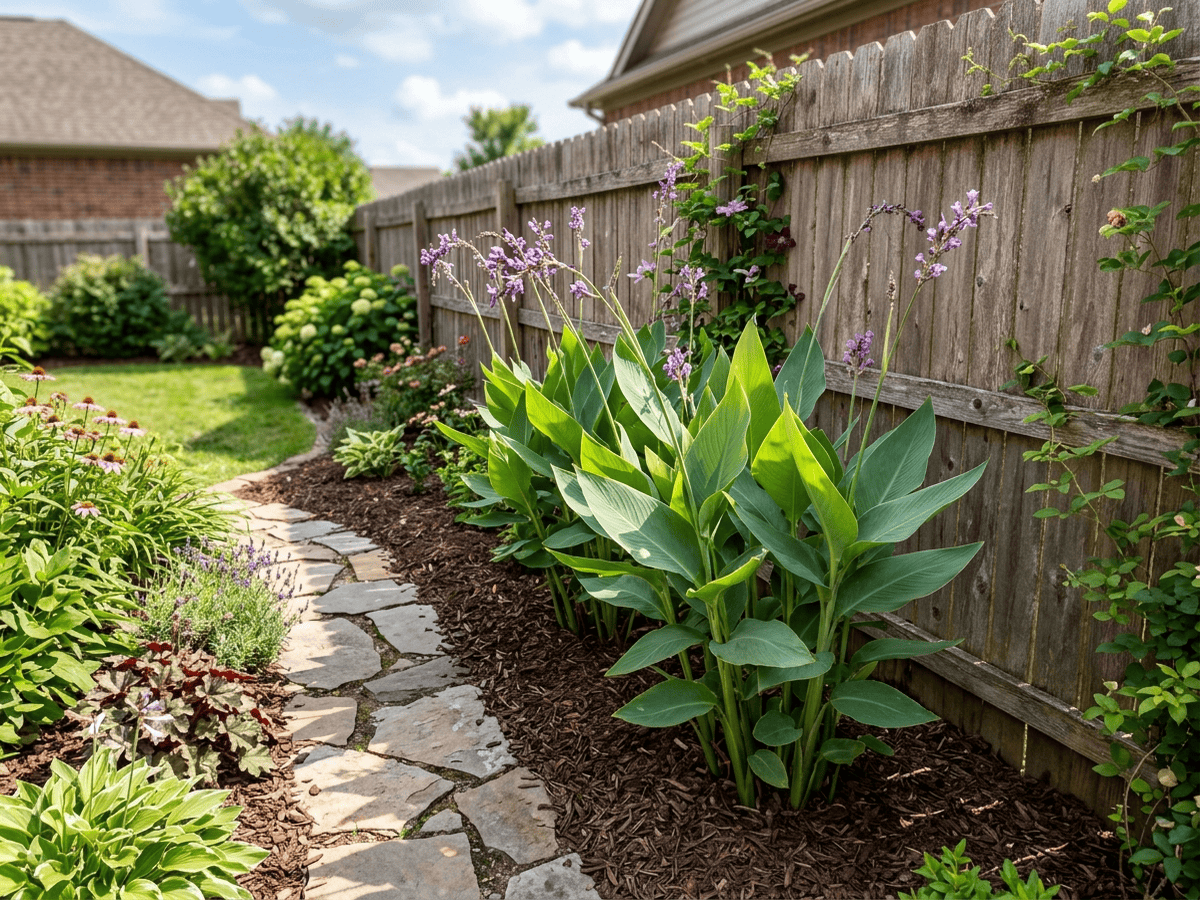
Thalia dealbata, the powdery thalia or hardy canna, is a dramatic native North American aquatic perennial that brings bold tropical flair to temperate water gardens. Rising 1–2 meters tall on slender, blue-green stems coated with a distinctive white powdery bloom, it produces elegant sprays of small purple flowers on arching panicles in summer. The large, canna-like oval leaves are held aloft on long petioles, creating a striking architectural silhouette against the water. Native to swamps and pond margins of the southeastern United States, it is the only member of the Marantaceae (prayer plant family) native to North America. Despite its tropical appearance, it is surprisingly cold-hardy, surviving winter in USDA zones 6–11 when its rhizomes remain submerged below the ice line. It provides excellent habitat structure for aquatic wildlife.
- Cold-hardy
- Architectural
- Native
How to care for Powdery Thalia
Watering
- Springevery 1 days
- Summerevery 1 days
- Fallevery 1 days
- Winterevery 2 days
Soil · Bog-wet
- WaterStanding water above soil20%
- SoilHeavy pond soil80%
No drainage layer — keep water standing above the soil.
FERTILIZER
Balanced Feed 14-14-14
An even feed covers all three needs at once, keeping leaves, roots and blooms moving together with nothing pushed out of balance.
- Nitrogen · Leaves
- Phosphorus · Roots + Blooms
- Potassium · Strength
- Springevery 30 days
- Summerevery 30 days
At a Glance
- NativeNorth America
- Height4–8 ft (1.2–2.4 m)
- Spread3–5 ft (0.9–1.5 m)
- Flower colorPurple
- Foliage colorGreen, Blue-green
- SoilMoisture-retentive
- LocationsYard
Bloom time
BLOOM CYCLE
Peak bloom
Jul–Sep
Purple flowers on arching panicles bloom mid to late summer; the powdery blue-green stems are equally ornamental
Fragrance
NO FRAGRANCE
No notable fragrance.
Toxicity
No toxicity has been reported for this plant. Still, it is wise to keep pets from chewing on any houseplant.
Educational information, not medical or veterinary advice. If exposure is suspected, contact a doctor or veterinarian.
DISTRIBUTION


- Native
- North America
History
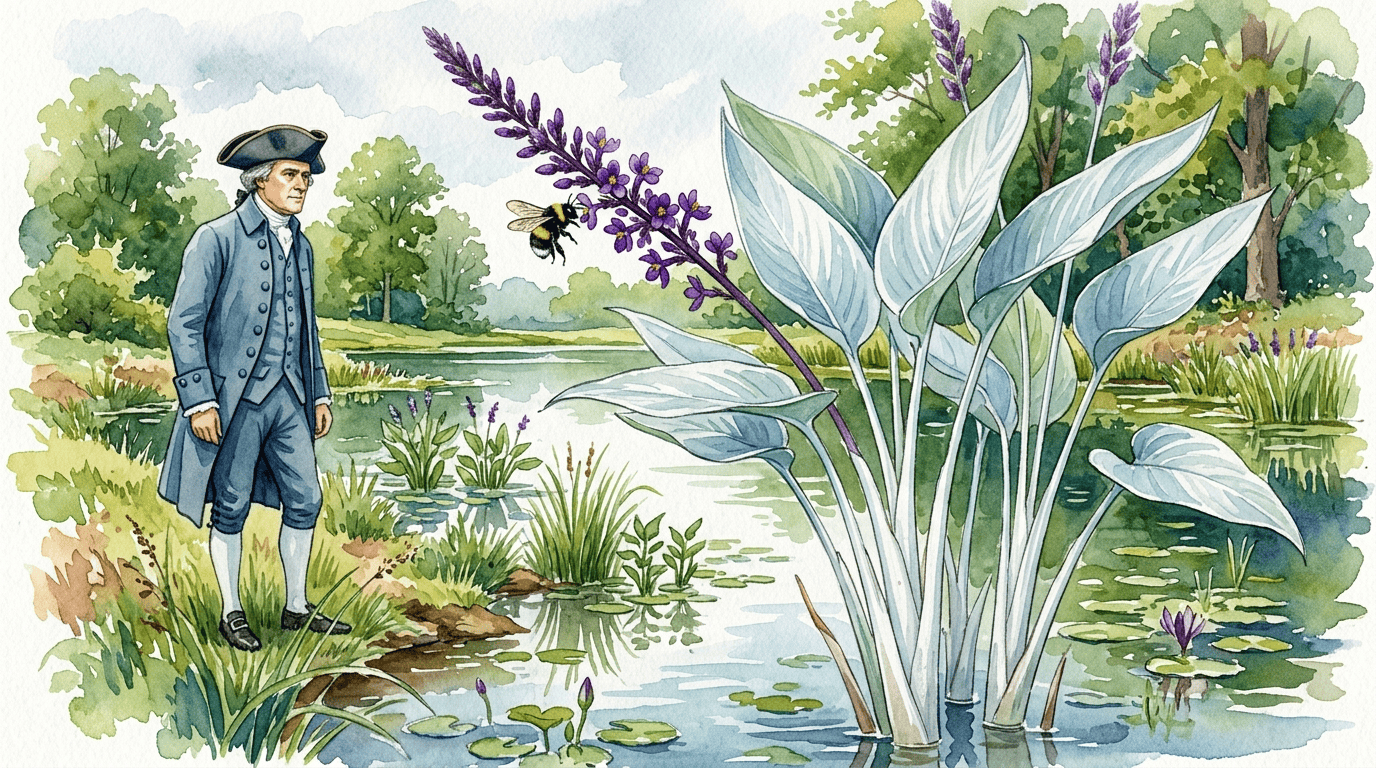
Thalia dealbata is native to shallow wetlands of the southeastern United States — from South Carolina south through Georgia, Florida, and Alabama, and west through Louisiana and eastern Texas — plus parts of eastern Mexico. It grows in pond edges, slow streams, bayous, ditches, and wetland habitats. The genus name Thalia honors the German botanist Johann Thal (1542-1583); the species epithet "dealbata" means "whitened with a powder," referring to the distinctive white waxy bloom that coats the stems, leaves, and flower parts and gives the plant its characteristic pale blue-green appearance. The plant grows 1.5-2 meters tall from creeping rhizomes, with large paddle-shaped leaves on long petioles and open panicles of small dark-purple snapdragon-like flowers on tall upright stalks.
Its tropical-looking architecture combined with reliable winter hardiness to USDA zone 6 (tolerating -15°C in protected conditions) makes it unusually valuable as a pondside and water-garden plant for temperate-climate landscapes — few plants with such dramatic tropical appearance survive real winters in zones 6-7. It is a Maranta-family member (Marantaceae), related to prayer plants and ornamental gingers. The species is pollinated by bumblebees through an unusual explosive-trigger mechanism: the flower has a "tripped" style that forcibly thrusts pollen onto the visiting bee — a rare pollination mechanism in the plant kingdom.
Thalia dealbata was named in honor of German physician and botanist Johannes Thal (1542–1583), a pioneer of European botany. It is the sole North American representative of the Marantaceae family — all its relatives are tropical species. Thomas Jefferson grew it at Monticello, and it has been cultivated in European botanical gardens since the early 19th century.
Symbolism & meaning
What It Symbolizes
Powdery Thalia can symbolize elegance, its tall, graceful form and large blue-green leaves embodying refined natural beauty above the still water of a pond. Another layer is strength, for it is a tropical-looking plant that endures cold winters in surprisingly northern climates, retreating below water and returning each spring. In the water garden, thalia dealbata is the dignified anchor of the planting, a species whose grace and inner fortitude turn out to belong to the same upright stem.
- Elegance — its tall, graceful form embodies refined natural beauty
- Strength — a tropical plant that endures cold winters, symbolizing inner fortitude
Where the Name Comes From
'Thalia' honors Johannes Thal, a 16th-century German botanist. 'Dealbata' means 'whitened' or 'powdered,' describing the waxy bloom on the stems.
Uses & Fun Facts
- Powdery alligator-flag for pond margins and rain gardens
- Bold tropical-looking foliage in shallow water
Related plants
Plants with similar care
 Mexican AbeliaAbelia floribunda
 Fraser FirAbies fraseri
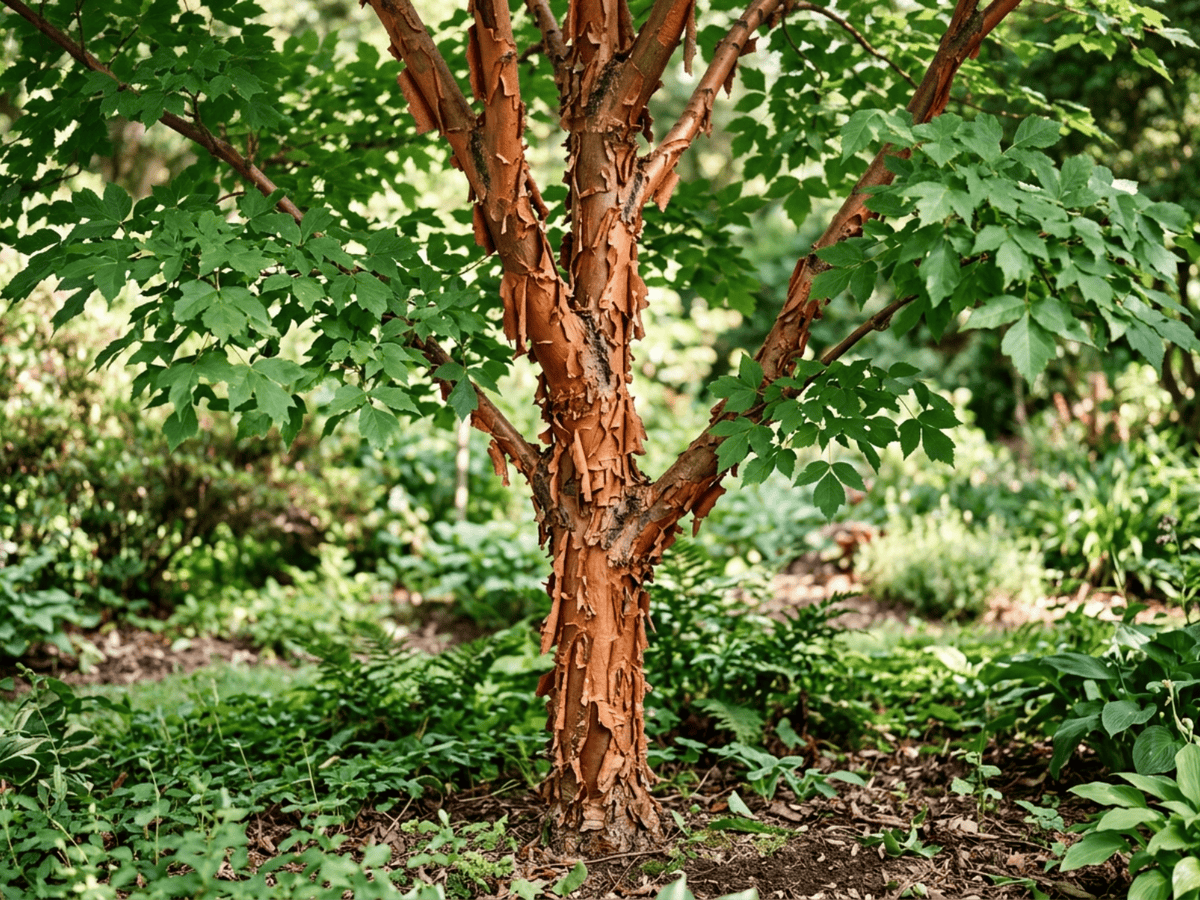 Paperbark MapleAcer griseum
 Sugar MapleAcer saccharum
Frequently asked questions
How often should I water Powdery Thalia?
In summer, water about every 1 days; in winter, about every 2 days. Adjust for heat, pot size and drainage.
How much light does Powdery Thalia need?
Full sun: 6+ hrs direct. Watch the leaves — scorching or stretching means the light needs adjusting.
Is Powdery Thalia toxic to cats or dogs?
No toxicity has been reported for this plant. Still, it is wise to keep pets from chewing on any houseplant. Educational information, not medical or veterinary advice. If exposure is suspected, contact a doctor or veterinarian.
Is Powdery Thalia easy to grow?
It is moderately demanding: a good choice once you have a little experience.
When does Powdery Thalia bloom?
It typically blooms Jul–Sep in the Northern Hemisphere.
YardMate
Identify any plant in seconds
Snap a photo — YardMate names the plant, diagnoses problems, and reminds you when to water.
Download on the App Store