 YardMate


Northern Whitecedar
Thuja occidentalis
Easy · Beginner friendlyAbout Northern Whitecedar
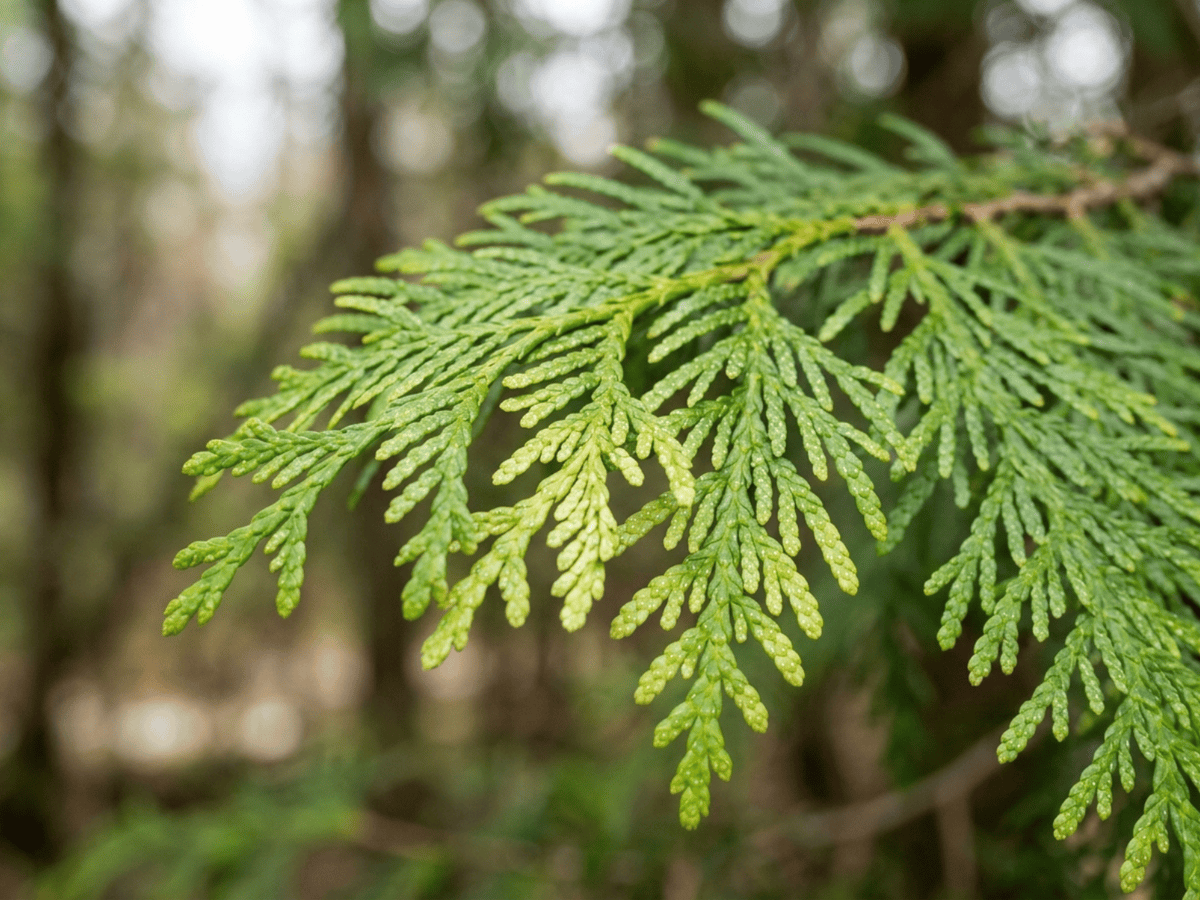
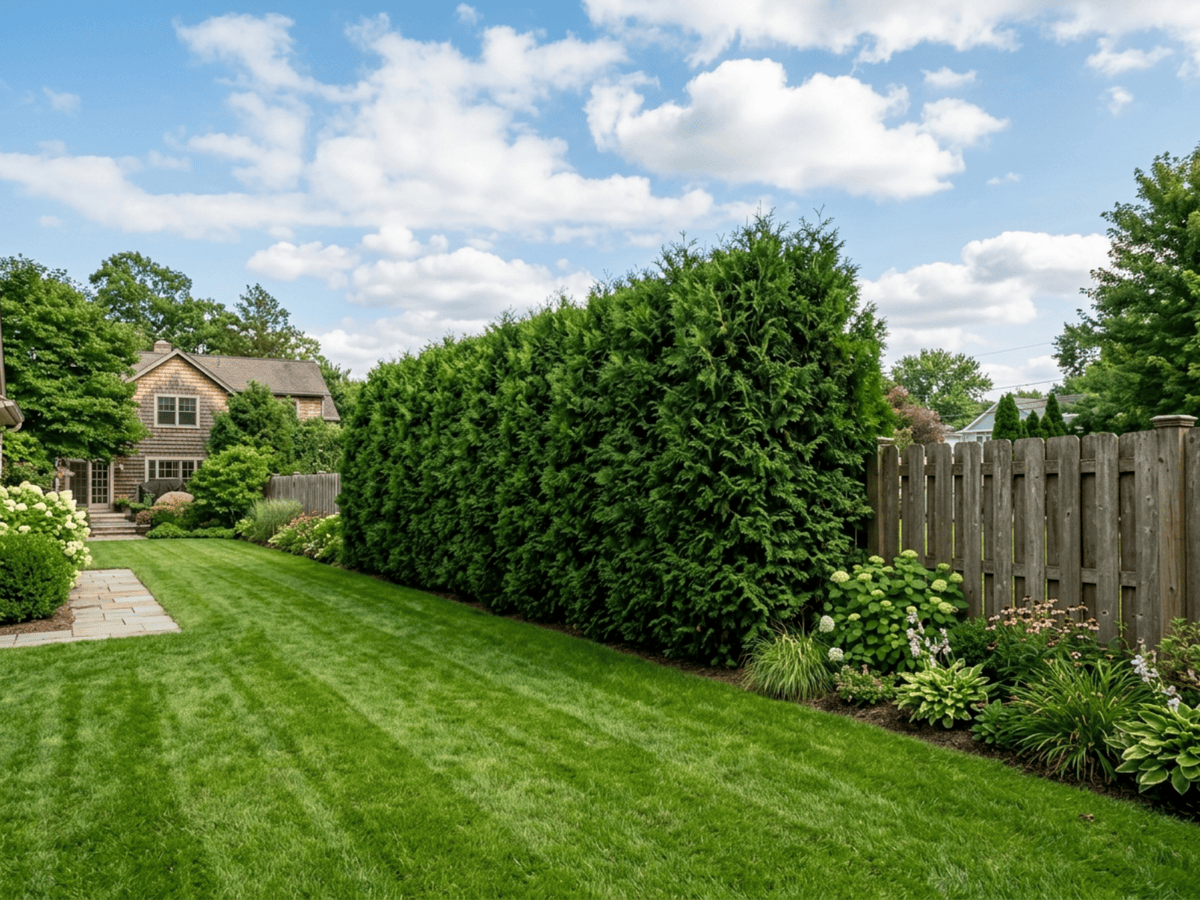
Thuja occidentalis, eastern white cedar or arborvitae, is an evergreen conifer native to northeastern North America. Explorer Jacques Cartier brought it to France around 1536 after Indigenous knowledge of vitamin-C-rich foliage helped his crew recover from scurvy, giving rise to the name arborvitae, tree of life. In the wild it forms narrow conical trees with fan-shaped sprays of scale foliage, often in cool swamps and limestone cliffs. The lightweight aromatic wood resists rot and has long been used for canoes, fence posts, shingles, and outdoor structures. In gardens it is indispensable for hedges, screens, windbreaks, and foundation planting, with hundreds of cultivars from dwarf golden globes to tall columns. Deer browsing is the main frustration.
- Evergreen
- Fast-growing
How to care for Northern Whitecedar
Watering
- Springevery 5 days
- Summerevery 4 days
- Fallevery 10 days
- Winterevery 21 days
Soil · Well-draining
- Top dressingPine bark mulch10%
- Main mixPotting soil + perlite 2:170%
- DrainageLECA / gravel20%
Never skip the drainage layer — standing water is the top cause of root rot.
FERTILIZER
Balanced Feed 14-14-14
An even feed covers all three needs at once, keeping leaves, roots and blooms moving together with nothing pushed out of balance.
- Nitrogen · Leaves
- Phosphorus · Roots + Blooms
- Potassium · Strength
- Springevery 45 days
At a Glance
- NativeNorth America
- Height30–50 ft (9.1–15.2 m)
- Spread10–15 ft (3–4.6 m)
- Flower colorYellow, Green
- Foliage colorGreen, Yellow, Bronze
- SoilLoamy, Moisture-retentive
- LocationsYard
Bloom time
BLOOM CYCLE
Tiny wind-pollinated cones; arborvitae is grown for its evergreen foliage form, not flowers
Fragrance
MODERATE FRAGRANCE
Crushed foliage has a distinctive warm resinous-fruity scent, sometimes likened to pineapple.
Toxicity
Humans Moderate · Pets Moderate
thujone (monoterpene)
Moderate
- Leaf
- Ingestion
EXPOSURE Eating leaves.
EFFECT Essential oil (rich in thujone) is neurotoxic in concentrated form and brief medicinal tea use traditional and safe at low doses.
NOTE Documented concern for humans: Essential oil (rich in thujone) is neurotoxic in concentrated form and brief medicinal tea use traditional and safe at low doses.
Moderate
- Leaf
- Ingestion
EXPOSURE Eating leaves.
EFFECT Drooling, vomiting, diarrhea, tremors from thujone.
NOTE Not specifically listed by ASPCA but thujone-containing Thuja species are considered toxic. Essential oil should not be used during pregnancy.
Moderate
- Leaf
- Ingestion
EXPOSURE Eating leaves.
EFFECT Same as dogs — thujone-related GI and neurologic signs.
NOTE Not specifically listed by ASPCA but thujone-containing Thuja species are considered toxic. Essential oil should not be used during pregnancy.
Educational information, not medical or veterinary advice. If exposure is suspected, contact a doctor or veterinarian.
DISTRIBUTION


- Native
- Introduced
- North America
History

Thuja occidentalis is native to eastern North America, from Quebec and Nova Scotia west to Minnesota and south along the Appalachians to North Carolina. Its famous historical moment came in the winter of 1535-1536, when French explorer Jacques Cartier's expedition was stranded on the frozen St. Lawrence River at the Iroquoian village of Stadacona (present-day Quebec City), and 25 of his men died of scurvy before Chief Domagaya taught them to prepare a tea from the bark and needles of a tree the locals called "annedda." The tea, rich in vitamin C, cured the remaining sick crew within days — one of the earliest documented European-Americas botanical knowledge transfers. Cartier brought seeds back to France, where King François I planted the tree in the royal garden at Fontainebleau; it was named "arbre de vie" (tree of life) in honor of its scurvy cure, and this became the Latinized horticultural name "arborvitae" still in use today.
The wood is lightweight, rot-resistant, and aromatic, used by Indigenous Great Lakes peoples for canoe construction, and by European settlers for shingles, fence posts, and log cabin construction. Essential oils distilled from the leaves are a traditional warming rub. The tree is the official arboreal emblem of New Brunswick.
In 1536, Jacques Cartier's crew was dying of scurvy along the St. Lawrence River when Haudenosaunee people taught them to brew tea from Thuja foliage, saving the expedition. Cartier brought the tree to King Francis I, making it one of the first North American trees in European cultivation.
Symbolism & meaning
What It Symbolizes
Northern Whitecedar expresses endurance — called arbor vitae, the 'tree of life,' after its vitamin C-rich foliage saved Jacques Cartier's scurvy-stricken crew. It also suggests protection, widely planted as windbreaks and living walls that shelter homes, livestock, and wildlife. A North American conifer whose name itself remembers a moment of literal survival.
- Endurance — Called 'tree of life' for saving lives, it symbolizes resilience and survival
- Protection — Its use as windbreaks and living walls represents shelter and security
Where the Name Comes From
The name Northern Whitecedar points to the northern part of its range. Thuja comes from Greek 'thyia,' an ancient name for a resinous tree. Occidentalis means 'western' in Latin, distinguishing it from Asian Thuja species from a European perspective.
Uses & Fun Facts
- Pyramidal arborvitae massed into tall evergreen privacy screens
- Aromatic rot-resistant cedar wood for shingles and posts
- Reliable native foundation evergreen for cold-climate gardens
- Dense foliage shelters nesting songbirds and winter wildlife
Related plants
Plants with similar care
 Chinese AbeliaAbelia chinensis
 Fragrant AbeliaAbelia mosanensis
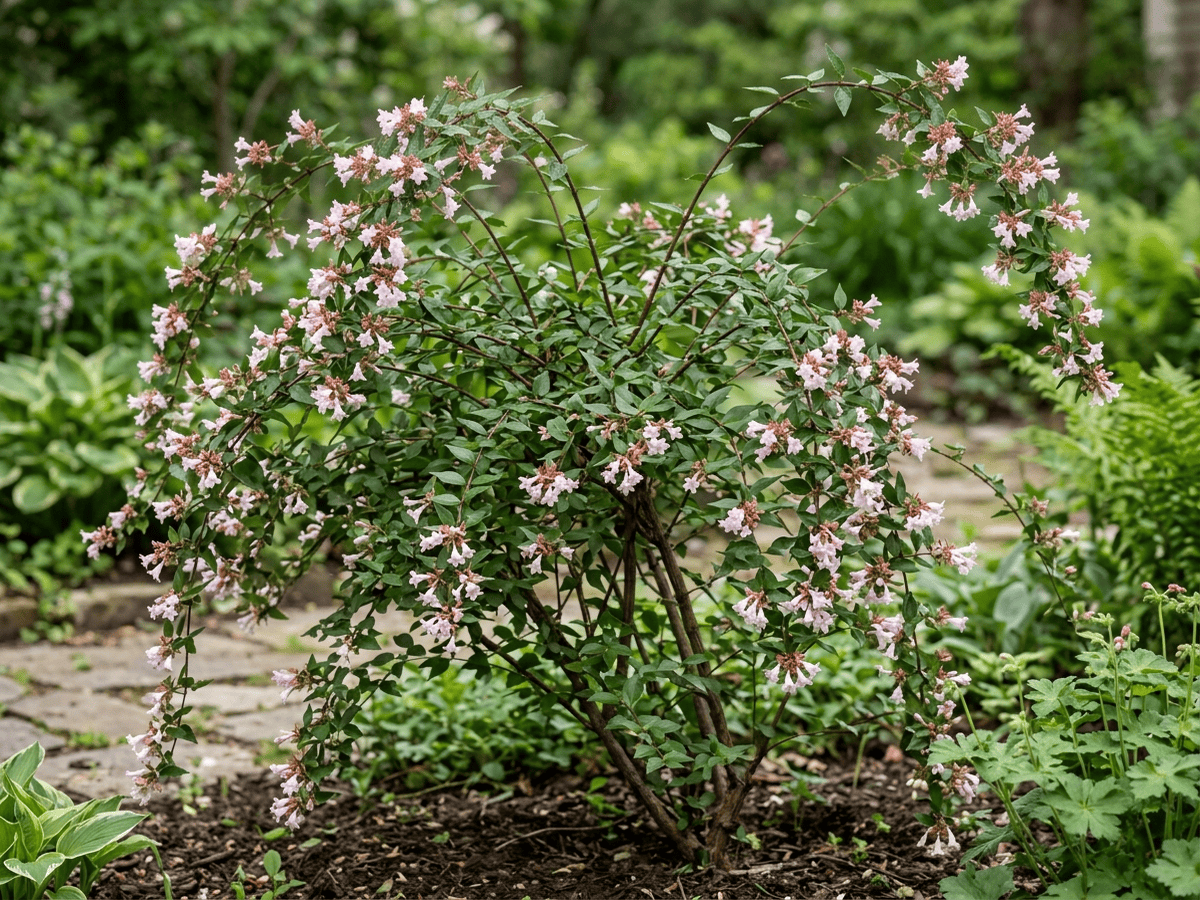 Large-Flowered AbeliaAbelia uniflora
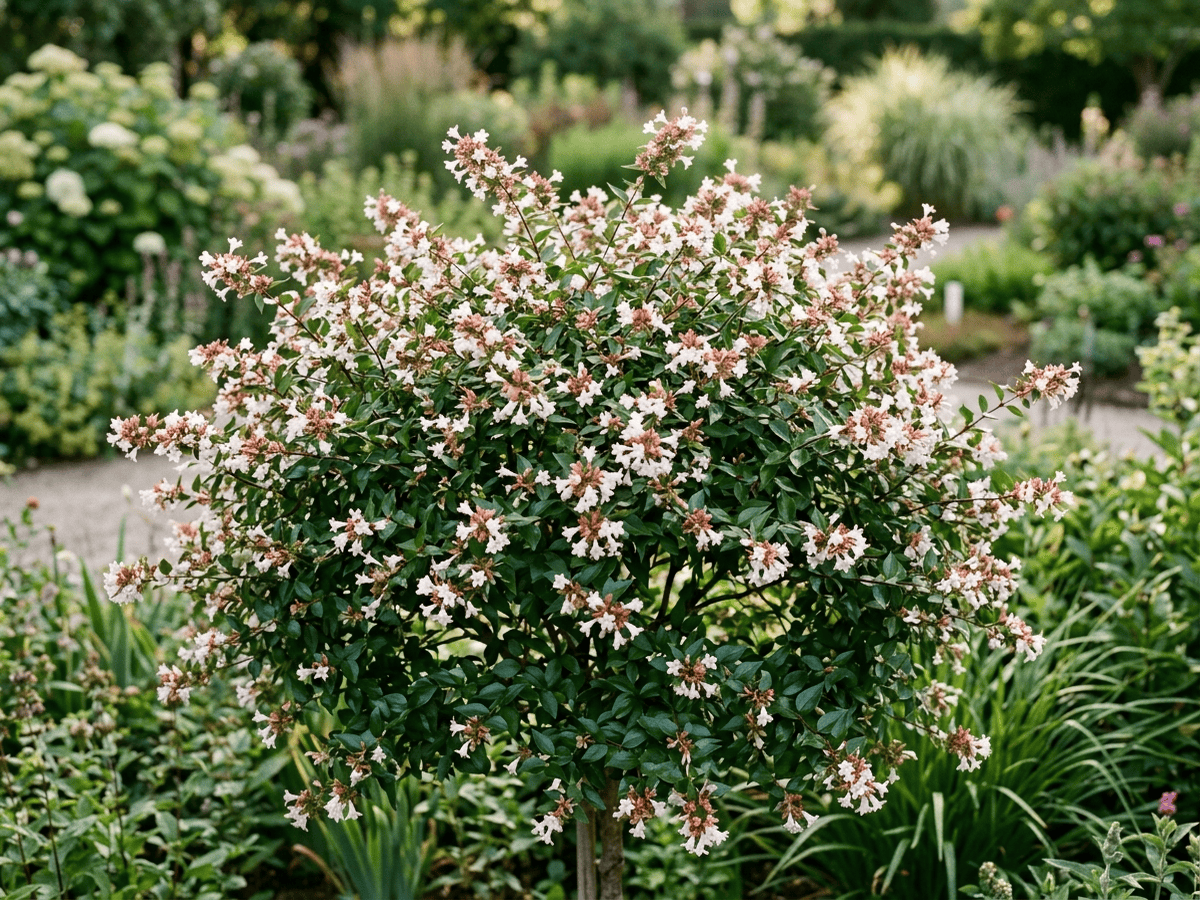 Glossy AbeliaAbelia x grandiflora
Frequently asked questions
How often should I water Northern Whitecedar?
In summer, water about every 4 days; in winter, about every 21 days. Adjust for heat, pot size and drainage.
How much light does Northern Whitecedar need?
Full sun: 6+ hrs direct. Watch the leaves — scorching or stretching means the light needs adjusting.
Is Northern Whitecedar toxic to cats or dogs?
Pets Moderate (Dogs Moderate · Cats Moderate) Educational information, not medical or veterinary advice. If exposure is suspected, contact a doctor or veterinarian.
Is Northern Whitecedar easy to grow?
Yes — it is considered an easy, beginner-friendly plant.
YardMate
Identify any plant in seconds
Snap a photo — YardMate names the plant, diagnoses problems, and reminds you when to water.
Download on the App Store