 YardMate

Heartleaf Foamflower
Tiarella cordifolia
Easy · Beginner friendlyAbout Heartleaf Foamflower
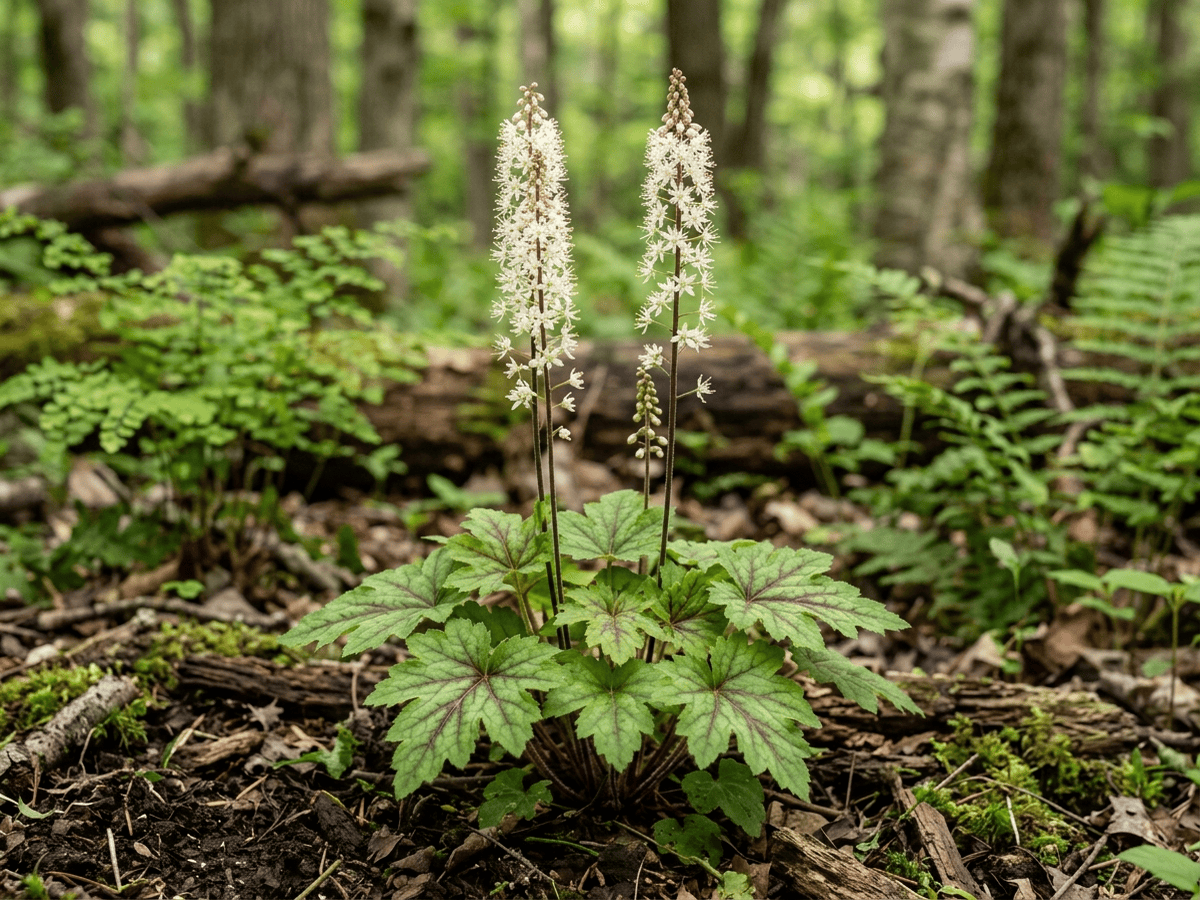
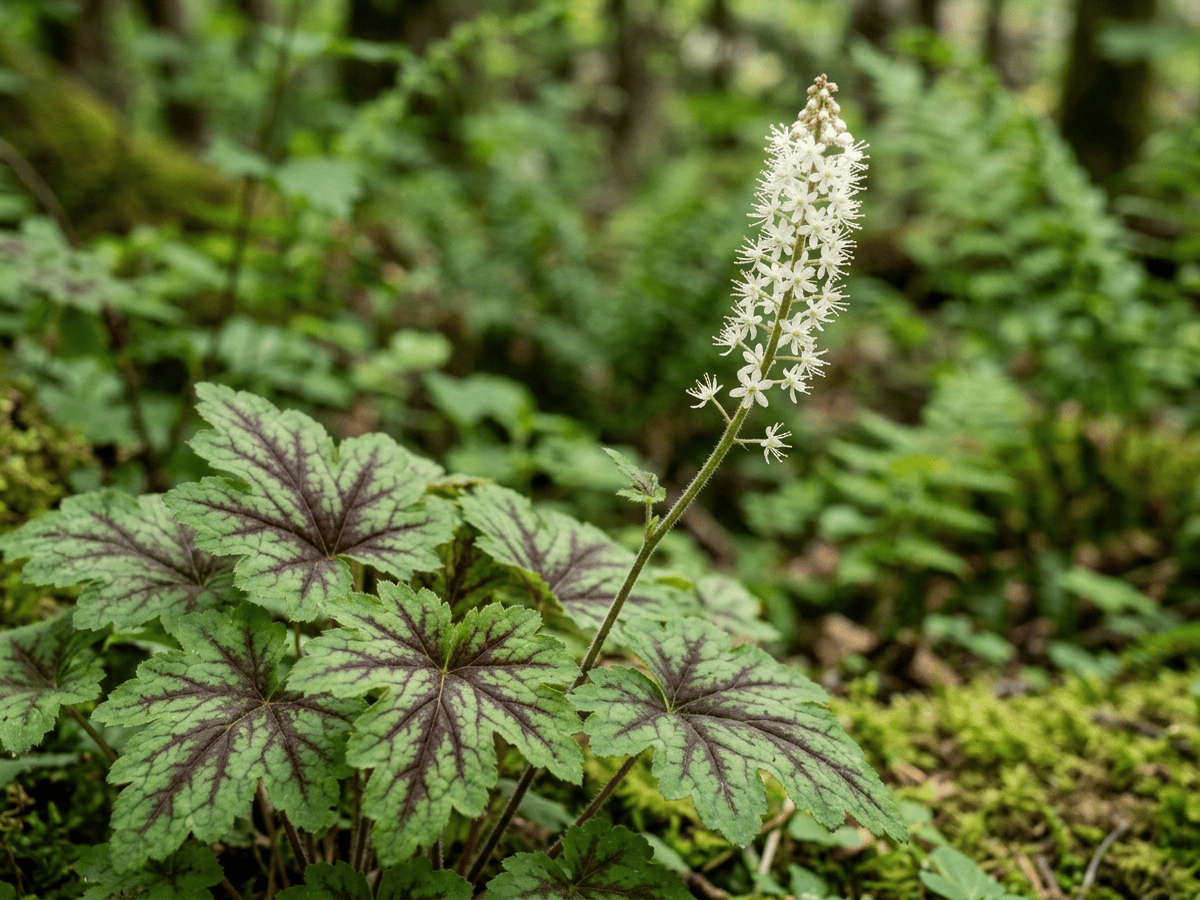
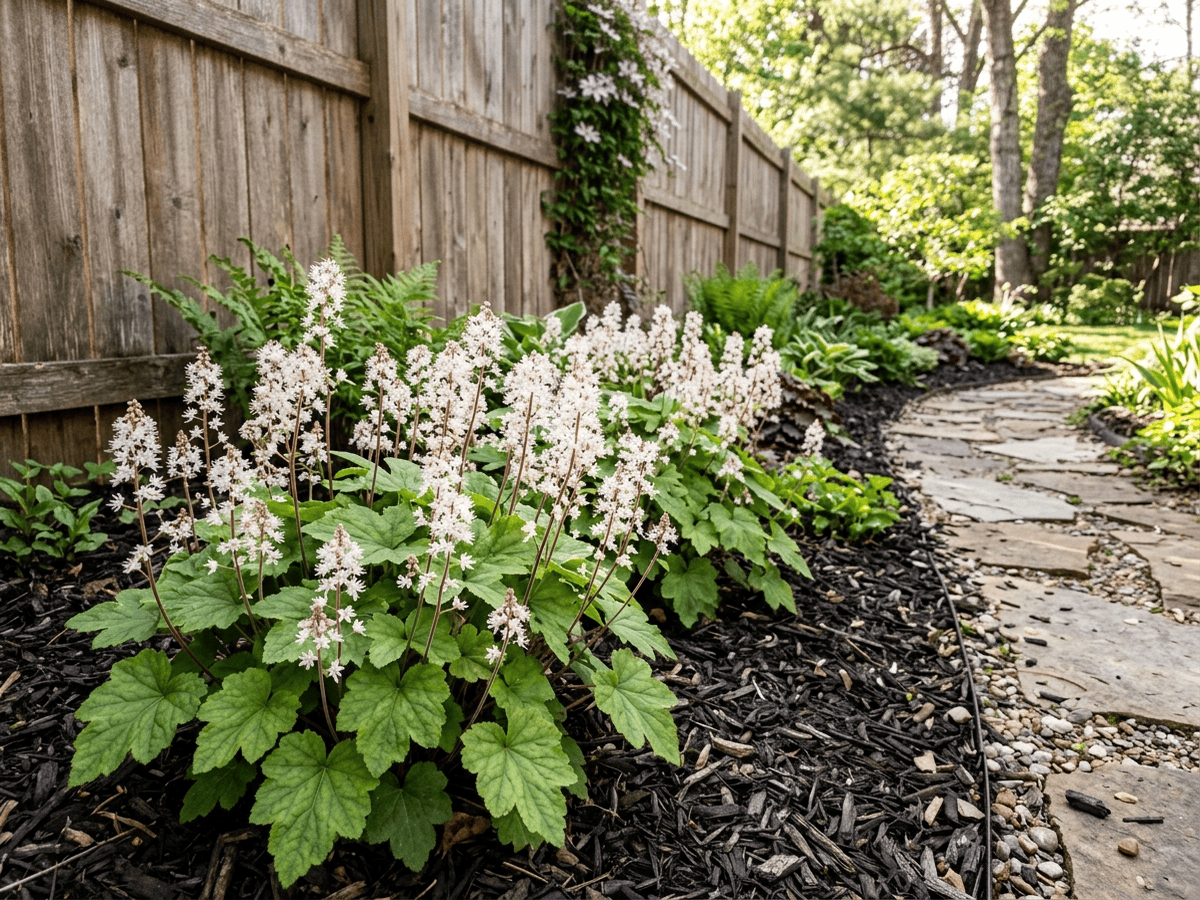
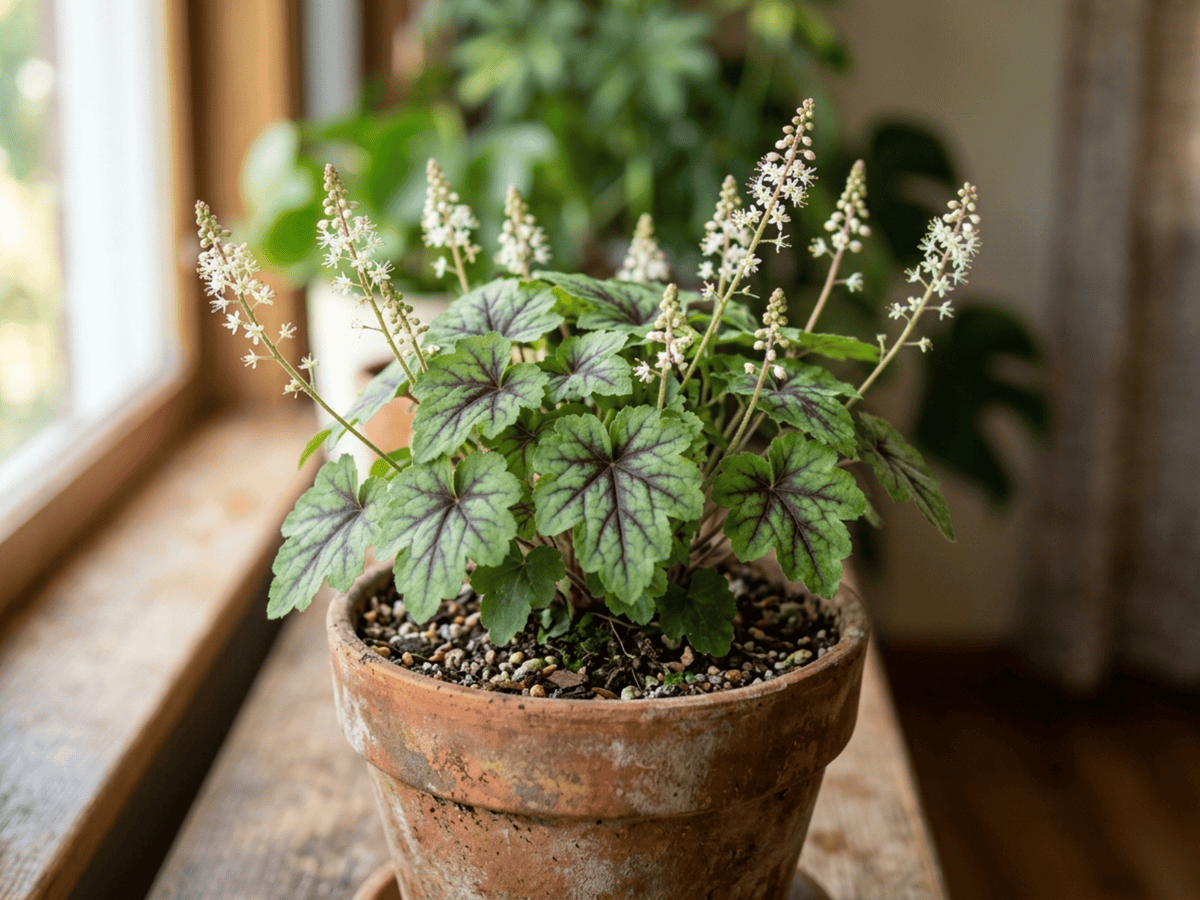
Foamflower is an eastern US native perennial producing upright wands of small fluffy white flowers above mats of heart-shaped green leaves often marked with dark veining. Growing 6 to 12 inches tall, it blooms in mid to late spring and spreads by stolons to form a lush native groundcover in shade. A signature American woodland garden plant and native alternative to non-native shade groundcovers.
- Shade-tolerant
- Deer-resistant
- Groundcover
- Native
How to care for Heartleaf Foamflower
Watering
- Springevery 3 days
- Summerevery 2 days
- Fallevery 5 days
- Winterevery 10 days
Soil · Well-draining
- Top dressingPine bark mulch10%
- Main mixPotting soil + perlite 2:170%
- DrainageLECA / gravel20%
Never skip the drainage layer — standing water is the top cause of root rot.
FERTILIZER
Balanced Feed 14-14-14
An even feed covers all three needs at once, keeping leaves, roots and blooms moving together with nothing pushed out of balance.
- Nitrogen · Leaves
- Phosphorus · Roots + Blooms
- Potassium · Strength
- Springevery 45 days
- Summerevery 60 days
At a Glance
- NativeNorth America
- Height0.5–1 ft (0.2–0.3 m)
- Spread1–2 ft (0.3–0.6 m)
- Flower colorWhite, Pink
- Foliage colorGreen, Bronze, Variegated
- SoilLoamy, Moisture-retentive, Acidic
- LocationsYard
Bloom time
BLOOM CYCLE
Peak bloom
Mar–May
Fluffy white flower wands in mid to late spring
Fragrance
LIGHT FRAGRANCE
The flowers have an only lightly sweet-scented scent.
Toxicity
No toxicity has been reported for this plant. Still, it is wise to keep pets from chewing on any houseplant.
Educational information, not medical or veterinary advice. If exposure is suspected, contact a doctor or veterinarian.
DISTRIBUTION


- Native
- North America
History

Tiarella cordifolia grows across moist deciduous forests from Nova Scotia south along the Appalachians to Georgia. Linnaeus described it in Species Plantarum (1753), naming the genus for the small tiara-shaped seed capsules. Iroquois and Cherokee peoples used root infusions as a mouthwash for sore throats and as an eye wash, and an infusion of the whole plant to treat coughs.
Its rise in horticulture began in the early 20th century as native plant gardening gained popularity. Breeders such as Charles Oliver at The Primrose Path and Dan Heims at Terra Nova Nurseries created intergeneric hybrids with Heuchera — ×Heucherella — combining Tiarella's flower spikes with Heuchera's colorful foliage.
Cultivars include 'Running Tapestry', 'Pink Skyrocket', and 'Sugar and Spice'. A foundation plant of eastern US deciduous woodlands. The Mount Cuba Center in Delaware has developed numerous celebrated cultivars like 'Running Tapestry' and 'Brandywine' that have made this humble native a star of American shade gardens.
Symbolism & meaning
What It Symbolizes
Heartleaf Foamflower embodies woodland grace through its airy white wands rising above heart-shaped leaves on the forest floor in spring. As a native carpet it also signals the spreading hospitality of indigenous shade groundcovers, a plant that knits together beds rather than merely occupying them. It is often read as a flower of soft eastern woodlands, a perennial whose meaning is the quiet welcome offered by native plants to anyone willing to garden in shade.
- Woodland grace — airy white wands in shade
- Native carpet — spreads as native shade groundcover
Where the Name Comes From
The name Heartleaf Foamflower describes its heart-shaped leaves. 'Tiarella' is the Latin diminutive of tiara, for the small crown-shaped seed capsules; 'cordifolia' means heart-leaved.
Uses & Fun Facts
- Stoloniferous mats spread across native shade gardens
- Foamy white flower wands above veined heart-shaped leaves
- Spring blooms feed early-emerging native bees
Related plants
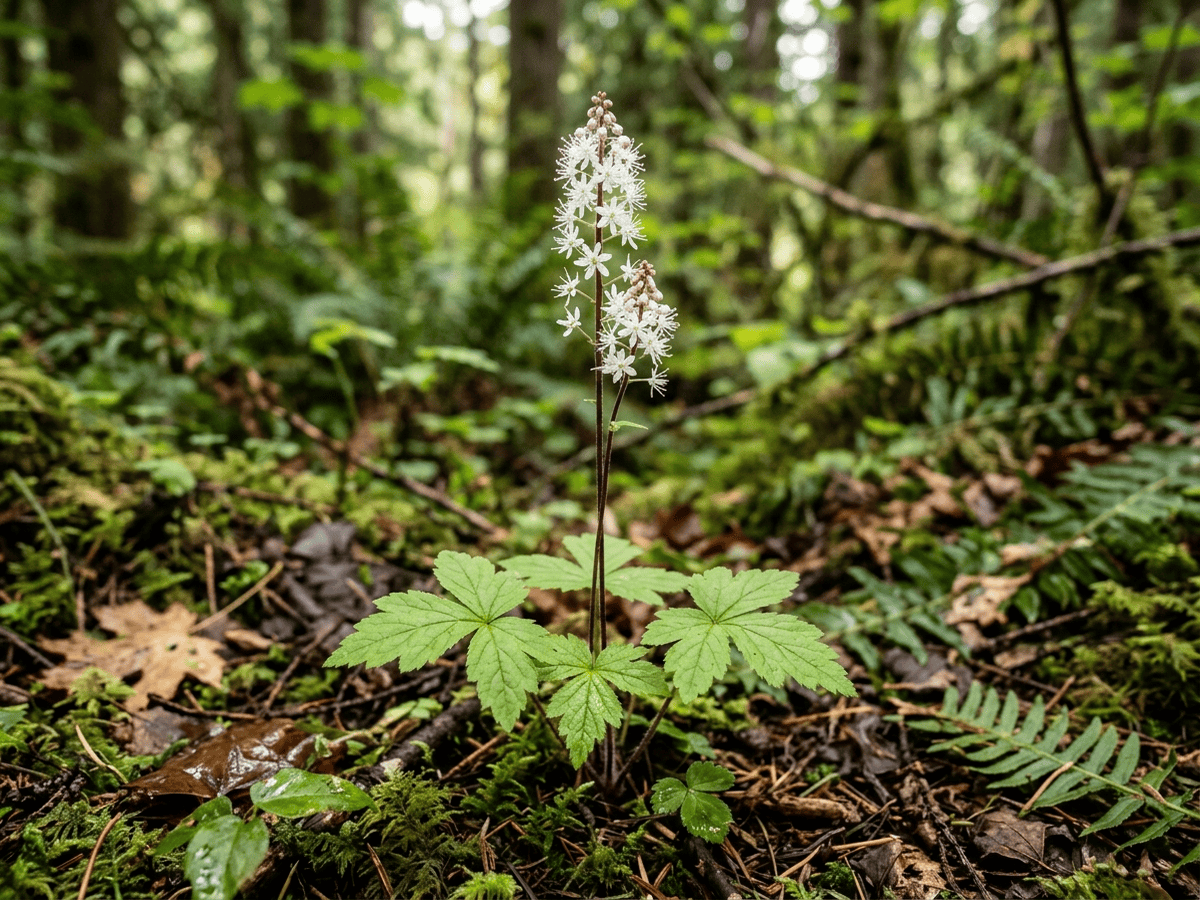
More Tiarella plants
Plants with similar care
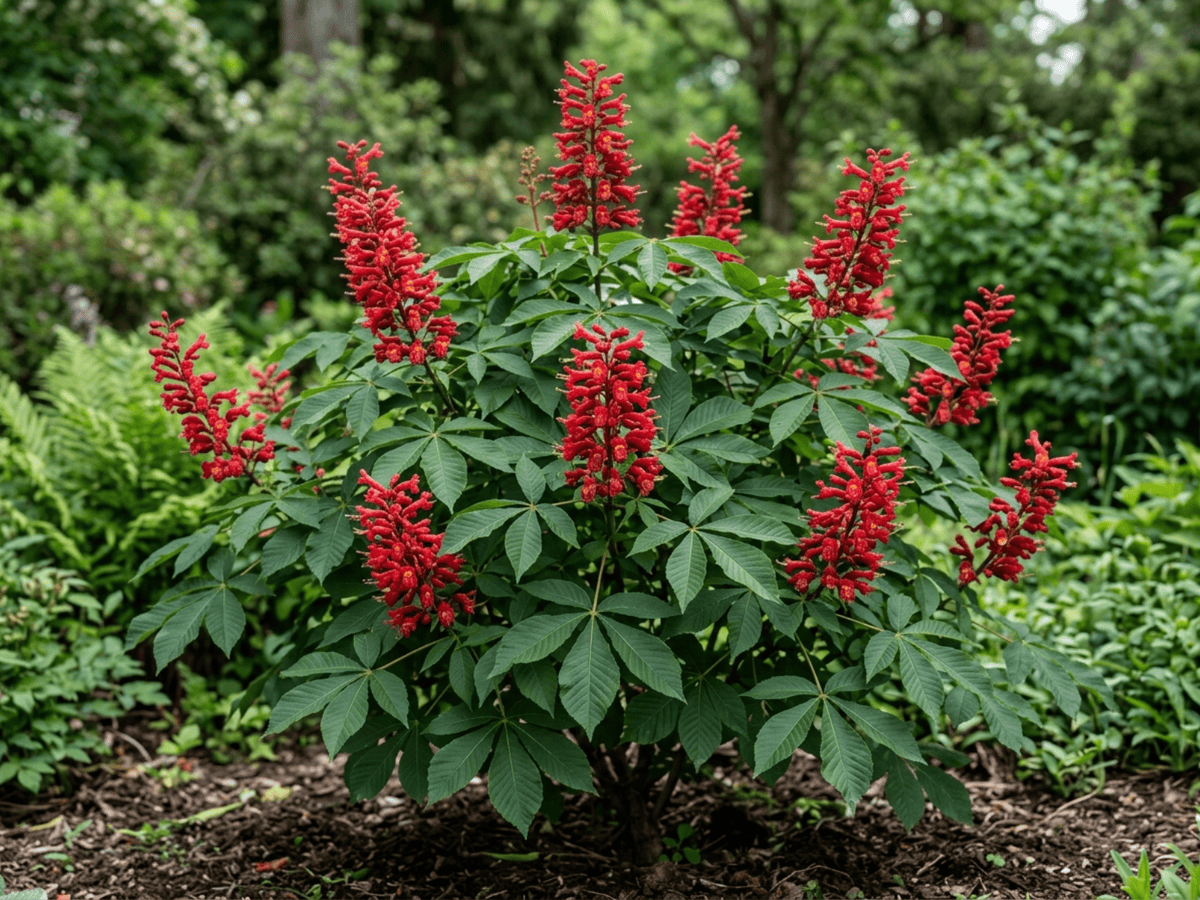 Red BuckeyeAesculus pavia
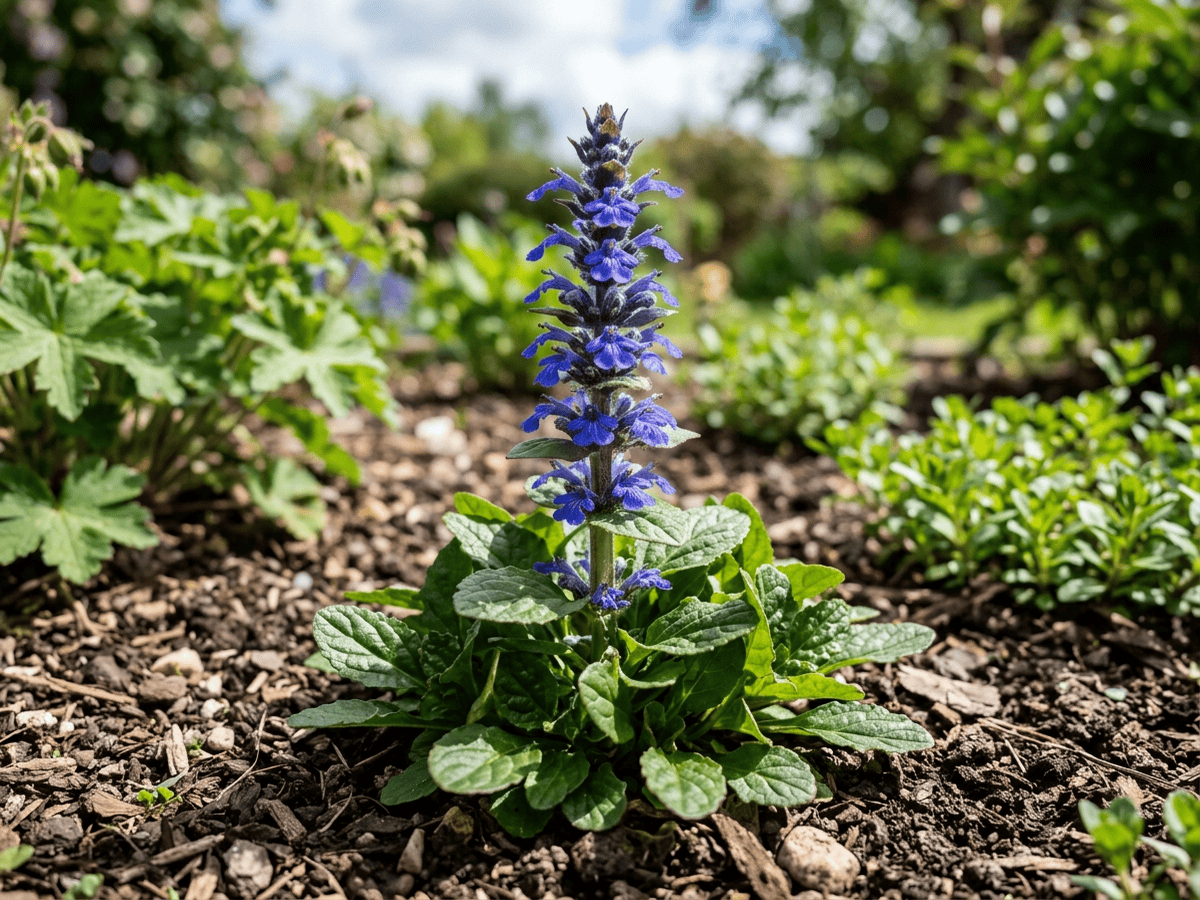 Blue BugleAjuga genevensis
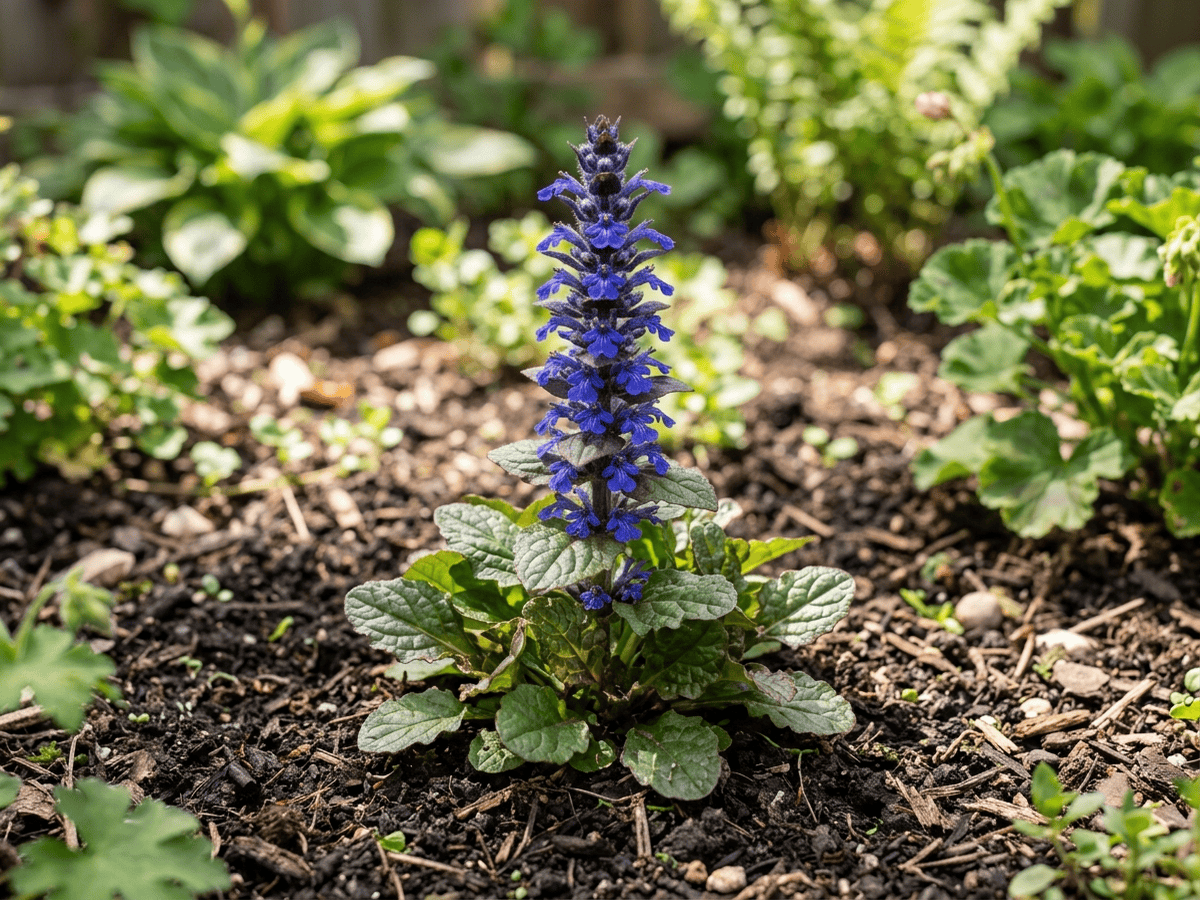 Pyramidal BugleAjuga pyramidalis
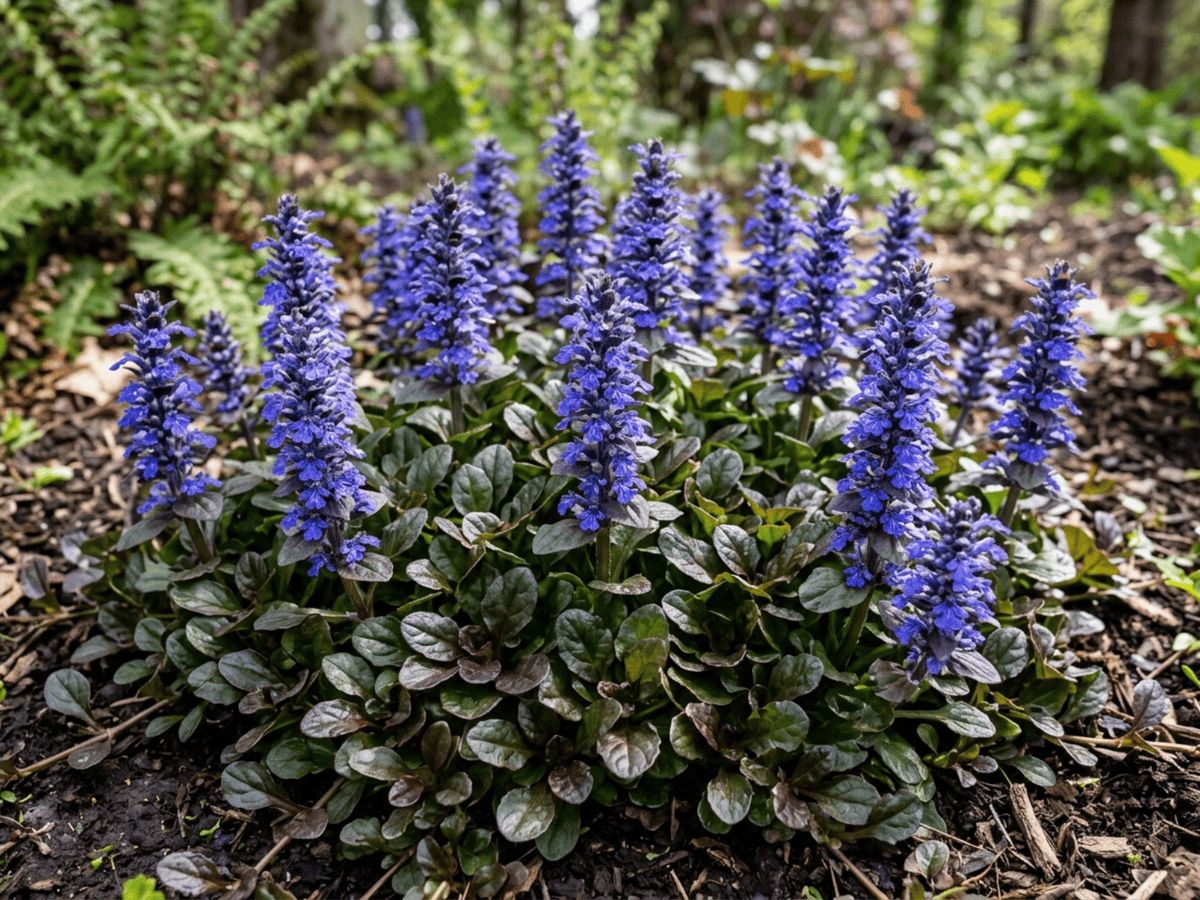 Carpet BugleAjuga reptans
Frequently asked questions
How often should I water Heartleaf Foamflower?
In summer, water about every 2 days; in winter, about every 10 days. Adjust for heat, pot size and drainage.
How much light does Heartleaf Foamflower need?
Part shade: 2–4 hrs direct. Watch the leaves — scorching or stretching means the light needs adjusting.
Is Heartleaf Foamflower toxic to cats or dogs?
No toxicity has been reported for this plant. Still, it is wise to keep pets from chewing on any houseplant. Educational information, not medical or veterinary advice. If exposure is suspected, contact a doctor or veterinarian.
Is Heartleaf Foamflower easy to grow?
Yes — it is considered an easy, beginner-friendly plant.
When does Heartleaf Foamflower bloom?
It typically blooms Mar–May in the Northern Hemisphere.
YardMate
Identify any plant in seconds
Snap a photo — YardMate names the plant, diagnoses problems, and reminds you when to water.
Download on the App Store