 YardMate


Wherry's Foamflower
Tiarella wherryi
Easy · Beginner friendlyAbout Wherry's Foamflower
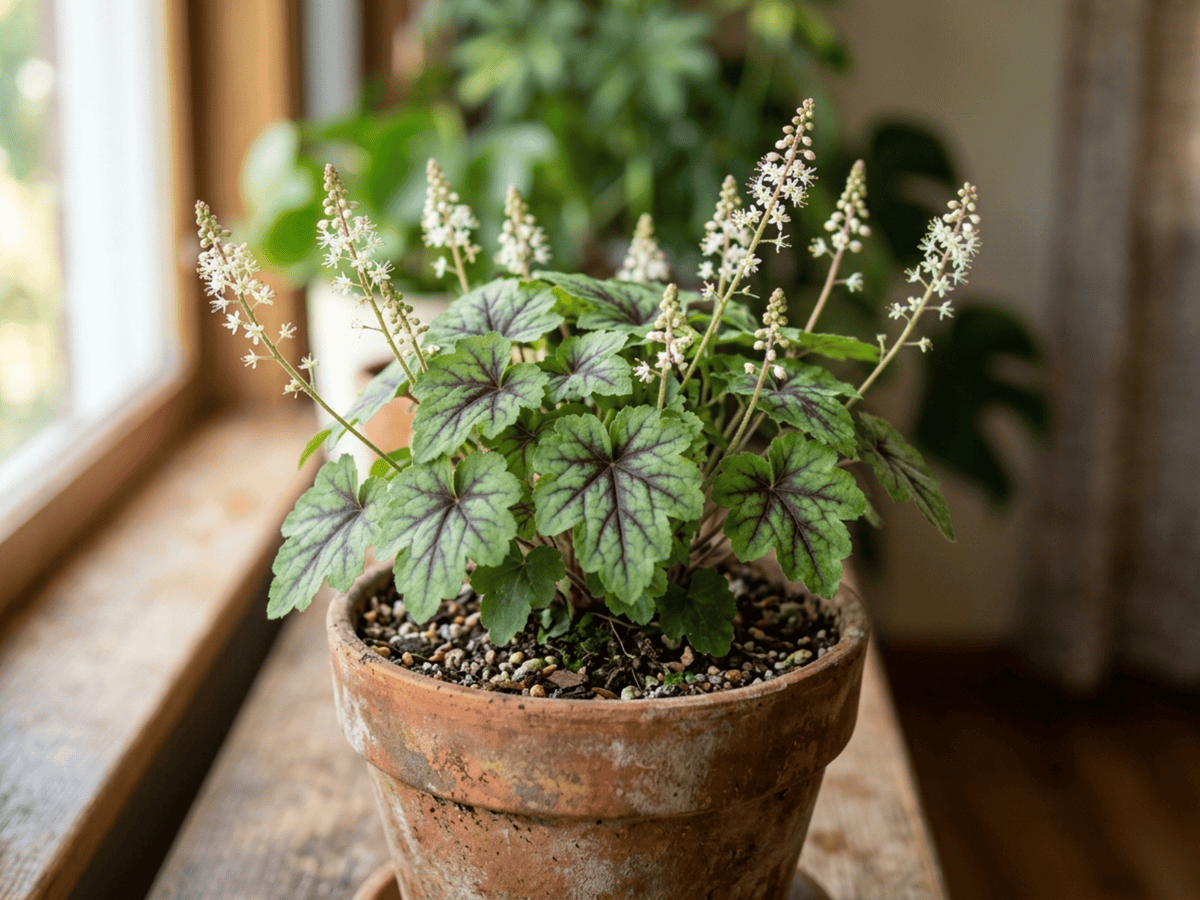
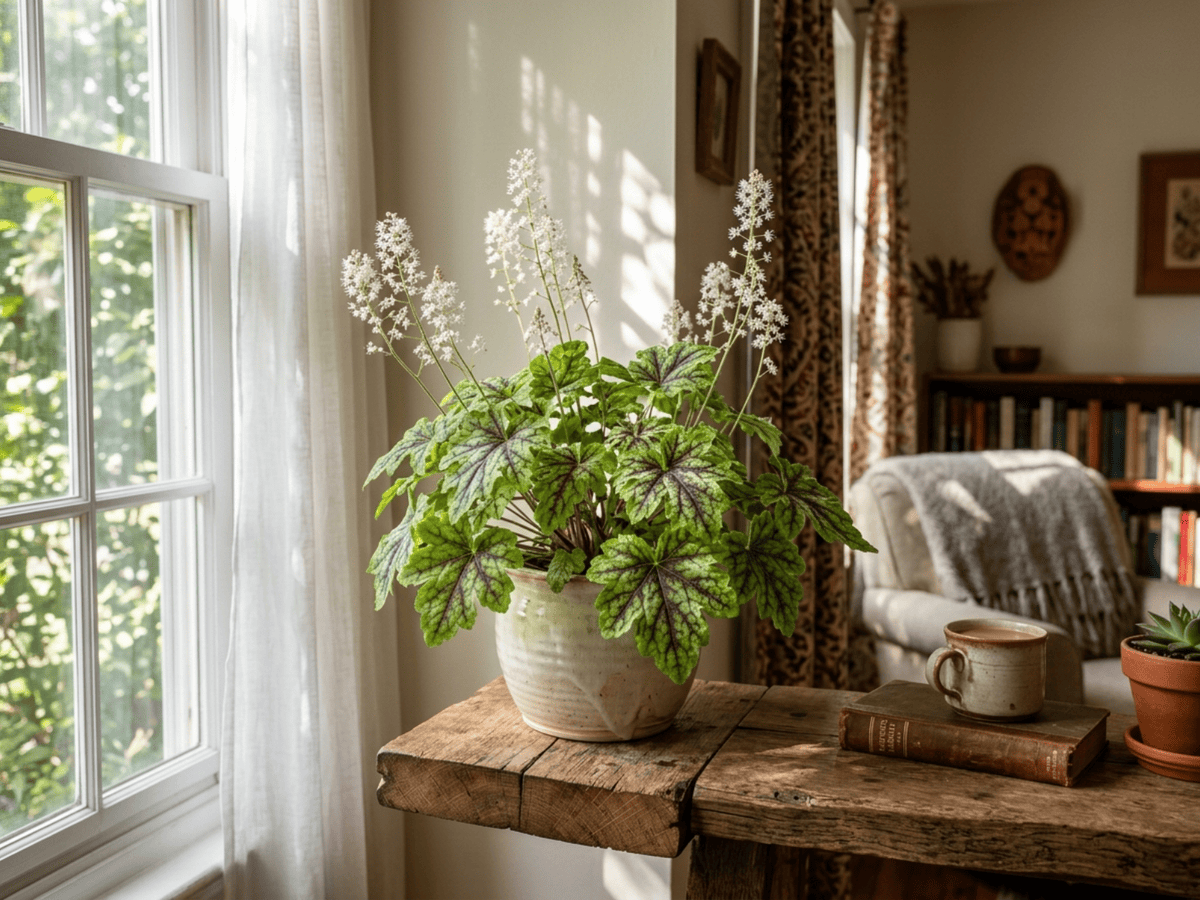
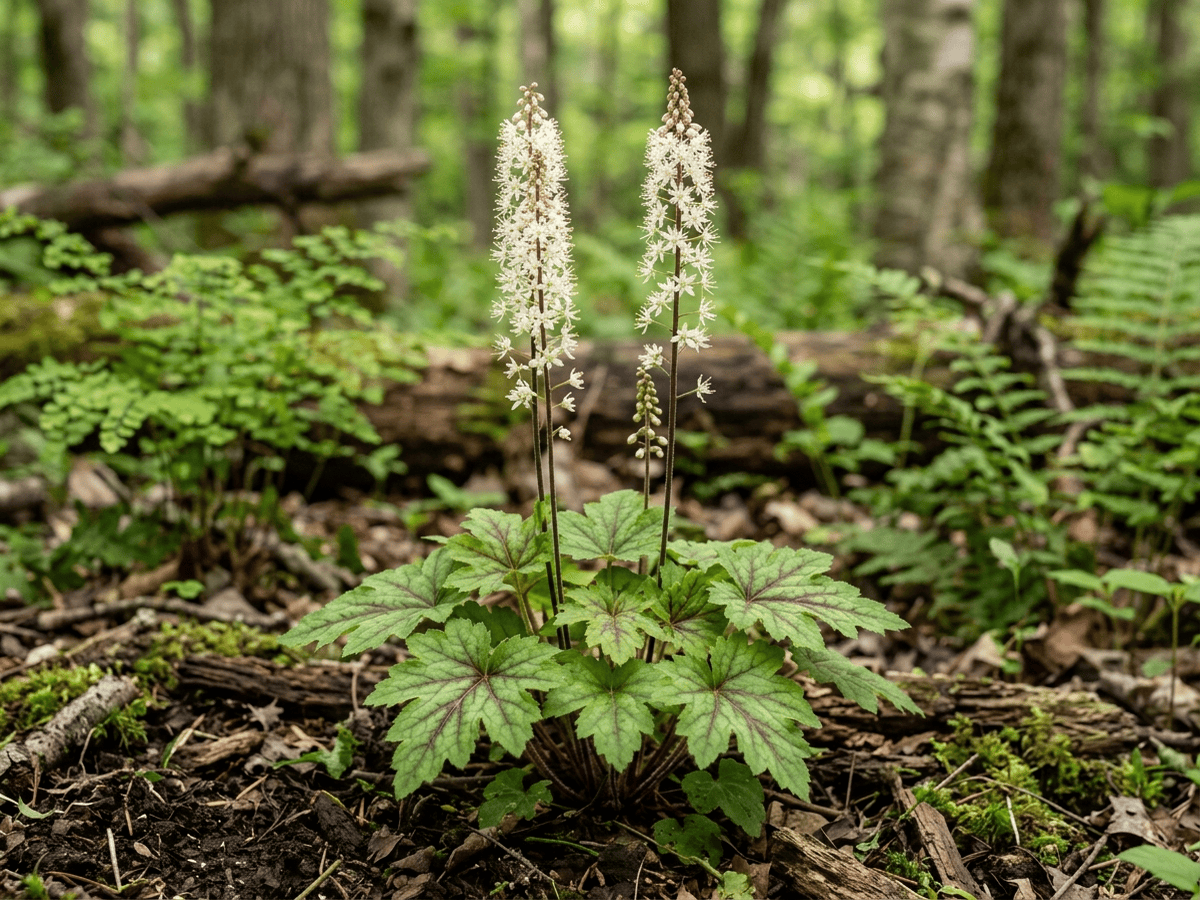
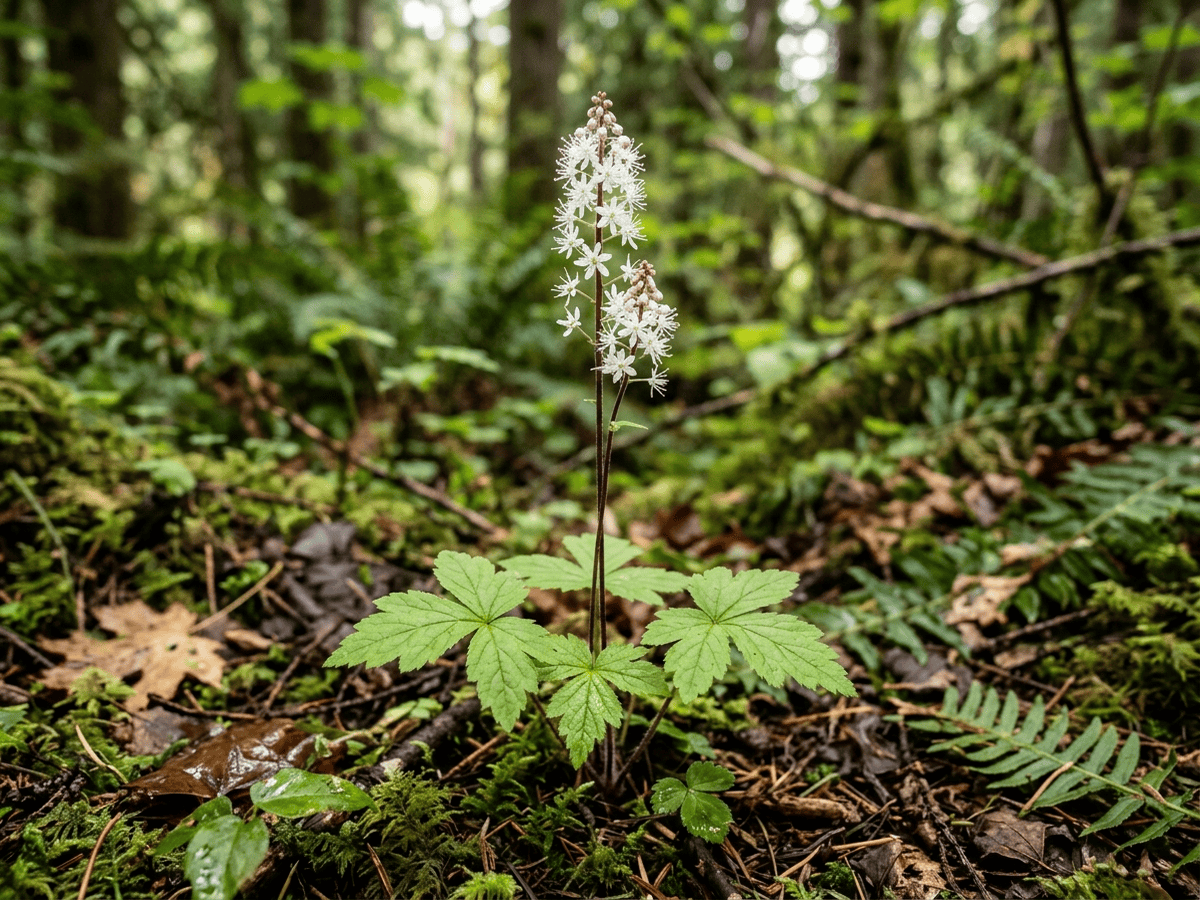
Wherry's Foamflower is a native perennial of the southern Appalachians, 8–12 inches tall, forming tight clumps of lobed green leaves often with burgundy centers and spikes of small star-shaped white or pink flowers in spring. Unlike running Tiarella cordifolia, this species stays in well-behaved clumps. A premier native shade-garden groundcover for the US Southeast and mid-Atlantic, hardy zones 5–9.
- Shade-tolerant
- Native
- Pollinator-friendly
How to care for Wherry's Foamflower
Watering
- Springevery 4 days
- Summerevery 3 days
- Fallevery 5 days
- Winterpause watering
Soil · Well-draining
- Top dressingPine bark mulch10%
- Main mixPotting soil + perlite 2:170%
- DrainageLECA / gravel20%
Never skip the drainage layer — standing water is the top cause of root rot.
FERTILIZER
Balanced Feed 14-14-14
An even feed covers all three needs at once, keeping leaves, roots and blooms moving together with nothing pushed out of balance.
- Nitrogen · Leaves
- Phosphorus · Roots + Blooms
- Potassium · Strength
- Springevery 30 days
- Summerevery 30 days
At a Glance
- NativeNorth America
- Height0.5–1 ft (0.2–0.3 m)
- Spread1–1.5 ft (0.3–0.5 m)
- Flower colorWhite, Pink
- Foliage colorGreen, Variegated
- SoilRich, Loamy, Well-drained
- LocationsYard
Bloom time
BLOOM CYCLE
Peak bloom
Mar–May
White starry spikes spring
Toxicity
No toxicity has been reported for this plant. Still, it is wise to keep pets from chewing on any houseplant.
Educational information, not medical or veterinary advice. If exposure is suspected, contact a doctor or veterinarian.
DISTRIBUTION


- Native
- North America
History

Tiarella wherryi is native to the southern Appalachians in Tennessee, North Carolina, Alabama, and Georgia. It was long treated as a variety or subspecies of T. cordifolia before being recognized as a distinct clumping species. The name honors Edgar Theodore Wherry (1885-1982), a distinguished American botanist who mapped eastern US flora and worked extensively on Polemoniaceae.
Unlike the running cordifolia, wherryi forms tidy non-spreading clumps, making it more suitable for ornamental use. Plantsmen Don Jacobs of Eco-Gardens and Charles Oliver popularized it from the 1980s onward, and it became foundational parent material for modern Tiarella hybrids like 'Neon Lights' and cross-generic × Heucherella cultivars. Named for Edgar Wherry, 20th-century American botanist specializing in Appalachian flora. Its clump-forming habit made it the preferred parent for American foamflower cultivars where T. cordifolia's spreading habit is unwanted.
Symbolism & meaning
What It Symbolizes
Wherry's Foamflower is a gentle spirit of the Appalachian understory, its delicate white flower spires rising like soft foam above mottled leaves. Woodland charm is its native gift — a classic plant of the dappled forest floor, asking only for shade and leaf litter. Its meaning is the quiet refinement of native woodland flora: a small celebration of place, low to the ground and easily missed.
- Gentle spirit — delicate spring flowers
- Woodland charm — classic Appalachian understory plant
Where the Name Comes From
Genus from Greek 'tiara' for the fruit shape; 'wherryi' honors Edgar Wherry.
Uses & Fun Facts
- Frothy white flower spires feed early native bees
- Spreads slowly to form lacy carpet in moist shade
- Maple-shaped foliage holds reddish veining in cool months
Related plants
More Tiarella plants
Plants with similar care
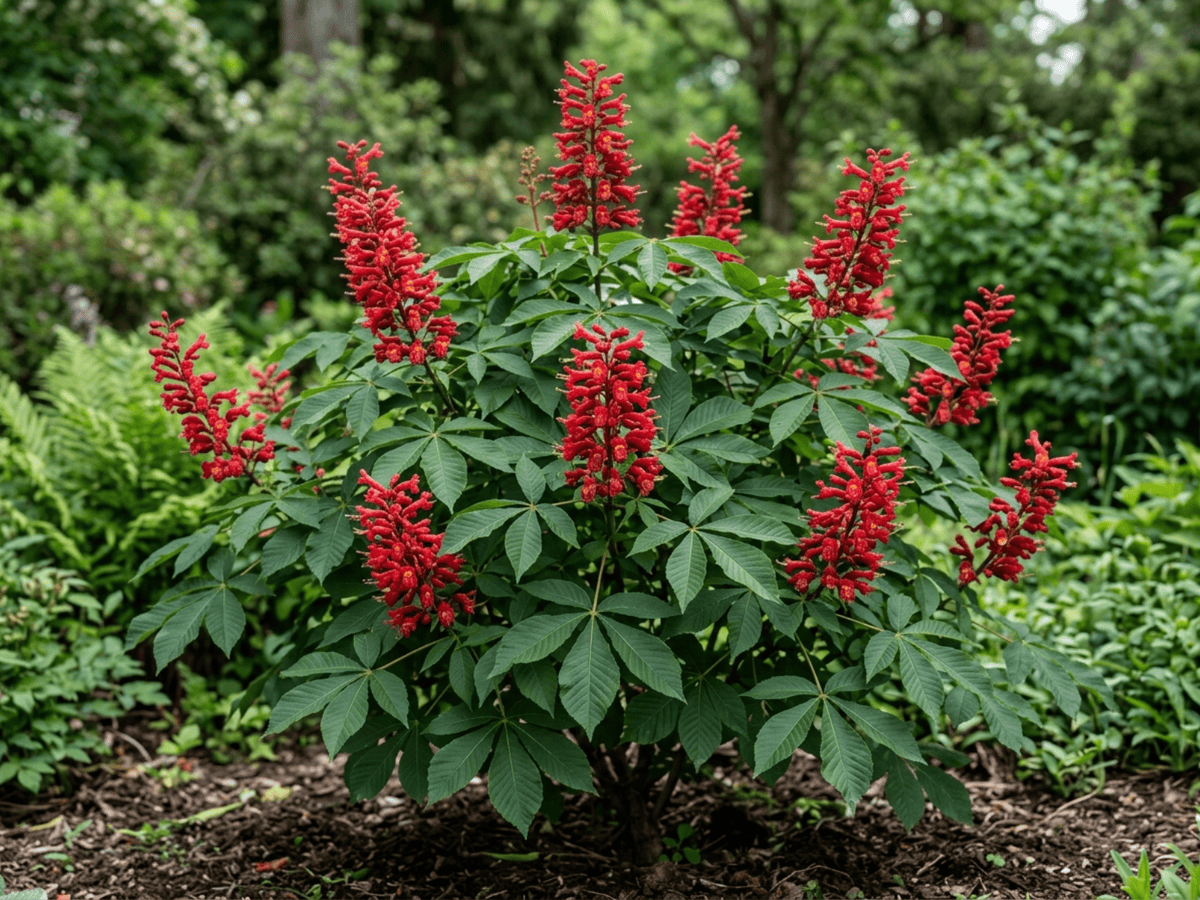 Red BuckeyeAesculus pavia
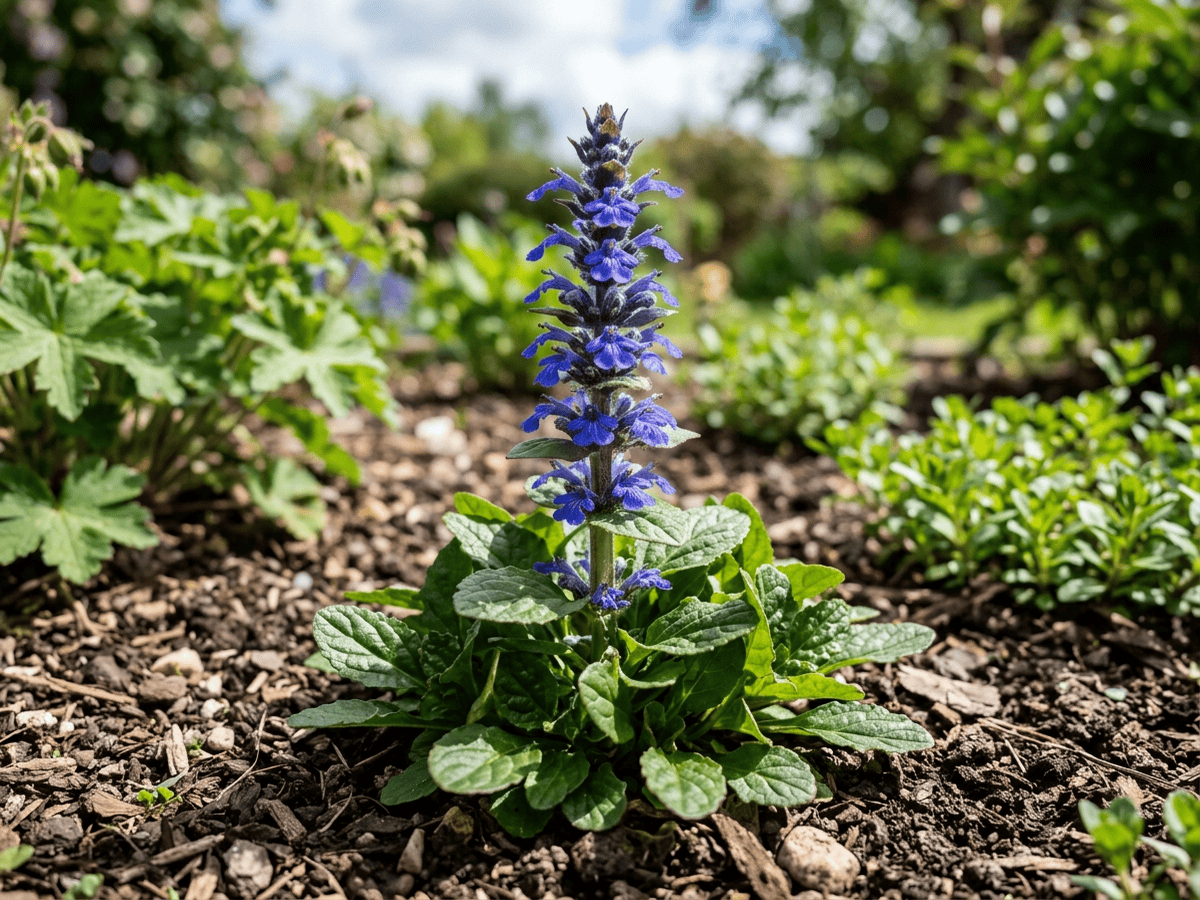 Blue BugleAjuga genevensis
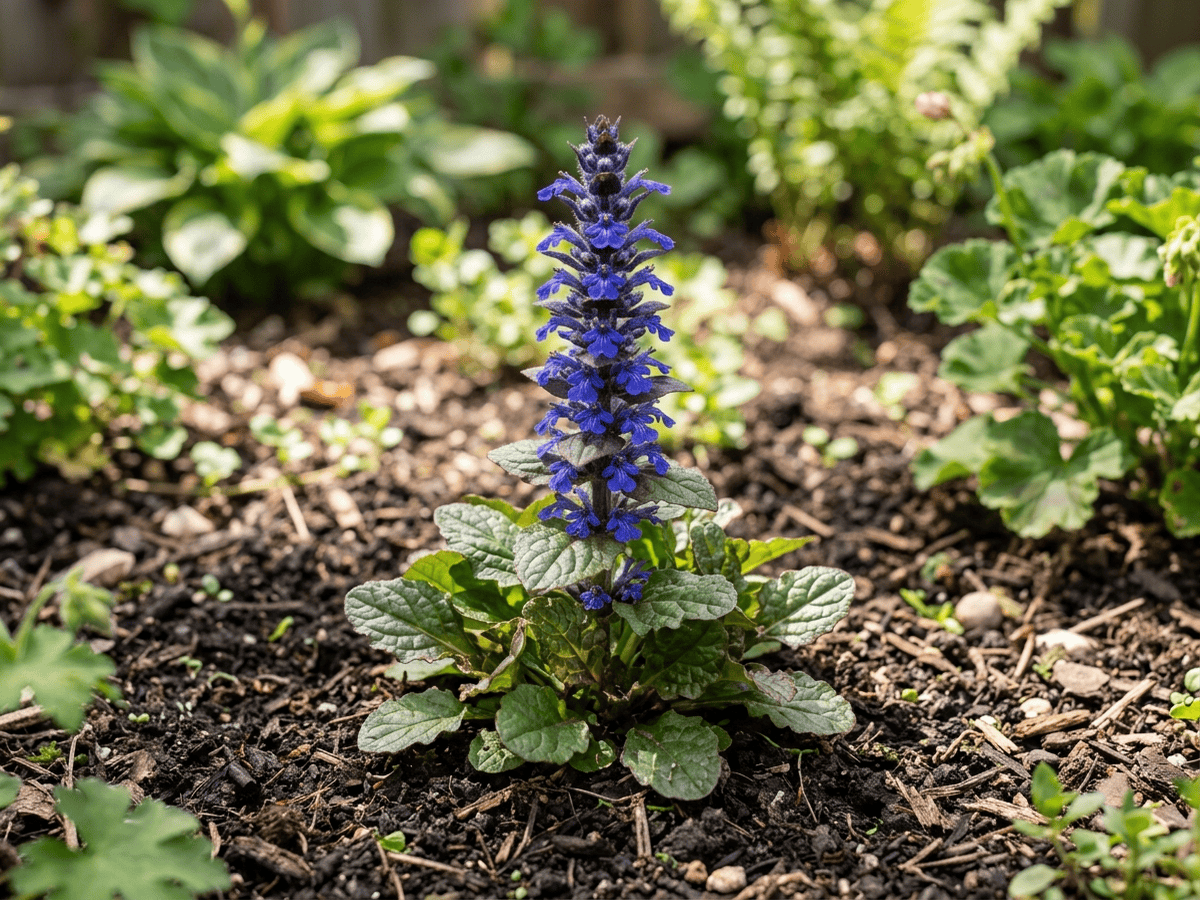 Pyramidal BugleAjuga pyramidalis
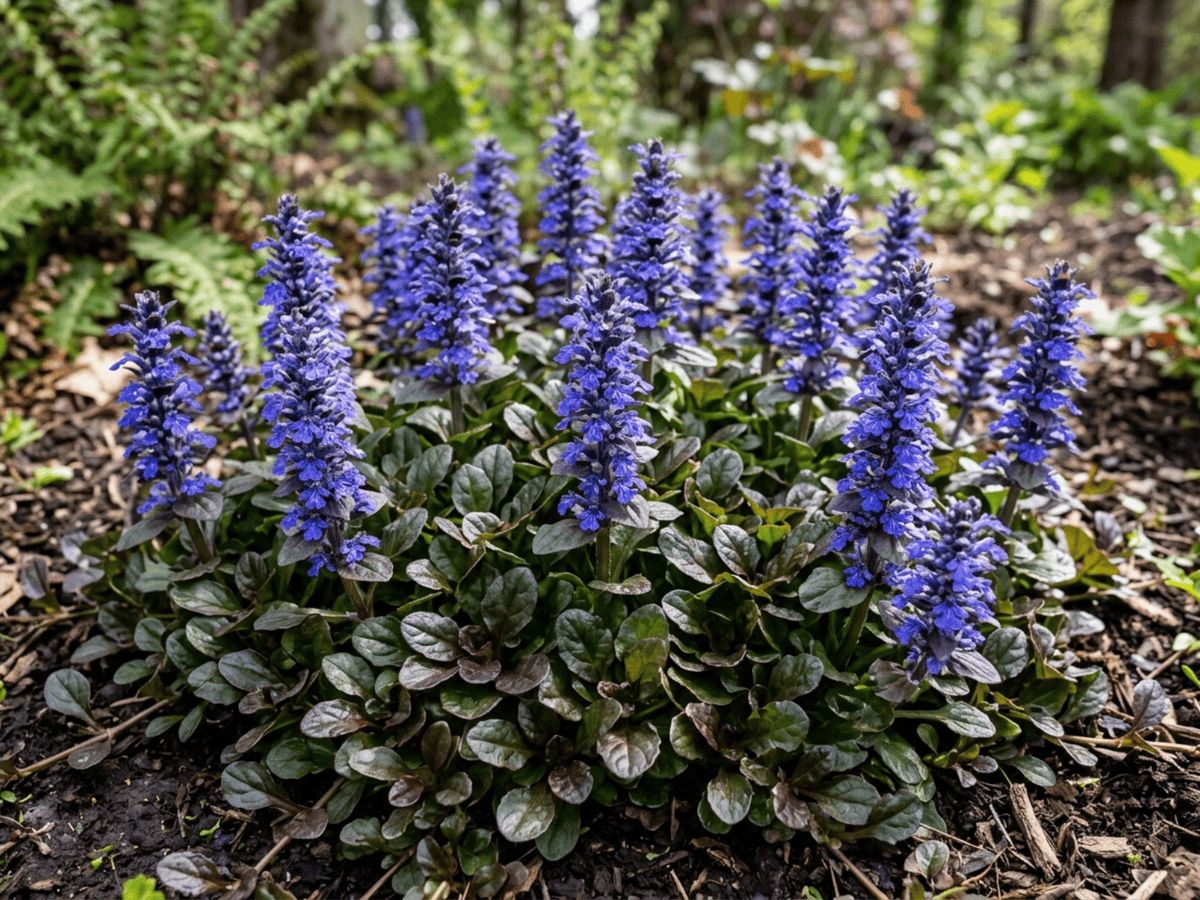 Carpet BugleAjuga reptans
Frequently asked questions
How often should I water Wherry's Foamflower?
Water about every 4 days during the growing season, and always let excess water drain away.
How much light does Wherry's Foamflower need?
Part shade: 2–4 hrs direct. Watch the leaves — scorching or stretching means the light needs adjusting.
Is Wherry's Foamflower toxic to cats or dogs?
No toxicity has been reported for this plant. Still, it is wise to keep pets from chewing on any houseplant. Educational information, not medical or veterinary advice. If exposure is suspected, contact a doctor or veterinarian.
Is Wherry's Foamflower easy to grow?
Yes — it is considered an easy, beginner-friendly plant.
When does Wherry's Foamflower bloom?
It typically blooms Mar–May in the Northern Hemisphere.
YardMate
Identify any plant in seconds
Snap a photo — YardMate names the plant, diagnoses problems, and reminds you when to water.
Download on the App Store