 YardMate


Glory Bush
Tibouchina urvilleana
Medium · Some experienceAbout Glory Bush
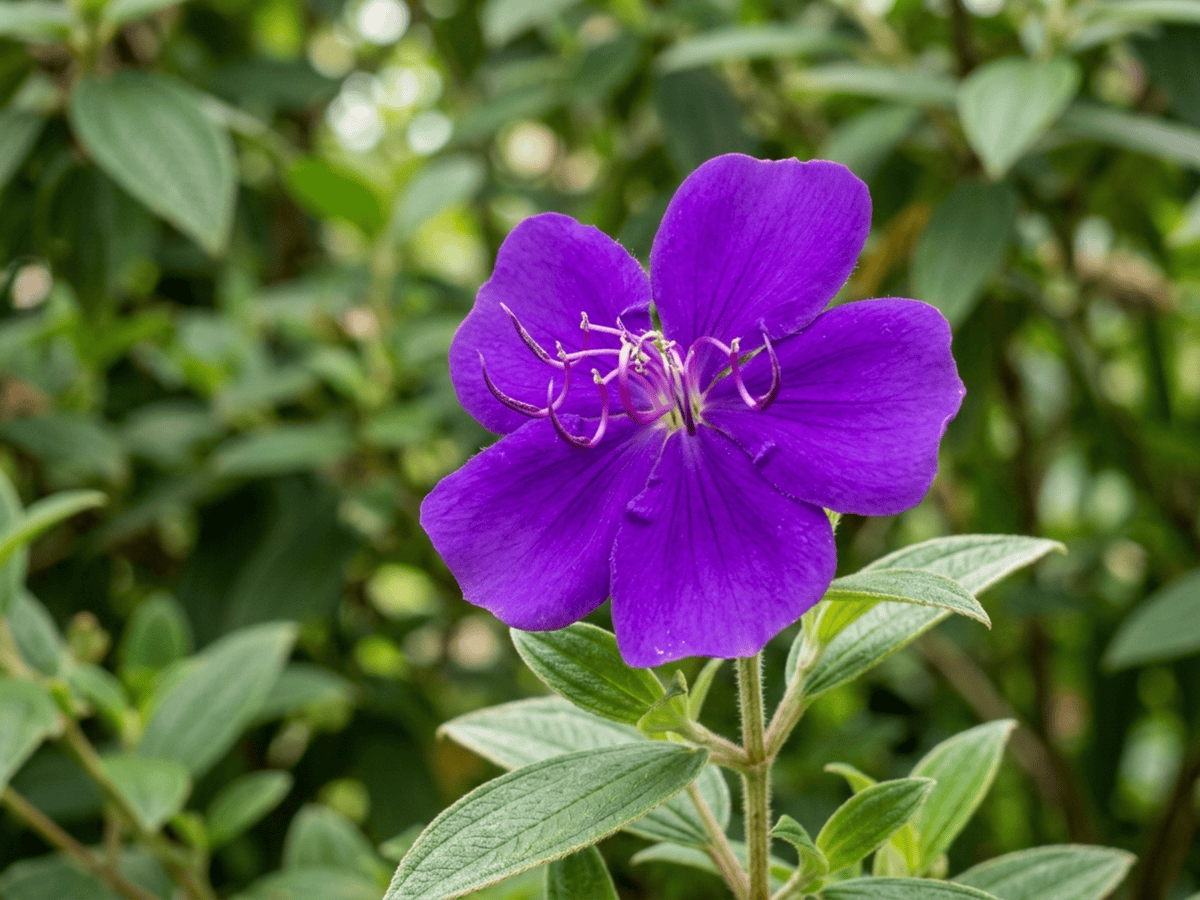
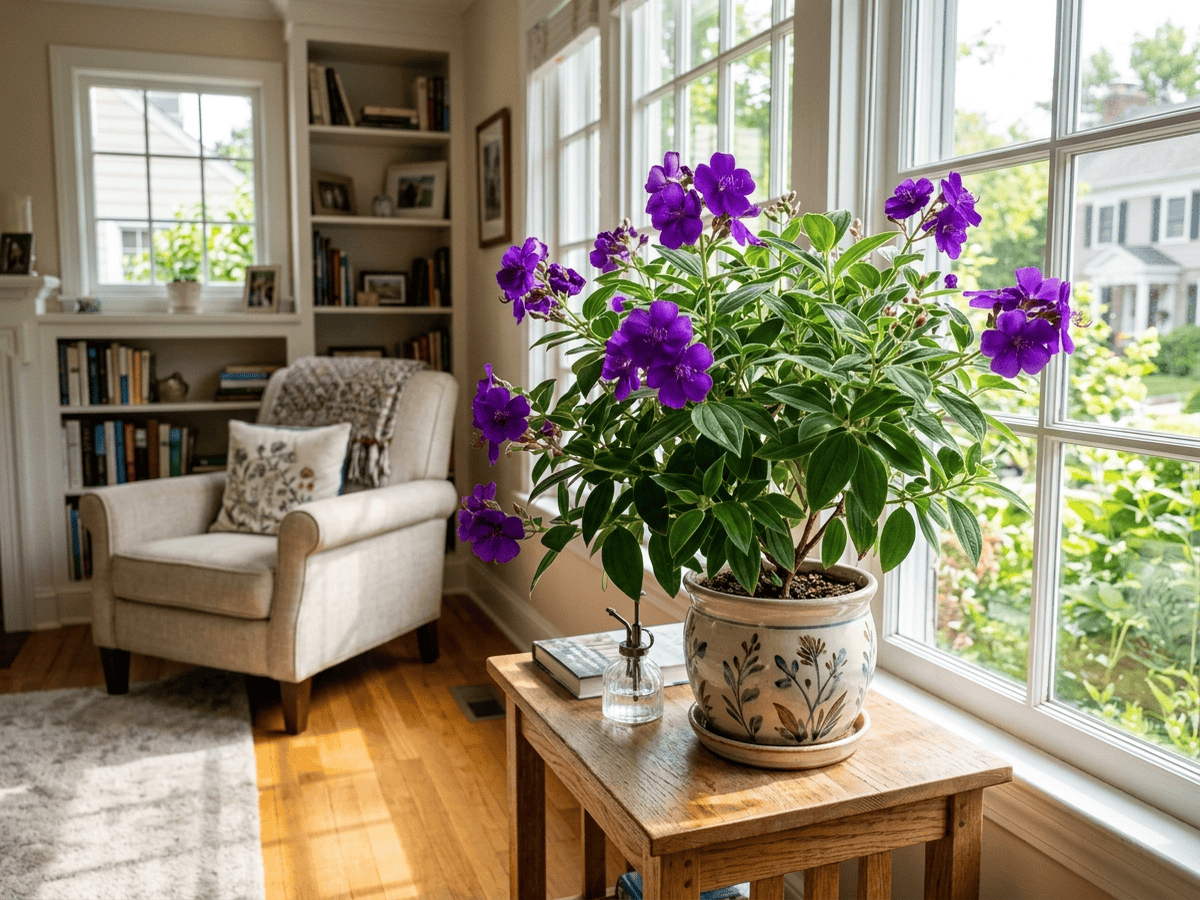
Tibouchina urvilleana, the princess flower or glory bush, is a stunning evergreen shrub from the Atlantic Forest of Brazil that captivates with its large, velvety royal-purple flowers up to 10 cm across. The soft, fuzzy leaves have prominent parallel veins and a velvety texture, turning reddish-bronze as they age, adding multi-season interest. In tropical and subtropical gardens it can reach 3–5 meters and blooms repeatedly throughout the year, with peak displays in late summer and autumn. The five-petaled flowers open a deep violet-purple and gradually lighten, so multiple color stages appear on the bush simultaneously. It prefers acidic, well-drained soil and consistent moisture. In cooler climates it can be grown in containers and overwintered indoors. The plant is a magnet for bees and butterflies. Pruning after each flush of bloom encourages bushier growth and more flowers. It is relatively pest-free and provides a color rarely seen in the garden — true royal purple.
- Evergreen
- Pollinator-friendly
How to care for Glory Bush
Watering
- Springevery 3 days
- Summerevery 2 days
- Fallevery 7 days
- Winterevery 21 days
Soil · Acidic · pH 4.5–6
- Top dressingPine needle mulch10%
- Main mixAcid-lover mix + peat 3:175%
- DrainageGravel15%
Never add lime or wood ash — it cancels out the acidity.
FERTILIZER
Acid-Loving Feed 4-3-4
One bag does both jobs. An acid feed carries the usual nitrogen, phosphorus and potassium, plus the sulfur and iron that keep the soil sour enough for the roots to take them up at all.
- Nitrogen · Leaves
- Phosphorus · Roots + Blooms
- Potassium · Strength
- Springevery 45 days
- Summerevery 45 days
At a Glance
- NativeSouth America
- Height6–15 ft (1.8–4.6 m)
- Spread4–10 ft (1.2–3 m)
- Flower colorPurple
- Foliage colorGreen
- SoilLoamy, Acidic, Moisture-retentive
- LocationsYard · Indoor · Balcony
Bloom time
BLOOM CYCLE
Peak bloom
Jun–Aug
Royal-purple 10 cm blooms in waves; prune after each flush for more flowers
Fragrance
NO FRAGRANCE
No notable fragrance.
Toxicity
No toxicity has been reported for this plant. Still, it is wise to keep pets from chewing on any houseplant.
Educational information, not medical or veterinary advice. If exposure is suspected, contact a doctor or veterinarian.
DISTRIBUTION


- Native
- Introduced
- South America
History
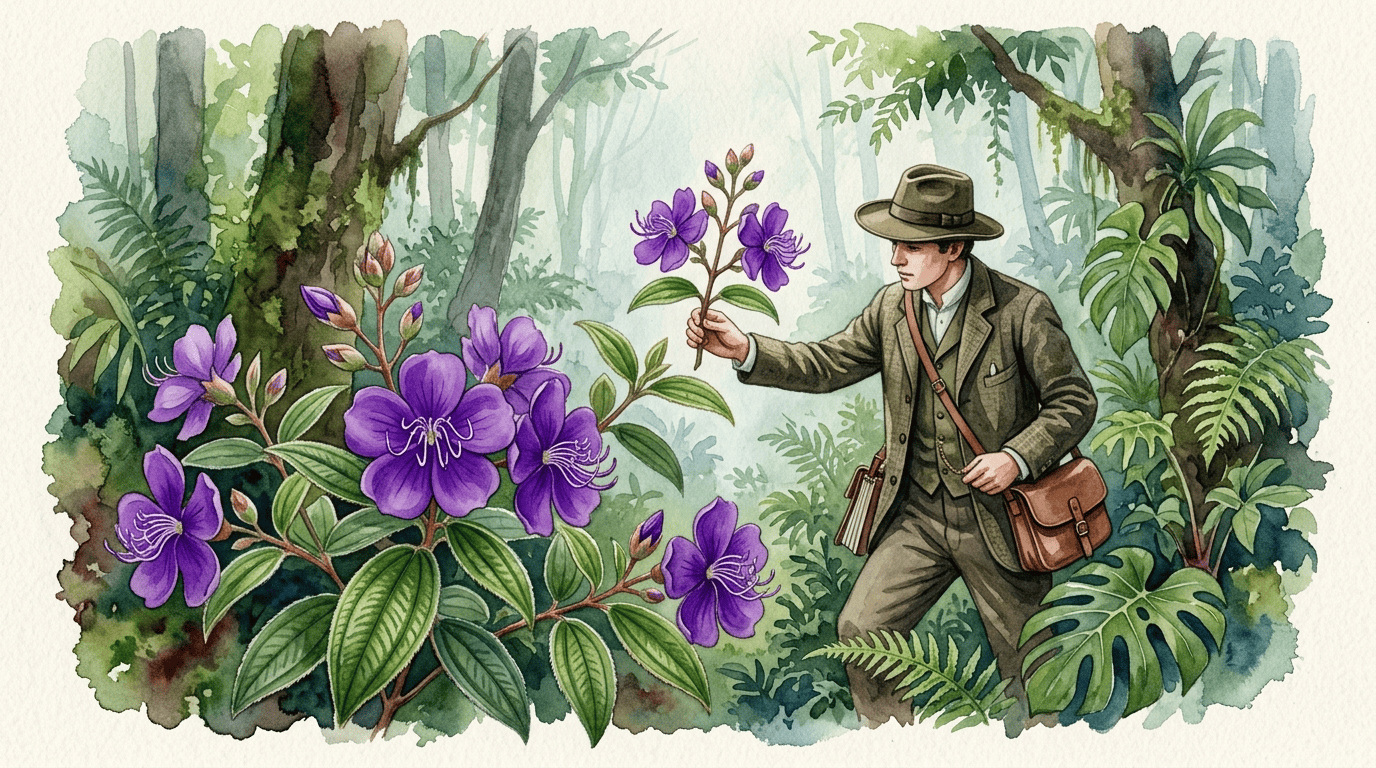
Tibouchina urvilleana is native to the Atlantic Forest of southeastern Brazil, growing as a small shrub or shrub-tree 2-5 meters tall in open coastal and montane forest. The species epithet honors Jules Dumont d'Urville, a 19th-century French naval explorer and botanist who collected specimens during Pacific exploration voyages. The plant produces its signature flowers — rich royal-purple with a velvety-satiny petal texture and conspicuous curving stamens in two colors (five purple and five white) — from late spring through fall (and essentially year-round in frost-free subtropical climates), borne in loose terminal clusters. The leaves are distinctive for the family (Melastomataceae): dark green, arching-lanceolate, with prominent parallel arcing veins and a velvety texture.
It was introduced to Western horticulture from Brazil in the 19th century and has become one of the most favored subtropical ornamental shrubs — particularly in Hawaii, California, Florida, the Gulf states, coastal Mediterranean gardens, and Australia — because the intensity of its flower color is exceptional among cultivated shrubs. It is mildly invasive in Hawaii, where it escapes into wet forests and is a minor conservation concern; the related T. herbacea is a worse invasive in Hawaii. The species is sometimes sold as T. semidecandra in the older trade.
The genus Tibouchina includes over 350 species, nearly all from tropical South America. This species was named in honor of Jules Dumont d'Urville, the French naval officer and explorer who circumnavigated the globe multiple times and charted many Pacific islands. The plant was introduced to European horticulture in the mid-19th century and quickly became a conservatory favorite for its extraordinary purple flowers. In its native Brazilian Atlantic Forest — one of the world's most biodiverse and threatened biomes — it grows as an understory shrub in misty mountain forests.
Symbolism & meaning
What It Symbolizes
Glory Bush is royalty in petal — deep violet-purple blooms with the regal bearing of crown jewels, large and almost impossibly saturated. Its enchantment is in those velvety petals and shifting purple hues that catch light differently from every angle, a quiet visual spell. It is the tropical shrub planted where a garden needs a touch of imperial drama, just enough to feel the throne room.
- Royalty — The deep purple flowers have the regal bearing of a crown jewel
- Enchantment — Velvety petals and shifting purple hues cast a spellbinding charm
Where the Name Comes From
Tibouchina comes from an indigenous Guianan name for these plants. Urvilleana honors Jules Dumont d'Urville (1790–1842), French explorer and navigator.
Uses & Fun Facts
- Royal-purple velvet flowers as warm-climate landscape focal shrub
- Showy patio container plant where winters stay frost-free
- Large violet flowers attract bees and butterflies
Related plants
Plants with similar care
 Mexican AbeliaAbelia floribunda
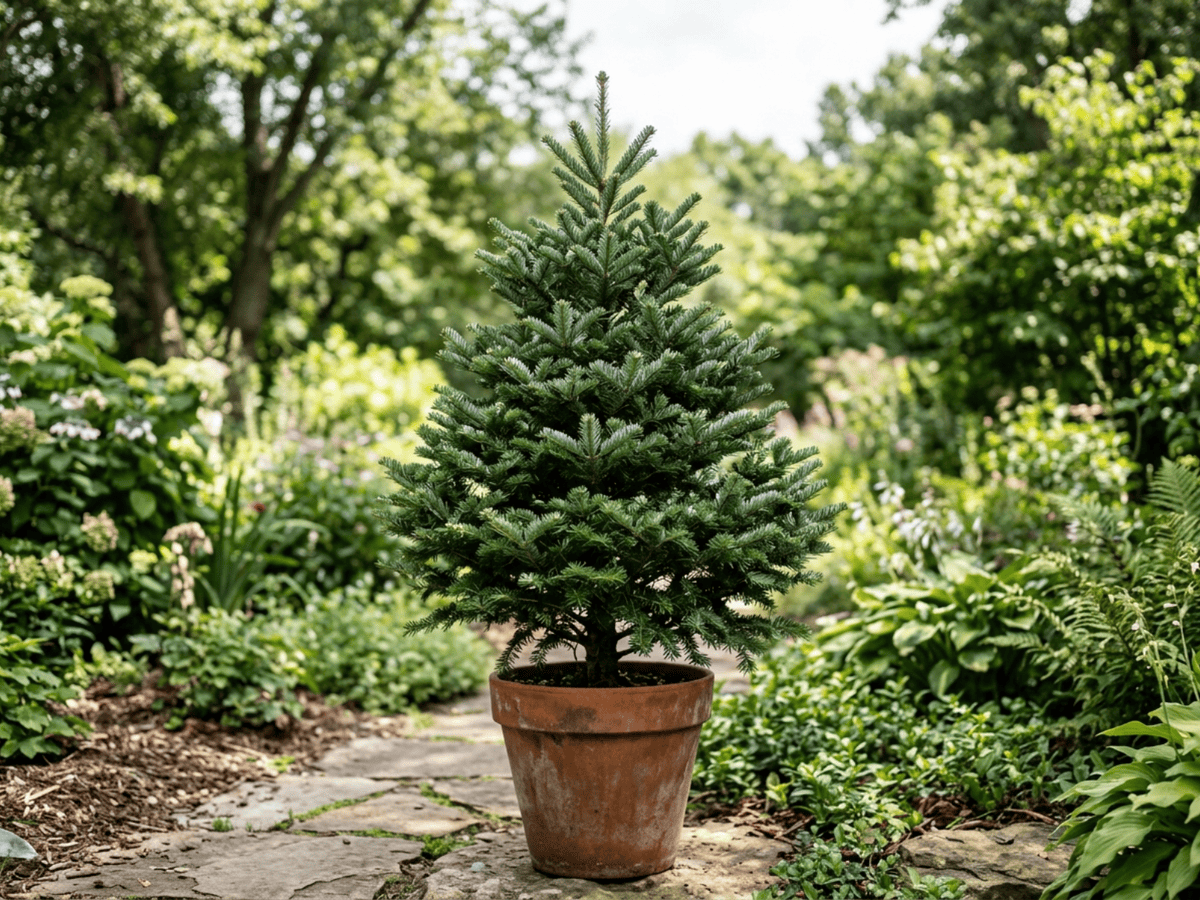 Fraser FirAbies fraseri
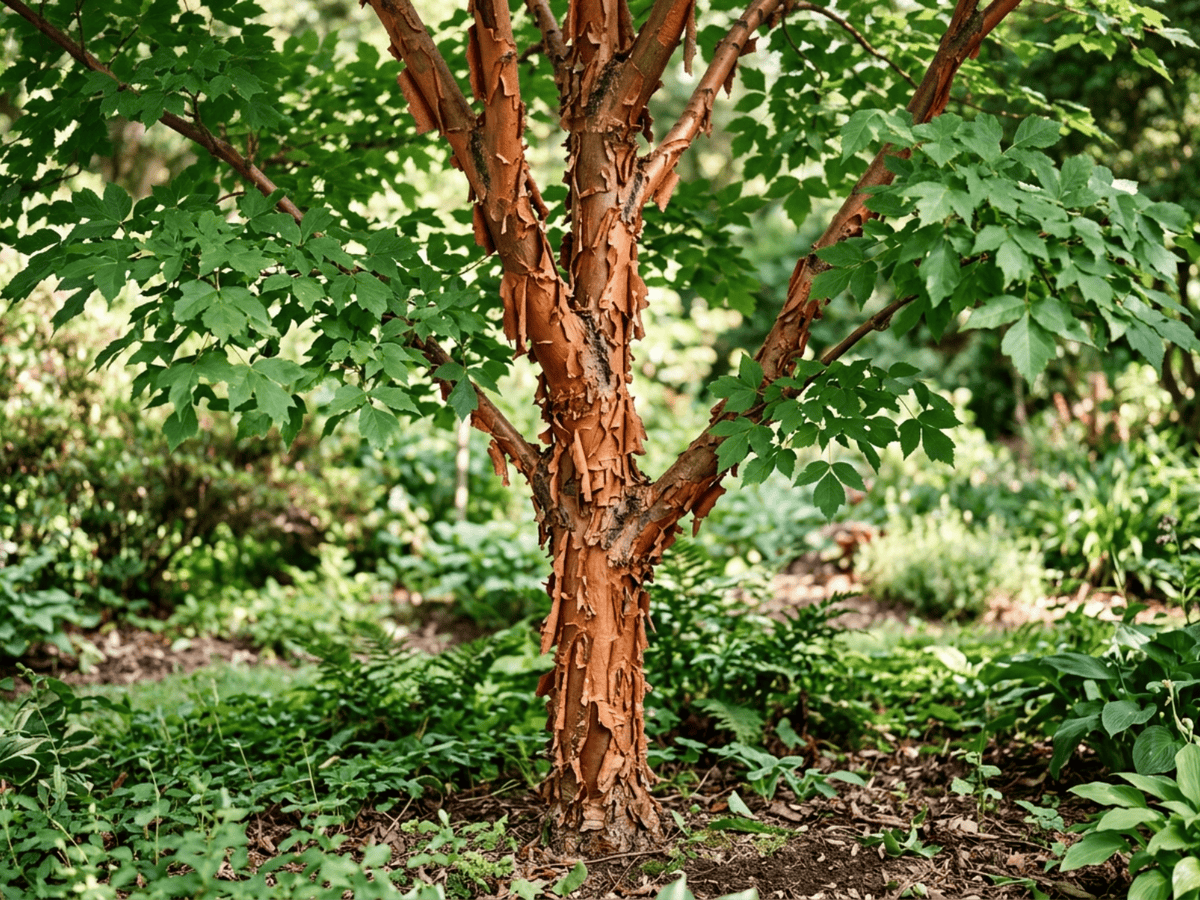 Paperbark MapleAcer griseum
 Sugar MapleAcer saccharum
Frequently asked questions
How often should I water Glory Bush?
In summer, water about every 2 days; in winter, about every 21 days. Adjust for heat, pot size and drainage.
How much light does Glory Bush need?
Full sun: 6+ hrs direct. Watch the leaves — scorching or stretching means the light needs adjusting.
Is Glory Bush toxic to cats or dogs?
No toxicity has been reported for this plant. Still, it is wise to keep pets from chewing on any houseplant. Educational information, not medical or veterinary advice. If exposure is suspected, contact a doctor or veterinarian.
Is Glory Bush easy to grow?
It is moderately demanding: a good choice once you have a little experience.
Can Glory Bush be grown indoors?
Yes, it adapts well to indoor growing given the right light.
When does Glory Bush bloom?
It typically blooms Jun–Aug in the Northern Hemisphere.
YardMate
Identify any plant in seconds
Snap a photo — YardMate names the plant, diagnoses problems, and reminds you when to water.
Download on the App Store