 YardMate

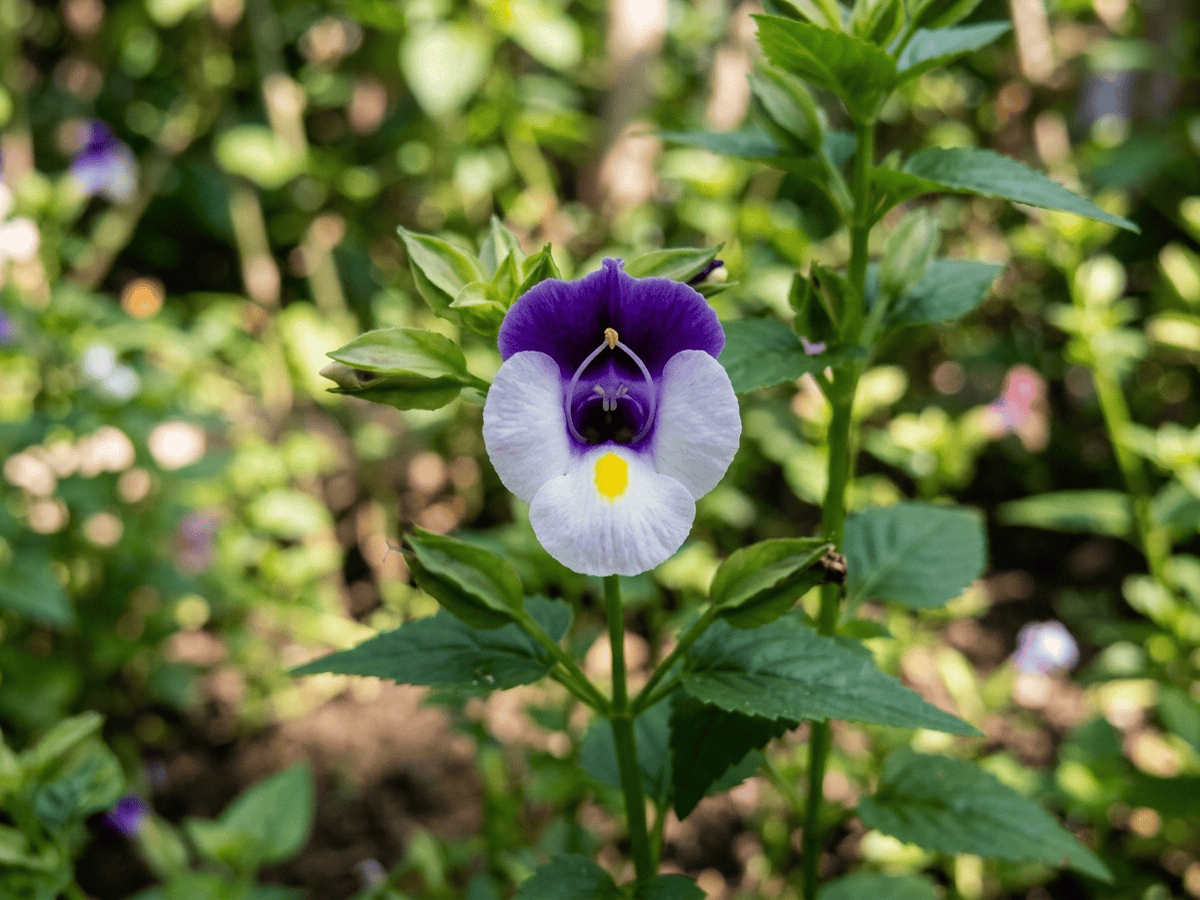

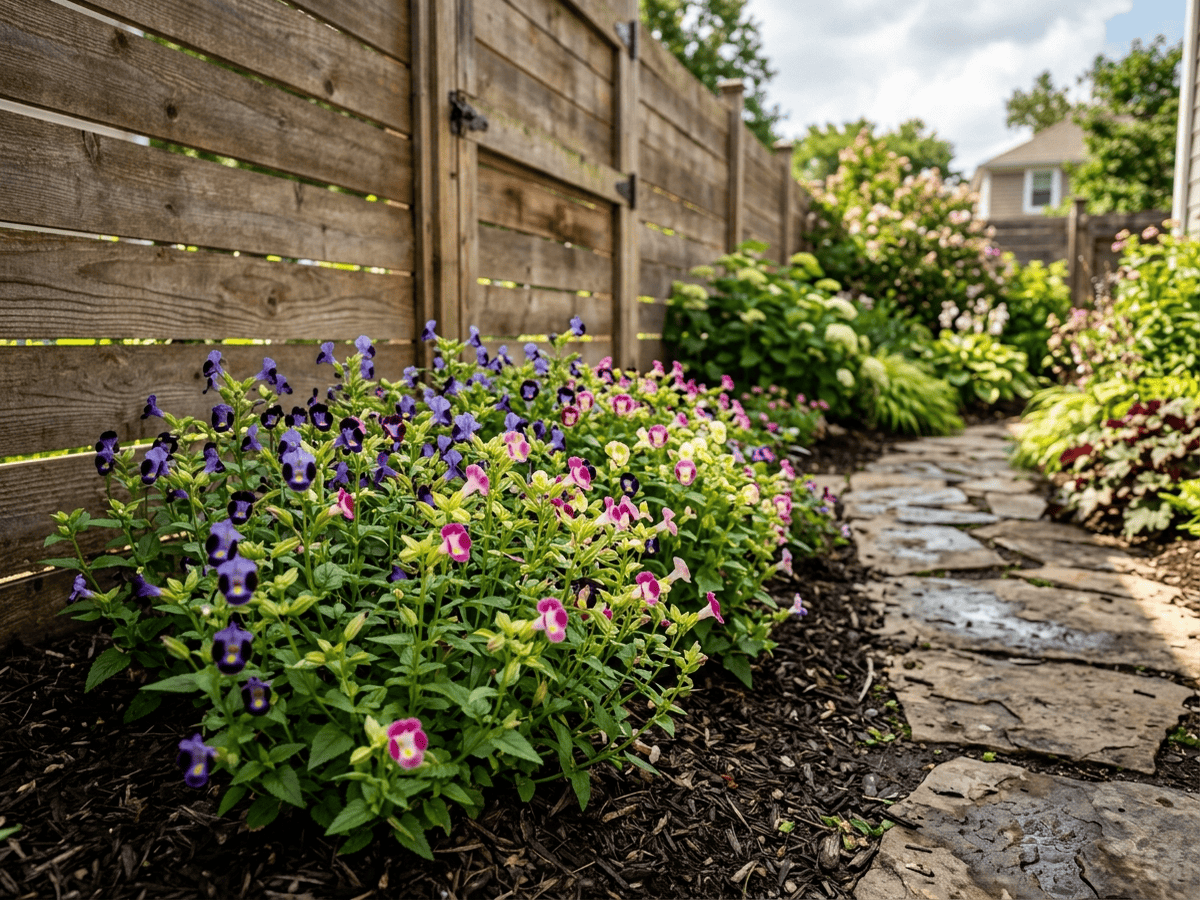
Wishbone Flower
Torenia fournieri
Medium · Some experienceAbout Wishbone Flower
Wishbone Flower is a Southeast Asian annual prized for thriving in shady, humid summer conditions where few other flowers bloom. Growing 6 to 12 inches tall in mounded form, it produces 1-inch tubular flowers with contrasting yellow throats in purple, blue, pink, white, and rose, named for the small wishbone-shaped stamens inside each bloom. A top-tier shade annual across the American South and Midwest.
- Shade-tolerant
- Container-friendly
- Long-blooming
- Pollinator-friendly
How to care for Wishbone Flower
Watering
- Springevery 4 days
- Summerevery 3 days
- Fallevery 5 days
- Winterevery 7 days
Soil · Well-draining
- Top dressingPine bark mulch10%
- Main mixPotting soil + perlite 2:170%
- DrainageLECA / gravel20%
Never skip the drainage layer — standing water is the top cause of root rot.
FERTILIZER
Balanced Feed 14-14-14
An even feed covers all three needs at once, keeping leaves, roots and blooms moving together with nothing pushed out of balance.
- Nitrogen · Leaves
- Phosphorus · Roots + Blooms
- Potassium · Strength
- Springevery 21 days
- Summerevery 21 days
At a Glance
- NativeEast Asia
- Height0.5–1 ft (0.2–0.3 m)
- Spread0.5–1 ft (0.2–0.3 m)
- Flower colorBlue, Purple, Pink, Yellow
- Foliage colorGreen
- SoilLoamy, Moisture-retentive, Rich
- LocationsYard · Balcony
Bloom time
BLOOM CYCLE
Peak bloom
Jun–Nov
Tubular wishbone flowers June to frost in shade
Toxicity
Toxicity unknown
None reported
Unknown
EXPOSURE Unspecified plant material.
EFFECT Toxic effects are not specified.
NOTE Toxicity for humans is not well documented; use caution until verified.
Unknown
EXPOSURE Unspecified plant material.
EFFECT Toxic effects are not specified.
NOTE Toxicity for dogs is not well documented; use caution until verified.
Unknown
EXPOSURE Unspecified plant material.
EFFECT Toxic effects are not specified.
NOTE Toxicity for cats is not well documented; use caution until verified.
Educational information, not medical or veterinary advice. If exposure is suspected, contact a doctor or veterinarian.
DISTRIBUTION


- Native
- Introduced
- East Asia
History
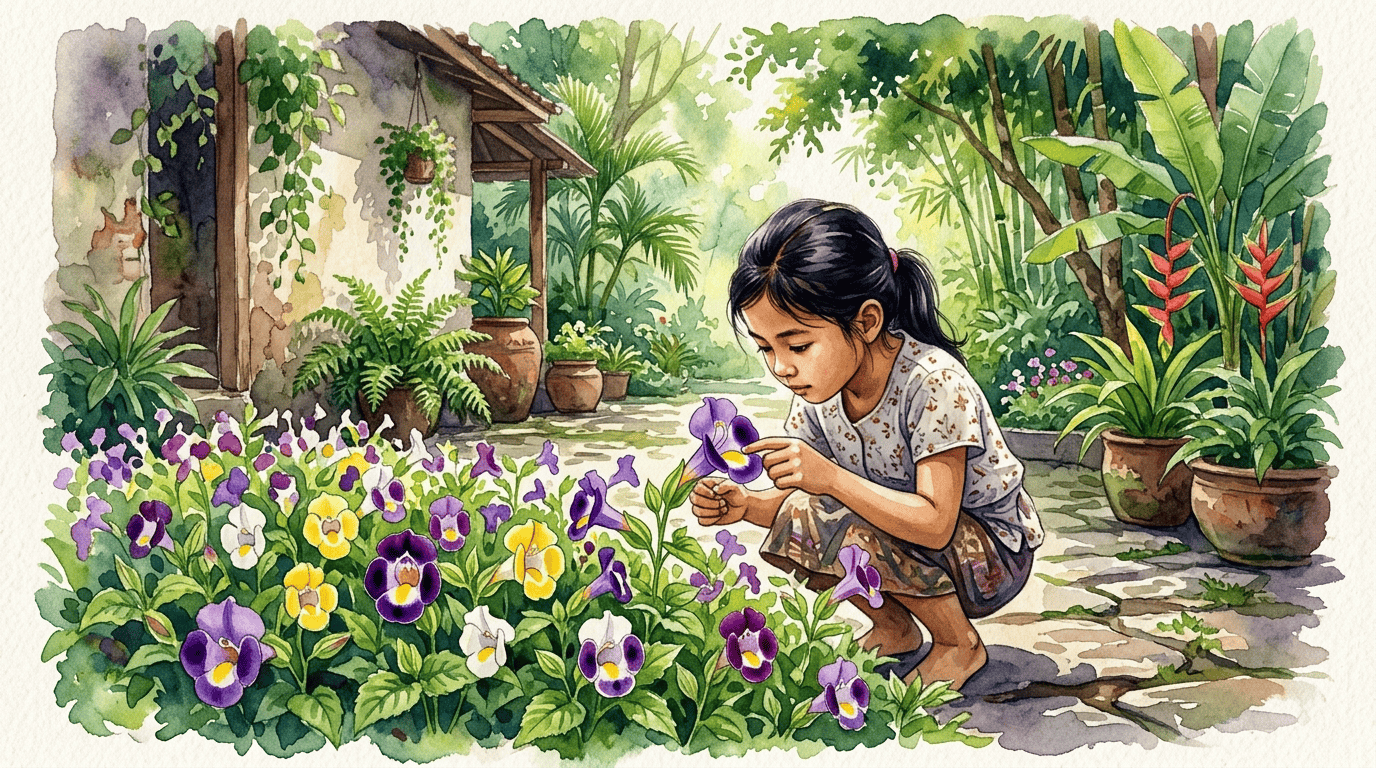
Torenia fournieri, the wishbone flower, is a tender annual native to Vietnam, Cambodia, and southern China. French botanist Charles Lemaire described the species in 1876, naming it for his colleague Eugene Pierre Nicolas Fournier. The plant bears small tubular trumpet flowers in combinations of violet, blue, purple, pink, yellow, and white, each throat ornamented with contrasting blotches and a pair of arching stamens joined like a poultry wishbone, from which the common name derives.
Because it tolerates heat, humidity, and shade far better than pansies or violas, Torenia has long been a staple of Southeast Asian and North American summer shade gardens. Modern series including Catalina from Proven Winners and Kauai from Ball FloraPlant have expanded the color palette and improved vigor.
Native to Vietnam and Cambodia, introduced to American gardens in the mid-1800s and rediscovered as a premier shade annual in the 1990s. Ball Horticultural's Summer Wave series bred trailing forms perfect for shady hanging baskets, a revolutionary offering for American shade gardeners.
Symbolism & meaning
What It Symbolizes
Wishbone Flower carries the charm of a wish fulfilled — peer inside any bloom and two stamens fuse into the unmistakable shape of a tiny wishbone. It is also a gift of shade joy, thriving where sun-loving annuals refuse to bloom. A summer annual that turns shaded corners into small superstition gardens, one wishbone at a time.
- Wishbone — two stamens fuse into wishbone shape inside flower
- Shade joy — thrives where sun-lovers fail
Where the Name Comes From
'Torenia' honors Olof Toren (1718-1753), Swedish chaplain and plant collector; 'fournieri' honors French botanist Eugene Fournier (1834-1884).
Uses & Fun Facts
- Hooded purple-yellow flowers attract bumblebees and hummingbirds
- Wishbone flower fills shaded patio pots and window boxes
- Reliable shade annual with continuous summer bloom
Related plants
Plants with similar care
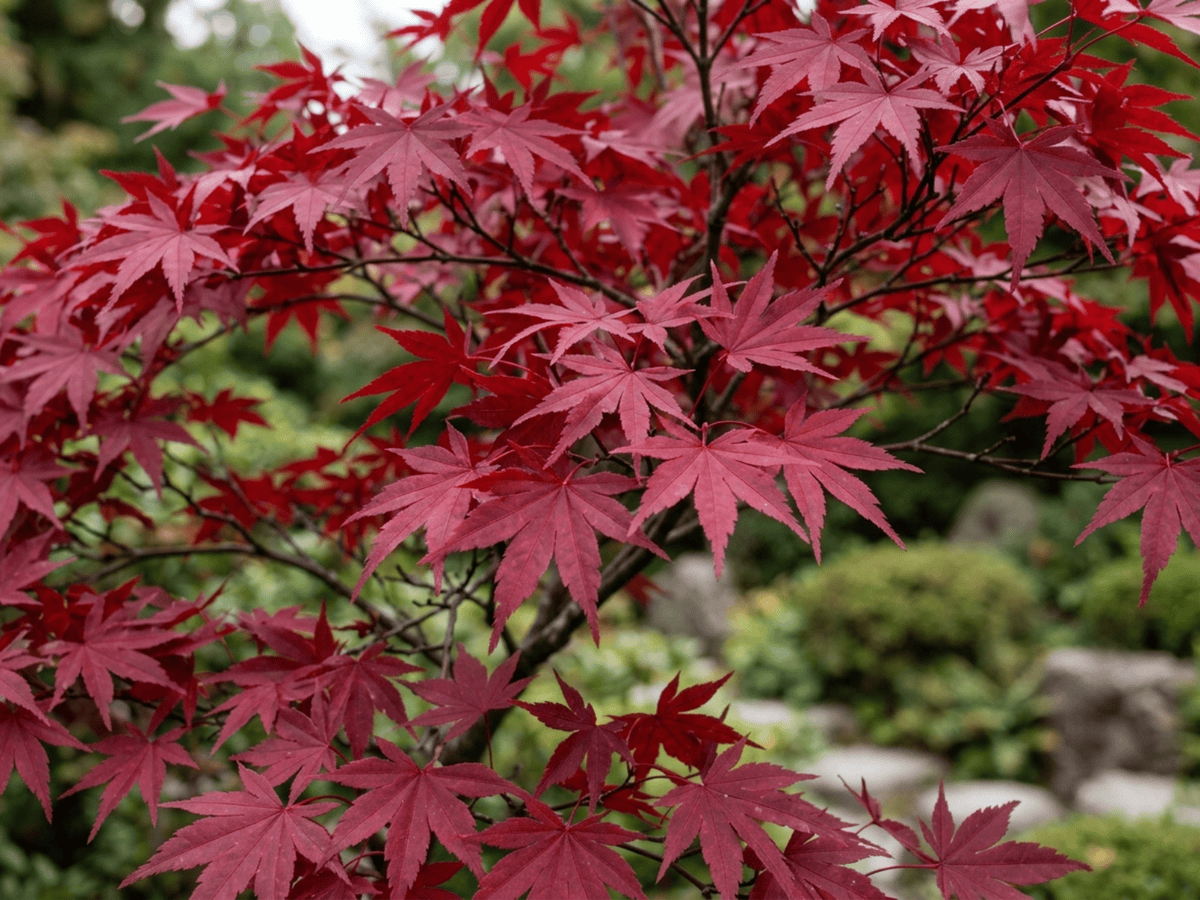 Japanese MapleAcer palmatum
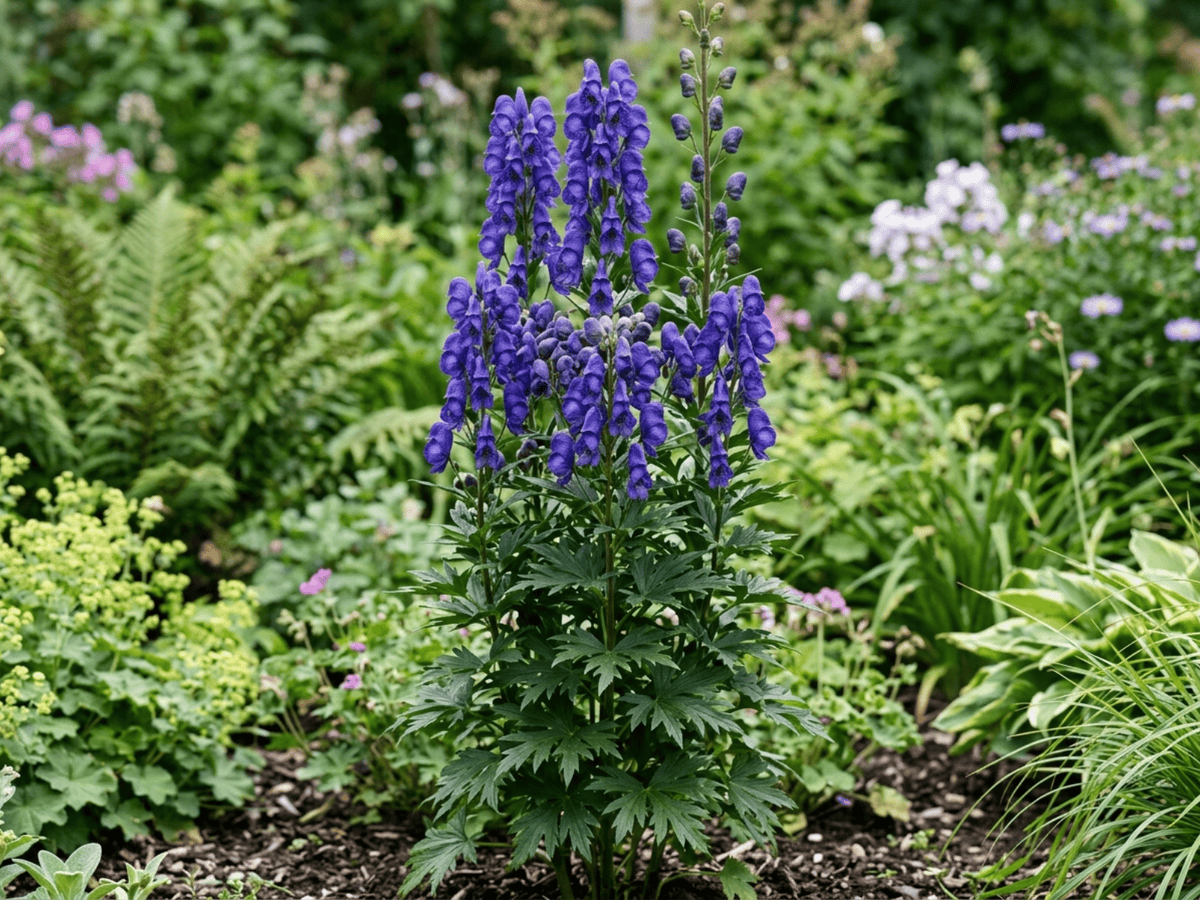 Azure MonkshoodAconitum carmichaelii
 Florida HobblebushAgarista populifolia
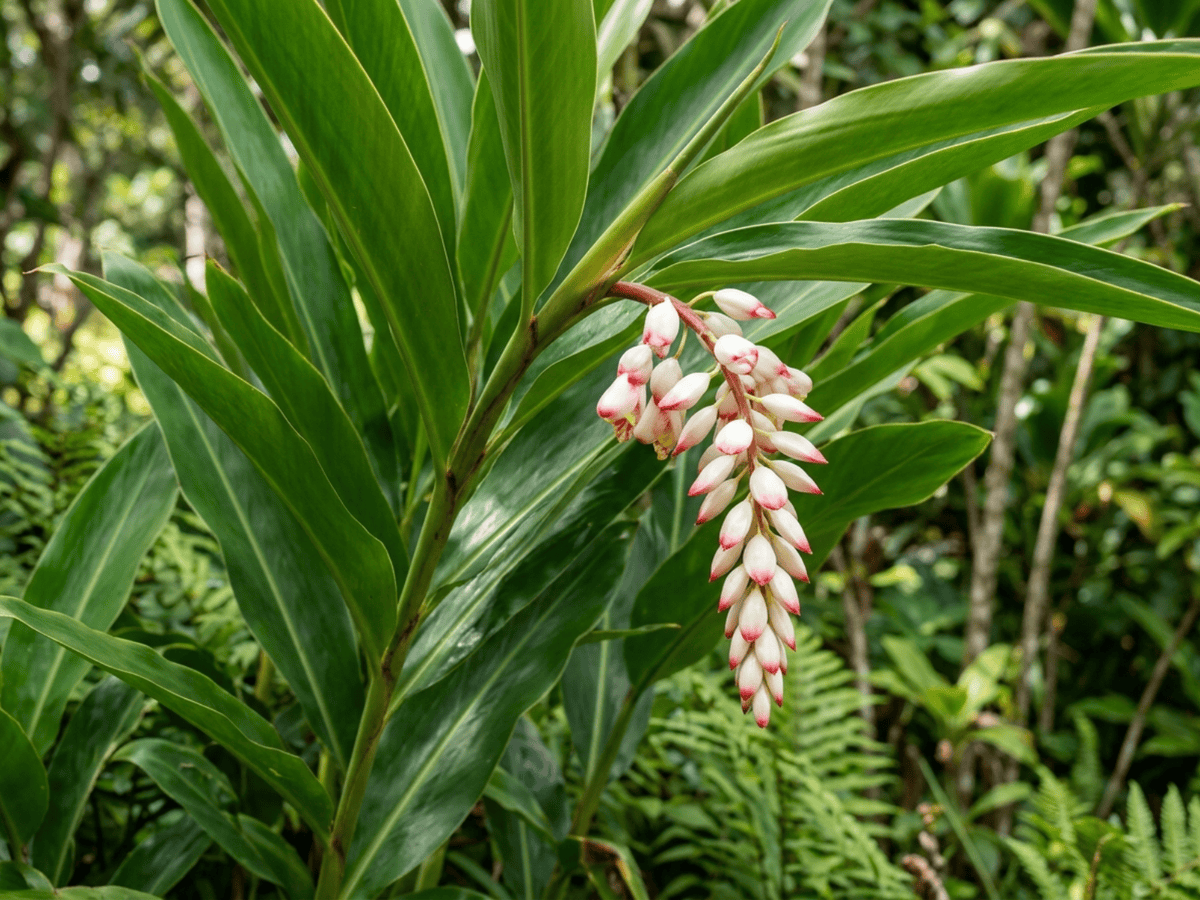 Shell GingerAlpinia zerumbet
Frequently asked questions
How often should I water Wishbone Flower?
In summer, water about every 3 days; in winter, about every 7 days. Adjust for heat, pot size and drainage.
How much light does Wishbone Flower need?
Part shade: 2–4 hrs direct. Watch the leaves — scorching or stretching means the light needs adjusting.
Is Wishbone Flower toxic to cats or dogs?
Pets Unknown (Dogs Unknown · Cats Unknown) Educational information, not medical or veterinary advice. If exposure is suspected, contact a doctor or veterinarian.
Is Wishbone Flower easy to grow?
It is moderately demanding: a good choice once you have a little experience.
When does Wishbone Flower bloom?
It typically blooms Jun–Nov in the Northern Hemisphere.
YardMate
Identify any plant in seconds
Snap a photo — YardMate names the plant, diagnoses problems, and reminds you when to water.
Download on the App Store