 YardMate

Pacific Poison Oak
Toxicodendron diversilobum
Easy · Beginner friendlyAbout Pacific Poison Oak
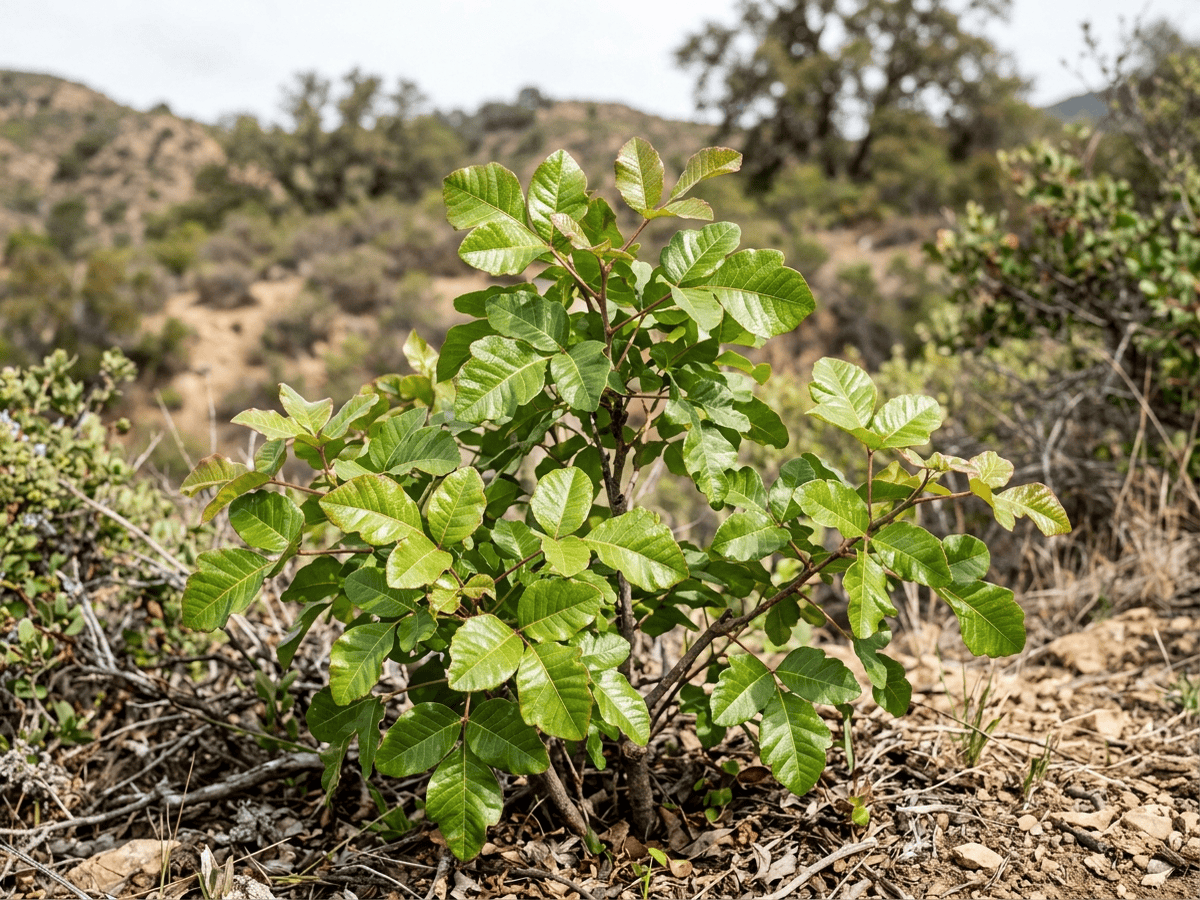
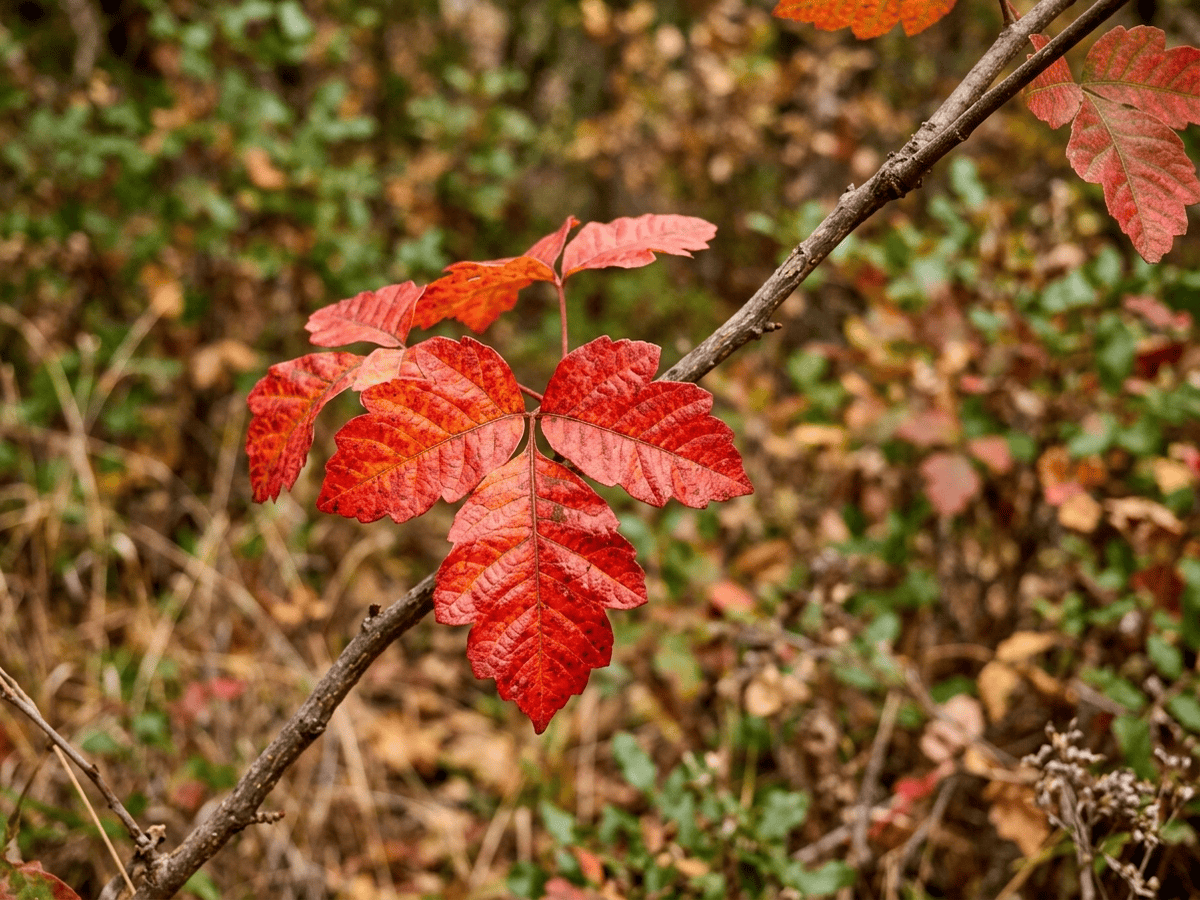
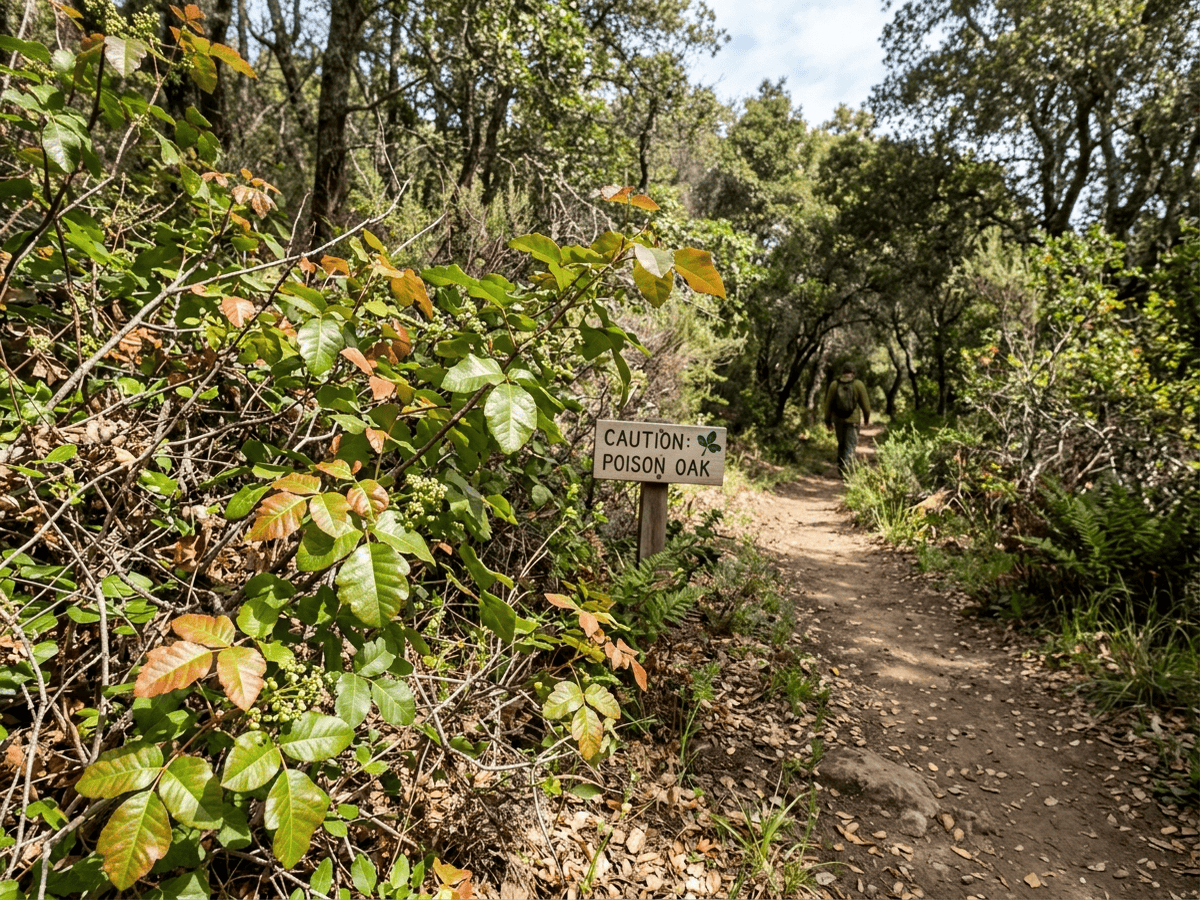
Pacific Poison Oak is the West Coast equivalent of eastern Poison Ivy, a native deciduous shrub or climbing vine ubiquitous in California and Oregon oak woodlands, chaparral, and mixed forests. Growing as sprawling shrub 3 to 6 feet or climbing vine to 30 feet, with three-leaflet lobed leaves that turn brilliant red in fall. Contains urushiol causing severe allergic rashes, one of the most troublesome plants for hikers and gardeners across the American West.
- Drought-tolerant
- Fall-color
- Native
How to care for Pacific Poison Oak
Watering
- Springevery 14 days
- Summerevery 14 days
- Fallevery 14 days
- Winterevery 30 days
Soil · Well-draining
- Top dressingPine bark mulch10%
- Main mixPotting soil + perlite 2:170%
- DrainageLECA / gravel20%
Never skip the drainage layer — standing water is the top cause of root rot.
FERTILIZER
This plant needs little to no feeding.
At a Glance
- NativeNorth America
- Height3–10 ft (0.9–3 m)
- Spread3–10 ft (0.9–3 m)
- Flower colorGreen, Yellow
- Foliage colorGreen, Red, Bronze
- Fruit colorWhite
- SoilLoamy, Well-drained
- LocationsYard
Bloom time
BLOOM CYCLE
Peak bloom
Mar–May
Small greenish flowers spring, white berries in fall
Toxicity
Humans Toxic · Pets Slight
urushiol
Toxic
- All
- Contact
- Inhalation
EXPOSURE Touching any part of the plant. Inhaling any part of the plant.
EFFECT Severe contact dermatitis, blisters, intense itching, and respiratory distress from smoke.
NOTE Urushiol causes dermatitis in most humans. Never burn.
Slight
- All
- Contact
EXPOSURE Touching any part of the plant.
EFFECT Rare skin reaction; fur carries urushiol to humans.
NOTE Urushiol causes dermatitis in most humans. Never burn.
Slight
- All
- Contact
EXPOSURE Touching any part of the plant.
EFFECT Rare skin reaction; fur carries urushiol to humans.
NOTE Urushiol causes dermatitis in most humans. Never burn.
Educational information, not medical or veterinary advice. If exposure is suspected, contact a doctor or veterinarian.
DISTRIBUTION


- Native
- North America
History
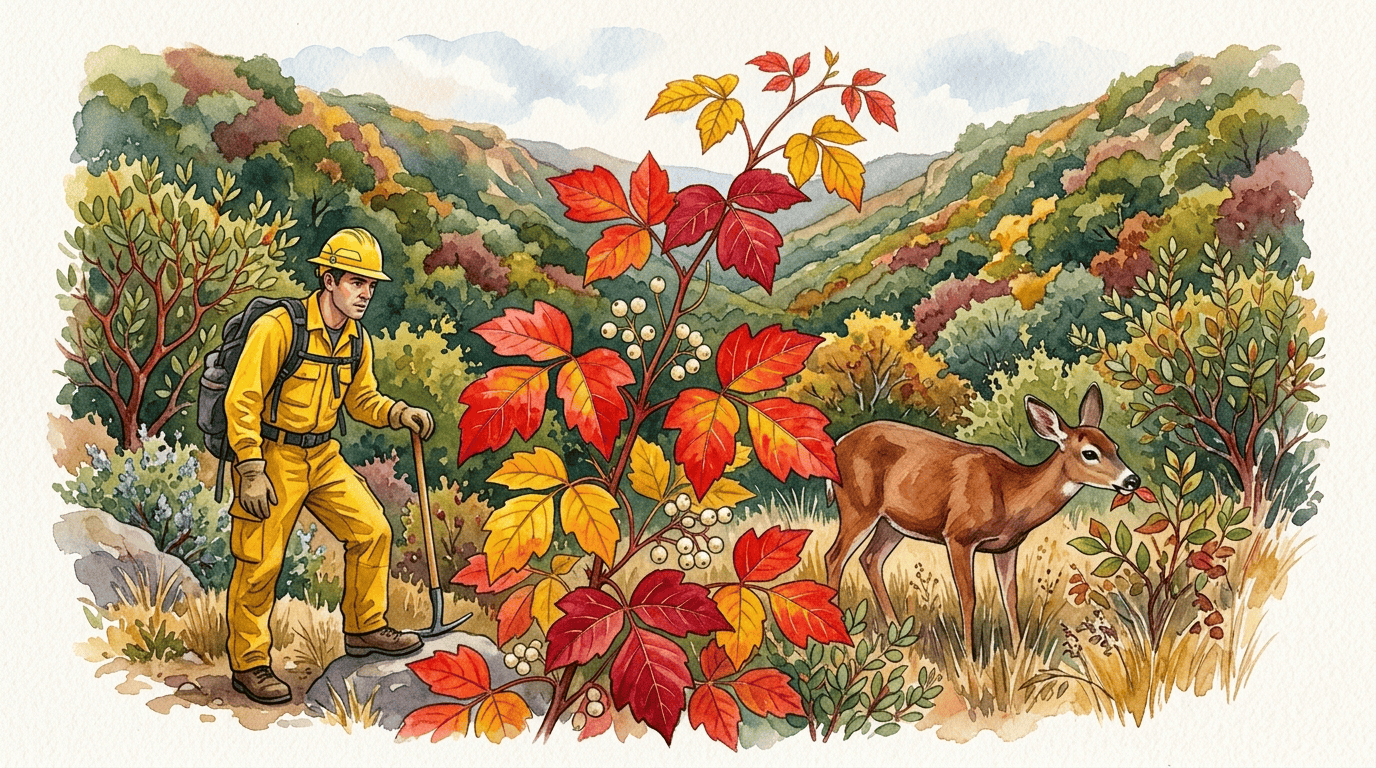
Toxicodendron diversilobum, Pacific or western poison oak, is a deciduous shrub or climbing vine native to western North America from southern British Columbia through the California coast ranges and Sierra Nevada to northern Baja California. It dominates many oak-woodland and chaparral understories, and its three-lobed, oak-like leaves turn brilliant scarlet and yellow in autumn, making infested canyons spectacular in October. Every part contains urushiol, the same oily allergen as eastern poison ivy, and the species is the leading cause of occupational contact dermatitis for California firefighters, foresters, and utility workers.
Indigenous peoples of the Pacific coast used the sap as a black dye for basketry and occasionally in carefully prepared topical medicines. Deer, woodrats, and many bird species consume the foliage and white berries without apparent harm.
Spanish padres at California missions learned its dangers from Coast Miwok and Ohlone peoples, and it remains one of the most-reported plant injuries in American West wilderness and yard settings.
Symbolism & meaning
What It Symbolizes
Toxicodendron diversilobum is a warning written in three leaflets. It climbs, sprawls, or shrubby sprawls through western landscapes, turning brilliant red in autumn and teaching generations of hikers the cost of careless contact. Its symbolism is boundary: beauty that marks where attention must begin.
- Western caution — defining hazard of California oak country
- Chameleon leaves — leaves mimic oak shape confusing hikers
Where the Name Comes From
The name Pacific Poison Oak points to the Pacific region. 'diversilobum' from Latin means diverse-lobed, for the variable leaf lobing resembling true oak leaves.
Uses & Fun Facts
- Berries and cover support birds and small mammals in oak woodlands
Related plants
More Toxicodendron plants

Plants with similar care
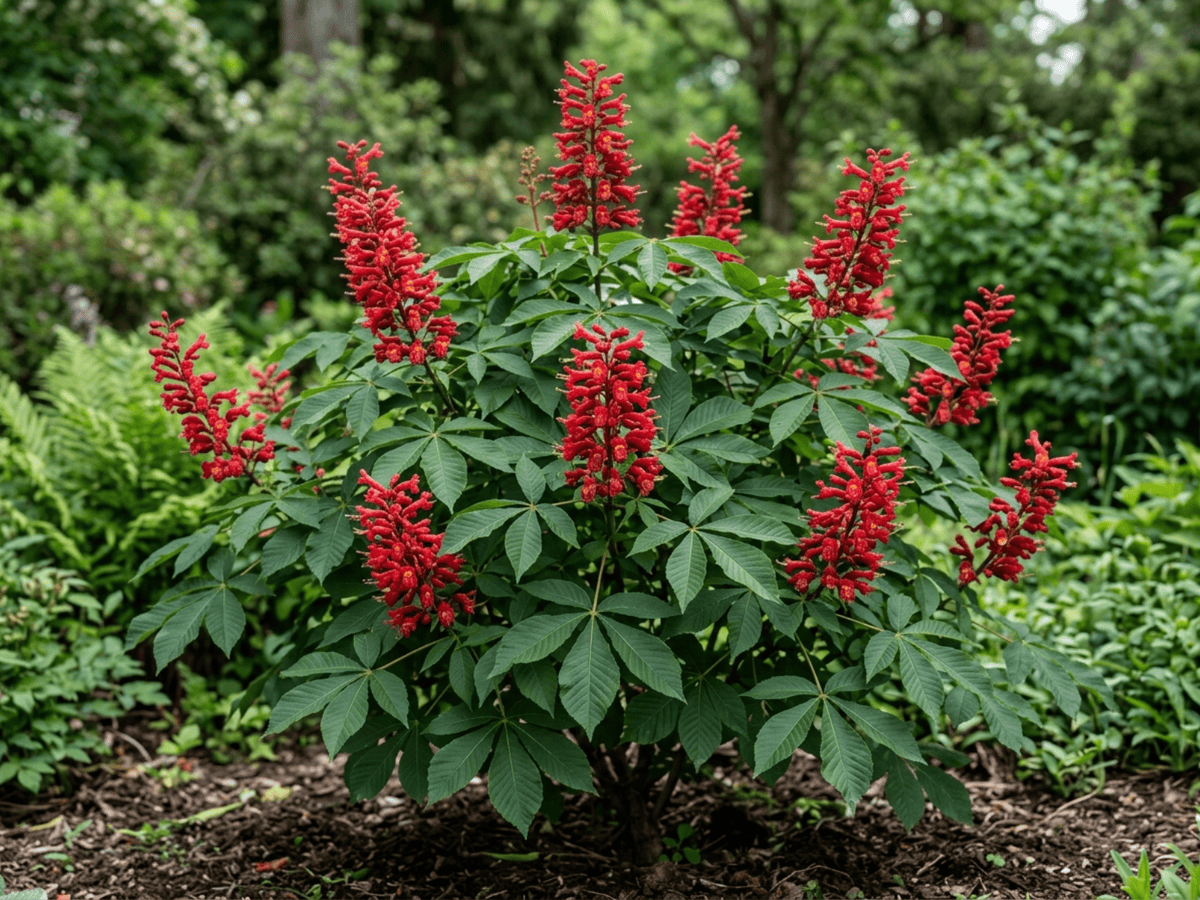 Red BuckeyeAesculus pavia
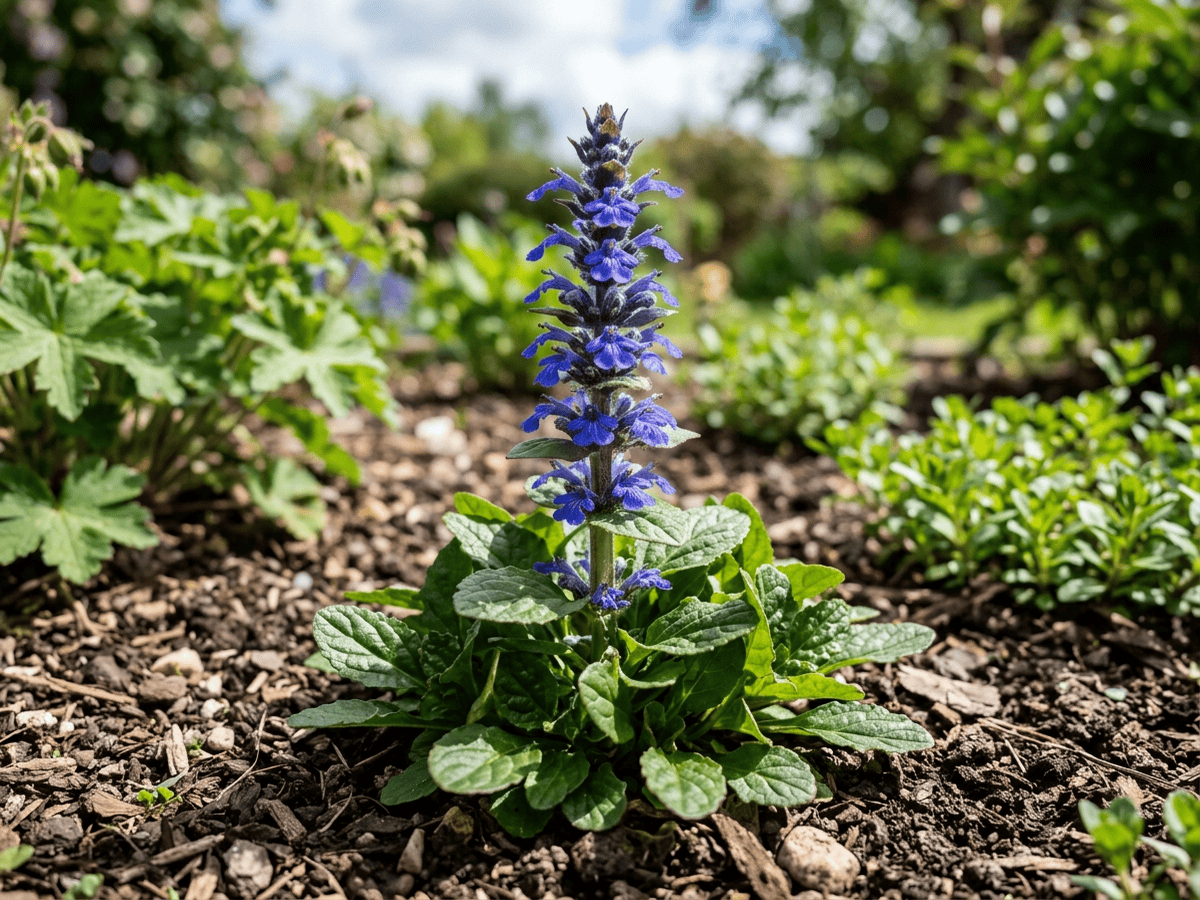 Blue BugleAjuga genevensis
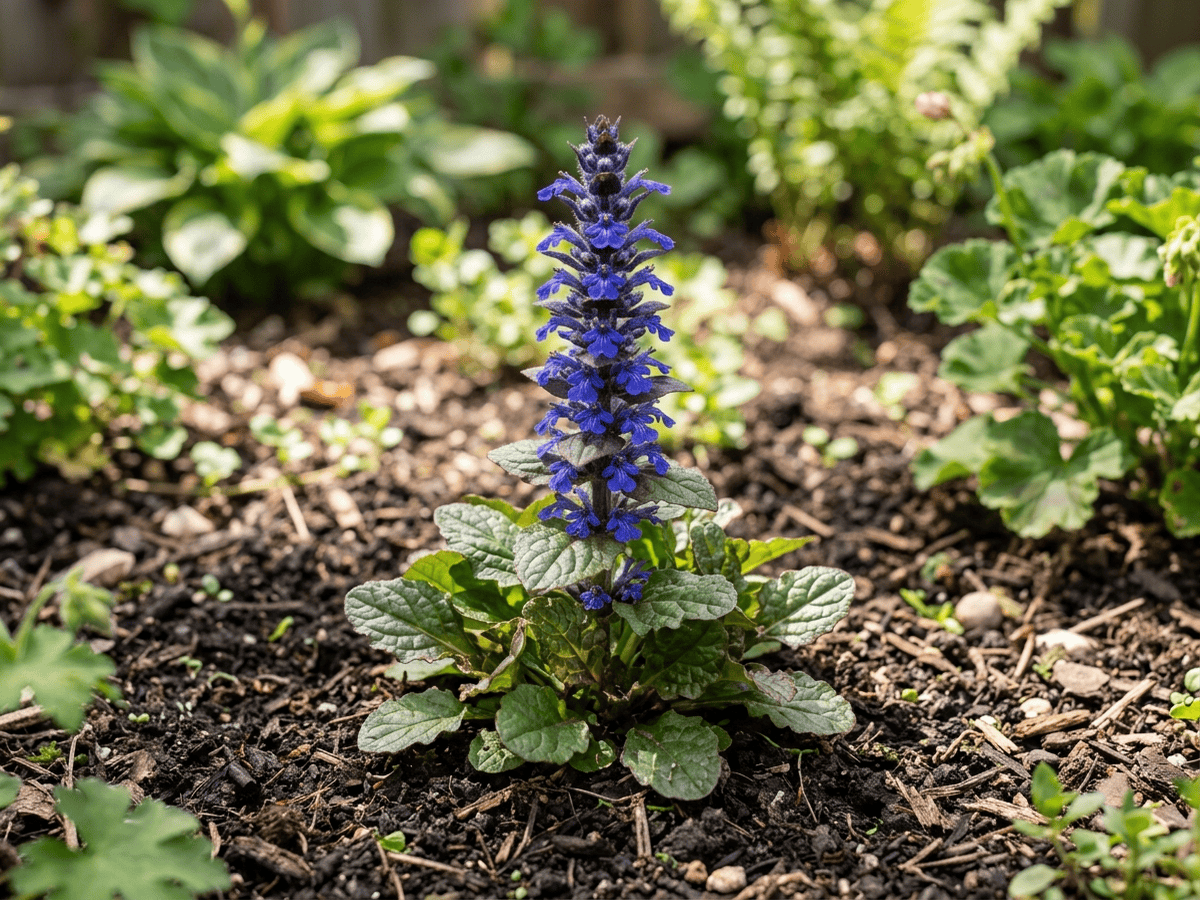 Pyramidal BugleAjuga pyramidalis
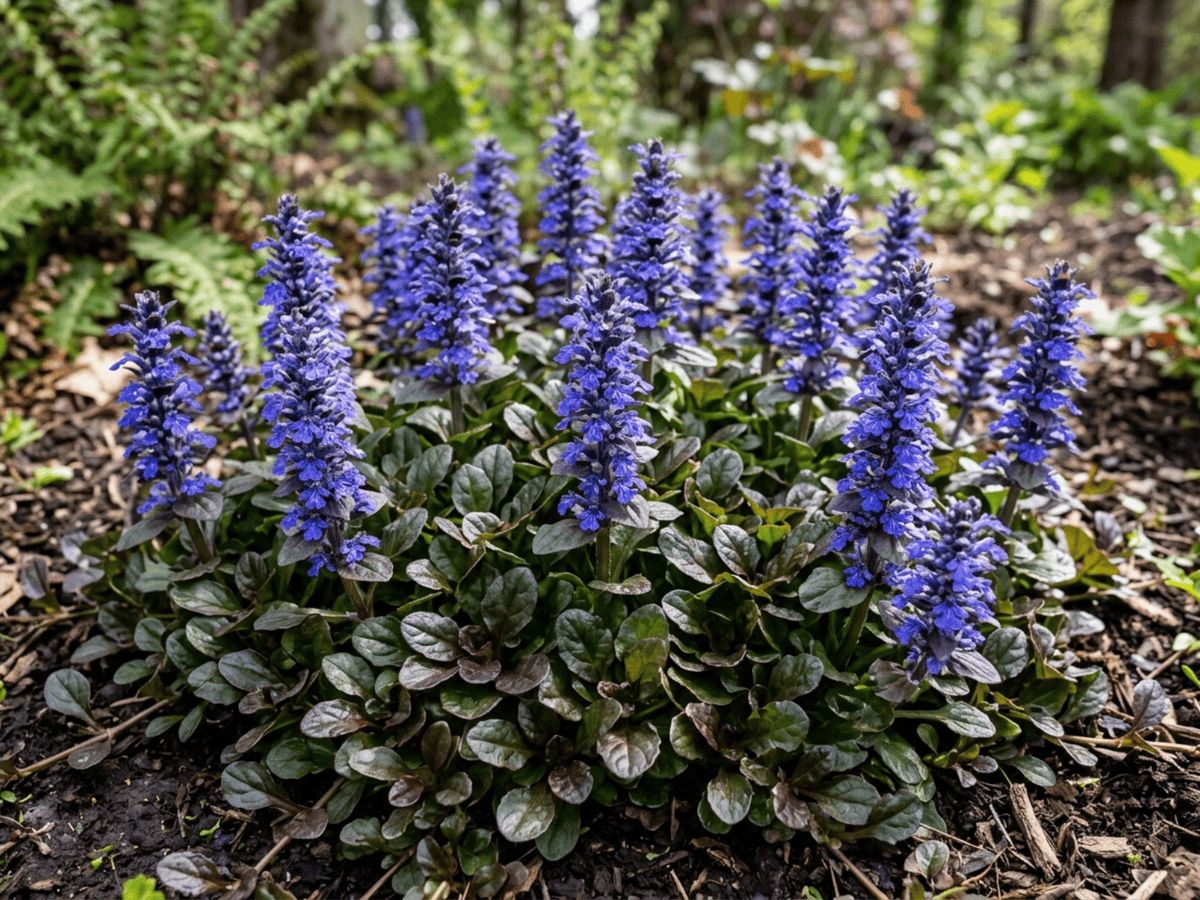 Carpet BugleAjuga reptans
Frequently asked questions
How often should I water Pacific Poison Oak?
In summer, water about every 14 days; in winter, about every 30 days. Adjust for heat, pot size and drainage.
How much light does Pacific Poison Oak need?
Part shade: 2–4 hrs direct. Watch the leaves — scorching or stretching means the light needs adjusting.
Is Pacific Poison Oak toxic to cats or dogs?
Pets Slight (Dogs Slight · Cats Slight) Educational information, not medical or veterinary advice. If exposure is suspected, contact a doctor or veterinarian.
Is Pacific Poison Oak easy to grow?
Yes — it is considered an easy, beginner-friendly plant.
When does Pacific Poison Oak bloom?
It typically blooms Mar–May in the Northern Hemisphere.
YardMate
Identify any plant in seconds
Snap a photo — YardMate names the plant, diagnoses problems, and reminds you when to water.
Download on the App Store