 YardMate


Eastern Poison Ivy
Toxicodendron radicans
Easy · Beginner friendlyAbout Eastern Poison Ivy
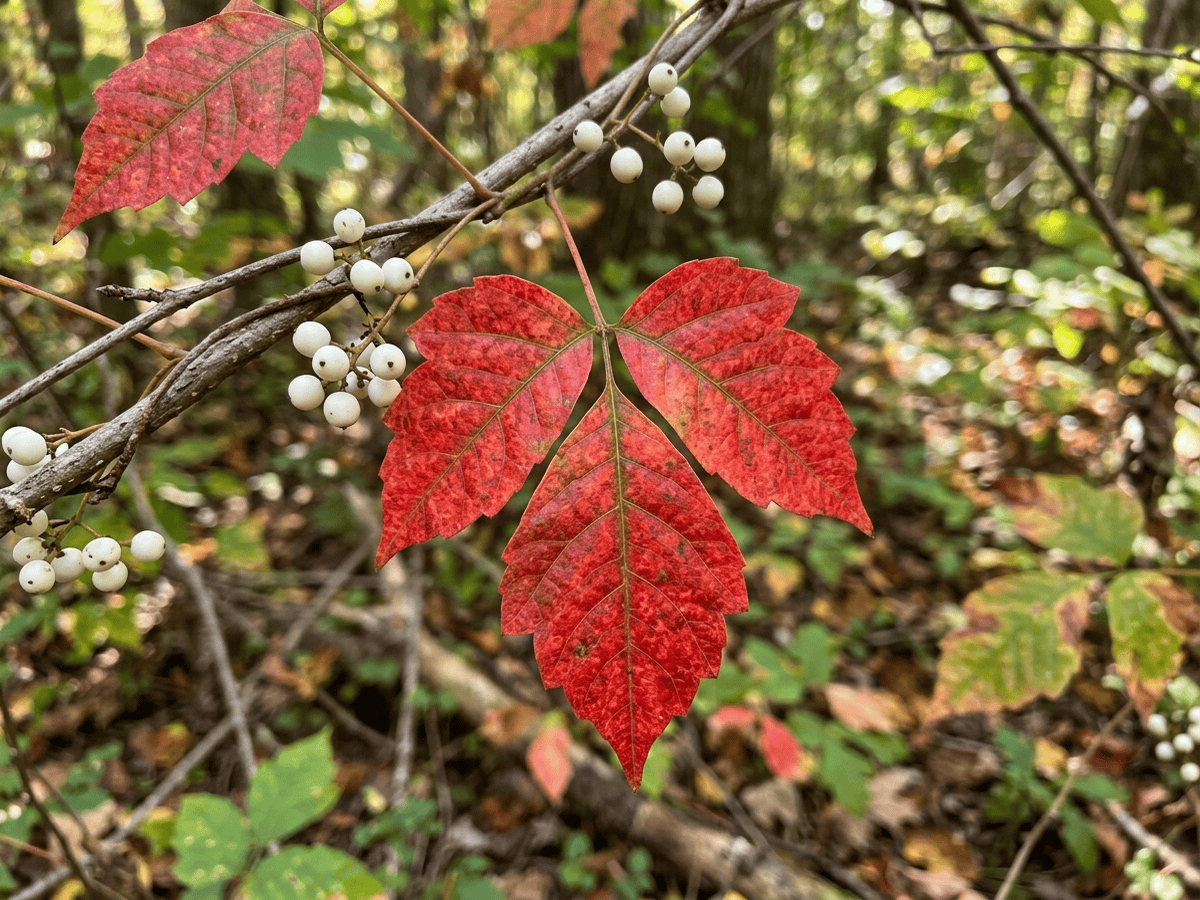
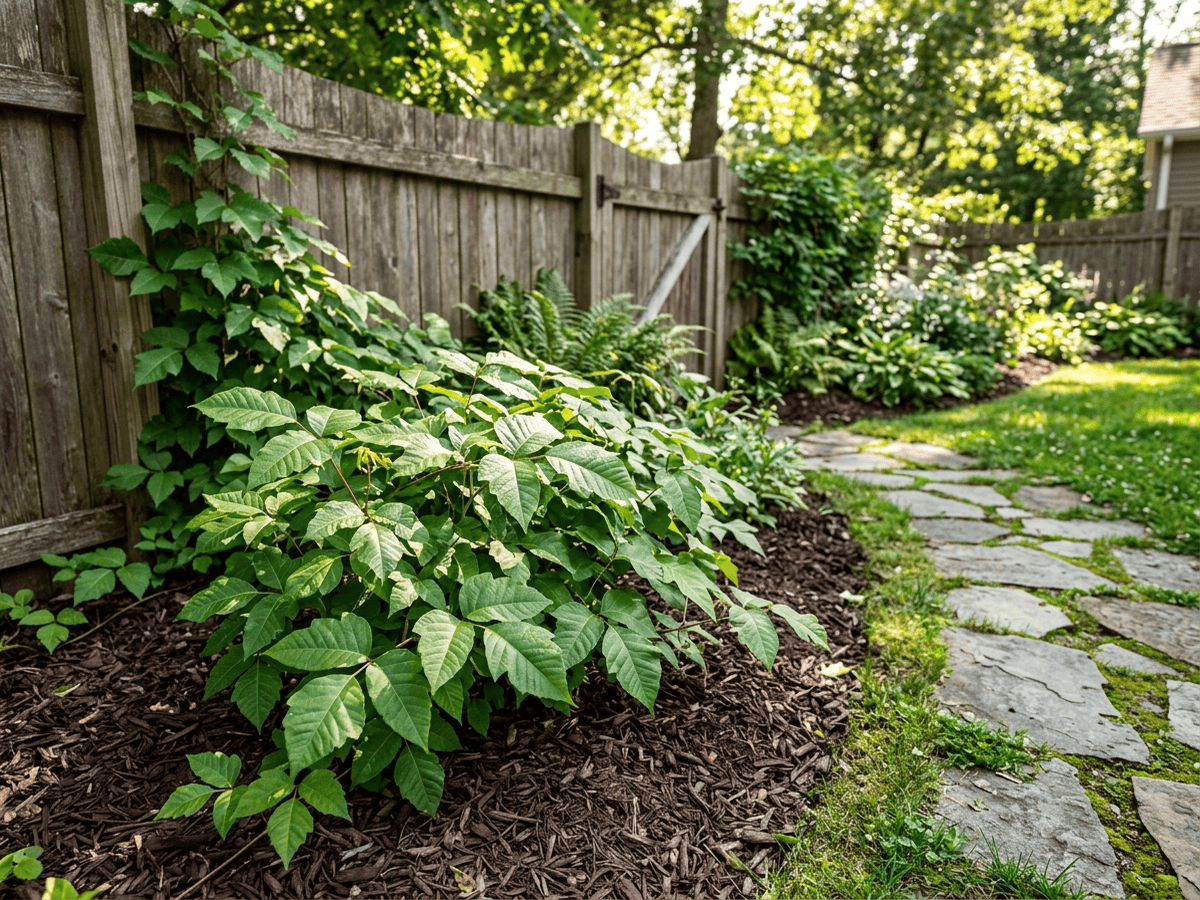
Poison Ivy is a North American native climbing or trailing perennial vine infamous for its urushiol oil, which causes severe allergic skin rashes in 85% of people. Identified by its signature three-leaflet compound leaves on hairy climbing stems, growing as groundcover, shrub, or climbing vine up trees. Produces small greenish flowers and white waxy berries prized by birds. Native but a significant public health nuisance across the eastern US.
- Climbing
- Fall-color
- Native
How to care for Eastern Poison Ivy
Watering
- Springevery 14 days
- Summerevery 10 days
- Fallevery 14 days
- Winterevery 30 days
Soil · Well-draining
- Top dressingPine bark mulch10%
- Main mixPotting soil + perlite 2:170%
- DrainageLECA / gravel20%
Never skip the drainage layer — standing water is the top cause of root rot.
FERTILIZER
This plant needs little to no feeding.
At a Glance
- NativeNorth America
- Height10–30 ft (3–9.1 m)
- Spread5–15 ft (1.5–4.6 m)
- Flower colorGreen, Yellow
- Foliage colorGreen, Red
- Fruit colorWhite
- SoilWell-drained, Loamy
- LocationsYard
Bloom time
BLOOM CYCLE
Peak bloom
Mar–Sep
Small greenish flower clusters spring, white berries late summer
Toxicity
Humans Toxic
urushiol
Toxic
- All
- Contact
- Inhalation
EXPOSURE Touching any part of the plant. Inhaling any part of the plant.
EFFECT Severe contact dermatitis, blisters, intense itching, and respiratory distress from smoke.
NOTE Documented concern for humans: Severe contact dermatitis, blisters, intense itching, and respiratory distress from smoke.
Safe
EXPOSURE No exposure route is reported.
EFFECT No toxic effect is reported.
NOTE Listed as non-toxic for dogs; avoid eating ornamental plants unless confirmed edible.
Safe
EXPOSURE No exposure route is reported.
EFFECT No toxic effect is reported.
NOTE Listed as non-toxic for cats; avoid eating ornamental plants unless confirmed edible.
Educational information, not medical or veterinary advice. If exposure is suspected, contact a doctor or veterinarian.
DISTRIBUTION


- Native
- Introduced
- North America
History
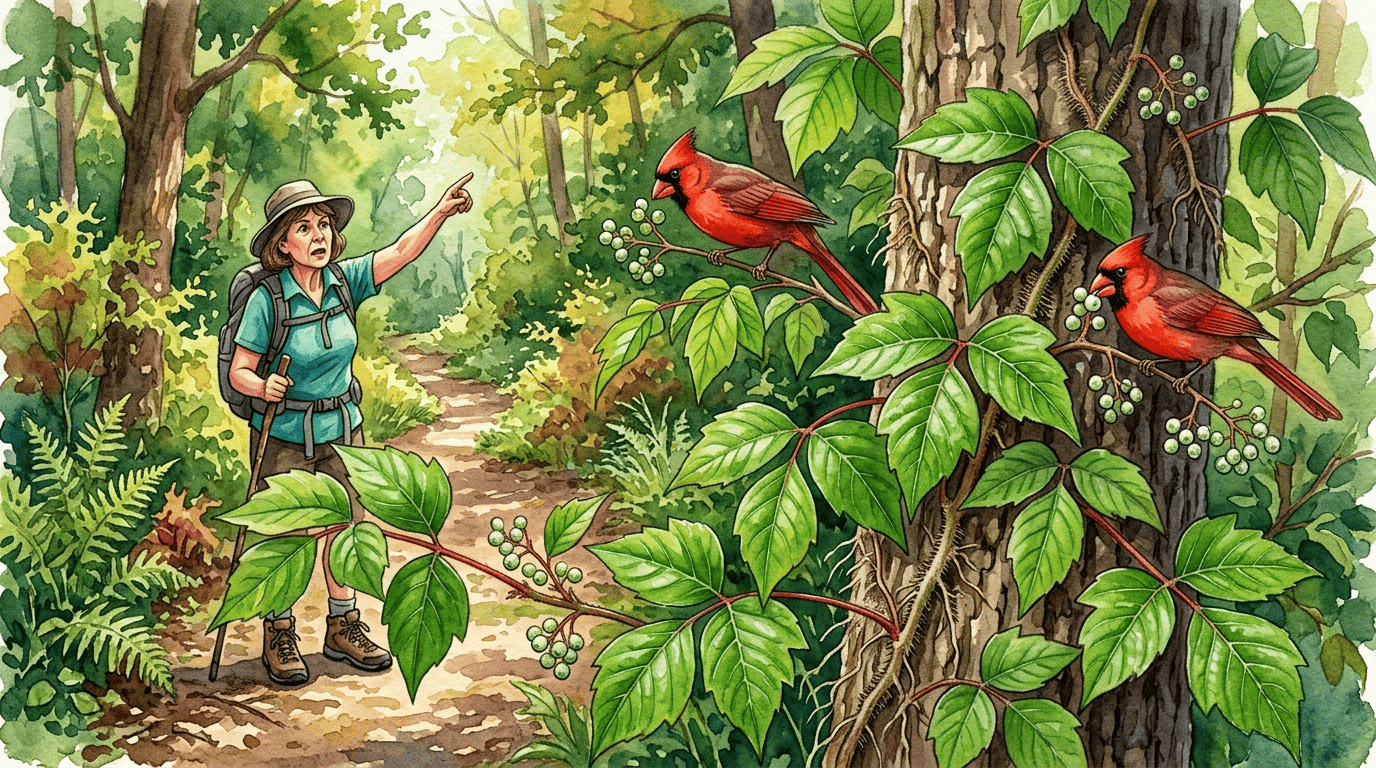
Toxicodendron radicans, eastern poison ivy, is a highly variable woody perennial in the cashew family native to eastern and central North America, where it grows as a groundcover, low shrub, or hairy-stemmed climbing vine reaching tree canopies. Every part contains urushiol, a mixture of oily catechols that binds to skin proteins within minutes of contact and triggers a delayed type-IV hypersensitivity reaction in roughly 75 percent of adults, producing the characteristic itchy linear blisters. Urushiol remains active on clothing, tools, and pet fur for years, and smoke from burning plants can cause severe respiratory reactions.
Indigenous peoples carefully used the sap as a black dye and the plant in diluted topical preparations. Despite its notoriety, the white berries feed dozens of bird species in winter, and many native insects depend on the foliage.
Native to eastern North America, Poison Ivy has been a known danger to humans since pre-colonial times and its urushiol was chemically identified in the early 1900s. Climate change and rising CO2 have made modern poison ivy grow faster and produce more potent urushiol than a century ago, increasing public health impacts across the American landscape.
Symbolism & meaning
What It Symbolizes
Toxicodendron radicans is the cautionary vine of eastern woods. Three leaflets, aerial rootlets, and glossy seasonal color make it easy to admire once one has learned to keep distance. Its symbolism is recognition: the practical wisdom of seeing danger before touching it.
- Leaves of three — 'leaves of three, let it be' traditional warning
- Dangerous beauty — brilliant fall color, dangerous touch
Where the Name Comes From
'Eastern poison ivy' distinguishes the common eastern North American species with climbing, rooting stems. Toxicodendron joins Greek roots often rendered as poison tree; radicans means rooting, for the aerial roots that grip bark and walls.
Uses & Fun Facts
- White berries feed birds; foliage colors crimson in autumn
- Aerial-rooted vine climbs tree trunks and walls
Related plants
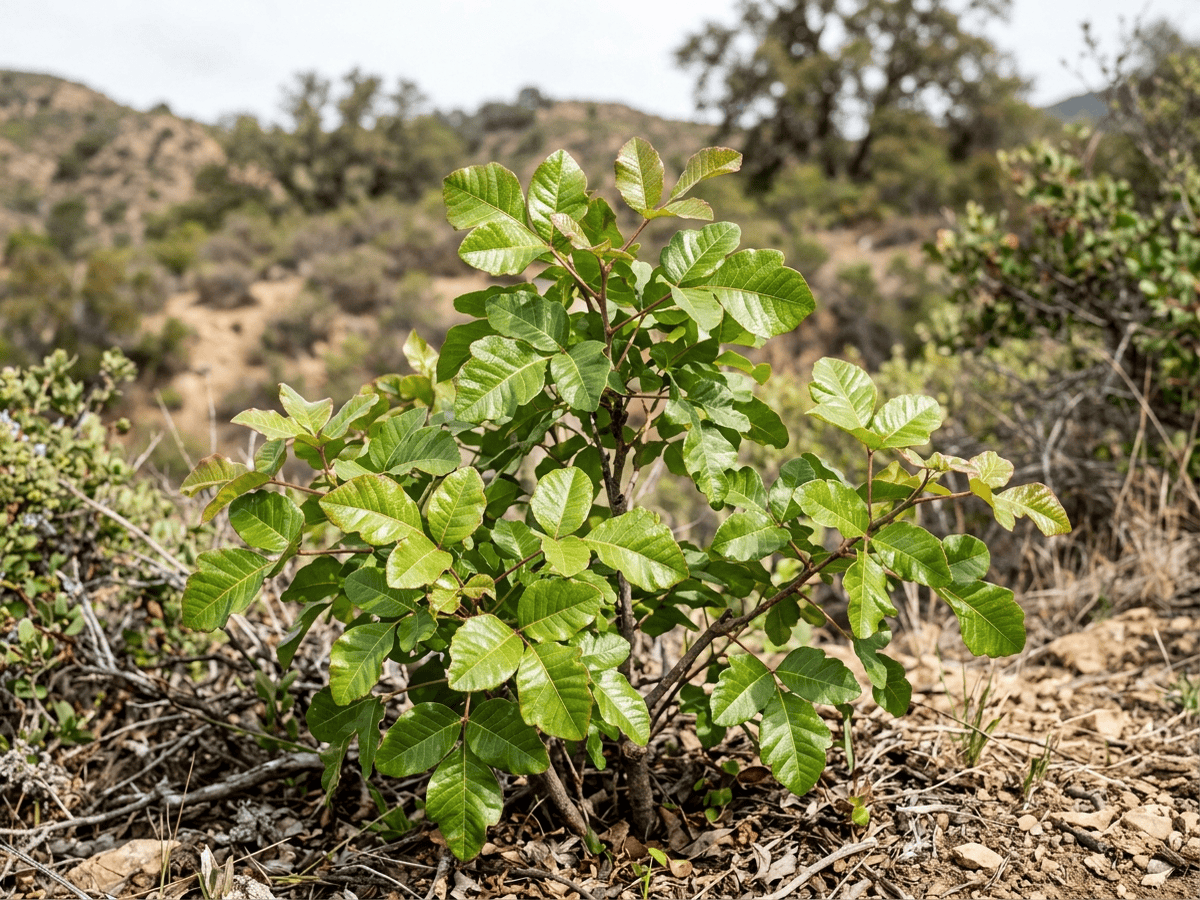
More Toxicodendron plants
Plants with similar care
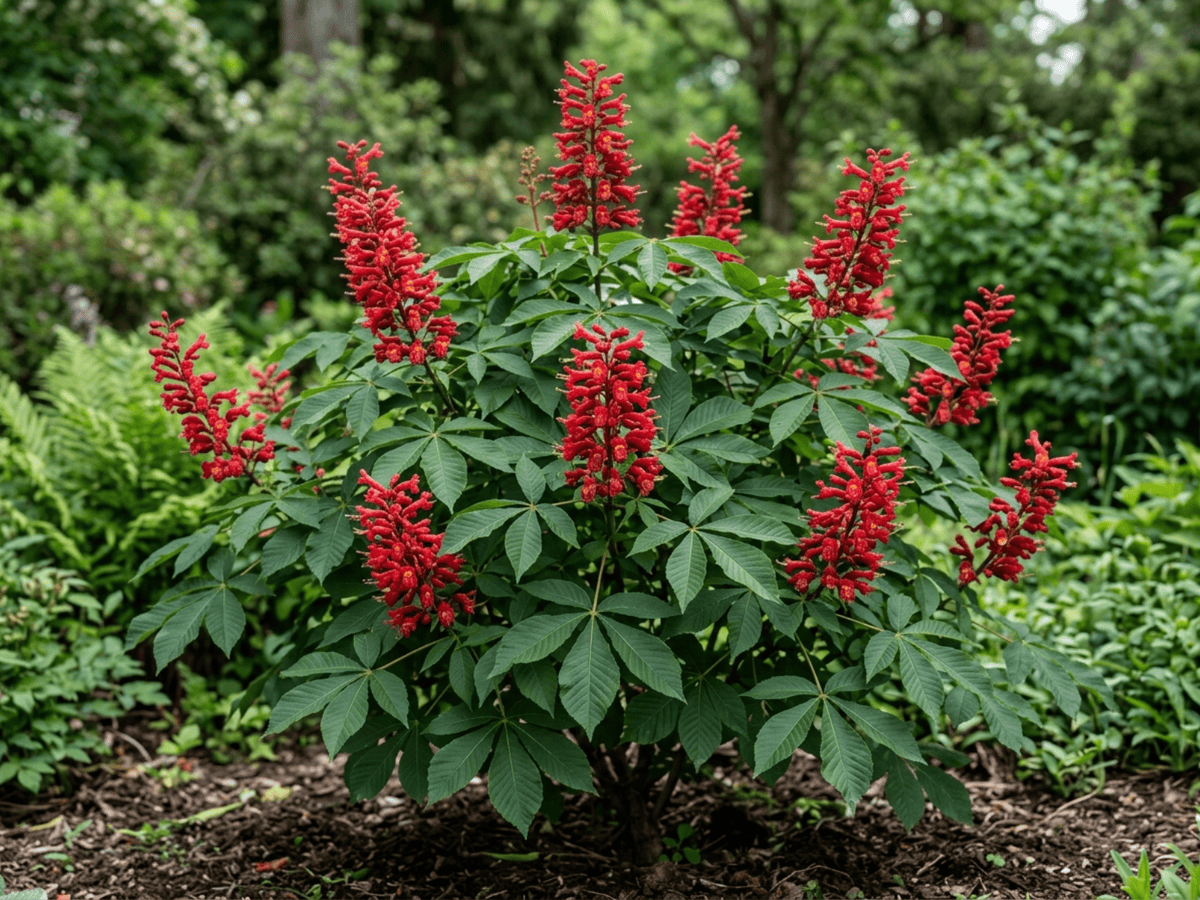 Red BuckeyeAesculus pavia
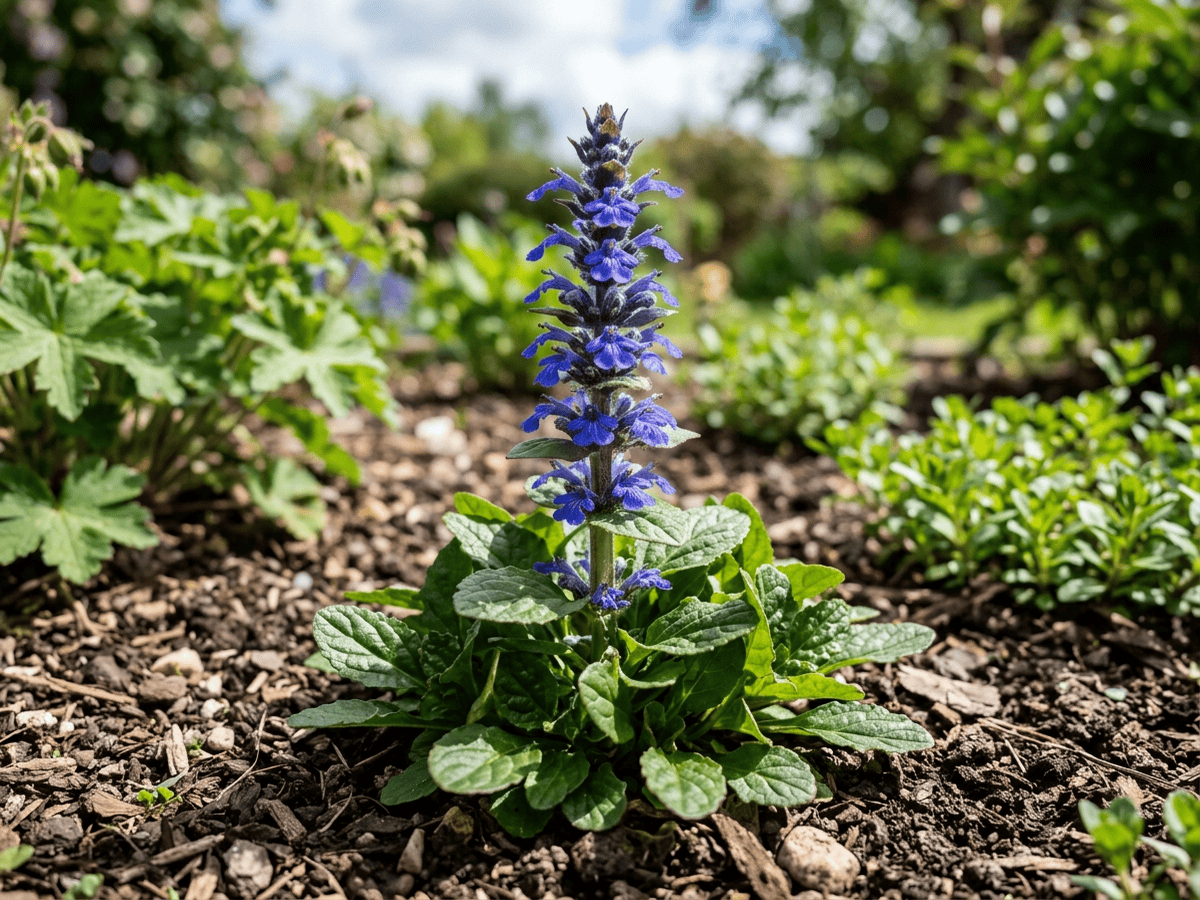 Blue BugleAjuga genevensis
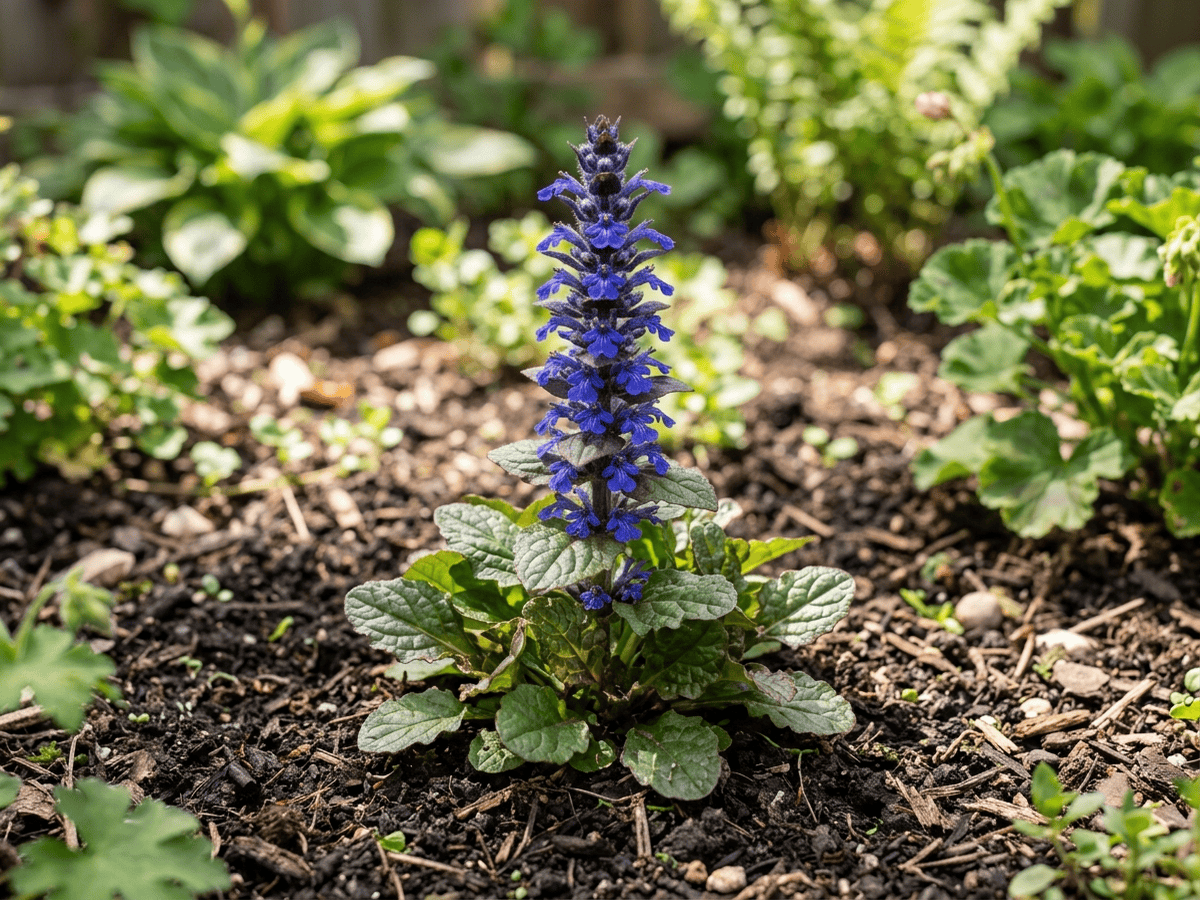 Pyramidal BugleAjuga pyramidalis
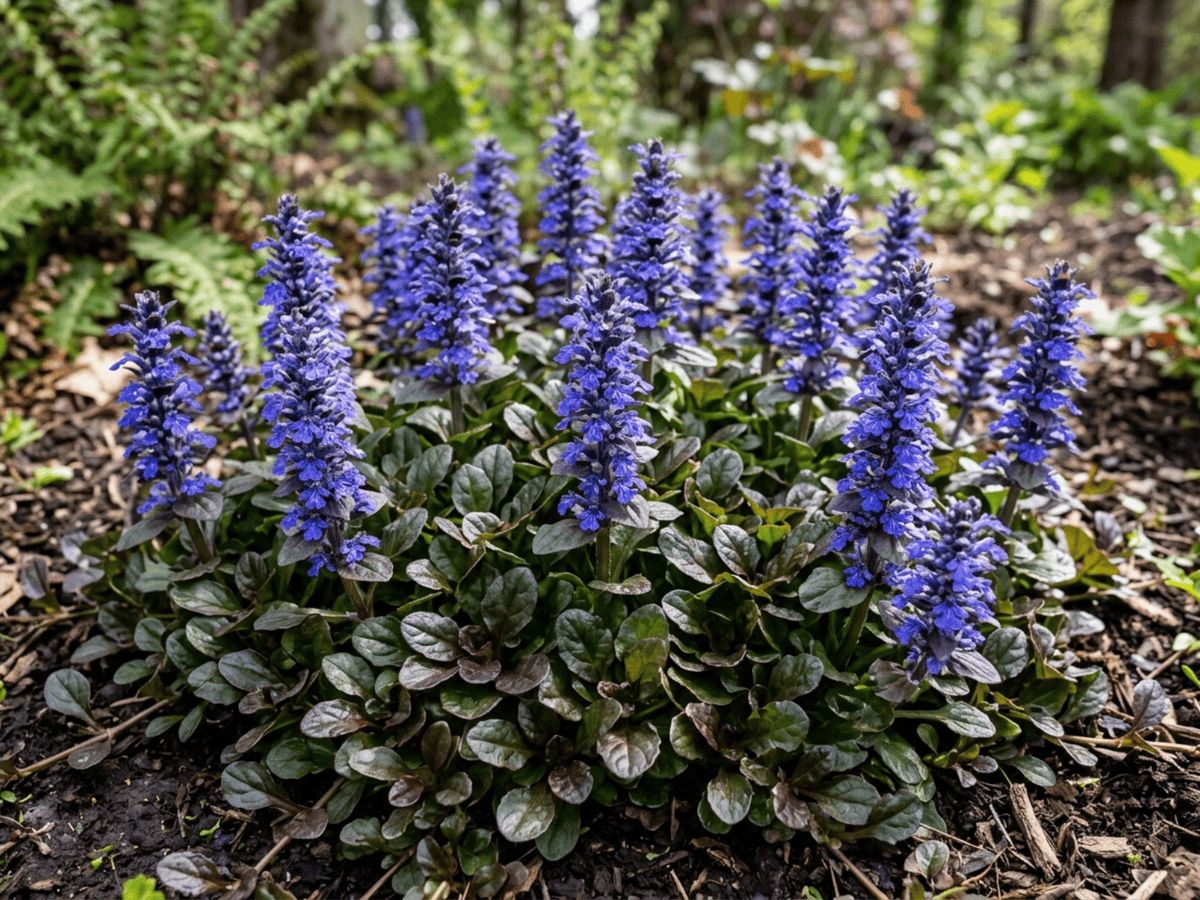 Carpet BugleAjuga reptans
Frequently asked questions
How often should I water Eastern Poison Ivy?
In summer, water about every 10 days; in winter, about every 30 days. Adjust for heat, pot size and drainage.
How much light does Eastern Poison Ivy need?
Part shade: 2–4 hrs direct. Watch the leaves — scorching or stretching means the light needs adjusting.
Is Eastern Poison Ivy toxic to cats or dogs?
Pets Safe (Dogs Safe · Cats Safe) Educational information, not medical or veterinary advice. If exposure is suspected, contact a doctor or veterinarian.
Is Eastern Poison Ivy easy to grow?
Yes — it is considered an easy, beginner-friendly plant.
When does Eastern Poison Ivy bloom?
It typically blooms Mar–Sep in the Northern Hemisphere.
YardMate
Identify any plant in seconds
Snap a photo — YardMate names the plant, diagnoses problems, and reminds you when to water.
Download on the App Store