 YardMate
Chinese Tallow
Triadica sebifera
Hard · Experienced growersAbout Chinese Tallow
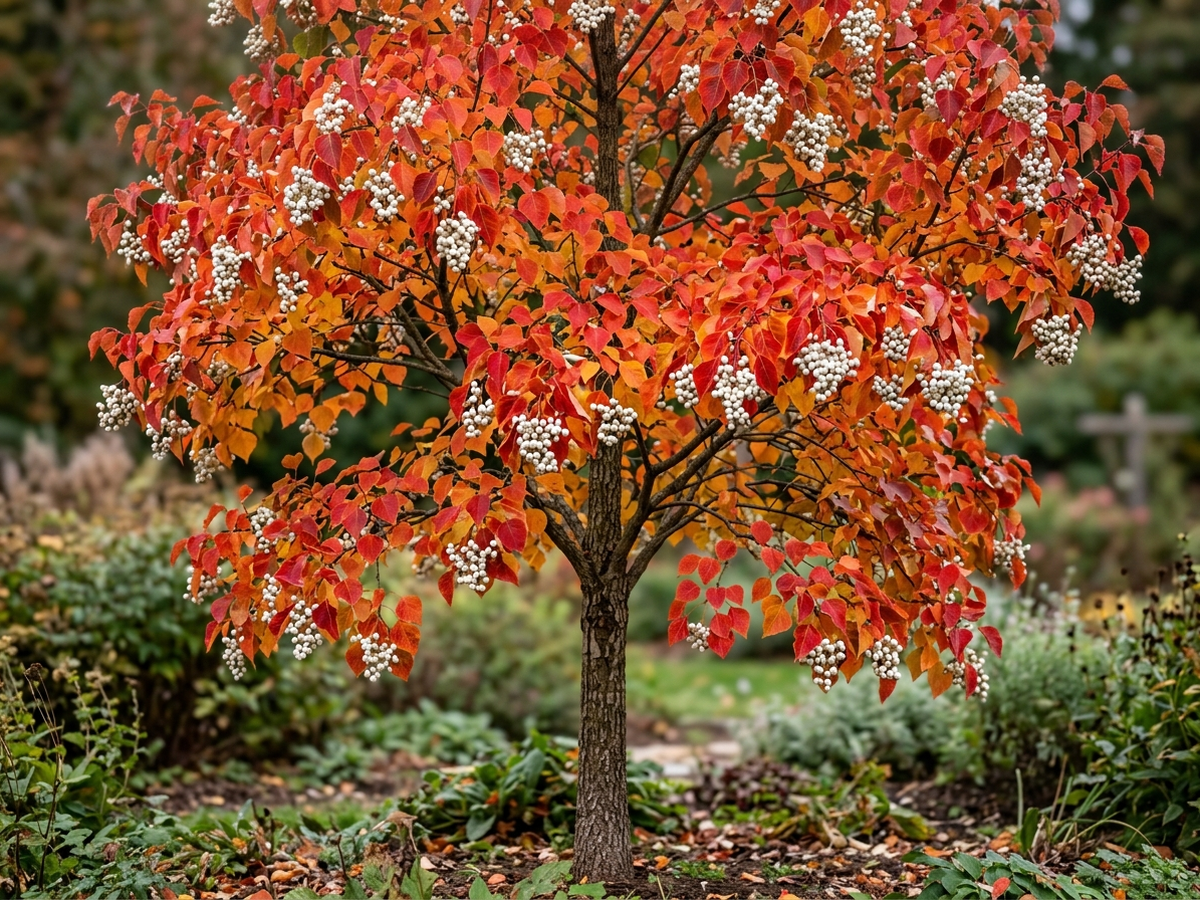
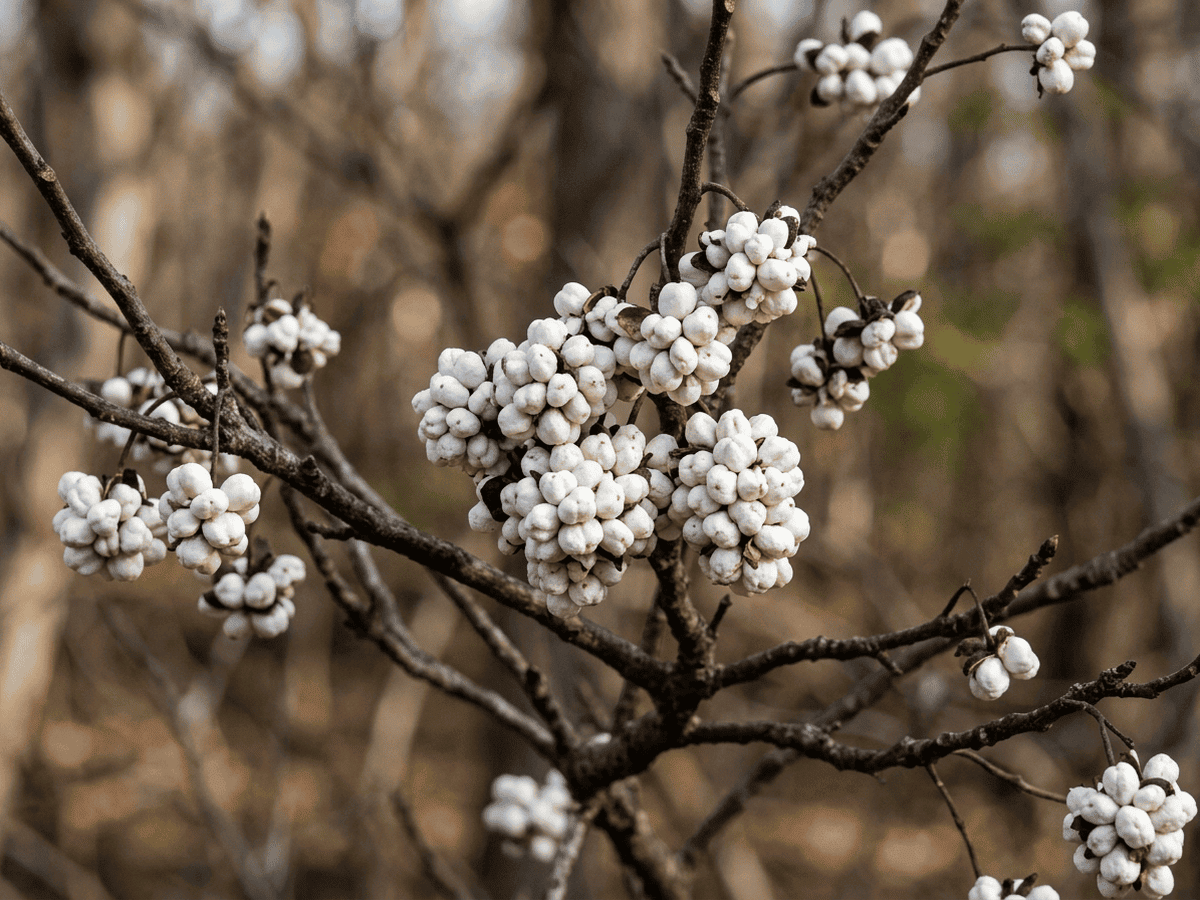
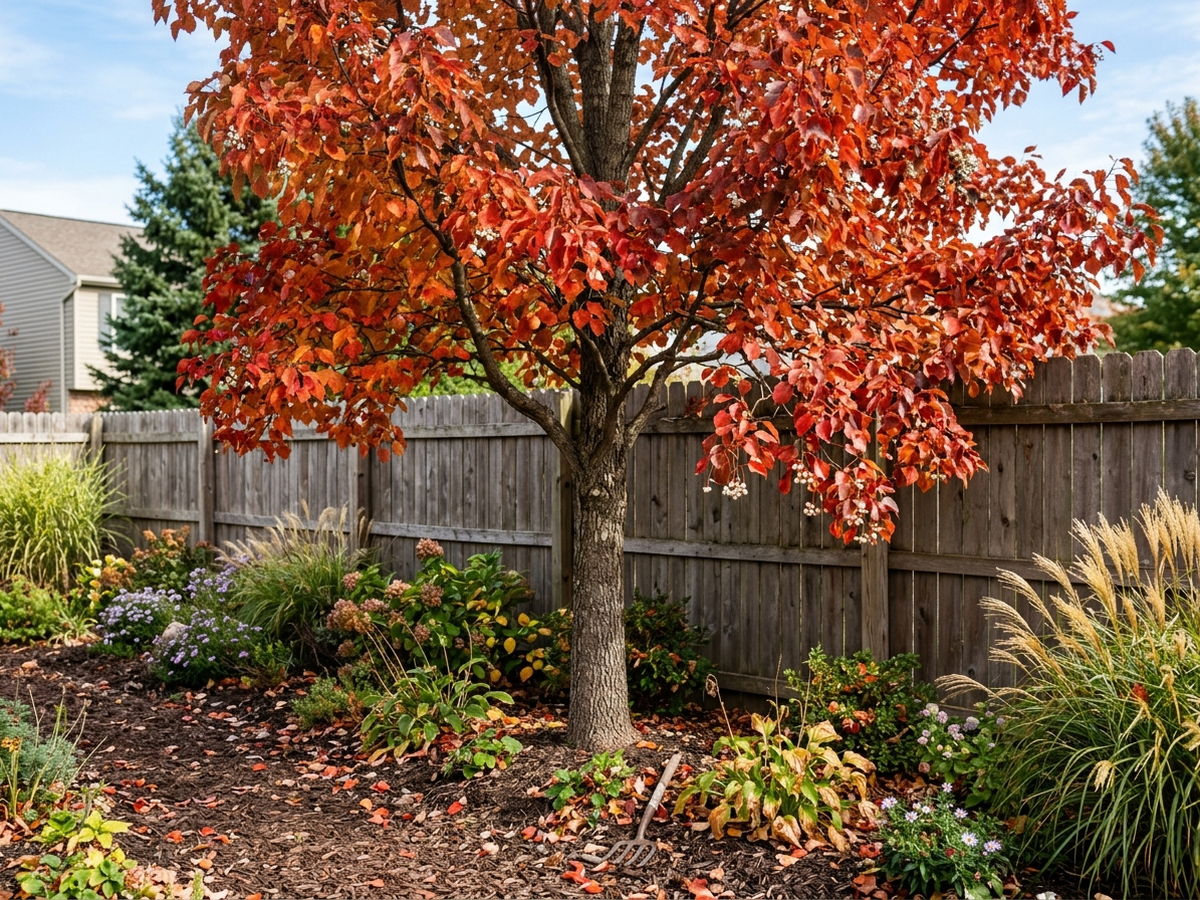
Triadica sebifera, the Chinese Tallow Tree, is a fast-growing deciduous tree native to China and Japan, prized for its spectacular autumn foliage—leaves turn vivid shades of red, orange, purple, and yellow before dropping to reveal clusters of small white waxy seeds that cling through winter like strings of popcorn. Growing 30–50 feet tall with a broad canopy, it thrives in moist or wet soils and has been cultivated for centuries in China for its seeds' waxy coating, used to make soap and candles.
- Deciduous
- Fast-growing
- Pollinator-friendly
- Showy-fruit
- Cold-hardy
How to care for Chinese Tallow
Watering
- Springevery 10 days
- Summerevery 7 days
- Fallevery 15 days
- Winterevery 30 days
Soil · Well-draining
- Top dressingPine bark mulch10%
- Main mixPotting soil + perlite 2:170%
- DrainageLECA / gravel20%
Never skip the drainage layer — standing water is the top cause of root rot.
FERTILIZER
Balanced Feed 14-14-14
An even feed covers all three needs at once, keeping leaves, roots and blooms moving together with nothing pushed out of balance.
- Nitrogen · Leaves
- Phosphorus · Roots + Blooms
- Potassium · Strength
- Springevery 30 days
- Summerevery 30 days
- Fallevery 30 days
At a Glance
- NativeEast Asia
- Height30–50 ft (9.1–15.2 m)
- Spread20–40 ft (6.1–12.2 m)
- Flower colorWhite, Yellow
- Foliage colorGreen, Yellow, Red
- Fruit colorBrown
- SoilWell-drained, Moist, Acidic
- LocationsYard · Balcony
Bloom time
BLOOM CYCLE
Peak bloom
Mar–May
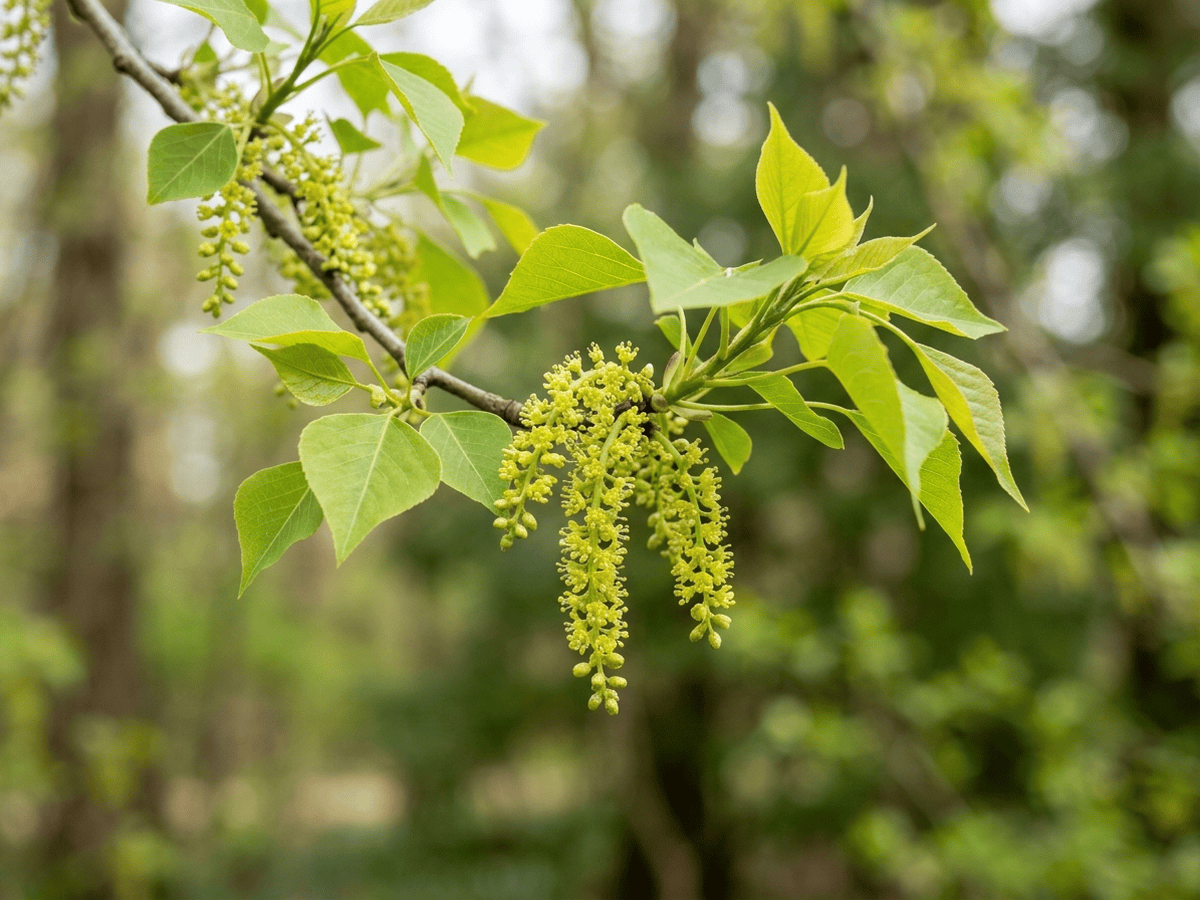
Produces small flowers in spring that attract pollinators.
Fragrance
NO FRAGRANCE
Not notably fragrant.
Toxicity
Humans Moderate
resinous oils and gallic acid
Moderate
- Leaf
- Seed
- Sap
- Fruit
- Ingestion
- Contact
EXPOSURE Eating leaves, seeds, sap, and fruit. Touching leaves, seeds, sap, and fruit. Contact with leaves, seeds, sap, and fruit.
EFFECT Nausea, vomiting, diarrhea, skin irritation, and eye irritation.
NOTE All parts of Triadica sebifera are toxic. Seeds, leaves, and sap contain resinous compounds and gallic acid causing GI distress in humans and pets. Sap causes skin and eye irritation on contact.
Unknown
EXPOSURE No exposure route is reported.
EFFECT No toxic effect is reported.
NOTE Toxicity for dogs is not well documented; use caution until verified.
Unknown
EXPOSURE No exposure route is reported.
EFFECT No toxic effect is reported.
NOTE Toxicity for cats is not well documented; use caution until verified.
Educational information, not medical or veterinary advice. If exposure is suspected, contact a doctor or veterinarian.
DISTRIBUTION


- Native
- Introduced
- East Asia
History

Triadica sebifera has been cultivated in China for more than a thousand years, prized for the white waxy coating surrounding its seeds. Chinese farmers boiled the seed clusters to render a vegetable tallow used in candle-making and soap manufacture long before petroleum-based products existed. The tree was so economically valuable that Chinese emperors encouraged its cultivation on marginal lands, and by the Tang dynasty it appeared in poetry and landscape paintings as a hallmark of autumn.
In 1772, Benjamin Franklin sent Chinese tallow seeds from London to the United States, believing the tree could establish a domestic soap and candle industry in the American colonies. The tree found the warm, humid Gulf Coast climate ideal and spread rapidly. By the 20th century it had escaped cultivation entirely and now carpets millions of acres of coastal prairie, marshland, and forest edge from Texas to Florida, earning it the designation of one of the most damaging invasive species in the American South.
Despite its invasive status, the Chinese Tallow retains admirers for its stunning autumn display—few trees match its range of fall colors, from scarlet and crimson to gold and purple—and for the distinctive white seed clusters that prompted the nickname 'Popcorn Tree.' It remains legally sold and planted in some states while banned in others, a tree that encapsulates the tension between horticultural beauty and ecological harm.
Symbolism & meaning
What It Symbolizes
In Chinese culture the tallow tree's autumn transformation was a poetic symbol of impermanence and the beauty of change—Tang dynasty poets wrote of its crimson leaves as the very image of autumn melancholy. In the American South it has become something else: a cautionary emblem of what happens when beauty is imported without understanding its consequences, colonizing the landscape with the same vigor that made it admired.
- transformation — No tree changes more dramatically through the seasons—summer green to autumn fireworks to bare winter branches strung with white seeds.
- resilience — Thrives in waterlogged soils, disturbed ground, and coastal marshes where most trees cannot survive, a symbol of tenacious adaptability.
Where the Name Comes From
The genus name Triadica refers to the three-chambered fruit, from the Greek 'trias' (three). The species epithet sebifera means 'tallow-bearing' in Latin, from 'sebum' (tallow, fat), directly describing the waxy seed coating that gave the tree its Chinese economic value and English common name.
Uses & Fun Facts
- Seed tallow traditionally rendered into candles and soap in China; still used in some regions for industrial lubricants and biodiesel research
- Outstanding autumn foliage in vivid reds, oranges, and purples; persistent white seed clusters ('popcorn') decorate bare branches through winter
- Seeds eaten by migrating birds, including tree swallows; spring flowers attract bees and produce a prized monofloral honey in China
Related plants
Plants with similar care
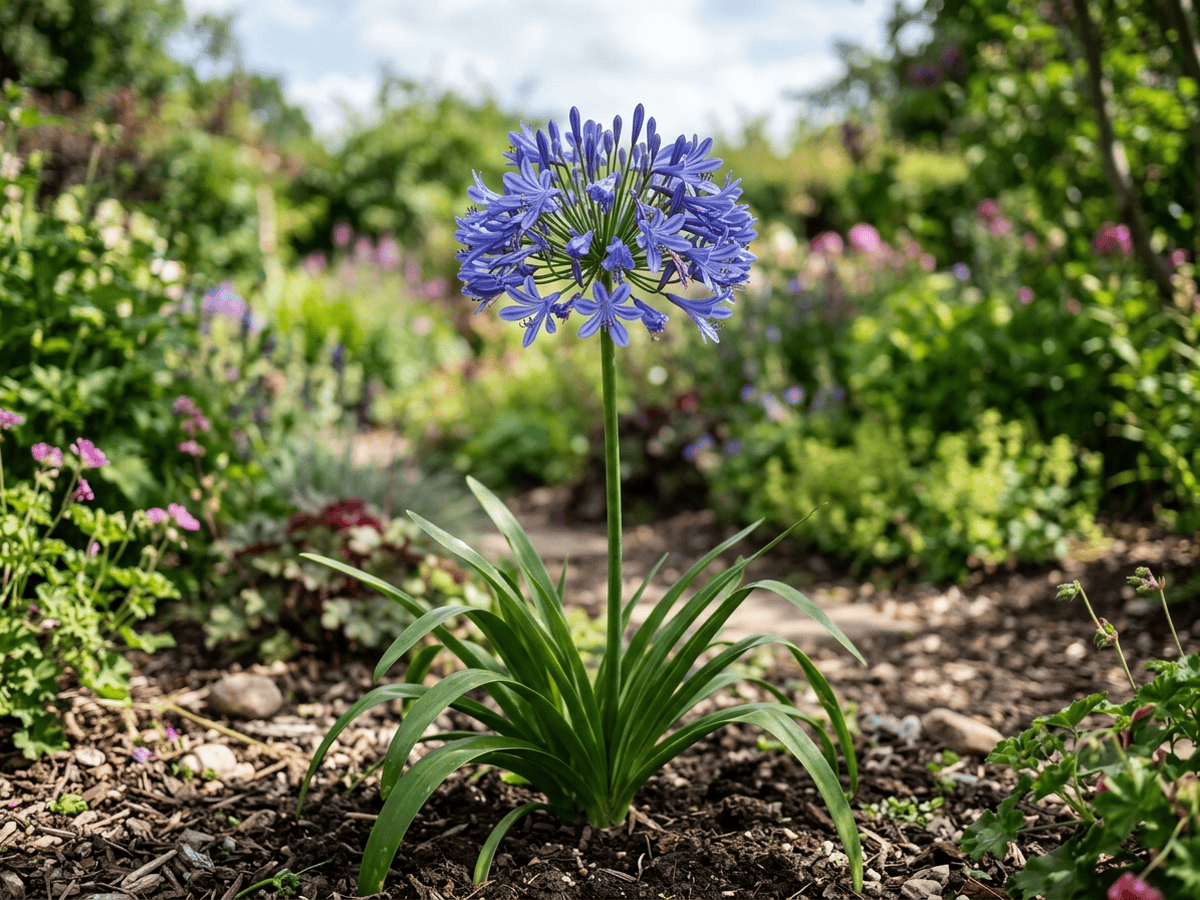 African LilyAgapanthus africanus
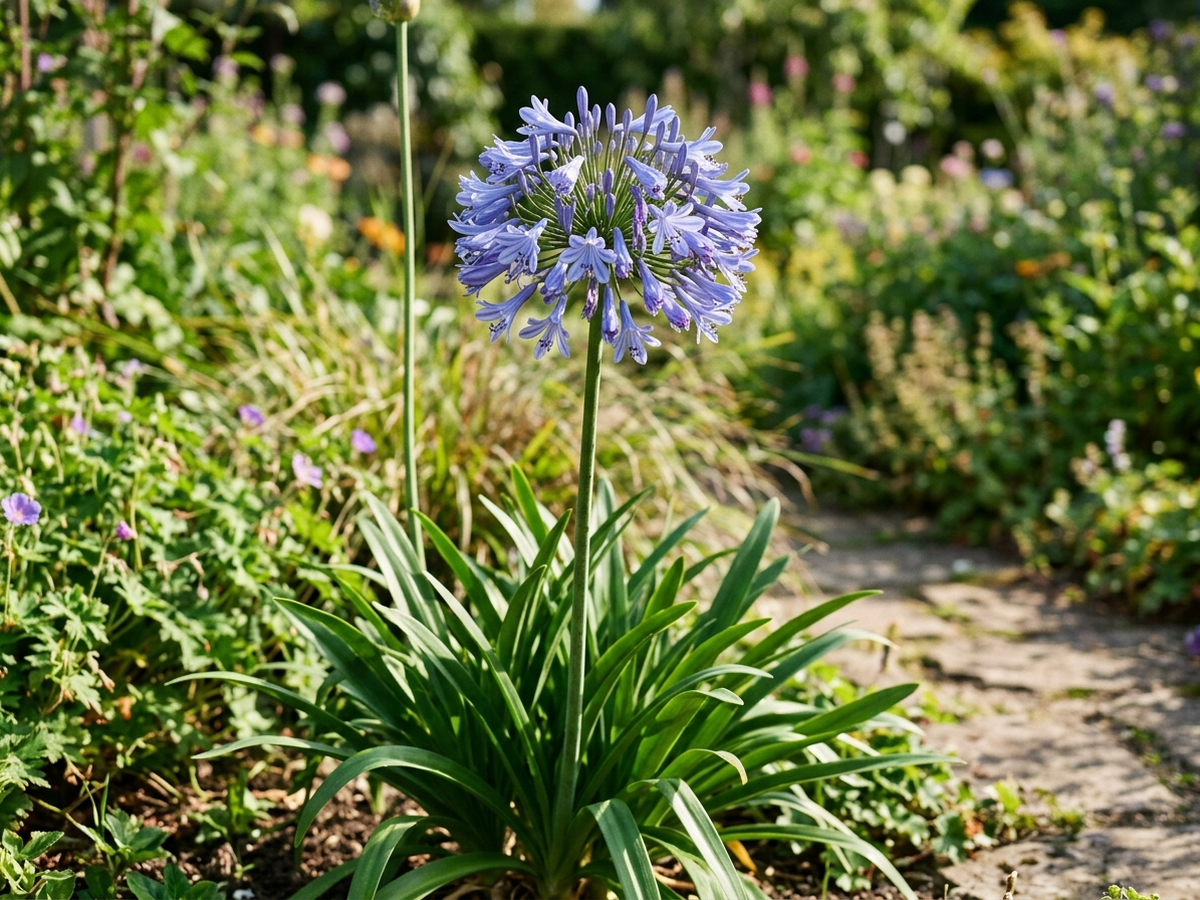 Bell AgapanthusAgapanthus campanulatus
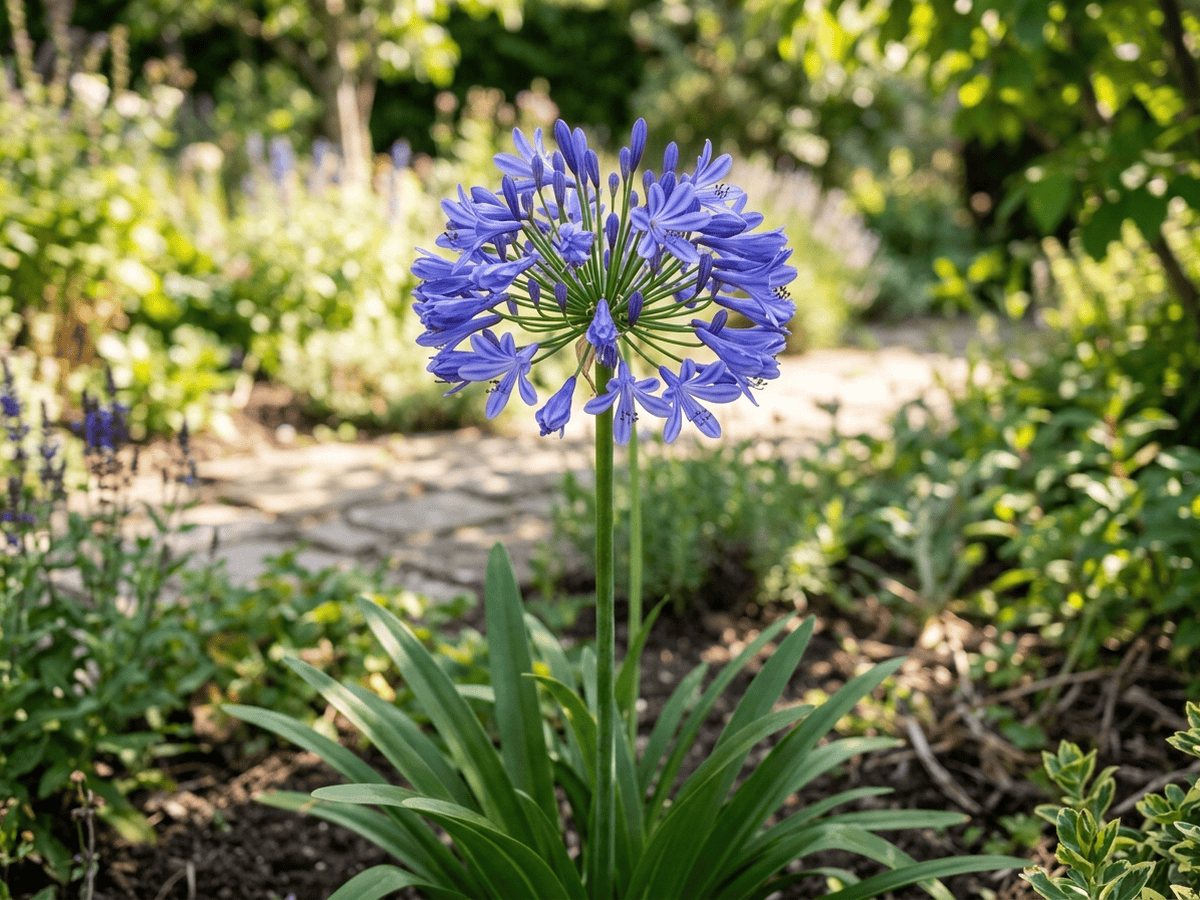 Common AgapanthusAgapanthus praecox
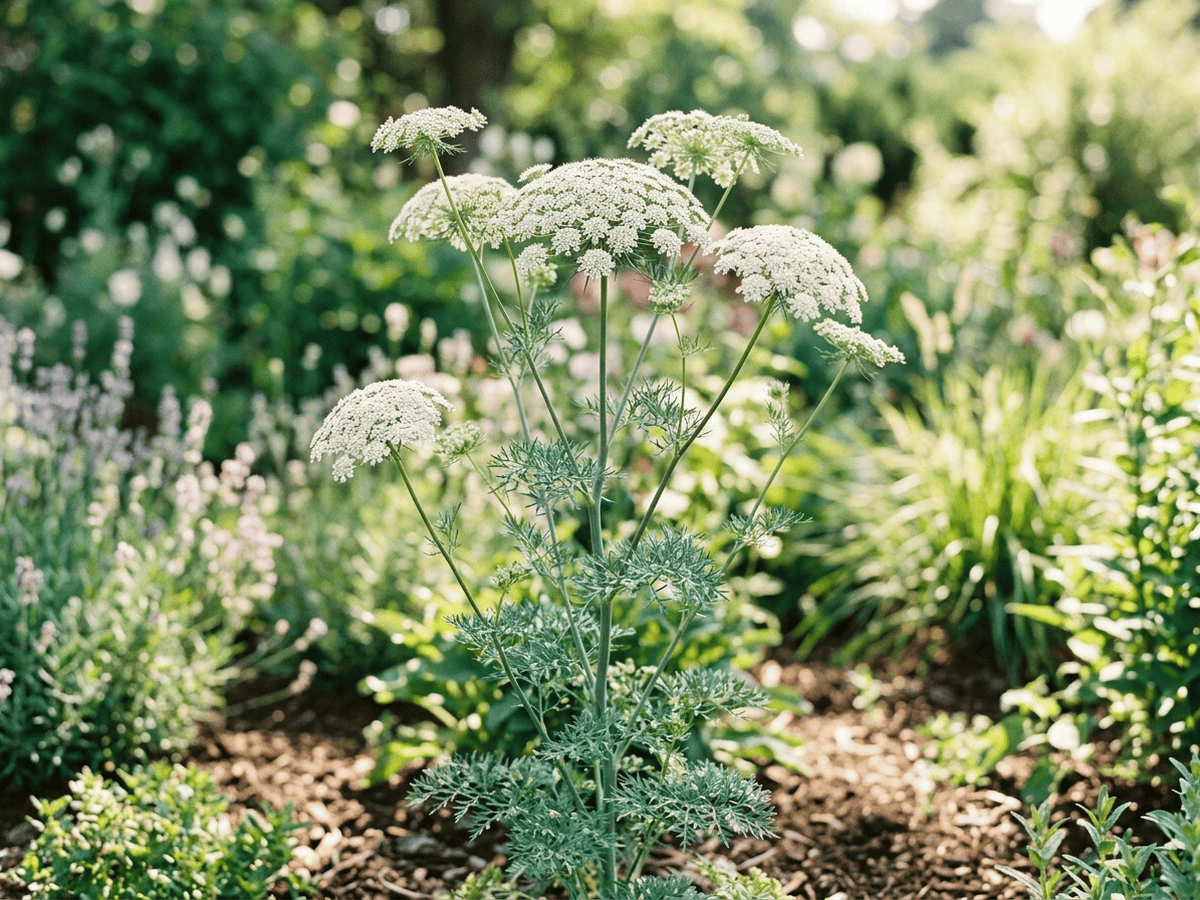 False Queen Anne's LaceAmmi majus glaucifolium
Frequently asked questions
How often should I water Chinese Tallow?
In summer, water about every 7 days; in winter, about every 30 days. Adjust for heat, pot size and drainage.
How much light does Chinese Tallow need?
Part sun: 4–6 hrs direct. Watch the leaves — scorching or stretching means the light needs adjusting.
Is Chinese Tallow toxic to cats or dogs?
Pets Unknown (Dogs Unknown · Cats Unknown) Educational information, not medical or veterinary advice. If exposure is suspected, contact a doctor or veterinarian.
Is Chinese Tallow easy to grow?
It is considered challenging and rewards experienced growers.
When does Chinese Tallow bloom?
It typically blooms Mar–May in the Northern Hemisphere.
YardMate
Identify any plant in seconds
Snap a photo — YardMate names the plant, diagnoses problems, and reminds you when to water.
Download on the App Store