 YardMate

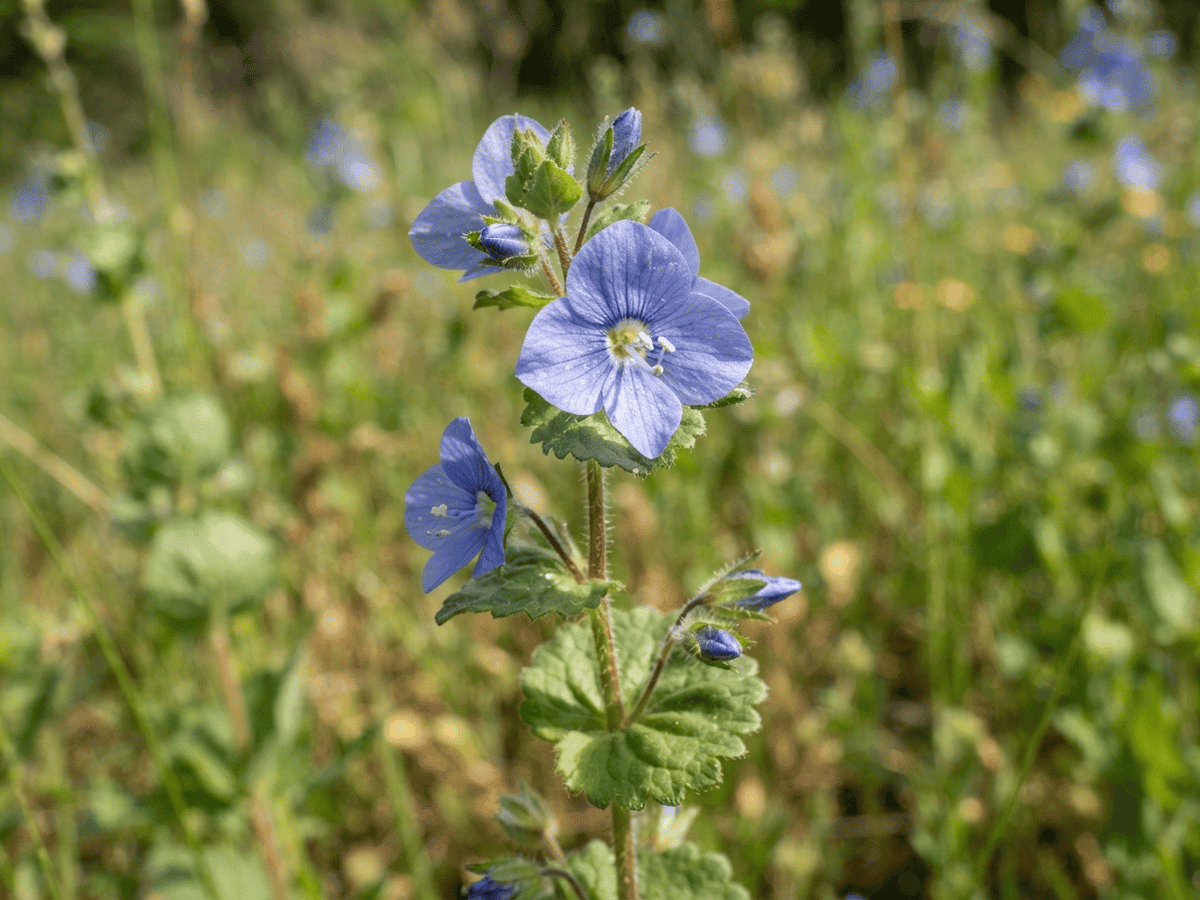

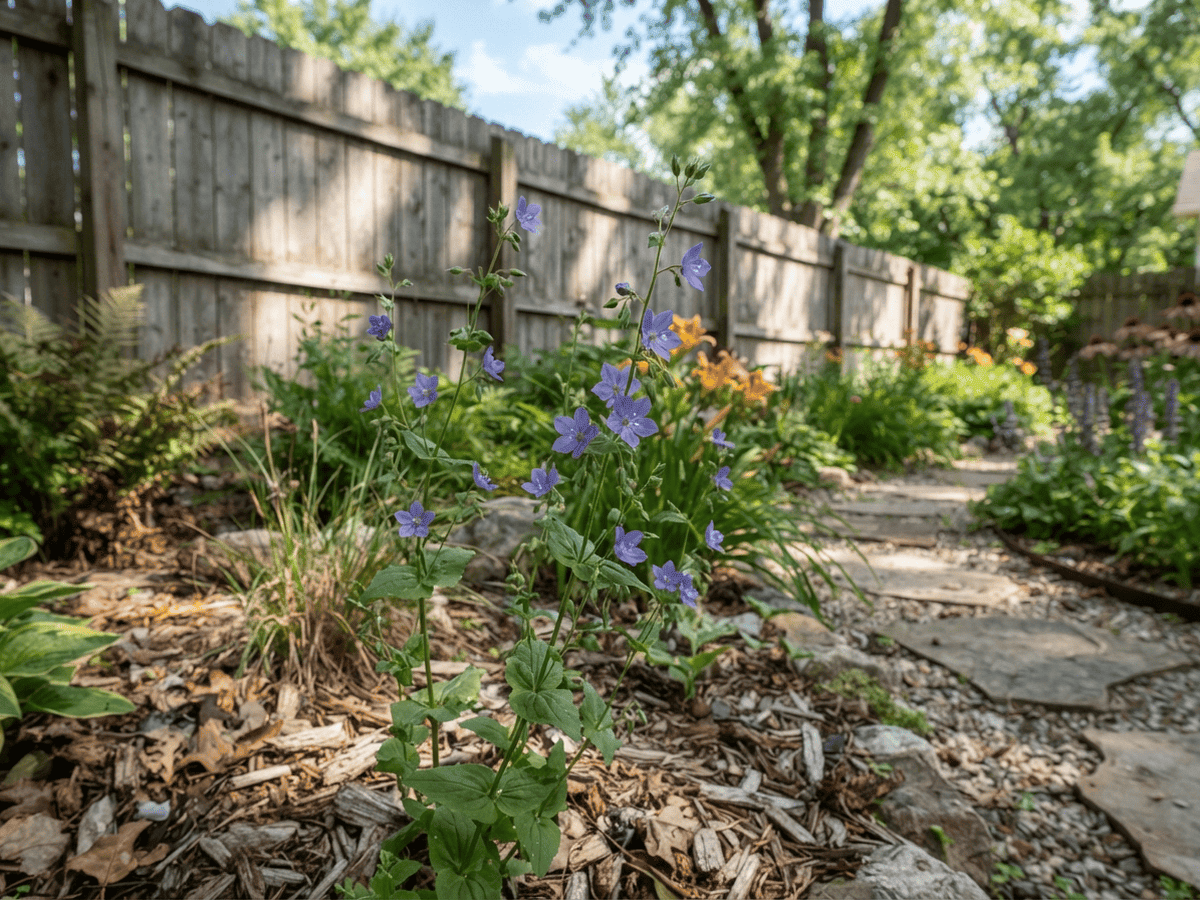
clasping Venus's looking glass
Triodanis perfoliata
Hard · Experienced growersAbout clasping Venus's looking glass
Clasping Venus's looking glass is a slender annual wildflower native to North America, prized for the way its round, scalloped leaves wrap tightly around an upright stem, cradling small violet-blue, star-shaped flowers in their axils. Most of these blossoms never fully open; they self-pollinate quietly inside sealed buds, while a few crown the stem's tip and open wide to draw in bees. Thriving in dry, disturbed soil along roadsides, prairies, and open woodland edges, it blooms from late spring into summer before setting round, seed-filled capsules that rattle loose in the autumn wind.
- Deciduous
- Pollinator-friendly
- Showy-fruit
- Compact
How to care for clasping Venus's looking glass
Watering
- Springevery 10 days
- Summerevery 7 days
- Fallevery 20 days
- Winterevery 30 days
Soil · Well-draining
- Top dressingPine bark mulch10%
- Main mixPotting soil + perlite 2:170%
- DrainageLECA / gravel20%
Never skip the drainage layer — standing water is the top cause of root rot.
FERTILIZER
- Springevery 30 days
- Summerevery 30 days
At a Glance
- NativeNorth America
- Height1–1.5 ft (0.3–0.5 m)
- Spread0.5–1 ft (0.2–0.3 m)
- Flower colorBlue
- Foliage colorGreen
- Fruit colorBrown
- SoilWell-drained, Moist
- LocationsYard · Patio
Bloom time
BLOOM CYCLE
Peak bloom
May–Jul
Clasping Venus's looking glass produces delicate blue flowers from late spring to summer.
Fragrance
NO FRAGRANCE
No notable fragrance reported.
Toxicity
No toxicity has been reported for this plant. Still, it is wise to keep pets from chewing on any houseplant.
Educational information, not medical or veterinary advice. If exposure is suspected, contact a doctor or veterinarian.
DISTRIBUTION

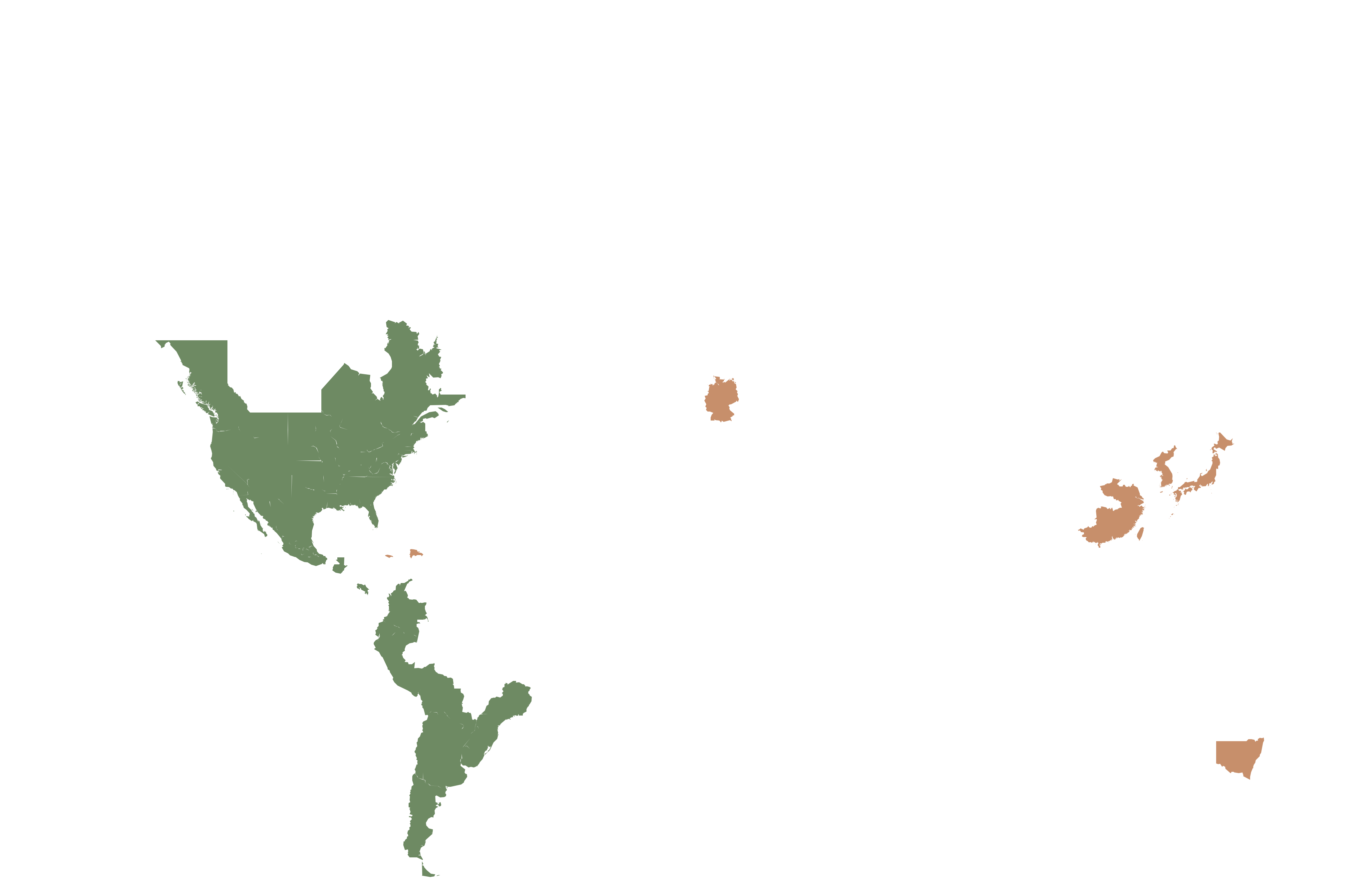
- Native
- Introduced
- North America
History

The name Venus's looking glass reaches back to Europe, where a related wildflower, Legousia speculum-veneris, grew as a weed among grain fields. Its small, mirror-bright petals and glossy round seeds reminded farmers and herbalists of a hand mirror, and folk tradition tied the flower to Venus, goddess of beauty, said to have dropped her looking glass into a cornfield. When European settlers and botanists began cataloguing the prairies and open ground of North America, they found a close cousin of that Old World mirror-flower: a slender annual with the same violet-blue, star-shaped blooms, later classified as Triodanis perfoliata. The English name traveled with it, even as the plant carved out its own identity among the roadside grasses, savannas, and disturbed fields of a new continent.
What set the American plant apart, once naturalists looked closely, was its unusual way of ensuring seed no matter the season's luck. Along most of its clasping, cup-like leaves, the flower buds never open at all; sealed shut, they fertilize themselves in secrecy and still produce full pods of seed. Only the topmost blossoms unfurl into the true five-pointed, violet-blue stars that catch a bee's eye. Botanists studying plant reproduction in the nineteenth century found such double-dealing flowers genuinely puzzling: why bother with a showy, insect-dependent bloom at all if a hidden, self-pollinating one works just as well? The answer, still explored today, is resilience. Clasping Venus's looking glass hedges its bets, so that a cloudy season without pollinators and a single visiting bee both end the same way: seed rattling loose from round capsules, scattering along the very roadsides and waste ground where the plant has quietly persisted for generations.
Symbolism & meaning
What It Symbolizes
Named for a looking glass dropped by Venus herself, this modest wildflower has come to symbolize beauty that doesn't need to be seen to be real. Most of its flowers never open, quietly fertilizing themselves within sealed buds — a reminder that resilience often works unnoticed, and that only a few blossoms need to catch the light for the whole plant to thrive.
- Quiet Resilience — Its ability to self-pollinate in secret, sealed flowers makes it a symbol of quiet, self-reliant persistence.
- Reflection — Named for Venus's mythical mirror, it has long stood for self-reflection and unassuming beauty.
Where the Name Comes From
The genus Triodanis comes from Greek for 'three teeth,' describing the flower's calyx lobes, while the species name perfoliata refers to leaves that appear pierced through by the stem. Its common name, Venus's looking glass, was inherited from a European relative whose shiny, mirror-like seeds and reflective petals were linked in folklore to the goddess Venus's dropped hand mirror.
Uses & Fun Facts
- Its open violet-blue blooms are a reliable, if brief, nectar source for small native bees in meadows and prairies.
- Its cheerful blue star flowers and clasping foliage add texture to native wildflower and meadow plantings.
- As a North American native, it supports pollinators and provides seed for ground-feeding birds in late summer.
Related plants
Plants with similar care
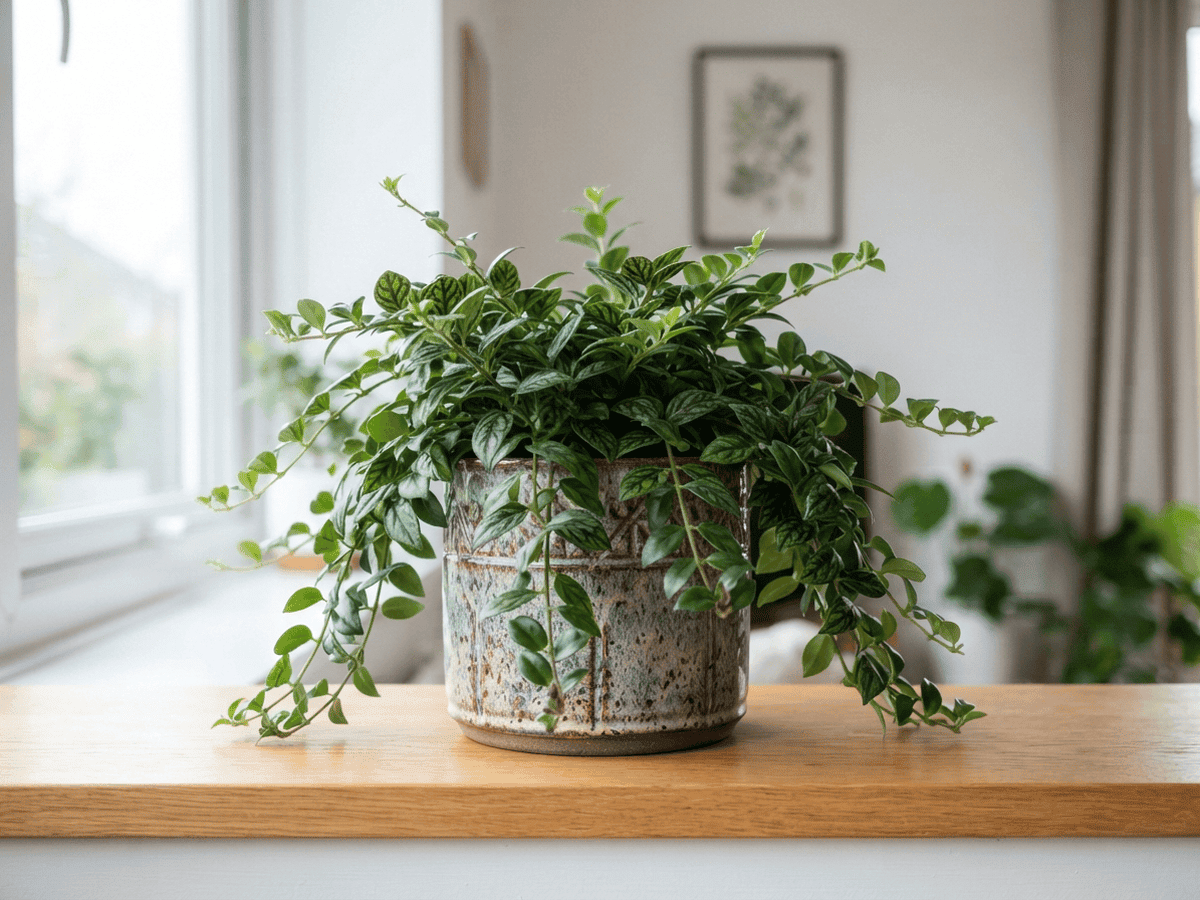 Lipstick PlantAeschynanthus longicaulis
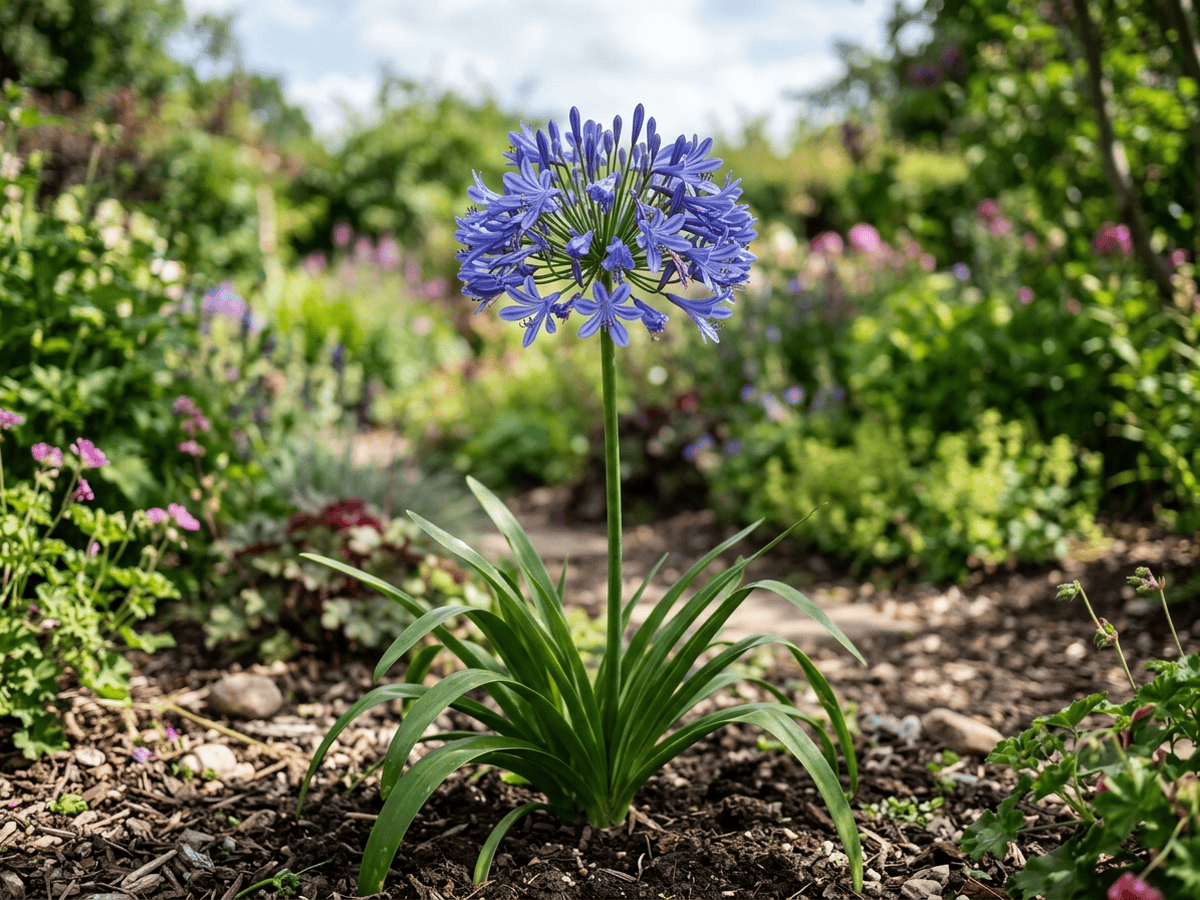 African LilyAgapanthus africanus
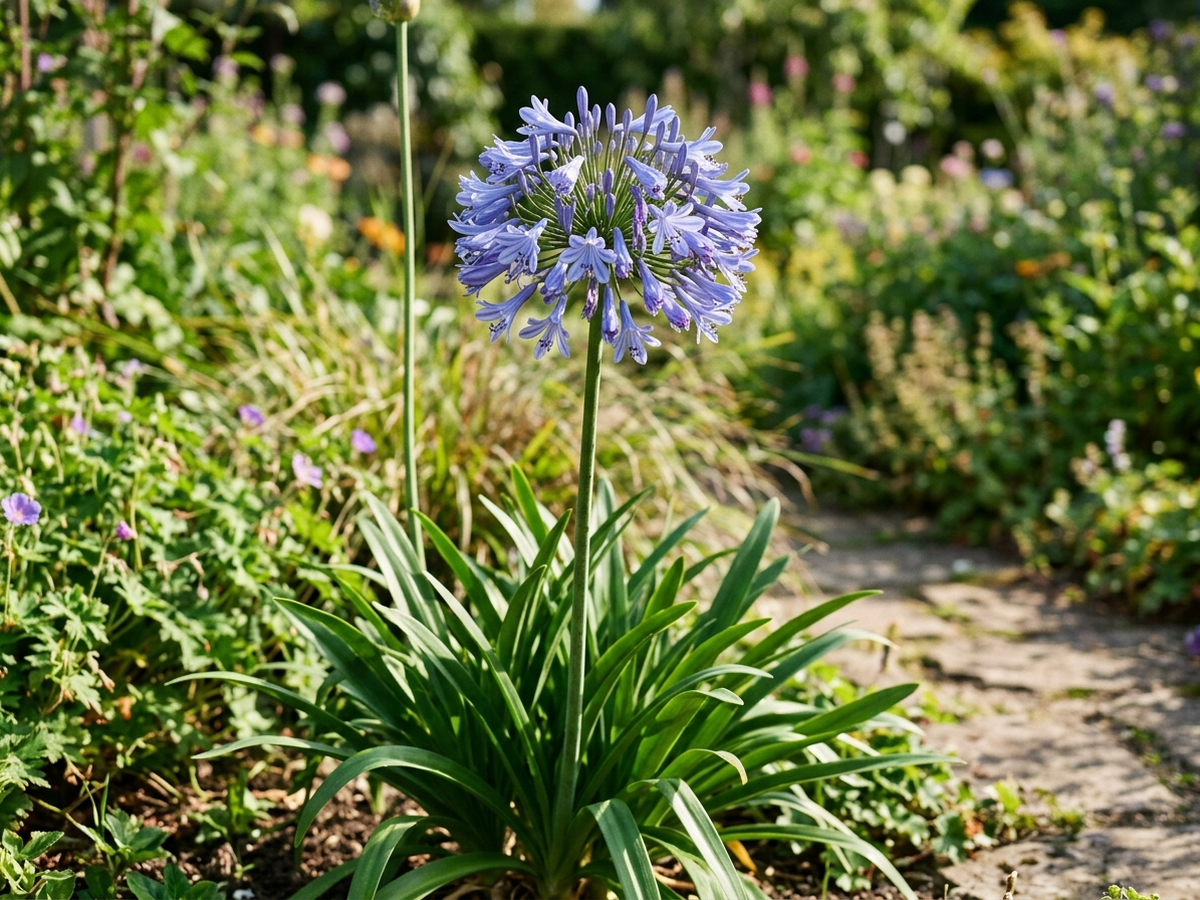 Bell AgapanthusAgapanthus campanulatus
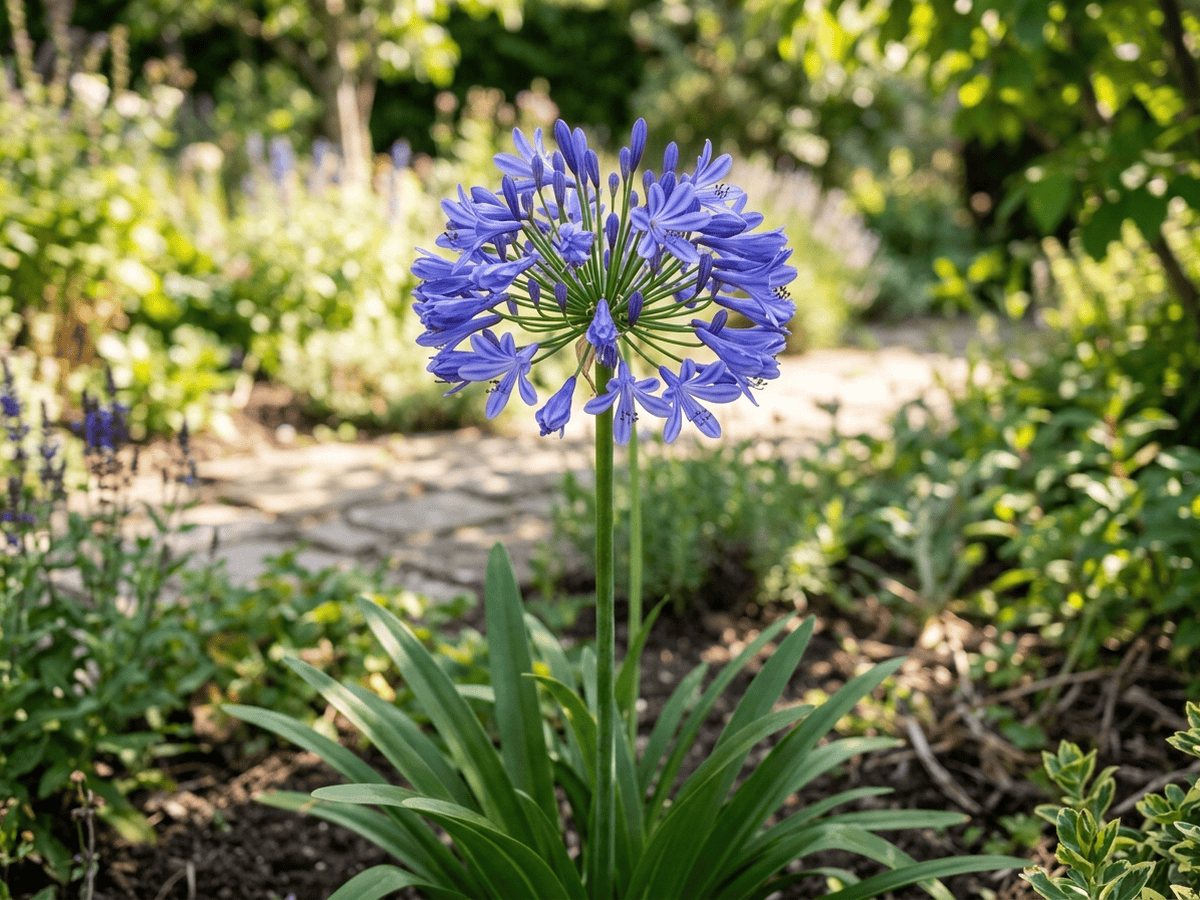 Common AgapanthusAgapanthus praecox
Frequently asked questions
How often should I water clasping Venus's looking glass?
In summer, water about every 7 days; in winter, about every 30 days. Adjust for heat, pot size and drainage.
How much light does clasping Venus's looking glass need?
Part sun: 4–6 hrs direct. Watch the leaves — scorching or stretching means the light needs adjusting.
Is clasping Venus's looking glass toxic to cats or dogs?
No toxicity has been reported for this plant. Still, it is wise to keep pets from chewing on any houseplant. Educational information, not medical or veterinary advice. If exposure is suspected, contact a doctor or veterinarian.
Is clasping Venus's looking glass easy to grow?
It is considered challenging and rewards experienced growers.
When does clasping Venus's looking glass bloom?
It typically blooms May–Jul in the Northern Hemisphere.
YardMate
Identify any plant in seconds
Snap a photo — YardMate names the plant, diagnoses problems, and reminds you when to water.
Download on the App Store