 YardMate
Prettyface
Triteleia ixioides
Hard · Experienced growersAbout Prettyface
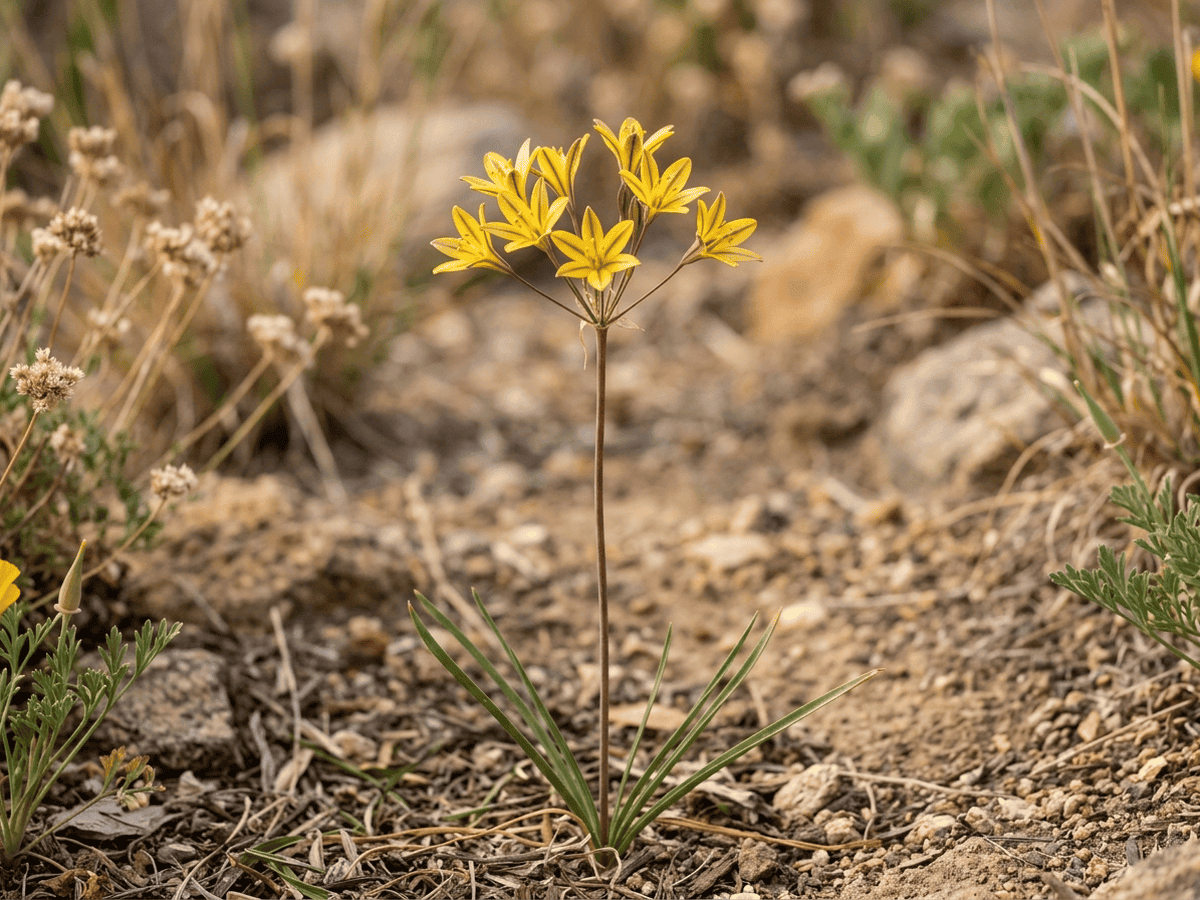
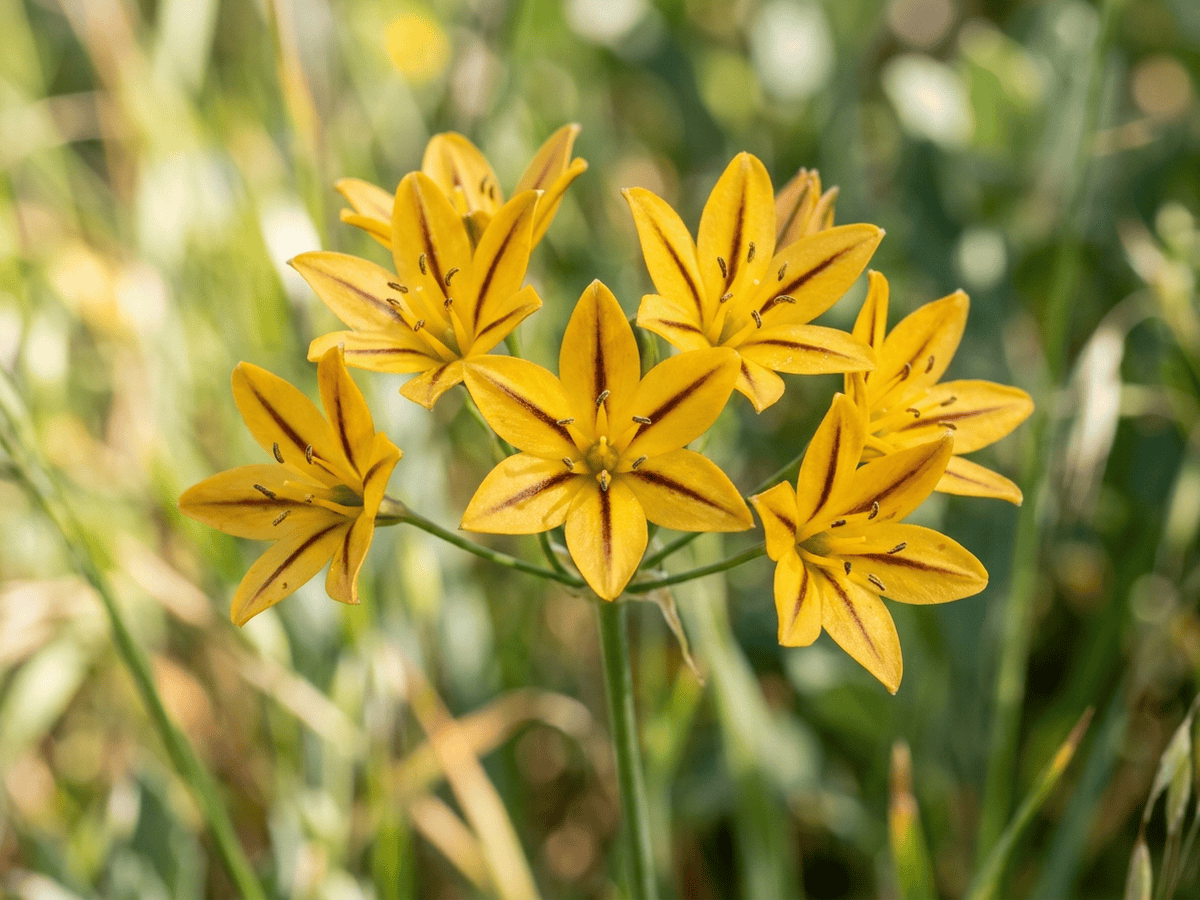
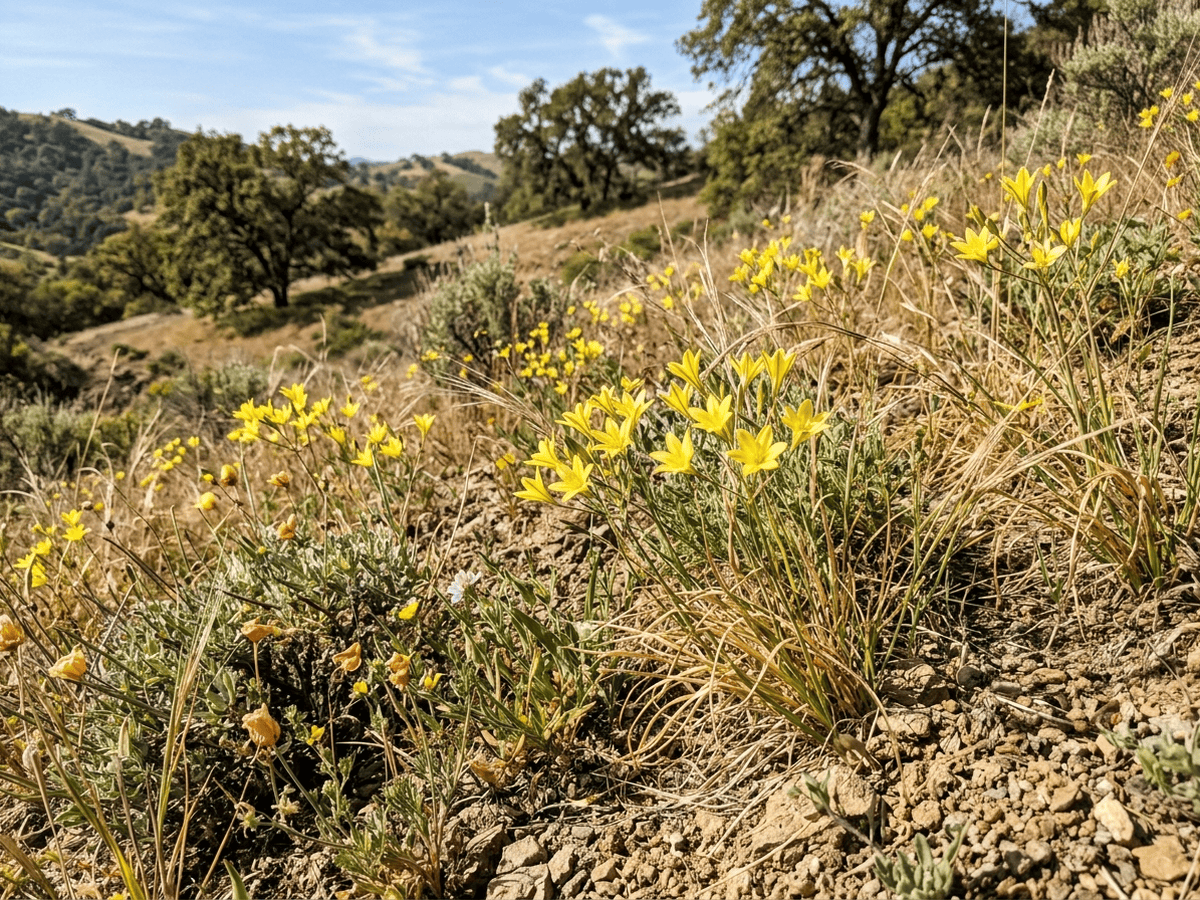
Triteleia ixioides, Prettyface, is a charming cormous perennial native to the dry grasslands, oak woodlands, and open rocky slopes of California and Oregon. In late spring, leafless stems rise 12–18 inches to bear loose umbels of star-shaped golden-yellow flowers, each tepal marked with a darker midstripe, creating a cheerful two-tone face—the origin of the common name. The narrow strap-like leaves appear in spring and die back before the flowers open, leaving the bare stems with their bright stars. Extremely drought-tolerant once established, Prettyface naturalizes beautifully in Mediterranean-climate gardens, dry slopes, and native bulb collections.
- Pollinator-friendly
- Drought-tolerant
- Compact
- Deciduous
How to care for Prettyface
Watering
- Springevery 7 days
- Summerevery 10 days
- Fallevery 15 days
- Winterevery 30 days
Soil · Well-draining
- Main mixLoam + coarse sand 3:175%
- DrainageGravel25%
Sharp drainage matters most — bulbs rot in wet soil while dormant.
FERTILIZER
Bulb Feed 3-5-3
With bulbs, when matters more than what. One dose goes in the hole at planting, the second when shoots break ground.
- Nitrogen · Leaves
- Phosphorus · Roots + Blooms
- Potassium · Strength
- Springevery 30 days
At a Glance
- NativeNorth America
- Height1–1.5 ft (0.3–0.5 m)
- Spread0.5–1 ft (0.2–0.3 m)
- Flower colorYellow
- Foliage colorGreen
- SoilWell-drained, Loamy
- LocationsYard · Balcony
Bloom time
BLOOM CYCLE
Peak bloom
Apr–Jun
This plant produces beautiful, star-shaped flowers during spring and early summer.
Fragrance
NO FRAGRANCE
Flowers unscented; pollinators attracted by the open star shape and abundant pollen.
Toxicity
No toxicity has been reported for this plant. Still, it is wise to keep pets from chewing on any houseplant.
Educational information, not medical or veterinary advice. If exposure is suspected, contact a doctor or veterinarian.
DISTRIBUTION


- Native
- North America
History
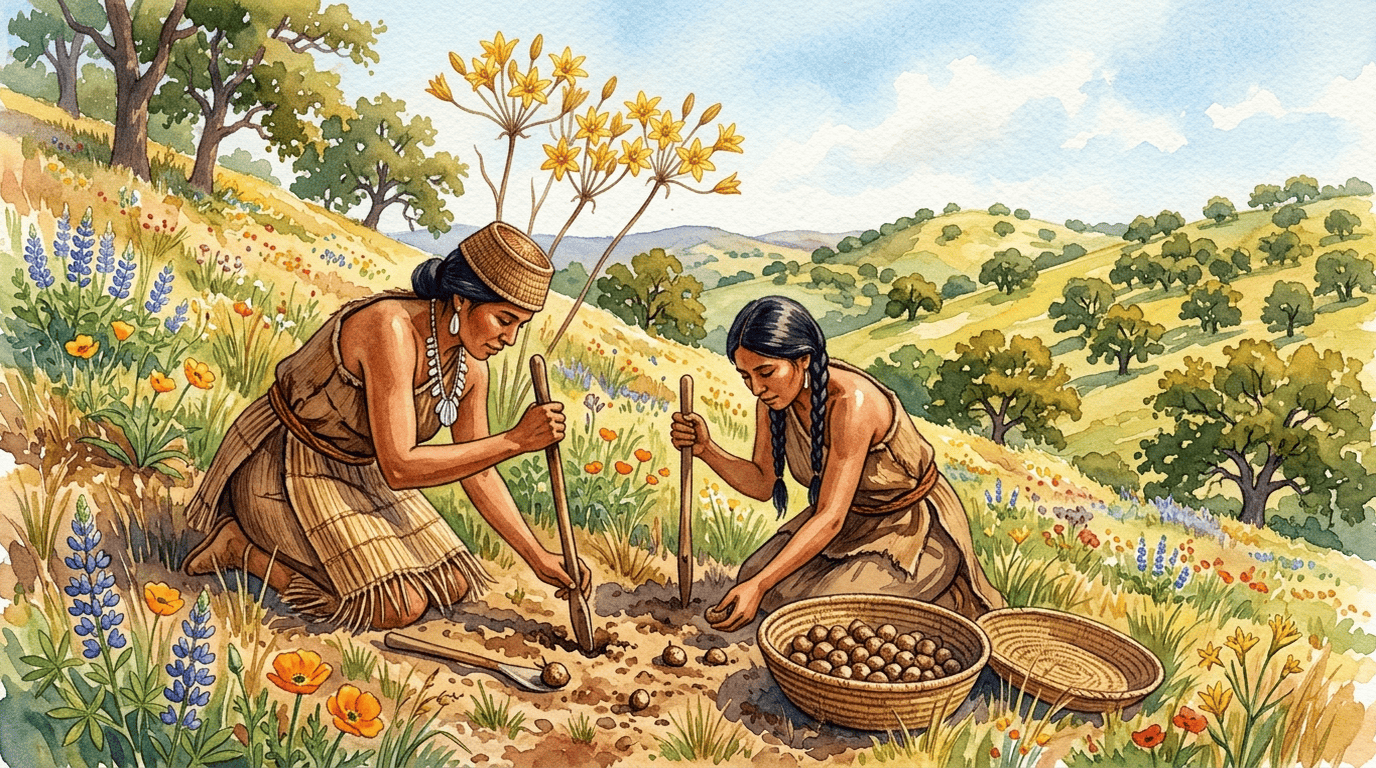
The story of Triteleia ixioides is partly a botanical detective story. When Asa Gray described many California bulbs in the 19th century, he placed most of them in the genus Brodiaea. The complex of California native corm-bearing plants—later divided into Brodiaea, Triteleia, and Dichelostemma—resisted clean taxonomy for over a century. Their floral structures are subtle and their species boundaries blurry, particularly in the field where natural hybrids occur. Triteleia ixioides specifically moved back and forth between genera as botanists refined their understanding of the group's morphology and genetics.
The species epithet ixioides means 'resembling Ixia,' a South African bulb genus with similarly star-shaped flowers. The genus name Triteleia was coined by John Lindley in 1830 from the Greek tri (three) and teleios (perfect or complete), referring to the floral parts arranged in threes—a characteristic of monocots.
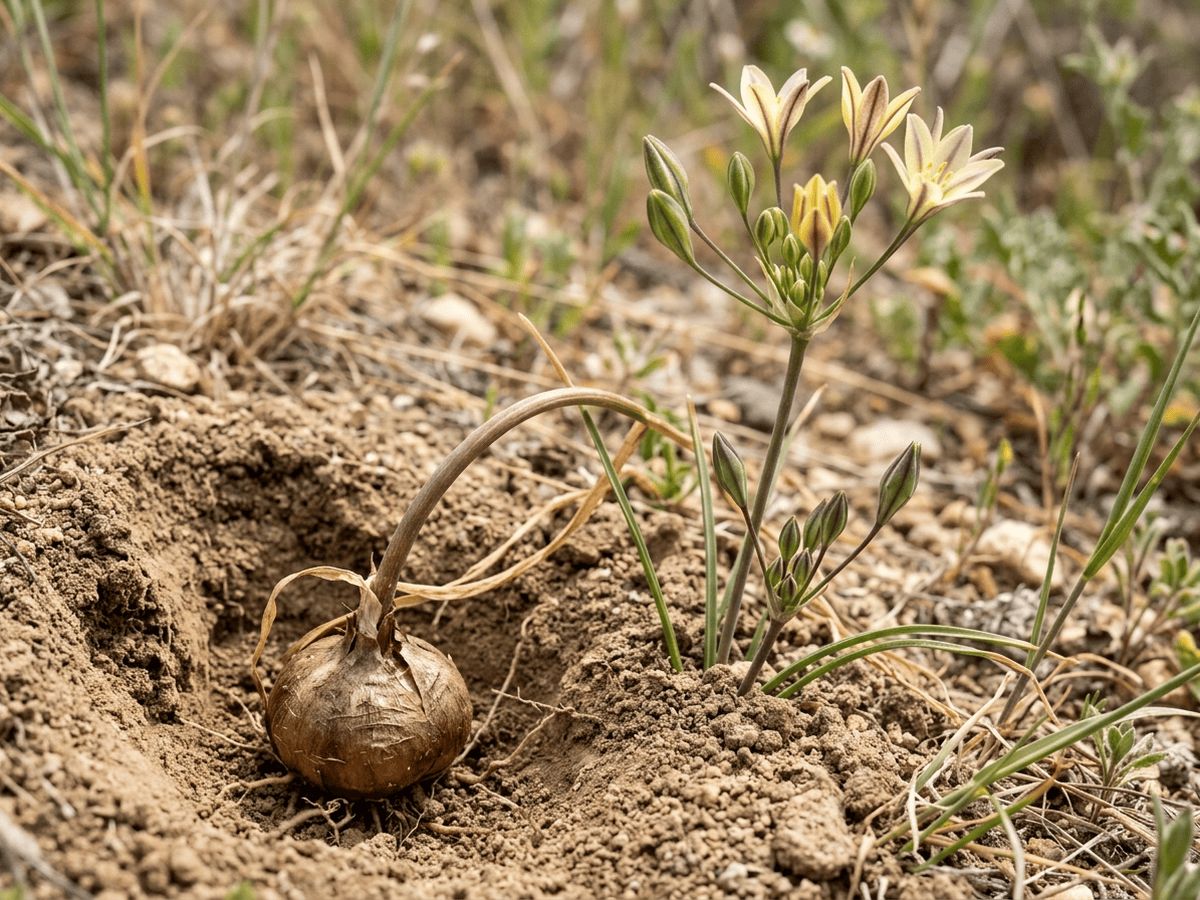
Long before botanists named and debated them, these corms fed people. California Native peoples—including the Miwok, Pomo, Yokuts, and many other groups—harvested the corms of Triteleia and related genera each spring, digging them with pointed sticks. The corms were eaten raw, boiled into a starchy mash, or roasted directly in coals. They were sometimes called 'Indian potatoes' by early European observers who recognized their dietary role. The harvest of these corms was timed to the flowering: when the bright yellow stars appeared, it was time to dig.
Prettyface remains one of the most adaptable and garden-worthy of California's native bulbs—naturalizing easily in dry slopes and rock gardens with minimal water once established.
Symbolism & meaning
What It Symbolizes
The leaves die before the flowers open. The corms fed people for thousands of years before anyone called the plant pretty. The botanical name took another century to settle. Some things take their time to be recognized.
- spring cheer — The star-shaped golden flowers appear on bare stems like small suns in the dry California spring—bright, unexpected, and briefly perfect.
- humble sustenance — A small underground corm that fed generations, now overlooked as ornamental—Prettyface carries the quiet dignity of something useful before it was beautiful.
Where the Name Comes From
Triteleia derives from the Greek tri (three) and teleios (perfect), referring to the floral parts arranged in threes, coined by botanist John Lindley in 1830. The species epithet ixioides means 'resembling Ixia,' a South African bulb genus with similar star-shaped flowers. The common name 'Prettyface' playfully describes the cheerful star-shaped flowers with their darker midstripe, giving each bloom a two-toned face.
Uses & Fun Facts
- Loose umbels of golden-yellow star flowers on bare stems naturalize beautifully in California dry gardens, rock gardens, and native bulb meadows with no summer irrigation needed
- Open star-shaped flowers provide accessible pollen and nectar for native bees and butterflies in late spring when many other bulbs have finished
- Corms were harvested and eaten by many California Native peoples including the Miwok and Yokuts—roasted, boiled, or eaten raw as 'Indian potatoes,' a significant spring food source
Related plants
Plants with similar care
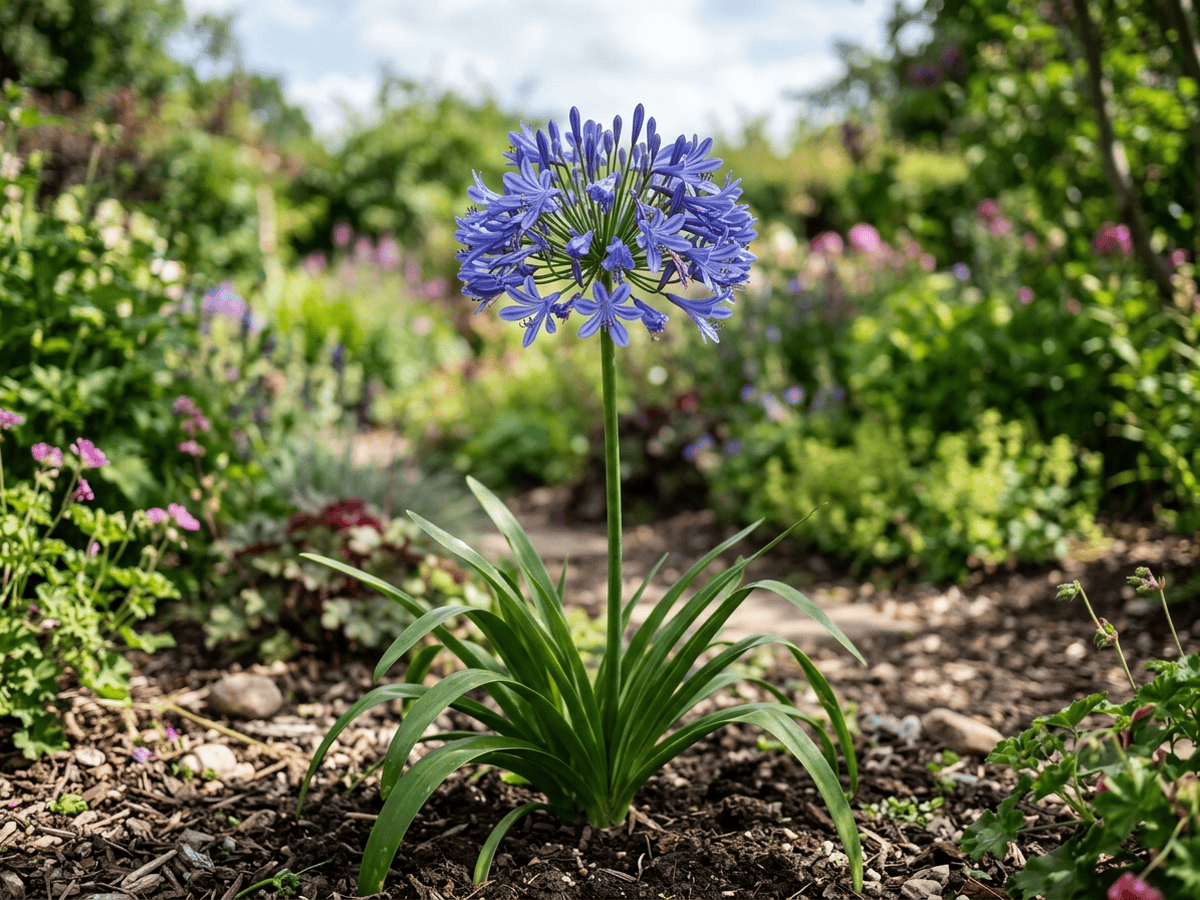 African LilyAgapanthus africanus
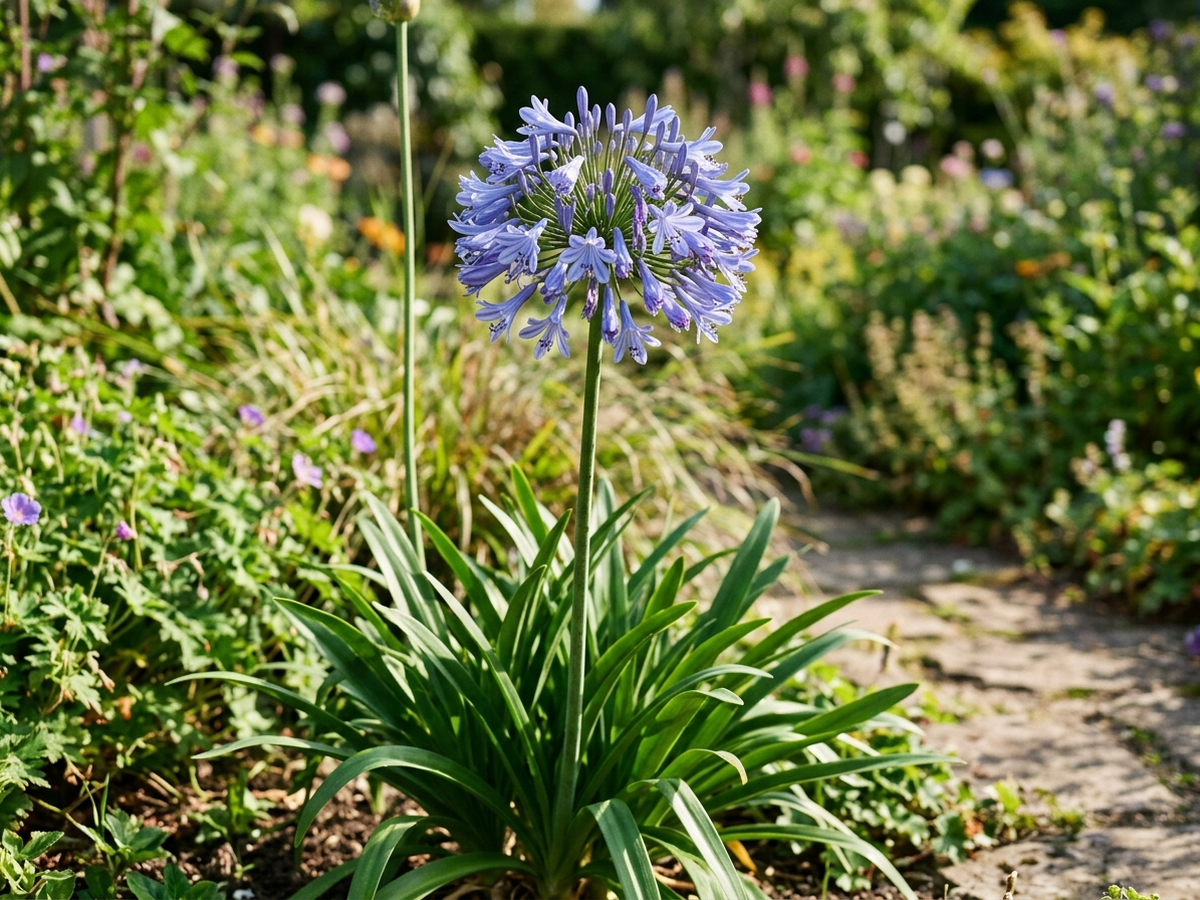 Bell AgapanthusAgapanthus campanulatus
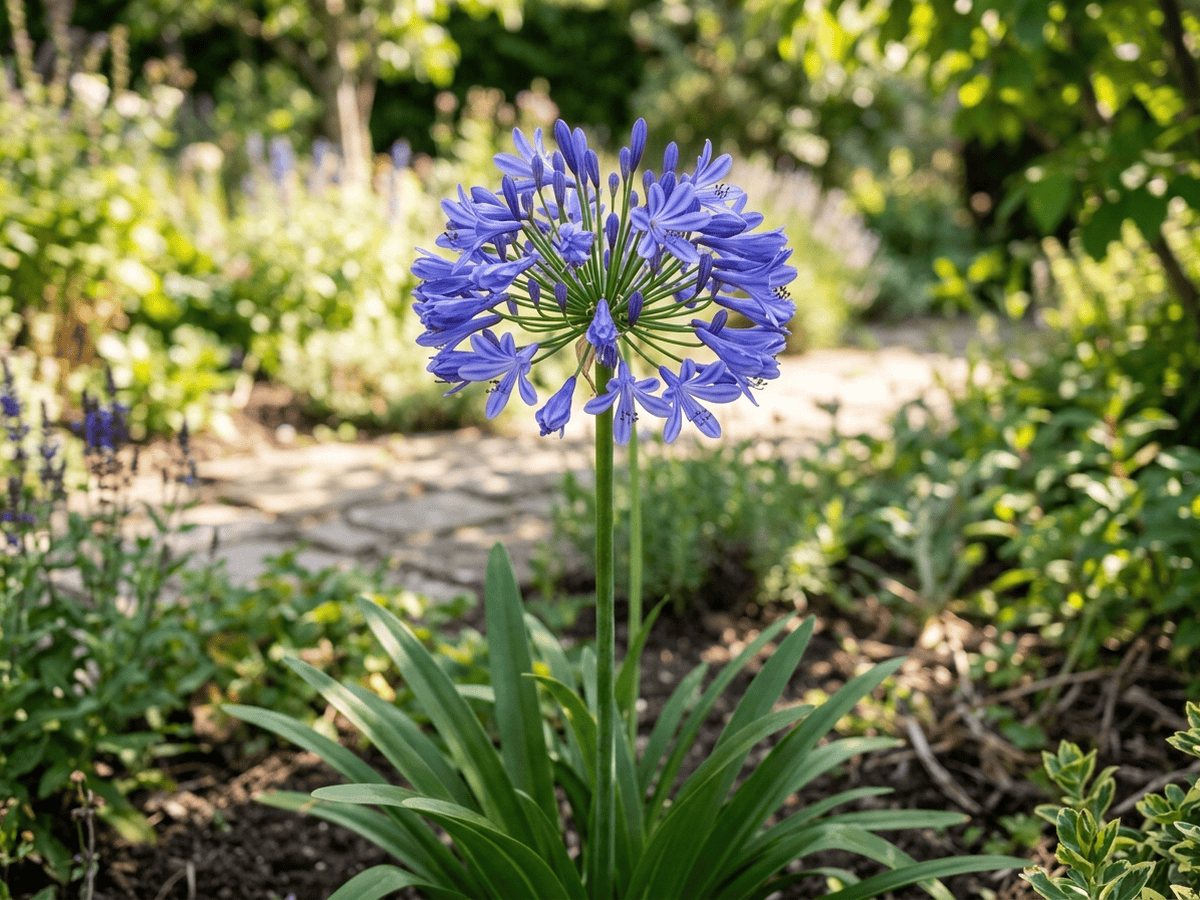 Common AgapanthusAgapanthus praecox
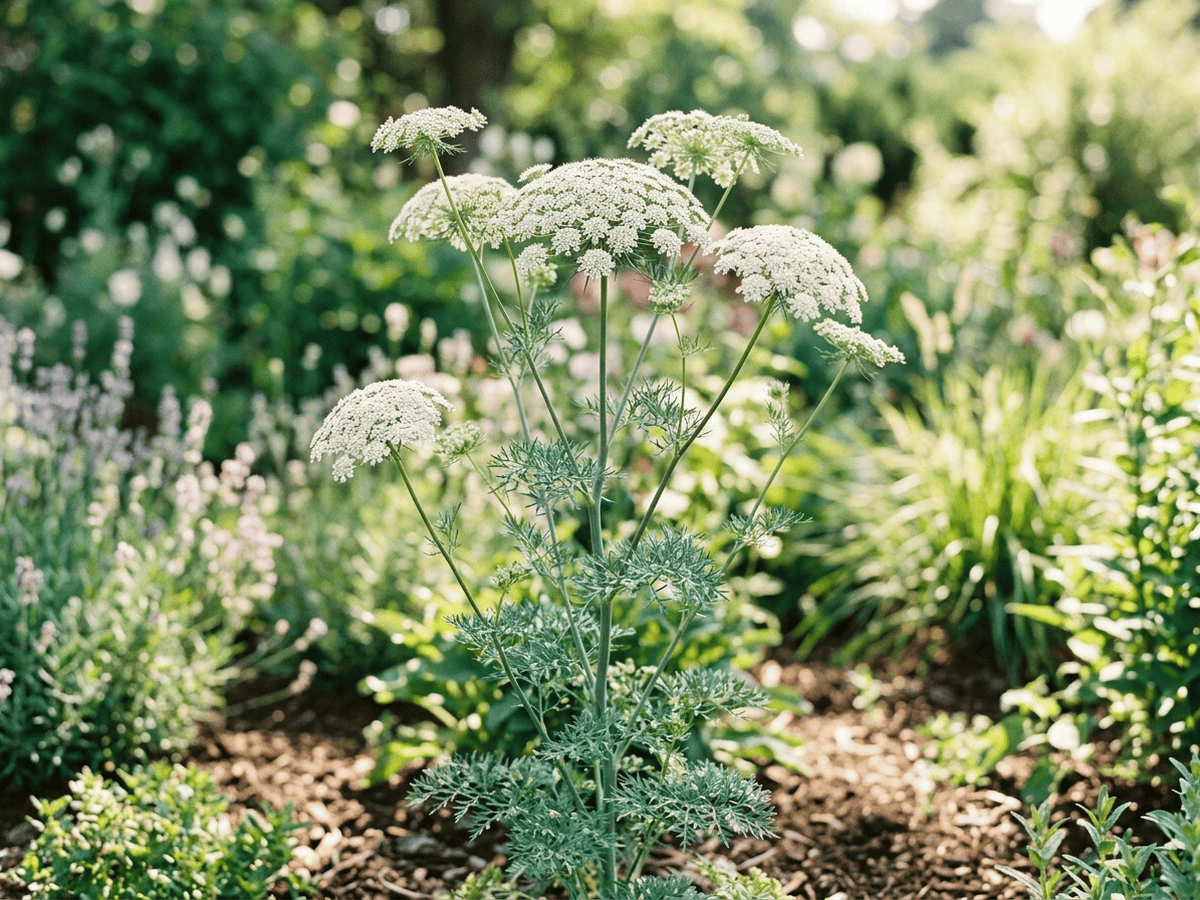 False Queen Anne's LaceAmmi majus glaucifolium
Frequently asked questions
How often should I water Prettyface?
In summer, water about every 10 days; in winter, about every 30 days. Adjust for heat, pot size and drainage.
How much light does Prettyface need?
Part sun: 4–6 hrs direct. Watch the leaves — scorching or stretching means the light needs adjusting.
Is Prettyface toxic to cats or dogs?
No toxicity has been reported for this plant. Still, it is wise to keep pets from chewing on any houseplant. Educational information, not medical or veterinary advice. If exposure is suspected, contact a doctor or veterinarian.
Is Prettyface easy to grow?
It is considered challenging and rewards experienced growers.
When does Prettyface bloom?
It typically blooms Apr–Jun in the Northern Hemisphere.
YardMate
Identify any plant in seconds
Snap a photo — YardMate names the plant, diagnoses problems, and reminds you when to water.
Download on the App Store