 YardMate


Mountain Hemlock
Tsuga mertensiana
Medium · Some experienceAbout Mountain Hemlock
Mountain Hemlock is a graceful conifer native to high elevations of the Pacific Northwest and western mountains, reaching 40-80 feet, distinguished by drooping leader shoots, short bluish-green needles arranged in unusual starburst clusters, and purplish young cones that mature brown. A signature tree of subalpine PNW forests alongside subalpine fir, it forms picturesque wind-sculpted groves at timberline.
- Cold-hardy
- Evergreen
- Native
How to care for Mountain Hemlock
Watering
- Springevery 10 days
- Summerevery 7 days
- Fallevery 14 days
- Winterevery 30 days
Soil · Acidic · pH 4.5–6
- Top dressingPine needle mulch10%
- Main mixAcid-lover mix + peat 3:175%
- DrainageGravel15%
Never add lime or wood ash — it cancels out the acidity.
FERTILIZER
Balanced Feed 14-14-14
An even feed covers all three needs at once, keeping leaves, roots and blooms moving together with nothing pushed out of balance.
- Nitrogen · Leaves
- Phosphorus · Roots + Blooms
- Potassium · Strength
- Springevery 60 days
At a Glance
- NativeNorth America
- Height50–100 ft (15.2–30.5 m)
- Spread20–25 ft (6.1–7.6 m)
- Flower colorPurple, Green
- Foliage colorBlue-green, Silver, Green
- Fruit colorPurple, Brown
- SoilLoamy, Moisture-retentive, Acidic
- LocationsYard
Bloom time
BLOOM CYCLE
Peak bloom
Mar–May
Purplish male cones in spring
Fragrance
LIGHT FRAGRANCE
The foliage has a mild resinous conifer scent.
Toxicity
No toxicity has been reported for this plant. Still, it is wise to keep pets from chewing on any houseplant.
Educational information, not medical or veterinary advice. If exposure is suspected, contact a doctor or veterinarian.
DISTRIBUTION

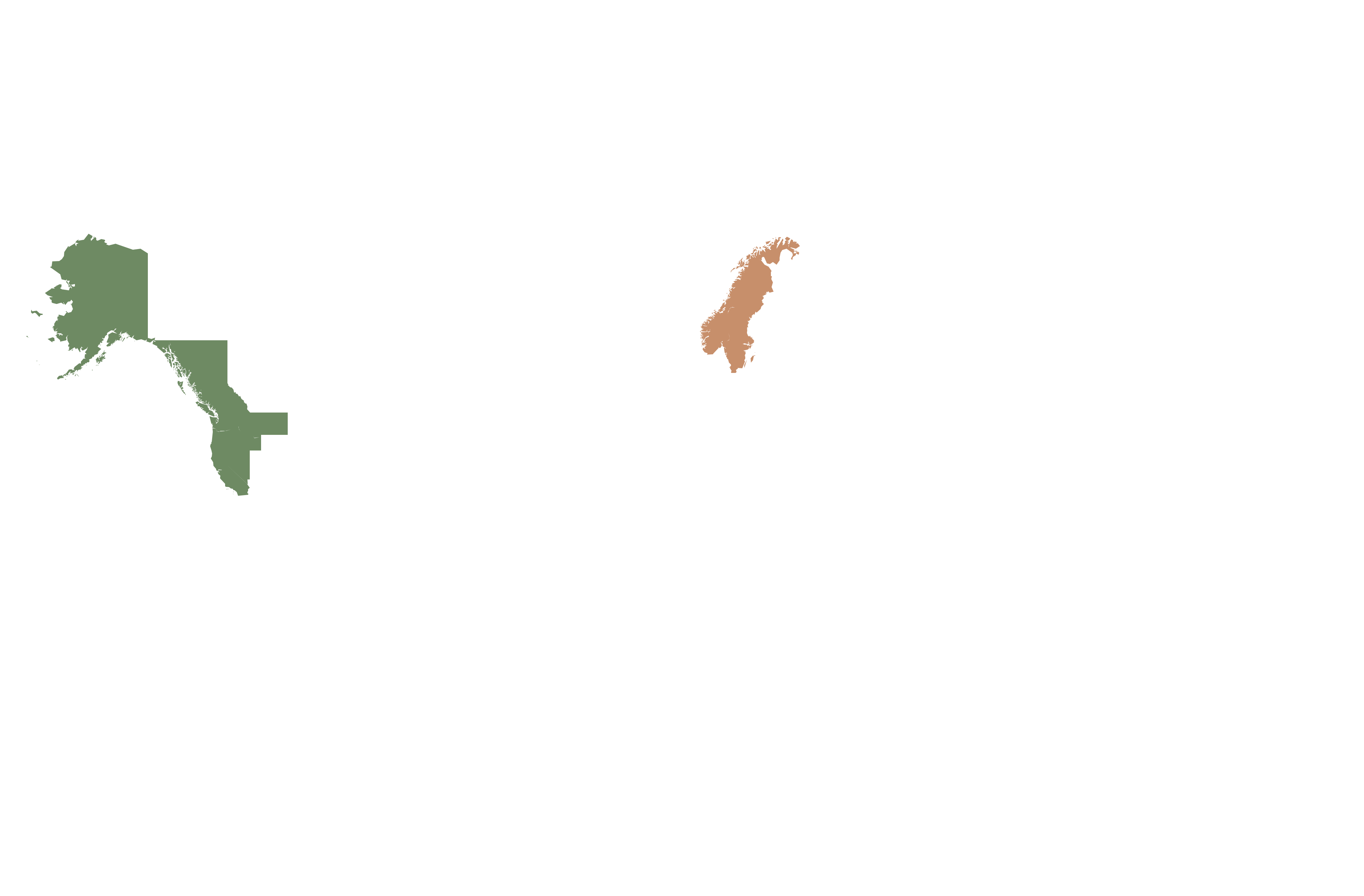
- Native
- Introduced
- North America
History

Tsuga mertensiana occurs along the Pacific coast mountains of western North America from south-central Alaska through British Columbia, Washington, Oregon, and into the northern Sierra Nevada of California, typically at subalpine to timberline elevations between 1000 and 3400 meters. German-Russian botanist August Gustav Heinrich von Bongard described the species in 1832 based on specimens collected at Sitka, Alaska, in 1827 by the Russian-German naturalist Karl Heinrich Mertens (son of botanist Franz Mertens) aboard the Seniavin expedition; the epithet honors Mertens. Unlike other hemlocks, mountain hemlock has short, rounded-tipped needles radiating around the shoot (not two-ranked flat), giving young shoots a bottle-brush look; its cones are also longer.
The species forms the dominant timberline forest of the Cascade and Coastal mountains, often creating distinctive tree-island patterns where slow-growing individuals form isolated clumps on ridges. Slow-growing even in cultivation, it is prized by conifer collectors.
Together with subalpine fir and Pacific silver fir, Mountain Hemlock defines the subalpine forests of the Cascades, Olympics, and Rocky Mountains. Pacific Northwest tribes used the boughs in ceremonial bathing. The weeping habit and drooping leader make it one of the most graceful conifers in American horticulture.
Symbolism & meaning
What It Symbolizes
Mountain hemlock is mountain spirit in conifer form — the signature timberline tree of the Pacific Northwest, leaning into wind on the high passes of the Cascades and Olympics with battered, expressive shapes. Grace is its surprising second gift: the leader bows, and the branches weep in soft falls of needles, giving even a storm-tossed specimen a curiously gentle silhouette. Severity and softness sharing a single trunk.
- Mountain spirit — signature PNW timberline tree
- Grace — drooping leader and weeping branches
Where the Name Comes From
'Tsuga' is the Japanese name for hemlock; 'mertensiana' honors German botanist Karl Heinrich Mertens.
Uses & Fun Facts
- Drooping-leader silver-needled subalpine conifer for mountain gardens
- Graceful pendulous form with blue-green needles and small cones
Related plants
Plants with similar care
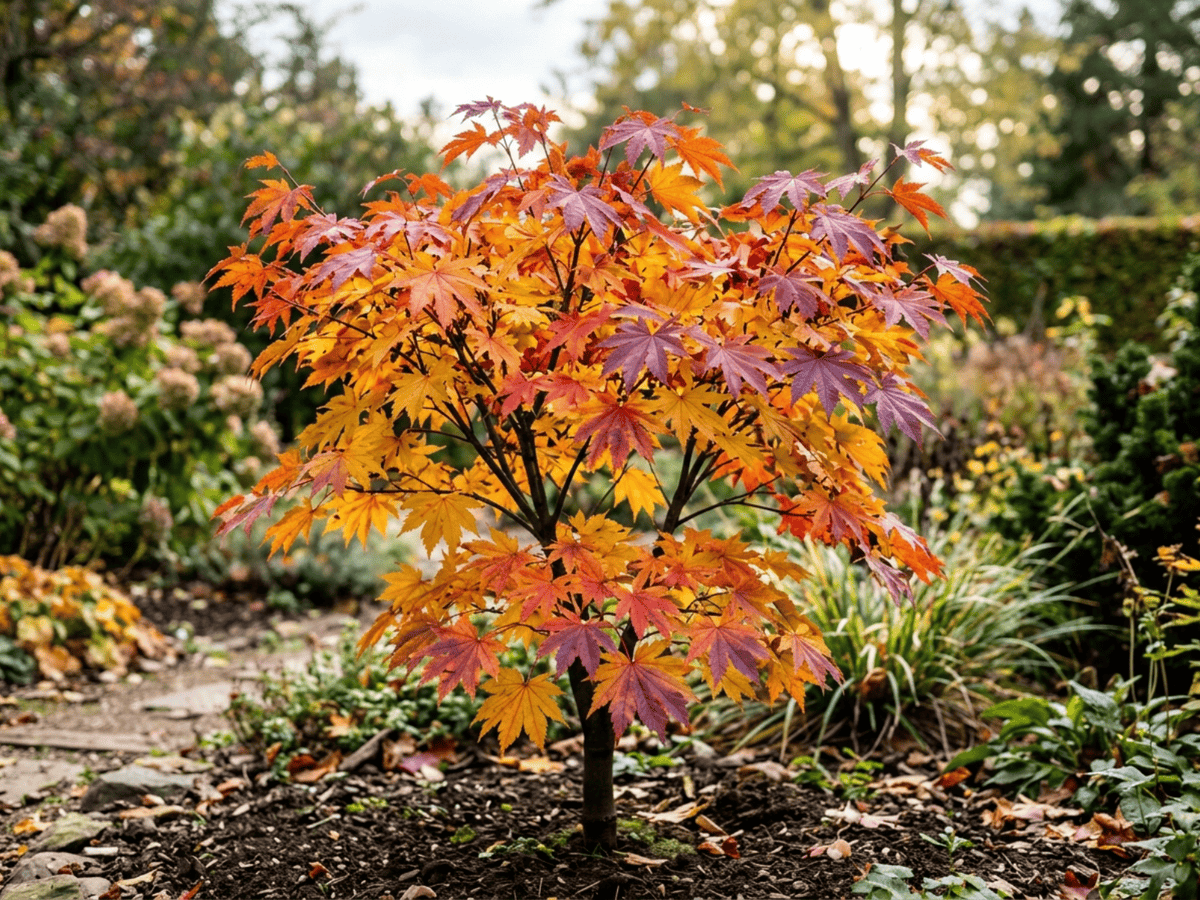 Downy Japanese MapleAcer japonicum
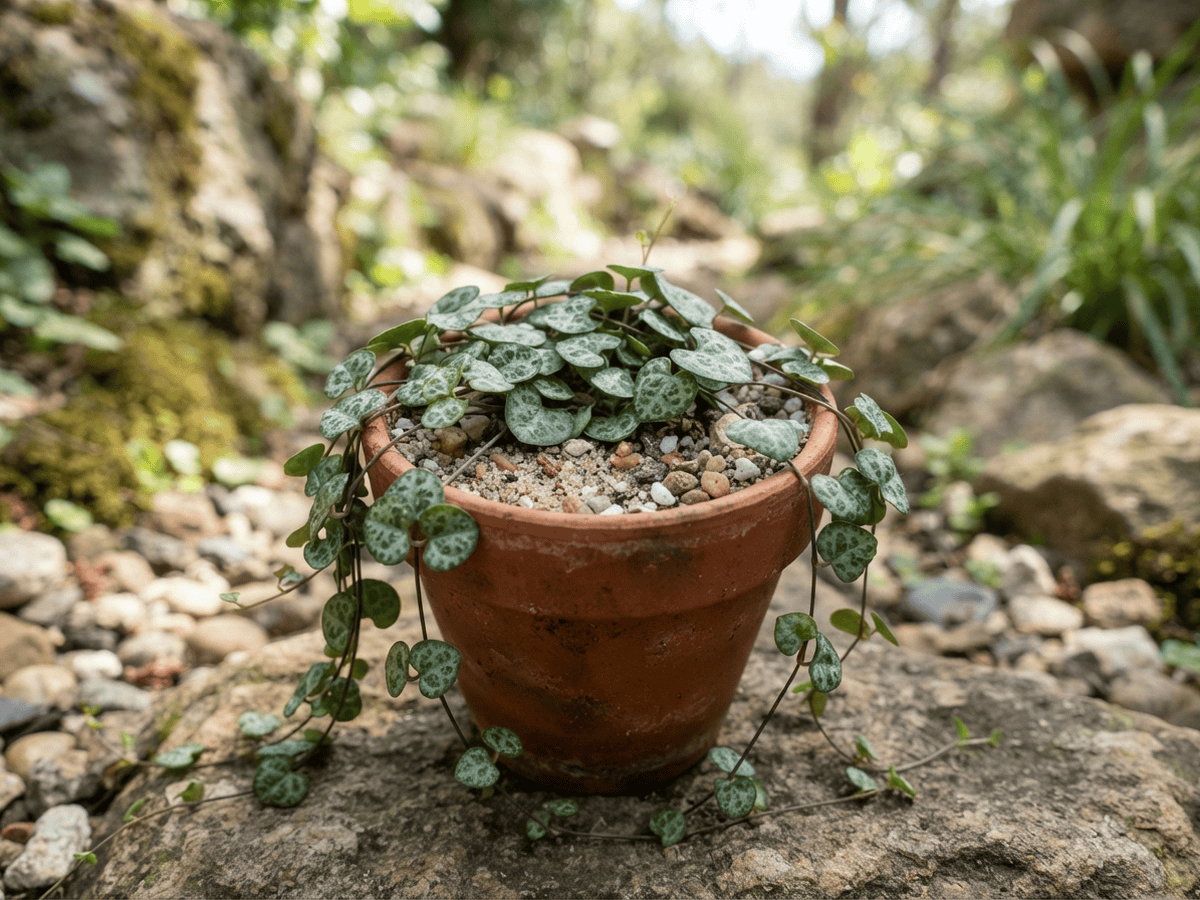 String of HeartsCeropegia woodii
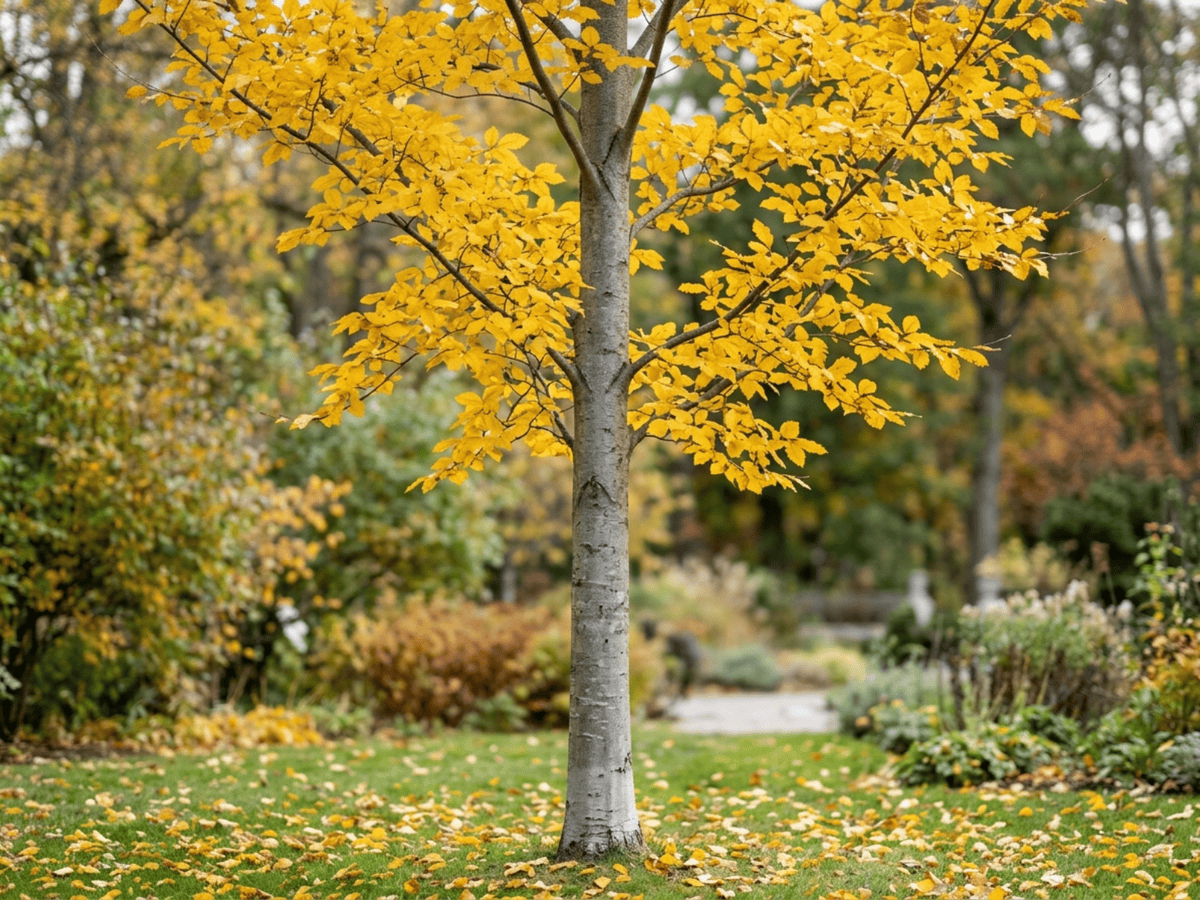 American BeechFagus grandifolia
 Pliant LettuceLactuca viminea
Frequently asked questions
How often should I water Mountain Hemlock?
In summer, water about every 7 days; in winter, about every 30 days. Adjust for heat, pot size and drainage.
How much light does Mountain Hemlock need?
Part sun: 4–6 hrs direct. Watch the leaves — scorching or stretching means the light needs adjusting.
Is Mountain Hemlock toxic to cats or dogs?
No toxicity has been reported for this plant. Still, it is wise to keep pets from chewing on any houseplant. Educational information, not medical or veterinary advice. If exposure is suspected, contact a doctor or veterinarian.
Is Mountain Hemlock easy to grow?
It is moderately demanding: a good choice once you have a little experience.
When does Mountain Hemlock bloom?
It typically blooms Mar–May in the Northern Hemisphere.
YardMate
Identify any plant in seconds
Snap a photo — YardMate names the plant, diagnoses problems, and reminds you when to water.
Download on the App Store